• About
  • podcasts
  • Shop

Surgeons of Horror

~ Dissecting horror films

Surgeons of Horror

Tag Archives: Horror movies

Underground Horrors: Jump Scare

09 Wednesday Sep 2026

Posted by surgeons of horror in Sydney Underground Film Festival

≈ Leave a comment

Tags

film, horror, Horror film, Horror movies, movies, reviews, suff, Sydney Underground Film Festival

There is something wonderfully rebellious about a film that seems to have been assembled from equal parts heavy metal, grindhouse cinema, 1990s music videos and a complete disregard for good taste.

Donnie Hobbie’s Jump Scare is that film.

The feature debut from Hobbie follows the all-female metal band Jump Scare as they retreat to a remote cabin to work on their new album. It’s supposed to be an opportunity to escape the pressures of everyday life and find some creative inspiration.

Unfortunately, their neighbours are cannibals.

It is, admittedly, a familiar horror premise.

But Jump Scare has absolutely no interest in behaving like a familiar horror film.

Instead, Hobbie takes the cabin-in-the-woods template and runs it through a neon-soaked, blood-splattered analogue nightmare. The result is a deliberately scrappy collision of comedy, gore, animation, psychedelia and heavy metal attitude.

It looks like a horror movie that escaped from a late-night music-video block.

And that’s a compliment.

There is a tremendous amount of visual personality here. Grainy imagery, saturated colours, stylised lighting, graphic overlays, practical effects and bursts of animation give Jump Scare the feeling of something excavated from a particularly deranged corner of the VHS era.

The film wears its influences proudly.

There are obvious echoes of The Texas Chain Saw Massacre, grindhouse cinema and the splatter-comedy tradition, but Hobbie isn’t particularly interested in disguising those influences. Jump Scare is closer to a mixtape than a traditional horror film: take something from here, something from there, turn the volume up and see what happens.

And, for considerable stretches, it is a hell of a lot of fun.

The band themselves are one of the film’s strongest assets. Their camaraderie gives the early sections a loose, lived-in quality, and the chemistry between the performers provides a welcome sense that these characters actually enjoy being around one another.

That matters.

Because once the cannibals arrive, the film could easily have become another disposable exercise in slaughterhouse horror.

Instead, the personalities keep it moving.

Hobbie also demonstrates an obvious affection for practical filmmaking. There is a joyous physicality to the violence, with blood, guts, creatures and assorted bodily misfortune given an appropriately handmade quality. Some of the effects are deliberately rough around the edges, but that imperfection is part of the film’s aesthetic.

Jump Scare isn’t trying to convince us that we’re watching reality.

It wants us to enjoy the artifice.

That gives the film a particularly punk-rock quality. It is less concerned with polish than with energy.

The problem is that energy can only carry a film so far.

At 102 minutes, Jump Scare occasionally feels as though it has run out of ideas before it has run out of runtime. The same jokes, stylistic flourishes and conversations can begin to repeat themselves, while the middle section lacks some of the momentum generated by the film’s opening.

There are moments when you can almost see the more tightly edited version of Jump Scare hiding inside the finished film.

And that’s frustrating because there is so much here to admire.

Hobbie clearly has an eye.

There are sequences that burst with invention, and the film’s visual confidence is remarkable for a feature debut. It understands that horror doesn’t always need to be dark, grim or self-serious. Sometimes it can be loud, colourful, stupid, funny and covered in blood.

In that sense, Jump Scare feels like something of a corrective to the more restrained tendencies of contemporary horror.

It wants to have fun.

Even when that fun becomes excessive.

The film also gets something right about its metal-band protagonists. Their world isn’t simply used as an excuse for a soundtrack. Music is woven into the film’s identity, with the aesthetic of heavy metal becoming part of its visual and comic language.

The result is less Texas Chain Saw filtered through a conventional horror-comedy structure than Texas Chain Saw dropped into a particularly unhinged music video.

And then somebody added puppets.

And animation.

And considerably more blood.

For all its rough edges, there is something admirable about a filmmaker arriving with this much personality. Jump Scare isn’t afraid to be ugly, ridiculous or excessive. It isn’t interested in sanding down its eccentricities in the pursuit of conventional genre polish.

Sometimes that works beautifully.

Sometimes it doesn’t.

But I’d take an occasionally overstuffed film with this much personality over something technically accomplished and completely anonymous.

Jump Scare doesn’t reinvent the cabin-in-the-woods horror movie.

It throws the old model into a blender, adds a metal soundtrack, pours in a bucket of fake blood and hits the switch.

The result is messy.

Loud.

Occasionally exhausting.

But undeniably alive.

SUFF #20

Jump Scare screens at 9:45pm on Friday 11 September in Cinema 2, with a second screening at 8:00pm on Saturday 12 September in Cinema 4, as part of Sydney Underground Film Festival #20 at Factory Theatre, Marrickville.

For the full program and ticket information, visit the Sydney Underground Film Festival.

  • Saul Muerte

Underground Horrors: Lucid

07 Monday Sep 2026

Posted by surgeons of horror in Sydney Underground Film Festival

≈ Leave a comment

Tags

film, horror, Horror movies, movies, reviews, suff, Sydney Underground Film Festival, writing

There is something inherently unsettling about a dream.

Not necessarily because of what happens within it, but because of the strange rules governing the experience. Familiar places become alien. People we know acquire unfamiliar faces. Memories surface without invitation. Cause and effect become slippery. And beneath it all is the uncomfortable knowledge that the nightmare is coming from somewhere inside us.

Lucid, the surreal art-punk horror film from Canadian filmmakers Deanna Milligan and Ramsey Fendall, takes that premise and runs headlong into the subconscious.

Set in the 1990s, the film follows Mia Sunshine Jones (Caitlin Acken Taylor), an art student whose creative ambitions are beginning to collapse beneath the weight of a seemingly insurmountable block. With her place at art school under threat, Mia turns to a mysterious lucid-dreaming elixir in the hope that she can unlock the creativity she feels slipping away.

Instead, she opens a door that perhaps should have remained closed.

The resulting descent into dreams, memories and increasingly monstrous manifestations makes Lucid less interested in conventional nightmare mechanics than in the uncomfortable connection between creation and self-examination.

For Mia, the problem isn’t simply that she can’t make art.

It is that she may not yet understand what she is trying to express.

Milligan and Fendall approach this psychological territory with an appropriately handmade aesthetic. Shot on 35mm and Super 8, Lucid has a tactile quality that distinguishes it from the increasingly polished digital language of contemporary genre cinema. The imagery feels deliberately unstable, as though the film itself is slipping between waking reality and the fragmented visual language of a dream.

That is where Lucid becomes most compelling.

Rather than treating lucid dreaming as a convenient supernatural gimmick, the film uses it as a mechanism for peeling away the layers Mia has constructed around herself. The deeper she travels into this increasingly fractured reality, the more difficult it becomes to distinguish between imagination, memory and emotional trauma.

The monsters, consequently, are more than things to be feared.

They are things to be confronted.

One of the film’s most striking ideas is that artistic expression cannot necessarily be separated from the experiences that produce it. Creativity may be liberating, but it can also be invasive. To create something genuinely personal may require confronting the parts of yourself that you would rather leave buried.

That makes Lucid an interesting companion piece to some of the more traditional forms of body and psychological horror appearing at SUFF this year. Where films such as Bagworm externalise transformation through the physical body, Lucid turns inward. Its battleground is the imagination itself.

And imagination proves to be a particularly dangerous place.

There is an undeniable influence of 1990s alternative and underground culture running through the film, but Lucid isn’t simply nostalgic window dressing. Its period setting becomes part of the film’s identity: a world of handmade art, subcultures and analogue imagery that feels particularly appropriate for a story about an artist struggling to discover her own voice. The filmmakers’ use of 35mm and Super 8 reinforces that connection, giving the film an aesthetic that feels deliberately tactile and imperfect.

It is also a film willing to take risks.

At times, those risks work against it. Lucid isn’t particularly interested in holding the audience’s hand, and its narrative can become as fragmented as the dreamscape through which Mia is travelling. There are moments when the symbolism threatens to overwhelm the story itself.

But that is also part of the film’s appeal.

Lucid isn’t particularly interested in behaving itself.

It wants to be strange.

It wants to be messy.

It wants to crawl inside the head of its protagonist and rummage around in the places where memory, fear and creativity become indistinguishable.

And for a film about an artist desperately searching for inspiration, there is something wonderfully appropriate about that approach.

The result is an ambitious piece of independent horror that feels less concerned with delivering a neatly constructed nightmare than with asking what happens when we deliberately surrender control of our own minds.

Sometimes the things we discover there are frightening.

Sometimes they’re grotesque.

And sometimes they are the very things we need to confront before we can create anything worth showing the world.

Lucid may occasionally lose its way inside its own dreamscape, but its willingness to embrace uncertainty is precisely what makes it such an intriguing piece of underground cinema.

SUFF #20

Lucid screens Friday 11 September at 7:45pm in Cinema 3 as part of the Sydney Underground Film Festival’s 20th anniversary program at Factory Theatre, Marrickville.

For more information and tickets, visit Sydney Underground Film Festival.

  • Saul Muerte

PARASOMNIA: WHEN THE NIGHTMARE WAKES

01 Tuesday Sep 2026

Posted by surgeons of horror in Movie review

≈ Leave a comment

Tags

film, horror, Horror movies, James Ross II, Jasmine Matthews, movies, reviews, shudder, shudder australia

Sleep is supposed to be the great surrender. We close our eyes, relinquish control and allow consciousness to dissolve into whatever strange machinery waits on the other side. Horror has long understood the vulnerability of that state, from the nightmare logic of A Nightmare on Elm Street to the psychological labyrinths of contemporary supernatural cinema. Parasomnia takes that familiar anxiety and gives it a promising contemporary framework: what happens when the thing haunting your dreams stops respecting the border between sleep and waking life?

Directed by James Ross II, the Shudder Original places Jasmine Mathews’ Riley at the centre of a story shaped by night terrors, unresolved trauma and disappearance. When her best friend becomes the latest person to vanish, Riley begins to suspect that the demonic presence stalking her dreams may have found a way into the waking world. It is an immediately attractive premise, one that offers the possibility of psychological horror, supernatural mystery and nightmare imagery existing simultaneously, with Riley’s own fractured perception leaving us uncertain about where one state ends and another begins.

Unfortunately, Parasomnia never quite manages to turn that intriguing foundation into the film it initially promises to be.

There is plenty here to admire. The central concept has genuine potential, particularly in the way it connects Riley’s trauma with the supernatural threat. Rather than simply introducing a demon and allowing it to run amok, the film attempts to make the creature part of a larger psychological landscape. Riley’s night terrors are not merely convenient vehicles for scares; they are connected to grief, memory and the unresolved events that have shaped her life. That gives the supernatural elements an emotional foundation, even if the eventual story struggles to build upon it.

Jasmine Mathews is particularly strong in the lead. Riley could easily have become a conventional horror protagonist — traumatised, frightened and increasingly convinced that nobody believes her — but Mathews gives the character a more complicated interior life. There is a convincing fragility to her performance, but also a determination that prevents Riley from becoming passive. She carries the film through some of its weaker narrative stretches, grounding the more fantastical material in recognisable human emotion.

That becomes increasingly important as the storyline begins to show its limitations.

The problem with a horror film built around dreams is that the possibilities are virtually limitless. Once the audience understands that reality itself may be unreliable, the filmmaker has access to a wonderfully unstable cinematic space. A bedroom can become a trap. A familiar face can become threatening. A mundane location can suddenly acquire the logic of a nightmare. The rules of reality can be stretched, distorted or discarded entirely.

Parasomnia occasionally understands this, but too often it seems reluctant to fully embrace the possibilities of its own premise.

The film’s strongest moments are those in which uncertainty takes precedence over explanation. When Riley is caught between sleep and waking, the question isn’t necessarily whether what she is experiencing is real, but whether reality still provides a useful distinction. Those sequences possess an unnerving ambiguity, allowing the horror to operate somewhere between psychological breakdown and supernatural intrusion.

Yet the more the film attempts to explain its mythology, the less compelling that ambiguity becomes.

This is a recurring problem with supernatural horror. The unknown is often considerably more frightening than the known, particularly when the unknown exists inside something as personal and uncontrollable as a nightmare. Once the film begins establishing the mechanics behind its demonic presence, some of the mystery starts to evaporate. The audience is no longer trapped inside Riley’s uncertainty; we are increasingly being given the answers.

And unfortunately, those answers aren’t always particularly satisfying.

The storyline feels serviceable rather than revelatory. There are ideas here that could have produced something considerably more psychologically intricate, particularly around trauma and the persistence of grief, but the screenplay frequently settles for conventional supernatural-horror machinery. Characters move towards revelations because the narrative requires them to, discoveries arrive with an increasingly familiar rhythm and the mystery ultimately feels less substantial than the concept that initially introduced it.

This is where Parasomnia becomes frustrating rather than outright disappointing.

Because there is clearly a better film lurking inside it.

The concept is strong. The performances are strong. The atmosphere is often effective. There are moments where the film creates precisely the kind of disorientation it needs, leaving Riley — and the audience — uncertain about whether they are experiencing a nightmare or something considerably more tangible.

But those ingredients don’t quite coalesce into a satisfying whole.

The supernatural entity itself is another example of this imbalance. As an idea, a demonic figure capable of moving between dreams and reality is an excellent horror proposition. It weaponises one of humanity’s most universal vulnerabilities: sleep. There is something deeply unsettling about the possibility that closing your eyes doesn’t protect you from the monster, but actually gives it access to you.

Yet the creature ultimately feels more effective as an idea than as a fully realised antagonist.

The film is strongest when the demon remains at the periphery of Riley’s experience, when its presence is suggested through fragments and disturbances rather than presented as something that needs to be completely understood. Once it becomes a more conventional supernatural threat, Parasomnia loses some of the psychological unease that made its premise so attractive.

There is also a noticeable tension between the film’s ambitions and its storytelling. It wants to explore trauma, grief, friendship and the lingering consequences of tragedy while simultaneously delivering supernatural thrills. Those elements are not incompatible — horror has been doing exactly that for decades — but they require a narrative capable of allowing the emotional and genre components to reinforce one another.

Here, they sometimes feel like separate tracks running alongside each other.

Riley’s emotional history gives the horror meaning, but the horror doesn’t always deepen our understanding of Riley.

That distinction matters.

The best psychological horror makes the monster inseparable from the character confronting it. The supernatural threat becomes an external expression of something internal, allowing every encounter with the creature to reveal something about the protagonist. Parasomnia gestures towards that territory without quite committing to it.

As a result, the film’s emotional material can feel somewhat underdeveloped just when it should be reaching its greatest intensity.

That is particularly evident in the final act.

Without venturing into spoilers, the conclusion struggles to deliver the catharsis that the preceding story seems to be building towards. The film has established a compelling relationship between Riley’s trauma and the supernatural threat, but the eventual resolution doesn’t quite capitalise on that connection. Instead of transforming the earlier ideas into something thematically resonant, the ending largely feels like the narrative arriving at its required destination.

It isn’t disastrous.

It simply isn’t enough.

And that distinction is important because Parasomnia is never a bad film. It is an intermittently effective one that repeatedly demonstrates what it could have been. There are enough strong ideas and performances here to make the experience worthwhile, but also enough conventional storytelling to prevent it from becoming the psychologically disquieting nightmare its premise suggests.

Mathews remains the film’s greatest asset. Her performance gives Riley emotional credibility even when the screenplay becomes predictable, and she brings enough vulnerability and resolve to make the character worth following. The supporting performances similarly help maintain the film’s human dimension, preventing the supernatural material from becoming entirely detached from the people experiencing it.

Ultimately, however, Parasomnia is caught between two versions of itself.

One is a strange, unsettling psychological horror about trauma invading dreams and nightmares crossing into reality. That film is genuinely intriguing. It understands that the most frightening aspect of sleep is not necessarily what we dream about, but the surrender of control that makes dreaming possible in the first place.

The other is a more conventional supernatural thriller that needs to explain its mythology, organise its scares and eventually provide answers.

The first film is considerably more interesting than the second.

When Parasomnia embraces uncertainty, it works. When it allows Riley’s perception to become unstable and makes us question whether the nightmare has crossed over or whether Riley is simply losing her grip on reality, the film finds its unsettling centre. But whenever it retreats into familiar supernatural storytelling, the tension dissipates.

There is a good horror movie buried somewhere within Parasomnia. At times, you can almost see it clawing its way to the surface.

What ultimately holds it back is not a lack of ideas, atmosphere or talent. It is that the story doesn’t quite know what to do with all three.

The Prognosis:

Parasomnia is a film with a genuinely strong horror concept and committed performances, particularly from Jasmine Mathews, but its mediocre storyline prevents the material from reaching its full potential. It is worth entering the nightmare for the atmosphere and ideas; just don’t expect the waking world to provide quite the payoff you’re hoping for.

  • Saul Muerte

The Lost Decade Reclaimed: In Search of Darkness: 1990–1994

13 Wednesday May 2026

Posted by surgeons of horror in Uncategorized

≈ 1 Comment

Tags

film, horror, Horror movies, movies, reviews

For decades, horror discourse has treated the 1990s as a wasteland.

A strange cultural dead zone wedged awkwardly between the blood-soaked excess of the 1980s and the postmodern self-awareness ignited by Scream. Conventional wisdom has long suggested the genre lost itself during the early half of the decade — caught between fading slasher formulas, shifting audience tastes, and an industry uncertain how to evolve.

But In Search of Darkness: 1990-1994 arrives not simply to celebrate the era, but to challenge that narrative entirely.

Over the course of its sprawling six-hour runtime, the documentary reframes the early ‘90s not as horror’s creative collapse, but as one of its most fascinating transitional periods — a fragmented, experimental stretch where filmmakers pushed the genre inward, toward psychology, existentialism, body horror, and metafiction.

This was not horror dying.
It was horror mutating.


Horror Between Two Worlds

The early ‘90s existed in the shadow of exhaustion. The slasher boom had burnt itself out, practical effects-driven creature features were becoming financially risky, and mainstream studios increasingly struggled to market horror outside familiar formulas.

What emerged instead was something stranger and more intimate.

The films explored throughout In Search of Darkness: 1990-1994 reveal a genre wrestling with identity itself. Many of these works are steeped in paranoia, decay, and fractured realities — reflecting both the cultural anxieties of the era and horror cinema’s own uncertainty about its future.

And that uncertainty became fertile ground for experimentation.


The Hidden Gems of the Forgotten Era

One of the documentary’s greatest strengths is its excavation of films too often overshadowed by louder genre landmarks.

The Exorcist III emerges as a perfect example — a film long buried beneath the legacy of its predecessor, yet now increasingly recognised as one of the most unnerving studio horrors of its decade. Its procedural structure and existential despair transformed demonic horror into something mournful and deeply human.

Likewise, Nightbreed stands as a fascinating reclamation project. Once misunderstood and butchered by studio interference, Clive Barker’s monster epic now feels radically ahead of its time — a queer-coded dark fantasy about outsiders, persecution, and identity.


The Rise of Psychological and Meta Horror

Perhaps the most fascinating thread running through the documentary is how many early ‘90s horror films became deeply self-reflective.

Wes Craven’s New Nightmare effectively dismantled and reconstructed slasher mythology years before Scream would popularise meta-horror. Meanwhile In the Mouth of Madness saw John Carpenter crafting an apocalyptic vision of fiction infecting reality itself — a cosmic nightmare about media consumption, authorship, and madness.

These were films no longer content with merely scaring audiences.
They wanted to interrogate horror itself.

Even The Dark Half and Body Snatchers channel anxieties surrounding fractured identity, distrust, and societal collapse. Horror had become increasingly psychological, reflecting a world entering the uncertainties of a new decade.


Body Horror, Flesh, and Mutation

Return of the Living Dead 3 transformed zombie horror into tragic body mutilation romance. Body Melt — an especially welcome inclusion given its Australian cult status — weaponised suburban satire through spectacular biological collapse, feeling like a sunburnt cousin to the work of David Cronenberg.

Then there is Cronos, where Guillermo del Toro quietly announced himself as a visionary auteur by transforming vampirism into a meditation on mortality, obsession, and innocence corrupted.

These films understood that horror’s true battleground is often the body itself — unstable, vulnerable, constantly changing.


Anthologies, Gothicism, and Lovecraftian Shadows

Two Evil Eyes united George A. Romero and Dario Argento under the banner of Edgar Allan Poe, while Necronomicon embraced anthology horror through a distinctly Lovecraftian lens.

Meanwhile, films like Dark Waters and Nadja leaned heavily into dreamlike gothic atmosphere, rejecting mainstream accessibility in favour of hypnotic art-horror abstraction.

This willingness to experiment visually and tonally is precisely what makes the period so fascinating in retrospect.


Horror Searching for Its Future

What In Search of Darkness: 1990-1994 ultimately captures so effectively is a genre caught in transition.

The documentary is less about nostalgia than reevaluation. Through interviews with genre icons including Heather Langenkamp, John Carpenter, Frank Henenlotter, Tim Balme, and Michael Gross, the film paints a portrait of horror cinema evolving in real time.

These weren’t safe studio products.
They were risks.
Mutations.
Experiments searching for new language.

And while not every film succeeded commercially, many of them now feel startlingly prophetic.


The Prognosis

In Search of Darkness: 1990-1994 is an absorbing, deeply affectionate reappraisal of one of horror cinema’s most misunderstood eras — a six-hour excavation of forgotten masterpieces, ambitious failures, and genre experimentation hiding in plain sight.

An essential viewing experience for horror devotees, and a powerful reminder that the early ‘90s were never horror’s lost years.

They were simply waiting to be rediscovered.

  • Saul Muerte

Words That Wound: Crazy Old Lady and Argentina’s New Wave of Psychological Horror

26 Thursday Feb 2026

Posted by surgeons of horror in Movie review

≈ Leave a comment

Tags

argentine horror, carmen maura, Daniel Hendler, film, horror, Horror movies, Martín Mauregui, movies

Premiering exclusively on Shudder and AMC+ on 27 February, Crazy Old Lady arrives at a moment when Argentine horror is no longer a niche curiosity but a steadily rising force within global genre cinema. Directed by Martín Mauregui, the film won Best Director in the Horror Competition at Fantastic Fest and screened at the Sitges Film Festival, signaling its pedigree within the festival circuit.


Argentina’s Expanding Horror Identity

Over the past decade, Argentine horror has carved out a distinct tonal space — one steeped in psychological dread, moral decay, and socio-political unease. Films like Terrified (Aterrados) and When Evil Lurks, both from Demián Rugna, have demonstrated a willingness to confront spiritual rot with startling brutality. Meanwhile, works such as The Last Matinee have blended nostalgia with escalating carnage.

Crazy Old Lady situates itself within this movement but opts for a more intimate chamber-piece approach. Gone are demonic outbreaks or grand supernatural set-pieces. Instead, the horror is confined to a single home — and to a single voice.


The House as a Psychological Trap

The premise is elegantly simple: on a storm-lashed evening, Pedro answers a desperate plea from his ex-girlfriend to watch over her senile mother, Alicia. What begins as reluctant caretaking morphs into entrapment when Alicia refuses to let him leave. From here, Mauregui crafts a claustrophobic duel between youth and decay, autonomy and obligation.

The house becomes less a haunted space than a psychological maze. Doors lock. Power flickers. Corridors stretch under dim lighting. Yet the most unnerving element is Alicia herself.

Generational Trauma as Curse

At its core, Crazy Old Lady explores generational trauma — the emotional inheritance passed down like an heirloom no one wants. Alicia’s ramblings oscillate between fragility and cruelty, revealing buried resentments and manipulative patterns that echo through her daughter and now ensnare Pedro.

The horror lies not only in her sadistic “games,” but in the suggestion that her worldview — her bitterness, her warped moral logic — has already seeped into the next generation. Words linger long after they’re spoken. They calcify. They shape behavior.

Mauregui repeatedly frames Alicia in tight close-ups as she mutters aphorisms that feel both cryptic and venomous. These fragments of speech function almost like incantations, embedding themselves in the atmosphere. In this sense, the film’s haunting is linguistic rather than spectral.

It’s a compelling thematic hook, even if the script occasionally circles its ideas without deepening them.


Mauregui’s Controlled Minimalism

Martín Mauregui directs with restraint, favoring sustained tension over sudden shocks. The pacing is deliberate, sometimes to a fault, but his control of confined space is impressive. The storm outside acts as sonic punctuation, underscoring Pedro’s isolation.

Where the film falters slightly is in escalation. The psychological cat-and-mouse dynamic promises a crescendo of either shocking revelation or cathartic confrontation. Instead, the climax feels muted — more simmer than explosion. For some viewers, this restraint will read as sophistication; for others, as hesitation.

Still, Mauregui’s festival recognition feels justified. There’s a clear authorial voice at work — one attuned to emotional cruelty rather than spectacle.


A Solid Entry in a Strong Movement

Crazy Old Lady may not reach the ferocity of When Evil Lurks or the nerve-shredding intensity of Terrified, but it contributes to the ongoing evolution of Argentine horror by narrowing its focus to the domestic sphere. It suggests that sometimes the most enduring hauntings are not demons or ghosts, but the toxic narratives families pass down through generations.

Not a breakout masterpiece, but another confident step in Argentina’s increasingly compelling horror renaissance.

  • Saul Muerte

When Apes Strike Back: A Brief, Bloody History of Killer Ape Cinema

08 Thursday Jan 2026

Posted by surgeons of horror in Best Movies and Shows

≈ 1 Comment

Tags

animal attack films, ape horror, creature features, cult horror cinema, film, horror, Horror movies, killer ape movies, movies, primate horror, reviews

There is something uniquely unsettling about the cinematic ape. Neither fully beast nor recognisably human, the ape exists in a liminal space where intelligence threatens instinct and instinct threatens civilisation. When apes turn violent on screen, it is rarely just spectacle—it is metaphor. Fear of regression. Fear of science. Fear of nature remembering its strength.

As Primate prepares to join this strange lineage, it’s worth tracing how killer ape cinema has evolved: from pulp exploitation and natural horror, through prestige allegory, to blockbuster spectacle and outright absurdity.


The Apex of Fear: Apes as Allegory

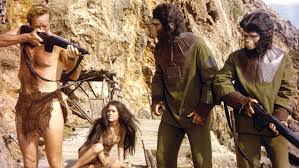
Planet of the Apes (1968)

Franklin J. Schaffner’s landmark film is not a “killer ape movie” in the crude sense, but it is foundational. The apes are not monsters; they are inheritors. Their violence is institutional, judicial, scientific. What terrifies is not their savagery but their civilisation—one that mirrors humanity’s worst impulses.

Every ape-on-human act here carries ideological weight. This is not about claws and teeth; it is about power structures. Nearly every killer ape film since has echoed this anxiety, whether consciously or not.

Dawn of the Planet of the Apes (2014)

The modern franchise reclaims that allegorical power. Caesar’s apes are tragic, political beings whose violence emerges from betrayal and fear. While not “killer apes” in the exploitation sense, the film’s emotional complexity elevates simian aggression into something operatic. Violence is framed as consequence, not novelty.

Kingdom of the Planet of the Apes (2024)

This latest entry leans further into myth-making. Apes as kings, generals, tyrants. Here, the killer ape becomes historical force—a reminder that dominance is cyclical. Humanity is no longer prey, but footnote.

Verdict: Essential context. These films legitimise the ape as cinematic threat by grounding it in philosophy rather than pulp.


Nature Turns Hostile: Apes as Environmental Horror

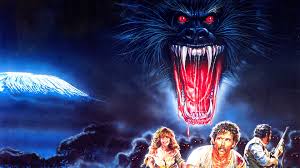
In the Shadow of Kilimanjaro (1985)

Possibly the most literal killer ape film ever made. Tens of thousands of starving baboons descend upon humans during a drought. It’s messy, bleak, and strangely prescient. Environmental collapse creates violence, not evil. The apes are not villains—they are survivors.

Despite its rough edges, the film taps into a genuine eco-horror vein later seen in shark, insect, and reptile cinema.

Blood Monkey (2006)

A late-era attempt to graft Jurassic Park aesthetics onto primate horror, Blood Monkey is disposable but emblematic of the genre’s exploitation phase. Science meddles. Apes mutate. People die. The film has little to say beyond spectacle, but it shows how the killer ape had become a direct-to-video creature feature staple.

Verdict: Relevant as cautionary tales—nature retaliating against human arrogance.


Laboratory Nightmares: Apes and Scientific Hubris

Monkey Shines (1988)

George A. Romero’s most psychologically disturbing work may also be his quietest. Ella the monkey is not a rampaging beast but a resentful, possessive intelligence shaped by experimentation. The horror lies in emotional transference and loss of autonomy.

This is killer ape cinema at its most intimate and uncomfortable.

Link (1986)

An underrated British horror gem where a super-intelligent orangutan becomes lethally territorial. The film weaponises intelligence rather than mutation, suggesting that awareness itself may be the most dangerous upgrade of all.

Night of the Bloody Apes (1969)

Mexican exploitation at its most lurid. A heart transplant turns a man into a masked ape monster. It’s crude, sensationalist, and morally dubious—but deeply influential in cementing the ape-man as grindhouse staple.

Panic in the Tower (1990)

A lab-escape narrative filtered through teen horror clichés. The killer baboon is more slasher than animal, stalking corridors like a furry Michael Myers.

Verdict: These films form the psychological backbone of killer ape cinema—where the true horror is not the animal, but the experiment.


Giants, Gods, and Spectacle: When Apes Become Myth

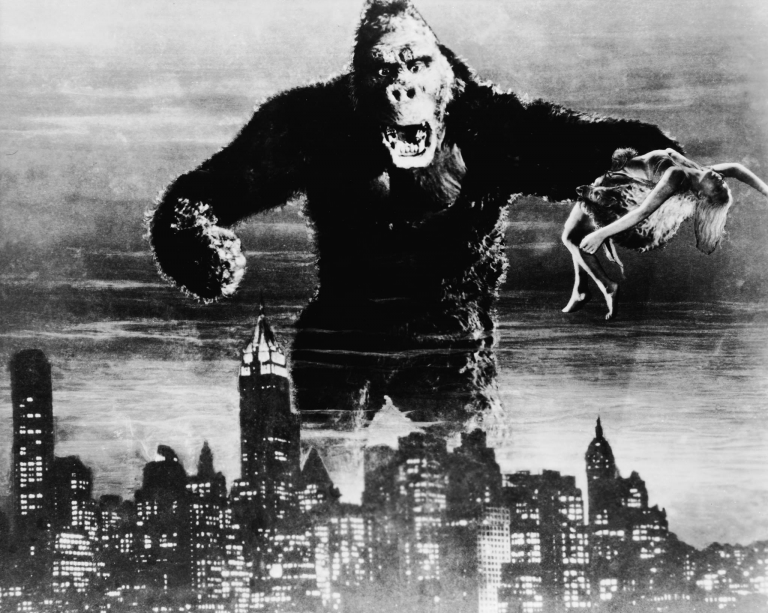
King Kong (1933 / 2005)

Kong is not a killer ape—he is a tragic one. Violence is secondary to romance, spectacle, and colonial metaphor. Yet his influence on the genre is incalculable. Every giant ape that follows owes him a debt.

Peter Jackson’s 2005 remake amplifies Kong’s emotional register, transforming destruction into operatic tragedy.

Kong: Skull Island (2017)

This iteration strips Kong of romance and repositions him as apex guardian. His violence is righteous, directed outward at greater monsters. Here, the killer ape becomes protector—a shift that reflects modern genre sensibilities.

Rampage (2018)

Pure popcorn nonsense. Genetic tampering turns a gorilla into a skyscraper-smashing kaiju. Fun, loud, and completely unconcerned with metaphor, Rampage represents the genre’s absorption into blockbuster bombast.

Verdict: Spectacle-driven entries that dilute fear but expand scale.


Absurdity and Parody: When the Genre Eats Itself

Mulva 2: Kill Teen Ape! (2004)

A micro-budget splatter parody that knows exactly how ridiculous the concept has become. It doesn’t undermine the genre—it autopsies it.

Mad Monster Party? (1967)

Not killer ape cinema per se, but illustrative of how apes were absorbed into pop-horror iconography by the late ’60s.

Verdict: Not essential, but proof that killer apes are culturally flexible—even laughable.


Outliers and Near Misses

Congo (1995)

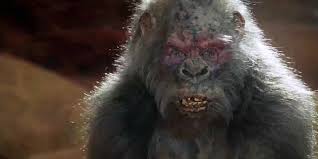
Technically a killer ape movie, spiritually a corporate jungle adventure. The grey gorillas are terrifying in concept but undercut by tonal confusion and animatronic stiffness. A fascinating failure.

Ad Astra (2019)

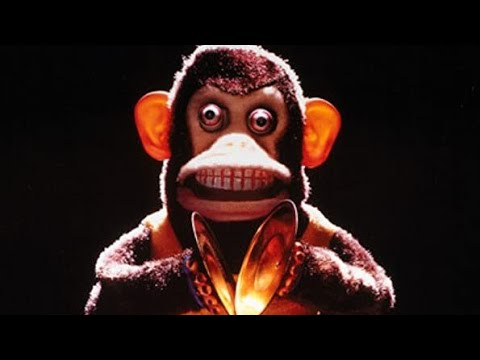
The infamous space-baboon sequence is memorable but tangential. A jump scare, not a genre entry.


Why Killer Apes Endure — And Why Primate Matters

Killer ape films persist because they strike at something deeply primal: the fear that intelligence does not guarantee moral superiority. That evolution is not ascent, but competition. When apes attack, cinema asks whether humanity deserves its place at the top.

From allegory (Planet of the Apes) to exploitation (Night of the Bloody Apes), from eco-horror (Kilimanjaro) to blockbuster spectacle (Rampage), the genre has splintered but never vanished.

If Primate is to matter, it must choose which lineage it belongs to. Will it embrace pulp, philosophy, or paranoia? The history of killer ape cinema suggests that when these films work best, they don’t just show apes killing humans—they remind us how thin the line between them has always been.

  • Saul Muerte

Top ‘Fresh Kill’ Horror Films of 2026

28 Sunday Dec 2025

Posted by surgeons of horror in Best Movies and Shows

≈ Leave a comment

Tags

film, horror, Horror movies, movies, reviews

Anticipating the Next Wave of Fear

If 2025 marked a consolidation of horror as a serious critical form — a year of restraint, inheritance, and psychological rigor — then 2026 promises escalation of a different kind. Not louder, necessarily, but broader. The forthcoming slate suggests a genre increasingly preoccupied with systems: religion, legacy franchises, folklore, surveillance, bodily autonomy, and historical memory. Sequels coexist with reinventions; prestige auteurs collide with grindhouse traditions; and horror’s long-standing obsession with the past intensifies into something closer to cultural archaeology.

What follows is not a ranking of box-office potential, nor a speculative list of shocks, but a curated survey of the most critically promising horror films currently scheduled for 2026 — projects that suggest where the genre may be headed, formally and ideologically.


1. Untitled Jordan Peele Project

Jordan Peele’s continued absence of detail has become its own form of authorship. Since Get Out, Peele has positioned secrecy as a conceptual extension of his work — a refusal to allow audience expectation to pre-empt meaning. Whatever form his 2026 project takes, it is almost certain to engage with systems of power, visibility, and American myth-making, filtered through genre architecture.

Peele’s films operate less as allegory than as diagnosis, embedding social critique within meticulously constructed genre frameworks. Anticipation here is not rooted in premise but in method: the expectation that horror will once again be used to interrogate what America refuses to name.


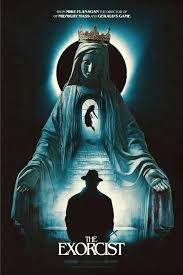
2. Untitled The Exorcist Project

Director: Mike Flanagan

Mike Flanagan’s involvement with The Exorcist franchise suggests a decisive tonal shift away from bombast and toward interiority. Flanagan’s strength has always been his ability to locate horror within grief, faith, and unresolved trauma — concerns deeply aligned with The Exorcist’s theological underpinnings.

With Scarlett Johansson and Jacobi Jupe attached, the project signals a focus on relational dynamics rather than spectacle. If successful, this could mark a rare revival: not of a franchise’s iconography, but of its existential seriousness.


3. The Mummy

Director: Lee Cronin
Expected April 17, 2026

Lee Cronin’s reinvention of The Mummy appears poised to reject colonial adventure tropes in favour of familial horror and bodily unease. The disappearance-and-return narrative frames the monster not as ancient spectacle, but as an invasive presence within the domestic sphere.

Cronin’s work has consistently emphasised corruption through intimacy — the idea that horror enters through love rather than conquest. This approach could finally liberate The Mummy from pastiche, reimagining it as a story of loss, identity, and irreversible change.


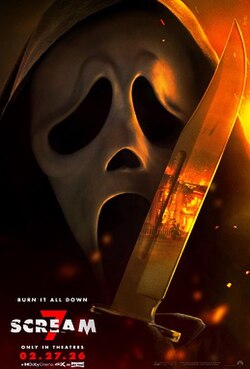
4. Scream 7

Director: Kevin Williamson
Releases February 27, 2026

With Kevin Williamson returning to direct, Scream 7 represents a rare case of a franchise turning inward rather than outward. The focus on Sidney Prescott’s daughter reframes the series’ meta-commentary as generational inheritance — asking what it means to pass trauma, notoriety, and survival forward.

Rather than parodying contemporary horror, Scream 7 appears positioned to interrogate its own legacy, transforming self-awareness into something closer to reckoning.


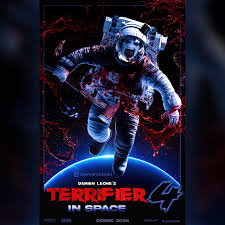
5. Terrifier 4

Director: Damien Leone
Expected October 1, 2026

By its fourth entry, Terrifier has evolved from cult provocation into a sustained endurance experiment. Leone’s commitment to practical effects and confrontational violence resists prestige horror’s current trend toward refinement.

What makes Terrifier 4 compelling is not escalation, but persistence. It exists as a countercurrent — forcing a conversation about the limits of spectatorship and the uneasy pleasure of excess.


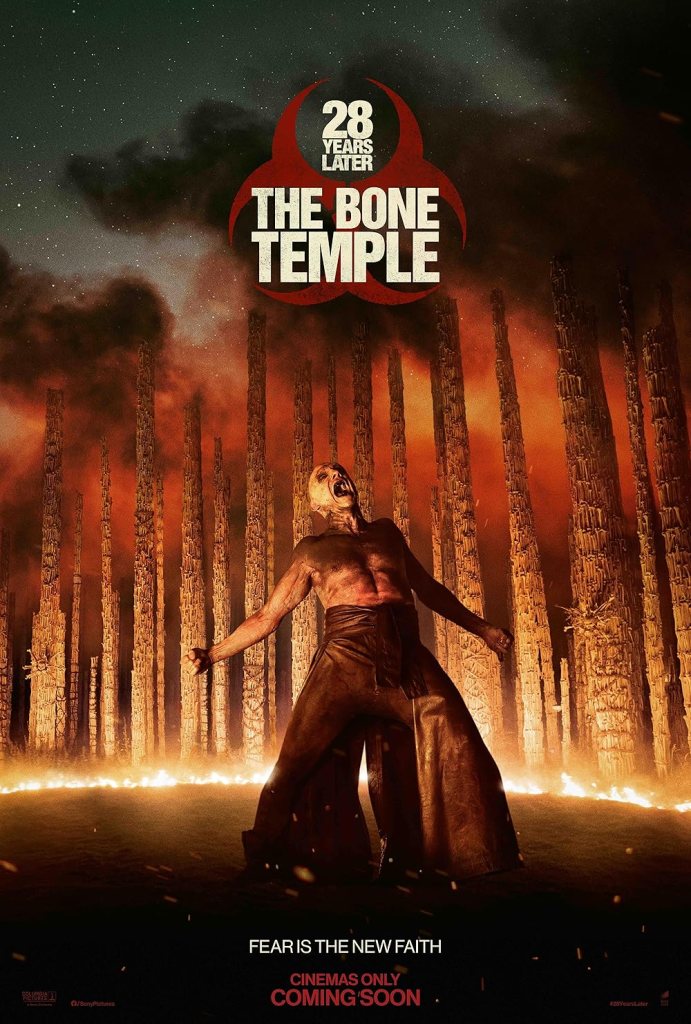
6. 28 Years Later: The Bone Temple

Director: Nia DaCosta
Releases January 16, 2026

Nia DaCosta’s entry into the 28 universe signals a shift from outbreak panic to post-collapse power structures. The move toward organised gangs and world-altering discovery suggests a franchise finally confronting its long-term implications.

DaCosta’s sensitivity to social hierarchy and myth-making positions The Bone Temple as less survival horror than political horror — a study of what replaces civilisation after fear becomes normalised.


7. Clayface

Director: James Watkins
Expected September 11, 2026

Clayface’s shape-shifting mythology offers fertile ground for horror rooted in identity instability. James Watkins’ involvement hints at a psychological approach rather than comic-book spectacle, reframing the character as tragic figure rather than villain.

The horror here is not transformation, but indeterminacy — the terror of never knowing where the self ends.


8. Evil Dead Burn

Director: Sébastien Vanicek
Expected July 24, 2026

With its plot under wraps, Evil Dead Burn remains one of the year’s most intriguing unknowns. Vanicek’s involvement suggests a grittier, more confrontational sensibility — potentially pushing the franchise toward nihilism rather than slapstick.

The challenge will be maintaining Evil Dead’s anarchic spirit while adapting it to contemporary horror’s more controlled brutality.


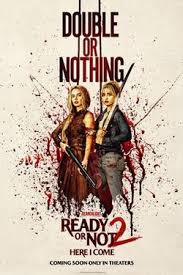
9. Ready or Not 2: Here I Come

Directors: Matt Bettinelli-Olpin & Tyler Gillett
Releases March 27, 2026

The sequel expands the first film’s class satire into something closer to mythic competition. By multiplying families and stakes, Here I Come risks dilution — but also offers the opportunity to transform satire into operatic cruelty.

If successful, it could become a dark fairy tale about inheritance, entitlement, and survival economics.


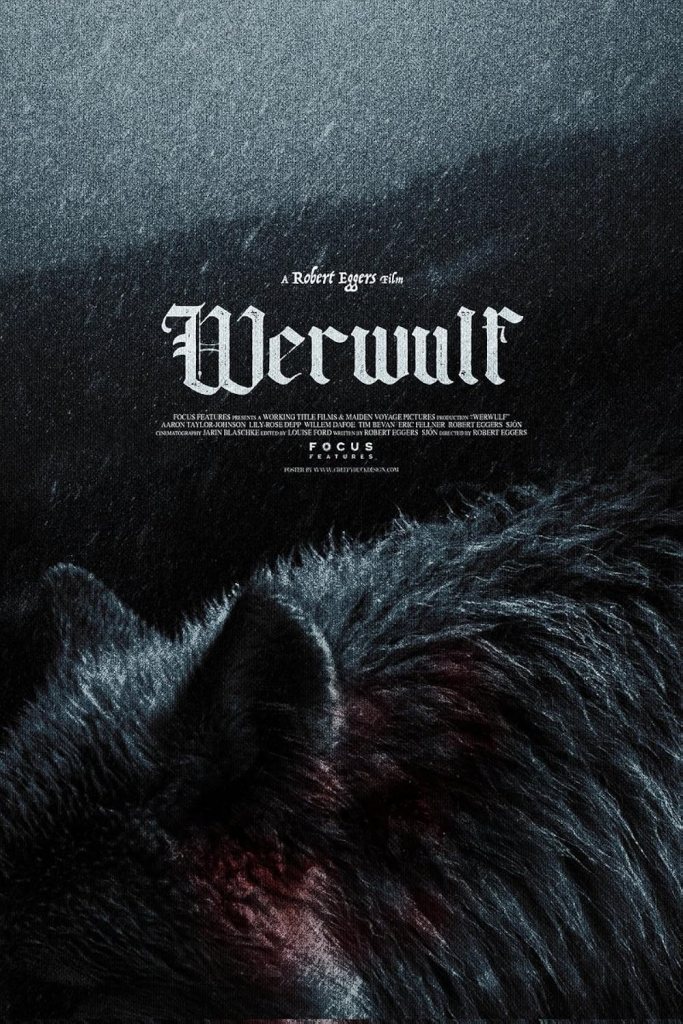
10. Werwulf

Director: Robert Eggers
Expected December 25, 2026

Eggers’ medieval werewolf film promises a return to folklore as lived belief rather than cinematic trope. Set against fog, superstition, and communal paranoia, Werwulf appears positioned as a study of fear as social contagion.

Eggers’ commitment to linguistic and historical authenticity suggests a film less concerned with transformation than with the terror of collective conviction.


11. Thread: An Insidious Tale

Director: Jeremy Slater
Expected August 21, 2026

Time travel as grief mechanism reframes the Insidious universe around consequence rather than shock. The central conceit — rewriting tragedy — situates horror within parental desperation and moral compromise.

If handled with restraint, this could become the franchise’s most emotionally coherent entry.


12. Wolf Creek: Legacy

Director: Sean Lahiff
Expected 2026

By shifting focus to children surviving in Mick Taylor’s territory, Legacy reframes the franchise around endurance rather than nihilism. The Australian landscape once again becomes indifferent, vast, and complicit.

The film’s success will hinge on its ability to balance brutality with perspective — horror as survival, not spectacle.


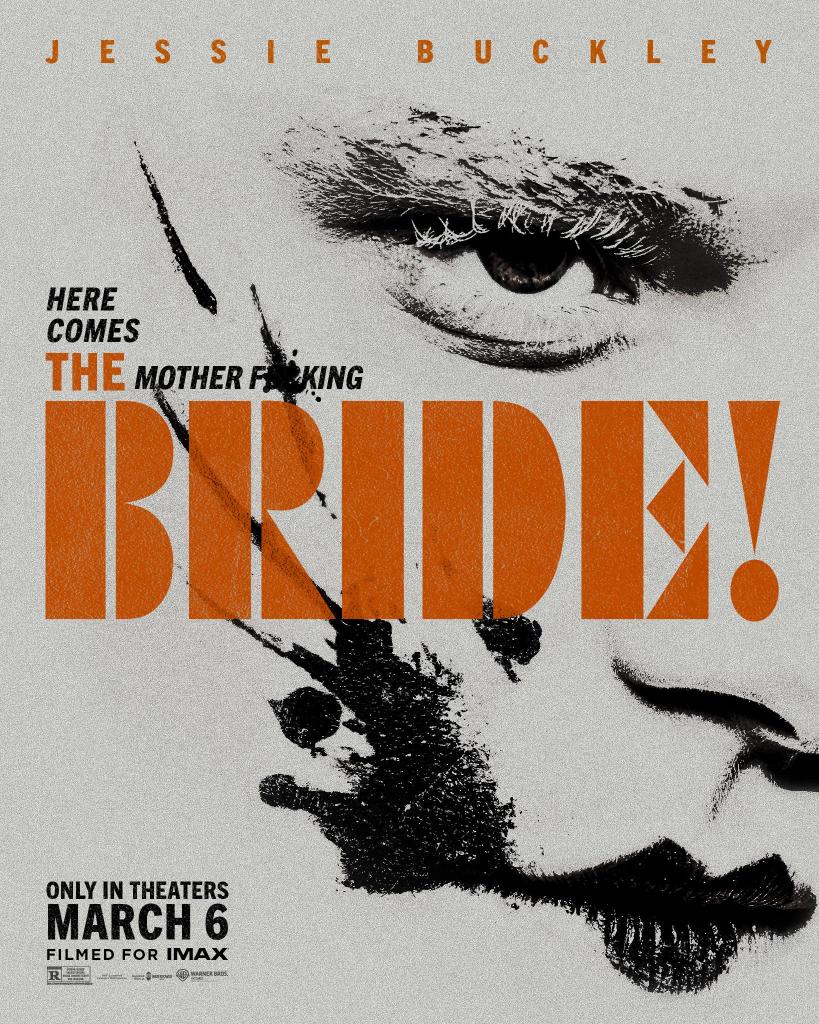
13. The Bride

Director: Maggie Gyllenhaal
Releases March 6, 2026

Gyllenhaal’s reinterpretation of Bride of Frankenstein foregrounds politics, gender, and radical transformation. Set against 1930s social upheaval, the film positions monstrosity as emancipatory rather than aberrant.

This is Frankenstein as social revolution — a reclamation of agency rather than a cautionary tale.


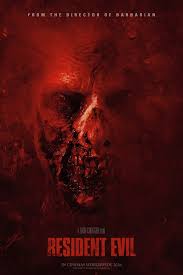
14. Resident Evil

Director: Zach Cregger
Expected September 18, 2026

Cregger’s involvement suggests a deliberate move away from franchise excess toward claustrophobic immediacy. A courier trapped in a hospital outbreak recalls survival horror’s roots: isolation, confusion, and bodily threat.

If successful, this could be the franchise’s first genuinely frightening reinvention.


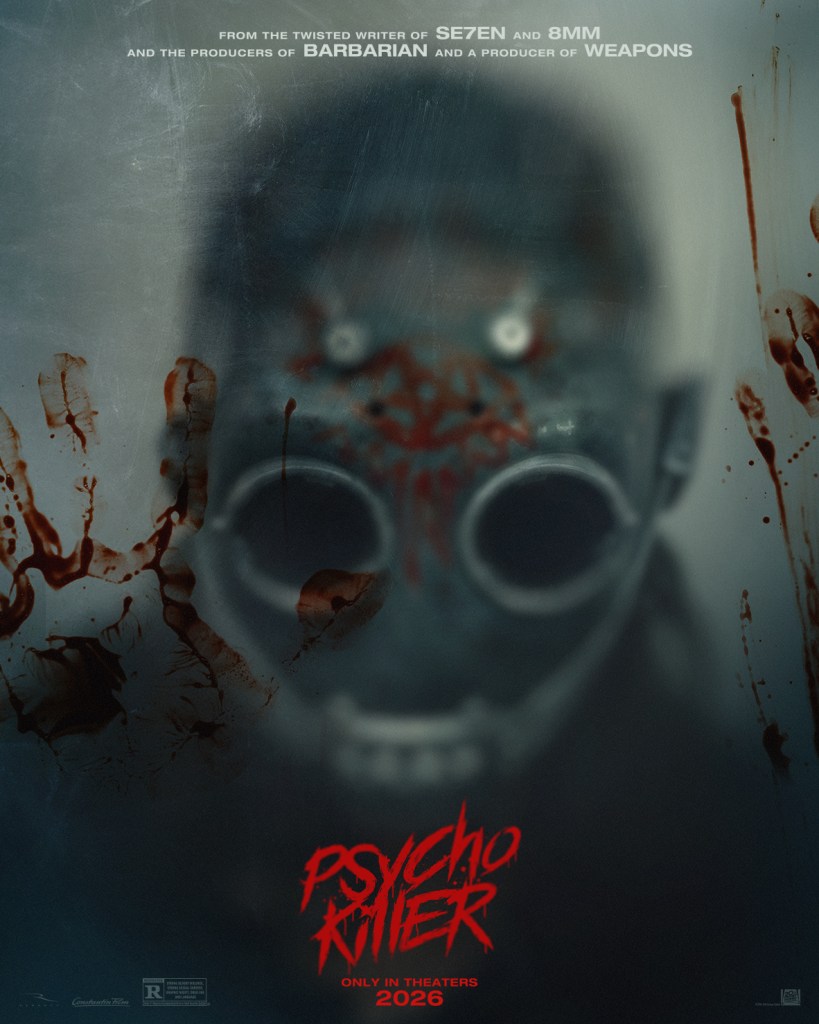
15. Psycho Killer

Director: Gavin Polone
Releases February 20, 2026

Positioned as procedural horror, Psycho Killer explores violence through aftermath rather than spectacle. By centring a police officer navigating personal loss, the film aligns horror with grief and investigation rather than shock.

Its promise lies in restraint.


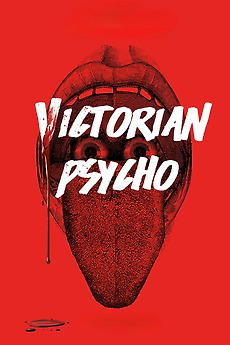
16. Victorian Psycho

Director: Zachary Wigon
Expected 2026

This gothic narrative of a governess amid disappearing staff evokes The Turn of the Screw through a feminist lens. Horror emerges gradually, through atmosphere and implication rather than revelation.

The film’s strength will lie in ambiguity: whether monstrosity is external, internal, or socially constructed.


17. Iron Lung

Director: Mark Fischbach
Releases January 30, 2026

Adapted from minimalist survival horror, Iron Lung translates isolation into cosmic dread. Its confined submarine setting and apocalyptic mythology suggest horror as existential endurance.

The challenge will be sustaining tension without relief — an experiment in atmospheric extremity.


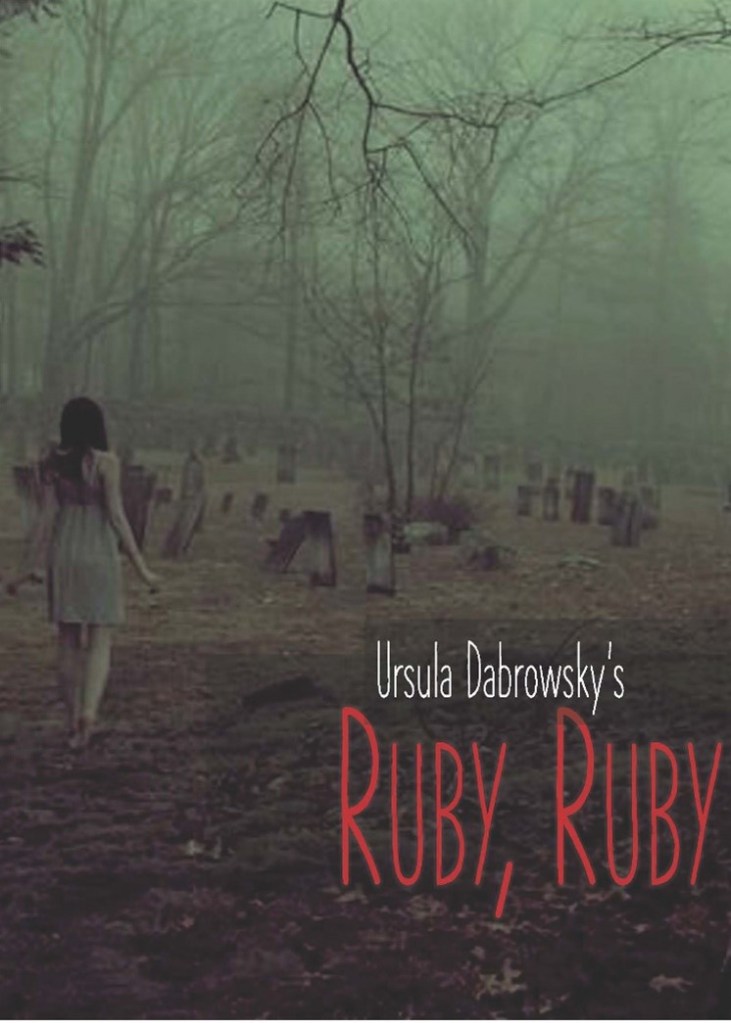
18. Ruby, Ruby

Director: Ursula Dabrowsky
Expected 2026

An Australian ghost story rooted in injustice and reclamation, Ruby, Ruby frames haunting as consequence rather than curse. The cemetery setting positions memory as a site of entrapment and resistance.

If handled with restraint, it could join the lineage of Australian horror that privileges melancholy over menace.


Closing Cut

The horror films of 2026 appear less concerned with novelty than with continuity — of trauma, myth, and unresolved systems. Whether through folklore, franchise, or speculative futures, these projects suggest a genre increasingly aware of its own history and responsibilities.

If 2025 taught us how horror cuts, 2026 may show us where it scars.

  • Saul Muerte

The Home (2025) — Senility, Surveillance, and the Long Memory of Evil

17 Wednesday Dec 2025

Posted by surgeons of horror in Movie review

≈ Leave a comment

Tags

film, horror, Horror movies, James DeMonaco, movies, Pete Davidson

James DeMonaco has always been fascinated by systems—how they rot, how they fail, and how violence seeps through their cracks. From the blunt social allegory of The Purge to the leaner, meaner contours of his later work, DeMonaco’s cinema operates in a state of controlled paranoia, convinced that institutions are not safeguards but incubators. The Home feels like a natural extension of that worldview, a film obsessed with corridors, rules, and the slow revelation that something malignant is being politely maintained behind closed doors.

The premise is deceptively modest. A troubled drifter takes a job at a retirement home. The residents are strange. The caretakers are stranger. The fourth floor is forbidden. This is familiar territory—The Home traffics in the grammar of institutional horror—but DeMonaco filters it through a jittery, conspiratorial lens. The building is less a location than a system of concealment, its bland hallways buzzing with the low-grade menace of withheld information. Every locked door feels like a threat. Every smile reads as camouflage.

The film’s manic energy is largely carried by Pete Davidson, whose casting initially seems like provocation but gradually reveals a sharp, unsettling logic. Davidson plays the protagonist as a man permanently braced for impact, his body language twitchy, his eyes scanning for exits that may or may not exist. He weaponises his familiar cadences—half-joking, half-defensive—until they curdle into something desperate. This is Davidson stripped of irony, and while the performance is uneven, it is never uninteresting. His character’s foster-care trauma bleeds into the film’s institutional dread, turning the retirement home into a warped echo of the systems that failed him as a child.

DeMonaco leans hard into paranoia, sometimes to the film’s benefit, sometimes to its detriment. The Home is thick with suggestion—rituals half-glimpsed, whispers behind doors, glances held a second too long—but it often mistakes accumulation for escalation. The mystery coils inward, doubling back on itself, feeding the sense that the protagonist may be uncovering a conspiracy or simply unraveling under its weight. The film wants to exist in that uncertainty, but its third act can’t quite resist explanation, flattening some of the unease it works so diligently to cultivate.

Visually, the film is austere and oppressive. The retirement home is rendered as a liminal space where time has curdled—neither alive nor dead, neither nurturing nor openly hostile. DeMonaco’s camera prowls rather than observes, peering down hallways like it expects to be noticed. The forbidden fourth floor looms as an almost abstract concept, a vertical metaphor for buried memory and institutional secrecy that the film circles obsessively.

Yet for all its ambition, The Home struggles to fully reconcile its ideas. The social commentary—about neglect, aging, and the expendability of those who fall through institutional cracks—is present but underdeveloped. DeMonaco gestures toward something corrosive and systemic, but the film’s manic intensity sometimes drowns out its own argument. What remains is a mood piece that crackles with unease but lacks the narrative clarity to make its paranoia feel truly revelatory.

The Home is not a failure so much as an overextended diagnosis. It captures the sensation of discovering that the rules you trusted were never meant to protect you, but it can’t quite land the final indictment. Still, in its jittery energy, uneasy performance, and claustrophobic design, it offers a compelling if flawed entry in DeMonaco’s ongoing exploration of American institutions as haunted houses.

The Prognosis:

A film that trembles with suspicion and half-remembered trauma—unnerving in the moment, frustrating in retrospect, and never entirely at ease with its own revelations.

  • Saul Muerte

Shelby Oaks (2025) — When Found Footage Loses the Plot

14 Sunday Dec 2025

Posted by surgeons of horror in Movie review

≈ Leave a comment

Tags

camille sullivan, chris stuckmann, film, horror, Horror movies, Movie review, movies, Sarah Durn

Shelby Oaks arrives carrying the weight of expectation that inevitably accompanies a passion project years in the making. Directed by Chris Stuckmann, the film positions itself at the crossroads of found-footage horror, investigative mystery, and internet-age urban legend—a convergence that has produced some of the genre’s most enduring works. Unfortunately, Shelby Oaks doesn’t synthesise these influences so much as stack them on top of one another, resulting in a film that is ambitious in intent but disastrously unfocused in execution.

The central hook is a familiar one: the disappearance of Riley Brennan and her sister’s increasingly obsessive attempt to uncover what happened. On paper, it’s a solid spine—personal stakes fused with creeping dread. In practice, the film never decides what kind of horror story it wants to tell. It borrows liberally from the breadcrumb-style investigation of The Blair Witch Project, the faux-documentary escalation of Lake Mungo, the cursed-media mythology of Sinister, and the online-conspiracy aesthetics of The Poughkeepsie Tapes. Rather than coalescing into something cohesive, these elements clash, constantly resetting the tone and momentum.

The found-footage framework, already a precarious format, becomes especially unwieldy here. The film toggles between mockumentary interviews, handheld investigation, archival clips, and conventional narrative scenes without any clear internal logic. What should feel immersive instead feels arbitrarily assembled, as though the film were endlessly re-editing itself in search of an identity it never quite finds. Tension dissipates not because the scares fail, but because the narrative keeps stopping to reinvent its own rules.

Worse still, the mystery at the film’s core grows less compelling the more it is elaborated. Each new revelation muddies the waters rather than deepening the dread, until the supernatural threat becomes a vaguely defined catch-all evil—more concept than presence. The obsession that should drive the story forward instead mirrors the film’s own fixation on referencing better works, mistaking accumulation for escalation.

To Stuckmann’s credit, Shelby Oaks is not without flashes of promise. A handful of isolated sequences suggest a filmmaker with a genuine affection for the genre and an understanding of its visual grammar. But affection alone is not authorship. Without discipline, restraint, or a unifying vision, the film collapses under the weight of its influences.

The Prognosis:

Shelby Oaks feels less like a horror film than a collage—an anxious attempt to be every successful found-footage mystery at once, and in doing so, failing to be anything at all. What begins as a missing-person story ends as a noisy, overextended hot mess, its sense of dread smothered by its own excess.

  • Saul Muerte

Faith, Fear, and Familiar Demons — Diabolic Tests the Limits of Australia’s “Elevated Horror

11 Tuesday Nov 2025

Posted by surgeons of horror in Movie review

≈ Leave a comment

Tags

Australian Horror, Daniel J. Phillips, elizabeth cullen, film, horror, Horror movies, john kim, mia challis, Monster Pictures, movies, reviews

Australian genre cinema has been pushing at the boundaries of horror for over a decade now—restless, ambitious, and eager to prove that its terrors can hold their own on the world stage. Daniel J. Phillips’ Diabolic certainly aspires to sit within that tradition. A visually confident piece that leans into the current wave of “elevated” folk horror, it promises grand spiritual torment and supernatural vengeance but settles, unfortunately, into familiar rhythms.

Elise (Elizabeth Cullen) seeks a miracle cure for her mysterious blackouts, joining a fundamentalist healing ritual that inevitably stirs something far darker. From there, Diabolic unfolds as a study in paranoia and possession, invoking the cursed lineage of witches, faith, and the female body as battleground. Phillips, who previously demonstrated a keen eye for atmosphere, drenches his frames in shadow and ritualistic imagery—a visual style that sometimes outpaces the screenplay’s thin sense of dread.

The problem lies in pacing and predictability. The film spends its first act buried beneath exposition, taking too long to let the horror breathe. By the time the vengeful spirit emerges in earnest, much of the mystery has already withered. Its narrative beats—visions, confessions, cursed objects, and escalating hysteria—feel telegraphed, echoing better works from The Witch to The Wailing.

Still, Diabolic finds some salvation in its performances. Elizabeth Cullen anchors the chaos with a quiet, unflinching intensity, grounding the supernatural in something believably human. Her descent feels lived-in, even as the story around her becomes increasingly schematic. John Kim and Mia Challis provide competent support, though their characters are largely ornamental to the central exorcism of guilt and power.

Where Diabolic succeeds is in its texture—the way the camera lingers on faces during moments of dread, the ritualistic hum of sound design, and the sense that Phillips genuinely wants to explore faith as both salvation and curse. Yet it struggles to escape the trappings of the genre it reveres. What could have been a new cornerstone of Australian occult cinema ends up merely competent: handsomely shot, occasionally haunting, but ultimately too cautious to transcend its own formulas.

The Prognosis:

By the time the final act’s firelight fades, one is left admiring the ambition rather than fearing the outcome. Diabolic isn’t unholy—it’s just undercooked.

  • Saul Muerte

Special Event Screenings

In Australian Cinemas From November 20
PARTICIPATING LOCATIONS

← Older posts

Subscribe

  • Entries (RSS)
  • Comments (RSS)

Archives

  • September 2026
  • August 2026
  • July 2026
  • June 2026
  • May 2026
  • April 2026
  • March 2026
  • February 2026
  • January 2026
  • December 2025
  • November 2025
  • October 2025
  • September 2025
  • August 2025
  • July 2025
  • June 2025
  • May 2025
  • April 2025
  • March 2025
  • February 2025
  • January 2025
  • December 2024
  • November 2024
  • October 2024
  • September 2024
  • August 2024
  • July 2024
  • June 2024
  • May 2024
  • April 2024
  • March 2024
  • February 2024
  • January 2024
  • November 2023
  • October 2023
  • September 2023
  • August 2023
  • July 2023
  • June 2023
  • May 2023
  • April 2023
  • March 2023
  • February 2023
  • January 2023
  • November 2022
  • October 2022
  • September 2022
  • August 2022
  • July 2022
  • June 2022
  • April 2022
  • March 2022
  • February 2022
  • January 2022
  • December 2021
  • November 2021
  • October 2021
  • September 2021
  • August 2021
  • July 2021
  • June 2021
  • May 2021
  • April 2021
  • March 2021
  • February 2021
  • January 2021
  • December 2020
  • November 2020
  • October 2020
  • September 2020
  • August 2020
  • July 2020
  • June 2020
  • May 2020
  • April 2020
  • March 2020
  • February 2020
  • January 2020
  • December 2019
  • November 2019
  • October 2019
  • September 2019
  • July 2019
  • June 2019
  • May 2019
  • April 2019
  • March 2019
  • February 2019
  • January 2019
  • December 2018
  • November 2018
  • October 2018
  • September 2018
  • August 2018
  • July 2018
  • June 2018
  • May 2018
  • April 2018
  • March 2018
  • February 2018
  • January 2018
  • December 2017
  • November 2017
  • October 2017
  • September 2017
  • August 2017
  • July 2017
  • June 2017
  • May 2017
  • April 2017
  • March 2017
  • February 2017
  • January 2017
  • December 2016
  • November 2016
  • October 2016
  • September 2016
  • August 2016
  • July 2016
  • June 2016
  • May 2016

Categories

  • A Night of Horror Film Festival
  • Alien franchise
  • Alliance Francaise French Film Festival
  • Australian Horror
  • Best Movies and Shows
  • Competition
  • dark nights film fest
  • episode review
  • Flashback Fridays
  • Friday the 13th Franchise
  • Full Moon Sessions
  • Halloween franchise
  • In Memorium
  • Interview
  • japanese film festival
  • John Carpenter
  • killer pigs
  • Library of the Occult
  • midwest weirdfest
  • MidWest WierdFest
  • MonsterFest
  • movie article
  • movie of the week
  • Movie review
  • New Trailer
  • News article
  • podcast episode
  • podcast review
  • press release
  • retrospective
  • Rialto Distribution
  • Ring Franchise
  • series review
  • Sounds of Horror
  • Soundtracks
  • Spanish horror
  • sydney film festival
  • Sydney Underground Film Festival
  • The Blair Witch Franchise
  • the conjuring franchise
  • the evil dead franchise
  • The Exorcist
  • the fly
  • The Howling franchise
  • Top 10 list
  • Top 12 List
  • top 13 films
  • Trash Night Tuesdays on Tubi
  • umbrella entertainment
  • Uncategorized
  • Universal Horror
  • Wes Craven
  • wes craven's the scream years

Meta

  • Create account
  • Log in

Blog at WordPress.com.

  • Subscribe Subscribed
    • Surgeons of Horror
    • Join 226 other subscribers
    • Already have a WordPress.com account? Log in now.
    • Surgeons of Horror
    • Subscribe Subscribed
    • Sign up
    • Log in
    • Report this content
    • View site in Reader
    • Manage subscriptions
    • Collapse this bar
Loading Comments...