Tags
annette bening, christian bale, Frankenstein, horror, jake gyllenhaal, jessie buckley, maggie gyllenhaal, movies, penelope cruz, peter sarsgaard
“Here comes the motherf%#ing bride.”*
Lightning crashes.
Cadavers twitch.
Jazz howls through smoke-filled Chicago streets while grief, lust, feminism and monster mythology stagger drunkenly through back alleys looking for salvation.
Somewhere inside this stitched-up fever dream sits The Bride!, Maggie Gyllenhaal’s gloriously uneven, wildly ambitious Frankenstein remix — a film that often feels like it was assembled from spare cinematic body parts stolen from completely different movies and somehow jolted into life through sheer artistic conviction.
Part gangster picture.
Part Gothic horror.
Part screwball comedy.
Part feminist reclamation.
Part midnight punk opera.
And somehow, despite all evidence suggesting otherwise, it works.
Well… mostly.
Audience reactions have understandably split down the middle. Some viewers will recoil from the film’s tonal chaos and deliberately theatrical excess. Others will embrace it precisely because of those imperfections. Much like Frankenstein’s creation itself, The Bride! is a collection of mismatched pieces searching desperately for coherence and identity.
That may ultimately be the point.
Because between the stitches is where the real beauty lives.
Set within a grime-soaked vision of 1930s Chicago, the film follows a lonely Frankenstein monster seeking companionship from the brilliant Dr. Euphronious. Together they resurrect a murdered woman who emerges not merely as a bride, but as something altogether more dangerous: a being suddenly awakened to the brutal realities of womanhood, oppression and agency within a world built by men.
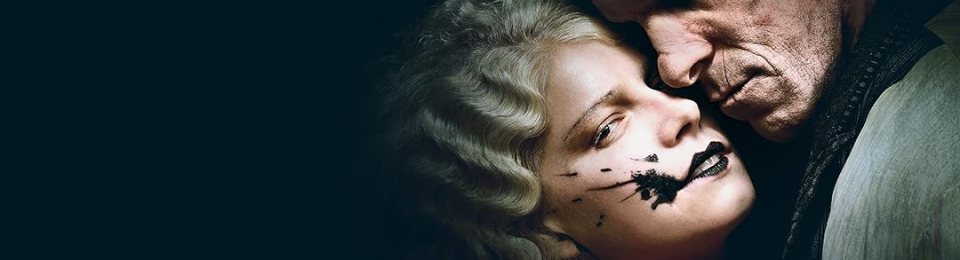
At the centre of this chaos stands Jessie Buckley, delivering the kind of performance that feels simultaneously possessed and feral. Buckley does not simply play The Bride; she inhabits her like a soul clawing its way out of the grave. There is something distinctly Mary Shelley about the performance too, as though the spirit of Frankenstein’s creator has possessed Ida herself — reclaiming authorship from nearly a century of cinematic interpretations traditionally filtered through masculine perspectives.
The result is fascinating.
The Bride is no passive creation here.
She is fury wrapped in lace.
Trauma dressed in corpse paint.
A walking rejection of the idea that women should exist merely to complete broken men.
Gyllenhaal smartly reframes the Frankenstein myth not as a story about scientific hubris alone, but about ownership. Who controls creation? Who defines beauty? Who gets to decide what a woman should become once she has been “made”?
These themes pulse beneath every frame even when the film threatens to derail beneath its own stylistic weight.
And derail it occasionally does.
There are stretches where The Bride! feels like three different films wrestling each other for dominance. One moment the film channels hard-boiled detective noir straight from a rain-soaked pulp paperback; the next it explodes into anarchic Bonnie and Clyde energy before veering into rapid-fire screwball banter reminiscent of His Girl Friday filtered through Goth cabaret hysteria.
Not every creative choice lands.
Some scenes feel intentionally abrasive.
Others border on indulgent.
Yet criticising The Bride! for inconsistency almost feels beside the point. This is not a film striving for polished elegance. It is trying to become something alive. Something unstable. Something unpredictable.
Like Frankenstein’s monster, its awkwardness becomes inseparable from its humanity.
Visually, the film is intoxicating. Gyllenhaal drenches the screen in cigarette smoke, bruised neon, Gothic shadows and decaying glamour. The aesthetic resembles a haunted comic strip left overnight in a jazz club ashtray. Punk sensibilities collide with old Hollywood artifice, creating a world that constantly feels on the verge of collapse.
Which again mirrors the emotional architecture of the story itself.
Broken people trying desperately to build themselves anew from ruined parts.
For all its stylistic chaos, there is genuine emotional tenderness lurking beneath the scars. The monster at the centre of the film remains tragic not because he is grotesque, but because he longs for connection within a society terrified of difference. That aching loneliness gives the film surprising heart amidst all the madness.
And perhaps that is where The Bride! ultimately succeeds.
Not as a perfect film.
But as a deeply personal one.
You can feel Maggie Gyllenhaal reaching for something larger than conventional horror storytelling. Like her previous directorial work on The Lost Daughter, she remains fascinated by fractured womanhood, suppressed rage and the uncomfortable messiness of identity. Here she simply filters those obsessions through grave robbing, lightning strikes and corpse romance.
The result is divisive.
Beautifully so.
The Prognosis:
The Bride! may frustrate viewers seeking a clean or traditional reimagining of Frankenstein mythology, but its chaotic ambition becomes part of its appeal. Maggie Gyllenhaal delivers a bold, deeply textured and visually arresting work that embraces imperfection as an artistic principle rather than a flaw.
Held together by an astonishing performance from Jessie Buckley, the film transforms female oppression, identity and empowerment into a Gothic punk opera stitched together from cinematic scraps and raw nerve endings.
Not every seam holds.
Not every experiment succeeds.
But monsters were never meant to be perfect.
And neither was this.
- Saul Muerte

