Heretics (2025): Found Footage Fodder with No Soul

Tags

, , , ,

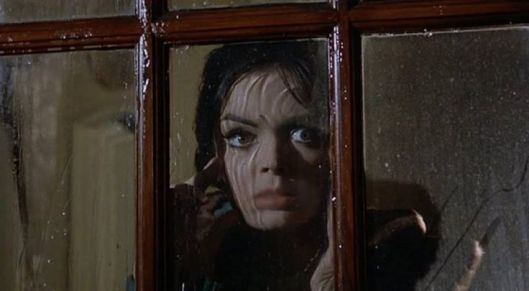
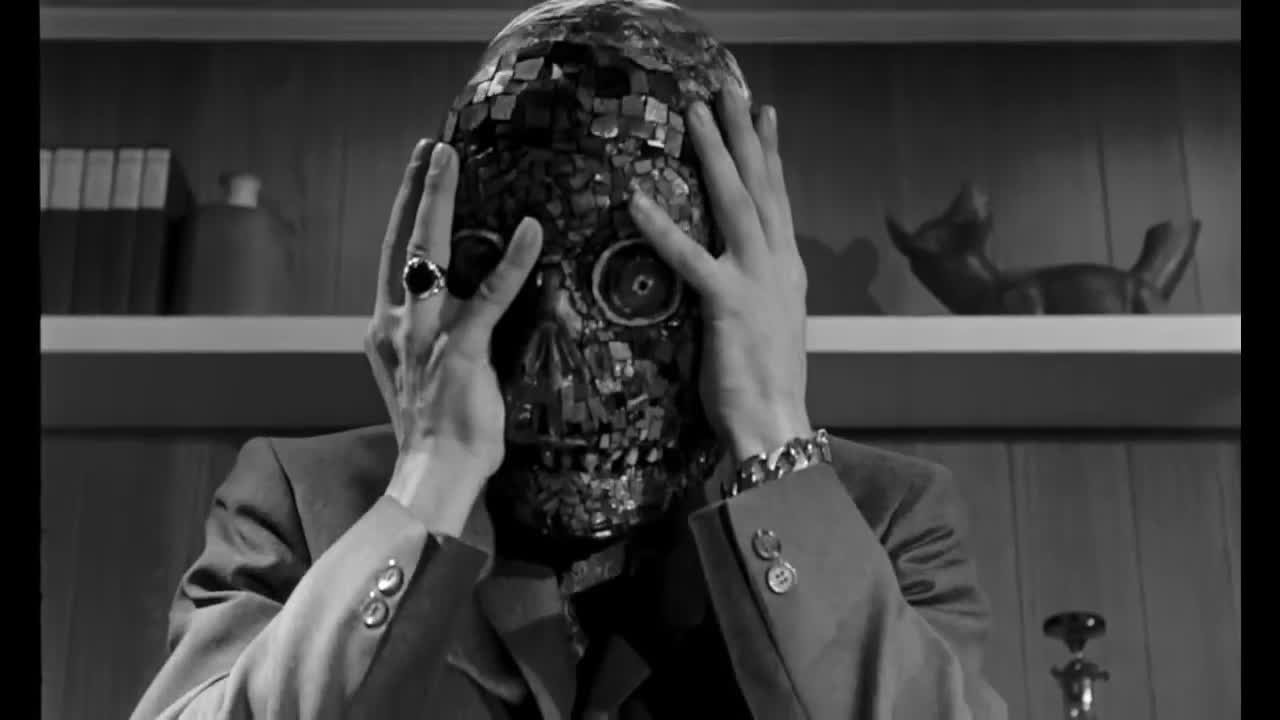
Heretics, directed by José Prendes, is yet another entry in the ever-bloated found footage genre—a tired rehash of tropes that aspires to be The Blair Witch Project in a haunted house but crashes and burns before it even gets the camera rolling.

The premise is painfully familiar: a group of thrill-seeking teens break into the abandoned Simmons House, armed with shaky camcorders, bad attitudes, and even worse dialogue. They’re swiftly confronted with the presence of a shadowy cult that begins picking them off one by one. It’s a setup we’ve seen dozens of times, and Heretics brings nothing new to the table—only louder screams, cheaper scares, and a cast that feels more irritating than imperilled.

Any potential tension is suffocated by the unbearable ensemble of characters, each more grating than the last. Instead of building atmosphere or dread, the film relies on aimless yelling, predictable jump scares, and faux-ritual mumbo jumbo. It’s hard to care about who lives or dies when you’re actively hoping the cult hurries things along.

The only flicker of professionalism comes in the form of Eric Roberts, whose 20-second cameo is little more than a contractual obligation. His presence is both jarring and ironic—proof that the film knows how to attract a name, but not how to use it.

From its dull aesthetic to its lazy execution, Heretics feels like it was made with one eye on viral success and the other closed entirely. It mistakes noise for tension, clichés for plot, and shaky cam for style. What could have been a creepy little cult horror flick turns out to be an uninspired slog with no purpose and zero payoff.

Some heresies are unforgivable. This is one of them.

  • Saul Muerte
Frankie Freako (2025): Goblin Mayhem That Misses the Mark

Tags

, , , , ,

From director Steven Kostanski—known for splatter-heavy cult hits like The Void and PG: Psycho Goreman—comes Frankie Freako, a horror-comedy that aims to dial up the chaos, crank the VHS fuzz, and unleash a pint-sized goblin menace into your living room. Unfortunately, while the film has all the right ingredients on paper, the end result is a noisy, uneven mess that never quite finds its footing.

The premise is pure midnight-movie bait: Conor, a tightly wound yuppie (played by Conor Sweeney), calls a late-night party hotline and accidentally summons a rock-and-roll goblin from hell—Frankie Freako, voiced with glee by Matthew Kennedy. What follows is a barrage of low-budget practical effects, manic energy, and a throwback aesthetic that tries to marry the weirdness of Ghoulies with the gross-out humour of Garbage Pail Kids.

Kostanski, whose visual creativity is rarely in question, fills the screen with rubbery monster effects, neon lighting, and practical gore. It’s clear he’s having fun, and fans of Manborg or Father’s Day will find familiar vibes here. But unlike those earlier works, Frankie Freako struggles to balance its tone. The gags are more grating than funny, the pacing stutters, and despite its short runtime, the film often feels stretched thin.

Conor Sweeney gamely leads the charge, surrounded by a cast of Kostanski regulars and internet personalities like Rich Evans and Mike Stoklasa from Red Letter Media. Their presence adds a layer of cult credibility, but the script gives them little to do beyond mugging through absurd scenarios. Kristy Wordsworth and Adam Brooks add some spark, but it’s not enough to elevate the film from feeling like an overlong YouTube skit.

The real shame is that Frankie Freako could’ve been a chaotic gem if the humour had landed more often, or if the titular goblin had been used with more narrative bite. Instead, it’s a film so desperate to be outrageous and off-the-wall that it forgets to be consistently entertaining.

For die-hard fans of Kostanski’s DIY style and ‘80s gross-out nostalgia, Frankie Freako might still have some charm. But for most, it’s a party line best left unanswered.

  • Saul Muerte
“Push (2025): A House of Tension Without Foundation”

Tags

, ,

Push, the latest Shudder Original, arrives with a high-stakes premise that promises maternal terror and psychological tension—but despite its visceral setup, this horror-thriller quickly loses steam and ultimately fails to push past cliché.

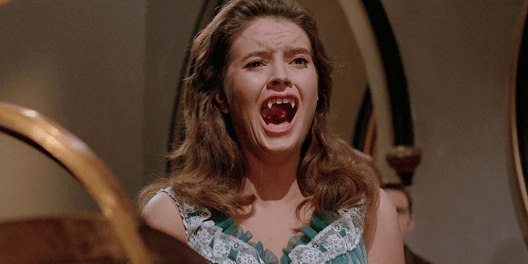
Natalie Flores (Alicia Sanz), eight months pregnant and haunted by the tragic loss of her fiancé, seeks a fresh start in America. But her attempt to rebuild takes a dark turn when she’s targeted by a sadistic killer (Raúl Castillo) during what should have been a routine open house. Trapped and alone, her situation becomes increasingly desperate when she goes into premature labor, setting up a race-against-the-clock scenario that sadly never reaches its full potential.

There’s no denying the narrative ambition behind Push—it touches on trauma, female autonomy, and the vulnerability of pregnancy under threat. But these weighty themes are handled with a frustratingly superficial touch. In its best moments, the film flirts with intensity, but more often, it feels like a pale imitation of Inside (2007), the ferocious French horror film that tackled similar themes with unflinching brutality and far greater psychological depth.

Alicia Sanz gives a committed performance, doing what she can with a role that leans heavily on panic and pain, while Raúl Castillo brings unsettling energy to his villain, though the character lacks dimension. The script, unfortunately, relies too much on convenience and thinly sketched motivations, leaving tension deflated and plot turns predictable.

The house itself—a key location in the film—offers some atmospheric framing, but it’s not enough to compensate for the story’s undercooked emotional arcs and rushed pacing. The stakes are clear, but the suspense rarely lands, and what should feel like a suffocating countdown instead plays out like a laboured shuffle toward an inevitable climax.

Push is watchable enough for fans seeking a late-night thrill, but it never comes close to the visceral punch or thematic weight of its cinematic predecessor. It’s a film about survival that, ironically, never quite finds a pulse.

  • Saul Muerte

Species (1995) – 30 Years On: Beauty, Brains, and Biohazards

Tags

, , , , , ,

It’s been three decades since Species first slithered onto screens in 1995—a glossy, genre-blending hybrid of sci-fi, horror, and late-night cable erotica that became something of a cult sensation. Directed by Roger Donaldson, the film offered a deceptively smart concept beneath its pulpy surface: What if we answered a message from space… and it answered back with DNA?

That DNA, of course, led to Sil—a genetically spliced human-alien hybrid designed in part by legendary artist H.R. Giger. The resulting creation? A deadly beauty with a primal drive to reproduce, mutate, and kill. Natasha Henstridge, in her film debut, brought an icy sensuality to the role, transforming Sil into an instantly iconic figure of ‘90s sci-fi. As a lethal blend of curiosity, vulnerability, and predator instinct, Henstridge’s physicality carried much of the film, even when the dialogue didn’t.

Behind the seductive sheen, Species boasted a surprisingly high-calibre cast. Ben Kingsley lent some serious gravitas as the ethically compromised scientist Xavier Fitch. Alfred Molina was endearingly out of his depth as a hapless biologist, and a pre-Dawson’s Creek Michelle Williams gave a strong early performance as young Sil. Meanwhile, Michael Madsen—still riding high off Reservoir Dogs—was all steely stares and sardonic cool, playing a government mercenary like he was on a weekend break from Tarantino’s universe.

But it’s Forest Whitaker as Dan, the soft-spoken empath, who truly steals the show. Equal parts eccentric and heartfelt, Dan’s ability to “feel” things becomes more than just a plot device—it gives the film a much-needed emotional centre. In a movie teetering on the edge of full-blown B-movie madness, Whitaker’s gentle weirdness provides just enough human grounding to keep it from falling over the edge.

Sure, the film isn’t without its flaws. The script often veers into hokey territory, the logic gets hazy, and the creature effects—impressive for the time—now flicker with a nostalgic fuzziness. But Species endures because it commits fully to its sci-fi sleaze and treats its central concept with just enough seriousness to stay compelling.

30 years on, Species remains a slick, oddly lovable oddity—a creature feature dressed up in prestige casting and dressed down in late-night thrills. It may not have evolved into a sci-fi classic, but it sure carved out its own curious corner in ‘90s genre cinema. And for that, it deserves its moment in the moonlight once again.

  • Saul Muerte
Scary Movie (2000) – A Gag Too Far, Even Then

Tags

, , , , , , ,

Released at the dawn of the new millennium, Scary Movie arrived as a riotous, rapid-fire parody that gleefully skewered late-‘90s horror staples like Scream and I Know What You Did Last Summer. Directed by Keenen Ivory Wayans and fronted by a then-rising cast including Anna Faris, Regina Hall, and the Wayans brothers, the film was an immediate box office smash. But a quarter of a century later, it’s clear that this once-popular spoof hasn’t aged gracefully—if it ever stood solidly on two feet to begin with.

At its core, Scary Movie is a barrage of slapstick gags, crass jokes, and references fired at the audience with relentless speed and very little subtlety. Its tagline, “No mercy. No shame. No sequel,” turned out to be only partially true—there were plenty of sequels, and arguably even less shame. But what the film severely lacked then, and even more so now, is wit.

What may have passed for edgy in 2000 now lands with a thud. The humour leans heavily on lazy stereotypes, body shaming, homophobic jabs, and bodily fluids—none of which were especially clever then, and are painfully tone-deaf today. While parody thrives on exaggeration, Scary Movie feels like it’s constantly shouting at the audience, relying on shock value rather than smart satire.

There are some bright spots: Anna Faris proves her comedic chops, and Regina Hall brings impeccable timing and energy to her now-iconic Brenda. But the film’s biggest flaw is its one-note approach—once you’ve seen one riff on a horror cliché, you’ve seen most of them. Rather than building momentum, it becomes a series of increasingly desperate skits stitched together by a threadbare plot.

Retrospectively, Scary Movie is more a cultural time capsule than a comedy classic—an emblem of a post-Scream era when horror was ripe for ridicule but rarely treated with nuance. It may have made audiences laugh in 2000, but today it plays more like a relic of cheap laughs and tired punchlines.

For better or worse, it left a legacy, but it’s a legacy that proves not all parody ages with grace. Some just curdle.

  • Saul Muerte

Mad Doctor of Blood Island (1969) – A Sloppy Slice of Tropical Terror

Tags

, , , ,

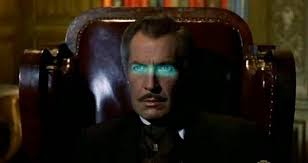
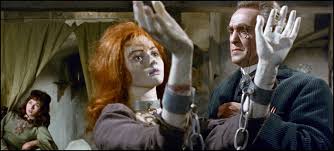
Arriving at the tail end of the 1960s horror boom, Mad Doctor of Blood Island (directed by Eddie Romero and Gerardo de León) is a lurid, low-budget slice of Filipino-American exploitation that promised “horrors beyond belief!” but delivered more on schlock than shock. As the second entry in Romero’s Blood Island trilogy, it typifies the era’s appetite for gore, nudity, and pulp thrills—though not always in the most coherent fashion.

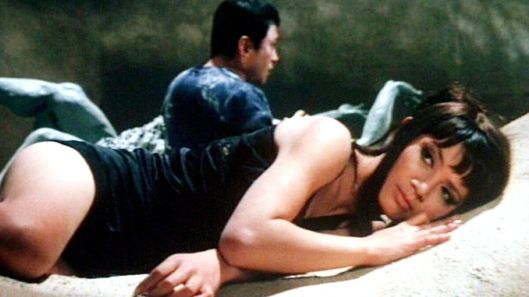
The film follows a ship-bound doctor, a reporter, and a young woman who arrive on a remote island plagued by strange deaths. It doesn’t take long before they encounter the titular “mad doctor,” played by Ronald Remy, whose gruesome experiments have spawned a chlorophyll-infused, acid-blooded mutant wandering the jungle. If that sounds deliciously absurd, it is—but Mad Doctor of Blood Island rarely rises above its own ridiculous premise.

Despite a promising atmosphere—lush jungle settings, a sweaty sense of doom, and some decent creature effects for the time—the film is hampered by a plodding pace, wooden dialogue, and a narrative that stumbles more often than it strides. There’s also a curiously uneven tone: part jungle adventure, part grotesque horror, and part softcore romp. The result is a film that doesn’t quite commit to any one direction, leaving much of the tension and horror flat.

Ronald Remy gives it a spirited go as the deranged doctor, and the creature design—goopy green and grotesque—has become a cult image in horror circles. But the characters are thin, the plotting slack, and the direction lacks urgency. Even the infamous “green blood” gimmick, which involved cinema-goers drinking a fluorescent concoction before the film began, can’t mask the film’s overall lack of bite.

Viewed today, Mad Doctor of Blood Island is more notable for its place in drive-in cinema history than for any cinematic merit. It remains a curious oddity—entertaining in stretches for B-movie aficionados, but ultimately more of a tropical misfire than a terrifying vacation.

  • Saul Muerte

The Descent (2005) – 20 Years On: Into the Abyss, Still Unmatched

Tags

, , , , ,

Two decades on from its blood-soaked release, Neil Marshall’s The Descent remains a standout in modern horror—a visceral, claustrophobic nightmare that doesn’t just hold up, but still towers over many of its successors. It’s a film that plunges deep, not just into the physical darkness of subterranean caves, but into the emotional void of grief, trust, and psychological unravelling.

Marshall had already turned heads with his scrappy werewolf-centric debut Dog Soldiers (2002), a cult favourite that blended horror and humour with military grit. But The Descent was another beast entirely: leaner, meaner, and infinitely more suffocating. With it, he proved himself not just a director with genre chops, but a filmmaker capable of real menace and maturity.

At its heart, The Descent is a study in female trauma and resilience—one of the finest female-led horror films of the 21st century. The all-women cast was a bold move at the time, but it’s what gives the film its unique texture. These aren’t scream queens or cannon fodder; they’re complicated, emotionally bruised people, each facing internal conflicts that only intensify as the cave closes in and the primal threat reveals itself.

Shauna Macdonald’s Sarah is the emotional core, her arc from grieving widow to blood-soaked survivor is one of the most haunting transformations in horror cinema. But just as crucial is the interplay of tension, betrayal, and loyalty among the group—Marshall weaves these threads masterfully, setting up a human drama before the monsters ever appear.

Thematically, The Descent is rich: the darkness as metaphor for unresolved grief, the cave as a womb and tomb, the creatures as the physical manifestation of internal dread. And while the Crawlers are terrifying in design and execution, it’s the breakdown of friendship, the psychological toll, and Sarah’s emotional collapse (and rebirth) that give the film its lasting power.

Technically, the film still stuns. Sam McCurdy’s cinematography transforms studio-built caves into something palpably real—tight, wet, and suffocating. David Julyan’s minimalist score adds an eerie heartbeat to the descent. And Marshall’s direction, both ruthless and precise, never relents once the horror kicks in.

Yet, in hindsight, The Descent feels like a peak that Marshall never quite reclaimed. While his later work (Doomsday, Centurion, Hellboy) had moments, none carried the same bold vision or emotional depth. It’s as if the fire that lit this pitch-black descent has since flickered, with Marshall’s once-promising edge dulled by studio misfires and uneven TV work.

Still, what he delivered in 2005 was nothing short of monumental. The Descent remains a benchmark in horror—a film as terrifying as it is tragic, as primal as it is profound. Even after 20 years, it still gets under your skin. And maybe, just maybe, it’s because it doesn’t just want to scare you. It wants to trap you—with no way out.

  • Saul Muerte

The Shrouds (2024) – Cronenberg’s Grief-Laced Techno-Tomb

Tags

, , , , , , ,

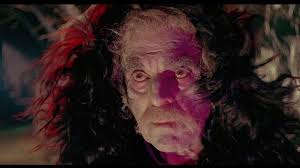
How dark are you willing to go? For David Cronenberg, The Shrouds marks another step into the abyss—one not of body horror, but of soul-rattling grief. This is arguably his most intimate and meditative work in decades, stitched together from threads of personal mourning, speculative technology, and the philosophical weight of death’s final curtain.

At the centre is Karsh (played with measured intensity by Vincent Cassel), a widower and tech entrepreneur who creates a radical new device: one that allows the living to peer into the graves of their deceased loved ones via digitally monitored “shrouds.” This deeply invasive (yet oddly spiritual) concept is classic Cronenberg—scientific progress colliding with deeply human frailty. But when a series of graves, including that of Karsh’s wife, are mysteriously desecrated, the film pivots into a sombre, noir-like mystery driven more by obsession than resolution.

From the turn of the century, Cronenberg’s work—Spider, A History of Violence, Cosmopolis, and Crimes of the Future—has leaned away from his earlier grotesque sensibilities and toward psychological excavation. The Shrouds is a continuation of that journey, and perhaps his most self-reflective piece since The Fly. With the recent passing of his wife, the film becomes a stark act of cinematic mourning—less a story than a eulogy.

The concept of the shroud here operates on multiple levels: biblically, as the linen of death and resurrection; metaphorically, as the veil between life and death; and narratively, as the enigma that cloaks Karsh’s unraveling. There’s also the ever-present shroud of mystery that clouds the truth—not only of the graveyard desecrations, but of Karsh himself. As the film progresses, Karsh becomes more opaque, his motives murkier, and his grief increasingly pathological. These twists are fascinating but also frustrating, leading the narrative into a fog of unanswered questions that might leave some viewers cold.

Yet Cronenberg surrounds Cassel with a stellar cast that brings warmth and depth. Diane Kruger and Guy Pearce, both enigmatic and grounded, help anchor the film in emotional reality even as it drifts into cerebral territory. Their performances are subtle yet compelling, with Pearce offering a particularly nuanced turn.

The Shrouds isn’t easy to love—but then again, grief rarely is. What it offers is a look into one man’s private hell, filtered through the lens of a director who has never shied away from uncomfortable truths. If its philosophical weight sometimes outweighs its dramatic clarity, it remains a compelling, mournful meditation from one of cinema’s most fearless auteurs.

  • Saul Muerte

The Shrouds will be screening in cinemas nationwide from Thu 3rd July.

Outbreak (2024) – A Predictable Descent into Trauma

Tags

, , , , , , , , , , , , , ,

Directed by Jeff Wolfe, Outbreak promises psychological dread and emotional turmoil against the backdrop of a creeping viral catastrophe—but ends up delivering little more than a tepid, trauma-soaked shuffle through familiar terrain.

The film follows a State Park Ranger (Billy Burke) and his wife (Alyshia Ochse) as they navigate the emotional wreckage of their teenage son’s disappearance, only to be confronted by a mysterious outbreak that further destabilises their world. As the infection spreads, so too does the sense of despair—but unfortunately, not much tension.

Billy Burke anchors the film with an earnest and committed performance, his weathered presence lending weight to otherwise limp material. Wolfe allows plenty of room for grief to dominate the narrative, but the pacing is sluggish, and the dramatic beats soon feel repetitive. Rather than building momentum, Outbreak spirals into melodrama, with a script that too often leans on genre clichés and a plot that telegraphs its twists from miles away.

There are a few flashes of atmosphere—some moody cinematography and eerie silences—but the film’s tonal heaviness overshadows its horror ambitions. The virus metaphor is serviceable, and by the time the film reaches its climax, the emotional payoff feels muted and overly familiar.

Despite its promising premise and a solid cast including Raoul Max Trujillo, Taylor Handley, and Jessica Frances Dukes, Outbreak plays it safe when it desperately needed to take risks. Watchable, sure—but only for the curious or the committed fans of the cast. For most, this is a slow trudge through thematic terrain that’s already been better navigated by others.

Outbreak will be available to rent or buy on DVD & Digital across Apple TV, Prime Video, Google TV, YouTube, and Fetch (AU) from July 2nd.

  • Saul Muerte

“Screaming Into Silence: Lori Cardille’s Sarah and the End of the World in Day of the Dead

Tags

, , , , , ,

When people talk about Day of the Dead (1985), it’s often in terms of technical achievement—Tom Savini’s masterclass in practical gore, the feral intensity of Joseph Pilato’s Captain Rhodes, or Romero’s pessimistic descent into nihilism. But forty years on, what resonates most deeply is something quieter, more human. It’s Lori Cardille’s grounded, gut-punched performance as Sarah—the film’s reluctant anchor, emotional centre, and overlooked Final Girl of the apocalypse.

Sarah doesn’t scream her way through Romero’s third instalment. She endures. She negotiates with tyrants. She dissects corpses. She cries in silence. In a film drenched in testosterone and hopelessness, Cardille brings a quiet defiance that holds the chaos at bay—not with guns or bravado, but with composure. It’s not the scream queen trope we were sold in the ’80s. It’s something rarer: a portrait of strength amidst absolute collapse.

When I had the honour of interviewing Lori Cardille, what struck me most was her thoughtful insight into what Sarah represented. This wasn’t just another horror role—it was personal. Her father, Bill Cardille, had worked with Romero on Night of the Living Dead. She wasn’t entering a franchise; she was stepping into a legacy. And yet, rather than echo the past, she quietly redefined the role of the horror heroine for a world that had lost its mind.

Romero’s vision in Day of the Dead is arguably his bleakest. The world above is overrun, but it’s the bunker below that’s truly inhuman. Soldiers and scientists alike disintegrate into bickering, cruelty, and delusion. The infected may moan and lurch, but the real horror is watching people lose their grip on reason. In that nightmare, Sarah becomes the audience’s last tether to empathy. When she breaks, we break. When she fights, we cling to hope.

Cardille’s performance is far from showy. That’s its strength. She plays Sarah as someone on the edge of psychological exhaustion, pushing through trauma on pure nerve. She’s a survivor, yes, but also a witness—one who sees the whole of civilization unravel and still chooses, somehow, to believe in the possibility of something better. Her silence speaks volumes in a film where the men are always shouting.

The Prognosis:

It’s a shame that Day of the Dead was initially dismissed by some as the lesser of Romero’s original trilogy. Yes, it lacks the cultural revolution of Night and the satirical punch of Dawn, but it offers something more intimate: a portrait of what’s left when hope has withered. And at the centre of it is a woman trying not to scream, trying to build something in the ruins, trying to survive without becoming what she’s fighting against.

Forty years later, that feels more relevant than ever.

  • Saul Muerte

🎙 From the Vault: Lori Cardille on Becoming Sarah

“I didn’t see Sarah as a hero in the traditional sense. She was tired, she was holding on by a thread, and that’s what made her strong. She wasn’t there to be the last woman standing—she was there to try and hold something together while everything fell apart.”
Lori Cardille, on portraying Sarah in Day of the Dead

In a genre often obsessed with scream queens and final girls who triumph in blood-soaked glory, Sarah survives not with a chainsaw or one-liner, but with focus, resolve, and fragility. Cardille’s portrayal elevates Day of the Dead into something more than just a bleak zombie flick—it becomes a meditation on holding onto your humanity when the world has long since lost its own.