• About
  • podcasts
  • Shop

Surgeons of Horror

~ Dissecting horror films

Surgeons of Horror

Category Archives: retrospective

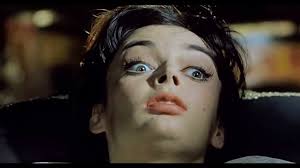
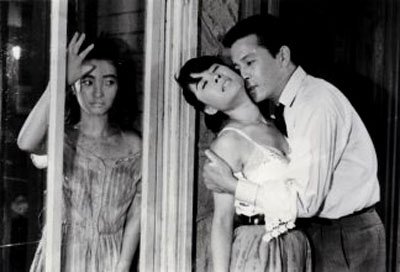
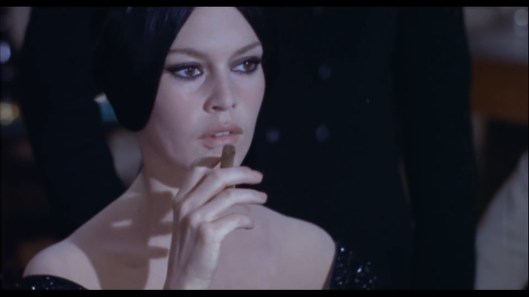
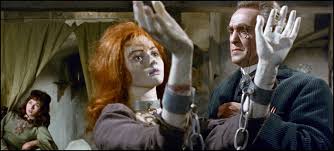
Swinging Sixties Slasher in The Haunted House of Horror’s Lifeless Mystery

15 Sunday Jun 2025

Posted by surgeons of horror in retrospective

≈ Leave a comment

Tags

1960s horror, 1960s retrospective, frankie avalon

Frankie Avalon can’t save this creaky, confused slasher from itself.

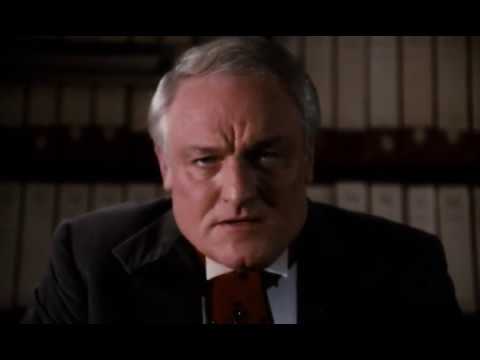
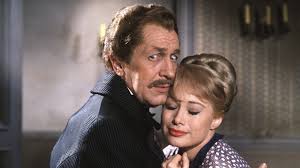
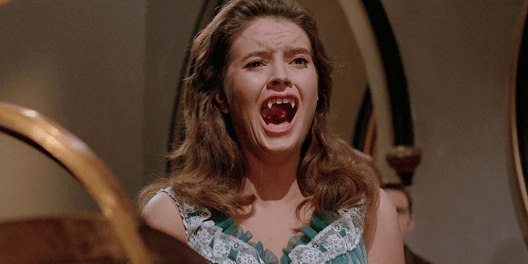
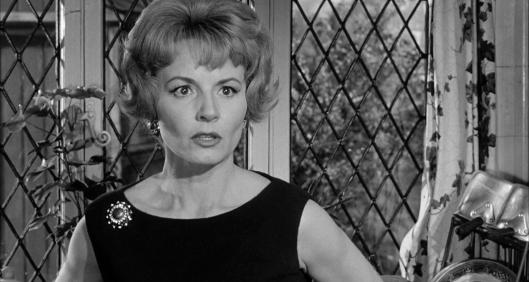
Michael Armstrong’s The Haunted House of Horror promises much with its lurid title and mod-era setup, but the final product is a disappointingly tepid affair that never quite knows what it wants to be. Part swinging ’60s youth flick, part slasher prototype, and part drawing-room whodunit, the film struggles under the weight of its own confused identity—and the results are more boring than chilling.

The plot is familiar: a group of hip London teenagers (or at least actors playing them) decide to explore an abandoned mansion on a lark, only to be picked off one by one by an unseen killer. There’s potential here for either taut horror or campy fun, but The Haunted House of Horror commits to neither. The pacing is glacial, the tension limp, and the atmosphere undercut by odd tonal shifts and clunky dialogue.

The film seems content to coast on the marquee name of American teen idol Frankie Avalon, whose presence feels oddly out of place amidst the otherwise British cast. While he’s given the most screen time, his performance is stiff, and the script never gives him much to work with beyond furrowed brows and blank stares. Whatever youthful edge the film tries to evoke is lost in a fog of awkward character dynamics and wooden delivery.

What might have redeemed this clunky murder mystery is a satisfying twist or a killer finale—but The Haunted House of Horror fumbles that too. Its ambiguous ending, instead of offering intrigue or open-ended interpretation, feels more like a shrug. Who did it? Why? What does it mean? The film doesn’t seem all that interested in answering.

The Prognosis:

Despite a few stylish flourishes and some decent cinematography in its haunted corridors, The Haunted House of Horror lacks the bite or blood to stand out among its late-’60s horror contemporaries. It’s a curiosity piece at best—a relic trying to cash in on both the horror boom and the youth market and succeeding at neither.

  • 1960s Retrospective review by Saul Muerte

Fear, Fur, and Fortune: Eye of the Cat Delivers Giallo-Lite Thrills

08 Sunday Jun 2025

Posted by surgeons of horror in retrospective, Uncategorized

≈ Leave a comment

Tags

1960s horror, 1960s retrospective, david lowell, michael sarrazin

Directed by David Lowell Rich, Eye of the Cat claws its way into the tail end of the 1960s with a premise that’s part Hitchcockian suspense, part Gothic melodrama, and part giallo-lite. While it never fully embraces the stylistic excess of its European cousins, there’s just enough tension, sleaze, and visual flair to keep genre fans engaged.

The setup is deliciously pulpy: a man conspires with his lover to rob his wealthy, cat-loving aunt of her fortune. The twist? He suffers from crippling ailurophobia—a fear of cats so intense it borders on the irrational. As the couple manipulates their way into the aunt’s inner circle, it becomes clear that the real threat may not be the clowder of watchful cats, but the secrets and shifting loyalties within the human cast.

While it lacks the razor-sharp elegance of Italian gialli, the film borrows enough of the genre’s staples—suspicious motives, inheritance plots, sudden reversals—to flirt with its spirit. The San Francisco setting provides a breezy, modern contrast to the otherwise old-world paranoia. Stylish cinematography and a few well-executed suspense sequences help elevate what could have been a TV-grade thriller.

Performances are serviceable, if occasionally campy, with Michael Sarrazin giving the lead just the right balance of charm and cowardice. The cats—dozens of them—are effectively used not just as a visual motif but as avatars of retribution. Their calm menace lingers in the corners of every scene, especially as things take a turn for the sinister in the final act.

The Prognosis:

Eye of the Cat may not leave deep scratches, but it’s a fun, semi-decent slice of late-’60s paranoia with just enough bite to justify the watch. For fans of crime thrillers with a twisted core—and anyone who likes their feline horror served with a side of psychological torment—it’s worth a revisit.

  • 1960s Retrospective Review by Saul Muerte

From Chains to Clichés: Revisiting Hellraiser: Deader and Hellworld 20 Years Later

08 Sunday Jun 2025

Posted by surgeons of horror in retrospective

≈ Leave a comment

Tags

clive barker, doug bradley, hellraiser, henry cavill, horror, kari wuhrer, Lance Henriksen, marc warren, movies, paul rhys, pinhead, rick bota

The box is still open—but by 2005, the horrors inside had lost their teeth.

As the Hellraiser franchise entered its straight-to-video era in the early 2000s, fans had already weathered a series of diminishing returns. But 2005’s double blow of Hellraiser: Deader and Hellraiser: Hellworld, both directed by Rick Bota and released within months of each other, marked a significant point of no return. Celebrating (or lamenting) their 20th anniversary in 2025, these two entries are less remembered for expanding Clive Barker’s mythos and more for highlighting how far the series had drifted from its grim, sensual origins.

Hellraiser: Deader 

Of the two, Deader fares slightly better—not because it’s a faithful addition to the Hellraiser canon, but because it begins life as something else entirely. Originally a standalone supernatural thriller script, it was retrofitted to include the Cenobites and the Lament Configuration, resulting in a stitched-together film that almost works in spite of itself.

Kari Wuhrer leads the story as a hard-nosed journalist chasing down an underground death cult in Romania. The film flirts with themes of trauma, addiction, and blurred reality—concepts that Hellraiser once handled with provocative boldness—but here, they’re dulled by a by-the-numbers execution. Still, the moody Eastern European backdrop and committed turns from Wuhrer, Marc Warren, and Paul Rhys give it some atmosphere, and the central premise—of a cult obsessed with conquering death—does echo Hellraiser’s fascination with pushing bodily and spiritual limits.

But despite flashes of creativity, Deader never shakes its identity crisis. The Cenobites are barely relevant to the narrative, and Pinhead’s presence feels perfunctory. It’s not a Hellraiser movie so much as a middling thriller that happens to feature a few familiar hooks.

Hellraiser: Hellworld 

If Deader is diluted, then Hellworld is downright disposable. Set in a pseudo-Internet-era gaming world, Hellworld attempts to be meta and modern, pitting a group of teens against a Hellraiser-themed online game. The resulting film feels like Scream meets House on Haunted Hill—but without the tension, intelligence, or atmosphere of either.

Despite the presence of genre legend Lance Henriksen and a young Henry Cavill (long before the cape), the cast is wasted in a script that relies on techno-jargon, faux-twists, and a painfully forced attempt at self-awareness. Doug Bradley’s Pinhead appears for his final time here, but his screen time is minimal, his dialogue rote, and his menace utterly defanged.

The film ends with a ridiculous twist that robs it of even the shallow pleasures of a bad slasher flick. For many fans, Hellworld marks the lowest point in the franchise—and it’s hard to argue with that sentiment.

Doug Bradley: The Final Configuration

If Hellworld is a disappointing swan song, it’s also the end of an era for Doug Bradley, who portrayed Pinhead across eight Hellraiser films from 1987 to 2005. With his commanding presence and Shakespearean delivery, Bradley transformed what could have been a gimmicky monster into a tragic, philosophical figure—a dark priest of pain and pleasure who lingered long after the credits rolled.

Bradley’s contributions to the franchise can’t be overstated. In Hellbound and Hell on Earth, he explored the remnants of humanity in Pinhead’s psyche; in later films like Inferno and Deader, he still managed to bring gravitas even when the writing failed him. His final appearance in Hellworld may be a muted farewell, but his legacy remains stitched into the flesh of the genre.


The Prognosis:

Twenty years on, Deader and Hellworld stand as cautionary tales about franchise fatigue and the dangers of branding over storytelling. What began with Clive Barker’s twisted poetry and existential dread had, by 2005, become little more than window dressing. Still, Deader holds a flicker of creativity, and even in the depths of Hellworld, Bradley’s shadow looms large—a final, ghostly reminder of what Hellraiser once dared to be.

  • Retrospective by Saul Muerte

I Don’t Want to Be Born (1975) – 50th Anniversary Retrospective

01 Sunday Jun 2025

Posted by surgeons of horror in retrospective

≈ Leave a comment

Tags

caroline munro, Donald Pleasance, eileen atkins, joan collins, peter sasdy, ralph bates

The devil came to the pram—and brought a Hammer cast with him.

Also known by several more sensational titles—The Devil Within Her, Sharon’s Baby, and It’s Growing Inside Her—Peter Sasdy’s I Don’t Want to Be Born is one of the stranger, more uneven horror offerings of 1975. Half supernatural shocker, half demonic soap opera, the film boasts a surprisingly strong cast and a deeply odd premise that has earned it a peculiar kind of cult status over the past fifty years.

Set in a heightened, almost surreal version of London, the film sees Joan Collins’ character give birth to a monstrously violent baby—seemingly possessed by the vengeful spirit of a spurned dwarf lover. What follows is a bizarre series of deaths, each more absurd than the last, all linked by the ominous presence of a pram and its pint-sized occupant.

Though the concept teeters on the edge of parody, Sasdy—who brought genuine Gothic flair to Hammer productions like Taste the Blood of Dracula and Countess Dracula—attempts to play it mostly straight. His direction tries to keep the tone grounded, but the outlandish plot frequently undercuts any attempt at gravitas.

Joan Collins, in full glam-horror mode, commits admirably to the madness. Her co-star Ralph Bates, with whom she previously appeared in Hammer’s Fear in the Night, provides a steadying presence. The cast is stacked with familiar faces from British genre cinema—Donald Pleasance as a soft-spoken doctor, Eileen Atkins as a nun with spiritual insight, and the ever-iconic Caroline Munro in a brief but welcome turn.

Despite its flaws—and they are many—the film’s connections to Hammer’s waning golden age give it an air of familiarity. In many ways, I Don’t Want to Be Born feels like a last gasp of the studio’s supernatural melodrama, though filtered through the grittier, more sensationalistic lens of mid-‘70s exploitation cinema.

The Prognosis:

On its 50th anniversary, it’s fair to say that I Don’t Want to Be Born is more curiosity than classic. But for devotees of Collins, Sasdy, and the weird crossover space between Hammer horror and post-Exorcist hysteria, it’s an oddly compelling footnote in British horror history.

  • Retrospective Review by Saul Muerte

The Ghoul (1975) Tyburn’s house of horrors—where secrets fester in the attic.

01 Sunday Jun 2025

Posted by surgeons of horror in retrospective

≈ Leave a comment

Tags

anthony hinds, freddie francis, john hurt, peter cushing, tyburn films productions, veronica carlson

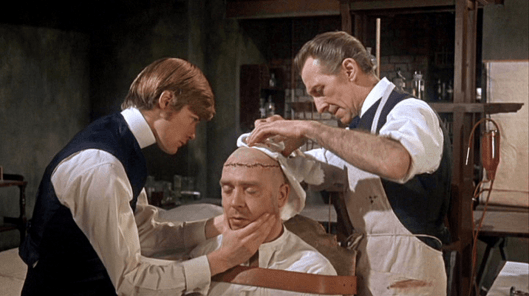
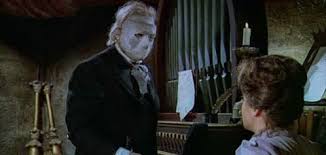
Half a century on, The Ghoul (1975) stands as one of the more curious entries in the twilight years of British Gothic horror. Directed with solemn precision by Freddie Francis and headlined by the ever-graceful Peter Cushing, the film was a sincere attempt by Tyburn Film Productions Limited to resurrect the moody, atmospheric horrors of the Hammer era—an ambition that resulted in a mixed, but memorable, outing.

Set in 1920s England, the story revolves around a former clergyman (Cushing) who harbours a dark family secret: his cannibalistic son, locked away in the attic of his remote country manor. As uninvited guests and unwitting thrill-seekers stumble upon the estate, the horror quietly unfolds under a heavy blanket of mist, melancholy, and moral decay.

Tyburn—also behind The Legend of the Werewolf—clearly aimed to evoke the bygone days of elegant, character-driven horror. In that spirit, Cushing delivers a beautifully nuanced performance, as always lending depth and humanity to a role steeped in sadness. His scenes carry a weight of personal grief—particularly poignant given the recent loss of his wife at the time of filming.

Director Freddie Francis, returning to familiar Gothic territory, crafts an atmosphere of slow-burn dread, though the pace and plotting may leave some modern viewers wanting. Veronica Carlson—reunited with Cushing from previous Hammer entries—offers a restrained but dignified performance, while a young John Hurt brings a twitchy, unpredictable energy that adds texture to the film’s more traditional framework.

Producer Antony Hinds, a key figure in Hammer’s golden era, worked under the pseudonym John Elder here, contributing to a film that often feels like a swan song to a dying genre. While The Ghoul may not reach the heights of its forebears, its sincerity, craftsmanship, and dedication to classic horror tropes make it worth revisiting.

The Prognosis:

Fifty years later, The Ghoul stands not as a triumph, but as a loving echo—one that reminds us of a genre clinging to its traditions even as the horror world around it began to shift. For admirers of Cushing, Francis, and British Gothic, it remains a thoughtful if flawed gem from a studio that deserved a longer life.

  • Retrospective Review by Saul Muerte

Fog, Flesh, and Fear: The Doll of Satan and the Gothic Roots of Giallo

01 Sunday Jun 2025

Posted by surgeons of horror in retrospective

≈ Leave a comment

Tags

1960s horror, 1960s retrospective, giallo, giallo horror, gothic, gothic horror, italian gothic horror

“Behind every shadow lies a secret. Behind every secret, a scream.”

🗝️ “Behind every shadow lies a secret. Behind every secret, a scream.”

By the time La bambola di Satana (The Doll of Satan) crept into Italian cinemas in 1969, the giallo genre was still sharpening its knives. Mario Bava had lit the fuse with The Girl Who Knew Too Much (1963) and Blood and Black Lace (1964), but it would be another year before Dario Argento’s The Bird with the Crystal Plumage pushed the subgenre into full flight. The Doll of Satan landed at a curious midpoint: a gothic thriller draped in giallo stylings, ripe with misty castles, erotic hallucinations, and a hooded killer lurking in the shadows.

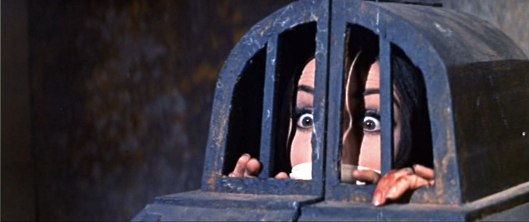
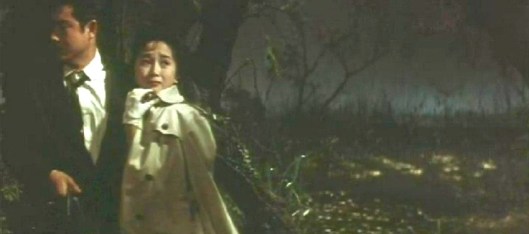
Directed by Ferruccio Casapinta—his only directorial credit—this occult-tinged thriller follows Elisabeth, a young woman returning to her family’s ancestral castle after her uncle’s mysterious death. As the inheritance looms, so do whispers of hauntings, cryptic locals, and ulterior motives. Elisabeth is soon plagued by bizarre, erotically charged visions and finds herself trapped in a web of deceit, culminating in dungeon-bound torture at the hands of a masked figure. Her fiancé, Jack, begins to suspect that the castle’s legend hides a far more human treachery.

While The Doll of Satan never fully commits to the baroque excess or stylish violence that would come to define giallo in the 1970s, it bears several of the genre’s fingerprints: a vulnerable woman in a labyrinthine estate, conspiracies surrounding wealth and inheritance, dreamlike hallucinations, and a killer whose identity is concealed behind cloaks and masks. Yet it’s still deeply tethered to the gothic tradition—with its rain-slicked graveyards, ancestral curses, and fog-choked corridors, the film feels caught in the final breath of the old horror world, even as it reaches toward the future.

There’s an undeniable camp charm in the way the film blends eroticism and suspense, from the exaggerated dream sequences to the near-operatic melodrama. Bruno Nicolai’s score—steeped in mood and menace—adds a ghostly elegance that elevates the film beyond its limited budget and occasionally clunky pacing. Casapinta may not have had the finesse of Bava or the bravado of Argento, but he delivers a stylish, if uneven, curiosity that flirts with the giallo blueprint.

The Prognosis:

The Doll of Satan stands as a minor, though intriguing, footnote in the evolution of Italian horror. It reflects a moment of transformation—when horror cinema in Italy was beginning to trade gothic gloom for lurid thrills, and the supernatural gave way to psychological menace. For giallo enthusiasts and completists, it offers a seductive glimpse into that transitional twilight, where haunted castles began to echo with the sound of switchblades.

  • 1960s Retrospective Review by Saul Muerte

The Dhampir Rises Again: 40 Years of Vampire Hunter D’s Haunting Influence

28 Wednesday May 2025

Posted by surgeons of horror in retrospective

≈ Leave a comment

Tags

Dracula, film, horror, japanese cinema, japanese horror, manga, manga horror, movies, reviews, vampire

Premiering Exclusively on Shudder, AMC+ and HIDIVE – Friday 30 May
“In a world ruled by vampires, only a half-blood dares to hunt them.”

When Vampire Hunter D premiered in 1985, few could have predicted the cultural ripple effect it would have across manga, anime, and horror for decades to come. Now, forty years later, this gothic, genre-defying milestone returns with a long-awaited streaming premiere on Shudder, AMC+, and HIDIVE—offering a perfect moment to reflect on its enduring power.

Set in the far-flung future of 12,090 A.D., the film unfolds in a post-apocalyptic landscape where science and sorcery coexist, and humanity lives in fear under the rule of the vampire Nobility. At its centre is Doris Lang, a brave young woman marked for unholy matrimony by the ancient Count Magnus Lee. Her only hope lies in the hands of a mysterious wanderer known only as D—an enigmatic vampire hunter with a tragic secret etched into his very bloodline.

Directed by Toyoo Ashida and based on the novel by Hideyuki Kikuchi with iconic illustrations by Yoshitaka Amano, Vampire Hunter D was a revelation for its time. It merged the aesthetics of Western horror—Dracula, Frankenstein, Lovecraft—with a distinctly Japanese post-apocalyptic flair, opening a door to global audiences that had rarely encountered horror anime in this form. The film’s blend of violence, melancholy, and romanticism felt alien and refreshing—an animated Gothic western that flirted with sci-fi, body horror, and dark fantasy.

The horror in Vampire Hunter D is not just visual—it’s atmospheric. Shadowy castles, mutated creatures, and the decaying elegance of the vampire Nobility all serve to create an air of terminal beauty, where death and corruption linger in every frame. The film pulses with dread, not just from its antagonists, but from the melancholic burden D carries as a dhampir—caught between two worlds, never at home in either.

Manga, and later anime, would absorb and amplify these motifs. Vampire Hunter D helped normalise horror as a serious mode within manga storytelling, inspiring a lineage that includes Berserk, Hellsing, Claymore, and Attack on Titan. Its DNA can be traced through the decades, proving that gothic horror, when stylised with poetic nihilism and speculative world-building, could resonate far beyond Japan.

Though animation has since evolved in leaps and bounds, there’s a charm in Vampire Hunter D’s hand-drawn grit—a visual texture that feels inseparable from its era and identity. It may lack the polish of modern anime, but it makes up for it in atmosphere, tone, and mythic presence.

The Prognosis:

As it celebrates its 40th anniversary with a new generation of fans ready to rediscover it, Vampire Hunter D still holds its scythe high. Part horror, part tragedy, and wholly influential, it remains a cornerstone of horror anime—and proof that even in a world of monsters, the greatest fear often lies within the hero himself.

  • Retrospective Review by Saul Muerte

Vampire Hunter D premieres exclusively on Shudder, AMC+ and HIDIVE – Friday 30 May

The Body Snatcher: A Chilling Anatomy of Guilt, 80 Years Later

24 Saturday May 2025

Posted by surgeons of horror in retrospective

≈ Leave a comment

Tags

Bela Lugosi, Boris Karloff, henry daniell, robert wise

Robert Wise’s gothic thriller endures as a somber meditation on moral decay, elevated by Boris Karloff’s haunting performance and a creeping atmosphere of inevitable doom.

In the gothic shadows of Edinburgh, 1831, a sinister trade thrives — one that chills the blood more than any imagined phantoms. Robert Wise’s The Body Snatcher, marking its 80th anniversary, stands as a sombre meditation on guilt, complicity, and the monstrous lengths to which men will go in the name of progress. Though often overshadowed by the grander horror spectacles of its era, this adaptation of Robert Louis Stevenson’s short story endures as a morally murky, quietly insidious thriller — elevated by the formidable presence of Boris Karloff and Bela Lugosi.

The film pivots on the uneasy relationship between Dr. MacFarlane (Henry Daniell), a respected physician harbouring a damning secret, and Cabman Gray (Boris Karloff), the gleeful ghoul who supplies MacFarlane’s medical school with an illicit flow of cadavers. Karloff, at the height of his late-career potency, embodies Gray not as a stock villain but as a leering, almost Shakespearian figure — a spectre of the past MacFarlane cannot exorcise. In a film largely devoid of supernatural elements, it is Karloff’s performance that provides the true horror: the inexorable pull of guilt and moral decay.

At its core, The Body Snatcher is not merely about grave robbery, but about the corrupting influence of rationalisation. Dr. MacFarlane convinces himself that his ends — advancing medical science — justify the sordid means. Yet, as Wise’s patient, sombre direction emphasises, no amount of rationalising can protect the soul from rot. Each step MacFarlane takes toward “noble progress” leaves another moral wound festering beneath his polished exterior.

Bela Lugosi, reduced by this time to smaller, often pitiable roles, appears briefly but memorably as Joseph, an opportunistic servant who attempts to blackmail Gray — with predictably grim results. Though Lugosi’s screen time is limited, his gaunt visage and desperate demeanour deepen the film’s atmosphere of inevitable downfall.

Robert Wise, making his solo directorial debut after serving as editor on Orson Welles’ Citizen Kane, crafts a film of remarkable restraint. Eschewing the sensationalism suggested by the lurid poster art (“GRAVES RAIDED! COFFINS ROBBED! CORPSES CARVED!”), Wise opts instead for creeping dread — long shadows across stone alleys, whispered threats in hushed taverns, the simple, chilling sound of hooves clattering in the misty night. His style foreshadows the sophistication he would later bring to The Day the Earth Stood Still and The Haunting.

Thematically, The Body Snatcher grapples with the commodification of death — how the needs of the living exploit and desecrate the dignity of the dead. Yet the deeper horror lies not in the graveyards, but in the human heart’s capacity for compromise. In Karloff’s Gray, we see not merely a villain, but the embodiment of conscience corrupted beyond repair — a mirror to MacFarlane’s rationalised decay.

The Prognosis:

Eighty years on, The Body Snatcher may not deliver the frenetic thrills modern audiences often crave, but its slow, inexorable descent into moral ruin lingers. It is a film les–s about what men do in darkness, and more about how they learn to live with themselves afterward — or fail to.

In an age where the ethics of progress are more fraught than ever, The Body Snatcher whispers a grim reminder from the grave: the past never stays buried for long.

  • Retrospective review by Saul Muerte

The Oblong Box: Vincent Price and AIP’s Gothic Farewell to Poe

23 Friday May 2025

Posted by surgeons of horror in retrospective

≈ Leave a comment

Tags

1960s horror, 1960s retrospective, AIP, christopher lee, christopher wicking, Edgar Allan Poe, george hessler, Vincent Price

Gordon Hessler’s somber, atmospheric horror marks a transitional moment as American International Pictures’ Poe cycle edges toward a darker, more violent future.

By the end of the 1960s, the gothic horror cycle popularized by American International Pictures was showing distinct signs of wear. Lavish yet increasingly formulaic, the once-groundbreaking Vincent Price/Edgar Allan Poe collaborations — most notably directed by Roger Corman — had set a high-water mark earlier in the decade. The Oblong Box, directed by Gordon Hessler and released in 1969, represents both a continuation and a mutation of that tradition: a film steeped in the tropes audiences had come to expect, but tinged with a harsher, more morbid tone reflective of the cultural shifts at the end of the decade.

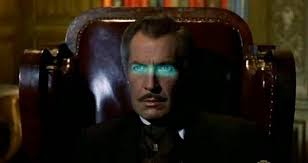
Although marketed heavily as another Poe adaptation, The Oblong Box in fact has little to do with the author’s original short story, borrowing only the title and the general theme of premature burial. Nevertheless, its atmosphere — a decadent English estate rotting under the weight of ancestral sins — fits neatly into the aesthetic universe cultivated by AIP’s earlier Poe pictures. Vincent Price, ever the consummate performer, slips comfortably into the role of Julian Markham, a man haunted by familial guilt and constrained by social appearances. Price’s presence alone is enough to anchor the film in the familiar tradition of velvet-draped madness and doomed legacies.

However, The Oblong Box also marks a departure from the more theatrical, florid excesses of Corman’s earlier works. Hessler, stepping into the director’s chair after Michael Reeves’ untimely death and dissatisfaction from AIP’s executives, brings a colder, more clinical eye to the material. The film’s violence is more explicit; its themes — colonial guilt, fratricide, exploitation — emerge less as melodramatic devices and more as genuinely disturbing undercurrents. It is a film less concerned with Poe’s romanticised morbidity than with a burgeoning appetite for psychological and physical horror.

Christopher Wicking’s screenplay weaves in an uneasy undercurrent of imperialist critique, with the disfigured Sir Edward (played in part by Alister Williamson, though Price’s star power overshadows him) embodying the physical and moral consequences of colonial exploitation. The masked figure, red cloak swirling in the night as he seeks revenge, foreshadows the more explicit grotesqueries that would dominate British and European horror into the 1970s.

While The Oblong Box does not reach the stylistic heights of earlier Corman-Poe entries like The Masque of the Red Death or The Pit and the Pendulum, it nonetheless offers a compelling portrait of a genre — and a studio — in transition. Hessler’s film is handsomely mounted, if at times unevenly paced, and buoyed significantly by Price’s unerring ability to balance camp and gravitas. His Julian Markham is neither pure villain nor misunderstood hero, but a man slowly being devoured by forces he can no longer control, much like the American International Pictures horror line itself, inching toward its inevitable decline.

The Prognosis:

The Oblong Box stands as a fascinating artifact: a twilight entry that hints at both the glories of AIP’s earlier successes and the darker, less forgiving horror that the 1970s would embrace. It is not the purest distillation of Price’s talents nor Poe’s nightmarish imagination, but it remains a solemn, atmospheric bridge between eras — a coffin-laden corridor leading toward the more brutal horrors to come.

  • 1960s retrospective review by Saul Muerte

Tales from the Hood: 30 Years of Horror, Protest, and Provocation

23 Friday May 2025

Posted by surgeons of horror in retrospective

≈ Leave a comment

Tags

clarence william III, corbin bernsen, horror anthology, Rusty Cundieff, Spike Lee

Rusty Cundieff’s ambitious anthology remains a culturally charged, uneven, yet fiercely memorable fusion of nightmares and societal critique.

“Welcome to hell, motherf**ers.”* Those iconic words, delivered with an unsettling smile by Clarence Williams III’s unhinged mortician, still ring with biting relevance thirty years later. Tales from the Hood, Rusty Cundieff’s 1995 horror anthology, remains a curiously potent, if uneven, cultural artifact — a film that collides supernatural horror with the harsh, lived realities of systemic racism, gang violence, and social decay.

On the surface, the film trades in the familiar structure of anthology horror — not dissimilar to Creepshow or Tales from the Crypt. Yet what sets it apart is its urgent social consciousness. Each of the four segments, framed by a macabre funeral parlour visit by three hapless drug dealers, acts as a parable reflecting the nightmares of Black America. The tone is as volatile as it is ambitious: earnest yet sardonic, horrific yet grimly satirical.

“Rogue Cop Revelation”, the first tale, hits with brutal directness. A rookie Black police officer witnesses the savage beating and murder of a respected Black civil rights activist at the hands of his white colleagues — a sequence disturbingly resonant with real-world atrocities. While the story embraces a cathartic, supernatural revenge motif, its anger at a broken system is palpable. If anything, its morality is blunt to the point of didacticism, but the rawness of its conviction is hard to deny.

The second segment, “Boys Do Get Bruised”, momentarily shifts into a more intimate, almost fairy-tale-like horror. A young boy’s fear of a “monster” at home gradually reveals itself as an allegory for domestic abuse. David Alan Grier, typically known for comedic roles, is chillingly cast against type here, delivering a performance that feels authentically monstrous. The creature effects — modest by mid-’90s standards — take on a symbolic weight, emphasising how horror can be a child’s only language for trauma.

“KKK Comeuppance”, easily the most satirical and visually grotesque of the tales, feels both inspired and overindulgent. A virulent racist Southern politician, clearly modeled on the likes of David Duke, meets his end at the hands of a plantation’s haunted dolls — vessels for the souls of the enslaved. While the story occasionally lurches into caricature, its fiery blend of absurdity and rage fits the material’s heightened tone. The practical effects, particularly the puppetry, have aged with a charming, eerie patina.

The final major story, “Hard-Core Convert”, stands as the most conceptually ambitious, if narratively muddled. Chronicling the psychological “reprogramming” of a vicious gang member, the segment attempts to wrestle with internalised racism and the cyclical violence endemic to marginalised communities. The “shock therapy” sequences, underscored by archival footage of racial violence, remain harrowing, even if the moral thrust feels heavier-handed than necessary.

Rusty Cundieff, alongside executive producer Spike Lee, crafts a volatile cocktail of genre thrills and sociopolitical commentary. Yet, like many anthologies, Tales from the Hood struggles to maintain tonal consistency. Some stories feel thematically rich but visually cramped, others visually imaginative but narratively thin. Still, the film’s ambition — to fuse entertainment with genuine social critique — is laudable, particularly in a horror landscape often content with apolitical escapism.

The Prognosis:

Tales from the Hood endures not merely as a time capsule of mid-’90s anxieties but as a prescient reminder of horror’s potential as protest. Its unevenness, perhaps, is a reflection of the chaotic reality it sought to confront: a world where nightmares are no longer confined to dreams but stalk the streets in broad daylight.

In an era when the lines between fiction and reality blur with alarming frequency, Tales from the Hood still stares unflinchingly into the abyss — and invites its audience to do the same.

  • Saul Muerte
← Older posts
Newer posts →

Subscribe

  • Entries (RSS)
  • Comments (RSS)

Archives

  • May 2026
  • April 2026
  • March 2026
  • February 2026
  • January 2026
  • December 2025
  • November 2025
  • October 2025
  • September 2025
  • August 2025
  • July 2025
  • June 2025
  • May 2025
  • April 2025
  • March 2025
  • February 2025
  • January 2025
  • December 2024
  • November 2024
  • October 2024
  • September 2024
  • August 2024
  • July 2024
  • June 2024
  • May 2024
  • April 2024
  • March 2024
  • February 2024
  • January 2024
  • November 2023
  • October 2023
  • September 2023
  • August 2023
  • July 2023
  • June 2023
  • May 2023
  • April 2023
  • March 2023
  • February 2023
  • January 2023
  • November 2022
  • October 2022
  • September 2022
  • August 2022
  • July 2022
  • June 2022
  • April 2022
  • March 2022
  • February 2022
  • January 2022
  • December 2021
  • November 2021
  • October 2021
  • September 2021
  • August 2021
  • July 2021
  • June 2021
  • May 2021
  • April 2021
  • March 2021
  • February 2021
  • January 2021
  • December 2020
  • November 2020
  • October 2020
  • September 2020
  • August 2020
  • July 2020
  • June 2020
  • May 2020
  • April 2020
  • March 2020
  • February 2020
  • January 2020
  • December 2019
  • November 2019
  • October 2019
  • September 2019
  • July 2019
  • June 2019
  • May 2019
  • April 2019
  • March 2019
  • February 2019
  • January 2019
  • December 2018
  • November 2018
  • October 2018
  • September 2018
  • August 2018
  • July 2018
  • June 2018
  • May 2018
  • April 2018
  • March 2018
  • February 2018
  • January 2018
  • December 2017
  • November 2017
  • October 2017
  • September 2017
  • August 2017
  • July 2017
  • June 2017
  • May 2017
  • April 2017
  • March 2017
  • February 2017
  • January 2017
  • December 2016
  • November 2016
  • October 2016
  • September 2016
  • August 2016
  • July 2016
  • June 2016
  • May 2016

Categories

  • A Night of Horror Film Festival
  • Alien franchise
  • Alliance Francaise French Film Festival
  • Australian Horror
  • Best Movies and Shows
  • Competition
  • dark nights film fest
  • episode review
  • Flashback Fridays
  • Friday the 13th Franchise
  • Full Moon Sessions
  • Halloween franchise
  • In Memorium
  • Interview
  • japanese film festival
  • John Carpenter
  • killer pigs
  • midwest weirdfest
  • MidWest WierdFest
  • MonsterFest
  • movie article
  • movie of the week
  • Movie review
  • New Trailer
  • News article
  • podcast episode
  • podcast review
  • press release
  • retrospective
  • Rialto Distribution
  • Ring Franchise
  • series review
  • Spanish horror
  • sydney film festival
  • Sydney Underground Film Festival
  • The Blair Witch Franchise
  • the conjuring franchise
  • The Exorcist
  • The Howling franchise
  • Top 10 list
  • Top 12 List
  • top 13 films
  • Trash Night Tuesdays on Tubi
  • umbrella entertainment
  • Uncategorized
  • Universal Horror
  • Wes Craven
  • wes craven's the scream years

Meta

  • Create account
  • Log in

Blog at WordPress.com.

  • Subscribe Subscribed
    • Surgeons of Horror
    • Join 220 other subscribers
    • Already have a WordPress.com account? Log in now.
    • Surgeons of Horror
    • Subscribe Subscribed
    • Sign up
    • Log in
    • Report this content
    • View site in Reader
    • Manage subscriptions
    • Collapse this bar

Loading Comments...