Shudder Original Series Series Premiere Date: December 6, 2024
Every great series has that pivotal episode, the one that redefines its boundaries and deepens its intrigue. For The Creep Tapes, Brandt is that turning point. Stripping back the usual framework of Josef manipulating his unwitting subjects, this episode flips the script by having the titular Brandt fail to show up. What unfolds is less an external game of cat-and-mouse and more an internal confrontation between Josef and his own monstrous psyche.
Without the usual dynamic to lean on, Josef is left alone in his hotel room, his performance faltering in the absence of an audience. Here, the episode takes an ambitious leap, inviting the audience into Josef’s fragmented mind. It’s a bold move, delving into the character’s warped psyche while still keeping us tethered to the unnerving energy the series thrives on. This shift could have easily derailed the show’s momentum, but it lands confidently on the right side of quality, balancing psychological horror with dark, surreal humor.
And then there’s Peachfuzz. The haunting specter of the wolf mask, once an external emblem of Josef’s menacing persona, now turns inward. As Josef stares into the mask, it’s no longer a tool of intimidation but a mirror reflecting the depths of his madness. These sequences are harrowing and hypnotic, offering the audience an uncomfortably intimate look at Josef’s inner demons.
But Brandt isn’t content with just brooding introspection. It delivers a killer blow in the final moments—one of pitch-perfect comic timing. The tonal shift is jarring in the best way, reminding us of the show’s ability to keep its audience off balance, laughing nervously even as the tension tightens.
With Brandt, The Creep Tapes continues to push boundaries, proving that it’s not afraid to take risks or challenge its own formula. This episode reframes Josef not just as a predator but as a deeply broken man wrestling with his own creation—a narrative pivot that keeps the series fresh and unsettling.
Saul Muerte
The Creep TapesSeries are currently streaming Exclusively on Shudder and AMC+
Mary Harron masterfully translates Bret Easton Ellis’s dark and divisive novel into a scathing satire of 1980s greed and narcissism. At its heart is Christian Bale’s brilliant portrayal of Patrick Bateman, a Wall Street yuppie whose polished exterior hides a deranged killer. Bale’s performance is an enthralling blend of charm and menace, capturing Bateman’s self-obsession and moral void with terrifying precision. Harron manages to retain the macabre humour of Ellis’s work, blending horror with biting social commentary on capitalism and identity.
The film’s mix of graphic violence and absurdity forces audiences to confront their own complicity in a consumer-driven society obsessed with surface-level perfection. Harron’s feminist lens sharpens the satire, turning a story of male excess into a chilling indictment of toxic masculinity. While polarising upon release, American Psycho has since solidified its place as a cult classic, thanks to its razor-sharp script and Bale’s unforgettable performance.
29. Oculus (2013)
Mike Flanagan’s Oculus marked a pivotal moment in his career, establishing him as a storyteller capable of blending emotional depth with supernatural horror. This tale of a cursed mirror and the siblings determined to destroy it is steeped in tension, balancing psychological trauma with eerie, otherworldly chills. Karen Gillan and Brenton Thwaites deliver compelling performances as siblings Kaylie and Tim, their shared pain amplifying the stakes of their battle against the mirror’s sinister influence.
Flanagan crafts a seamless interplay of past and present, weaving flashbacks into the unfolding horror with remarkable finesse. The mirror itself is an effective antagonist, embodying fear without ever resorting to cheap tricks. While Oculus doesn’t reinvent the haunted object trope, it elevates it with strong performances and a thoughtful exploration of memory, guilt, and the fragility of perception. It’s a film that rewards patience, building dread incrementally before delivering a haunting climax.
28. Hush (2016)
Flanagan strikes again with Hush, a minimalist home-invasion thriller that demonstrates his mastery of tension. The film revolves around Maddie (Kate Siegel), a deaf-mute writer whose isolated home becomes the target of a masked killer. Stripped of dialogue for much of its runtime, Hush relies on visual storytelling and sound design to convey its protagonist’s experience, immersing viewers in her silent struggle.
The cat-and-mouse game between Maddie and her tormentor is gripping, as each side uses intelligence and resourcefulness to outmaneuvre the other. By focusing on a single location and a small cast, Flanagan maximizes suspense while exploring themes of vulnerability and resilience. The film’s restrained approach makes its moments of violence all the more impactful, culminating in a satisfying and cathartic finale. Hush is a testament to the power of simplicity, proving that great horror doesn’t need extravagant effects to leave an impression.
27. You’re Next (2011)
Adam Wingard and Simon Barrett’s You’re Next is a gleeful subversion of the home-invasion genre, blending brutal violence with sharp wit. When a family gathering is interrupted by a group of masked killers, the group’s petty dysfunction becomes a battleground for survival. At its center is Erin (Sharni Vinson), whose unexpected resourcefulness makes her one of modern horror’s most memorable final girls.
The film’s mix of gore and humour is a hallmark of the mumblegore movement, and Wingard’s direction keeps the tension high without sacrificing the film’s playful tone. The cast, featuring indie darlings like Barbara Crampton and AJ Bowen, is clearly having a blast, adding to the film’s chaotic energy. While it doesn’t reinvent the genre, You’re Next stands out for its clever twists and unapologetic embrace of its slasher roots.
26. Longlegs (2024)
Oz Perkins’s Longlegs is a slow-burn horror that rewards patience with its unsettling atmosphere and haunting imagery. The story unfolds with meticulous precision, drawing viewers into a world where dread lingers in every shadow. Perkins’s distinct visual style—elegant yet oppressive—complements the film’s themes of isolation and unease, while its deliberate pacing gives weight to each revelation.
The performances, particularly from the lead cast, are a standout, grounding the film’s surreal elements in raw emotion. Though the middle act drags slightly, the climactic payoff is worth the wait, delivering a gut-punch that lingers long after the credits roll. Longlegs may not appeal to fans of fast-paced horror, but for those willing to invest in its atmospheric storytelling, it’s a deeply rewarding experience.
Ti West’s X is a love letter to 1970s slasher films, wrapped in a provocative exploration of aging and desire. The story follows a group of aspiring filmmakers who rent a remote farmhouse to shoot an adult movie, only to find themselves hunted by their elderly hosts. Mia Goth delivers a tour-de-force performance in a dual role, seamlessly shifting between vulnerability and menace.
West’s direction is masterful, blending humour, horror, and social commentary into a cohesive whole. The film’s slow-burn approach allows for rich character development, making the eventual carnage all the more impactful. Themes of sexuality, repression, and mortality add depth to the blood-soaked narrative, elevating X above standard genre fare. With its stunning cinematography and sharp writing, X is a bold and unforgettable entry in modern horror.
Zach Cregger’s Barbarian is a wild, unpredictable ride that defies horror conventions at every turn. What begins as a seemingly straightforward tale of a woman trapped in a house with sinister secrets quickly spirals into a darkly comedic and terrifying exploration of human nature. Georgina Campbell anchors the film with a stellar performance, supported by Justin Long’s hilarious turn as an oblivious property owner.
Cregger’s ability to balance humour and horror is remarkable, keeping viewers on edge while delivering genuine laughs. The film’s twists and tonal shifts are risky but executed with such confidence that they feel earned. Barbarian is a rollercoaster of a movie, constantly surprising and thoroughly entertaining. It’s a standout example of how fresh ideas can breathe new life into the genre.
Coralie Fargeat’s Revenge reinvents the rape-revenge subgenre with style and substance, delivering a visually stunning and emotionally charged thriller. Matilda Lutz shines as Jen, a woman left for dead who turns the tables on her attackers with brutal ingenuity. The film’s vibrant cinematography and pulsating score elevate its visceral intensity, creating a sensory experience that’s as beautiful as it is harrowing.
Fargeat’s direction is unapologetically bold, infusing the film with feminist undertones that challenge the exploitative tropes of its predecessors. Revenge is not just a tale of survival but a searing commentary on power, agency, and resilience. It’s a tough watch but an essential one, proving that even the most controversial subgenres can be reimagined with intelligence and artistry.
Demián Rugna’s When Evil Lurks is a grim and uncompromising exploration of humanity’s darkest fears. Set in a rural village plagued by demonic possession, the film is a relentless descent into chaos and despair. Rugna’s direction is unflinching, capturing the raw terror of a community unraveling under the weight of its own secrets.
What sets When Evil Lurks apart is its emotional depth, as characters grapple with guilt, trauma, and the fragility of their humanity. The film’s bleakness is tempered by moments of quiet introspection, creating a haunting balance between horror and heartbreak. It’s a challenging but rewarding experience, cementing Rugna as a bold and visionary filmmaker.
Brandon Cronenberg’s Possessor is a cerebral sci-fi horror that pushes the boundaries of identity and morality. The story follows Tasya Vos (Andrea Riseborough), an assassin who inhabits others’ bodies to carry out her hits, only to lose control in a mission gone wrong. Cronenberg’s direction is strikingly assured, blending surreal visuals with visceral violence to create a nightmarish landscape of fractured identities.
The film’s themes of technology, autonomy, and psychological decay are explored with chilling precision, making it as thought-provoking as it is disturbing. With its bold narrative and uncompromising vision, Possessor solidifies Cronenberg’s reputation as a filmmaker unafraid to challenge his audience. It’s a mind-bending journey that lingers long after the credits roll.
In the pantheon of 1960s horror cinema, It! (1967) is less a towering monolith and more a crumbling relic, notable more for its quirks than its craft. Directed by Herbert J. Leder and starring the ever-compelling Roddy McDowall, the film is a largely forgettable take on the age-old golem under control story. Despite its shortcomings, McDowall’s eccentric performance breathes a glimmer of life into what might otherwise have been a plodding exercise in horror tropes.
The plot is simple, perhaps too much so: McDowall’s character, Arthur Pimm, discovers a golem—a hulking, indestructible creature bound by supernatural forces—and sets about using it to satisfy his ambitions. As is typical for the subgenre, things spiral out of control, with the golem proving as dangerous to its master as it is to his enemies. The beats are predictable, with little in the way of innovation to distinguish It! from earlier iterations of the golem legend.
What does elevate the film, however, is McDowall’s signature flair. As Arthur, he leans into the character’s unhinged qualities, delivering a performance that teeters on the edge of camp without ever fully succumbing to it. His manic energy provides the film with a pulse it sorely needs, and his interactions with the golem often border on absurd, imbuing the proceedings with a strange, almost comedic undercurrent. It’s a testament to McDowall’s talent that he can command the viewer’s attention even when the script gives him so little to work with.
Visually, It! is serviceable but uninspired. The golem itself is a hulking, imposing presence, though the film rarely exploits its potential for genuine terror. Instead, the creature feels more like a prop than a fully realized character, a missed opportunity in a film that could have used a stronger antagonist.
For all its faults, It! remains a curious artifact of its time, a low-budget horror film that leans heavily on its star to carry the weight of its thin premise. While the film’s narrative and pacing leave much to be desired, McDowall’s performance provides just enough intrigue to keep the viewer from completely disengaging.
Ultimately, It! is a middling effort, an uninspired retelling of a familiar story that offers little new to the genre. Still, for fans of Roddy McDowall or those with a soft spot for obscure 1960s horror, it’s worth a watch—if only for a glimpse of McDowall’s eccentric genius.
Jordan Peele’s Us followed the seismic success of his debut Get Out, presenting audiences with a more layered and surreal psychological horror. The film delves into the dichotomy of identity, with the Wilson family encountering their doppelgängers in a night of terror that explores privilege, oppression, and America’s shadow self. Peele’s craft shines through sharp writing and symbolic imagery, blending home invasion horror with socio-political commentary. Lupita Nyong’o’s tour-de-force dual performance as Adelaide and Red is mesmerising, her physicality and emotional depth anchoring the narrative’s darker, more abstract themes.
Despite its ambition, Us garnered a polarised response due to its sprawling narrative and unresolved mysteries. While it lacks the concise impact of Get Out, Peele’s boldness in tackling complex themes is commendable. The film’s eerie atmosphere and standout performances make it a fascinating, if imperfect, follow-up that continues to establish Peele as a singular voice in modern horror.
A hilarious and heartwarming spin on slasher tropes, Tucker & Dale vs. Evil turns the genre’s stereotypes on their head. Alan Tudyk and Tyler Labine star as well-meaning but hapless hillbillies mistaken for killers by a group of college students who wreak havoc on themselves in increasingly absurd ways. The film’s clever premise provides endless laughs and surprising moments of tenderness, as the titular duo tries to clear their names amidst escalating chaos.
Director Eli Craig’s sharp satire affectionately pokes fun at horror conventions while crafting a story with genuine emotional stakes. Its combination of slapstick gore and heartfelt character work sets it apart from other horror comedies. While it doesn’t delve deeply into its social commentary, Tucker & Dale vs. Evil remains a refreshingly original and thoroughly entertaining gem in the horror-comedy subgenre.
38. Pulse (2001)
Kiyoshi Kurosawa’s Pulse (or Kairo) is a chilling meditation on loneliness and technology, offering a vision of despair in the digital age. The film follows two interconnected stories of characters facing unexplainable phenomena as ghosts invade the world through the internet. Its use of muted color palettes and sparse sound design creates an oppressive atmosphere, while its deliberate pacing amplifies the sense of unease.
Rather than relying on traditional scares, Pulse thrives on existential dread, as characters grapple with isolation and the loss of human connection. Its haunting imagery, like the ghostly figure in the hallway, lingers long after the credits roll. While its themes resonate even more deeply in today’s hyper-connected world, some viewers may find its slow-burn approach challenging. Nevertheless, it remains a landmark of J-horror and a precursor to Western remakes and imitations.
37. [REC](2007)
[REC] is a relentless, claustrophobic descent into terror that redefined the found-footage genre. The Spanish film follows a TV reporter and her cameraman as they cover a routine fire department call, only to be trapped in a quarantined apartment building overrun by a mysterious infection. Directors Jaume Balagueró and Paco Plaza masterfully build tension through the shaky, first-person perspective, making every shadow and scream feel immediate and real.
What sets [REC] apart is its unyielding pace and visceral scares, culminating in one of the most shocking and memorable final sequences in modern horror. The film’s blend of realism and supernatural elements creates a unique and horrifying experience that has inspired sequels, remakes (Quarantine), and countless imitators. Despite its minimalist setup, [REC] delivers an unforgettable ride that stands as a benchmark for the genre.
36. A Tale of Two Sisters (2003)
Kim Jee-woon’s A Tale of Two Sisters is a hauntingly beautiful exploration of family trauma wrapped in a chilling ghost story. Loosely based on a Korean folk tale, the film tells the story of two sisters returning home from a mental institution to face their cruel stepmother and the dark secrets of their past. Its unsettling atmosphere and intricate narrative unravel slowly, rewarding attentive viewers with a devastating emotional payoff.
Visually, the film is a feast, with its lush cinematography and meticulous production design heightening the sense of dread. Beneath its supernatural elements lies a deeply human story of grief, guilt, and mental illness. While some may find its ambiguity frustrating, A Tale of Two Sisters remains a masterwork of Korean horror that resonates on both psychological and emotional levels.
35. Pearl (2023)
Pearl is a rare horror prequel that enriches its source material, X, while standing firmly on its own. Ti West and Mia Goth craft an origin story for Pearl, turning her into one of the most complex and tragic villains in modern horror. Set against the Technicolor aesthetic of Golden Age Hollywood, the film juxtaposes its idyllic setting with Pearl’s descent into madness. Goth’s tour-de-force performance is mesmerising, capturing Pearl’s vulnerability and violent impulses with equal intensity.
The film’s blend of psychological horror and slasher elements culminates in a bloody, unforgettable climax. Its exploration of isolation, unfulfilled dreams, and societal constraints adds emotional depth rarely seen in the genre. By focusing on Pearl’s humanity, West and Goth create a compelling, character-driven horror that lingers long after the credits roll.
Alejandro Amenábar’s The Others is a masterclass in atmospheric horror, drawing viewers into its eerie, fog-shrouded world. Nicole Kidman delivers a captivating performance as Grace, a devout mother protecting her photosensitive children from sunlight and seemingly malevolent spirits haunting their isolated mansion. The film’s Gothic aesthetic and meticulous pacing build tension to its unforgettable twist ending, which redefines everything that came before.
Amenábar’s clever misdirection and subtle scares make The Others a film that rewards repeat viewings. Its themes of grief, denial, and maternal devotion resonate deeply, elevating it beyond a simple ghost story. Over two decades later, The Others remains a shining example of intelligent, character-driven horror that stands the test of time.
Danny Boyle’s 28 Days Later revitalised the zombie genre with its fast-moving “infected” and raw, apocalyptic energy. Opening with Cillian Murphy’s character waking in an abandoned London, the film captures the horror of a world plunged into chaos. Its visceral cinematography and intense pacing keep viewers on edge, while its exploration of human nature under duress adds depth.
The film’s blend of horror and social commentary, combined with John Murphy’s iconic score, has made it a modern classic. While its influence is undeniable, some critics have noted a lack of cohesion in its third act. Nevertheless, 28 Days Later remains a gripping and groundbreaking entry in the genre.
32. The Happiness of the Katakuris (2001)
Takashi Miike’s The Happiness of the Katakuris defies categorisation, blending horror, musical, and dark comedy into an utterly unique experience. The film follows a family running a remote guesthouse, where their guests inexplicably die, leading to surreal musical numbers and claymation sequences. Miike’s fearless approach to genre-mashing creates a film that’s as hilarious as it is bizarre.
While its eccentricity may alienate some viewers, those who embrace its chaotic energy will find a story full of heart and unexpected poignancy. The Happiness of the Katakuris showcases Miike’s unmatched creativity and remains a cult favorite for its audacious vision.
31. The Witch (2015)
Robert Eggers’ The Witch is a meticulously crafted folk horror that immerses viewers in Puritan New England’s paranoia and superstition. Anya Taylor-Joy’s breakout performance as Thomasin anchors the film, as her family’s descent into mistrust and madness unfolds in chilling detail. The film’s historical authenticity, from its dialogue to its production design, adds to its unsettling atmosphere.
Eggers’ slow-burn approach rewards patient viewers with a harrowing and unforgettable climax. The Witch explores themes of repression, religious fanaticism, and female agency, cementing its place as a modern horror classic. Its haunting imagery and nuanced storytelling make it a standout in the genre.
Under the Shadow is a compelling blend of psychological horror and supernatural elements, set against the backdrop of the Iran-Iraq war. Directed by Babak Anvari, the film masterfully intertwines the personal and the supernatural, focusing on the intense relationship between Shideh and her daughter, Dorsa. The unquestionable love Shideh has for Dorsa is rigorously tested as they confront both the horrors of war and the malevolent forces haunting their Tehran apartment. The film places significant attention on their relationship, proving to be the real winner as it showcases the resilience and strength of a mother’s love in the face of unimaginable terror.
Visually, Under the Shadow is a standout, with meticulous attention to period detail and atmospheric tension. The cinematography captures the claustrophobic feel of the apartment, while the haunting presence of the supernatural elements is conveyed through subtle yet effective effects. Shabnam Modiri’s portrayal of Shideh is both nuanced and powerful, bringing depth to the character’s emotional and psychological struggles. The film is intelligent, strong, and impactful, much like the performances on display throughout. I cannot recommend Under the Shadow enough; it is a front-runner for the best movie of 2016, deserving of accolades for its storytelling, performances, and unique take on horror within a historical context.
Saint Maud is a haunting psychological horror film that delves deep into themes of faith, obsession, and mental turmoil. Directed by Rose Glass, the film stars Morfydd Clark as Maud, a deeply religious hospice nurse whose fervent faith leads her down a dark and unsettling path. The powerhouse performances by Clark and Jennifer Ehle twist and turn through a beautiful mix of power and vulnerability, bringing the characters to life with an intensity that grounds the film’s more fantastical elements in reality. Their performances are beyond exceptional, portraying both Katie/Maud and Amanda with a depth that allows the horror unfolding to resonate long after the closing credits.
Rose Glass expertly crafts a narrative that blurs the lines between psychological distress and supernatural horror, resulting in a film that is both disturbing and emotionally charged. Saint Maud stands out for its ability to create an unsettling atmosphere through its slow-burning tension and meticulous character development. Glass proves that she is a talent to watch in the future, handling dark, psychological subjects with the confidence of a veteran in her field. The film’s resolution leaves a deep and unsettling feeling, solidifying Saint Maud as one of the reviewer’s favourite movies in recent years, showcasing its lasting impact and powerful storytelling.
The Love Witch is a visually stunning homage to 1960s Technicolor thrillers, reimagined with a modern twist that delves into the battle of the sexes. Directed by Anna Biller, the film centers around Elaine, a modern-day witch who uses spells and magic to find true love. The battle of the sexes is firmly on display here, with a fresh twist on the female gaze and the lengths of absurdity evident through this timeless tale. The Love Witch owes a lot to the strong and beautifully shot scenes that capture the film’s retro aesthetic while exploring contemporary themes of desire and power.
While The Love Witch might not be to everyone’s taste, its mesmerising visuals and deep dive into its protagonist’s psyche make it an unforgettable experience. The film’s meticulous attention to detail in costume and set design pays off, creating a rich, immersive world that is both enchanting and unsettling. The narrative explores the absurdity and obsession that can come with the pursuit of love, blending dark humour with horror elements in a way that is both satisfying and thought-provoking. If you allow yourself to be absorbed by the film, the feeling you’re left with is absolutely mesmerising and deeply satisfying, making The Love Witch a standout in the realm of modern horror with a distinct, artistic flair.
Ready or Not is a thrilling and gory romp that masterfully combines elements of horror and dark comedy. Directed by Matt Bettinelli-Olpin and Tyler Gillett, the film follows Grace (Samara Weaving), a bride who becomes the target of a deadly game of hide and seek on her wedding night. “Seek” this one out, as it’s gory fun with a deadly sense of humour that keeps the tension high while delivering plenty of laughs amidst the carnage. The film’s blend of horror and comedy creates a unique and exhilarating experience that keeps viewers on the edge of their seats.
The film excels in its fast-paced narrative and clever script, which balances the gruesome action with sharp, witty dialogue. The casting is impeccable, with Weaving delivering a standout performance as Grace, embodying both vulnerability and resilience as she navigates the deadly game set by her eccentric in-laws. Ready or Not also features strong supporting performances that add depth and intrigue to the story. Its inventive premise and relentless pacing make it a must-watch for fans of horror who appreciate a good mix of scares and laughs. The film’s ability to maintain a high level of suspense while infusing humour sets it apart as a memorable and entertaining entry in the modern horror landscape.
Talk to Me is an exhilarating and innovative horror film that marks a significant achievement for the RackaRacka brothers in their first feature-length outing. The film centres around a group of friends who discover how to conjure spirits by using a mysterious, discarded embalming glove. This discovery leads to unforeseen and terrifying consequences as they delve deeper into the supernatural. The RackaRacka brothers have not only exceeded expectations but have produced a solid effort, calling the shots from behind the camera with confidence and creativity.
The captivating part of Talk to Me comes through the strength of its characters and the standout performance by Sophia Wilde. The blend of humour and horror peppered throughout the film helps to flip the juxtaposition of polarising extremes, tying viewers to their seats and forcing them to grip the hand of darkness. The film masterfully balances intense horror sequences with moments of levity, creating a dynamic and engaging narrative. The RackaRacka brothers’ ability to maintain suspense while delivering genuine scares and character-driven storytelling makes Talk to Me a standout in contemporary horror. It’s a film that successfully blends traditional horror elements with fresh, innovative ideas, making it a must-watch for fans of the genre.
The Conjuring is a landmark film in modern horror, showcasing James Wan at his finest and laying the foundation for a sprawling franchise. Directed by James Wan, the film is based on the real-life paranormal investigations of Ed and Lorraine Warren, who are called to help a family terrorised by dark forces in their farmhouse. The film excels in building a genuine sense of dread and suspense, relying on masterful direction, atmospheric tension, and strong performances to deliver a truly terrifying experience. It’s a film that successfully revitalises the haunted house trope, making it fresh and compelling for contemporary audiences.
The Conjuring benefits from its meticulous attention to detail and its ability to create believable, relatable characters who are genuinely affected by the supernatural events. Vera Farmiga and Patrick Wilson deliver powerful performances as the Warrens, bringing both authority and emotional depth to their roles. The film’s use of practical effects and subtle scares over jump scares creates a more enduring and haunting atmosphere. The Conjuring not only spawned a great franchise but also set a high standard for supernatural horror films, proving James Wan’s prowess as a director and cementing the film’s place as a modern classic in the horror genre. Its blend of real-world folklore, emotional storytelling, and relentless suspense makes it a must-see for horror enthusiasts.
44. Stoker (2013)
Stoker is a visually striking and psychologically complex horror film directed by Park Chan-wook. Based on the novel by Carol Higgins Clark, the film follows India Stoker (Mia Wasikowska), who, after her father’s sudden death, must confront her enigmatic Uncle Charlie (Matthew Goode) who arrives to live with her and her unstable mother. The film delves into themes of family secrets, identity, and the dark undercurrents of the human psyche, all while maintaining a hauntingly beautiful aesthetic that is a hallmark of Park Chan-wook’s style.
The cinematography and visual storytelling in Stoker are nothing short of breathtaking, with each frame meticulously composed to enhance the film’s eerie and suspenseful atmosphere. Mia Wasikowska delivers a powerful performance as India, portraying a young woman who transitions from innocence to a more complex and darker self-discovery. Matthew Goode’s portrayal of Uncle Charlie is both charming and sinister, creating a palpable sense of mystery and danger. The film’s slow-burn narrative allows for deep character development and psychological tension, making Stoker a standout in the horror genre. Its blend of psychological horror, gothic elements, and stunning visuals make it a memorable and thought-provoking film that resonates long after viewing.
43. Titane (2021)
Titane is a bold and unorthodox film by director Julia Ducournau, who defies traditional genre boundaries by incorporating elements of horror into a narrative that is as disturbing as it is unique. While Ducournau has stated that Titane is not a horror movie, the film carries some truly horrific elements, particularly in its exploration of trauma and the scars it leaves behind. The journey that Alexia (Agathe Rousselle) takes is brutal and harrowing, shedding light on the extremes a woman must endure to be accepted, often at the expense of her own femininity. This theme is handled with a raw intensity that places Titane among the most compelling and thought-provoking films of the year.
Visually, Titane is striking, blending grotesque imagery with moments of surreal beauty to create a disorienting and immersive experience. Julia Ducournau masterfully explores the intersection of body horror and psychological trauma, presenting a narrative that is both emotionally impactful and visually arresting. The film’s relentless pace and unflinching approach to its themes challenge viewers, making Titane a film that provokes deep reflection on identity, transformation, and societal expectations. Its fearless storytelling and powerful performances, particularly by Agathe Rousselle, establish Titane as a contender for film of the year, highlighting Ducournau’s talent for creating unforgettable, genre-defying cinema.
Saw marks the debut feature from James Wan and Leigh Whannell, signaling a significant shift in the horror genre with its inventive approach to gore and psychological terror. The film introduces the infamous Jigsaw killer, who places his victims in elaborate traps that test their will to live, forcing them to confront their own moral failures and the value of their lives. Saw is notable for its intricate plot, suspenseful storytelling, and clever use of limited settings to maximise tension and horror. The film’s unique premise and shocking twists set it apart from other horror movies of its time, creating a blueprint for the “torture porn” subgenre that would follow.
The performances, particularly by Leigh Whannell as Dr. Lawrence Gordon and Cary Elwes as Detective David Tapp, add depth to the film’s dark and twisted narrative. The clever writing and effective pacing ensure that Saw remains engaging and terrifying, with each scene building upon the last to culminate in a memorable and jaw-dropping finale. The film’s impact on the horror landscape is undeniable, spawning a long-running franchise that continues to draw on its original themes of survival, morality, and the psychological depths of its characters. Saw is a testament to the creativity and ingenuity of its creators, James Wan and Leigh Whannell, and remains a landmark film in the evolution of modern horror.
41. Martyrs (2008)
Martyrs is one of the most confrontational and harrowing horror films ever made, pushing the boundaries of the genre with its intense and graphic portrayal of suffering and revenge. Directed by Pascal Laugier, the film follows two young women, Lucie and Anna, who embark on a violent quest for vengeance against those who tormented them in their childhood. Martyrs is known for its unflinching depiction of physical and psychological pain, exploring themes of martyrdom, the search for meaning, and the thin line between victim and perpetrator. The film’s relentless intensity and uncompromising narrative make it a standout entry in the horror genre.
The film’s narrative is both brutal and deeply philosophical, challenging viewers with its bleak and uncompromising vision of horror. The performances are raw and powerful, particularly those of Mylène Jampanoï and Morjana Alaoui, who deliver heart-wrenching portrayals of women pushed to their limits. Martyrs is not for the faint of heart, as it delves into some of the darkest aspects of human nature and the concept of transcendence through suffering. Its relentless intensity and profound thematic depth make it a memorable and thought-provoking film, earning it a place as one of the most disturbing and significant entries in modern horror. Martyrs remains a polarising but undeniably impactful film, remembered for its audacious storytelling and willingness to explore extreme facets of horror.
60. Behind the Mask: The Rise of Leslie Vernon (2006)
This unique meta-horror film takes a clever approach by blending humor with genuine tension, exploring the creation of a slasher villain. The first half introduces us to Leslie Vernon, a charismatic, yet sinister figure, who opens up about his future as a killer in a documentary-style format. The film builds on the tropes of iconic slasher films, offering insight into the mindset of a killer while keeping things fresh with dark humour. As the story evolves, it shifts into a more traditional horror narrative, turning the tables on the documentary filmmakers and showcasing Vernon’s disturbing plans in a way that’s both chilling and darkly comic.
The transition from humour to horror is seamless, keeping viewers on edge while never losing its sense of fun. The film’s playful deconstruction of the genre makes it a standout in the slasher subgenre. The brilliant portrayal of Leslie Vernon by Nathan Baesel anchors the film, making it a memorable and fresh take on a well-worn genre. The movie’s clever commentary on horror tropes and its ability to balance comedy with scares have earned it a loyal fanbase and solidified its place as a cult classic within the horror community. It’s a film that rewards repeated viewings, as you’ll discover new layers each time.
“Fresh” is an intense, gripping film that brings new life to the psychological horror genre with its unsettling premise and dark humour. At the heart of the story is a young woman, played by Daisy Edgar-Jones, who is swept off her feet by a seemingly perfect man, only to discover his horrifying secrets. The film cleverly critiques modern dating and consumerism, all while spiraling into grotesque and absurd situations. Mimi Cave’s direction shines as she blends tension, terror, and moments of levity in a way that keeps the audience engaged, even as the narrative becomes increasingly twisted.
What stands out about “Fresh” is its ability to combine discomfort with darkly comedic moments, ensuring that its shocking premise is never overbearing. Edgar-Jones delivers an outstanding performance, capturing the vulnerability and strength of her character as she navigates the horrors she’s entangled in. The film’s commentary on body autonomy, consumption, and the dehumanizing aspects of relationships feels sharp and timely, making “Fresh” not only a horrifying experience but a thought-provoking one as well. Its success lies in its unsettling mix of visceral horror and psychological manipulation, leaving a lasting impression on viewers.
Zack Snyder’s remake of Dawn of the Dead (2004) revitalized the zombie genre for a new generation, blending sharp social commentary with action-packed horror. The film takes place in a shopping mall during a zombie outbreak, where a group of survivors must navigate the chaos outside while grappling with their own interpersonal struggles. Snyder’s high-energy direction makes every zombie attack feel urgent and terrifying, while the pacing never lags, keeping the audience on edge. The film’s sharp script gives the survivors more depth than is typical in zombie films, with each character facing different moral dilemmas.
While some purists may take issue with the fast-moving zombies, this remake’s contemporary take on the genre proved to be highly influential, introducing a new breed of undead that became synonymous with early 2000s horror. The themes of consumerism and isolation are expertly explored, making the film both a thrilling action-horror and a pointed critique of modern society. Dawn of the Dead remains one of the best horror remakes of the 2000s, offering enough horror, tension, and character depth to resonate with audiences long after the credits roll.
57. The Invisible Man (2020)
Leigh Whannell’s The Invisible Man is a masterclass in blending psychological horror with an exploration of trauma and manipulation. Elisabeth Moss delivers a powerful performance as Cecilia, a woman trapped in an abusive relationship, who begins to believe that her abusive ex-husband, presumed dead, has found a way to turn invisible and torment her. The film’s tension is driven not only by the psychological torment Cecilia endures but also by Whannell’s clever use of visual effects to make the invisible presence feel all too real. The film’s slow burn is punctuated by moments of shock and terror, heightening the sense of unease.
The ambiguity of the situation—whether Cecilia is truly being haunted or if her mind is playing tricks on her—adds an extra layer of depth to the narrative, inviting multiple interpretations. The film also critiques the systems that enable abuse, making it a timely and socially relevant horror film. The Invisible Man combines horror with an emotionally charged narrative, offering a satisfying mix of both psychological and traditional horror elements. It’s a standout film that doesn’t just rely on scares but also provides a compelling, thought-provoking story about survival and justice.
Frank Darabont’s The Mist stands out as one of the bleakest and most impactful horror films of the 21st century, largely due to its gut-wrenching ending. Based on Stephen King’s novella, the film focuses on a group of people trapped in a supermarket by a strange mist filled with monstrous creatures. As tensions rise and paranoia sets in, the group splinters into factions, with some choosing to fight for survival and others giving in to fear and superstition. The escalating horror is not just in the creatures lurking outside but in the ways fear manifests within the group, resulting in a series of devastating decisions.
While the film is filled with horrific moments of suspense, what truly sets The Mist apart is its conclusion. The ending is both shocking and deeply sorrowful, marking a rare instance where a horror film’s finale is both emotionally devastating and thematically resonant. It challenges the viewer’s expectations and lingers long after the credits roll, cementing The Mist as a standout in the horror genre. Darabont’s direction and the strong performances from the cast help elevate the film, making it a must-see for horror fans looking for more than just jump scares.
55. Fear Street: 1978 (2021)
The second installment in the Fear Street trilogy, 1978 is widely regarded as the best of the three, with its throwback to classic slasher films of the 1970s. Set in a summer camp, the film introduces a new group of characters who find themselves caught in a bloodbath as they uncover the dark history of the cursed town of Shadyside. The film’s success lies in its ability to evoke nostalgia while still offering a fresh spin on familiar tropes. The camp setting brings a sense of dread, and the killer’s relentless pursuit of the victims adds to the tension.
What makes 1978 particularly effective is its deep dive into the past, fleshing out the mythology of Shadyside and setting the stage for the final film. The performances are solid across the board, with Sadie Sink standing out as one of the leads. The film expertly blends slasher horror with coming-of-age themes, giving it emotional depth beyond the kills. As a whole, Fear Street: 1978 stands as a highlight of the trilogy, effectively paying homage to 70s slashers while creating its own legacy in modern horror.
54. Oddity (2024)
Oddity is a haunting slow-burn psychological horror film that blurs the lines between grief, madness, and the supernatural. Set in a quiet, eerie town, the film follows a grieving individual who becomes obsessed with a series of strange occurrences. The film’s pacing is deliberate, allowing tension to build gradually as the protagonist unravels the mystery surrounding their own descent into madness. While there are few jump scares, the creeping dread and unsettling atmosphere make up for it, drawing viewers into its mysterious world.
The film thrives on its ambiguity, offering a narrative that keeps viewers questioning what’s real and what’s not. The supernatural elements are subtle, adding to the sense of unease without ever fully explaining the events at hand. McCarthy’s direction is adept at creating a world where the line between the mundane and the eerie is constantly shifting. Oddity may not be a traditional horror film, but its psychological depth and atmospheric tension make it an unforgettable experience for those seeking something off the beaten path.
His House is a chilling, genre-defying film that combines supernatural horror with a poignant exploration of the immigrant experience. Directed by Remi Weekes, the film follows a young couple from South Sudan who, after fleeing war, struggle to adapt to life in a haunted house in England. The horrors of their new environment are not only supernatural but also psychological, as they are forced to confront the trauma and guilt of their past. The film’s emotional weight is carried by stellar performances from Wunmi Mosaku and Sope Dirisu, who bring depth and complexity to their roles.
What makes His House so effective is its ability to blend societal commentary with traditional horror. The ghosts haunting the couple are not just malevolent spirits but symbols of their past, haunting them as they try to adjust to their new life. Weekes’ direction is sharp, using horror as a lens to explore themes of displacement, survival, and guilt. His House is a standout film that challenges the conventions of horror, making it not only a scary experience but a deeply moving one as well.
MadS is a psychological horror film that captivates with its unique one-shot structure and unsettling performances. The film follows a group of characters navigating a world where reality begins to fracture, leaving the audience questioning what is real and what is imagined. The tension in MadS is built through slow-burn moments of psychological unraveling, where the boundaries of reality begin to blur. The film uses its one-shot gimmick not only as a stylistic choice but as a way to immerse the viewer more fully in the characters’ growing sense of paranoia and dread. The eerie atmosphere, combined with the film’s slow pace, effectively heightens the sense of discomfort, keeping the audience on edge as the mystery unfolds.
The performances in MadS are integral to its success, as the characters must navigate a disorienting and increasingly bizarre world. The film’s tension is palpable, and it continuously plays with the audience’s expectations, never allowing them to settle into a sense of normalcy. While it may not rely on jump scares or traditional horror elements, MadS thrives on its unnerving atmosphere and the psychological turmoil of its characters. For fans of experimental horror with a focus on mood and psychological depth, MadS offers a unique and captivating experience that leaves a lasting impact.
Darren Aronofsky’s mother! is an unrelenting, visceral exploration of creation, destruction, and human nature. The film follows Jennifer Lawrence’s character, Mother, whose peaceful life with her partner, played by Javier Bardem, is disrupted when a mysterious couple arrives at their remote home. What starts as a seemingly innocent visit quickly descends into chaos, with the house itself becoming a symbol of Mother Earth’s fragile existence. Aronofsky’s direction is intense, using the claustrophobic space of the house to mirror the psychological unraveling of the characters. The film’s pace and tone create a suffocating atmosphere, leaving viewers feeling increasingly uncomfortable as the story unfolds into a metaphorical and literal nightmare.
The performances, particularly Lawrence’s, are extraordinary, as she portrays a woman whose reality is constantly shifting, and whose physical and emotional torment drives the film’s tension. While mother! is often cryptic and open to interpretation, its themes of creation, sacrifice, and the destructive nature of humanity are powerfully conveyed through Aronofsky’s bold and provocative storytelling. The film’s use of allegory and symbolism, especially toward its climax, offers a striking meditation on the cost of artistic and personal ambition. While divisive, mother! is a harrowing and thought-provoking film that leaves an indelible impression on its audience.
Ben Young’s debut feature Hounds of Love is a visceral, harrowing journey into the darkest corners of human relationships and trauma. The film follows a young woman abducted by a couple in 1980s Perth, with performances from Ashleigh Cummings, Emma Booth, and Stephen Curry that are as unnervingly intense as they are unforgettable. Young’s direction skillfully layers emotional intensity with suspense, establishing him as a talent to watch. It’s a bold, unapologetically brutal exploration of abuse and power that doesn’t flinch from difficult questions, offering a depth and sophistication rarely seen in genre films.
What makes Hounds of Love truly disturbing, however, is Young’s ability to humanise both predator and prey, forcing the audience to confront their own discomfort. The direction shows remarkable restraint, focusing more on psychological terror than graphic violence, which makes the horror feel all the more real. For a directorial debut, Young’s work is polished, confidently paced, and imbued with a subtlety that belies his newcomer status.
Sinister has earned its place as one of the modern horror classics, routinely praised for its disturbing atmosphere and chilling visuals. Directed by Scott Derrickson, the film stars Ethan Hawke as a true-crime writer who moves his family into a house where a series of brutal murders took place. Derrickson carefully builds tension through the found footage sequences, using them to ratchet up dread in a way that feels both familiar and refreshingly unsettling.
While the plot structure may not be revolutionary, Sinister delivers a slow-burn horror experience that lingers long after the credits roll. Hawke’s performance anchors the story with authenticity, drawing audiences into his character’s obsession. With a plot that slowly unravels terrifying secrets, the film has justifiably remained a fan favorite among horror lovers, with its well-crafted scares and high rewatchability factor.
68. Doctor Sleep (2019)
Taking on the monumental task of blending Stephen King’s novel with Stanley Kubrick’s iconic adaptation of The Shining, Mike Flanagan delivers a remarkable sequel that stands proudly on its own. Ewan McGregor stars as an older Danny Torrance, now struggling with his own demons, who must confront new threats from a cult preying on those with psychic powers. Flanagan’s reverence for both King and Kubrick is evident, crafting a film that’s faithful yet distinct, balancing nostalgia with fresh storytelling.
Doctor Sleep excels through its rich character development and supernatural elements that feel both terrifying and exhilarating. The horror is both visceral and deeply emotional, as Danny’s journey of redemption adds a powerful human element. Flanagan’s direction shines in his ability to blend horror with heartfelt moments, proving once again that he is one of the genre’s finest storytellers.
The Untamed by Amat Escalante is a genre-bending exploration of sexual repression and existential dread, set against the backdrop of rural Mexico. It combines elements of science fiction and horror, introducing audiences to an enigmatic creature that has the power to fulfill its host’s deepest desires. The film’s blend of surrealism and realism creates an unsettling experience, blurring the lines between body horror and social commentary.
What makes The Untamed remarkable is its willingness to delve into taboo subjects and challenge viewers’ comfort zones. Escalante’s direction captures both the strange beauty and grotesque nature of human desires, using the horror genre as a lens to examine societal constraints. It’s an unforgettable experience, leaving viewers with a lingering sense of disquiet.
66. The Babadook (2014)
Jennifer Kent’s The Babadook remains one of the most unsettling and psychologically driven horrors of the century. Anchored by Essie Davis’s haunting performance, the film follows a single mother dealing with grief and trauma, whose son begins to obsess over a monstrous figure from a children’s book. Kent’s direction creates an atmosphere of oppressive dread, drawing parallels between the supernatural and the weight of unresolved pain.
The Babadook itself becomes a metaphor for the darker aspects of human emotion, amplifying the film’s emotional impact. The Babadook is not only a masterclass in horror storytelling but also a profound exploration of loss and resilience, proving that horror can be as emotionally impactful as it is terrifying.
Neil Marshall’s Dog Soldiers is an exhilarating fusion of action, horror, and dark humour, centering on a group of soldiers in the Scottish wilderness who find themselves in a deadly fight against a pack of werewolves. Marshall’s debut is marked by a high-energy pace, practical effects, and razor-sharp dialogue that make this monster movie one of the most enjoyable cult horrors of its time. The film’s combination of camaraderie and terror keeps audiences hooked as the stakes rise.
Despite its low budget, Dog Soldiers is impressively crafted, with practical creature effects that stand the test of time. It’s a quintessentially British horror film that doesn’t shy away from gritty violence, and it established Marshall as a director capable of handling action and horror with equal finesse.
64. Lake Mungo (2008)
Lake Mungo is a chilling entry in the found-footage genre, notable for its atmosphere and emotional weight. The film is presented as a mockumentary that follows a family grieving the loss of their daughter, who appears to haunt their home. The story unfolds through a series of interviews, camera footage, and photos, creating an eerie realism that makes the scares feel organic.
What sets Lake Mungo apart is its deeply emotional core, exploring themes of grief, memory, and the unknowable aspects of death. Its subtle, restrained approach results in a horror experience that’s profoundly affecting. This Australian gem has rightfully garnered a cult following and is often lauded as one of the best found-footage horror films ever made.
63. Evil Dead (2013)
Fede Álvarez’s Evil Dead remake is a ferocious reimagining of Sam Raimi’s 1981 classic, amping up the gore and terror to brutal heights. The story follows a group of friends who inadvertently unleash a demonic force, and it wastes no time in turning the horror up to eleven. Álvarez’s direction is relentless, filled with disturbing visuals and intense sequences that pay homage to the original while carving out a unique identity for the film.
While some purists may prefer Raimi’s original, Evil Dead (2013) stands as one of the most successful horror remakes. It retains the raw, visceral energy of the original, proving that there’s still room for extreme horror done right in the modern era.
62. Late Night with the Devil (2023)
The Cairnes Brothers’ Late Night with the Devil brings the American talk-show format into the horror realm, delivering a film that’s both a commentary on television culture and a supernatural thriller. Set in the 1970s, the film’s aesthetic perfectly captures the era’s kitschy, sensationalist vibe while diving into the twisted narrative of a talk show host inviting a sinister presence onto his set. The stylised visuals and impressive attention to period detail make the film an immersive experience.
While the film isn’t flawless, its originality and execution make it a standout. Late Night with the Devil is an example of modern horror using nostalgia to unsettle and disturb, proving the Cairnes Brothers are adept at blending style with substance.
61. The Cabin in the Woods (2011)
Joss Whedon and Drew Goddard’s The Cabin in the Woods is a meta-horror that flips genre conventions on its head with wit and creativity. The story follows five friends who unwittingly become pawns in a ritualistic scheme orchestrated by a shadowy organisation. Whedon and Goddard’s script is both an homage to and a critique of horror tropes, delivering a film that’s as funny as it is scary.
The Cabin in the Woods is celebrated for its originality, blending horror and comedy in a way that feels fresh and inventive. It’s a film that revels in its self-awareness, inviting fans of the genre to laugh, scream, and think critically about the familiar tropes they love.
Alexandre Aja’s High Tension is a brutal and visceral experience that keeps audiences on edge from start to finish. Following the story of two friends, Marie and Alex, who are stalked by a merciless killer, Aja crafts an intense atmosphere, amplified by graphic violence and relentless pacing. The film dives into a shocking psychological twist, one that remains polarising among audiences but is undeniably impactful. Aja’s female-focused narrative is refreshing, giving the film an emotional anchor as Marie struggles with her own demons.
The movie’s power lies in its unyielding approach to horror and its willingness to explore disturbing themes. While divisive, High Tension remains a standout due to Aja’s bold vision and refusal to compromise, balancing moments of terror with psychological complexity. It’s a testament to Aja’s craft, with High Tension being an early indication of his potential as one of horror’s boldest voices of the 21st century.
79. Black Phone (2021)
A masterclass in psychological horror, Session 9 unfolds within the confines of an abandoned mental asylum, where a group of asbestos removers confronts their own buried fears. Brad Anderson’s direction meticulously crafts an atmosphere thick with dread, allowing the decaying walls of the asylum to echo the internal struggles of its characters. The slow-burn tension builds as past traumas resurface, intertwining with the haunting history of the asylum itself. This unsettling exploration of the human psyche is underscored by an extraordinary performance from the ensemble cast, each member bringing a raw authenticity to their roles.
The film’s pacing is deliberate, inviting viewers to immerse themselves in its creeping dread. The eerie score and haunting visuals amplify the atmosphere, creating an overwhelming sense of inevitability that culminates in a chilling conclusion. Over time, Session 9 has earned a reputation as a hidden gem in horror cinema, resonating with audiences for its profound psychological depth and visceral impact.
Sean Byrne’s follow-up to The Loved Ones is The Devil’s Candy, a psychological horror film that dives deep into the fusion of art, music, and terror. The story centers on a struggling artist who becomes obsessed with disturbing visions after moving his family into a farmhouse with a dark history. The film’s score and visual style create a hauntingly immersive experience, with the horror escalating as the artist’s nightmares take on a life of their own.
Byrne builds a narrative that is both frightening and touching, exploring the sacrifices people make for their art and the demons that can come with it. The film’s soundtrack pulses with energy, underscoring the narrative’s darker themes and Byrne’s visceral approach to fear. The Devil’s Candy may have slipped under the radar, but it deserves recognition as one of the more unique horror films of recent years.
77. Unsane (2018)
Unsane is a psychological thriller that challenges the audience’s perception of reality and mental health, shot entirely on an iPhone by director Steven Soderbergh. Claire Foy delivers a powerful performance as a woman wrongfully committed to a mental institution, facing unimaginable psychological torment while doubting her own sanity. Soderbergh’s use of the iPhone creates a claustrophobic, voyeuristic effect that enhances the unsettling atmosphere, immersing viewers into the protagonist’s fractured mental state.
While divisive, Unsane is a bold experiment in style and substance, with Soderbergh blurring the lines between thriller and horror. The film’s gritty aesthetic and Foy’s raw performance elevate it, drawing viewers into a narrative where reality is as unstable as the protagonist’s sense of self. It’s a film that challenges perceptions, leaving viewers with lingering unease about the thin line between sanity and delusion.
Tomas Vanicek’s Infested taps into primal fears, bringing a nerve-wracking, arachnid horror film to life that has made waves in Hollywood. The story follows residents in a quarantined apartment building as they’re terrorized by a horde of deadly spiders, trapped with nowhere to run. Vanicek’s direction builds relentless tension, capturing the intensity of survival and the horrors of claustrophobia as characters face swarms of spiders that threaten their lives.
With impressive visuals and a taut narrative, Infested stands out as a high-octane creature feature, delivering thrills and terror for audiences brave enough to endure it. Vanicek’s skillful pacing and jaw-dropping moments have made it a hot contender for horror film of the year, proving that even in a genre filled with similar themes, there’s always room for a fresh take that burrows into viewers’ minds.
In Bubba Ho-Tep, director Don Coscarelli delivers a darkly humorous twist on horror by pairing two unlikely heroes—an elderly Elvis Presley and JFK, who team up to battle a soul-sucking mummy in their nursing home. Bruce Campbell shines in one of his most memorable roles outside of Evil Dead, bringing a mix of humour and heart to his portrayal of Elvis. Coscarelli’s film is a genre-defying tale that balances horror with comedic and existential themes, creating a uniquely moving experience.
The film explores aging, friendship, and redemption, all while delivering a fun and thrilling horror narrative. Campbell’s performance and the film’s inventive premise have earned Bubba Ho-Tep cult status, with fans praising its mix of humour and horror. It’s a quirky horror-comedy that manages to be both ridiculous and heartfelt, leaving a lasting impression on audiences.
74. The Invitation (2015)
Karyn Kusama’s The Invitation is a slow-burn thriller that builds an atmosphere of mounting dread. When Will attends a dinner party hosted by his ex-wife and her new husband, he senses something deeply unsettling about the evening and the other guests. Kusama’s direction keeps the tension simmering, drawing viewers into a story that questions social niceties and the nature of trust within friendships.
Through a series of unsettling reveals, The Invitation pulls the audience into a tightly wound narrative that keeps them guessing until the shocking conclusion. Kusama’s expert pacing and the cast’s strong performances make this a standout in psychological horror. With its rich atmosphere and thought-provoking themes, The Invitation is an example of how horror can reveal unsettling truths about human nature.
73. Birth/Rebirth (2023)
Birth/Rebirth takes a modern approach to the Frankenstein narrative, exploring the ethical and emotional limits of grief and science. Laura Moss and Brendan J. O’Brien craft a narrative centered on Dr. Rose, a socially detached pathologist, and Celie, a grieving mother. The two form an unlikely bond as they attempt to resurrect Celie’s daughter, each grappling with personal demons as they push the boundaries of morality in their pursuit.
The film’s strengths lie in its tightly woven script, sharp performances, and its bold exploration of trauma and obsession. Moss injects moments of dark humour into the macabre narrative, allowing the characters’ emotions to pulse through the story’s bleak tone. Birth/Rebirth is a fresh take on a classic horror story, capturing the Frankenstein myth’s haunting essence with a contemporary lens.
Jim Cummings brings a fresh voice to the werewolf genre with The Wolf of Snow Hollow, a film that combines horror, humour, and small-town mystery. As a string of grisly murders strikes a snowy town, an anxious sheriff—played by Cummings—finds himself grappling with his own inner turmoil as he tries to solve the case. The film is often described as Fargo meets Sleepy Hollow, and its quirky characters and dark humour set it apart from typical horror fare.
Cummings balances tension and levity, creating a film that’s as much a character study as it is a horror mystery. The film’s unique blend of comedy and dread makes it a sleeper hit in modern horror, and its exploration of personal demons and community dynamics gives it emotional weight.
71. Let Me In (2010)
Matt Reeves’ Let Me In, a remake of the Swedish film Let the Right One In, manages to honour the original while establishing its own haunting style. Centred on the unlikely friendship between a lonely boy and a vampire, the film retains the melancholic atmosphere of its predecessor while adding an American lens to the story. Reeves’ direction respects the original while enhancing certain horror elements, delivering a chilling and poignant experience.
While often overshadowed by the original, Let Me In deserves credit for its haunting cinematography and emotional depth. Reeves’ adaptation of John Ajvide Lindqvist’s novel captures the loneliness and longing of childhood, making it a powerful horror remake that stands on its own.
I See You dives into a labyrinthine narrative that challenges traditional storytelling with its fractured structure. While some viewers may find the tonal shifts disorienting, this boldness is precisely what makes the film intriguing. The intertwining of domestic drama and psychological horror creates a tension-filled atmosphere, heightened by the unexpected twists that unfold. As the layers of the plot peel back, the audience is taken on a journey that is both unnerving and captivating, showcasing a fear that lurks within the familiar confines of home. The film strikes a remarkable balance between suspense and emotional depth, compelling viewers to invest in the characters’ fates.
In a genre often dominated by predictable arcs, I See You stands out for its willingness to take risks. It showcases a director unafraid to embrace complexity, making for an immersive experience that lingers long after the credits roll. This film is not just about shocking reveals; it’s a testament to the darker corners of human relationships, making it a compelling watch for those willing to embrace its narrative intricacies.
A masterclass in psychological horror, Session 9 unfolds within the confines of an abandoned mental asylum, where a group of asbestos removers confronts their own buried fears. Brad Anderson’s direction meticulously crafts an atmosphere thick with dread, allowing the decaying walls of the asylum to echo the internal struggles of its characters. The slow-burn tension builds as past traumas resurface, intertwining with the haunting history of the asylum itself. This unsettling exploration of the human psyche is underscored by an extraordinary performance from the ensemble cast, each member bringing a raw authenticity to their roles.
The film’s pacing is deliberate, inviting viewers to immerse themselves in its creeping dread. The eerie score and haunting visuals amplify the atmosphere, creating an overwhelming sense of inevitability that culminates in a chilling conclusion. Over time, Session 9 has earned a reputation as a hidden gem in horror cinema, resonating with audiences for its profound psychological depth and visceral impact.
Sputnik invites viewers into a chilling exploration of humanity through the lens of sci-fi horror. Set against the backdrop of a Cold War era, the film follows a cosmonaut who returns from space carrying a parasitic alien lifeform. Director Egor Abramenko crafts a narrative that is as much about the terror of the unknown as it is a psychological study of the characters involved. As the fear of the alien entity grows, so does the unraveling of the human mind, leading to a profound commentary on isolation and existential dread.
The film’s atmospheric tension is punctuated by strong performances that delve into the psyche of fear and survival. Its haunting visuals and tightly woven narrative draw audiences into a world where humanity’s deepest instincts are laid bare. Sputnik is a testament to the power of science fiction as a vehicle for exploring the human condition, making it a must-watch for fans of thought-provoking horror.
In The Eye, the boundary between reality and the supernatural is explored through the unsettling story of a young woman who, after receiving a corneal transplant, begins experiencing terrifying visions. This film is a standout example of Asian horror, weaving themes of trauma, loss, and inherited pain into a compelling narrative. The craftsmanship of The Eye lies in its ability to blend emotional depth with spine-tingling scares, as the protagonist grapples with her new reality and the haunting legacy of her donor.
The film’s cinematography effectively captures both the beauty and terror of its supernatural elements, creating an atmosphere that feels both hauntingly familiar and disturbingly otherworldly. The Eye resonates with audiences not just for its horror, but for its exploration of the human experience, making it a poignant reminder of the weight we carry from our past.
86. Terrified (2017)
Terrified plunges viewers into an intense narrative that showcases the horrors lurking in the shadows of everyday life. Set in a small Argentinian town plagued by a series of mysterious deaths, the film captures the unsettling fear of the unknown as paranormal investigators attempt to unravel the sinister occurrences. Director Demián Rugna’s approach is visceral, employing a relentless pacing that keeps the audience on the edge of their seats.
What sets Terrified apart is its ability to build dread through subtlety, allowing moments of silence to amplify the horror that follows. With a cast that embodies a palpable sense of urgency, the film explores the fragility of sanity when confronted with the supernatural. As it unfolds, Terrified becomes an immersive experience, forcing viewers to confront their deepest fears in a way that is both terrifying and thought-provoking.
85. Halloween (2018)
Returning to its roots, Halloween (2018) breathes new life into the legendary franchise by reintroducing Michael Myers with a fresh yet familiar perspective. David Gordon Green’s direction respects the legacy of John Carpenter’s original while incorporating contemporary themes that resonate with today’s audience. The film successfully combines nostalgia with innovation, delivering both terrifying moments and a compelling narrative that highlights the enduring impact of trauma.
With Jamie Lee Curtis reprising her iconic role as Laurie Strode, the film emphasises themes of survival and resilience against an unyielding force of evil. The blend of suspense, thrills, and character-driven storytelling culminates in a visceral cinematic experience that appeals to longtime fans and newcomers alike. Halloween (2018) is a masterclass in revitalising a classic, ensuring that Michael Myers remains a formidable presence in horror cinema.
In Fabric is a captivating exploration of consumerism through a surrealist lens, intertwining horror and dark comedy in an enthralling narrative. Directed by Peter Strickland, the film centres around a cursed red dress that wreaks havoc on its wearers, crafting a tale that is both whimsical and nightmarish. The film’s retro aesthetic, coupled with its meticulously crafted sound design, immerses viewers in a world where the mundane becomes terrifying.
Strickland’s unique storytelling style allows In Fabric to transcend traditional horror, using the dress as a metaphor for obsession and desire. Each character’s interaction with the dress reveals deeper truths about their lives, providing a commentary on how materialism can consume us. In Fabric is an audacious and visually striking film that leaves a lasting impression, inviting audiences to reconsider their relationship with consumer culture.
83. Scream (2022)
In Scream (2022), the legacy of the franchise is honored while simultaneously exploring new territory. The film seamlessly integrates meta-commentary with fresh horror elements, demonstrating an understanding of both the genre’s roots and its evolution. Directors Matt Bettinelli-Olpin and Tyler Gillett craft a narrative that feels relevant and engaging, appealing to both longtime fans and a new generation of horror enthusiasts.
The film’s clever references to horror tropes and its self-awareness add depth to the narrative, making it a love letter to the genre. With returning characters and new faces, Scream successfully balances nostalgia and innovation, offering thrilling twists and memorable moments. This installment revitalises the franchise, reaffirming its status as a cultural touchstone in horror.
Little Monsters cleverly blends horror and comedy to create a delightful narrative about a zombie outbreak viewed through the eyes of a group of children. Directed by Abe Forsythe, the film showcases the journey of musician Dave as he confronts his immaturity while trying to protect a group of young students during a chaotic field trip. Lupita Nyong’o shines as the heroic teacher Miss Caroline, her performance imbued with warmth and courage that anchors the story amidst the absurdity.
The film’s charm lies in its ability to balance humour with genuine moments of tension, making the horror feel relatable rather than overwhelming. Little Monsters uses its unique premise to explore themes of growth, responsibility, and resilience, all while delivering laugh-out-loud moments. This refreshing take on the zombie genre is both heartfelt and entertaining, making it a standout film in modern horror-comedy.
James Gunn’s Slither is a vibrant homage to body horror that marries humour with grotesque imagery. Set in a small town overrun by parasitic aliens, the film revels in its absurdity while maintaining a sharp wit that keeps viewers engaged. The ensemble cast, including Nathan Fillion and Elizabeth Banks, delivers performances that are both comedic and grounded, adding depth to a story that thrives on its outrageous premise.
Gunn’s direction shines through in the film’s meticulous pacing and imaginative visuals, creating a unique atmosphere that oscillates between hilarity and horror. Slither embraces its genre roots while simultaneously pushing boundaries, making it a cult favorite that exemplifies the cleverness and creativity that can emerge from horror cinema.
Apostle is an atmospheric horror that pulls viewers into a relentless journey through psychological and physical torment, and Gareth Evans does indeed excel at sustaining that tension throughout. With Dan Stevens embodying both vulnerability and raw intensity, the film explores themes of faith, sacrifice, and the search for redemption in ways that feel both brutal and poetic.
Apostle also reflects on humanity’s darker impulses—both in individuals and in society. The story explores how people, under the guise of devotion or tradition, can become consumed by control and violence. It’s entry to start this list sets a thematic tone for films that aren’t afraid to push boundaries and delve into human frailty and resilience.
Les Affamés (Ravenous) is an exceptional take on the zombie genre, using an intimate, almost lyrical approach to tell a story of survival and humanity. Rather than relying on constant action or gore, director Robin Aubert gives the film a somber, reflective tone, focusing on the quiet moments that build genuine attachment to the characters. This makes each loss hit harder, as the horror feels deeply personal rather than just another spectacle of carnage.
Set in the vast, lonely stretches of rural Quebec, Les Affamés feels hauntingly desolate, with the barren landscapes mirroring the sense of isolation and despair within its survivors. The film’s strength lies in its ability to depict how fragile human connections become lifelines in a world overrun by monsters. It’s a testament to the idea that in horror, sometimes it’s the small, tender moments between characters that leave the deepest impact.
Prevenge is a uniquely audacious horror-comedy, with Alice Lowe taking a sharp and unapologetic dive into the dark, uncharted waters of maternal rage and isolation. The film’s wit is razor-sharp, blending Lowe’s sardonic humor with an exploration of grief, control, and the extremes of autonomy. Her character’s journey is both empowering and terrifying—a mother-to-be driven to murder by the whims of her unborn child. It’s bold, bloody, and wildly original.
What makes Prevenge so remarkable is not only its twisted sense of humor but also the sheer determination behind its creation. Lowe wrote, directed, and starred in the film while heavily pregnant, lending an authenticity to the story’s chaotic and unhinged emotional core. Her portrayal captures an honesty about the frustrations and fears of impending motherhood, turned up to horrific heights. The film’s message is clear: Alice Lowe is a creative force to be reckoned with, and her fierce, take-no-prisoners approach is as inspiring as it is darkly funny.
Cargo is a poignant, unexpectedly tender entry in the zombie genre, driven by both its inventive storytelling and emotional depth. Martin Freeman brings a heartbreaking vulnerability to his role as a father racing against time to protect his infant daughter from a world ravaged by the undead, all while fighting the inevitable fate of his own infection. The film’s unique premise—a father with mere hours to secure a safe future for his child—raises the stakes to an emotional high that’s rare in horror, especially in a genre that often veers toward shock over sentiment.
Set against the hauntingly beautiful, desolate landscapes of the Australian outback, Cargo finds strength in its sense of place. The setting adds both vastness and isolation, making the story feel as much about survival against nature as against zombies. But what truly sets it apart is how it reframes survival horror as a story of sacrificial love, blending tension with moments of profound humanity. Cargo takes you through the full spectrum of emotions: dread, sorrow, and finally, a bittersweet hope.
Caveat is an unsettling dive into psychological horror that embraces minimalism and atmosphere to create a creeping, dread-laden experience. Director Damian McCarthy’s debut boldly defies conventional horror tropes, offering viewers a story that is as disorienting as it is haunting. The film’s fragmented narrative and confined setting—a decaying, isolated house where a man finds himself reluctantly caring for a troubled woman—draw you in with the feeling that something deeply wrong is lurking just beneath the surface.
The performances are outstanding, especially given the claustrophobic setting and disjointed storytelling. Each character feels trapped, not just physically but psychologically, as they navigate the house’s secrets. McCarthy expertly uses sparse dialogue and eerie visuals, including that unforgettable rabbit-faced toy with its unsettling eyes, to build tension. It’s the kind of horror that thrives on ambiguity and discomfort, pulling you into a world that feels just a step removed from reality.
Daniel Isn’t Real weaves a captivating tale of the struggle between sanity and madness through the lens of a young man’s complex relationship with his imaginary friend. Director Adam Egypt Mortimer expertly crafts a visually striking narrative that pulls viewers into a dreamlike world where the lines between reality and imagination blur. The film’s protagonist, Luke played with a compelling vulnerability by Miles Robbins, navigates his troubled psyche, grappling with the sinister influence of Daniel (Patrick Schwarzenegger), the imaginary friend who embodies both charisma and chaos.
What makes this film particularly engaging is its exploration of mental health themes, framed within the familiar narrative of good versus evil. As Daniel’s presence grows increasingly manipulative and malevolent, viewers are forced to question the nature of identity and the lengths one will go to escape pain and loneliness. Mortimer’s direction shines in its ability to create a surreal atmosphere that immerses you in the protagonist’s mind, making each twist and turn feel both shocking and inevitable.
Hatching is a bold and unsettling exploration of identity and the pressures of societal expectations, cleverly wrapped in a body horror narrative. Directed by Hanna Bergholm, the film follows a young gymnast, Tinja, who discovers an unusual egg that hatches into a mysterious creature. This unexpected development serves as a physical manifestation of her repressed emotions and the overwhelming demands placed upon her by her mother and the world of competitive gymnastics.
The film delves deep into themes of self-acceptance and the struggle for autonomy, particularly for young women facing unrealistic ideals. As Tinja’s bond with the creature grows, it becomes a metaphor for her emerging identity, reflecting her desire to break free from the constraints imposed on her. The horror escalates not just through the creature’s grotesque transformations, but also in Tinja’s own metamorphosis as she grapples with her burgeoning sense of self.
Visually, Hatching is striking, with a blend of unsettling imagery and a vibrant color palette that amplifies the film’s emotional weight. It’s an unsettling fairy tale that invites viewers to reflect on the complexities of growing up and the sometimes-monstrous forms that self-discovery can take.
93. Relic (2020)
Relic is a poignant and chilling exploration of the complexities of familial love, particularly as it intersects with the devastating effects of dementia. Directed by Natalie Erika James, the film delves into the emotional landscape of three generations of women—Edna, the aging matriarch; Kay, her daughter; and Sam, her granddaughter—as they confront the horrifying realities of Edna’s deteriorating mental state. What sets Relic apart is its ability to fuse the supernatural with deeply personal drama, creating an unsettling atmosphere that resonates long after the credits roll.
The film’s horror elements serve as an allegory for the fear and helplessness that accompany watching a loved one succumb to illness. The creeping dread in Relic is not solely derived from jump scares but rather from the profound sense of loss and disconnection that dementia brings. James masterfully utilises visual storytelling to illustrate Edna’s gradual transformation, encapsulating the feeling of being trapped in a nightmare where the familiar becomes foreign and threatening.
At its core, Relic is about the bonds that endure despite the chaos of mental decline. It’s a testament to the love that persists even when communication falters and understanding fades. The performances, particularly by Robyn Nevin as Edna, are heartfelt and haunting, adding layers of emotional depth that elevate the film beyond standard horror fare.
Nicolas Winding Refn’s The Neon Demon is a visually stunning exploration of beauty, ambition, and the dark underbelly of the fashion industry. The film follows Jesse, a young aspiring model played by Elle Fanning, as she navigates the cutthroat world of Los Angeles’ modeling scene. Refn crafts an intoxicating atmosphere filled with lush cinematography and a pulsating synth-heavy score that draws the viewer into Jesse’s surreal journey.
While some critics argue that The Neon Demon lacks a substantive narrative, its strength lies in its rich visual style and the themes it explores. The film presents a critique of the obsession with youth and beauty, showcasing the lengths to which individuals will go to maintain their status in a visually driven society. As Jesse’s beauty captivates those around her, it becomes clear that the adoration she receives masks a more sinister reality, revealing the competitive and predatory nature of the fashion world.
What makes The Neon Demon memorable is its ability to evoke strong reactions, whether through its stunning visuals, unsettling themes, or the interplay of desire and danger. The performances, particularly from Fanning, Jena Malone, and Keanu Reeves, enhance the film’s unsettling tone. This film’s dreamlike quality and exploration of vanity make it a compelling experience for those willing to embrace its unique vision.
Evil Dead Rise marks an exciting new chapter in the beloved franchise, infusing the classic horror elements with fresh energy and a modern twist. Directed by Lee Cronin, the film retains the series’ trademark blend of humour and horror, ensuring that fans of the original trilogy feel right at home while also captivating a new generation of viewers. The decision to shift the setting from the woods to an urban environment breathes new life into the narrative, allowing for a unique take on the series’ foundational themes of family, survival, and the supernatural.
The film follows a fractured family whose reunion is interrupted by the malevolent forces unleashed by the Necronomicon, leading to a relentless and blood-soaked battle for survival. Cronin’s direction is both reverent to the source material and bold in its execution, showcasing a visceral style that emphasises the sheer chaos and intensity of the horror. The inventive use of practical effects and makeup pays homage to the franchise’s roots, creating a terrifying atmosphere that evokes both nostalgia and thrill.
One of the film’s greatest strengths lies in its ability to balance terror with dark humour, maintaining the spirit of the original while pushing boundaries. The cast delivers strong performances, particularly in moments of sheer panic and desperation, showcasing the depth of their characters amid the unfolding horror. Evil Dead Rise not only elevates the franchise but also proves that there are still new stories to be told within its twisted universe.

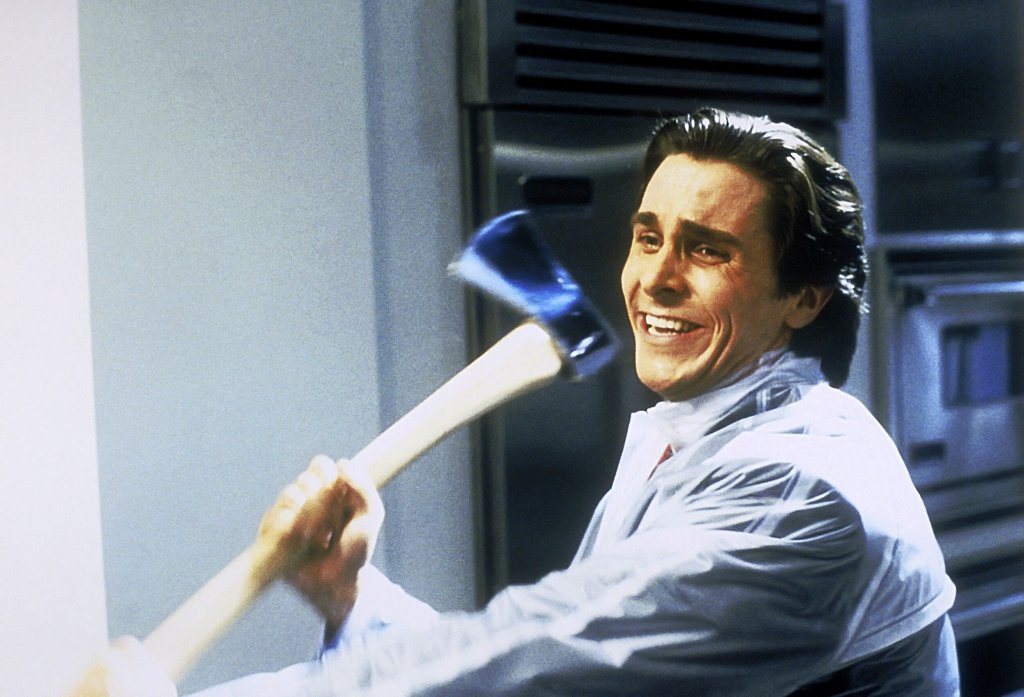
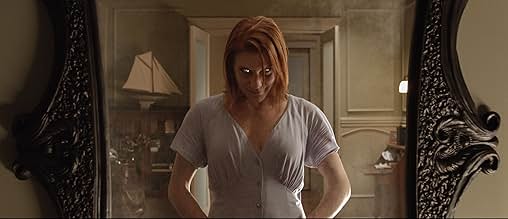
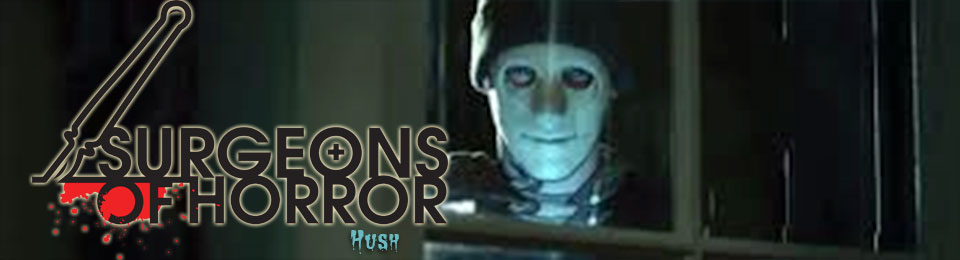
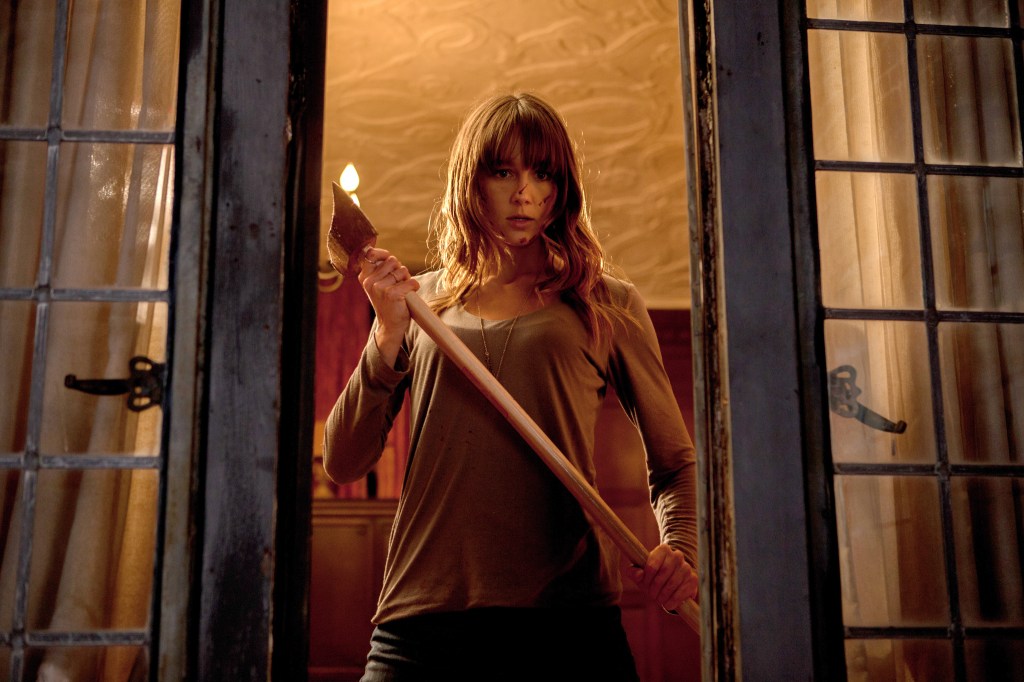
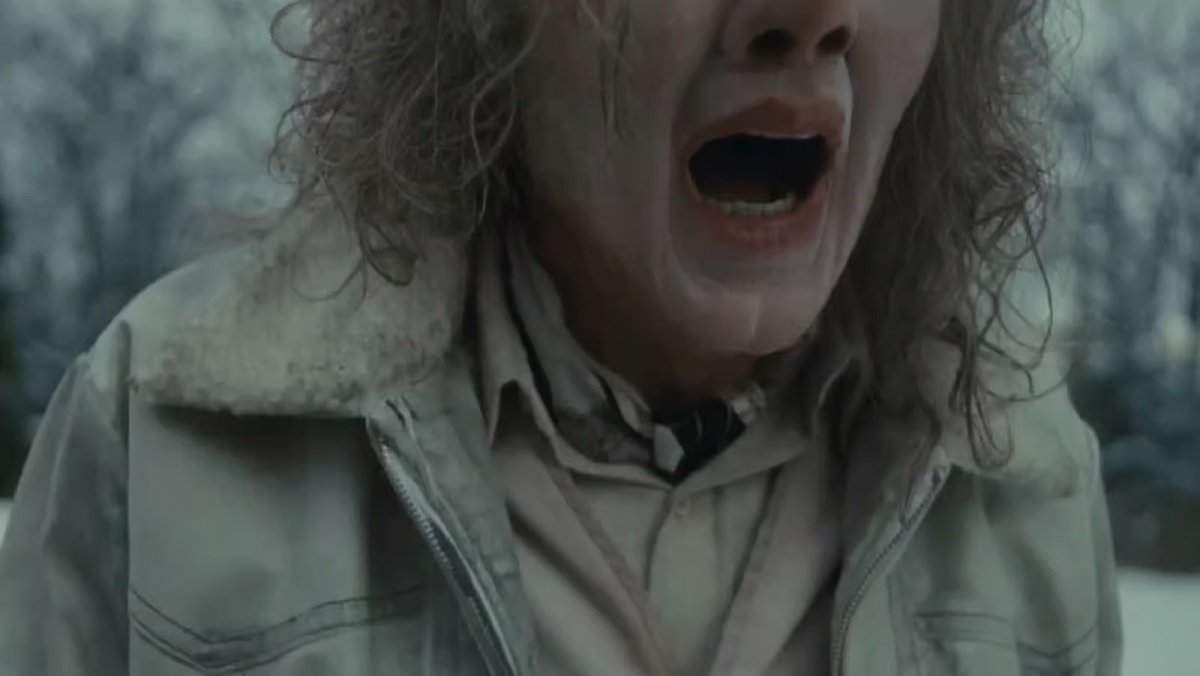
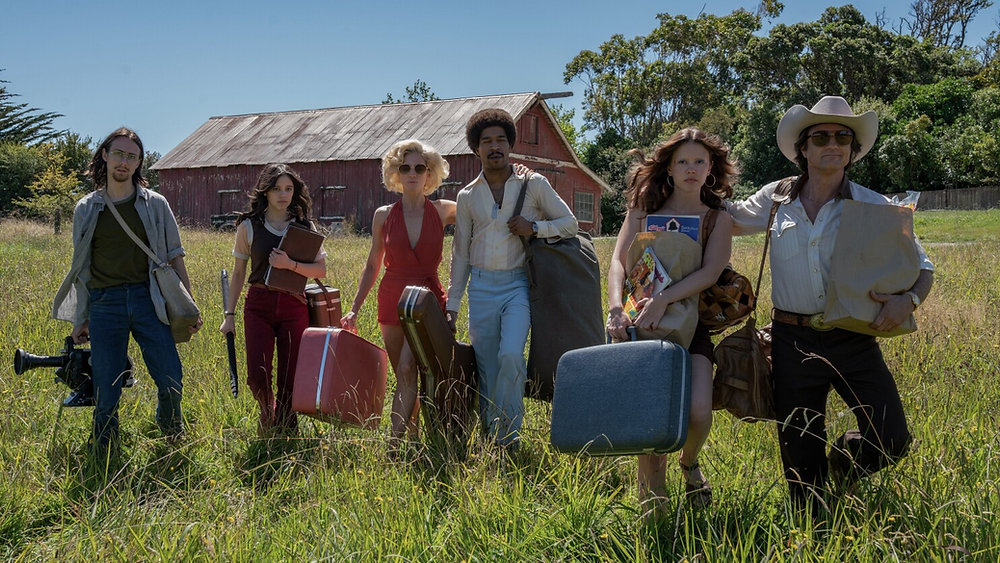
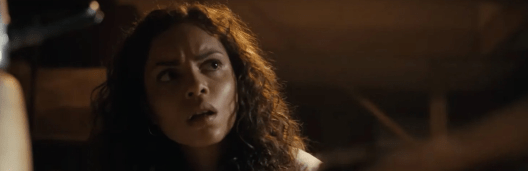
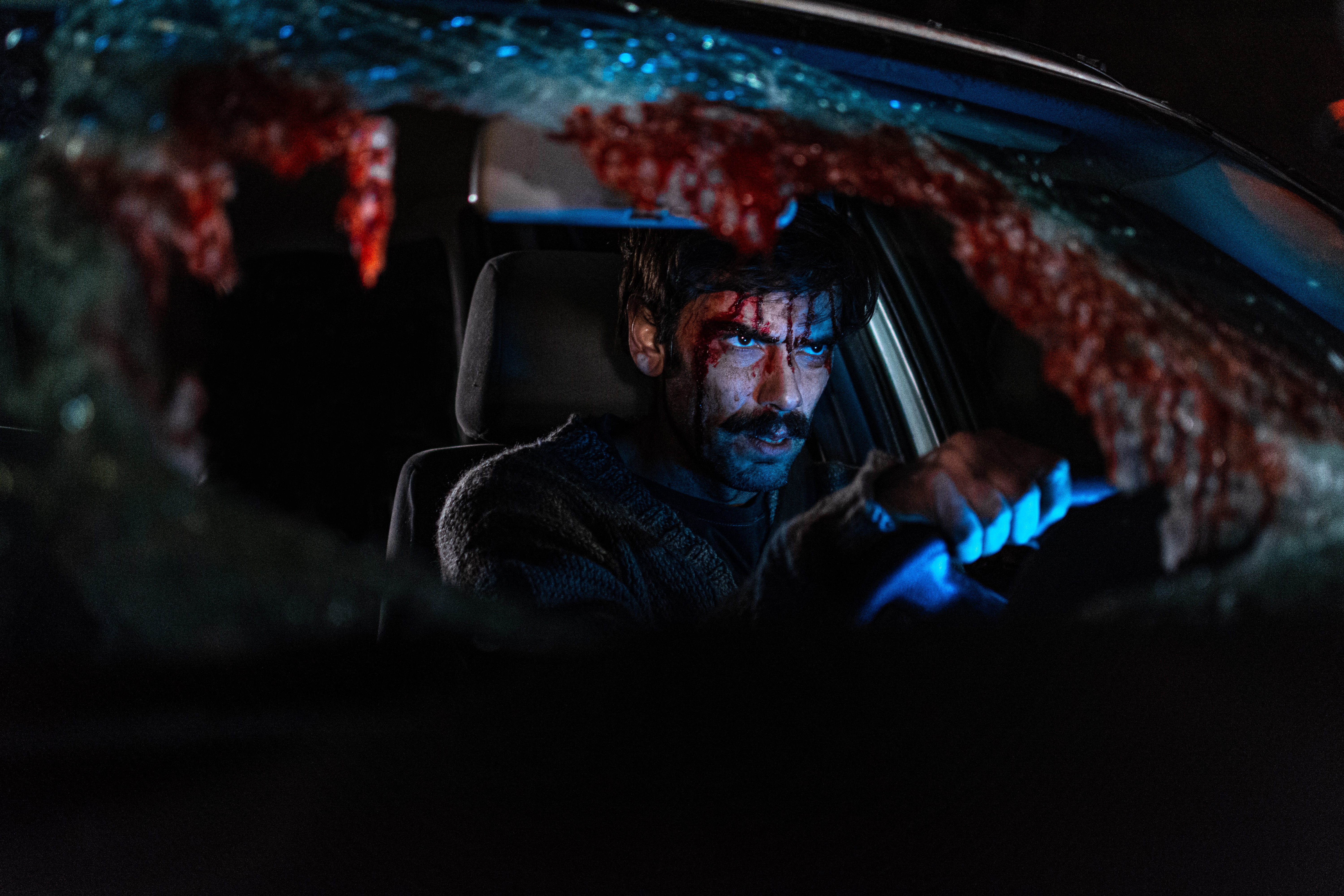
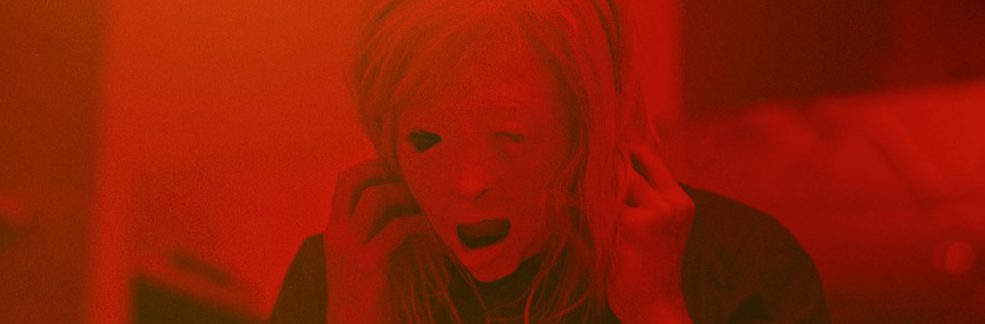
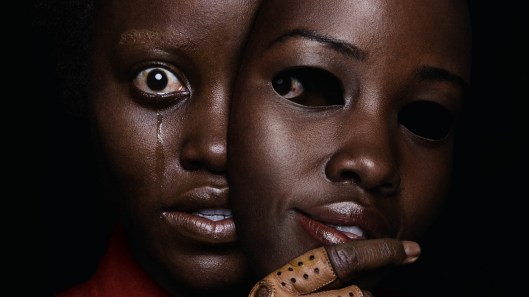
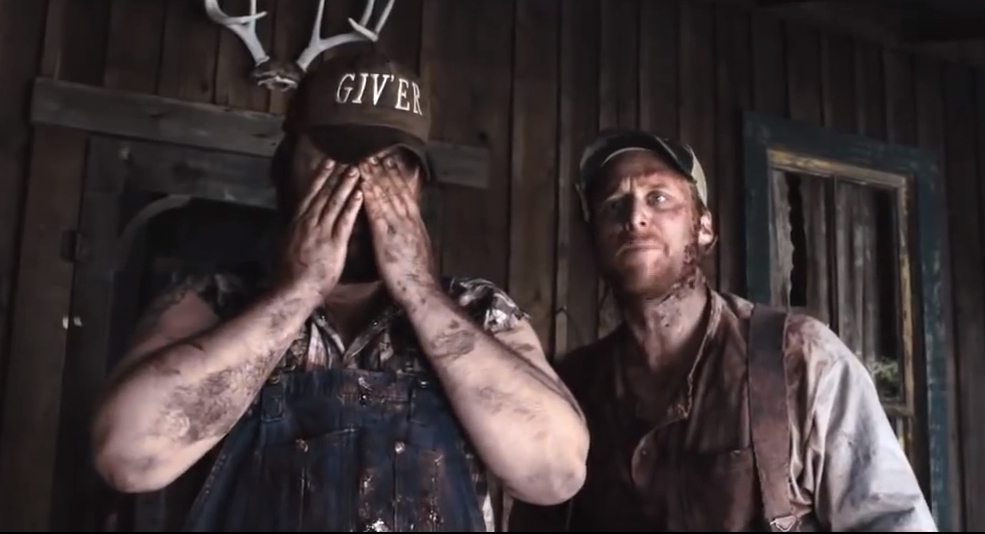
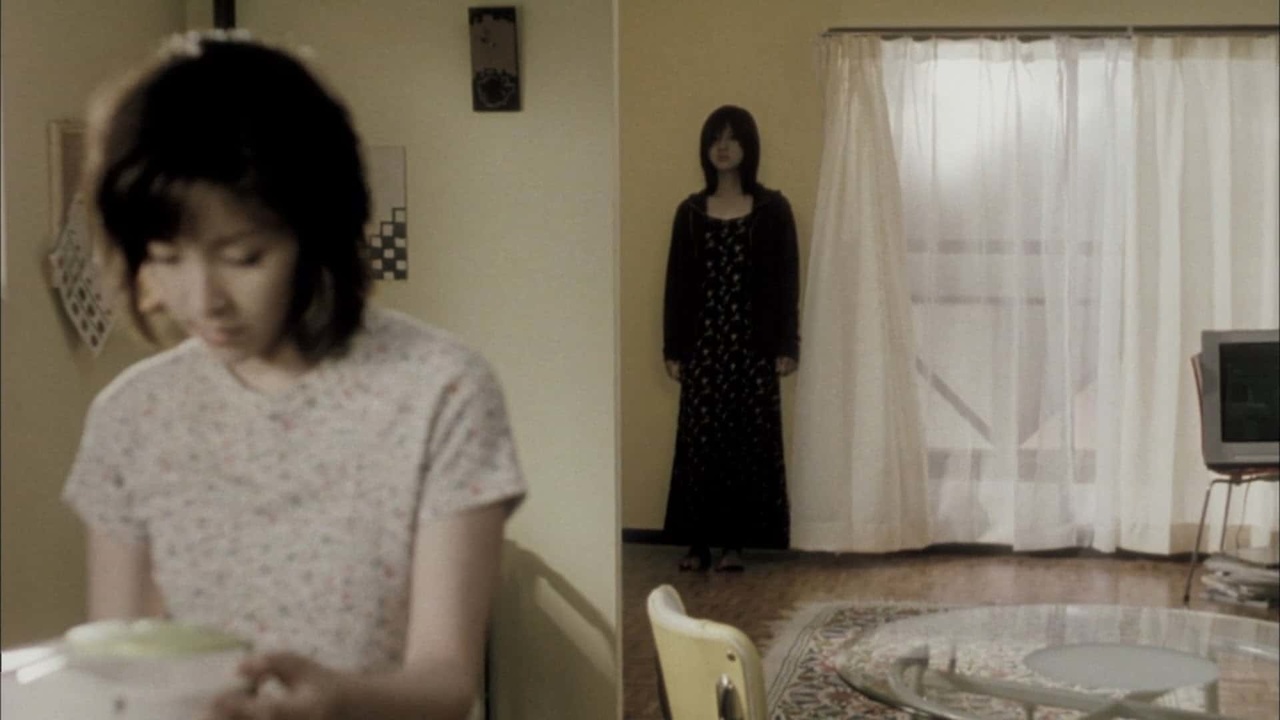

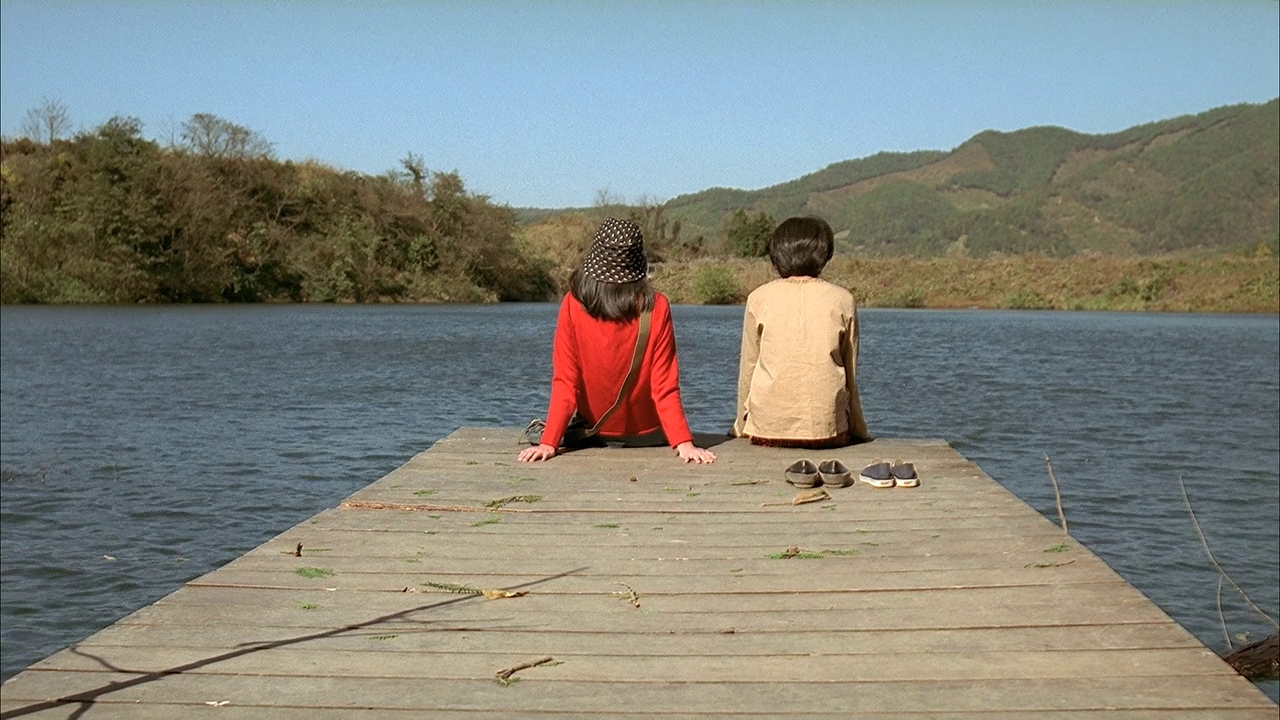
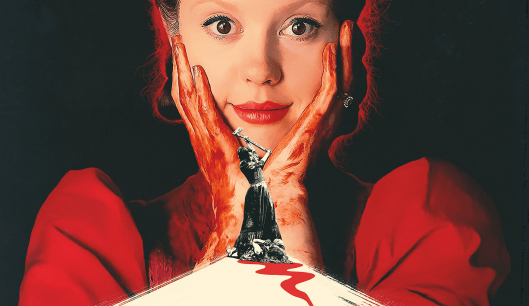
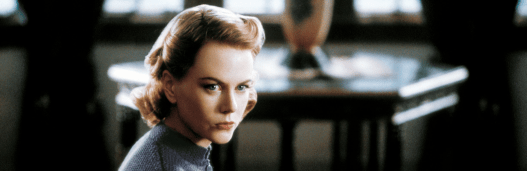
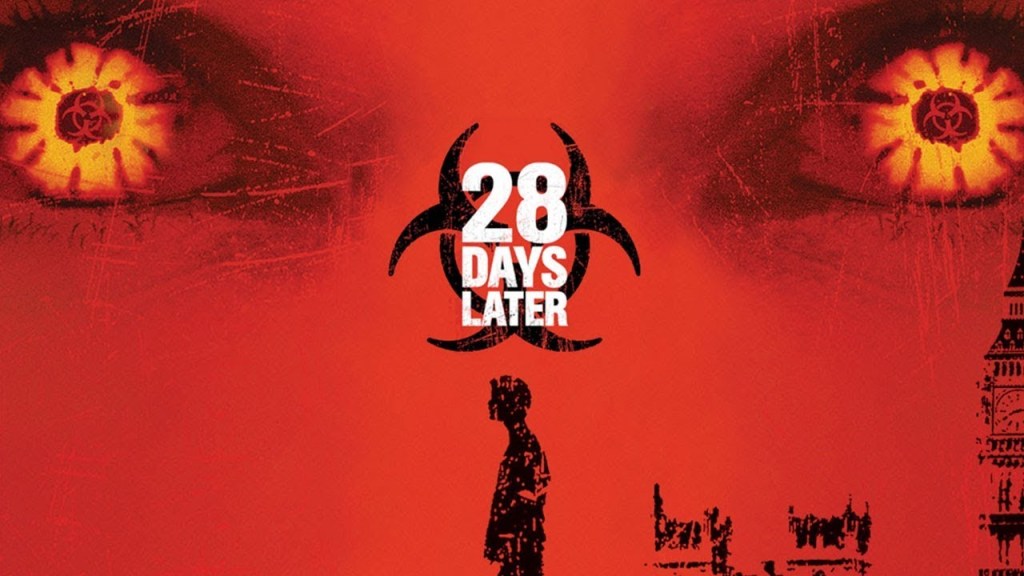
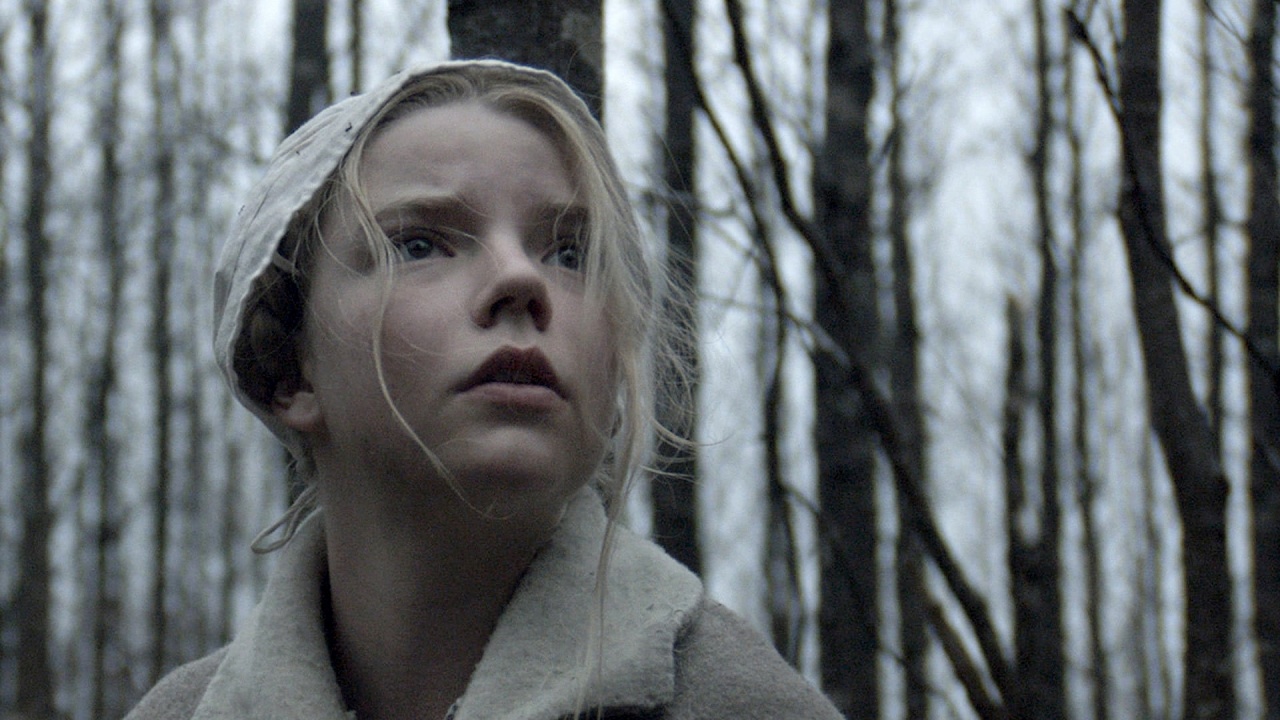


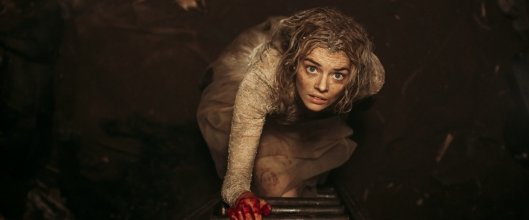
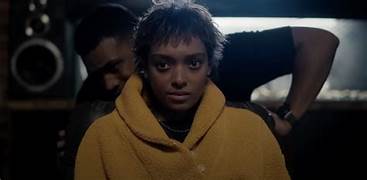
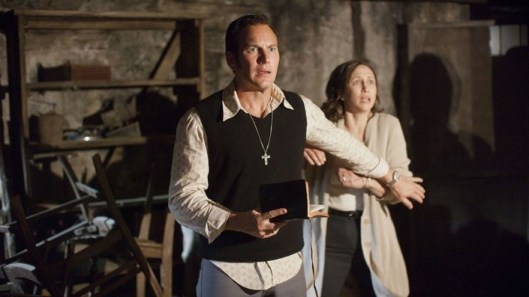
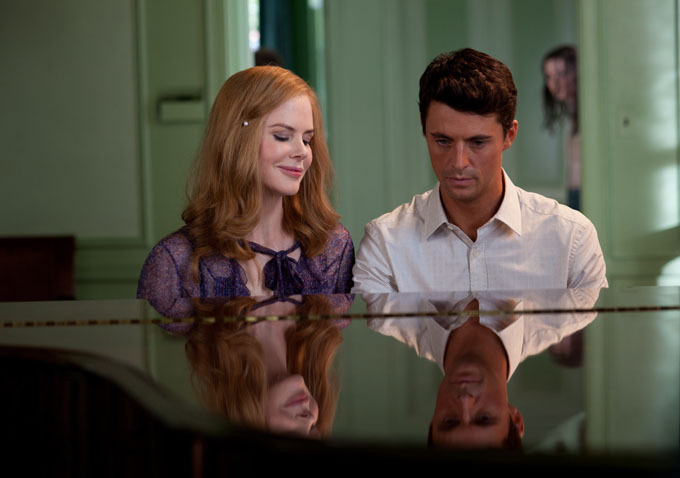
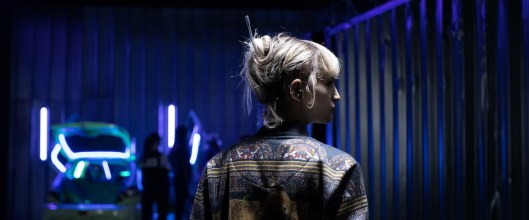
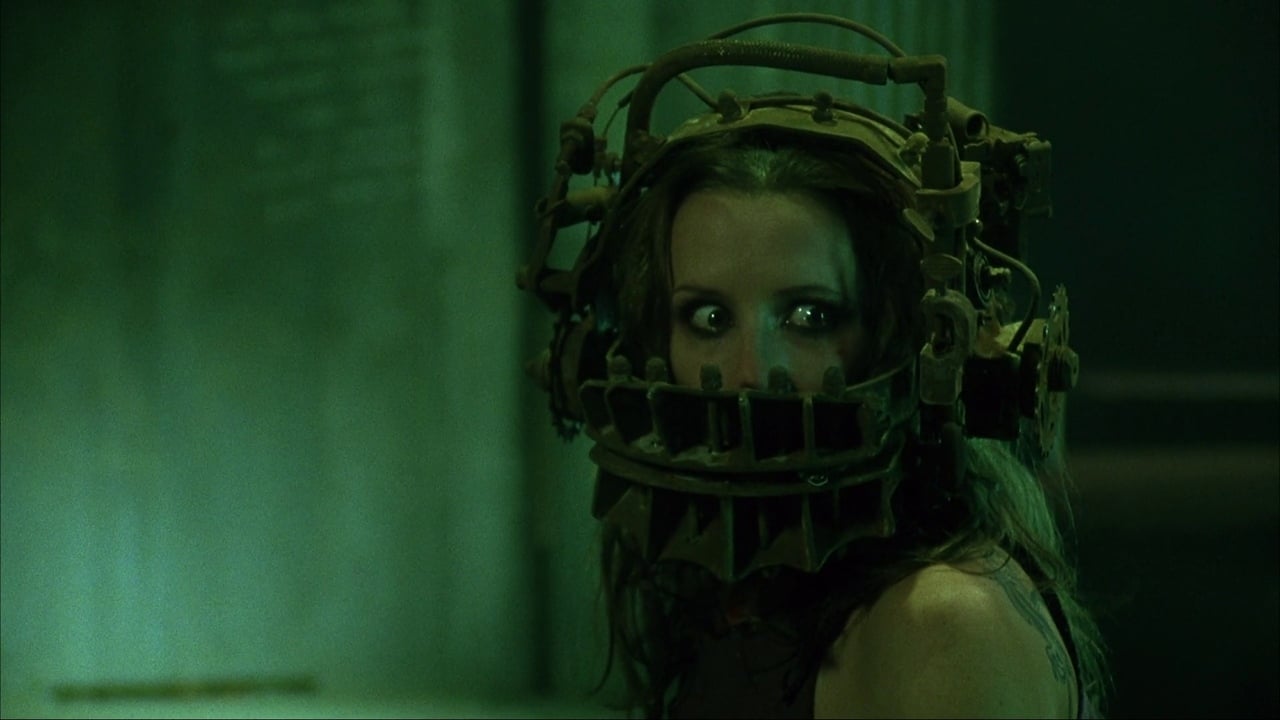
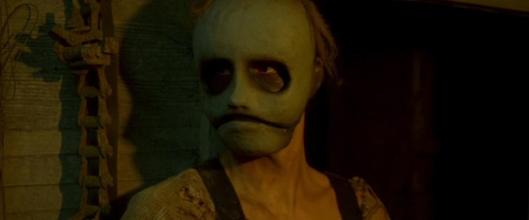

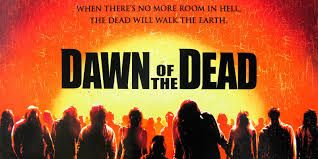
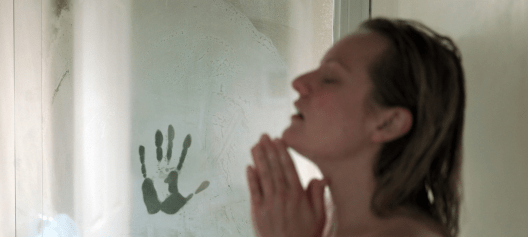
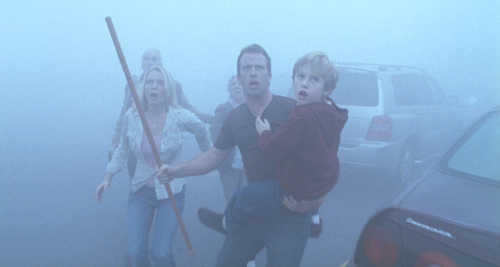
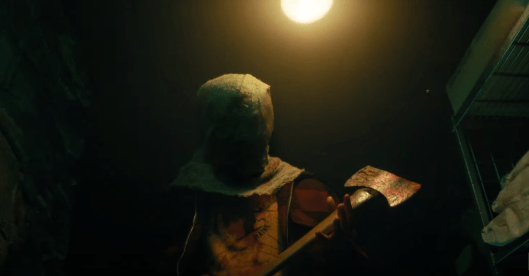
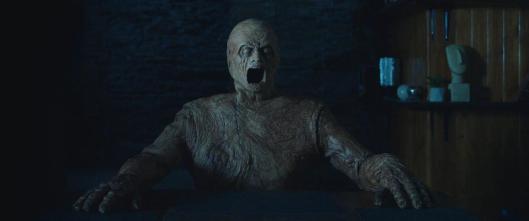
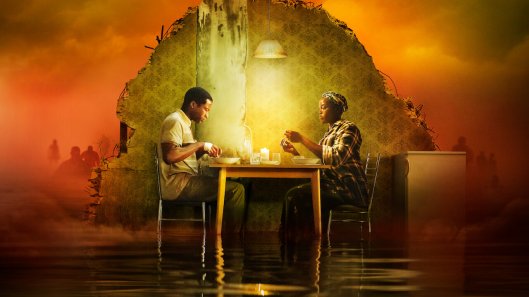
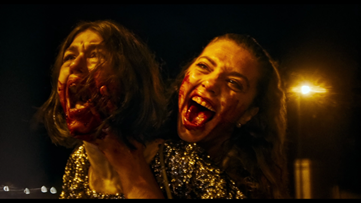
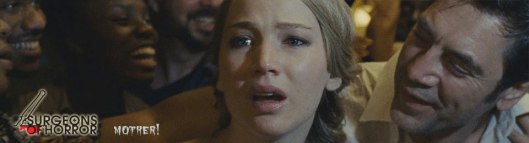
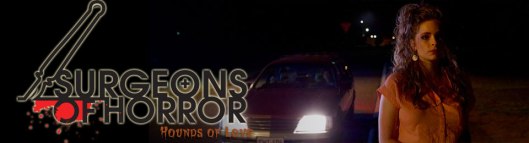
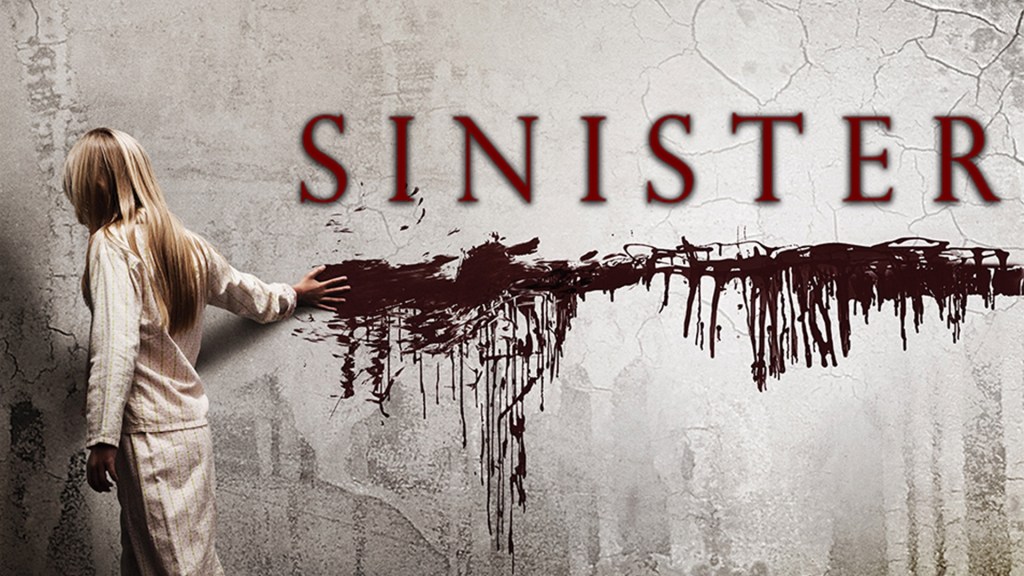
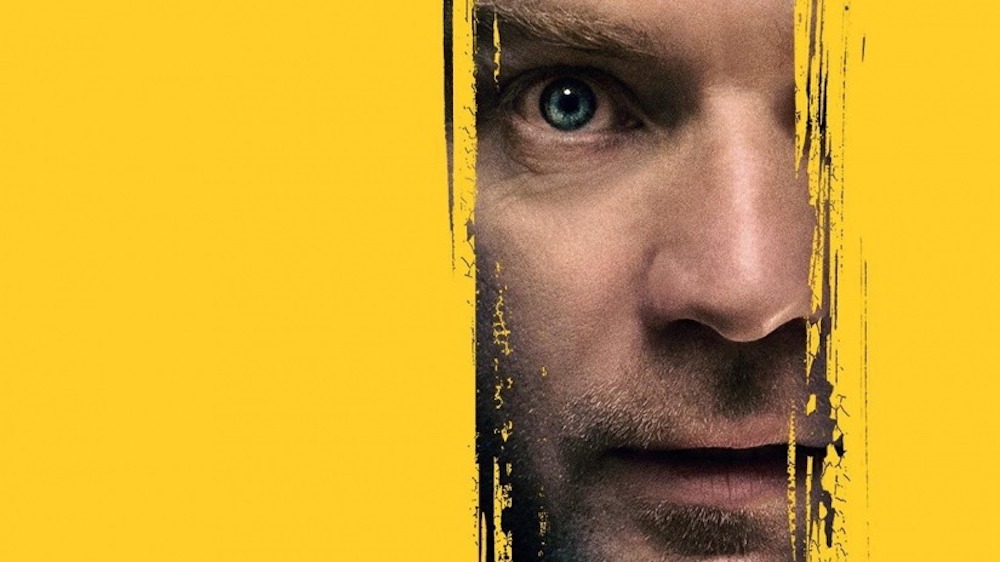
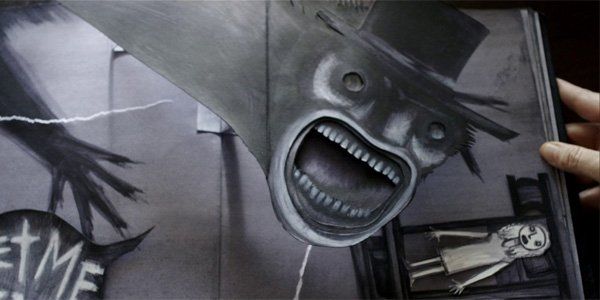
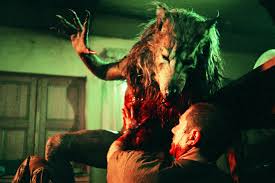
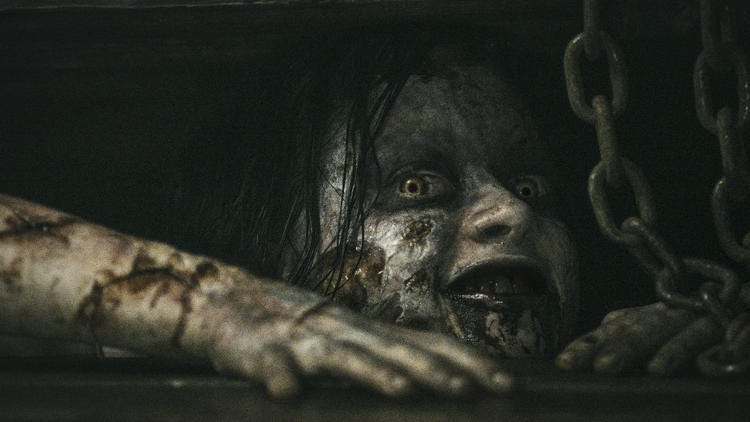
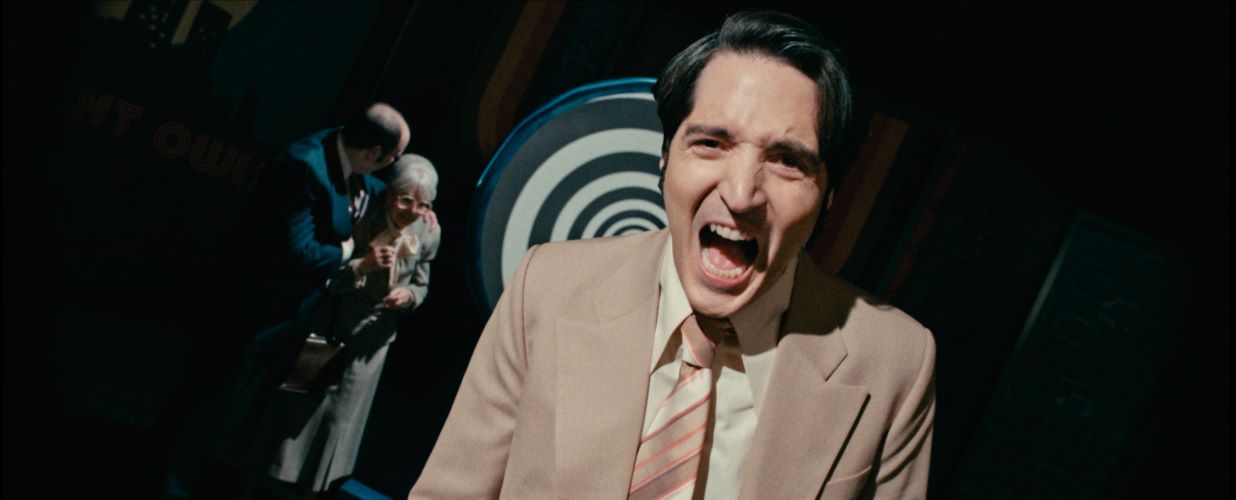
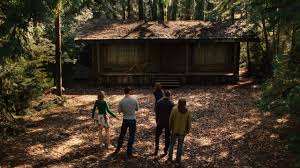
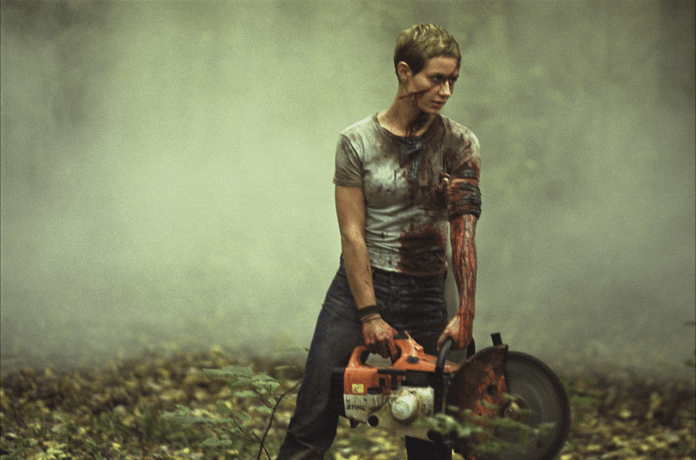
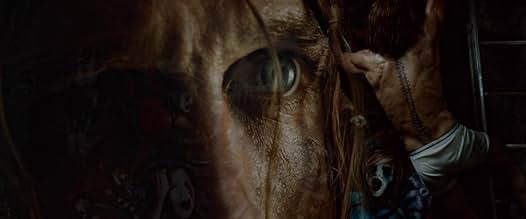
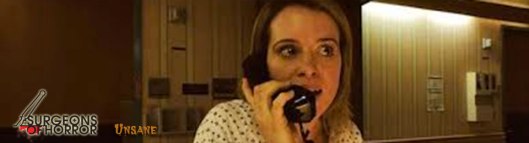
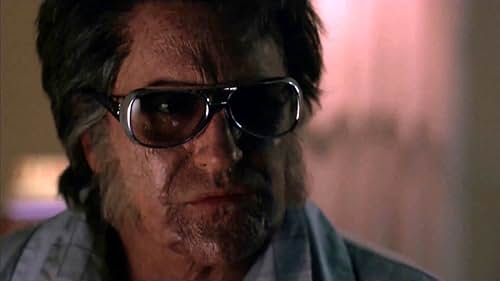
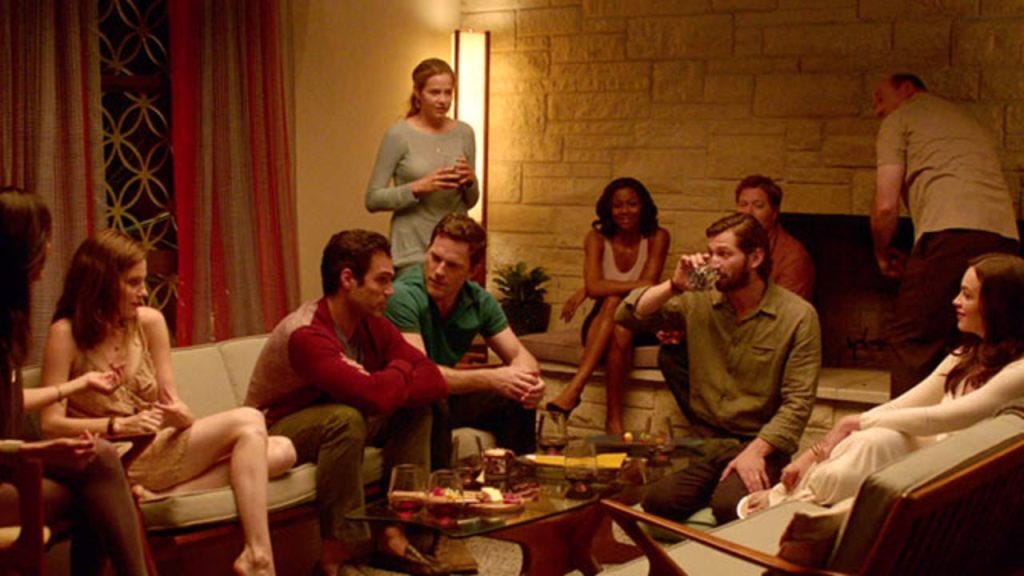
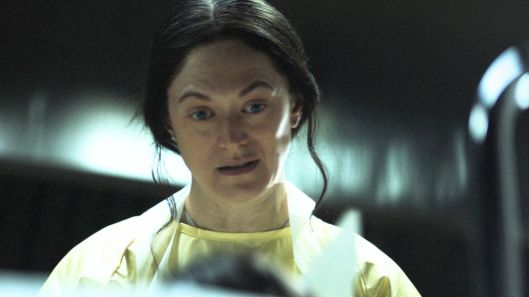

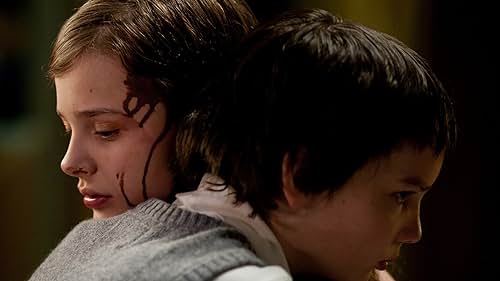
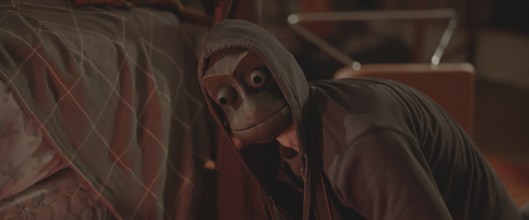
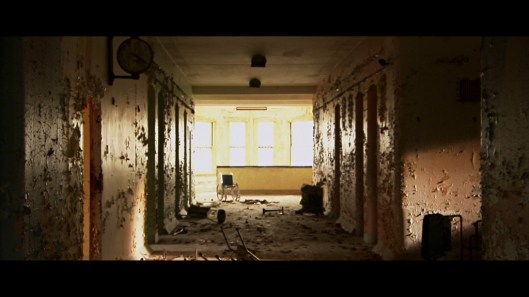
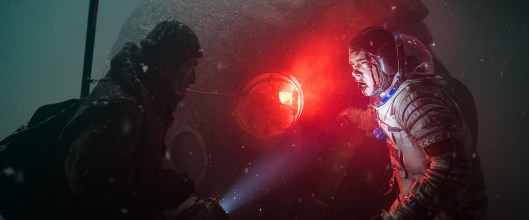
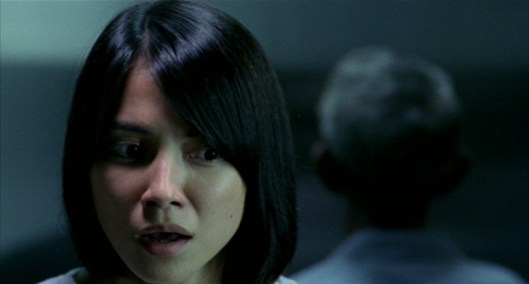
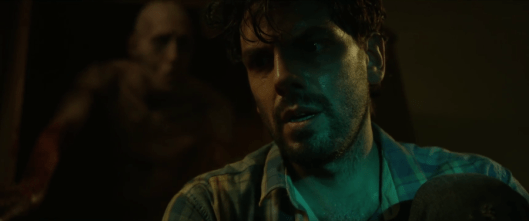
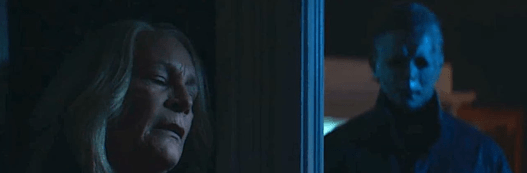


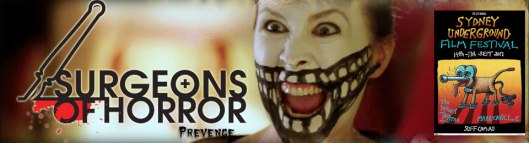
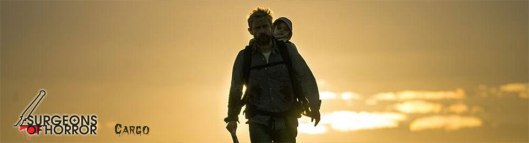
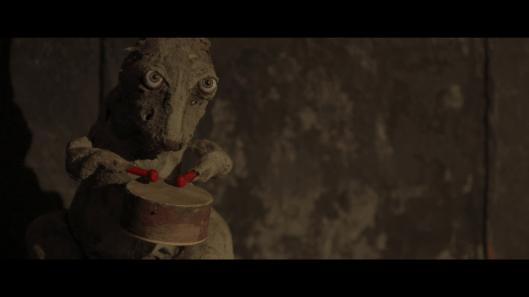
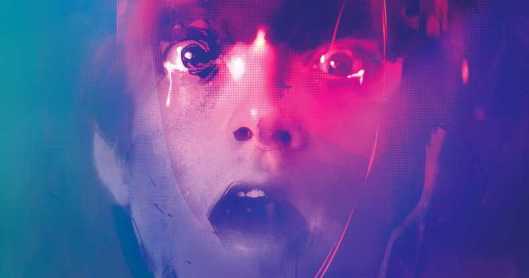
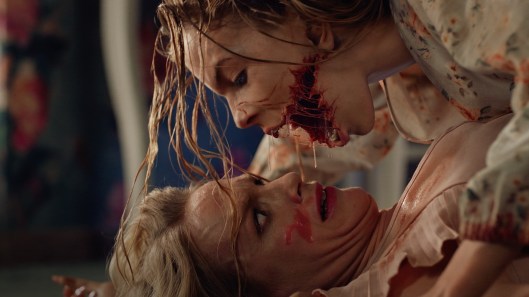
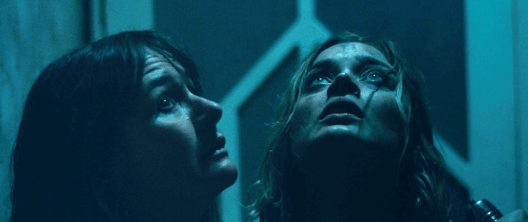
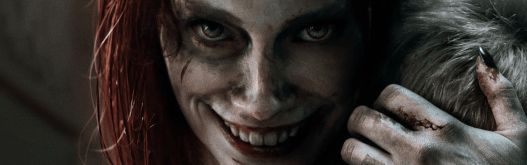
 Surgeons of Horror