Few films embody the phrase “style over substance” quite like The Torture Chamber of Dr. Sadism (1967). Directed by Harald Reinl and loosely inspired by Edgar Allan Poe’s The Pit and the Pendulum, this German-Italian co-production takes Poe’s tale of terror and cranks the melodrama up to eleven, delivering a feverishly over-the-top gothic spectacle. While visually striking, the film’s excessive theatrics and lack of narrative depth ultimately keep it from achieving greatness.
The story centres on Count Regula (Christopher Lee), a sadistic nobleman who seeks immortality by performing gruesome experiments on virgins. Executed for his crimes, he rises from the grave decades later to exact revenge and continue his diabolical quest. A lawyer (Lex Barker) and a young woman (Karin Dor) find themselves drawn into his nightmarish world, traversing eerie forests and labyrinthine dungeons to face the undead count.
If nothing else, The Torture Chamber of Dr. Sadism is a visual feast. The production design is suitably gothic, with crumbling castles, fog-drenched woods, and macabre torture devices that feel ripped from the pages of a penny dreadful. The film’s set pieces are undeniably atmospheric, and there’s a dreamlike quality to the more surreal moments, such as a forest filled with hanging corpses or the titular torture chamber itself.
However, these striking visuals can’t compensate for the film’s lack of substance. The plot is paper-thin and feels more like an excuse to string together elaborate set pieces than a coherent story. The characters are one-dimensional, with Lex Barker’s stoic hero and Karin Dor’s damsel-in-distress offering little to engage the viewer. Even Christopher Lee, despite his commanding presence, is given little to do beyond glowering menacingly.
The film’s melodramatic tone is both its greatest strength and its biggest weakness. On the one hand, the over-the-top performances and operatic score lend it a certain campy charm. On the other hand, the relentless theatrics often verge on self-parody, undercutting any genuine sense of dread or suspense.
While The Torture Chamber of Dr. Sadism has its moments—particularly for fans of gothic horror—it ultimately feels like a missed opportunity. The film’s dazzling visuals and promise of Poe-inspired chills are undermined by a lacklustre script and an overreliance on melodrama.
For those seeking an over-the-top gothic romp, it’s worth a watch. But for those hoping for a faithful or genuinely chilling adaptation of Poe’s work, this film falls far short of its potential.
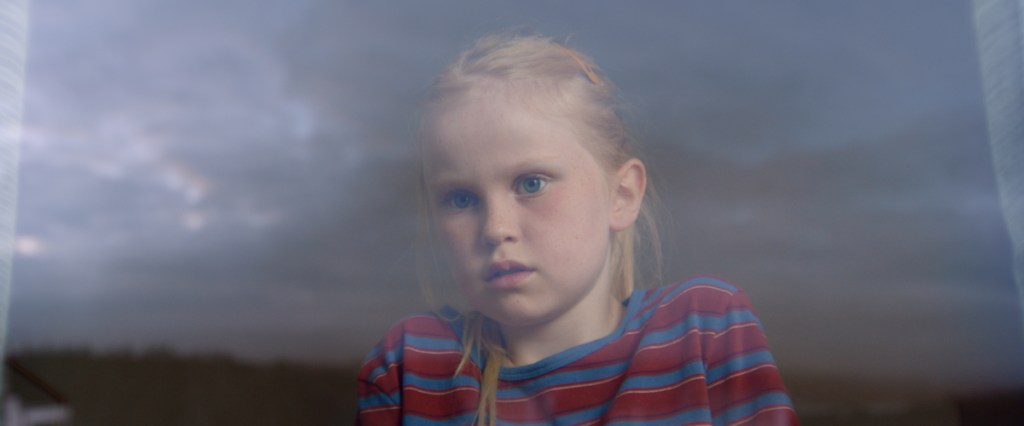
Eskil Vogt’s supernatural thriller offers a chilling exploration of innocence corrupted. Set against the backdrop of a Norwegian summer, the film follows a group of children who discover they possess strange powers. What starts as innocent fun takes a darker turn as their abilities spiral out of control. The movie skillfully combines coming-of-age elements with psychological horror, crafting a narrative that juxtaposes childhood purity with unsettling menace.
The strength of The Innocents lies in its refusal to spoon-feed answers, forcing viewers to grapple with the moral complexities of its characters. The young cast delivers astonishingly mature performances, lending an eerie authenticity to the unfolding chaos. This is a film that dares to ask: what happens when innocence and power collide? The answer is both haunting and devastating.
19. The Descent (2005)
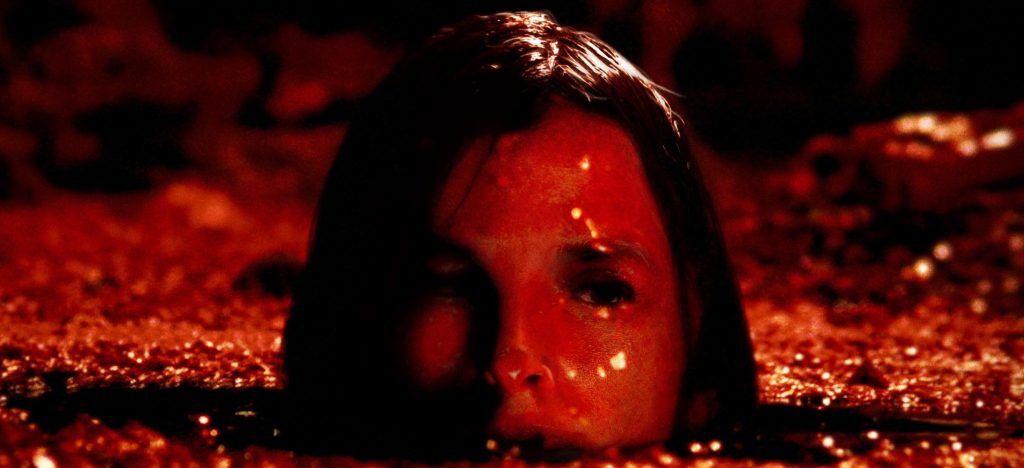
Neil Marshall’s The Descent is a triumph of claustrophobic horror, plunging viewers into the depths of primal fear. Following a group of adventurous women on a spelunking trip, the film takes a nightmarish turn when they become trapped in a labyrinth of caves inhabited by grotesque, bloodthirsty creatures. Marshall’s direction excels at creating unbearable tension, exploiting both the physical confines of the cave and the emotional fractures within the group.
With its all-female cast delivering powerhouse performances, The Descent is as much a story of survival against external monsters as it is about confronting inner demons. Brutal, relentless, and impeccably paced, the film redefined creature features for the modern era, proving that the real horrors lie not just in what lurks in the dark but also in the bonds we think we can trust.
18. Mandy (2018)
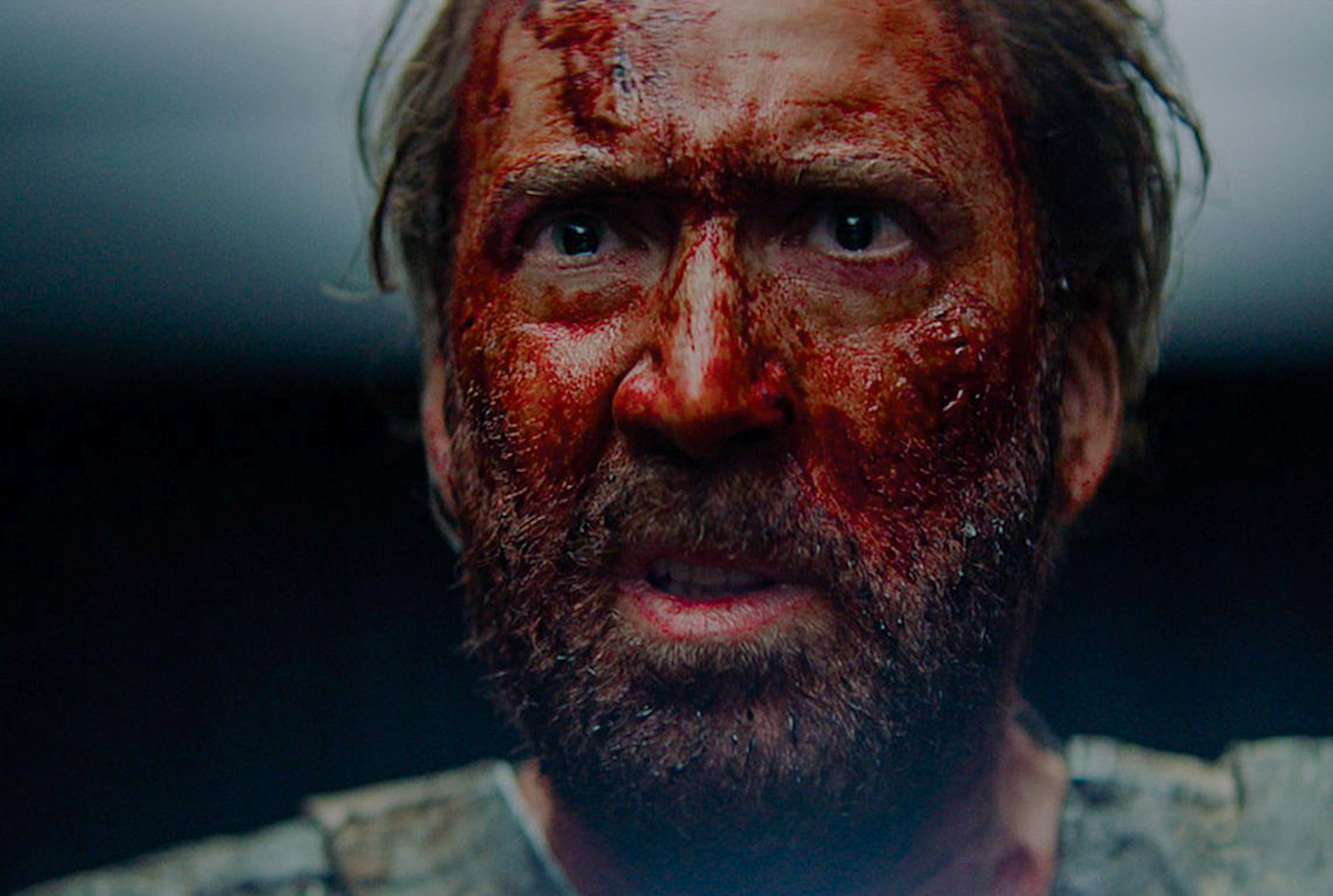
Panos Cosmatos delivers a kaleidoscopic descent into madness with Mandy, a visceral revenge tale drenched in neon-soaked visuals. Nicolas Cage stars as Red, a man whose tranquil life is shattered when his lover Mandy is abducted and murdered by a deranged cult. Fueled by grief and rage, Red embarks on a blood-soaked quest for vengeance, wielding a handcrafted axe and the unrelenting power of Cage’s most unhinged performance.
Mandy is more than just a revenge thriller; it’s an audiovisual assault on the senses. The hypnotic cinematography and surrealist score by the late Jóhann Jóhannsson create an experience as intoxicating as it is horrifying. This is a film that revels in its eccentricity and dares to push the boundaries of genre filmmaking, standing as a love letter to fans of the bizarre and the brutal.
Produced by Guillermo del Toro and directed by J.A. Bayona, The Orphanage is a masterclass in atmospheric horror. The story follows Laura, a woman who returns to the orphanage where she grew up, with plans to reopen it as a home for disabled children. When her son mysteriously disappears, Laura is drawn into a chilling mystery involving the spirits of the orphanage’s tragic past.
Bayona crafts an emotional narrative that blends supernatural terror with poignant human drama. The film’s gothic setting, combined with an unnerving score and carefully orchestrated scares, makes for an experience that lingers long after the credits roll. The Orphanage is a haunting reminder that the ghosts of our past are often more terrifying than anything imagined.
16. Climax (2018)
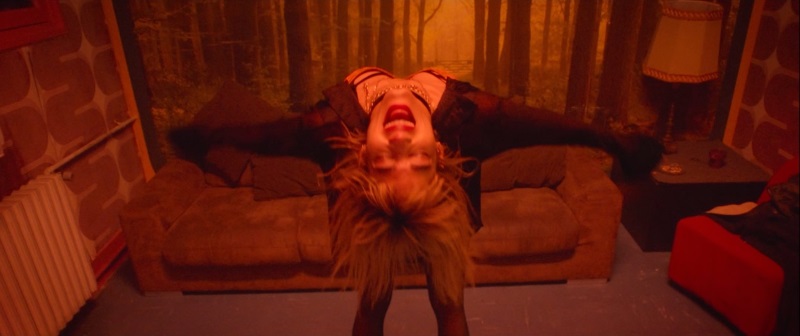
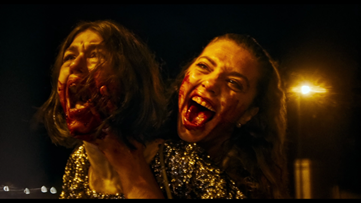
Gaspar Noé’s Climax is a nightmarish, intoxicating descent into chaos. The film opens with a mesmerising dance sequence, showcasing the raw talent of its ensemble cast, including Sofia Boutella. As the night unfolds, the celebratory atmosphere devolves into madness when the group discovers their sangria has been laced with LSD.
Noé’s trademark style is on full display, with long takes, dizzying camera work, and pulsating music creating an immersive and disorienting experience. Climax is a brutal exploration of human nature under duress, pushing its characters—and the audience—to the brink. While not for the faint-hearted, this experimental horror piece is a visceral triumph for those who can handle its intensity.
15. The Devil’s Backbone (2001)
Guillermo del Toro’s The Devil’s Backbone is a ghost story that transcends its supernatural trappings to explore the scars of war and the resilience of the human spirit. Set in a remote orphanage during the Spanish Civil War, the film centers on young Carlos, who uncovers the mysteries surrounding a ghostly presence haunting the grounds.
Del Toro weaves a tale rich in symbolism and emotional depth, using the ghost as a metaphor for unresolved grief and trauma. The film’s haunting visuals and poignant storytelling showcase the director’s ability to blend beauty with horror. The Devil’s Backbone is a cinematic gem that lingers in the memory, reminding us that the most powerful ghosts are often the ones we carry within.
14. The Substance (2024)
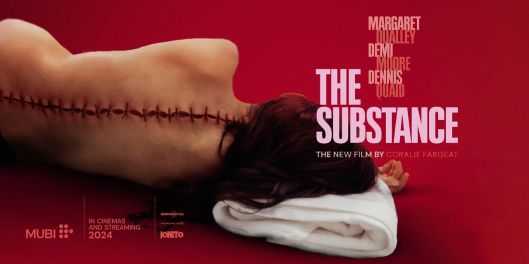
Coralie Fargeat’s sophomore feature The Substance is an unrelenting plunge into psychological and body horror. Starring Demi Moore in a career-redefining performance, the film unfolds as a chilling exploration of obsession, transformation, and societal ideals pushed to grotesque extremes. Fargeat, who previously wowed audiences with Revenge (2017), crafts a narrative that blurs the line between beauty and terror.
What sets The Substance apart is its audacious visual style and haunting thematic depth. Fargeat melds elegance with grotesquery, resulting in a cinematic experience that is as alluring as it is unsettling. While its bold approach may alienate some, for those willing to embrace its nightmarish vision, The Substance is nothing short of a masterpiece—a film that lingers in the psyche and challenges perceptions of cinematic horror.
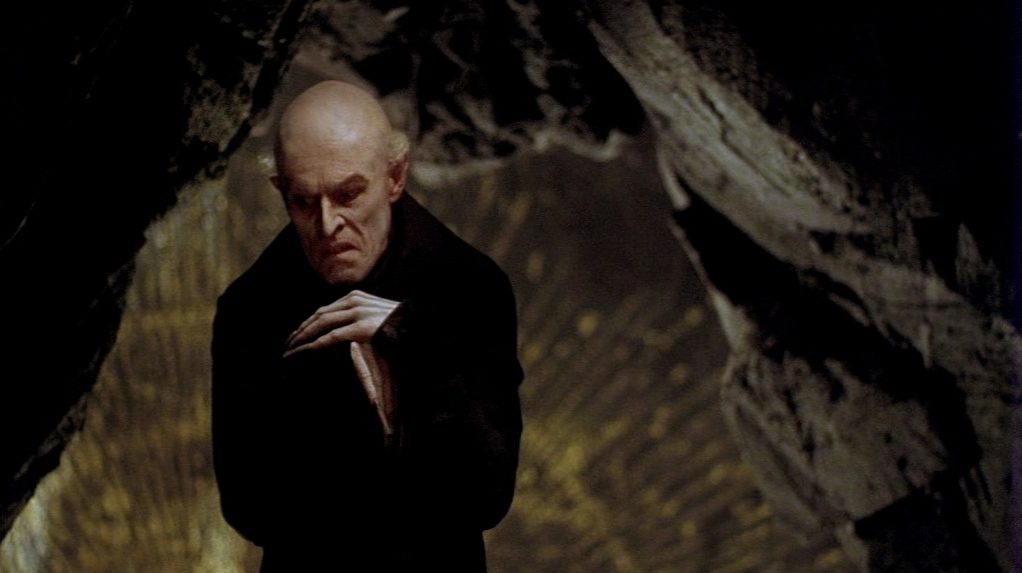
E. Elias Merhige’s Shadow of the Vampire is a darkly comedic and deeply unsettling reimagining of the making of F.W. Murnau’s Nosferatu (1922). John Malkovich stars as Murnau, an obsessive director determined to create the ultimate horror film, while Willem Dafoe delivers a mesmerising, Oscar-nominated performance as Max Schreck, who may be more vampire than actor.
This metafictional tale delves into the sacrifices made for art, blurring the lines between reality and fiction. The film’s eerie atmosphere and biting commentary on filmmaking make it a standout entry in 21st-century horror. Dafoe’s Schreck is both terrifying and tragic, embodying a creature caught between his monstrous nature and the absurdity of the human world. A must-watch for fans of horror and cinema history alike.
12. Don’t Breathe (2016)
Fede Alvarez’s Don’t Breathe flips the home invasion subgenre on its head, pitting a trio of young thieves against a blind man (played with terrifying intensity by Stephen Lang) in his fortified home. What begins as a simple heist spirals into a claustrophobic nightmare as the blind man’s lethal skills and dark secrets come to light.
Alvarez masterfully ratchets up the tension, using silence and sound design to keep viewers on edge. The film’s moral complexities add an additional layer of unease, challenging audiences to question who they should root for. With a sequel that continues to explore its characters’ fates, Don’t Breathe solidified Alvarez as a filmmaker to watch and left horror fans eagerly anticipating his next move.
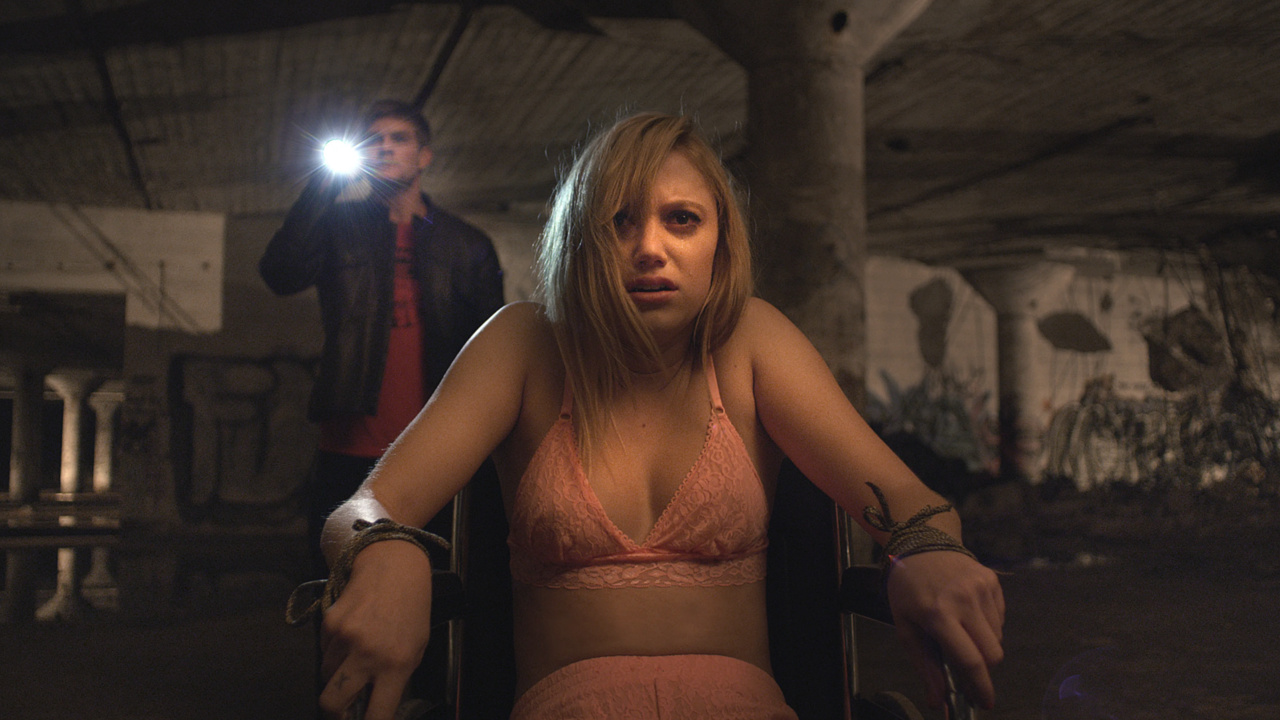
David Robert Mitchell’s It Follows is a modern horror classic that reinvents the supernatural curse trope with haunting originality. The story centers on Jay (Maika Monroe), who becomes the target of a relentless, shape-shifting entity after a sexual encounter. The entity follows her at a slow but unstoppable pace, forcing her to constantly stay on the move to survive.
Mitchell’s minimalist approach and retro aesthetic create a timeless, dreamlike quality, amplified by Disasterpeace’s eerie synth score. The film’s central metaphor, examining the lingering consequences of intimacy and vulnerability, resonates deeply without being overly didactic. With its inventive premise, masterful pacing, and striking cinematography, It Follows is a chilling exploration of paranoia and the inevitability of mortality.
When it comes to the annals of horror cinema, few figures loom as large—or as unapologetically blood-soaked—as Herschell Gordon Lewis. Dubbed “The Godfather of Gore,” Lewis carved out a niche in the 1960s for his gleeful embrace of low-budget, high-shock filmmaking, pioneering the splatter subgenre that would influence horror for decades to come. While films like Blood Feast (1963) and Two Thousand Maniacs! (1964) are often cited as his most infamous works, his career is also punctuated by strange and memorable entries like Something Weird (1967), A Taste of Blood (1967), and The Gruesome Twosome (1967).
Something Weird (1967)
Among Lewis’s catalogue, Something Weird stands out for its sheer oddity. Mixing supernatural elements, psychedelic visuals, and a bizarre romantic subplot, the film defies easy categorisation. The story revolves around a disfigured man who gains psychic powers after a brush with death, only to become entangled with a witch who demands his love in exchange for restoring his looks.
Something Weird is less a traditional horror film and more a kaleidoscopic fever dream, complete with eerie electronic soundscapes and disjointed narrative turns. While the gore is comparatively restrained, the film’s weirdness compensates, making it one of Lewis’s most intriguing offerings. It’s a testament to his willingness to experiment, even if the result is more bewildering than terrifying.
A Taste of Blood (1967)
Often referred to as Lewis’s attempt at a “classy” horror movie, A Taste of Blood is a sprawling vampire tale with surprising ambitions. Clocking in at over two hours, the film tells the story of John Stone, a businessman who inherits two bottles of brandy from his ancestor, none other than Count Dracula. After drinking the brandy, Stone becomes a vampire, seeking revenge on the descendants of those who killed Dracula.
While it lacks the frenzied gore of Lewis’s other works, A Taste of Blood compensates with its melodramatic tone and surprisingly involved storyline. The pacing drags in places, and its length feels at odds with Lewis’s usual snappy, exploitative style. Still, the film offers a fascinating glimpse of what might have been had Lewis pursued more traditional storytelling in his career.
The Gruesome Twosome (1967)
Returning to his roots with this lurid tale of scalp-harvesting, The Gruesome Twosome epitomises the gleefully grotesque aesthetic that earned Lewis his nickname. The plot revolves around a mother-and-son duo running a wig shop that sources its hair from murdered young women.
The film’s low-budget charm is evident from the opening scene—a bizarre monologue delivered by two talking mannequin heads—and its over-the-top violence is pure Lewis. While the effects are crude by today’s standards, they have a handmade quality that captures the spirit of exploitation cinema. The Gruesome Twosome is quintessential Lewis: shocking, campy, and unrelentingly bizarre.
Legacy of the Godfather of Gore
Herschell Gordon Lewis didn’t just create films; he created a movement. With his unapologetic approach to gore and exploitation, he pushed boundaries in ways that were both shocking and innovative. Films like Something Weird, A Taste of Blood, and The Gruesome Twosome showcase his range—from the surreal to the ambitious to the outright grotesque—cementing his place as a true pioneer in horror.
Though his work remains divisive, there’s no denying the impact of his vision. Lewis’s films opened doors for countless filmmakers who sought to blend shock and subversion into their storytelling. To this day, his bloody fingerprints can be seen across the horror landscape, reminding audiences that sometimes, it’s not about how polished a film is—but how unforgettable.
Some films from the 1960s manage to endure as classics, while others remain firmly planted in the realm of passable entertainment. The Spirit is Willing (1967), directed by William Castle, is decidedly in the latter camp—a light-hearted supernatural comedy that aims for charm but lands squarely in middle-of-the-road Americana.
The story follows the Whitlock family as they move into an old seaside home, only to discover it’s haunted by a trio of mischievous ghosts. What unfolds is a series of slapstick encounters and mild frights that lean more on farcical antics than genuine scares. It’s a blend that Castle, known for his knack for gimmicky horror, doesn’t fully commit to, leaving the film feeling oddly safe and uninspired.
The comedy, while present, struggles to hit consistent highs. Much of the humour feels sanitised, playing to an audience that might have been more easily amused in the 1960s. By modern standards, the laughs are few and far between, with the film’s attempts at wit coming across as quaint rather than clever.
What The Spirit is Willing does have going for it is its cast, led by Sid Caesar (best remembered as the coach in Grease—who brings his trademark wry delivery to his role) and Vera Miles, who do their best with the material they’re given. Special mention must go to the young Barry Gordon, who injects a sense of energy into the proceedings. These performances elevate the film just enough to keep it watchable, even if they can’t entirely save it.
Visually, the film boasts some fun practical effects for its ghostly gags, though nothing particularly groundbreaking for the time. It’s all serviceable but lacks the kind of creativity that could have made the film a standout in Castle’s filmography.
Ultimately, The Spirit is Willing is a harmless, moderately amusing romp that never quite rises above mediocrity. While it has its moments, they are too few and far between to leave a lasting impression. For fans of 1960s cinema or William Castle completists, it’s worth a look—but don’t expect to be haunted by its brilliance.
Shudder Original Series Series Premiere Date: December 6, 2024
Every great series has that pivotal episode, the one that redefines its boundaries and deepens its intrigue. For The Creep Tapes, Brandt is that turning point. Stripping back the usual framework of Josef manipulating his unwitting subjects, this episode flips the script by having the titular Brandt fail to show up. What unfolds is less an external game of cat-and-mouse and more an internal confrontation between Josef and his own monstrous psyche.
Without the usual dynamic to lean on, Josef is left alone in his hotel room, his performance faltering in the absence of an audience. Here, the episode takes an ambitious leap, inviting the audience into Josef’s fragmented mind. It’s a bold move, delving into the character’s warped psyche while still keeping us tethered to the unnerving energy the series thrives on. This shift could have easily derailed the show’s momentum, but it lands confidently on the right side of quality, balancing psychological horror with dark, surreal humor.
And then there’s Peachfuzz. The haunting specter of the wolf mask, once an external emblem of Josef’s menacing persona, now turns inward. As Josef stares into the mask, it’s no longer a tool of intimidation but a mirror reflecting the depths of his madness. These sequences are harrowing and hypnotic, offering the audience an uncomfortably intimate look at Josef’s inner demons.
But Brandt isn’t content with just brooding introspection. It delivers a killer blow in the final moments—one of pitch-perfect comic timing. The tonal shift is jarring in the best way, reminding us of the show’s ability to keep its audience off balance, laughing nervously even as the tension tightens.
With Brandt, The Creep Tapes continues to push boundaries, proving that it’s not afraid to take risks or challenge its own formula. This episode reframes Josef not just as a predator but as a deeply broken man wrestling with his own creation—a narrative pivot that keeps the series fresh and unsettling.
Saul Muerte
The Creep TapesSeries are currently streaming Exclusively on Shudder and AMC+
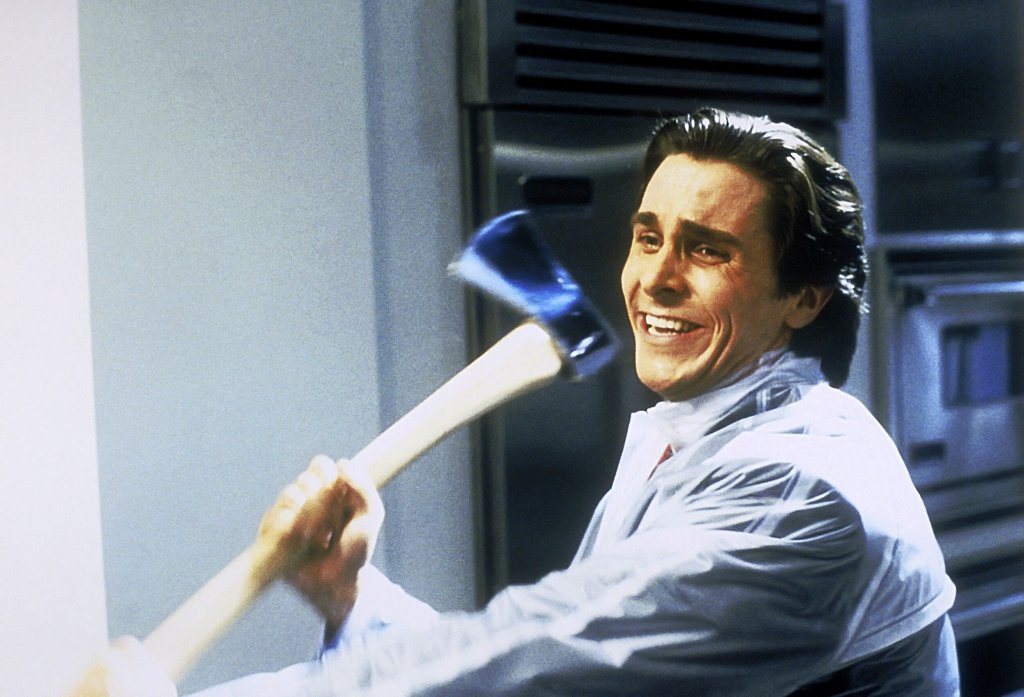
Mary Harron masterfully translates Bret Easton Ellis’s dark and divisive novel into a scathing satire of 1980s greed and narcissism. At its heart is Christian Bale’s brilliant portrayal of Patrick Bateman, a Wall Street yuppie whose polished exterior hides a deranged killer. Bale’s performance is an enthralling blend of charm and menace, capturing Bateman’s self-obsession and moral void with terrifying precision. Harron manages to retain the macabre humour of Ellis’s work, blending horror with biting social commentary on capitalism and identity.
The film’s mix of graphic violence and absurdity forces audiences to confront their own complicity in a consumer-driven society obsessed with surface-level perfection. Harron’s feminist lens sharpens the satire, turning a story of male excess into a chilling indictment of toxic masculinity. While polarising upon release, American Psycho has since solidified its place as a cult classic, thanks to its razor-sharp script and Bale’s unforgettable performance.
29. Oculus (2013)
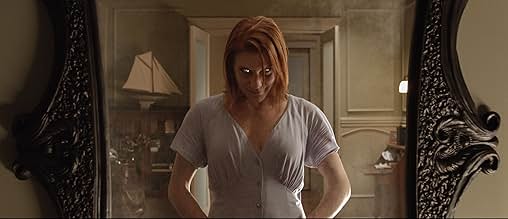
Mike Flanagan’s Oculus marked a pivotal moment in his career, establishing him as a storyteller capable of blending emotional depth with supernatural horror. This tale of a cursed mirror and the siblings determined to destroy it is steeped in tension, balancing psychological trauma with eerie, otherworldly chills. Karen Gillan and Brenton Thwaites deliver compelling performances as siblings Kaylie and Tim, their shared pain amplifying the stakes of their battle against the mirror’s sinister influence.
Flanagan crafts a seamless interplay of past and present, weaving flashbacks into the unfolding horror with remarkable finesse. The mirror itself is an effective antagonist, embodying fear without ever resorting to cheap tricks. While Oculus doesn’t reinvent the haunted object trope, it elevates it with strong performances and a thoughtful exploration of memory, guilt, and the fragility of perception. It’s a film that rewards patience, building dread incrementally before delivering a haunting climax.
28. Hush (2016)
Flanagan strikes again with Hush, a minimalist home-invasion thriller that demonstrates his mastery of tension. The film revolves around Maddie (Kate Siegel), a deaf-mute writer whose isolated home becomes the target of a masked killer. Stripped of dialogue for much of its runtime, Hush relies on visual storytelling and sound design to convey its protagonist’s experience, immersing viewers in her silent struggle.
The cat-and-mouse game between Maddie and her tormentor is gripping, as each side uses intelligence and resourcefulness to outmaneuvre the other. By focusing on a single location and a small cast, Flanagan maximizes suspense while exploring themes of vulnerability and resilience. The film’s restrained approach makes its moments of violence all the more impactful, culminating in a satisfying and cathartic finale. Hush is a testament to the power of simplicity, proving that great horror doesn’t need extravagant effects to leave an impression.
27. You’re Next (2011)
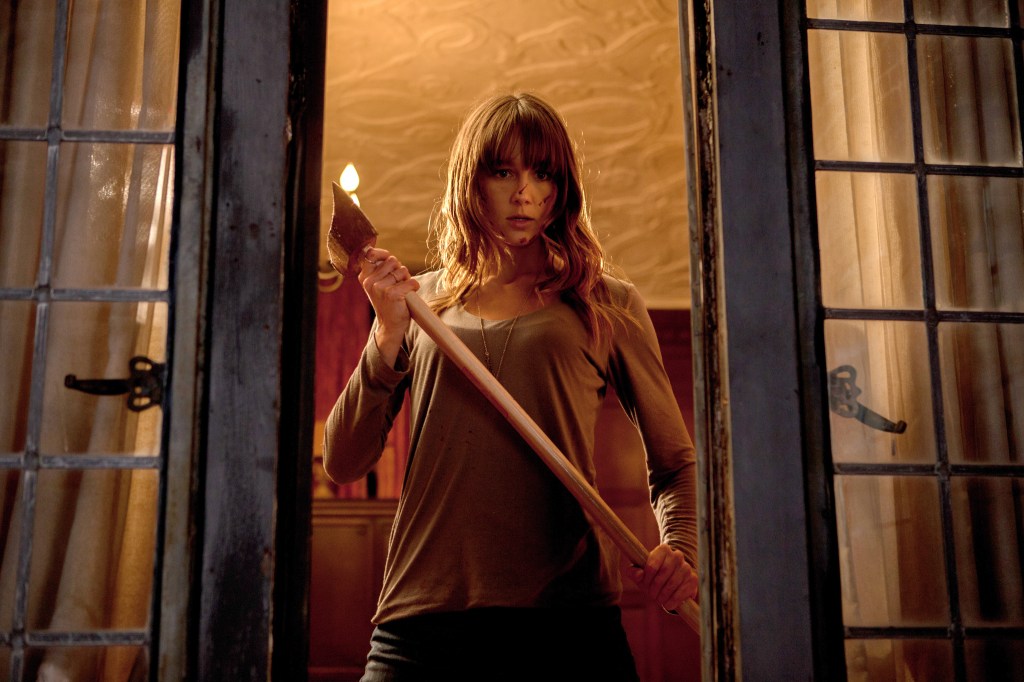
Adam Wingard and Simon Barrett’s You’re Next is a gleeful subversion of the home-invasion genre, blending brutal violence with sharp wit. When a family gathering is interrupted by a group of masked killers, the group’s petty dysfunction becomes a battleground for survival. At its center is Erin (Sharni Vinson), whose unexpected resourcefulness makes her one of modern horror’s most memorable final girls.
The film’s mix of gore and humour is a hallmark of the mumblegore movement, and Wingard’s direction keeps the tension high without sacrificing the film’s playful tone. The cast, featuring indie darlings like Barbara Crampton and AJ Bowen, is clearly having a blast, adding to the film’s chaotic energy. While it doesn’t reinvent the genre, You’re Next stands out for its clever twists and unapologetic embrace of its slasher roots.
26. Longlegs (2024)
Oz Perkins’s Longlegs is a slow-burn horror that rewards patience with its unsettling atmosphere and haunting imagery. The story unfolds with meticulous precision, drawing viewers into a world where dread lingers in every shadow. Perkins’s distinct visual style—elegant yet oppressive—complements the film’s themes of isolation and unease, while its deliberate pacing gives weight to each revelation.
The performances, particularly from the lead cast, are a standout, grounding the film’s surreal elements in raw emotion. Though the middle act drags slightly, the climactic payoff is worth the wait, delivering a gut-punch that lingers long after the credits roll. Longlegs may not appeal to fans of fast-paced horror, but for those willing to invest in its atmospheric storytelling, it’s a deeply rewarding experience.
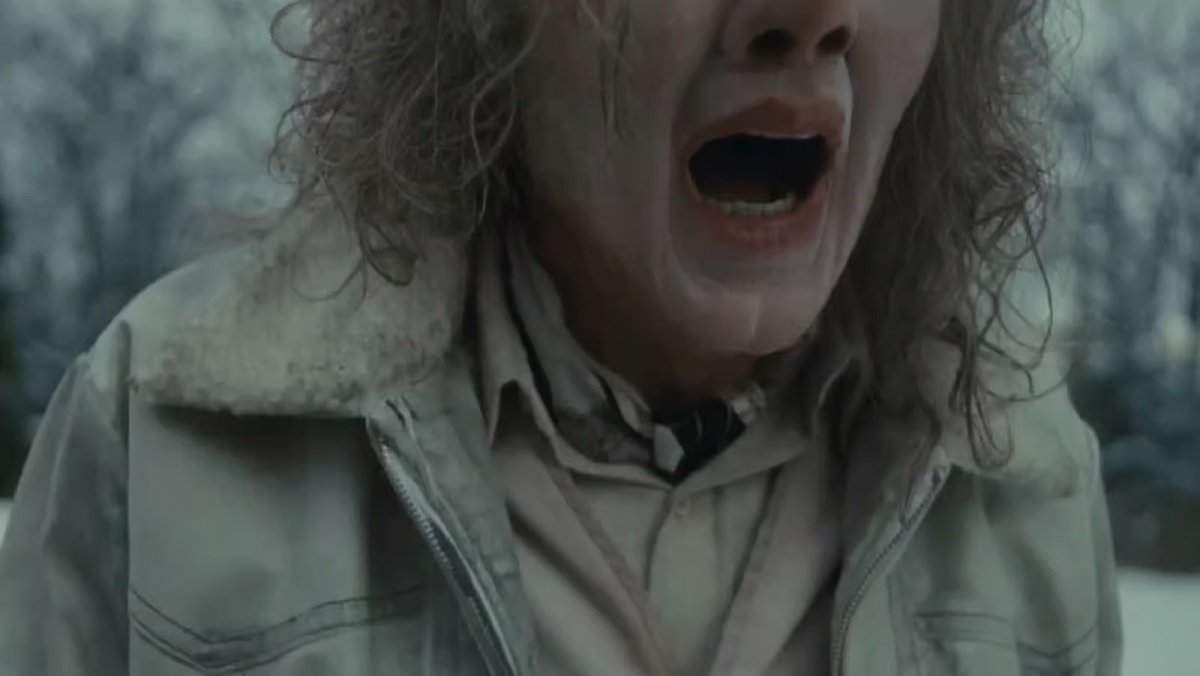
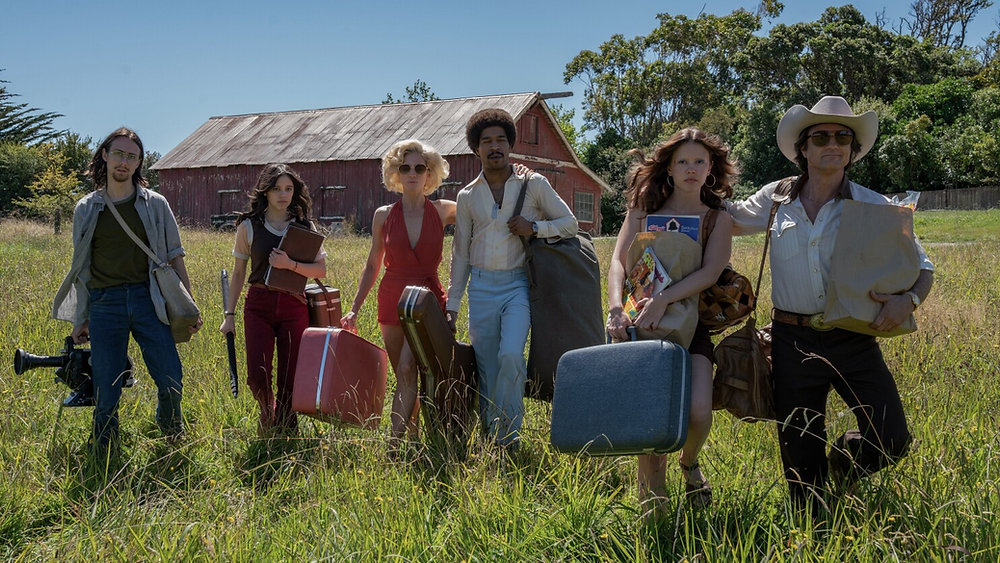
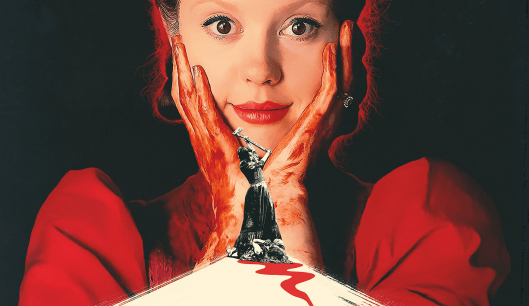
Ti West’s X is a love letter to 1970s slasher films, wrapped in a provocative exploration of aging and desire. The story follows a group of aspiring filmmakers who rent a remote farmhouse to shoot an adult movie, only to find themselves hunted by their elderly hosts. Mia Goth delivers a tour-de-force performance in a dual role, seamlessly shifting between vulnerability and menace.
West’s direction is masterful, blending humour, horror, and social commentary into a cohesive whole. The film’s slow-burn approach allows for rich character development, making the eventual carnage all the more impactful. Themes of sexuality, repression, and mortality add depth to the blood-soaked narrative, elevating X above standard genre fare. With its stunning cinematography and sharp writing, X is a bold and unforgettable entry in modern horror.
Zach Cregger’s Barbarian is a wild, unpredictable ride that defies horror conventions at every turn. What begins as a seemingly straightforward tale of a woman trapped in a house with sinister secrets quickly spirals into a darkly comedic and terrifying exploration of human nature. Georgina Campbell anchors the film with a stellar performance, supported by Justin Long’s hilarious turn as an oblivious property owner.
Cregger’s ability to balance humour and horror is remarkable, keeping viewers on edge while delivering genuine laughs. The film’s twists and tonal shifts are risky but executed with such confidence that they feel earned. Barbarian is a rollercoaster of a movie, constantly surprising and thoroughly entertaining. It’s a standout example of how fresh ideas can breathe new life into the genre.
Coralie Fargeat’s Revenge reinvents the rape-revenge subgenre with style and substance, delivering a visually stunning and emotionally charged thriller. Matilda Lutz shines as Jen, a woman left for dead who turns the tables on her attackers with brutal ingenuity. The film’s vibrant cinematography and pulsating score elevate its visceral intensity, creating a sensory experience that’s as beautiful as it is harrowing.
Fargeat’s direction is unapologetically bold, infusing the film with feminist undertones that challenge the exploitative tropes of its predecessors. Revenge is not just a tale of survival but a searing commentary on power, agency, and resilience. It’s a tough watch but an essential one, proving that even the most controversial subgenres can be reimagined with intelligence and artistry.
Demián Rugna’s When Evil Lurks is a grim and uncompromising exploration of humanity’s darkest fears. Set in a rural village plagued by demonic possession, the film is a relentless descent into chaos and despair. Rugna’s direction is unflinching, capturing the raw terror of a community unraveling under the weight of its own secrets.
What sets When Evil Lurks apart is its emotional depth, as characters grapple with guilt, trauma, and the fragility of their humanity. The film’s bleakness is tempered by moments of quiet introspection, creating a haunting balance between horror and heartbreak. It’s a challenging but rewarding experience, cementing Rugna as a bold and visionary filmmaker.
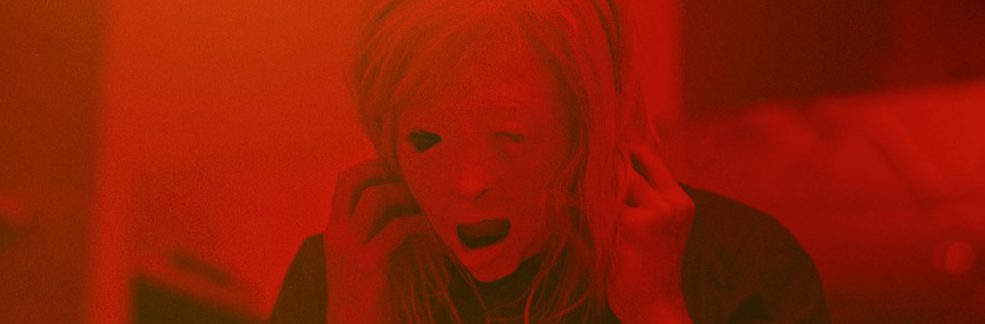
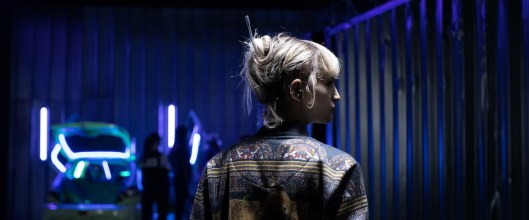
Brandon Cronenberg’s Possessor is a cerebral sci-fi horror that pushes the boundaries of identity and morality. The story follows Tasya Vos (Andrea Riseborough), an assassin who inhabits others’ bodies to carry out her hits, only to lose control in a mission gone wrong. Cronenberg’s direction is strikingly assured, blending surreal visuals with visceral violence to create a nightmarish landscape of fractured identities.
The film’s themes of technology, autonomy, and psychological decay are explored with chilling precision, making it as thought-provoking as it is disturbing. With its bold narrative and uncompromising vision, Possessor solidifies Cronenberg’s reputation as a filmmaker unafraid to challenge his audience. It’s a mind-bending journey that lingers long after the credits roll.
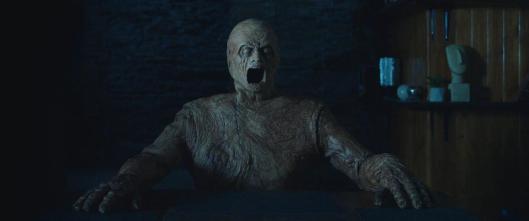
In the pantheon of 1960s horror cinema, It! (1967) is less a towering monolith and more a crumbling relic, notable more for its quirks than its craft. Directed by Herbert J. Leder and starring the ever-compelling Roddy McDowall, the film is a largely forgettable take on the age-old golem under control story. Despite its shortcomings, McDowall’s eccentric performance breathes a glimmer of life into what might otherwise have been a plodding exercise in horror tropes.
The plot is simple, perhaps too much so: McDowall’s character, Arthur Pimm, discovers a golem—a hulking, indestructible creature bound by supernatural forces—and sets about using it to satisfy his ambitions. As is typical for the subgenre, things spiral out of control, with the golem proving as dangerous to its master as it is to his enemies. The beats are predictable, with little in the way of innovation to distinguish It! from earlier iterations of the golem legend.
What does elevate the film, however, is McDowall’s signature flair. As Arthur, he leans into the character’s unhinged qualities, delivering a performance that teeters on the edge of camp without ever fully succumbing to it. His manic energy provides the film with a pulse it sorely needs, and his interactions with the golem often border on absurd, imbuing the proceedings with a strange, almost comedic undercurrent. It’s a testament to McDowall’s talent that he can command the viewer’s attention even when the script gives him so little to work with.
Visually, It! is serviceable but uninspired. The golem itself is a hulking, imposing presence, though the film rarely exploits its potential for genuine terror. Instead, the creature feels more like a prop than a fully realized character, a missed opportunity in a film that could have used a stronger antagonist.
For all its faults, It! remains a curious artifact of its time, a low-budget horror film that leans heavily on its star to carry the weight of its thin premise. While the film’s narrative and pacing leave much to be desired, McDowall’s performance provides just enough intrigue to keep the viewer from completely disengaging.
Ultimately, It! is a middling effort, an uninspired retelling of a familiar story that offers little new to the genre. Still, for fans of Roddy McDowall or those with a soft spot for obscure 1960s horror, it’s worth a watch—if only for a glimpse of McDowall’s eccentric genius.
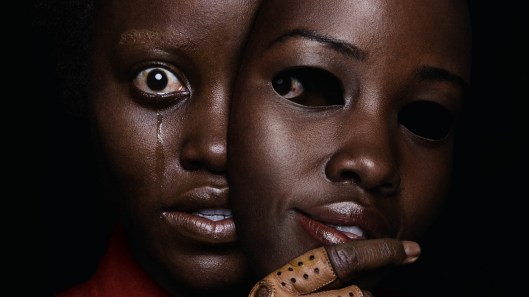
Jordan Peele’s Us followed the seismic success of his debut Get Out, presenting audiences with a more layered and surreal psychological horror. The film delves into the dichotomy of identity, with the Wilson family encountering their doppelgängers in a night of terror that explores privilege, oppression, and America’s shadow self. Peele’s craft shines through sharp writing and symbolic imagery, blending home invasion horror with socio-political commentary. Lupita Nyong’o’s tour-de-force dual performance as Adelaide and Red is mesmerising, her physicality and emotional depth anchoring the narrative’s darker, more abstract themes.
Despite its ambition, Us garnered a polarised response due to its sprawling narrative and unresolved mysteries. While it lacks the concise impact of Get Out, Peele’s boldness in tackling complex themes is commendable. The film’s eerie atmosphere and standout performances make it a fascinating, if imperfect, follow-up that continues to establish Peele as a singular voice in modern horror.
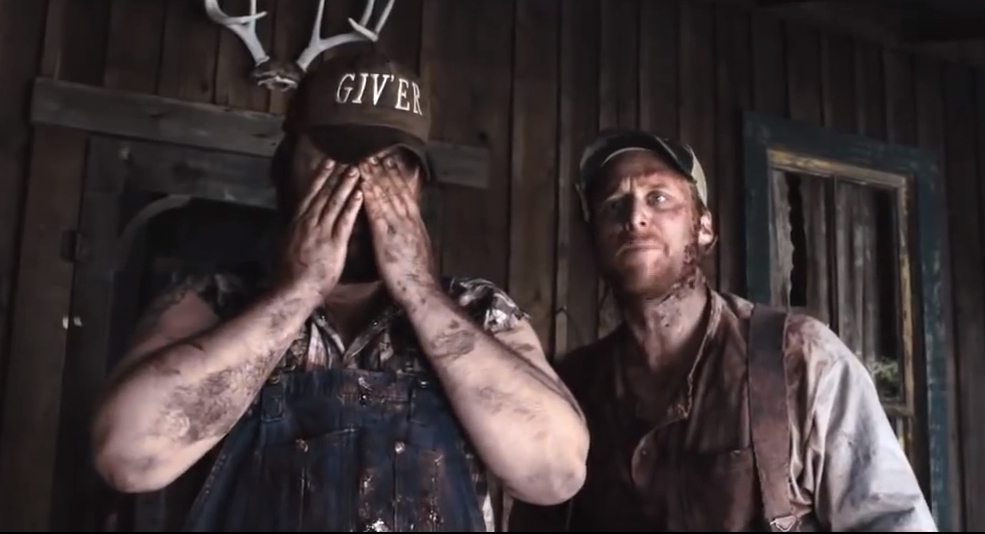
A hilarious and heartwarming spin on slasher tropes, Tucker & Dale vs. Evil turns the genre’s stereotypes on their head. Alan Tudyk and Tyler Labine star as well-meaning but hapless hillbillies mistaken for killers by a group of college students who wreak havoc on themselves in increasingly absurd ways. The film’s clever premise provides endless laughs and surprising moments of tenderness, as the titular duo tries to clear their names amidst escalating chaos.
Director Eli Craig’s sharp satire affectionately pokes fun at horror conventions while crafting a story with genuine emotional stakes. Its combination of slapstick gore and heartfelt character work sets it apart from other horror comedies. While it doesn’t delve deeply into its social commentary, Tucker & Dale vs. Evil remains a refreshingly original and thoroughly entertaining gem in the horror-comedy subgenre.
38. Pulse (2001)
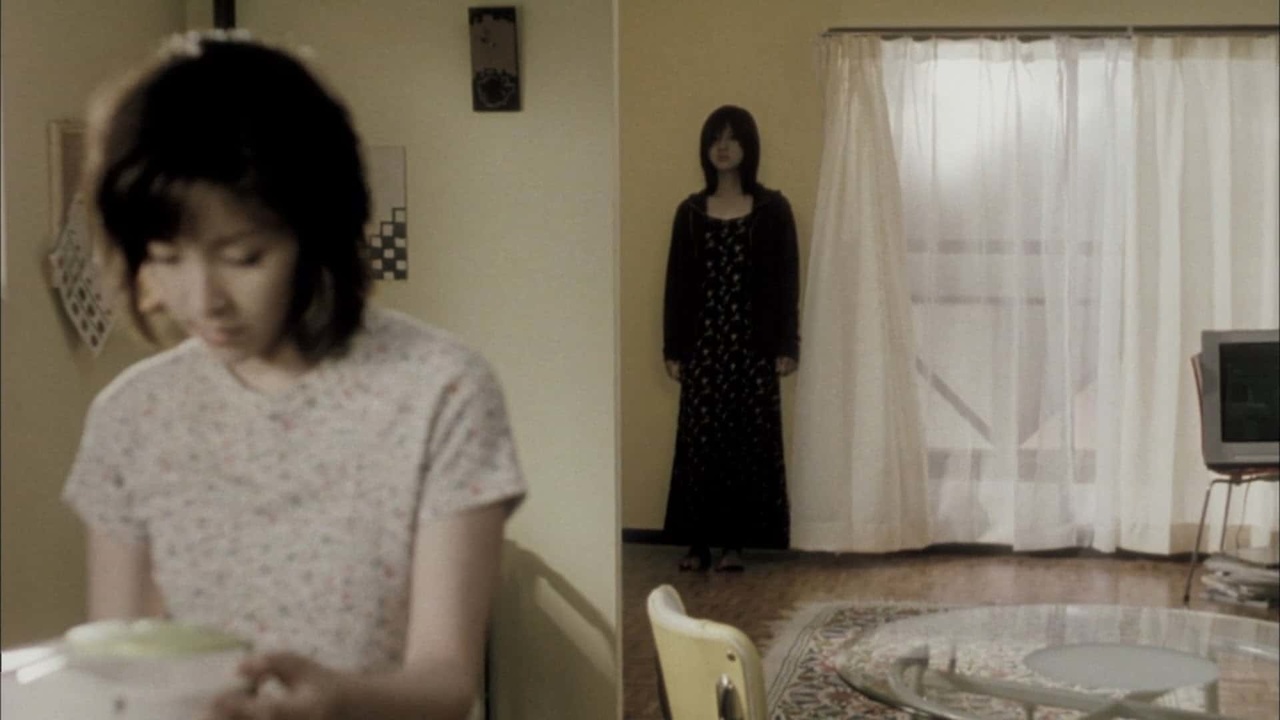
Kiyoshi Kurosawa’s Pulse (or Kairo) is a chilling meditation on loneliness and technology, offering a vision of despair in the digital age. The film follows two interconnected stories of characters facing unexplainable phenomena as ghosts invade the world through the internet. Its use of muted color palettes and sparse sound design creates an oppressive atmosphere, while its deliberate pacing amplifies the sense of unease.
Rather than relying on traditional scares, Pulse thrives on existential dread, as characters grapple with isolation and the loss of human connection. Its haunting imagery, like the ghostly figure in the hallway, lingers long after the credits roll. While its themes resonate even more deeply in today’s hyper-connected world, some viewers may find its slow-burn approach challenging. Nevertheless, it remains a landmark of J-horror and a precursor to Western remakes and imitations.
37. [REC](2007)
[REC] is a relentless, claustrophobic descent into terror that redefined the found-footage genre. The Spanish film follows a TV reporter and her cameraman as they cover a routine fire department call, only to be trapped in a quarantined apartment building overrun by a mysterious infection. Directors Jaume Balagueró and Paco Plaza masterfully build tension through the shaky, first-person perspective, making every shadow and scream feel immediate and real.
What sets [REC] apart is its unyielding pace and visceral scares, culminating in one of the most shocking and memorable final sequences in modern horror. The film’s blend of realism and supernatural elements creates a unique and horrifying experience that has inspired sequels, remakes (Quarantine), and countless imitators. Despite its minimalist setup, [REC] delivers an unforgettable ride that stands as a benchmark for the genre.
36. A Tale of Two Sisters (2003)
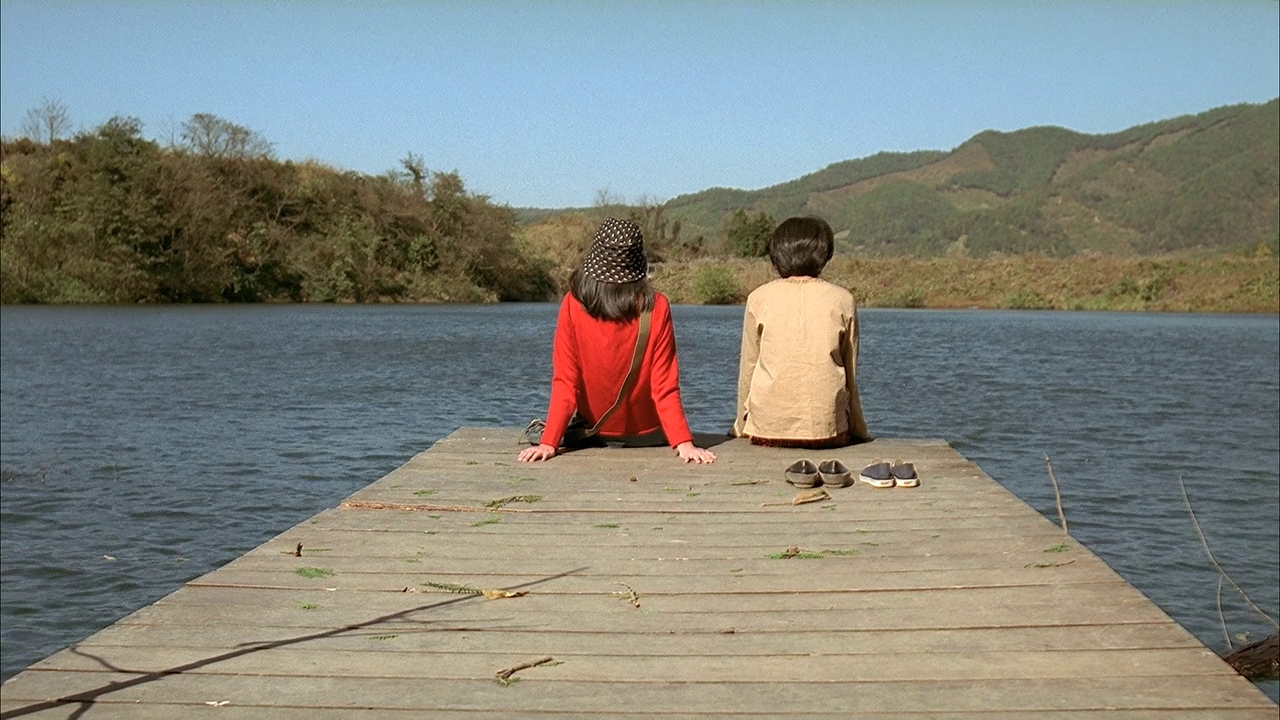
Kim Jee-woon’s A Tale of Two Sisters is a hauntingly beautiful exploration of family trauma wrapped in a chilling ghost story. Loosely based on a Korean folk tale, the film tells the story of two sisters returning home from a mental institution to face their cruel stepmother and the dark secrets of their past. Its unsettling atmosphere and intricate narrative unravel slowly, rewarding attentive viewers with a devastating emotional payoff.
Visually, the film is a feast, with its lush cinematography and meticulous production design heightening the sense of dread. Beneath its supernatural elements lies a deeply human story of grief, guilt, and mental illness. While some may find its ambiguity frustrating, A Tale of Two Sisters remains a masterwork of Korean horror that resonates on both psychological and emotional levels.
35. Pearl (2023)
Pearl is a rare horror prequel that enriches its source material, X, while standing firmly on its own. Ti West and Mia Goth craft an origin story for Pearl, turning her into one of the most complex and tragic villains in modern horror. Set against the Technicolor aesthetic of Golden Age Hollywood, the film juxtaposes its idyllic setting with Pearl’s descent into madness. Goth’s tour-de-force performance is mesmerising, capturing Pearl’s vulnerability and violent impulses with equal intensity.
The film’s blend of psychological horror and slasher elements culminates in a bloody, unforgettable climax. Its exploration of isolation, unfulfilled dreams, and societal constraints adds emotional depth rarely seen in the genre. By focusing on Pearl’s humanity, West and Goth create a compelling, character-driven horror that lingers long after the credits roll.
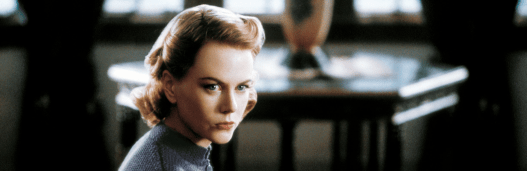
Alejandro Amenábar’s The Others is a masterclass in atmospheric horror, drawing viewers into its eerie, fog-shrouded world. Nicole Kidman delivers a captivating performance as Grace, a devout mother protecting her photosensitive children from sunlight and seemingly malevolent spirits haunting their isolated mansion. The film’s Gothic aesthetic and meticulous pacing build tension to its unforgettable twist ending, which redefines everything that came before.
Amenábar’s clever misdirection and subtle scares make The Others a film that rewards repeat viewings. Its themes of grief, denial, and maternal devotion resonate deeply, elevating it beyond a simple ghost story. Over two decades later, The Others remains a shining example of intelligent, character-driven horror that stands the test of time.
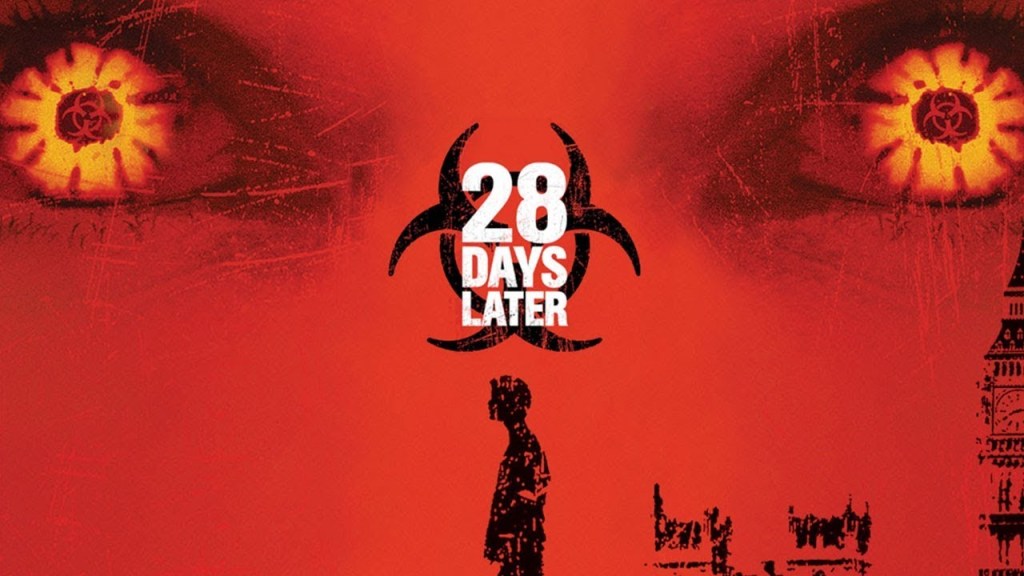
Danny Boyle’s 28 Days Later revitalised the zombie genre with its fast-moving “infected” and raw, apocalyptic energy. Opening with Cillian Murphy’s character waking in an abandoned London, the film captures the horror of a world plunged into chaos. Its visceral cinematography and intense pacing keep viewers on edge, while its exploration of human nature under duress adds depth.
The film’s blend of horror and social commentary, combined with John Murphy’s iconic score, has made it a modern classic. While its influence is undeniable, some critics have noted a lack of cohesion in its third act. Nevertheless, 28 Days Later remains a gripping and groundbreaking entry in the genre.
32. The Happiness of the Katakuris (2001)
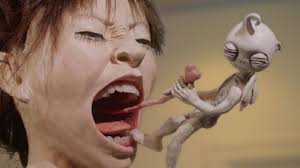
Takashi Miike’s The Happiness of the Katakuris defies categorisation, blending horror, musical, and dark comedy into an utterly unique experience. The film follows a family running a remote guesthouse, where their guests inexplicably die, leading to surreal musical numbers and claymation sequences. Miike’s fearless approach to genre-mashing creates a film that’s as hilarious as it is bizarre.
While its eccentricity may alienate some viewers, those who embrace its chaotic energy will find a story full of heart and unexpected poignancy. The Happiness of the Katakuris showcases Miike’s unmatched creativity and remains a cult favorite for its audacious vision.
31. The Witch (2015)
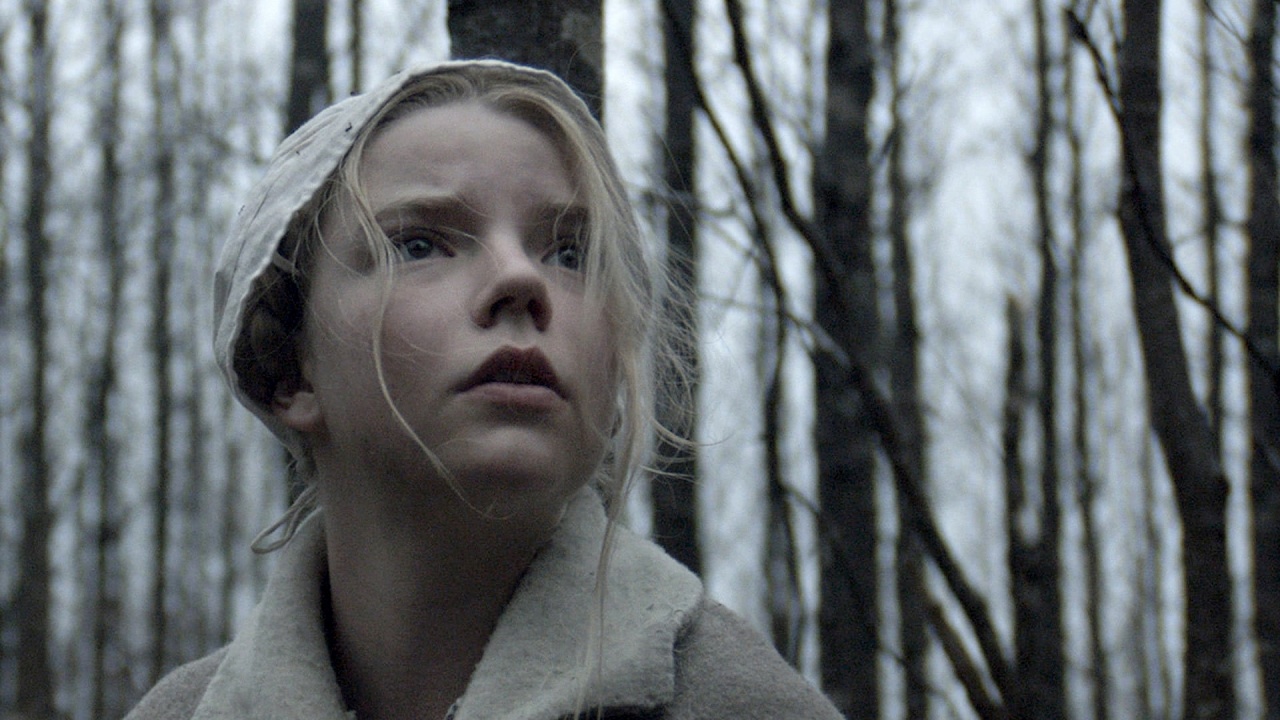
Robert Eggers’ The Witch is a meticulously crafted folk horror that immerses viewers in Puritan New England’s paranoia and superstition. Anya Taylor-Joy’s breakout performance as Thomasin anchors the film, as her family’s descent into mistrust and madness unfolds in chilling detail. The film’s historical authenticity, from its dialogue to its production design, adds to its unsettling atmosphere.
Eggers’ slow-burn approach rewards patient viewers with a harrowing and unforgettable climax. The Witch explores themes of repression, religious fanaticism, and female agency, cementing its place as a modern horror classic. Its haunting imagery and nuanced storytelling make it a standout in the genre.
Under the Shadow is a compelling blend of psychological horror and supernatural elements, set against the backdrop of the Iran-Iraq war. Directed by Babak Anvari, the film masterfully intertwines the personal and the supernatural, focusing on the intense relationship between Shideh and her daughter, Dorsa. The unquestionable love Shideh has for Dorsa is rigorously tested as they confront both the horrors of war and the malevolent forces haunting their Tehran apartment. The film places significant attention on their relationship, proving to be the real winner as it showcases the resilience and strength of a mother’s love in the face of unimaginable terror.
Visually, Under the Shadow is a standout, with meticulous attention to period detail and atmospheric tension. The cinematography captures the claustrophobic feel of the apartment, while the haunting presence of the supernatural elements is conveyed through subtle yet effective effects. Shabnam Modiri’s portrayal of Shideh is both nuanced and powerful, bringing depth to the character’s emotional and psychological struggles. The film is intelligent, strong, and impactful, much like the performances on display throughout. I cannot recommend Under the Shadow enough; it is a front-runner for the best movie of 2016, deserving of accolades for its storytelling, performances, and unique take on horror within a historical context.
Saint Maud is a haunting psychological horror film that delves deep into themes of faith, obsession, and mental turmoil. Directed by Rose Glass, the film stars Morfydd Clark as Maud, a deeply religious hospice nurse whose fervent faith leads her down a dark and unsettling path. The powerhouse performances by Clark and Jennifer Ehle twist and turn through a beautiful mix of power and vulnerability, bringing the characters to life with an intensity that grounds the film’s more fantastical elements in reality. Their performances are beyond exceptional, portraying both Katie/Maud and Amanda with a depth that allows the horror unfolding to resonate long after the closing credits.
Rose Glass expertly crafts a narrative that blurs the lines between psychological distress and supernatural horror, resulting in a film that is both disturbing and emotionally charged. Saint Maud stands out for its ability to create an unsettling atmosphere through its slow-burning tension and meticulous character development. Glass proves that she is a talent to watch in the future, handling dark, psychological subjects with the confidence of a veteran in her field. The film’s resolution leaves a deep and unsettling feeling, solidifying Saint Maud as one of the reviewer’s favourite movies in recent years, showcasing its lasting impact and powerful storytelling.
The Love Witch is a visually stunning homage to 1960s Technicolor thrillers, reimagined with a modern twist that delves into the battle of the sexes. Directed by Anna Biller, the film centers around Elaine, a modern-day witch who uses spells and magic to find true love. The battle of the sexes is firmly on display here, with a fresh twist on the female gaze and the lengths of absurdity evident through this timeless tale. The Love Witch owes a lot to the strong and beautifully shot scenes that capture the film’s retro aesthetic while exploring contemporary themes of desire and power.
While The Love Witch might not be to everyone’s taste, its mesmerising visuals and deep dive into its protagonist’s psyche make it an unforgettable experience. The film’s meticulous attention to detail in costume and set design pays off, creating a rich, immersive world that is both enchanting and unsettling. The narrative explores the absurdity and obsession that can come with the pursuit of love, blending dark humour with horror elements in a way that is both satisfying and thought-provoking. If you allow yourself to be absorbed by the film, the feeling you’re left with is absolutely mesmerising and deeply satisfying, making The Love Witch a standout in the realm of modern horror with a distinct, artistic flair.
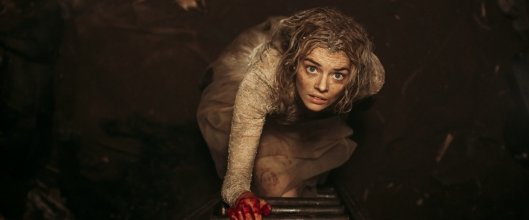
Ready or Not is a thrilling and gory romp that masterfully combines elements of horror and dark comedy. Directed by Matt Bettinelli-Olpin and Tyler Gillett, the film follows Grace (Samara Weaving), a bride who becomes the target of a deadly game of hide and seek on her wedding night. “Seek” this one out, as it’s gory fun with a deadly sense of humour that keeps the tension high while delivering plenty of laughs amidst the carnage. The film’s blend of horror and comedy creates a unique and exhilarating experience that keeps viewers on the edge of their seats.
The film excels in its fast-paced narrative and clever script, which balances the gruesome action with sharp, witty dialogue. The casting is impeccable, with Weaving delivering a standout performance as Grace, embodying both vulnerability and resilience as she navigates the deadly game set by her eccentric in-laws. Ready or Not also features strong supporting performances that add depth and intrigue to the story. Its inventive premise and relentless pacing make it a must-watch for fans of horror who appreciate a good mix of scares and laughs. The film’s ability to maintain a high level of suspense while infusing humour sets it apart as a memorable and entertaining entry in the modern horror landscape.
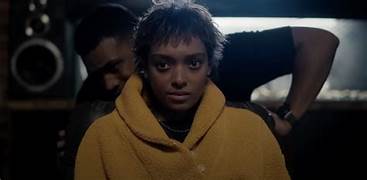
Talk to Me is an exhilarating and innovative horror film that marks a significant achievement for the RackaRacka brothers in their first feature-length outing. The film centres around a group of friends who discover how to conjure spirits by using a mysterious, discarded embalming glove. This discovery leads to unforeseen and terrifying consequences as they delve deeper into the supernatural. The RackaRacka brothers have not only exceeded expectations but have produced a solid effort, calling the shots from behind the camera with confidence and creativity.
The captivating part of Talk to Me comes through the strength of its characters and the standout performance by Sophia Wilde. The blend of humour and horror peppered throughout the film helps to flip the juxtaposition of polarising extremes, tying viewers to their seats and forcing them to grip the hand of darkness. The film masterfully balances intense horror sequences with moments of levity, creating a dynamic and engaging narrative. The RackaRacka brothers’ ability to maintain suspense while delivering genuine scares and character-driven storytelling makes Talk to Me a standout in contemporary horror. It’s a film that successfully blends traditional horror elements with fresh, innovative ideas, making it a must-watch for fans of the genre.
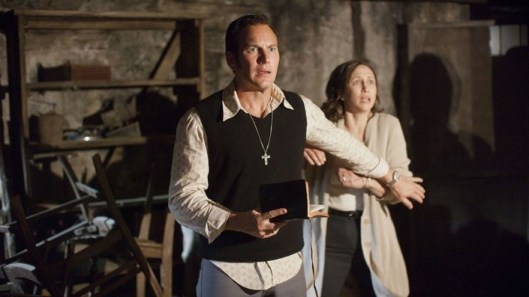
The Conjuring is a landmark film in modern horror, showcasing James Wan at his finest and laying the foundation for a sprawling franchise. Directed by James Wan, the film is based on the real-life paranormal investigations of Ed and Lorraine Warren, who are called to help a family terrorised by dark forces in their farmhouse. The film excels in building a genuine sense of dread and suspense, relying on masterful direction, atmospheric tension, and strong performances to deliver a truly terrifying experience. It’s a film that successfully revitalises the haunted house trope, making it fresh and compelling for contemporary audiences.
The Conjuring benefits from its meticulous attention to detail and its ability to create believable, relatable characters who are genuinely affected by the supernatural events. Vera Farmiga and Patrick Wilson deliver powerful performances as the Warrens, bringing both authority and emotional depth to their roles. The film’s use of practical effects and subtle scares over jump scares creates a more enduring and haunting atmosphere. The Conjuring not only spawned a great franchise but also set a high standard for supernatural horror films, proving James Wan’s prowess as a director and cementing the film’s place as a modern classic in the horror genre. Its blend of real-world folklore, emotional storytelling, and relentless suspense makes it a must-see for horror enthusiasts.
44. Stoker (2013)
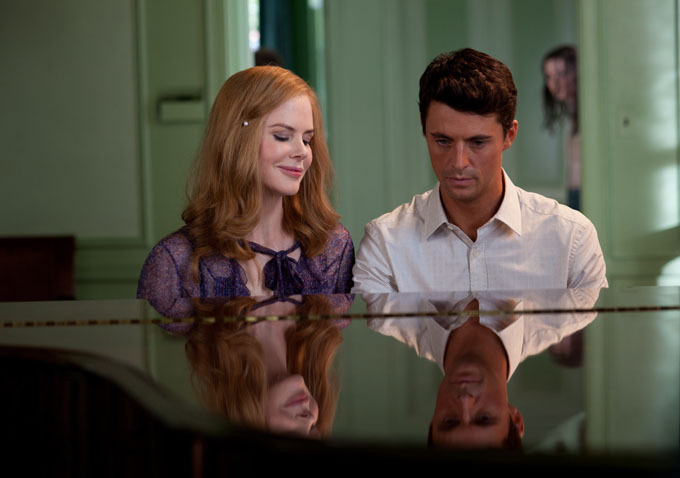
Stoker is a visually striking and psychologically complex horror film directed by Park Chan-wook. Based on the novel by Carol Higgins Clark, the film follows India Stoker (Mia Wasikowska), who, after her father’s sudden death, must confront her enigmatic Uncle Charlie (Matthew Goode) who arrives to live with her and her unstable mother. The film delves into themes of family secrets, identity, and the dark undercurrents of the human psyche, all while maintaining a hauntingly beautiful aesthetic that is a hallmark of Park Chan-wook’s style.
The cinematography and visual storytelling in Stoker are nothing short of breathtaking, with each frame meticulously composed to enhance the film’s eerie and suspenseful atmosphere. Mia Wasikowska delivers a powerful performance as India, portraying a young woman who transitions from innocence to a more complex and darker self-discovery. Matthew Goode’s portrayal of Uncle Charlie is both charming and sinister, creating a palpable sense of mystery and danger. The film’s slow-burn narrative allows for deep character development and psychological tension, making Stoker a standout in the horror genre. Its blend of psychological horror, gothic elements, and stunning visuals make it a memorable and thought-provoking film that resonates long after viewing.
43. Titane (2021)
Titane is a bold and unorthodox film by director Julia Ducournau, who defies traditional genre boundaries by incorporating elements of horror into a narrative that is as disturbing as it is unique. While Ducournau has stated that Titane is not a horror movie, the film carries some truly horrific elements, particularly in its exploration of trauma and the scars it leaves behind. The journey that Alexia (Agathe Rousselle) takes is brutal and harrowing, shedding light on the extremes a woman must endure to be accepted, often at the expense of her own femininity. This theme is handled with a raw intensity that places Titane among the most compelling and thought-provoking films of the year.
Visually, Titane is striking, blending grotesque imagery with moments of surreal beauty to create a disorienting and immersive experience. Julia Ducournau masterfully explores the intersection of body horror and psychological trauma, presenting a narrative that is both emotionally impactful and visually arresting. The film’s relentless pace and unflinching approach to its themes challenge viewers, making Titane a film that provokes deep reflection on identity, transformation, and societal expectations. Its fearless storytelling and powerful performances, particularly by Agathe Rousselle, establish Titane as a contender for film of the year, highlighting Ducournau’s talent for creating unforgettable, genre-defying cinema.
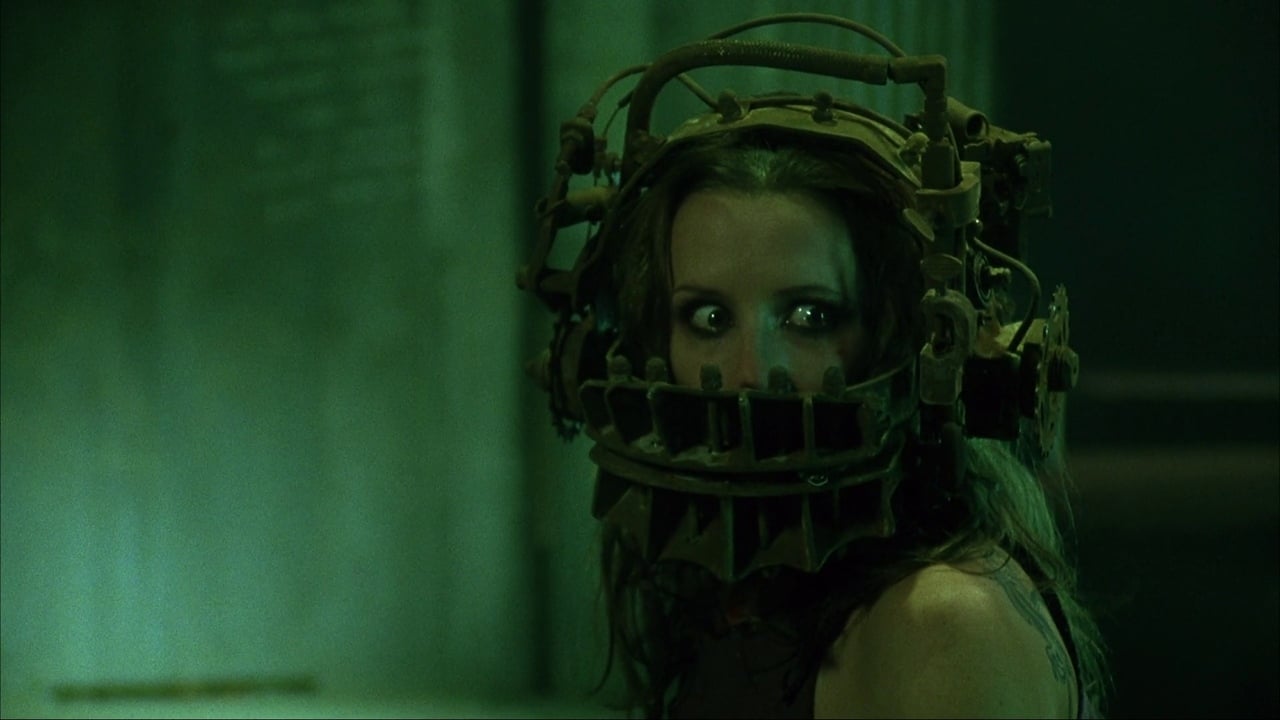
Saw marks the debut feature from James Wan and Leigh Whannell, signaling a significant shift in the horror genre with its inventive approach to gore and psychological terror. The film introduces the infamous Jigsaw killer, who places his victims in elaborate traps that test their will to live, forcing them to confront their own moral failures and the value of their lives. Saw is notable for its intricate plot, suspenseful storytelling, and clever use of limited settings to maximise tension and horror. The film’s unique premise and shocking twists set it apart from other horror movies of its time, creating a blueprint for the “torture porn” subgenre that would follow.
The performances, particularly by Leigh Whannell as Dr. Lawrence Gordon and Cary Elwes as Detective David Tapp, add depth to the film’s dark and twisted narrative. The clever writing and effective pacing ensure that Saw remains engaging and terrifying, with each scene building upon the last to culminate in a memorable and jaw-dropping finale. The film’s impact on the horror landscape is undeniable, spawning a long-running franchise that continues to draw on its original themes of survival, morality, and the psychological depths of its characters. Saw is a testament to the creativity and ingenuity of its creators, James Wan and Leigh Whannell, and remains a landmark film in the evolution of modern horror.
41. Martyrs (2008)
Martyrs is one of the most confrontational and harrowing horror films ever made, pushing the boundaries of the genre with its intense and graphic portrayal of suffering and revenge. Directed by Pascal Laugier, the film follows two young women, Lucie and Anna, who embark on a violent quest for vengeance against those who tormented them in their childhood. Martyrs is known for its unflinching depiction of physical and psychological pain, exploring themes of martyrdom, the search for meaning, and the thin line between victim and perpetrator. The film’s relentless intensity and uncompromising narrative make it a standout entry in the horror genre.
The film’s narrative is both brutal and deeply philosophical, challenging viewers with its bleak and uncompromising vision of horror. The performances are raw and powerful, particularly those of Mylène Jampanoï and Morjana Alaoui, who deliver heart-wrenching portrayals of women pushed to their limits. Martyrs is not for the faint of heart, as it delves into some of the darkest aspects of human nature and the concept of transcendence through suffering. Its relentless intensity and profound thematic depth make it a memorable and thought-provoking film, earning it a place as one of the most disturbing and significant entries in modern horror. Martyrs remains a polarising but undeniably impactful film, remembered for its audacious storytelling and willingness to explore extreme facets of horror.
60. Behind the Mask: The Rise of Leslie Vernon (2006)
This unique meta-horror film takes a clever approach by blending humor with genuine tension, exploring the creation of a slasher villain. The first half introduces us to Leslie Vernon, a charismatic, yet sinister figure, who opens up about his future as a killer in a documentary-style format. The film builds on the tropes of iconic slasher films, offering insight into the mindset of a killer while keeping things fresh with dark humour. As the story evolves, it shifts into a more traditional horror narrative, turning the tables on the documentary filmmakers and showcasing Vernon’s disturbing plans in a way that’s both chilling and darkly comic.
The transition from humour to horror is seamless, keeping viewers on edge while never losing its sense of fun. The film’s playful deconstruction of the genre makes it a standout in the slasher subgenre. The brilliant portrayal of Leslie Vernon by Nathan Baesel anchors the film, making it a memorable and fresh take on a well-worn genre. The movie’s clever commentary on horror tropes and its ability to balance comedy with scares have earned it a loyal fanbase and solidified its place as a cult classic within the horror community. It’s a film that rewards repeated viewings, as you’ll discover new layers each time.
“Fresh” is an intense, gripping film that brings new life to the psychological horror genre with its unsettling premise and dark humour. At the heart of the story is a young woman, played by Daisy Edgar-Jones, who is swept off her feet by a seemingly perfect man, only to discover his horrifying secrets. The film cleverly critiques modern dating and consumerism, all while spiraling into grotesque and absurd situations. Mimi Cave’s direction shines as she blends tension, terror, and moments of levity in a way that keeps the audience engaged, even as the narrative becomes increasingly twisted.
What stands out about “Fresh” is its ability to combine discomfort with darkly comedic moments, ensuring that its shocking premise is never overbearing. Edgar-Jones delivers an outstanding performance, capturing the vulnerability and strength of her character as she navigates the horrors she’s entangled in. The film’s commentary on body autonomy, consumption, and the dehumanizing aspects of relationships feels sharp and timely, making “Fresh” not only a horrifying experience but a thought-provoking one as well. Its success lies in its unsettling mix of visceral horror and psychological manipulation, leaving a lasting impression on viewers.
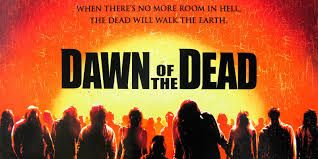
Zack Snyder’s remake of Dawn of the Dead (2004) revitalized the zombie genre for a new generation, blending sharp social commentary with action-packed horror. The film takes place in a shopping mall during a zombie outbreak, where a group of survivors must navigate the chaos outside while grappling with their own interpersonal struggles. Snyder’s high-energy direction makes every zombie attack feel urgent and terrifying, while the pacing never lags, keeping the audience on edge. The film’s sharp script gives the survivors more depth than is typical in zombie films, with each character facing different moral dilemmas.
While some purists may take issue with the fast-moving zombies, this remake’s contemporary take on the genre proved to be highly influential, introducing a new breed of undead that became synonymous with early 2000s horror. The themes of consumerism and isolation are expertly explored, making the film both a thrilling action-horror and a pointed critique of modern society. Dawn of the Dead remains one of the best horror remakes of the 2000s, offering enough horror, tension, and character depth to resonate with audiences long after the credits roll.
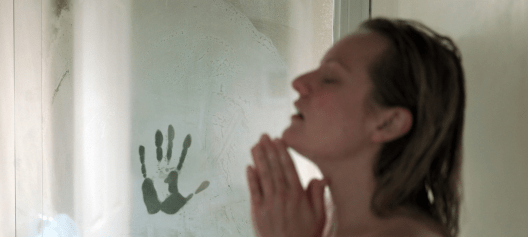
57. The Invisible Man (2020)
Leigh Whannell’s The Invisible Man is a masterclass in blending psychological horror with an exploration of trauma and manipulation. Elisabeth Moss delivers a powerful performance as Cecilia, a woman trapped in an abusive relationship, who begins to believe that her abusive ex-husband, presumed dead, has found a way to turn invisible and torment her. The film’s tension is driven not only by the psychological torment Cecilia endures but also by Whannell’s clever use of visual effects to make the invisible presence feel all too real. The film’s slow burn is punctuated by moments of shock and terror, heightening the sense of unease.
The ambiguity of the situation—whether Cecilia is truly being haunted or if her mind is playing tricks on her—adds an extra layer of depth to the narrative, inviting multiple interpretations. The film also critiques the systems that enable abuse, making it a timely and socially relevant horror film. The Invisible Man combines horror with an emotionally charged narrative, offering a satisfying mix of both psychological and traditional horror elements. It’s a standout film that doesn’t just rely on scares but also provides a compelling, thought-provoking story about survival and justice.
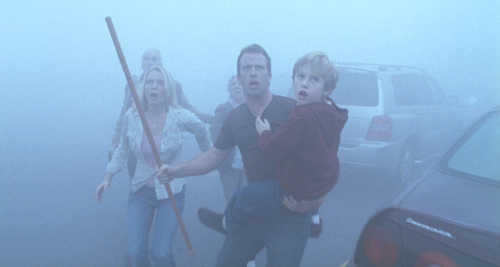
Frank Darabont’s The Mist stands out as one of the bleakest and most impactful horror films of the 21st century, largely due to its gut-wrenching ending. Based on Stephen King’s novella, the film focuses on a group of people trapped in a supermarket by a strange mist filled with monstrous creatures. As tensions rise and paranoia sets in, the group splinters into factions, with some choosing to fight for survival and others giving in to fear and superstition. The escalating horror is not just in the creatures lurking outside but in the ways fear manifests within the group, resulting in a series of devastating decisions.
While the film is filled with horrific moments of suspense, what truly sets The Mist apart is its conclusion. The ending is both shocking and deeply sorrowful, marking a rare instance where a horror film’s finale is both emotionally devastating and thematically resonant. It challenges the viewer’s expectations and lingers long after the credits roll, cementing The Mist as a standout in the horror genre. Darabont’s direction and the strong performances from the cast help elevate the film, making it a must-see for horror fans looking for more than just jump scares.
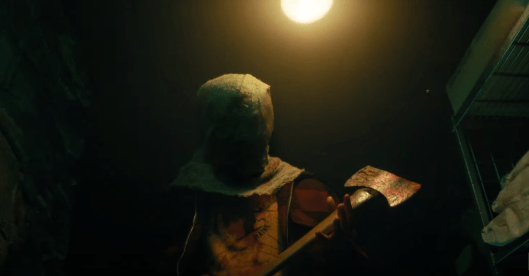
55. Fear Street: 1978 (2021)
The second installment in the Fear Street trilogy, 1978 is widely regarded as the best of the three, with its throwback to classic slasher films of the 1970s. Set in a summer camp, the film introduces a new group of characters who find themselves caught in a bloodbath as they uncover the dark history of the cursed town of Shadyside. The film’s success lies in its ability to evoke nostalgia while still offering a fresh spin on familiar tropes. The camp setting brings a sense of dread, and the killer’s relentless pursuit of the victims adds to the tension.
What makes 1978 particularly effective is its deep dive into the past, fleshing out the mythology of Shadyside and setting the stage for the final film. The performances are solid across the board, with Sadie Sink standing out as one of the leads. The film expertly blends slasher horror with coming-of-age themes, giving it emotional depth beyond the kills. As a whole, Fear Street: 1978 stands as a highlight of the trilogy, effectively paying homage to 70s slashers while creating its own legacy in modern horror.
54. Oddity (2024)
Oddity is a haunting slow-burn psychological horror film that blurs the lines between grief, madness, and the supernatural. Set in a quiet, eerie town, the film follows a grieving individual who becomes obsessed with a series of strange occurrences. The film’s pacing is deliberate, allowing tension to build gradually as the protagonist unravels the mystery surrounding their own descent into madness. While there are few jump scares, the creeping dread and unsettling atmosphere make up for it, drawing viewers into its mysterious world.
The film thrives on its ambiguity, offering a narrative that keeps viewers questioning what’s real and what’s not. The supernatural elements are subtle, adding to the sense of unease without ever fully explaining the events at hand. McCarthy’s direction is adept at creating a world where the line between the mundane and the eerie is constantly shifting. Oddity may not be a traditional horror film, but its psychological depth and atmospheric tension make it an unforgettable experience for those seeking something off the beaten path.
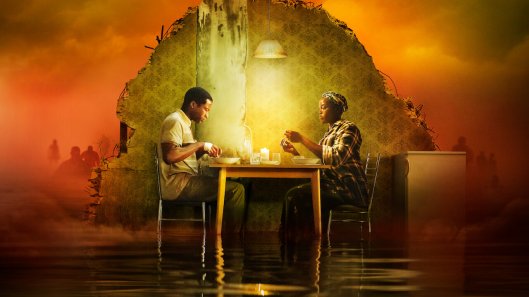
His House is a chilling, genre-defying film that combines supernatural horror with a poignant exploration of the immigrant experience. Directed by Remi Weekes, the film follows a young couple from South Sudan who, after fleeing war, struggle to adapt to life in a haunted house in England. The horrors of their new environment are not only supernatural but also psychological, as they are forced to confront the trauma and guilt of their past. The film’s emotional weight is carried by stellar performances from Wunmi Mosaku and Sope Dirisu, who bring depth and complexity to their roles.
What makes His House so effective is its ability to blend societal commentary with traditional horror. The ghosts haunting the couple are not just malevolent spirits but symbols of their past, haunting them as they try to adjust to their new life. Weekes’ direction is sharp, using horror as a lens to explore themes of displacement, survival, and guilt. His House is a standout film that challenges the conventions of horror, making it not only a scary experience but a deeply moving one as well.
MadS is a psychological horror film that captivates with its unique one-shot structure and unsettling performances. The film follows a group of characters navigating a world where reality begins to fracture, leaving the audience questioning what is real and what is imagined. The tension in MadS is built through slow-burn moments of psychological unraveling, where the boundaries of reality begin to blur. The film uses its one-shot gimmick not only as a stylistic choice but as a way to immerse the viewer more fully in the characters’ growing sense of paranoia and dread. The eerie atmosphere, combined with the film’s slow pace, effectively heightens the sense of discomfort, keeping the audience on edge as the mystery unfolds.
The performances in MadS are integral to its success, as the characters must navigate a disorienting and increasingly bizarre world. The film’s tension is palpable, and it continuously plays with the audience’s expectations, never allowing them to settle into a sense of normalcy. While it may not rely on jump scares or traditional horror elements, MadS thrives on its unnerving atmosphere and the psychological turmoil of its characters. For fans of experimental horror with a focus on mood and psychological depth, MadS offers a unique and captivating experience that leaves a lasting impact.
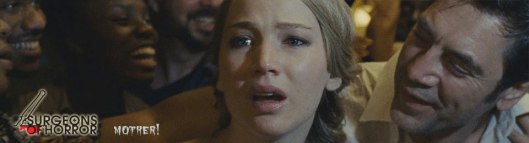
Darren Aronofsky’s mother! is an unrelenting, visceral exploration of creation, destruction, and human nature. The film follows Jennifer Lawrence’s character, Mother, whose peaceful life with her partner, played by Javier Bardem, is disrupted when a mysterious couple arrives at their remote home. What starts as a seemingly innocent visit quickly descends into chaos, with the house itself becoming a symbol of Mother Earth’s fragile existence. Aronofsky’s direction is intense, using the claustrophobic space of the house to mirror the psychological unraveling of the characters. The film’s pace and tone create a suffocating atmosphere, leaving viewers feeling increasingly uncomfortable as the story unfolds into a metaphorical and literal nightmare.
The performances, particularly Lawrence’s, are extraordinary, as she portrays a woman whose reality is constantly shifting, and whose physical and emotional torment drives the film’s tension. While mother! is often cryptic and open to interpretation, its themes of creation, sacrifice, and the destructive nature of humanity are powerfully conveyed through Aronofsky’s bold and provocative storytelling. The film’s use of allegory and symbolism, especially toward its climax, offers a striking meditation on the cost of artistic and personal ambition. While divisive, mother! is a harrowing and thought-provoking film that leaves an indelible impression on its audience.







 Surgeons of Horror