• About
  • podcasts
  • Shop

Surgeons of Horror

~ Dissecting horror films

Surgeons of Horror

Category Archives: Uncategorized

SUFF 2024 – Movie Review: Vulcanizadora (2024)

23 Friday Aug 2024

Posted by surgeons of horror in Uncategorized

≈ Leave a comment

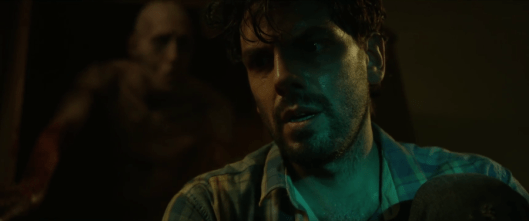
In order to connect with Vulcanizadora you can either go in cold like I did and trust in its flow, or try in some ways to understand its creator, American film director and screenwriter, Joel Potrykus. Now into his fifth feature film, Potrykus has established the moniker, “The New King of Underground Cinema” for his dalliance in the newly formed sub genre metal slackerism. In fact, Vulcanizadora is in itself a sequel from his earlier feature Buzzard, picking up with its two central characters Marty (Joshua Burge) and Derek (played by Potrykus. Not that you need to have seen Buzzard before this as Vulcanizadora serves as a scrutiny of these characters 10 years later with a focus on the impacts and hardships of middle aged men who bear no driving force or will to carry them through life and instead are drifting aimlessly. What traumatic history they have ebbs to the surface, threatening to claw its way out of the skin to make an impact, but our two leads are all two willing to wallow and bury their inner feelings to the detriment of their own wellbeing. The psychological impact this has will soon come crashing down around them and the consequences must be addressed before their souls can finally rest.

While all that may sound deep, the manner in which Potrykus handles their journey is painfully funny, and profoundly introspective, that by the journey’s end, will leave its own residual energy with you, to ponder; a sign of a director who not only owns his vision, but utilises it in a fashion that will connect and deliver this message with significant feeling or emotion.

The Prognosis:

Part of this appeal is the synergy crafted in Potrykus’ choice in music, weaving together the harmonious vocals of Maria Callas operatics and then fusing this with a juxtaposing contrast with the raw and gritty chords from Sepultura. This in many ways is a metaphor for the whole film, constantly drifting between a calm, serene experience where nature surrounds us all providing time for transcendence but is swiftly followed by a cut to the cerebral, grounding reality of life and its many obstacles. How we choose to embrace or battle these elements in life will either make us or break us, but to face up to these challenges, one must be true to yourself; a pool that Potrykus enjoys playing in. We encourage you to take the trip and raise your own questions.

  • Saul Muerte
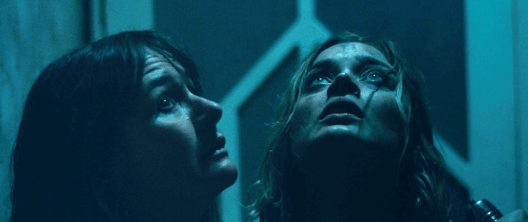
Catch the screening of Vulcanizadora at the Sydney Underground Film Festival at Dendy, Newtown.

Screening times and tickets available below:

FRIDAY 13TH SEPTEMBER – 3PM

SUNDAY 15TH SEPTEMBER – 1:30PM

The Old Dark House (1963): A Mismatched Attempt to Recreate a Classic

26 Friday Jul 2024

Posted by surgeons of horror in Uncategorized

≈ Leave a comment

When William Castle, known for his gimmicky horror films, teamed up with Hammer Films, the collaboration seemed promising on paper. Castle, with his flair for sensationalism, and Hammer, with its reputation for producing quality horror, seemed like a match made in cinematic heaven. However, their 1963 remake of The Old Dark House ultimately struggled to rise from the shadows cast by the 1932 Universal Pictures version directed by James Whale and starring Boris Karloff.

The original The Old Dark House is revered as a classic, blending atmospheric horror with dark comedy. Karloff’s menacing presence and Whale’s masterful direction created an eerie and engaging experience. Castle’s remake, while attempting to honor the original, unfortunately, falls short in capturing the same magic.

One of the main issues was the decision to play the film as a comedy horror. While the 1932 version had its share of dark humor, Castle’s approach leaned heavily on the comedic elements, which didn’t quite resonate with audiences. The tone was inconsistent, and the humor often felt forced, detracting from the suspense and horror that the story needed. This misstep in tone was particularly problematic for British audiences, where the film’s distribution faced significant challenges. The comedy horror angle proved to be a difficult sell, and as a result, the film struggled to find its footing in the UK market.

Despite the film’s shortcomings, there were some notable aspects to appreciate. The cast, featuring Tom Poston, Robert Morley, and Janette Scott, delivered commendable performances. Poston, in particular, brought a certain charm to his role, and Morley’s portrayal of Roderick Femm added a touch of eccentricity. Additionally, the film’s twist, while not groundbreaking, provided a gleeful deviation from the expected and injected some much-needed intrigue into the story.

Visually, Castle’s version does have its moments. The set design captures the Gothic atmosphere well, and there are flashes of creativity in the cinematography. However, these elements are not enough to elevate the film above its structural weaknesses.

The alliance between Castle and Hammer Films was an unfortunate mismatch. Castle’s penchant for campy horror and Hammer’s traditional Gothic approach didn’t blend seamlessly, resulting in a film that felt disjointed. The potential for a successful remake was there, but the execution fell flat, hindered by conflicting creative visions and an ill-conceived genre blend.

The Prognosis:

The Old Dark House (1963) is a somewhat failed attempt to recreate a classic. While it boasts a promising cast and a few enjoyable moments, it struggles to make a lasting impact. The mismatched collaboration between William Castle and Hammer Films, combined with the difficulties of balancing comedy and horror, ultimately hindered the film’s success. For those interested in exploring Castle’s filmography or Hammer’s ventures into different genres, it remains a curious but flawed entry in their respective catalogues.

  • Saul Muerte

Celebrating 25 Years of The Blair Witch Project: The Genius of What We Don’t See

14 Sunday Jul 2024

Posted by surgeons of horror in Uncategorized

≈ Leave a comment

As we mark the 25th anniversary of The Blair Witch Project, it’s a fitting time to reflect on what made this film a groundbreaking piece of horror cinema. Released in 1999, Daniel Myrick and Eduardo Sánchez’s found footage phenomenon redefined the genre, not through what it showed, but through the terrifying power of what it didn’t.

The true genius of The Blair Witch Project lies in its ability to immerse audiences in an intricate web of legends and backstories, masterfully crafted to blur the lines between fiction and reality. Central to this mythos is the enigmatic figure of Elly Kedward, the Blair Witch herself, a woman accused of witchcraft and banished from Blair, Maryland, in the late 18th century. Her vengeful spirit is said to haunt the Black Hills Forest, where the film’s events unfold.

The lore extends further with tales of Eileen Treacle, a young girl who drowned in 1825, and Robin Weaver, a child who went missing in 1886, both supposedly victims of the Blair Witch. The chilling accounts of Coffin Rock, where five men were found ritualistically slaughtered, and Rustin Parr, a hermit who murdered seven children under the witch’s influence, add layers of dread and intrigue to the story. These elements, meticulously detailed in the film’s supplementary materials, create a rich tapestry that fuels the viewer’s imagination and fear.

The massacre of the Burkittsville Seven, where Parr’s victims met their gruesome end, is perhaps one of the most unsettling parts of the legend. The graphic details of their fate, revealed through interviews and historical documents within the narrative, enhance the film’s realism and horror. This backstory isn’t just background noise; it’s the foundation upon which the entire atmosphere of the film is built.

The Blair Witch Project also arrived at a pivotal moment in the evolution of the internet. The filmmakers ingeniously leveraged the burgeoning online community to propagate the mythos, creating one of the first viral marketing campaigns. Websites, message boards, and mockumentaries provided “evidence” and “testimonials” that blurred the lines between reality and fiction, convincing many that the events depicted were real. This innovative use of the internet not only amplified the film’s reach but also its psychological impact, leaving audiences questioning the boundaries of reality.

Beyond the film itself, the Blair Witch universe expanded into various media, enriching the lore and keeping the legend alive. The Blair Witch Project: A Dossier provided a deeper dive into the mythology, presenting police reports, interviews, and other documents that added to the authenticity and mystery. Comic books explored new narratives and characters, while video games allowed fans to experience the horror firsthand, navigating the eerie Black Hills Forest themselves.

The genius of The Blair Witch Project is that it understands fear’s most potent form comes from within. By constructing an elaborate backstory and creating a sense of realism through minimalism and suggestion, the film leaves much to the viewer’s imagination. This approach taps into our primal fears, making the unseen and the unknown the real stars of the movie.

As we celebrate the 25th anniversary of The Blair Witch Project, we recognize its lasting impact on the horror genre and its innovative use of storytelling and marketing. The film’s legacy is a testament to the power of suggestion and the enduring allure of folklore. It’s a reminder that sometimes, the most terrifying horrors are those we can’t see.

  • Saul Muerte

Podcasts:

The Blair Witch Franchise

Eduardo Sanchez interview

1960s Retrospective: Diary of a Madman (1963)

29 Saturday Jun 2024

Posted by surgeons of horror in Uncategorized

≈ Leave a comment

Tags

diary of a madman, eliis w carter, guy de maupassant, le horla, reginald le borg, Vincent Price

Diary of a Madman (1963), directed by Reginald Le Borg and starring Vincent Price, is a psychological horror film that delves into the darker recesses of the human mind. Based on Guy de Maupassant’s short story “Le Horla,” the film showcases Price in one of his most compelling performances. This retrospective review will examine the film’s strengths, including its psychological depth, Price’s masterful performance, and its effective execution within the horror genre.

At its core, Diary of a Madman explores themes of madness, possession, and the fragile nature of reality. The story follows Magistrate Simon Cordier (Vincent Price), who becomes tormented by an invisible entity known as the Horla after executing a condemned murderer. The Horla represents an external manifestation of Cordier’s inner demons, blurring the line between supernatural horror and psychological breakdown.

The film’s narrative is steeped in psychological tension, effectively conveying Cordier’s descent into madness. The Horla’s influence over Cordier highlights the struggle between sanity and insanity, illustrating how a seemingly rational man can be driven to the brink by forces beyond his control. This psychological complexity adds a layer of depth to the film, making it more than just a typical horror movie.

Vincent Price delivers a tour de force performance as Simon Cordier. His portrayal is nuanced and multifaceted, capturing the gradual erosion of Cordier’s sanity with remarkable subtlety. Price’s ability to convey fear, desperation, and vulnerability elevates the character, making Cordier a sympathetic and tragic figure.

Price’s performance is marked by his distinctive voice and expressive face, which convey a wide range of emotions. Whether he is confronting the Horla or grappling with his own doubts and fears, Price imbues Cordier with a sense of realism and depth. His performance is the film’s anchor, providing a compelling center around which the horror unfolds.

Diary of a Madman effectively blends supernatural horror with psychological thriller elements, creating a film that is both eerie and thought-provoking. The Horla, though invisible, is a palpable presence throughout the film, its malevolent influence felt in Cordier’s every action and decision. The film’s use of sound and shadow enhances this sense of dread, creating an atmosphere of impending doom.

The film’s pacing is deliberate, allowing the tension to build gradually as Cordier’s grip on reality weakens. This slow burn approach heightens the psychological horror, drawing the audience into Cordier’s increasingly paranoid and claustrophobic world. The use of practical effects and subtle visual cues to suggest the Horla’s presence is effective, avoiding the need for overt special effects and allowing the audience’s imagination to fill in the gaps.

Le Borg’s direction is confident and assured, guiding the audience through Cordier’s psychological torment with a deft hand. The cinematography by Ellis W. Carter is atmospheric, making excellent use of shadows and lighting to create a sense of unease. The production design, with its gothic interiors and period details, enhances the film’s mood and setting.

The screenplay, adapted from Maupassant’s story, remains faithful to the source material while expanding on its themes and characters. The dialogue is sharp and reflective, providing insight into Cordier’s state of mind and the nature of his torment.

The Prognosis:

Diary of a Madman (1963) is a standout entry in the horror genre, distinguished by its psychological depth, Vincent Price’s masterful performance, and its effective execution of supernatural horror. The film’s exploration of madness and possession is both chilling and thought-provoking, making it a compelling watch for fans of classic horror. Over fifty years since its release, Diary of a Madman remains a testament to the enduring power of psychological horror and the enduring appeal of Vincent Price’s unparalleled talent.

  • Saul Muerte

1960s Retrospective: The Raven (1963)

28 Friday Jun 2024

Posted by surgeons of horror in Uncategorized

≈ Leave a comment

Tags

Boris Karloff, Edgar Allan Poe, peter lorre, roger corman, the raven, Vincent Price

The Raven (1963), directed by Roger Corman and starring Vincent Price, Peter Lorre, and Boris Karloff, is a curious entry in the canon of horror cinema. Loosely based on Edgar Allan Poe’s famous poem, the film diverges significantly from its source material, embracing a blend of horror and comedy that is both unique and peculiar. This retrospective review will explore the film’s psychological elements, the hammy delivery of its cast, and its execution within the horror genre.

At its core, The Raven leverages the psychological unease inherent in Poe’s poem, transforming it into a narrative driven by themes of loss, vengeance, and the supernatural. The film opens with Dr. Erasmus Craven (Vincent Price) mourning the death of his wife Lenore, only to be visited by a talking raven that is actually the transformed Dr. Bedlo (Peter Lorre). This initial setup delves into Craven’s grief and the torment of his memories, echoing the psychological torment that is a hallmark of Poe’s work.

However, as the plot unfolds, the psychological depth gives way to a more whimsical and fantastical storyline. The film’s psychological tension, while present, is often overshadowed by its campier elements. Craven’s internal struggle with his wife’s memory and his confrontation with the necromancer Dr. Scarabus (Boris Karloff) hint at deeper fears of powerlessness and betrayal, yet these themes are not explored with the same gravity found in more traditional horror films.

The performances in The Raven are emblematic of a specific type of theatricality that defines much of Corman’s work. Vincent Price, with his distinctive voice and expressive mannerisms, delivers a performance that is both grandiose and self-aware. His portrayal of Craven is tinged with a knowing wink to the audience, acknowledging the absurdity of the situation while fully committing to the character’s emotional stakes.

Peter Lorre’s Dr. Bedlo provides a counterpoint to Price’s Craven, with a performance that leans heavily into the comedic aspects of his character. Lorre’s physical comedy and his interactions with Price add a layer of levity to the film, balancing the darker themes with humor.

Boris Karloff’s Scarabus is a classic villain, portrayed with a melodramatic flair that fits perfectly within the film’s tone. Karloff’s presence brings a sense of gravitas and menace, yet his performance is also marked by a certain playfulness, particularly in the climactic magical duel with Price’s Craven.

The Raven occupies an unusual space within the horror genre. While it incorporates elements of horror—such as necromancy, transformation, and gothic settings—it does so in a manner that is more whimsical than terrifying. The film’s horror is tinged with a sense of fun, as evidenced by the elaborate, almost cartoonish magical duel and the playful banter between characters.

The film’s execution reflects Roger Corman’s ability to blend genres and tones, creating a piece that is as much a comedy as it is a horror film. The sets and costumes are richly detailed, contributing to the gothic atmosphere, but the overall tone is light-hearted. This approach makes The Raven an outlier in the horror genre, more akin to a dark fantasy or a parody than a traditional horror film.

The Prognosis:

The Raven (1963) stands as a testament to the versatility and charisma of its lead actors and the unique vision of its director. While it may not deliver the psychological intensity or pure horror that one might expect from a film inspired by Edgar Allan Poe, it offers an entertaining blend of horror and comedy. The hammy delivery of its cast, particularly the performances of Vincent Price, Peter Lorre, and Boris Karloff, adds to its charm, making it a memorable and enjoyable film within the horror-comedy subgenre. For fans of classic horror with a twist, The Raven remains a delightful and intriguing watch.

  • Saul Muerte

Remembering Donald Sutherland, A Legend of Horror

21 Friday Jun 2024

Posted by surgeons of horror in Uncategorized

≈ Leave a comment

Tags

donald-sutherland, horror, movies, review, reviews

Donald Sutherland, the legendary Canadian actor whose prolific career spanned over six decades, left an indelible mark on the world of cinema, particularly in the horror genre. His recent passing has prompted a reflection on his vast body of work and the profound impact he had on film. Sutherland’s distinctive presence and formidable talent made him an icon, known for his compelling performances and the unique intensity he brought to his roles. Among his extensive filmography, Sutherland’s work in “Don’t Look Now” and “Invasion of the Body Snatchers” stands out as a testament to his exceptional ability to embody fear, paranoia, and vulnerability.

Sutherland’s journey in horror is punctuated by a series of memorable roles that showcased his versatility and depth. His role in Nicolas Roeg’s “Don’t Look Now” (1973) is particularly iconic. In this hauntingly atmospheric film, Sutherland portrayed John Baxter, a grieving father grappling with the tragic death of his daughter. His performance is a masterclass in conveying profound sorrow and mounting terror as John navigates the labyrinthine canals of Venice, haunted by visions and premonitions. Sutherland’s ability to portray raw emotion and psychological complexity added layers to the film’s eerie and unsettling narrative, making his character’s journey both heartbreaking and terrifying.

Similarly, Sutherland’s role in the 1978 adaptation of “Invasion of the Body Snatchers” further cemented his status as a horror legend. In this sci-fi horror classic, Sutherland played Matthew Bennell, a health inspector who slowly uncovers the horrifying truth about an alien invasion that replaces humans with emotionless duplicates. His portrayal of Bennell is marked by a gradual transformation from skepticism to sheer terror, mirroring the audience’s own journey through the film’s escalating tension. Sutherland’s performance is a tour de force of building suspense, and his ability to convey fear and paranoia with such authenticity made him a standout in an already stellar cast.

Donald Sutherland’s contribution to horror extended to numerous other films that have since become classics. His performances in “The Hunger Games” series as President Snow, although not purely horror, showed his ability to embody sinister characters with chilling effectiveness. Sutherland’s success in horror and thriller genres can be attributed to his unparalleled ability to tap into the human psyche’s darkest corners. His characters often embodied the everyman confronting unimaginable horrors, making his performances all the more relatable and terrifying.

Beyond his roles in horror, Sutherland’s career is marked by a remarkable range of characters and genres. From his early work in “M*A*S*H*” to his critically acclaimed performances in films like “Ordinary People” and “Klute,” Sutherland consistently demonstrated his versatility and depth as an actor. However, it is his work in horror that left a lasting impression, showcasing his unique talent for creating tension and fear.

Reflecting on Donald Sutherland’s career is to acknowledge a legacy that transcends the horror genre. His work in “Don’t Look Now” and “Invasion of the Body Snatchers” exemplifies his unique talent for embodying complex characters and creating unforgettable cinematic moments. Sutherland’s impact on cinema is undeniable, and his performances continue to inspire and captivate audiences, ensuring that his legacy lives on.

As we remember Donald Sutherland, we celebrate not only his contributions to horror but also his remarkable ability to bring complex characters to life. His work remains a benchmark for actors in the genre, a testament to his enduring talent and the indelible mark he left on the world of film.

  • Saul Muerte
“The Emu War: A Hilariously Crass Battle That Delivers Laughs and Groans in Equal Measure”

18 Tuesday Jun 2024

Posted by surgeons of horror in Movie review, Uncategorized

≈ Leave a comment

Tags

aaron gocs, ben russell, comedy, damian callinan, dane simpson, emu war, film, history, hot dad productions, humour, lisa fineberg, monster fest, review, umbrella entertainment

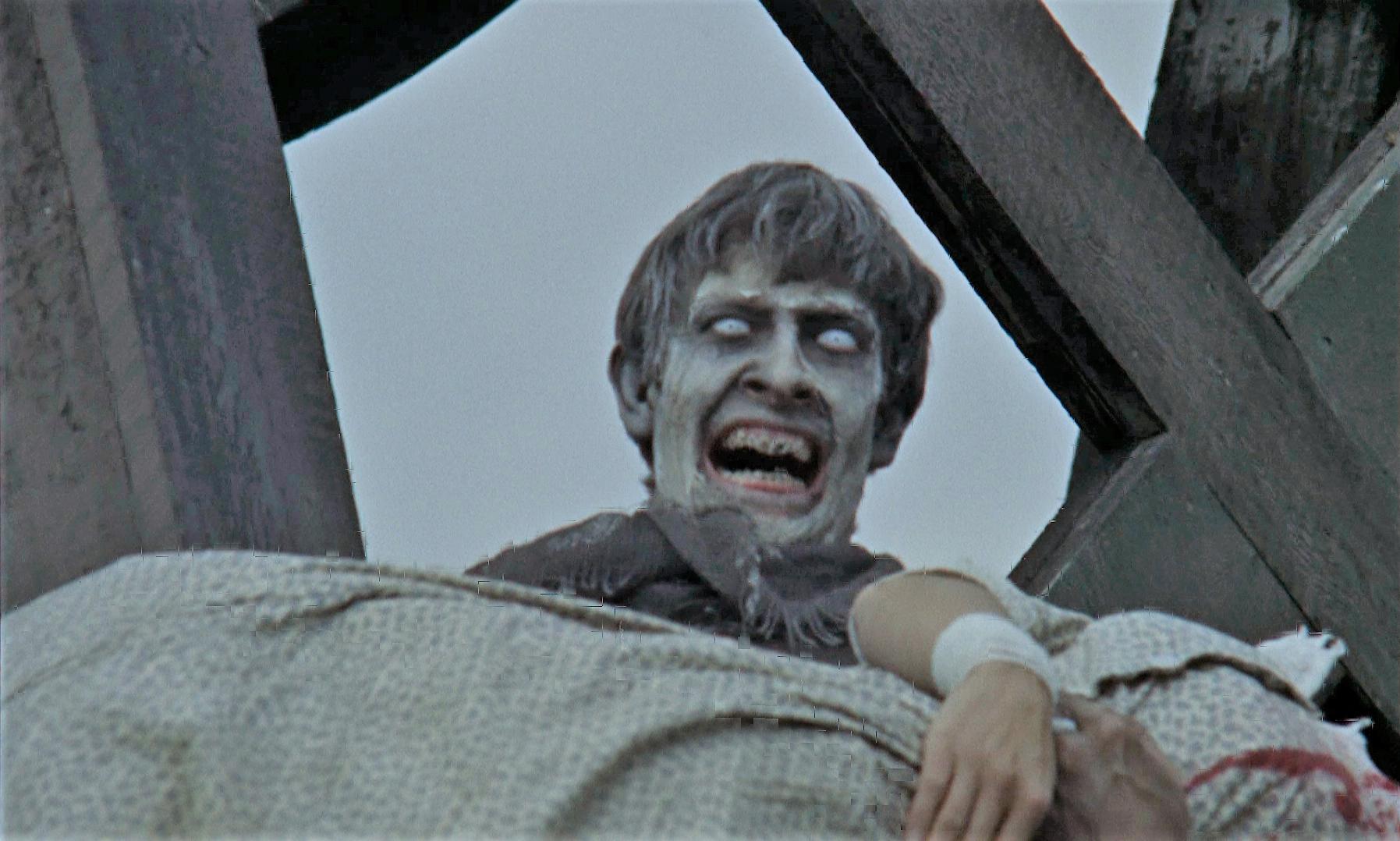
The Emu War, the latest offering from the prolific Australian comedy outfit Hot Dad Productions, is an unhinged take on the infamous Great Emu War of 1932. Following sold-out screenings at Monster Fest 2023, where the film clinched the coveted Golden Monster Award, the movie is set to hit national event screenings from June 21-23, 2023. Despite its purposefully crass nature and over-the-top tone, “The Emu War” offers a mixed bag of entertainment that may leave some audiences divided.

The film, a feature adaptation of a web series, leans heavily into its absurd premise: a rag-tag platoon of soldiers engaging in a brutal and bloody battle against Australia’s deadliest flightless birds. The narrative follows Major Meredith, haunted by the kidnapping of his son by the emus, as he leads his platoon behind enemy lines to confront the Queen Emu. This ludicrous storyline sets the stage for a barrage of jokes, sight gags, and comedic set pieces designed to elicit laughs through sheer audacity.

Starring some of Australia’s finest comedians, including Damian Callinan, Lisa Fineberg, Aaron Gocs, Dane Simpson, and Ben Russell, the film is packed with performances that range from genuinely funny to painfully over-the-top. While the ensemble cast brings undeniable energy and enthusiasm to their roles, the relentless pursuit of humour often comes at the expense of narrative coherence and character development.

Hot Dad Productions’ trademark style is evident throughout the film, with its crass humour and wild antics front and centre. However, this very quality may also be its downfall. The film’s crude jokes and grotesque humour, while initially amusing, quickly become repetitive and tiresome. Audiences expecting a more nuanced or satirical take on the historical event may find themselves disappointed by the film’s unwavering commitment to lowbrow comedy.

Moreover, the film’s production values, while commendable for a project of this scale, occasionally falter under the weight of its ambitions. Some action sequences and special effects feel amateurish, detracting from the overall viewing experience. The film’s pacing is also uneven, with moments of frenetic activity interspersed with slower, less engaging scenes that fail to maintain momentum.

Despite these shortcomings, The Emu War is not without its merits. The film’s willingness to embrace its ridiculous premise wholeheartedly is admirable, and there are moments of genuine hilarity scattered throughout. For fans of offbeat, irreverent humour, the film delivers exactly what it promises: an over-the-top, laugh-out-loud adventure that doesn’t take itself too seriously.

The Prognosis:

“The Emu War” is a bold and brash comedic endeavour that will likely polarise audiences. Its crass nature and relentless pursuit of humour make it a wild ride, but one that may not be to everyone’s taste. While it succeeds in creating moments of laughter and absurdity, the film’s overall execution leaves much to be desired. Whether this adventurous romp becomes a cult favourite or a forgotten footnote will depend largely on the audience’s appetite for its brand of humour.

  • Saul Muerte

THE EMU WAR will be screening nationally across 21- 23 June, with cast and crew in attendance at all Melbourne screenings, before its release on video on demand platforms on July 8.

Ghostbusters: Celebrating 40 Years of Supernatural Fun

08 Saturday Jun 2024

Posted by surgeons of horror in Uncategorized

≈ Leave a comment

As we mark the 40th anniversary of the release of “Ghostbusters,” it’s impossible not to reflect on the cultural phenomenon it became and the lasting impact it had on popular culture. When the film hit theaters in 1984, it wasn’t just another summer blockbuster; it was a game-changer that captured the imaginations of audiences around the world and spawned a franchise that continues to thrive to this day.

**The Birth of a Phenomenon**

Directed by Ivan Reitman and starring comedy legends Bill Murray, Dan Aykroyd, and Harold Ramis, “Ghostbusters” was a perfect storm of humor, supernatural thrills, and groundbreaking special effects. Audiences were drawn to the witty dialogue, memorable characters, and the irresistible charm of the Ghostbusters themselves.

From its iconic theme song to its unforgettable catchphrases (“Who ya gonna call?”), “Ghostbusters” quickly became a cultural touchstone, sweeping up the world with its blend of comedy and supernatural adventure. It wasn’t long before fans were donning homemade proton packs and quoting lines from the movie.

The Film Installments

Ghostbusters (1984):

The original film introduced audiences to the world of the Ghostbusters, a team of paranormal investigators who start a ghost-catching business in New York City. With its blend of comedy, horror, and groundbreaking special effects, “Ghostbusters” became an instant classic and remains beloved by fans to this day.

Ghostbusters II (1989):

The sequel reunited the original cast as they faced off against a new paranormal threat in New York City. While not as universally acclaimed as the original, it still delighted fans with its humor and special effects, further cementing the Ghostbusters as cultural icons.

The All-Female Ghostbusters Film:

In 2016, director Paul Feig took a bold step by rebooting the Ghostbusters franchise with an all-female cast, featuring Kristen Wiig, Melissa McCarthy, Kate McKinnon, and Leslie Jones. While the film received mixed reviews from critics and fans alike, it sparked important conversations about gender representation in Hollywood and brought a fresh perspective to the Ghostbusters universe.

Ghostbusters: Afterlife (2021):

After years of speculation and anticipation, “Ghostbusters: Afterlife” brought the franchise back to the big screen with a new generation of Ghostbusters. Directed by Jason Reitman, son of Ivan Reitman, the film paid homage to the original while introducing fresh characters and a new chapter in the Ghostbusters saga.

Ghostbusters: Frozen Empire (2024):

For the latest addition to the Ghostbusters universe, “Frozen Empire” promised to take fans on a chilling new adventure. Set in a remote arctic research facility, the Ghostbusters must confront a terrifying new threat that could unleash chaos upon the world. With the fate of humanity hanging in the balance, the team must use all of their skills and ingenuity to save the day.

The Cartoon Series

In addition to the films, “Ghostbusters” also found success on the small screen with the animated series “The Real Ghostbusters.” Running from 1986 to 1991, the show followed the adventures of the Ghostbusters as they battled supernatural threats across the city.

The Toy Franchise

Of course, no cultural phenomenon would be complete without a line of merchandise, and “Ghostbusters” was no exception. The franchise spawned a lucrative toy line featuring action figures, vehicles, and playsets inspired by the film and animated series. Collectors and fans alike clamored to get their hands on these iconic toys, further cementing the franchise’s place in pop culture history.

Celebrating Ghostbusters Day

Every year on June 8th, fans around the world come together to celebrate Ghostbusters Day, commemorating the release of the original film. From special screenings to cosplay events to social media tributes, Ghostbusters Day is a time for fans to show their love for the franchise and its iconic characters.

The Ghostbusters Game

Released in 2009, the Ghostbusters video game brought the franchise to a new generation of gamers. Featuring the voices and likenesses of the original cast, the game allowed players to step into the shoes of a new recruit and join the Ghostbusters on their ghost-catching adventures. Praised for its faithful recreation of the Ghostbusters universe and its engaging gameplay, the game remains a favorite among fans of the franchise.

As we celebrate 40 years of “Ghostbusters,” it’s clear that its legacy is as strong as ever. From its humble beginnings as a summer blockbuster to its status as a beloved cultural icon, “Ghostbusters” continues to capture the hearts and imaginations of fans around the world. With new films, television series, and merchandise on the horizon, it’s safe to say that the Ghostbusters will be entertaining audiences for many years to come. Who ya gonna call? Ghostbusters, of course!

  • Saul Muerte

Unveiling the Shadows: Exploring the Dark Depths of Peter Weir’s Films

26 Sunday May 2024

Posted by surgeons of horror in Uncategorized

≈ Leave a comment

Peter Weir stands as a cinematic virtuoso, renowned for his ability to construct visually captivating and emotionally stirring narratives that traverse realms both ordinary and extraordinary. From the enigmatic allure of “Picnic at Hanging Rock” to the existential intrigue of “The Truman Show,” Weir’s oeuvre has left an indelible mark on cinema. Yet, beneath the veneer of his seemingly tranquil tales lies a haunting undercurrent that delves into themes of control, conformity, and existential dread.

In “The Cars That Ate Paris,” Weir’s directorial debut, he presents a dystopian vision where the quaint Australian town of Paris survives by causing fatal car accidents and scavenging the wreckage. Amidst the wreckage and chaos, Weir explores the corrosive effects of greed and exploitation, unveiling the darkness that lurks beneath the facade of civilization. The film serves as a chilling allegory for the dehumanizing nature of consumerism and the consequences of unchecked ambition.

Similarly, “Picnic at Hanging Rock” transports viewers to the serene Australian outback, where the disappearance of several schoolgirls during a picnic unleashes a wave of hysteria and existential dread. As the mystery deepens and the search for the missing girls proves futile, Weir taps into the primal fear of the unknown and the fragility of human existence. Through ethereal imagery and haunting symbolism, Weir crafts a mesmerizing meditation on the enigmatic forces that shape our lives and the haunting mysteries that lie beyond our comprehension.

In “Dead Poets Society,” students at a conservative preparatory school grapple with the suffocating expectations of their parents and the institution itself, ultimately leading to tragic consequences. Weir masterfully captures the oppressive atmosphere of conformity and the dire consequences of challenging the status quo. The film serves as a poignant reminder of the high cost of individuality in a society that demands conformity above all else.

Moreover, “The Truman Show” presents a dystopian reality where Truman Burbank unknowingly lives his entire life within a meticulously crafted television set. Truman’s quest for truth and freedom becomes a compelling allegory for the existential angst of modern life, where individuals are manipulated and surveilled by unseen forces. Weir confronts the audience with uncomfortable questions about the nature of reality and the ethical implications of voyeurism and control.

Through “Witness,” Weir delves into the collision of cultures and the complexities of human nature. Set against the backdrop of an Amish community, the film explores themes of violence, redemption, and the clash between tradition and modernity. Through the character of John Book, a detective who seeks refuge in the Amish community after witnessing a murder, Weir examines the inherent darkness within humanity and the struggle for redemption in a morally ambiguous world.

Weir’s penchant for ambiguity and open-ended narratives further adds to the unsettling atmosphere of his films. In “The Last Wave,” protagonist David Burton is haunted by apocalyptic visions and enigmatic Aboriginal prophecies, blurring the lines between reality and hallucination. Weir challenges the audience to grapple with the ambiguity of truth and the limitations of human understanding.

While Peter Weir is often celebrated for his artistic vision and narrative craftsmanship, his films also serve as a potent reminder of the darker aspects of the human experience. Through his exploration of control, conformity, and existential dread, Weir invites audiences to confront uncomfortable truths about the world we inhabit and the forces that shape our lives. In peeling back the layers of his seemingly idyllic narratives, Weir reveals a profound and haunting portrait of the human condition.

  • Saul Muerte

“Gothic Grandeur and Macabre Majesty: Unveiling ‘The Pit and the Pendulum’ (1961) – Roger Corman’s Haunting Masterpiece Starring Vincent Price!”

24 Friday May 2024

Posted by surgeons of horror in Uncategorized

≈ Leave a comment

As we journey back to the dark and twisted realms of horror cinema, one name stands out like a beacon of macabre brilliance: Roger Corman. And in the annals of his legacy, “The Pit and the Pendulum” (1961) shines with a particularly eerie glow. This cinematic adaptation of Edgar Allan Poe’s bone-chilling tale is a testament to Corman’s mastery of the genre, his keen eye for atmospheric detail, and his knack for coaxing spine-tingling performances from his actors.

At the heart of “The Pit and the Pendulum” lies the inimitable Vincent Price, whose portrayal of the tortured protagonist, Nicholas Medina, is nothing short of mesmerizing. Price’s ability to convey a sense of creeping dread with little more than a glance or a whisper is a testament to his status as the undisputed king of Gothic horror. His collaboration with Corman on the Edgar Allan Poe films remains legendary, with each installment pushing the boundaries of cinematic terror to new and terrifying heights.

But it’s not just Price’s performance that elevates “The Pit and the Pendulum” to classic status – it’s Corman’s deft direction and keen understanding of Poe’s dark and twisted universe. From the claustrophobic corridors of the Medina castle to the infernal machinations of the titular pendulum itself, Corman creates a world that is as beautiful as it is horrifying, a place where the line between reality and nightmare blurs with terrifying ease.

And so, as we look back on “The Pit and the Pendulum” with a mixture of awe and reverence, we must also pay tribute to the man behind the madness: Roger Corman. His visionary work on this film, along with his enduring collaboration with Vincent Price and his dedication to bringing Edgar Allan Poe’s chilling tales to life, has left an indelible mark on the world of horror cinema. Though Corman may no longer walk among us, his legacy lives on in the countless nightmares he’s unleashed upon unsuspecting audiences – and for that, we are eternally grateful.

  • Saul Muerte

“Roger Corman: Pioneering a Legacy of Innovation and Mentorship in Cinema”

“Exploring the Cinematic Legacy: 10 Influential Films by Roger Corman”https://www.youtube.com/watch?v=QChBy15UiTs

← Older posts
Newer posts →

Subscribe

  • Entries (RSS)
  • Comments (RSS)

Archives

  • May 2026
  • April 2026
  • March 2026
  • February 2026
  • January 2026
  • December 2025
  • November 2025
  • October 2025
  • September 2025
  • August 2025
  • July 2025
  • June 2025
  • May 2025
  • April 2025
  • March 2025
  • February 2025
  • January 2025
  • December 2024
  • November 2024
  • October 2024
  • September 2024
  • August 2024
  • July 2024
  • June 2024
  • May 2024
  • April 2024
  • March 2024
  • February 2024
  • January 2024
  • November 2023
  • October 2023
  • September 2023
  • August 2023
  • July 2023
  • June 2023
  • May 2023
  • April 2023
  • March 2023
  • February 2023
  • January 2023
  • November 2022
  • October 2022
  • September 2022
  • August 2022
  • July 2022
  • June 2022
  • April 2022
  • March 2022
  • February 2022
  • January 2022
  • December 2021
  • November 2021
  • October 2021
  • September 2021
  • August 2021
  • July 2021
  • June 2021
  • May 2021
  • April 2021
  • March 2021
  • February 2021
  • January 2021
  • December 2020
  • November 2020
  • October 2020
  • September 2020
  • August 2020
  • July 2020
  • June 2020
  • May 2020
  • April 2020
  • March 2020
  • February 2020
  • January 2020
  • December 2019
  • November 2019
  • October 2019
  • September 2019
  • July 2019
  • June 2019
  • May 2019
  • April 2019
  • March 2019
  • February 2019
  • January 2019
  • December 2018
  • November 2018
  • October 2018
  • September 2018
  • August 2018
  • July 2018
  • June 2018
  • May 2018
  • April 2018
  • March 2018
  • February 2018
  • January 2018
  • December 2017
  • November 2017
  • October 2017
  • September 2017
  • August 2017
  • July 2017
  • June 2017
  • May 2017
  • April 2017
  • March 2017
  • February 2017
  • January 2017
  • December 2016
  • November 2016
  • October 2016
  • September 2016
  • August 2016
  • July 2016
  • June 2016
  • May 2016

Categories

  • A Night of Horror Film Festival
  • Alien franchise
  • Alliance Francaise French Film Festival
  • Australian Horror
  • Best Movies and Shows
  • Competition
  • dark nights film fest
  • episode review
  • Flashback Fridays
  • Friday the 13th Franchise
  • Full Moon Sessions
  • Halloween franchise
  • In Memorium
  • Interview
  • japanese film festival
  • John Carpenter
  • killer pigs
  • midwest weirdfest
  • MidWest WierdFest
  • MonsterFest
  • movie article
  • movie of the week
  • Movie review
  • New Trailer
  • News article
  • podcast episode
  • podcast review
  • press release
  • retrospective
  • Rialto Distribution
  • Ring Franchise
  • series review
  • Spanish horror
  • sydney film festival
  • Sydney Underground Film Festival
  • The Blair Witch Franchise
  • the conjuring franchise
  • The Exorcist
  • The Howling franchise
  • Top 10 list
  • Top 12 List
  • top 13 films
  • Trash Night Tuesdays on Tubi
  • umbrella entertainment
  • Uncategorized
  • Universal Horror
  • Wes Craven
  • wes craven's the scream years

Meta

  • Create account
  • Log in

Blog at WordPress.com.

  • Subscribe Subscribed
    • Surgeons of Horror
    • Join 220 other subscribers
    • Already have a WordPress.com account? Log in now.
    • Surgeons of Horror
    • Subscribe Subscribed
    • Sign up
    • Log in
    • Report this content
    • View site in Reader
    • Manage subscriptions
    • Collapse this bar

Loading Comments...