• About
  • podcasts
  • Shop

Surgeons of Horror

~ Dissecting horror films

Surgeons of Horror

Category Archives: Uncategorized

The Psychopath (1966): Freddie Francis’ Haunting Vision Elevates a Chilling Whodunit

17 Thursday Oct 2024

Posted by surgeons of horror in Uncategorized

≈ Leave a comment

Tags

british horror, freddie francis, john standing, Patrick Wymark, thorley walters

Freddie Francis, the esteemed British cinematographer and director, made a notable return to the horror genre in 1966 with The Psychopath. Known for his impeccable visual storytelling, Francis elevates this otherwise standard thriller into something more atmospheric and unnerving. While it may not stand as a high point in the history of 1960s horror, the film benefits from Francis’ distinctive eye and strong performances from its cast, making it a memorable entry in the decade’s wave of psychological horror.

The plot centers around a series of mysterious murders, with each victim found near a doll resembling them. The link to a tragic past event involving a deceased war criminal adds a layer of intrigue as Inspector Holloway (Patrick Wymark) dives into the investigation. But the heart of The Psychopath is not just its narrative—it’s how Francis builds tension through his chilling visual style, bringing a rich, almost surreal atmosphere to an otherwise straightforward murder mystery.

Francis’ visual expertise shines throughout the film, particularly in the use of shadows and lighting to create an air of claustrophobia and tension. The way he frames key moments—particularly the scenes involving the dolls—lends an eerie, almost Gothic quality to the film, reminiscent of his earlier work with Hammer Films. His background as a cinematographer is especially evident in the beautifully composed shots and meticulous attention to detail in creating the unsettling mood.

The performances are also strong, with Patrick Wymark delivering a solid turn as the determined inspector. Margaret Johnston, as the unsettling Mrs. Von Sturm, is wonderfully creepy, bringing an icy presence to the screen that lingers long after the film ends. John Standing and Alexander Knox round out the cast, delivering performances that serve the tension well, even as the plot begins to wobble in places.

However, The Psychopath suffers from a script that doesn’t quite match the strength of its direction and performances. The story unfolds predictably, and while the mystery has moments of tension, it never quite breaks free from the genre tropes of the time. The pacing is uneven, and the film’s final act, while chilling, feels slightly rushed.

Despite these shortcomings, Freddie Francis’ work behind the camera is what truly gives The Psychopath its lasting impact. His ability to craft mood and tension through the lens is unparalleled, making even the most ordinary moments bristle with a quiet menace. In this way, the film rises above its limitations, showcasing once again Francis’ remarkable talent for transforming the mundane into the macabre.

While not the most innovative or terrifying film of the decade, The Psychopath remains a worthwhile watch, particularly for fans of Freddie Francis’ distinct visual style and those who appreciate the more atmospheric side of 1960s horror. It stands as a reminder of how style and atmosphere can elevate even the simplest of stories.

  • Saul Muerte

1966: The Year Hammer Owned Horror

09 Wednesday Oct 2024

Posted by surgeons of horror in Uncategorized

≈ 5 Comments

By 1966, Hammer Films had cemented its place as the dominant force in gothic horror, captivating audiences with its atmospheric settings, chilling villains, and signature blend of gore and mood. However, the year also marked a turning point for the company, as Hammer began to experiment with different subgenres, expanding its repertoire while still clinging to its horror roots. This was the year Hammer reminded the world it could not only scare them but could haunt them long after the credits rolled.

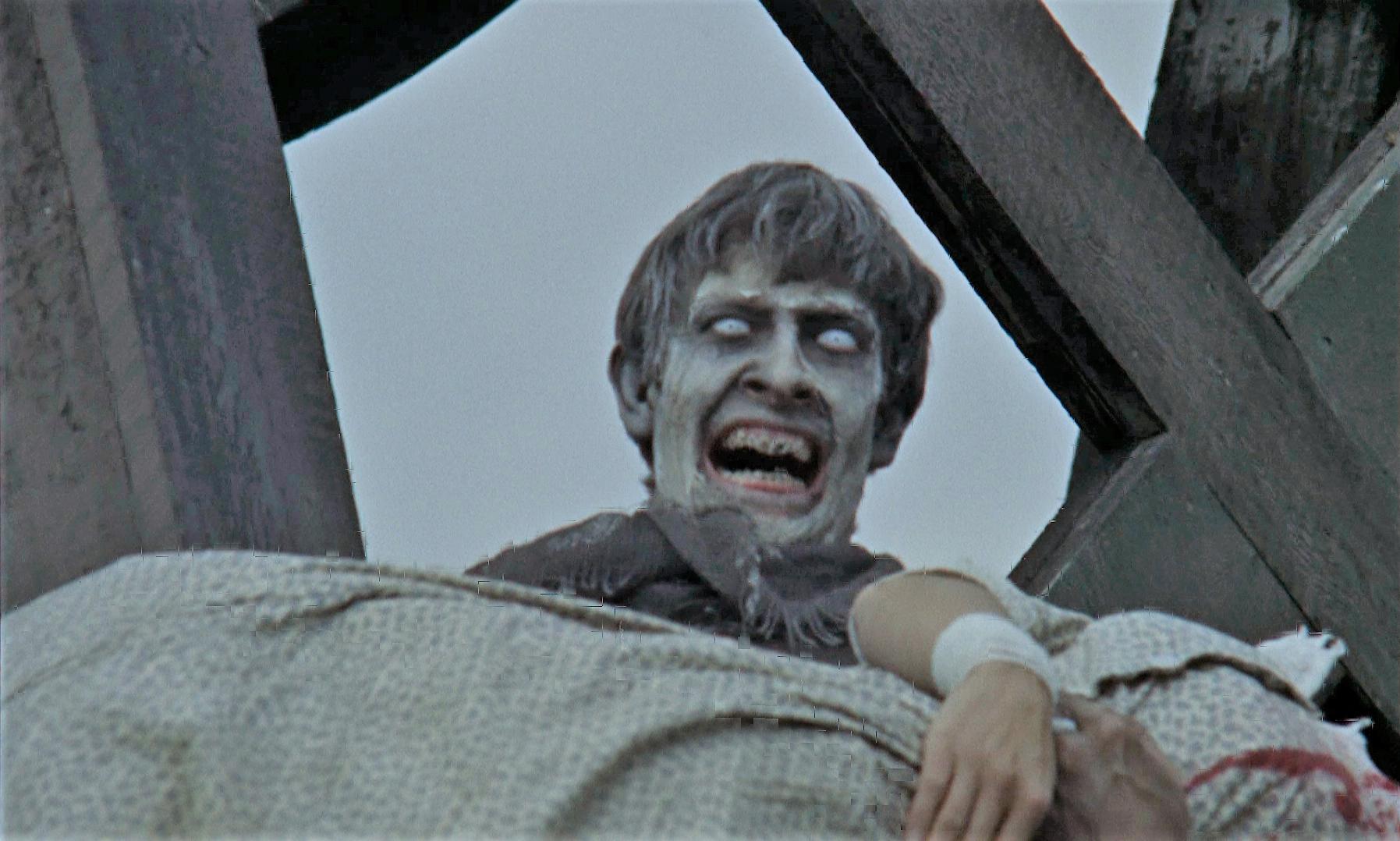
The standout among the five releases that year was Dracula: Prince of Darkness, which saw Christopher Lee return to the role that had made him synonymous with the infamous Count. Alongside it, films like The Plague of the Zombies and The Reptile ventured into new territory, testing the limits of traditional horror by mixing gothic dread with more exotic and psychological horror stories. Each film brought something fresh to Hammer’s catalog, reinforcing the studio’s status as the reigning master of fear.

In this series, we’ll revisit the five films that made 1966 Hammer’s most influential year, exploring how each one contributed to the studio’s enduring legacy. Though Hammer had found great success before, this was the year they owned horror, shaping the future of the genre in ways that continue to resonate.

Dracula: Prince of Darkness
The Plague of Zombies
Rasputin: The Mad Monk
The Reptile
The Witches

Audition (1999): A Harrowing Balance of Feminism, Misogyny, and J-Horror Mastery

01 Tuesday Oct 2024

Posted by surgeons of horror in Uncategorized

≈ Leave a comment

Takashi Miike’s Audition is a film that blurs the line between genres, perceptions, and expectations. Initially masquerading as a melancholic romance, it stealthily devolves into a nerve-shattering nightmare that helped cement the late 1990s surge of the J-horror movement. But more than just a horror film, Audition is a visceral exploration of feminism, misogyny, and the grotesque power dynamics between men and women.

At its core, Audition presents itself as a critique of patriarchal entitlement. The premise, in which a middle-aged widower, Aoyama, uses a fake casting call to audition women for a potential new wife, unfolds like a manifestation of male objectification. His desire to “choose” the perfect partner through deception echoes centuries of male-dominated narratives. This setup is a classic male fantasy—until it unravels into a female nightmare, and Miike deftly shifts the audience’s sympathies.

Enter Asami Yamazaki, played by Eihi Shiina, one of the most compelling antagonists in modern cinema. Asami initially appears soft-spoken, delicate, and vulnerable, but she quickly becomes the embodiment of pent-up rage against male oppression. Her transformation is as much a shock to the audience as it is to Aoyama, turning from passive prey into the embodiment of vengeance. Asami’s cruelty is chilling not because it’s unexplained, but because it feels so justifiable within the framework of the film. She avenges not only her own pain but the collective trauma of silenced women, using sadistic torture as her means of expression. Asami’s soft “Kiri, kiri, kiri” during the film’s climax is one of the most terrifying and iconic moments in cinema—a sweet whisper of brutality that echoes long after the film ends.

Audition also stands as a pivotal film in the torture-horror subgenre, long before “torture porn” was coined to describe Western films like Saw and Hostel. What separates Miike’s film is the emotional and psychological depth behind the violence. The infamous torture scene—where Aoyama is rendered immobile and subjected to unspeakable pain—is not just there for shock value. It reflects deeper themes of control, vengeance, and the fragility of human bodies and relationships. It’s a slow, methodical build-up to terror, with Miike ensuring that every second of pain is felt by both the characters and the audience.

Released at the height of the J-horror wave alongside films like Ringu and Ju-on, Audition managed to stand apart due to its hybrid nature. While Ringu and its peers focused on supernatural dread, Audition delves into the psychological horror of human relationships. The supernatural in Miike’s world is implied rather than overt—it’s in the dreamlike sequences, the uncanny disconnect between Asami’s sweet demeanor and her sadism, and the eerie stillness that pervades every frame. Miike’s use of restrained cinematography, especially in the film’s first half, lulls the viewer into a false sense of security before pulling the rug out in the third act, transforming romantic subtleties into abject terror.

The film’s feminism and misogyny walk hand in hand, both reflecting and critiquing societal norms. Asami’s vengeance, in a sense, can be seen as a rebuke to the ingrained misogyny Aoyama represents, but Miike also uses Asami’s character to question the extremities of feminist retaliation. Her actions are simultaneously righteous and monstrous, blurring the lines between victim and villain. This duality forces the viewer to grapple with their own moral compass, never offering a clean resolution or simple interpretation.

Audition is a film that lingers. Its depiction of torture, emotional manipulation, and gender politics still resonates in modern horror. Asami Yamazaki remains an unforgettable figure, not just in J-horror but in global cinema—a character as terrifying as she is tragic. Audition is a masterpiece that’s not just about horror but about the human capacity for cruelty, control, and vengeance.

Takashi Miike’s work here is a testament to the power of cinema to provoke, unsettle, and challenge. With Audition, he delivered a film that stands tall in the pantheon of horror, one that haunts the mind long after the final frame.

  • Saul Muerte

Planet of the Vampires (1965) – A Pulpy Sci-Fi Horror Classic with Mario Bava’s Visionary Flair

27 Friday Sep 2024

Posted by surgeons of horror in Uncategorized

≈ Leave a comment

My growing admiration for Mario Bava’s work finds yet another source of wonder in Planet of the Vampires (1965), a film that transcends its modest origins to deliver an atmospheric, visually stunning slice of 1960s sci-fi horror. Though rooted in pulp fiction sensibilities, the film’s eerie mood, bold use of colour, and creative set design elevate it far beyond its budgetary constraints, showcasing Bava’s gift for transforming the ordinary into the otherworldly.

The plot is pure pulp: a crew of space explorers lands on a distant, uncharted planet, only to fall victim to malevolent forces that reanimate the dead, turning them against their comrades. While the premise might not be groundbreaking, it’s the execution that makes Planet of the Vampires stand out. Bava leans heavily into the claustrophobic tension, crafting a nightmare where the dangers are as much psychological as physical. His signature use of shadow and lighting creates an atmosphere drenched in dread, with the fog-shrouded alien landscapes providing a haunting backdrop to the creeping terror.

What makes Planet of the Vampires particularly exciting is how it blends genres. It’s a mash-up of sci-fi adventure and Gothic horror, with clear influences from the pulp magazines of the early 20th century. You can feel the echoes of H.P. Lovecraft’s cosmic horror mixed with the adventure spirit of Flash Gordon. And though the title suggests a vampire movie, the creatures here are something more akin to body-snatching ghouls, lending an eerie twist to the undead motif.

Bava’s influence on later sci-fi horror is undeniable. From the claustrophobic dread to the slow-building paranoia among the crew, Planet of the Vampires laid the groundwork for films like Alien (1979). Even Ridley Scott and writer Dan O’Bannon have acknowledged the film’s impact on their sci-fi masterpiece. The reanimated crew members, stalking their former allies through the dimly lit corridors, predate the chest-bursting Xenomorphs in both style and tension.

The performances, while sometimes stiff, serve the pulpy charm of the film. Barry Sullivan anchors the story as Captain Markary, whose stoic leadership contrasts with the creeping fear overtaking his crew. But it’s not the performances that leave the biggest mark—it’s Bava’s visual style. His use of vibrant colours, from the deep reds and blues to the swirling mists and eerie lighting, makes the alien world feel both dreamlike and menacing. Despite the obvious limitations of the film’s budget, Bava’s ingenuity with special effects and set design makes Planet of the Vampires a testament to his ability to craft immersive, visually striking worlds.

While the film’s pacing can be uneven at times, and its plot falls into some predictable beats, there’s an undeniable charm to its pulpy roots. This is a film that wears its inspirations on its sleeve and revels in them, combining elements of Gothic horror, space adventure, and otherworldly thrills into a uniquely compelling package.

The Prognosis:

Planet of the Vampires is a testament to Mario Bava’s mastery of atmosphere and visual storytelling. It may not reach the heights of his other works like Black Sunday or Blood and Black Lace, but its influence on sci-fi horror and its sheer style makes it a must-watch for fans of the genre. My growing love for Bava’s work only deepens with films like this, which take the limitations of the genre and mold them into something visually captivating, eerily beautiful, and undeniably influential.

  • Saul Muerte

House of Terrors (1965) – A Unique, Atmospheric Spin on The Haunting

12 Thursday Sep 2024

Posted by surgeons of horror in Uncategorized

≈ Leave a comment

Hajime Satô’s House of Terrors (Kaibyô Noroi no Yakata) is an intriguing entry into the haunted house genre, offering a distinctive Japanese take on the themes explored in Robert Wise’s The Haunting (1963). While it doesn’t quite reach the heights of its inspiration, House of Terrors manages to deliver an eerie, atmospheric experience that will appeal to fans of slow-burn horror.

The film follows a grieving widow who inherits a secluded mansion after her husband’s mysterious death. Accompanied by her maid, she soon discovers that the mansion harbours vengeful spirits, including that of her late husband. This setup, while familiar, is given a fresh twist through the lens of Japanese folklore and cultural nuances, which add layers of intrigue to the unfolding mystery.

One of the film’s strongest aspects is its use of atmosphere. Satô skillfully crafts a sense of dread, utilising the mansion’s shadowy corridors and haunting silence to build tension. The cinematography, with its unsettling angles and effective use of light and shadow, is clearly influenced by The Haunting. However, House of Terrors injects its own flavor, with a more surreal and dreamlike quality that distinguishes it from its Western counterparts.

The pacing, while deliberately slow, serves to heighten the sense of unease. House of Terrors takes its time to unravel its story, allowing the viewer to sink into the eerie world it creates. While this approach might test the patience of some viewers, it also rewards those who appreciate a more measured build-up. The climax, though not as explosive as one might hope, is still satisfying in its own way, offering a resolution that is both haunting and thought-provoking.

The performances are solid, if not particularly memorable. The cast does a commendable job with the material, especially given the film’s focus on atmosphere over character development. The widow’s descent into fear and paranoia is portrayed with subtlety, and while the characters might not be as fully fleshed out as one would like, they serve their purpose within the narrative.

What sets House of Terrors apart is its unique blend of Western and Eastern horror elements. The film’s ghostly apparitions and cursed mansion are classic horror tropes, but the way Satô infuses them with Japanese cultural motifs and folklore gives the film a distinct identity. This cross-cultural approach adds an extra layer of interest, particularly for viewers familiar with the genre.

However, House of Terrors is not without its flaws. The slow pacing, while effective in building atmosphere, can also feel a bit meandering at times. Some scenes stretch on longer than necessary, which can dilute the tension rather than amplify it. Additionally, the film’s reliance on atmosphere means that it occasionally sacrifices narrative coherence, leaving certain plot points underdeveloped.

Despite these shortcomings, House of Terrors is an engaging watch, particularly for those who enjoy classic haunted house stories with a twist. It may not achieve the same level of psychological horror as The Haunting, but its atmospheric visuals and unique cultural perspective make it a noteworthy addition to the genre. For fans of Japanese horror and Gothic cinema alike, this film offers a moody, unsettling journey into the supernatural.

  • Saul Muerte

Axes, Anguish, and Twists: Strait-Jacket Still Cuts Deep in the World of Psychological Thrillers

24 Saturday Aug 2024

Posted by surgeons of horror in Uncategorized

≈ Leave a comment

William Castle, the maestro of gimmick-laden horror, struck gold once again with Strait-Jacket, a psychological thriller that plays expertly with twists, turns, and the audience’s expectations. Released in 1964, the film stars Joan Crawford in a role that both revitalized her career and added another layer of depth to the “woman on the edge” persona she had so famously crafted.

The film’s narrative is a carefully constructed web of suspense and misdirection. Crawford plays Lucy Harbin, a woman who, after spending 20 years in a mental institution for the brutal axe murders of her husband and his lover, is released and reunited with her daughter. The plot hinges on whether Lucy has truly been rehabilitated or if she’s destined to repeat her murderous past. Castle masterfully plays with this uncertainty, leading the audience down one path only to jerk them violently down another. The film’s twists are meticulously timed, ensuring that the viewer is constantly kept on edge.

One of the most significant twists comes towards the end of the film, where the true nature of the murders is revealed. It’s a moment that not only shocks but also recontextualizes everything that has come before it, showcasing Castle’s ability to craft a narrative that’s as clever as it is chilling. The film’s climactic reveal is as satisfying as it is unexpected, leaving audiences with that perfect blend of surprise and inevitability that marks the best thrillers.

Crawford’s performance is the linchpin of Strait-Jacket. She brings a raw intensity to Lucy Harbin, capturing the character’s fragility and barely contained rage. It’s a role that requires her to oscillate between vulnerability and menace, and she does so with the ease of a seasoned pro. The film plays off her established screen persona, using her status as a Hollywood icon to enhance the narrative’s tension. Her mere presence in the film adds an extra layer of unpredictability, making the viewer question whether she’s the hero or the villain of the piece.

Castle’s direction in Strait-Jacket is both stylish and efficient. Known for his penchant for theatrical gimmicks, Castle wisely lets the film’s story and performances take center stage here, though he doesn’t entirely abandon his flair for showmanship. The film’s atmosphere is thick with dread, amplified by a haunting score and stark cinematography that captures the claustrophobic nature of Lucy’s world. Castle’s use of visual motifs—like the recurring image of the axe—serves to reinforce the film’s themes of madness and violence.

While Strait-Jacket may not be as overtly gimmicky as some of Castle’s other works, it’s no less effective. The film’s success lies in its ability to keep the audience guessing, all the while delivering the kind of thrills that Castle’s name became synonymous with.

The Prognosis:

In the pantheon of William Castle’s filmography, Strait-Jacket stands out as one of his most accomplished efforts. It’s a film that uses its twists and turns not just to shock, but to engage the viewer in a deeper psychological game. Anchored by Joan Crawford’s tour-de-force performance and Castle’s confident direction, Strait-Jacket remains a standout example of 1960s psychological horror. For fans of classic thrillers, it’s a must-watch that showcases the best of what the genre has to offer.

  • Saul Muerte

SUFF 2024 – Movie Review: Vulcanizadora (2024)

23 Friday Aug 2024

Posted by surgeons of horror in Uncategorized

≈ Leave a comment

In order to connect with Vulcanizadora you can either go in cold like I did and trust in its flow, or try in some ways to understand its creator, American film director and screenwriter, Joel Potrykus. Now into his fifth feature film, Potrykus has established the moniker, “The New King of Underground Cinema” for his dalliance in the newly formed sub genre metal slackerism. In fact, Vulcanizadora is in itself a sequel from his earlier feature Buzzard, picking up with its two central characters Marty (Joshua Burge) and Derek (played by Potrykus. Not that you need to have seen Buzzard before this as Vulcanizadora serves as a scrutiny of these characters 10 years later with a focus on the impacts and hardships of middle aged men who bear no driving force or will to carry them through life and instead are drifting aimlessly. What traumatic history they have ebbs to the surface, threatening to claw its way out of the skin to make an impact, but our two leads are all two willing to wallow and bury their inner feelings to the detriment of their own wellbeing. The psychological impact this has will soon come crashing down around them and the consequences must be addressed before their souls can finally rest.

While all that may sound deep, the manner in which Potrykus handles their journey is painfully funny, and profoundly introspective, that by the journey’s end, will leave its own residual energy with you, to ponder; a sign of a director who not only owns his vision, but utilises it in a fashion that will connect and deliver this message with significant feeling or emotion.

The Prognosis:

Part of this appeal is the synergy crafted in Potrykus’ choice in music, weaving together the harmonious vocals of Maria Callas operatics and then fusing this with a juxtaposing contrast with the raw and gritty chords from Sepultura. This in many ways is a metaphor for the whole film, constantly drifting between a calm, serene experience where nature surrounds us all providing time for transcendence but is swiftly followed by a cut to the cerebral, grounding reality of life and its many obstacles. How we choose to embrace or battle these elements in life will either make us or break us, but to face up to these challenges, one must be true to yourself; a pool that Potrykus enjoys playing in. We encourage you to take the trip and raise your own questions.

  • Saul Muerte

Catch the screening of Vulcanizadora at the Sydney Underground Film Festival at Dendy, Newtown.

Screening times and tickets available below:

FRIDAY 13TH SEPTEMBER – 3PM

SUNDAY 15TH SEPTEMBER – 1:30PM

The Old Dark House (1963): A Mismatched Attempt to Recreate a Classic

26 Friday Jul 2024

Posted by surgeons of horror in Uncategorized

≈ Leave a comment

When William Castle, known for his gimmicky horror films, teamed up with Hammer Films, the collaboration seemed promising on paper. Castle, with his flair for sensationalism, and Hammer, with its reputation for producing quality horror, seemed like a match made in cinematic heaven. However, their 1963 remake of The Old Dark House ultimately struggled to rise from the shadows cast by the 1932 Universal Pictures version directed by James Whale and starring Boris Karloff.

The original The Old Dark House is revered as a classic, blending atmospheric horror with dark comedy. Karloff’s menacing presence and Whale’s masterful direction created an eerie and engaging experience. Castle’s remake, while attempting to honor the original, unfortunately, falls short in capturing the same magic.

One of the main issues was the decision to play the film as a comedy horror. While the 1932 version had its share of dark humor, Castle’s approach leaned heavily on the comedic elements, which didn’t quite resonate with audiences. The tone was inconsistent, and the humor often felt forced, detracting from the suspense and horror that the story needed. This misstep in tone was particularly problematic for British audiences, where the film’s distribution faced significant challenges. The comedy horror angle proved to be a difficult sell, and as a result, the film struggled to find its footing in the UK market.

Despite the film’s shortcomings, there were some notable aspects to appreciate. The cast, featuring Tom Poston, Robert Morley, and Janette Scott, delivered commendable performances. Poston, in particular, brought a certain charm to his role, and Morley’s portrayal of Roderick Femm added a touch of eccentricity. Additionally, the film’s twist, while not groundbreaking, provided a gleeful deviation from the expected and injected some much-needed intrigue into the story.

Visually, Castle’s version does have its moments. The set design captures the Gothic atmosphere well, and there are flashes of creativity in the cinematography. However, these elements are not enough to elevate the film above its structural weaknesses.

The alliance between Castle and Hammer Films was an unfortunate mismatch. Castle’s penchant for campy horror and Hammer’s traditional Gothic approach didn’t blend seamlessly, resulting in a film that felt disjointed. The potential for a successful remake was there, but the execution fell flat, hindered by conflicting creative visions and an ill-conceived genre blend.

The Prognosis:

The Old Dark House (1963) is a somewhat failed attempt to recreate a classic. While it boasts a promising cast and a few enjoyable moments, it struggles to make a lasting impact. The mismatched collaboration between William Castle and Hammer Films, combined with the difficulties of balancing comedy and horror, ultimately hindered the film’s success. For those interested in exploring Castle’s filmography or Hammer’s ventures into different genres, it remains a curious but flawed entry in their respective catalogues.

  • Saul Muerte

Celebrating 25 Years of The Blair Witch Project: The Genius of What We Don’t See

14 Sunday Jul 2024

Posted by surgeons of horror in Uncategorized

≈ Leave a comment

As we mark the 25th anniversary of The Blair Witch Project, it’s a fitting time to reflect on what made this film a groundbreaking piece of horror cinema. Released in 1999, Daniel Myrick and Eduardo Sánchez’s found footage phenomenon redefined the genre, not through what it showed, but through the terrifying power of what it didn’t.

The true genius of The Blair Witch Project lies in its ability to immerse audiences in an intricate web of legends and backstories, masterfully crafted to blur the lines between fiction and reality. Central to this mythos is the enigmatic figure of Elly Kedward, the Blair Witch herself, a woman accused of witchcraft and banished from Blair, Maryland, in the late 18th century. Her vengeful spirit is said to haunt the Black Hills Forest, where the film’s events unfold.

The lore extends further with tales of Eileen Treacle, a young girl who drowned in 1825, and Robin Weaver, a child who went missing in 1886, both supposedly victims of the Blair Witch. The chilling accounts of Coffin Rock, where five men were found ritualistically slaughtered, and Rustin Parr, a hermit who murdered seven children under the witch’s influence, add layers of dread and intrigue to the story. These elements, meticulously detailed in the film’s supplementary materials, create a rich tapestry that fuels the viewer’s imagination and fear.

The massacre of the Burkittsville Seven, where Parr’s victims met their gruesome end, is perhaps one of the most unsettling parts of the legend. The graphic details of their fate, revealed through interviews and historical documents within the narrative, enhance the film’s realism and horror. This backstory isn’t just background noise; it’s the foundation upon which the entire atmosphere of the film is built.

The Blair Witch Project also arrived at a pivotal moment in the evolution of the internet. The filmmakers ingeniously leveraged the burgeoning online community to propagate the mythos, creating one of the first viral marketing campaigns. Websites, message boards, and mockumentaries provided “evidence” and “testimonials” that blurred the lines between reality and fiction, convincing many that the events depicted were real. This innovative use of the internet not only amplified the film’s reach but also its psychological impact, leaving audiences questioning the boundaries of reality.

Beyond the film itself, the Blair Witch universe expanded into various media, enriching the lore and keeping the legend alive. The Blair Witch Project: A Dossier provided a deeper dive into the mythology, presenting police reports, interviews, and other documents that added to the authenticity and mystery. Comic books explored new narratives and characters, while video games allowed fans to experience the horror firsthand, navigating the eerie Black Hills Forest themselves.

The genius of The Blair Witch Project is that it understands fear’s most potent form comes from within. By constructing an elaborate backstory and creating a sense of realism through minimalism and suggestion, the film leaves much to the viewer’s imagination. This approach taps into our primal fears, making the unseen and the unknown the real stars of the movie.

As we celebrate the 25th anniversary of The Blair Witch Project, we recognize its lasting impact on the horror genre and its innovative use of storytelling and marketing. The film’s legacy is a testament to the power of suggestion and the enduring allure of folklore. It’s a reminder that sometimes, the most terrifying horrors are those we can’t see.

  • Saul Muerte

Podcasts:

The Blair Witch Franchise

Eduardo Sanchez interview

1960s Retrospective: Diary of a Madman (1963)

29 Saturday Jun 2024

Posted by surgeons of horror in Uncategorized

≈ Leave a comment

Tags

diary of a madman, eliis w carter, guy de maupassant, le horla, reginald le borg, Vincent Price

Diary of a Madman (1963), directed by Reginald Le Borg and starring Vincent Price, is a psychological horror film that delves into the darker recesses of the human mind. Based on Guy de Maupassant’s short story “Le Horla,” the film showcases Price in one of his most compelling performances. This retrospective review will examine the film’s strengths, including its psychological depth, Price’s masterful performance, and its effective execution within the horror genre.

At its core, Diary of a Madman explores themes of madness, possession, and the fragile nature of reality. The story follows Magistrate Simon Cordier (Vincent Price), who becomes tormented by an invisible entity known as the Horla after executing a condemned murderer. The Horla represents an external manifestation of Cordier’s inner demons, blurring the line between supernatural horror and psychological breakdown.

The film’s narrative is steeped in psychological tension, effectively conveying Cordier’s descent into madness. The Horla’s influence over Cordier highlights the struggle between sanity and insanity, illustrating how a seemingly rational man can be driven to the brink by forces beyond his control. This psychological complexity adds a layer of depth to the film, making it more than just a typical horror movie.

Vincent Price delivers a tour de force performance as Simon Cordier. His portrayal is nuanced and multifaceted, capturing the gradual erosion of Cordier’s sanity with remarkable subtlety. Price’s ability to convey fear, desperation, and vulnerability elevates the character, making Cordier a sympathetic and tragic figure.

Price’s performance is marked by his distinctive voice and expressive face, which convey a wide range of emotions. Whether he is confronting the Horla or grappling with his own doubts and fears, Price imbues Cordier with a sense of realism and depth. His performance is the film’s anchor, providing a compelling center around which the horror unfolds.

Diary of a Madman effectively blends supernatural horror with psychological thriller elements, creating a film that is both eerie and thought-provoking. The Horla, though invisible, is a palpable presence throughout the film, its malevolent influence felt in Cordier’s every action and decision. The film’s use of sound and shadow enhances this sense of dread, creating an atmosphere of impending doom.

The film’s pacing is deliberate, allowing the tension to build gradually as Cordier’s grip on reality weakens. This slow burn approach heightens the psychological horror, drawing the audience into Cordier’s increasingly paranoid and claustrophobic world. The use of practical effects and subtle visual cues to suggest the Horla’s presence is effective, avoiding the need for overt special effects and allowing the audience’s imagination to fill in the gaps.

Le Borg’s direction is confident and assured, guiding the audience through Cordier’s psychological torment with a deft hand. The cinematography by Ellis W. Carter is atmospheric, making excellent use of shadows and lighting to create a sense of unease. The production design, with its gothic interiors and period details, enhances the film’s mood and setting.

The screenplay, adapted from Maupassant’s story, remains faithful to the source material while expanding on its themes and characters. The dialogue is sharp and reflective, providing insight into Cordier’s state of mind and the nature of his torment.

The Prognosis:

Diary of a Madman (1963) is a standout entry in the horror genre, distinguished by its psychological depth, Vincent Price’s masterful performance, and its effective execution of supernatural horror. The film’s exploration of madness and possession is both chilling and thought-provoking, making it a compelling watch for fans of classic horror. Over fifty years since its release, Diary of a Madman remains a testament to the enduring power of psychological horror and the enduring appeal of Vincent Price’s unparalleled talent.

  • Saul Muerte
← Older posts
Newer posts →

Subscribe

  • Entries (RSS)
  • Comments (RSS)

Archives

  • March 2026
  • February 2026
  • January 2026
  • December 2025
  • November 2025
  • October 2025
  • September 2025
  • August 2025
  • July 2025
  • June 2025
  • May 2025
  • April 2025
  • March 2025
  • February 2025
  • January 2025
  • December 2024
  • November 2024
  • October 2024
  • September 2024
  • August 2024
  • July 2024
  • June 2024
  • May 2024
  • April 2024
  • March 2024
  • February 2024
  • January 2024
  • November 2023
  • October 2023
  • September 2023
  • August 2023
  • July 2023
  • June 2023
  • May 2023
  • April 2023
  • March 2023
  • February 2023
  • January 2023
  • November 2022
  • October 2022
  • September 2022
  • August 2022
  • July 2022
  • June 2022
  • April 2022
  • March 2022
  • February 2022
  • January 2022
  • December 2021
  • November 2021
  • October 2021
  • September 2021
  • August 2021
  • July 2021
  • June 2021
  • May 2021
  • April 2021
  • March 2021
  • February 2021
  • January 2021
  • December 2020
  • November 2020
  • October 2020
  • September 2020
  • August 2020
  • July 2020
  • June 2020
  • May 2020
  • April 2020
  • March 2020
  • February 2020
  • January 2020
  • December 2019
  • November 2019
  • October 2019
  • September 2019
  • July 2019
  • June 2019
  • May 2019
  • April 2019
  • March 2019
  • February 2019
  • January 2019
  • December 2018
  • November 2018
  • October 2018
  • September 2018
  • August 2018
  • July 2018
  • June 2018
  • May 2018
  • April 2018
  • March 2018
  • February 2018
  • January 2018
  • December 2017
  • November 2017
  • October 2017
  • September 2017
  • August 2017
  • July 2017
  • June 2017
  • May 2017
  • April 2017
  • March 2017
  • February 2017
  • January 2017
  • December 2016
  • November 2016
  • October 2016
  • September 2016
  • August 2016
  • July 2016
  • June 2016
  • May 2016

Categories

  • A Night of Horror Film Festival
  • Alien franchise
  • Alliance Francaise French Film Festival
  • Australian Horror
  • Best Movies and Shows
  • Competition
  • dark nights film fest
  • episode review
  • Flashback Fridays
  • Friday the 13th Franchise
  • Full Moon Sessions
  • Halloween franchise
  • In Memorium
  • Interview
  • japanese film festival
  • John Carpenter
  • killer pigs
  • midwest weirdfest
  • MidWest WierdFest
  • MonsterFest
  • movie article
  • movie of the week
  • Movie review
  • New Trailer
  • News article
  • podcast episode
  • podcast review
  • press release
  • retrospective
  • Rialto Distribution
  • Ring Franchise
  • series review
  • Spanish horror
  • sydney film festival
  • Sydney Underground Film Festival
  • The Blair Witch Franchise
  • the conjuring franchise
  • The Exorcist
  • The Howling franchise
  • Top 10 list
  • Top 12 List
  • top 13 films
  • Trash Night Tuesdays on Tubi
  • umbrella entertainment
  • Uncategorized
  • Universal Horror
  • Wes Craven
  • wes craven's the scream years

Meta

  • Create account
  • Log in

Blog at WordPress.com.

  • Subscribe Subscribed
    • Surgeons of Horror
    • Join 229 other subscribers
    • Already have a WordPress.com account? Log in now.
    • Surgeons of Horror
    • Subscribe Subscribed
    • Sign up
    • Log in
    • Report this content
    • View site in Reader
    • Manage subscriptions
    • Collapse this bar