Dysfunction, greed, and a body count—what could go wrong?
On paper, Daniel’s Gotta Die has all the ingredients for a riotous dark comedy: a wealthy family reunion set in the Cayman Islands, a fortune up for grabs, and a protagonist too pure for the backstabbing world around him. But despite a promising premise and a few moments of eccentric charm, this madcap tale of familial betrayal rarely hits the mark, stumbling more often than it soars.
Following the sudden death of the Powell family patriarch, Daniel (Joel David Moore) is named sole heir to the family fortune—on one condition. His estranged siblings must survive a bonding weekend together at the family’s lavish beach house. What Daniel envisions as a healing reunion quickly spirals into a murder-fueled farce, as his greedy relatives plot to eliminate him and claim the inheritance for themselves.
The setup is ripe for biting satire, but Jeremy Lalonde’s direction never fully leans into the chaos or emotional core the story seems to reach for. The pacing drags, the tonal shifts are jarring, and the comedic timing often feels off. Despite the colourful cast—including Mary Lynn Rajskub, Carly Chaikin, and the late Bob Saget in one of his final roles—the performances feel underutilised, lacking the punch needed to elevate the material. Even Iggy Pop’s brief appearance registers more as novelty than narrative necessity.
Joel David Moore gives Daniel an endearing naïveté, and the film’s central question—whether goodness can survive in a world poisoned by greed—has potential. But the sincerity clashes with the film’s broader, more cartoonish elements. It’s a movie at odds with itself, unsure whether it wants to be a zany murder comedy or a morality tale with heart.
The Prognosis:
Daniel’s Gotta Die may amuse some viewers with its outlandish premise and offbeat energy, but it ultimately feels like a missed opportunity. It aims for a twisted family portrait but delivers a sketch that’s only half-filled in.
Ryan Reynolds brings the rage, but this remake forgets what made the original so haunting.
Two decades on, The Amityville Horror (2005) still stands as one of the more prominent attempts to resurrect a horror legacy that’s seen more sequels, spin-offs, and reboots than most franchises could survive. But while this glossy reimagining may boast higher production values and a memorable performance from Ryan Reynolds, it ultimately trades away the creeping dread of the 1979 original for jump scares and visual bombast.
Directed by Andrew Douglas, the remake wastes no time in dialing up the intensity, diving into its supernatural beats with an urgency that’s both jarring and oddly hollow. Gone is the patient, simmering tension of Stuart Rosenberg’s original film—where James Brolin’s slow unraveling added genuine unease. Reynolds, to his credit, gives it his all, and while he captures the transformation into the increasingly unhinged George Lutz with gusto, there’s a lack of the brooding gravitas that Brolin effortlessly embodied. He’s intense, yes, but intensity without nuance quickly becomes noise.
As for Melissa George, this reviewer will admit a soft spot—she brings an emotional steadiness to the role of Kathy Lutz, and her presence elevates scenes that might otherwise collapse under the weight of Douglas’ heavy-handed direction. But even her grounded performance can’t escape the remake’s overarching flaw: its overreliance on style over substance.
The original Amityville Horror succeeded not just because of its infamous “true story” marketing hook, but because it knew how to build atmosphere. The 2005 version, unfortunately, seems determined to blow the doors off the house from the start. Any notion of slow-burn psychological torment is bulldozed by jump scares, flickering spectres, and flash-cut haunted house theatrics.
In the years since, many have tried to return to Amityville with diminishing returns. Oddly, it was filmmakers like James Wan and Leigh Whannell—clearly inspired by this brand of haunted house horror—who came closer to the spirit of what made the original chilling. Their Conjuring universe didn’t just pay homage; it refined the formula and found a new audience hungry for the quiet dread and escalating horror the Amityville franchise once promised.
The Prognosis:
At twenty years old, The Amityville Horror (2005) remains a sleek but soulless retelling. It may still attract casual horror fans and those nostalgic for mid-2000s supernatural thrillers, but it serves mostly as a reminder that atmosphere, patience, and suggestion often haunt the mind far longer than a house full of CGI ghosts.
Roy Boulting’s Twisted Nerve is an unsettling psychological thriller that leans heavily on a sensationalised – and deeply flawed – portrayal of mental illness. The film follows Martin Durnley (Hywel Bennett), a troubled young man who assumes a childlike alter ego, “Georgie,” as a coping mechanism. After a failed shoplifting attempt, he latches onto a kind-hearted student, Susan Harper (Hayley Mills), spiraling into obsession with deadly consequences.
Despite its eerie atmosphere and chilling central performance by Bennett, the film is tainted by its pseudo-scientific premise. The idea that a hereditary “twisted nerve” could predestine mental instability, particularly through a link to Down’s syndrome, is not only outdated but also ethically dubious. The film’s opening narration posits this as a scientific truth, using it as a MacGuffin to justify Martin’s homicidal tendencies, a choice that has understandably drawn criticism over the years.
Director Roy Boulting, best known for his satirical British comedies, takes an unexpected turn into thriller territory here, crafting moments of genuine suspense. His direction ensures a polished visual style, aided by Bernard Herrmann’s menacing score—perhaps the film’s strongest asset. However, Boulting’s handling of the subject matter is clumsy, leaning into shock value rather than genuine psychological depth.
Hywel Bennett delivers a convincingly unnerving performance, switching between the vacant innocence of Georgie and the calculating menace of Martin. Hayley Mills, fresh from her Disney stardom, takes on a more mature role as Susan, though the script limits her agency, reducing her to the archetypal oblivious victim. Billie Whitelaw and Frank Finlay add solid support, but ultimately, the film struggles to balance its thriller elements with its problematic premise.
While Twisted Nerve succeeds in unsettling its audience, it leaves a sour taste with its outdated and irresponsible approach to mental illness. As a psychological thriller, it has its moments, but its reliance on dubious genetics as a horror device ultimately weakens its impact.
Takashi Shimizu’s Ju-on: The Curse (2000) is not just the beginning of one of Japan’s most iconic horror franchises—it’s the foundation of a modern cinematic legacy that continues to haunt audiences across the globe. Released 25 years ago, this low-budget, direct-to-video feature introduced the world to a terrifying curse, an unrelenting cycle of vengeance that spares no one. While it may not be the most polished entry in the series, Ju-on: The Curse remains a crucial moment in horror history, setting the stage for an enduring and influential franchise.
Ju-on: The Curse emerged as an expansion of two short films Shimizu created for a Japanese anthology series, Katasumi and 4444444444. These short vignettes hinted at the horrors of the Saeki house, but it was this feature-length debut that gave life—or more accurately, un-death—to the stories of Kayako, the vengeful spirit, and her son, Toshio. Shot on a modest budget, the film’s lo-fi aesthetic lends it a raw and unsettling realism, as if viewers are unwittingly peering into a cursed world themselves.
While Ju-on: The Curse may lack the finesse of later entries, it introduced Shimizu’s now-signature fragmented storytelling. The non-linear structure, jumping across time and characters, emphasises the inescapable nature of the curse. Once you step into the Saeki house, your fate is sealed, no matter how far you run or how much time passes.
The film’s limited release might have meant a quiet debut, but word-of-mouth buzz about its chilling atmosphere quickly spread. Shimizu’s unsettling use of silence, eerie sound effects, and the unforgettable imagery of Kayako crawling in jerky movements became instant nightmare fuel. It wasn’t long before Ju-on: The Curse garnered a cult following, propelling Shimizu to rework the concept for a theatrical audience in 2002 with Ju-on: The Grudge.
From there, the franchise expanded rapidly, becoming a cornerstone of J-horror. The success of The Grudge series led to American remakes starring Sarah Michelle Gellar, television adaptations, and even crossover films (Sadako vs. Kayako), cementing the franchise’s place in popular culture.
What makes Ju-on: The Curse so enduring is its universality. The idea of a haunting that clings to its victims and passes from one to the next taps into primal fears about guilt, punishment, and inevitability. Shimizu’s original vision might have been modest in scope, but the franchise it birthed grew into a juggernaut that redefined how audiences perceive Japanese horror.
For all its flaws—like some uneven pacing and an understandably amateurish sheen—Ju-on: The Curse is the blueprint for what followed. It’s a stark reminder that great horror doesn’t require a Hollywood budget, just an idea that worms its way into your subconscious and refuses to let go.
Twenty-five years later, the echoes of the Saeki house continue to reverberate, proving that some curses truly are eternal.
Fifty years ago, Kazuhiko Yamaguchi’s A Haunted Turkish Bathhouse (怪猫トルコ風呂) slithered onto screens with a mix of sleazy exploitation, supernatural revenge, and biting cultural critique. While the film’s overt nudity and unrelenting male gaze may alienate some viewers, its deeper purpose—to expose the toxic undercurrents of masochistic power and control—remains as compelling today as it was in 1975.
Set in a brothel-cum-bathhouse, the story revolves around a sinister gangster plotting against his own wife, enlisting the help of the bathhouse owner’s equally conniving spouse. What begins as a tale of betrayal and abuse soon spirals into a gory, ghostly revenge flick, with spirits from beyond the grave exacting brutal retribution on those who perpetuated their suffering.
Yamaguchi’s direction is steeped in the lurid stylings of 1970s Japanese exploitation cinema, a genre that pushed boundaries and courted controversy. The vibrant, almost garish cinematography imbues the bathhouse with an unsettling beauty, contrasting starkly with the grim realities unfolding within its walls. The film revels in excess, yet it wields this excess as a tool to critique the structures of oppression that it so graphically depicts.
Beneath its surface titillation lies a sharp critique of masochistic tendencies that dominate not only the narrative but the broader cultural landscape. The film’s exaggerated depictions of control and subjugation serve to expose their inherent ugliness, flipping the exploitation genre on its head. The supernatural revenge elements, while delightfully gruesome, also function as a cathartic reclamation of power, giving voice—albeit spectral—to the voiceless.
The performances are as over-the-top as the film itself, with a theatricality that matches the heightened emotions and stakes of the narrative. The cast embraces the absurdity, leaning into the melodrama without losing sight of the story’s darker undertones.
While A Haunted Turkish Bathhouse may not be for everyone, it’s impossible to deny its audacious energy and layered subtext. It’s a film that forces viewers to confront the darker sides of humanity while delivering the gory thrills and ghostly chills that define its genre.
Half a century later, A Haunted Turkish Bathhouse continues to haunt audiences with its unique blend of exploitation and commentary. It’s a messy, macabre, and mesmerising journey into the depths of revenge, power, and the supernatural—a reminder that even in death, some wrongs demand to be righted.
2025 is shaping up to be a landmark year for horror enthusiasts, with a slate of highly anticipated films from iconic franchises and new terrifying tales. Here’s a countdown of 13 spine-chilling releases that promise to haunt your year:
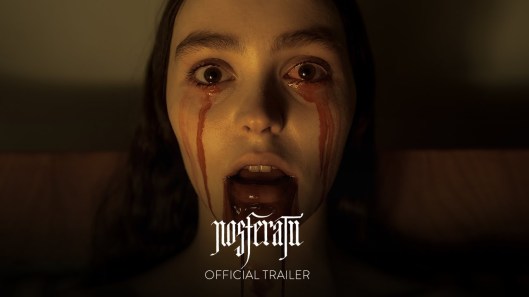
1. Nosferatu (1 January)
Kicking off the year is Robert Eggers’ highly awaited reinterpretation of Nosferatu. With a modern twist on the silent-era classic, this Universal-backed production aims to resurrect the haunting tale of the vampiric Count Orlok with a gothic, atmospheric flair.
2. Companion (9 January)
From Universal comes Companion, a mysterious sci-fi horror promising to blend extraterrestrial terror with psychological unease. Little has been revealed about the plot, but early buzz suggests an unsettling exploration of alien influence.
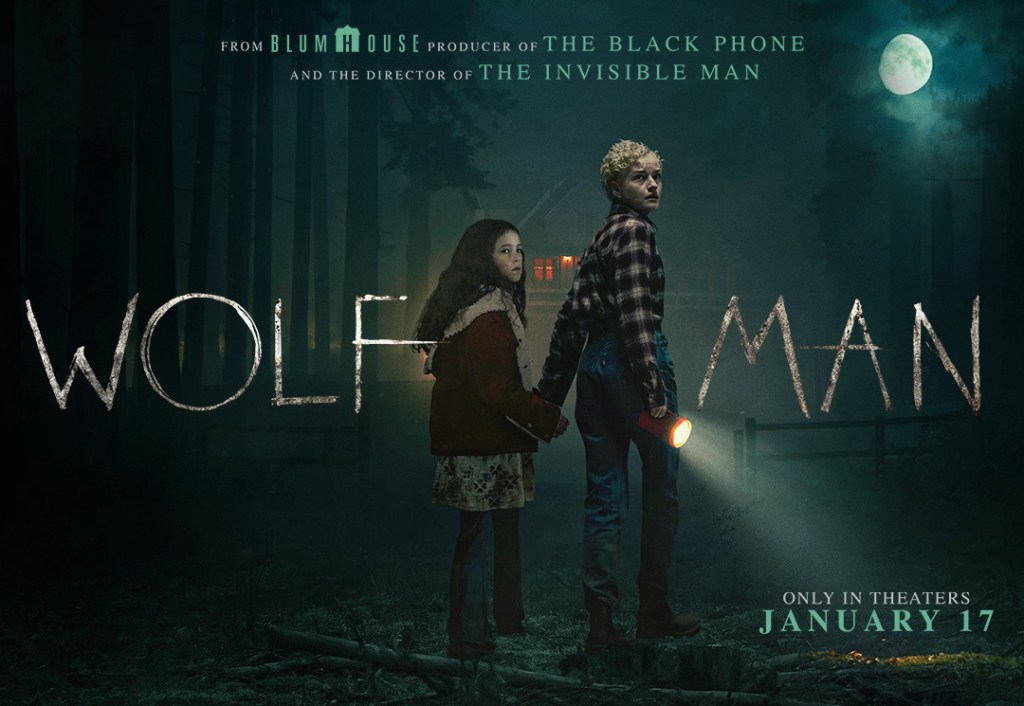
3. Wolf Man (16 January)
Universal continues to revive its classic monsters with Wolf Man. This iteration promises to sink its claws into modern audiences, delivering visceral thrills and a poignant tale of transformation and terror.
4. The Woman in the Yard (27 March)
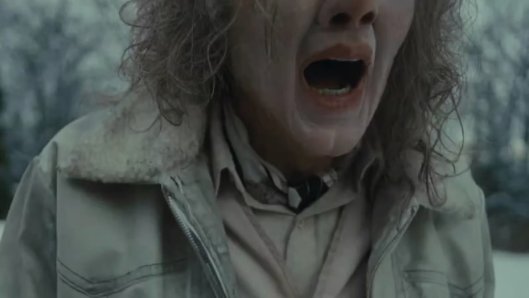
A collaboration between Universal and Blumhouse, The Woman in the Yard is a psychological horror that delves into suburban paranoia. This chilling tale is rumoured to intertwine domestic drama with supernatural elements.
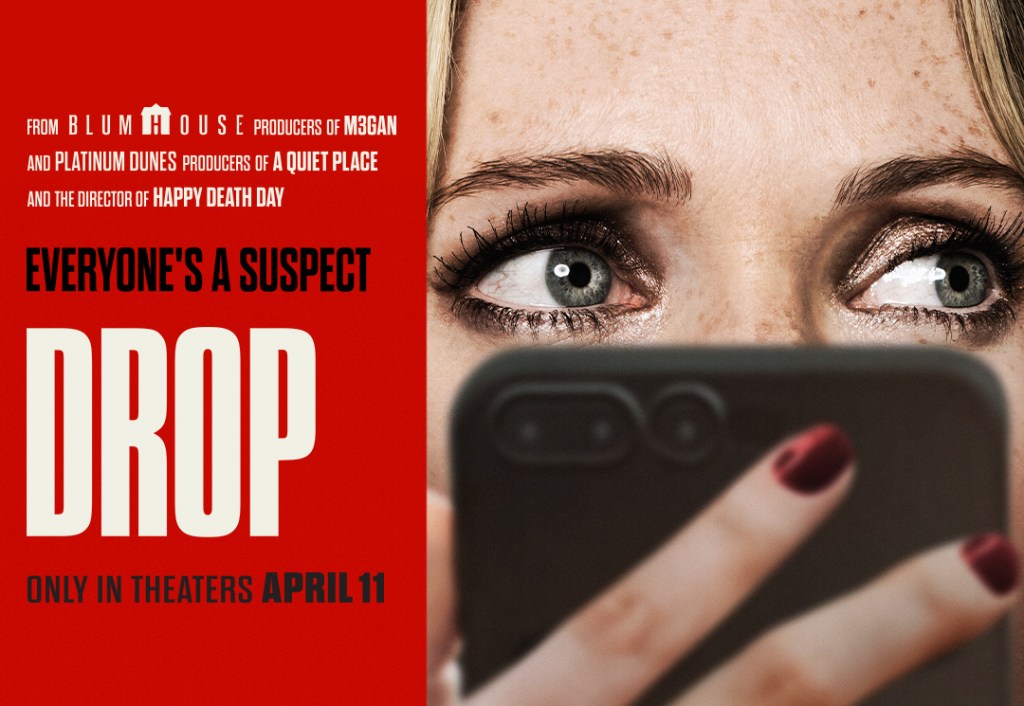
5. Drop (17 April)
Scheduled for a spring release, Drop directed by Christopher Landon promises to be an innovative entry in Universal’s horror catalogue. With its cryptic title, this film is expected to deliver a fresh perspective on psychological terror.
6. Until Dawn (24 April)
Sony’s adaptation of the acclaimed video game Until Dawn hits the big screen. Packed with thrills, choices, and consequences, this interactive-style horror is set to keep viewers on the edge of their seats.
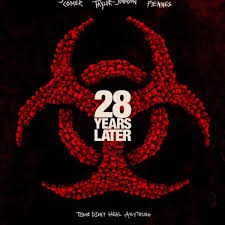
7. 28 Years Later (19 June)
Danny Boyle returns to the post-apocalyptic landscape with 28 Years Later, the long-awaited continuation of the 28 Days/Weeks Later saga. Expect tension, gore, and poignant commentary as the virus wreaks havoc once again.
8. M3gan 2.0 (26 June)
Universal’s AI doll is back for more tech-infused terror. M3gan 2.0 promises to up the ante with a smarter, deadlier version of everyone’s favorite cybernetic companion.
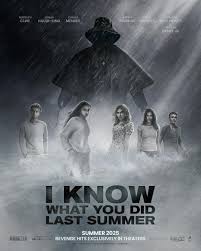
9. I Know What You Did Last Summer (17 July)
Sony’s reboot of this iconic slasher is ready to reignite the franchise with a fresh take on the classic story of secrets and revenge. Will it live up to the chilling suspense of the original?
10. Insidious (28 August)
Blumhouse and Sony team up for a new entry in the Insidious series. Though details are sparse, fans can expect the usual mix of eerie atmosphere and spine-tingling frights.
11. Conjuring Finale (4 September)
The Warrens return one last time for The Conjuring Finale. With Universal behind it, this film promises to bring the beloved series to a terrifying, emotional conclusion.
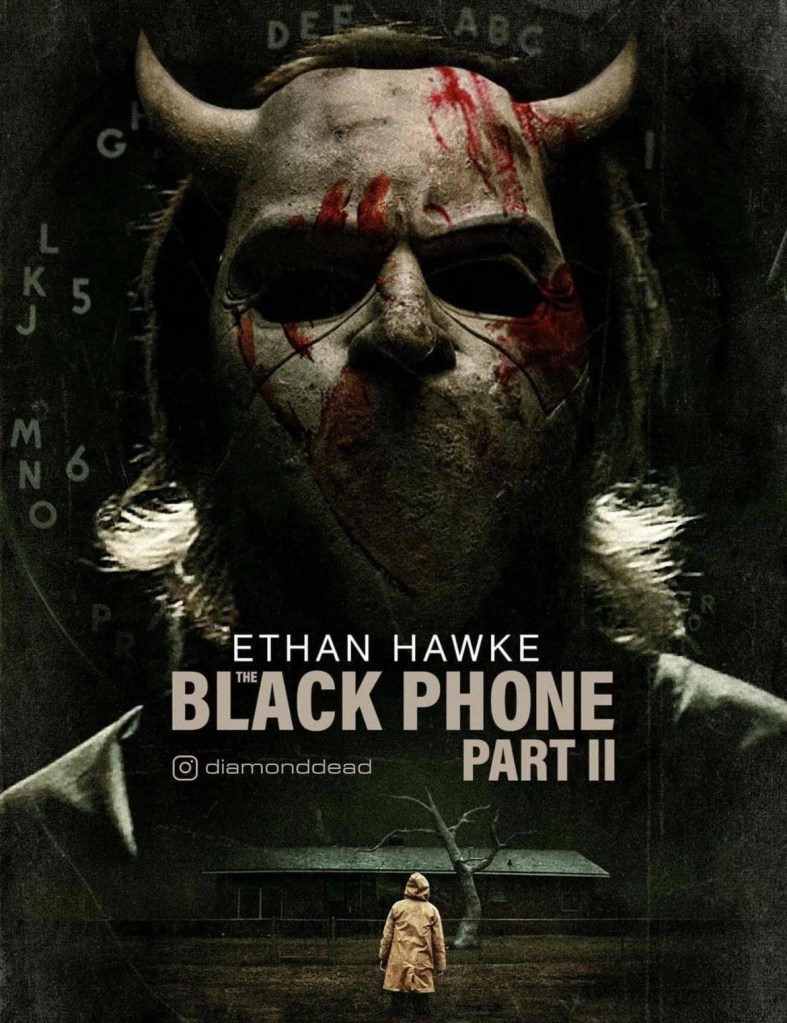
12. The Black Phone 2 (16 October)
Ethan Hawke’s chilling performance in The Black Phone left audiences clamoring for more. The sequel, coming this Halloween season, is set to explore new dark corners of this disturbing universe.
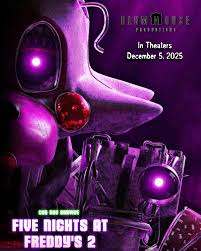
13. Five Nights at Freddy’s 2 (4 December)
Wrapping up the year is Universal’s Five Nights at Freddy’s 2. After the success of the first film, this sequel dives deeper into the horrors of the animatronic terrors that captivated gamers worldwide.
From gothic classics to high-tech terrors, 2025’s horror lineup promises a diverse mix of scares for fans of all kinds. Which of these films are you most excited to see? Let us know in the comments!
As the horror genre continues to thrive and evolve, 2024 has proven to be another stellar year for filmmakers unafraid to push boundaries and explore the darkest corners of storytelling. From chilling Australian productions to international features that redefine fear, this year’s Golden Scalpel Awards honours the creative minds and talents behind the most unforgettable moments in horror.
Below, we present the nominees for the 2024 Golden Scalpel Awards.
Best Australian Film
This year has been remarkable for Australian horror, with films that showcase a diverse range of styles and themes. The nominees are:
The Moogai A haunting exploration of Indigenous folklore, The Moogai weaves a terrifying tale of grief and supernatural menace.
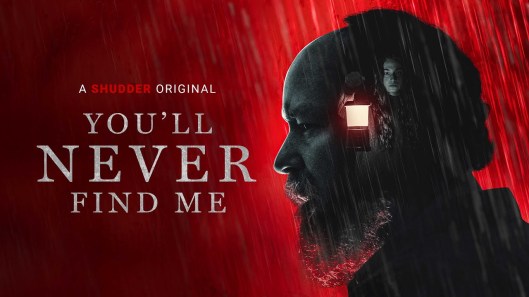
You’ll Never Find Me A tense and claustrophobic thriller that keeps audiences guessing until the final frame.
Late Night With the Devil A brilliant mix of retro charm and supernatural horror set against the backdrop of a live television broadcast.
Sting A creature feature that combines dark humour and inventive scares with a uniquely Australian twist.
Carnage For Christmas A blood-soaked holiday horror that delivers outrageous thrills and gory festive fun.
Best Australian Director
Celebrating the visionaries behind this year’s standout Australian films, the nominees are:
Jon Bell (The Moogai) Bell crafts a chilling narrative steeped in cultural significance and atmospheric dread.
Indiana Bell and Josiah Allen (You’ll Never Find Me) This directorial duo masterfully builds tension in an isolated and eerie setting.
Colin and Cameron Cairnes (Late Night With the Devil) The Cairnes brothers expertly blend dark humour with spine-chilling suspense.
Kiah Roache-Turner (Sting) Roache-Turner’s energetic direction brings vibrant life to this creature-driven horror.
Alice Maio Mackay (Carnage For Christmas) Mackay’s bold vision transforms holiday cheer into a macabre spectacle.
Best Australian Actor
This category celebrates the standout performances from Australian male leads:
Meyne Wyatt (The Moogai) Wyatt delivers a deeply emotional and commanding performance as a father haunted by loss.
Brendan Rock (You’ll Never Find Me) Rock’s nuanced portrayal anchors the film’s blend of realism and the supernatural.
Ryan Corr (Sting) Corr’s charisma and range shine in this thrilling and darkly humourous role.
Best Australian Actress
Recognising the women who delivered unforgettable performances, the nominees are:
Shari Sebbens (The Moogai) Sebbens brings a heartbreaking authenticity to her portrayal of a mother on the edge.
Jordan Cowan (You’ll Never Find Me) Cowan’s intense performance captures the fear and determination of her character.
Laura Gordon (Late Night With the Devil) Gordon’s subtle and layered performance elevates the tension throughout the film.
Ayla Browne (Sting) Browne’s standout role as a young protagonist navigating chaos showcases immense talent.
Penelope Mitchell (Sting) Mitchell’s captivating presence brings depth and charm to her character.
Best Australian Cinematographer
Australian horror’s visual language shone brightly this year, thanks to these talents:
Sean Ryan (The Moogai) Ryan’s evocative cinematography immerses viewers in a world of beauty and terror.
Maxx Corkindale (You’ll Never Find Me) Corkindale captures the claustrophobic tension with masterful use of light and shadow.
Matthew Temple (Late Night With the Devil) Temple’s retro-inspired visuals perfectly complement the film’s unsettling tone.
Brad Shield (Sting) Shield’s dynamic camerawork heightens the thrills and kinetic energy of the film.
Best Film
On the global stage, horror has delivered some truly exceptional films in 2024. The nominees are:
Longlegs A haunting and visually striking tale that lingers long after the credits roll.
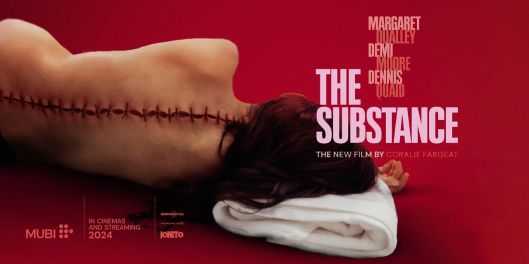
The Substance A deeply unsettling exploration of identity and transformation.
Late Night With the Devil A standout mix of horror and nostalgia, set in a unique and terrifying setting.
Vermines A clever and grotesque creature feature that subverts expectations.
Cuckoo A surreal and disorienting experience that blurs the line between dream and nightmare.
Best Director
Recognising those who shaped the year’s most impactful horror films, the nominees are:
Osgood Perkins (Longlegs) Perkins brings a haunting and poetic sensibility to his storytelling.
Coralie Fargeat (The Substance) Fargeat’s bold vision delivers a film that is as provocative as it is terrifying.
Sébastien Vaniček (Vermines) Vaniček’s inventive direction transforms a bizarre concept into a gripping horror experience.
Tillman Singer (Cuckoo) Singer’s surreal and meticulous style creates an otherworldly atmosphere.
Damian McCarthy (Late Night With the Devil) McCarthy expertly balances suspense, humour, and supernatural horror.
Best Actor
Honouring the most chilling and compelling performances by male leads:
Nicolas Cage (Longlegs) Cage delivers a magnetic and unsettling performance that captivates throughout.
David Dastmalchian (Late Night With The Devil) Dastmalchian’s haunting portrayal adds emotional weight to this dark tale.
Brendan Rock (You’ll Never Find Me) Rock’s layered performance adds depth to this chilling narrative.
Joseph Quinn (A Quiet Place: Day One) Quinn’s intense and enigmatic turn is both haunting and memorable.
James McAvoy (Speak No Evil) McAvoy’s commanding presence elevates the tension in this psychological sequel.
Best Actress
This category highlights powerful performances by female leads:
Demi Moore (The Substance) Moore’s fearless portrayal brings gravitas to this unsettling tale.
Maika Monroe (Longlegs) Monroe’s haunting performance cements her status as a modern horror icon.
Hunter Schafer (Cuckoo) Schafer’s enigmatic and chilling turn lingers long after the film ends.
Naomi Scott (Smile 2) Scott’s emotionally charged performance drives the terror home.
Willa Fitzgerald (Strange Darling) Fitzgerald’s gripping portrayal captures both vulnerability and strength.
Best Cinematographer
Exceptional visuals have always been integral to horror, and this year’s nominees are:
Colm Hogan (Oddity) Hogan’s innovative camerawork creates a world that feels both intimate and alien.
Paul Faltz (Cuckoo) Faltz’s striking visuals perfectly complement the film’s surreal tone.
Andres Arochi (Longlegs) Arochi’s use of shadow and composition enhances the film’s eerie atmosphere.
Maxx Corkindale (You’ll Never Find Me) Corkindale’s cinematography heightens the film’s suspense and isolation.
Erik K Yue (I Saw The TV Glow) Yue’s bold and experimental style delivers a visually unforgettable experience.
Closing Thoughts
The horror films of 2024 have demonstrated that the genre is more vibrant and diverse than ever, delivering stories that are as haunting as they are innovative. Whether it’s through the lens of rising talent in Australian cinema or the international auteurs crafting new nightmares, this year’s nominees have set a high bar for the future.
As we celebrate these achievements, it’s clear that horror continues to be a powerful medium for storytelling, one that captivates audiences and leaves a lasting impact. Here’s to another year of fear and creativity – and may the best scares win!
This year brought an eclectic mix of horror films, from genre-defining arthouse gems to unapologetically entertaining popcorn flicks. The best of 2024 showcased how diverse the horror landscape has become, delivering films that lingered in our minds, rattled our nerves, and sometimes even tugged at our heartstrings. Here’s our definitive list of the top 13 killer horror films of the year.
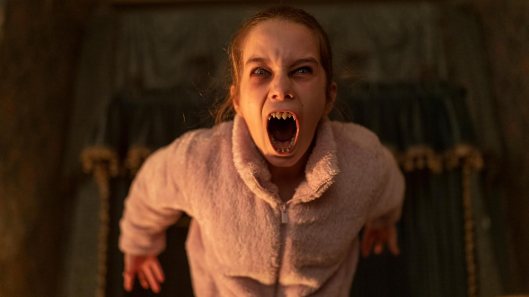
13. Abigail
Abigail is the kind of horror film that knows its audience and delivers on every front. Packed with jump scares, cheeky humor, and copious amounts of gore, this polished production embraces its B-movie soul with infectious energy. While it doesn’t aim to reinvent the genre, it revels in its clichés, using them to create a fast-paced and undeniably fun experience. By the time the credits roll, the leads are drenched in blood-red corn syrup, and the audience is left grinning.
However, the film’s reliance on formula prevents it from being anything more than a fun ride. It’s pure popcorn horror—perfect for a group watch but unlikely to leave a lasting impression. Abigail may lack substance, but sometimes all you want is a thrill ride that doesn’t take itself too seriously.
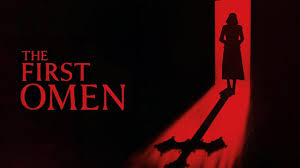
As a prequel to a beloved horror classic, The First Omen had a lot to live up to. The film starts strong, with an ominous atmosphere and compelling visuals that echo the sinister world of the original. Its exploration of the early origins of evil offers a fascinating premise, teasing the potential for a rich narrative. However, as the story unfolds, it becomes clear that the film lacks the single-minded vision of a true auteur.
Despite its flaws, The First Omen still has its moments of intrigue and terror, hinting at interesting possibilities for future installments. Could an anti-anti-Christ concept breathe new life into the franchise? Time will tell, but for now, this entry serves as a solid, if underwhelming, addition to the Omen universe.
A technical marvel and a psychological gut-punch, MadS is a Shudder-exclusive horror film that plays out as a one-shot nightmare. The film’s unrelenting tension and chilling performances keep viewers on edge from start to finish. The unique, continuous shot format enhances its claustrophobic atmosphere, drawing the audience into its disorienting narrative.
What sets MadS apart is its ability to blur the lines between reality and madness. As the story unfolds, viewers are forced to question what’s real and what’s imagined, making for an unsettling experience that lingers long after the film ends. MadS is a haunting reminder of how fragile our perception of reality can be, cementing its place as one of the year’s standout psychological horrors.
Sayara is a brutal, unflinching revenge thriller that doesn’t pull any punches. From its opening moments, the film plunges viewers into a world of fire and blood, leaving no room for mercy or reprieve. The story’s protagonist is relentless in their quest for vengeance, and the film’s visceral approach to storytelling ensures that every moment hits with full force.
What makes Sayara truly memorable is its unyielding commitment to its themes of justice and retribution. This is not a film for the faint of heart, but for those willing to endure its intensity, it offers a deeply cathartic experience. Sayara doesn’t just demand your attention—it seizes it and doesn’t let go.
Blending psychological horror with supernatural intrigue, Oddity is a slow-burn masterpiece that rewards patient viewers. The film follows a grieving protagonist as they unravel a dark, otherworldly mystery, leading to a chilling conclusion that defies easy explanation. Director John McCarthy’s skillful storytelling ensures that every moment feels deliberate, creating an atmosphere of unease that permeates the entire film.
What truly elevates Oddity is its ability to balance ambiguity with narrative depth. The film leaves just enough unanswered questions to keep viewers guessing, while still delivering a satisfying emotional payoff. For fans of psychological thrillers with a supernatural twist, Oddity is a must-watch.
Stop-motion animation has always carried a certain eerie charm, and Stopmotion uses this medium to stunning effect. The film’s haunting visuals and mesmerizing performances create a world that feels both fantastical and terrifying. Its psychological narrative delves into themes of identity, control, and the fine line between creation and destruction, resulting in a story that’s as thought-provoking as it is unsettling.
While its unconventional approach may not appeal to everyone, Stopmotion is a testament to the power of cinema to push boundaries. It’s a film that lingers in the mind, challenging viewers to confront their own fears and insecurities.
Tilman Singer’s Cuckoo is a visually arresting and narratively bold horror film that defies genre conventions. With its surreal imagery and haunting score, the film creates a dreamlike atmosphere that’s impossible to shake. Singer’s ability to craft a story that feels both grounded and otherworldly makes Cuckoo a standout in a crowded field.
What sets Cuckoo apart is its emotional depth. Beneath its unsettling surface lies a poignant exploration of grief, identity, and the human condition. It’s a film that demands to be seen, offering a cinematic experience that’s as beautiful as it is terrifying.
Director Michael Mohan steps confidently into the horror genre with Immaculate, a film that boldly mixes thought-provoking storytelling with shocking, visceral moments. Based on Andrew Lobel’s screenplay, the film tells a tale in three distinct acts, each building tension and deepening the narrative. The first act’s slow pacing might frustrate some viewers, but it ultimately serves to enhance the payoff, setting the stage for an explosive second act.
What truly sets Immaculate apart is its gripping third act, where the restrained storytelling gives way to a climactic crescendo of chaos. Sweeney’s portrayal of Cecilia shines, particularly as she navigates the oppressive, patriarchal control of a convent, bringing complexity and strength to her character. Mohan’s directorial debut in the genre establishes him as a filmmaker to watch, offering a visually stunning and narratively compelling experience
Quietly slipping into cinemas with minimal fanfare, You’ll Never Find Me proves that great horror doesn’t require a massive budget or extensive promotion. Set in a single location, the film creates a claustrophobic atmosphere that keeps viewers on edge. Directors Indiana Bell and Josiah Allen craft a tightly woven narrative, slowly unraveling its mysteries with expert precision.
The film’s brilliance lies in its simplicity. With just two main characters, portrayed with depth and nuance by Rock and Cowan, the story becomes a study in tension and trust. Cinematographer Maxx Corkindale adds another layer of artistry, using light and shadow to enhance the film’s eerie atmosphere. You’ll Never Find Me is a testament to what can be achieved with limited resources and unlimited creativity.
In his directorial debut, Sébastien Vanicek has delivered a creature feature that reinvigorates the genre. Infested taps into primal fears with its jaw-dropping depiction of a spider contagion, weaving a web of terror that’s both thrilling and deeply unsettling. The film’s tension builds masterfully, with every scene ratcheting up the stakes for its beleaguered characters.
What makes Infested stand out is its ability to balance horror with sheer entertainment. This is a film that embraces its absurd premise while delivering genuinely terrifying moments. Vanicek proves he has a knack for crafting memorable scares, making Infested one of the most talked-about horror films of the year and a contender for genre favorite.
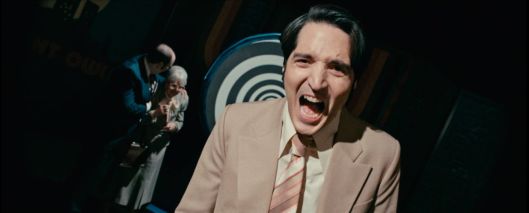
David Dastmalchian takes center stage in Late Night With The Devil, a film that cleverly blends retro nostalgia with modern horror sensibilities. Set during a live broadcast of a talk show, the film builds its tension in real time, pulling viewers into its chilling narrative. The Cairnes Brothers expertly use the confined setting to their advantage, creating an atmosphere of mounting dread that culminates in a shocking finale.
Though not without its flaws, Late Night With The Devil is a refreshing take on the horror genre, proving that innovation and nostalgia can coexist. The film’s originality and execution make it a standout, cementing the Cairnes Brothers as rising stars in modern horror.
Oz Perkins’ Longlegs is a masterclass in slow-burn horror, drawing viewers in with its meticulous craftsmanship and haunting visual style. While the middle act falters slightly, the film’s gripping narrative and stunning performances more than compensate. Perkins’ direction is deliberate, allowing the tension to simmer before delivering a gut-wrenching climax that leaves audiences reeling.
The film’s titular creature is as unsettling as it is memorable, and Perkins uses it to explore themes of isolation and obsession. Longlegs may not be for everyone, but for those who appreciate atmospheric horror, it’s a near-perfect example of the genre’s potential to unsettle and provoke.
No horror film in 2024 matched the audacity and impact of Coralie Fargeat’s The Substance. From its opening frame, the film immerses viewers in a nightmarish world that’s as beautiful as it is grotesque. Demi Moore delivers a career-defining performance, embodying a character that’s both vulnerable and terrifying. The film’s striking visuals and daring narrative choices make it a bold statement in modern horror.
What sets The Substance apart is its refusal to compromise. Fargeat’s vision is unflinching, challenging audiences to confront their deepest fears and darkest desires. This is not a film for the faint of heart, but for those willing to take the plunge, it offers an experience that’s as unforgettable as it is unsettling. The Substance is a masterpiece of horror cinema and a fitting choice for the top spot on this year’s list.
2024 may not have redefined the genre, but it proved that horror continues to innovate and captivate. Whether you’re into popcorn thrills, arthouse elegance, or gut-wrenching tension, these films prove that fear is as versatile as it is universal. What were your favorite horror flicks of the year?
John Krasinski’s A Quiet Place is a revelation in modern horror, a film that uses sound—or the lack thereof—to deliver some of the most nail-biting tension in recent memory. The story unfolds in a post-apocalyptic world where monstrous creatures hunt by sound, forcing a family to live in near-total silence. The narrative is deeply personal, focusing on a family’s struggle to survive and protect each other while navigating grief and hope in a world that has fallen apart. Krasinski’s direction transforms silence from a survival mechanism into a harrowing storytelling tool, forcing viewers to hang on every sound.
Emily Blunt’s performance is a standout, particularly in a sequence involving childbirth that showcases both her character’s and the film’s ability to generate relentless suspense. The familial relationships elevate A Quiet Place beyond a standard creature feature, grounding the horror in universal emotions of love and loss. Krasinski’s portrayal of a father doing everything he can to protect his children resonates deeply, adding layers to the film’s already compelling story.
What makes A Quiet Place truly remarkable is its ability to engage audiences on a primal level. It demands their attention and silence, pulling them into its carefully constructed world. The film is a triumph of minimalist horror, proving that tension doesn’t require elaborate plots or excessive dialogue—just a clever concept executed with precision. Krasinski’s transformation from a comedic actor to a horror auteur is inspiring, leaving us curious about what other surprises he might have up his sleeve.
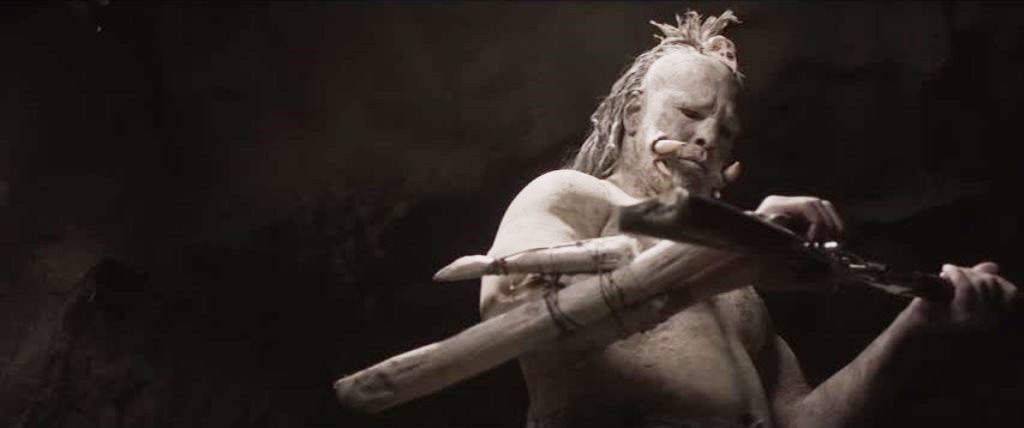
S. Craig Zahler’s Bone Tomahawk defies easy categorization, blending the Western and horror genres into a film that is as thought-provoking as it is harrowing. The story follows a small-town sheriff (Kurt Russell) leading a rescue mission into hostile territory after a group of townsfolk is abducted by a tribe of cave-dwelling cannibals. Zahler’s deliberate pacing gives the film a meditative quality, allowing audiences to bond with its richly drawn characters before plunging them into an abyss of terror.
The cast is exceptional, with Kurt Russell delivering a commanding performance as a grizzled lawman, and Richard Jenkins offering a poignant turn as his loyal but aging deputy. Patrick Wilson and Matthew Fox round out the group with compelling portrayals of men driven by duty and desperation. The film’s restrained first half lulls viewers into a sense of security, emphasizing camaraderie and moral dilemmas, which makes its shocking third act all the more jarring.
When Bone Tomahawk shifts into full horror mode, it does so unapologetically, with some of the most gruesome sequences in modern cinema. The brutality isn’t gratuitous but serves to underscore the savage reality of the world Zahler has created. The film challenges audiences to grapple with themes of survival, morality, and the limits of humanity in the face of inhuman threats. It’s a unique entry in the horror canon, proving that genre hybrids can be as unsettling as they are innovative.
8. Raw (2016)
Julia Ducournau’s Raw is a visceral exploration of identity, desire, and transformation, wrapped in the guise of body horror. The film follows Justine (Garance Marillier), a vegetarian veterinary student who develops an insatiable craving for flesh after a hazing ritual. What begins as a subtle coming-of-age story evolves into a grotesque yet beautiful meditation on the complexities of human nature and familial bonds. Ducournau’s direction is fearless, blending shocking imagery with a deeply empathetic narrative.
The relationship between Justine and her older sister, Alexia (Ella Rumpf), is central to the film’s emotional core. Their sibling rivalry, complicated by their shared dark secret, mirrors the duality of love and destruction that defines Raw. Ducournau uses their bond to explore themes of inheritance and transformation, both literal and metaphorical. The film’s stark visuals and pulsating soundtrack amplify its intensity, immersing the audience in Justine’s unsettling journey of self-discovery.
Beyond its shock value, Raw is a deeply introspective film that challenges viewers to confront their own perceptions of normalcy and taboo. It’s a story about growing up, breaking free, and embracing the parts of oneself that society deems unacceptable. Ducournau’s masterful storytelling and Marillier’s haunting performance make Raw an unforgettable cinematic experience—a horror film that transcends its genre to deliver something profoundly human.
Bong Joon-ho’s The Host is more than a monster movie—it’s a masterful blend of horror, satire, and family drama that redefines the creature-feature genre. The story begins with an environmental disaster caused by human negligence, leading to the birth of a monstrous creature that terrorizes the Han River. The film focuses on the dysfunctional Park family as they band together to rescue their youngest member, who has been abducted by the creature. Bong uses this central narrative to weave in commentary on government incompetence, societal apathy, and environmental responsibility.
The titular creature is a marvel of design, grotesque yet oddly graceful, and its appearances are both thrilling and terrifying. However, what truly sets The Host apart is its focus on the human element. The Park family, led by the bumbling but lovable Gang-du (Song Kang-ho), is a far cry from the typical heroic protagonists of monster movies. Their flaws and resilience make them relatable, anchoring the film’s fantastical elements in a deeply emotional reality.
Bong’s ability to balance tonal shifts—from horror to humor to tragedy—is nothing short of remarkable. The Host’s mix of heart-pounding action and poignant family drama ensures it resonates on multiple levels. It’s a film that entertains while provoking thought, solidifying Bong Joon-ho’s reputation as a filmmaker who defies conventions and elevates every genre he touches.
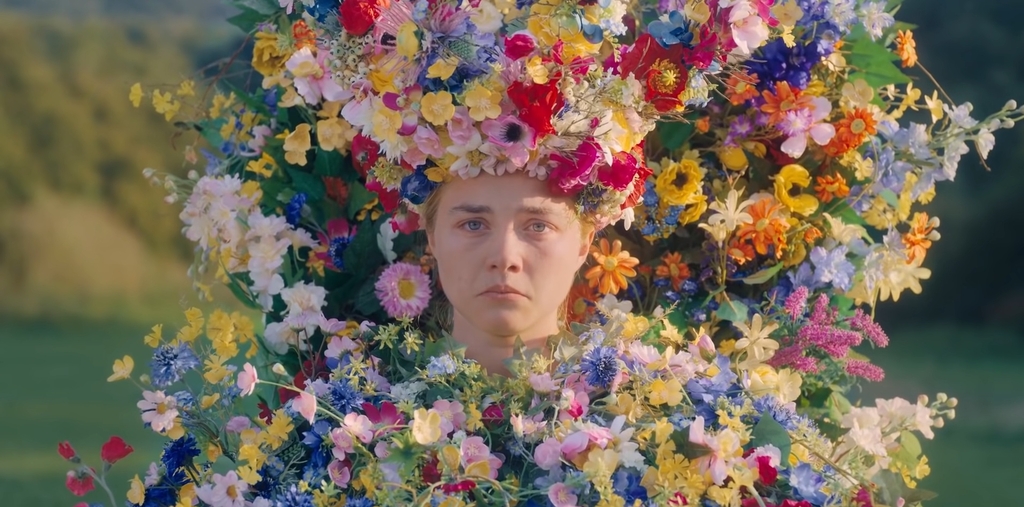
6. Midsommar (2019)
Ari Aster’s Midsommar is a visually stunning and psychologically disturbing exploration of grief, relationships, and cultural alienation. The film follows Dani (Florence Pugh), a young woman reeling from a devastating personal loss, as she accompanies her distant boyfriend Christian (Jack Reynor) and his friends on a trip to a secluded Swedish commune. What begins as a seemingly idyllic cultural retreat quickly devolves into a harrowing descent into ritualistic horror. Aster masterfully juxtaposes the radiant beauty of the setting with the dark undercurrents of the story, creating a uniquely unsettling experience.
Florence Pugh delivers a career-defining performance as Dani, capturing her emotional fragility and gradual transformation with remarkable nuance. Her journey from victimhood to empowerment, albeit through disturbing means, is both tragic and cathartic. The film’s dissection of toxic relationships adds depth to its narrative, with Dani and Christian’s crumbling partnership serving as a metaphor for the broader themes of connection and isolation.
Midsommar stands out for its unorthodox approach to horror, eschewing darkness and jump scares in favor of daylight terror and slow-building dread. The intricate production design, folk-inspired rituals, and meticulous pacing immerse viewers in the eerie world of the Hårga. Aster’s second feature cements his status as a modern horror auteur, proving that terror doesn’t always lurk in the shadows—it can also bloom in the blinding light of midsummer.
5. Train to Busan (2016)
Train to Busan reinvigorates the zombie genre with its heart-pounding action and deeply emotional storytelling. Directed by Yeon Sang-ho, the film unfolds on a high-speed train from Seoul to Busan, where passengers must fight for survival as a zombie outbreak spreads rapidly through South Korea. While the premise may seem familiar, the execution is anything but, blending relentless tension with heartfelt moments that elevate it above standard fare.
At its core, Train to Busan is a story about humanity, focusing on Seok-woo (Gong Yoo), a workaholic father traveling with his estranged daughter, Su-an (Kim Su-an). Their relationship serves as the emotional anchor, and their evolving bond amid the chaos is profoundly moving. The film also introduces a memorable ensemble of characters, from a selfless father-to-be (Ma Dong-seok) to a pair of elderly sisters whose loyalty transcends the apocalypse. Each adds depth and texture to the story, making the stakes feel personal.
Yeon Sang-ho’s direction ensures that the film is both a thrilling spectacle and a poignant exploration of sacrifice, heroism, and societal flaws. The confined setting of the train amplifies the tension, while the expertly choreographed action sequences keep audiences on edge. Train to Busan isn’t just one of the best zombie films of the 21st century—it’s a testament to the power of genre cinema to evoke fear, tears, and triumph all at once.
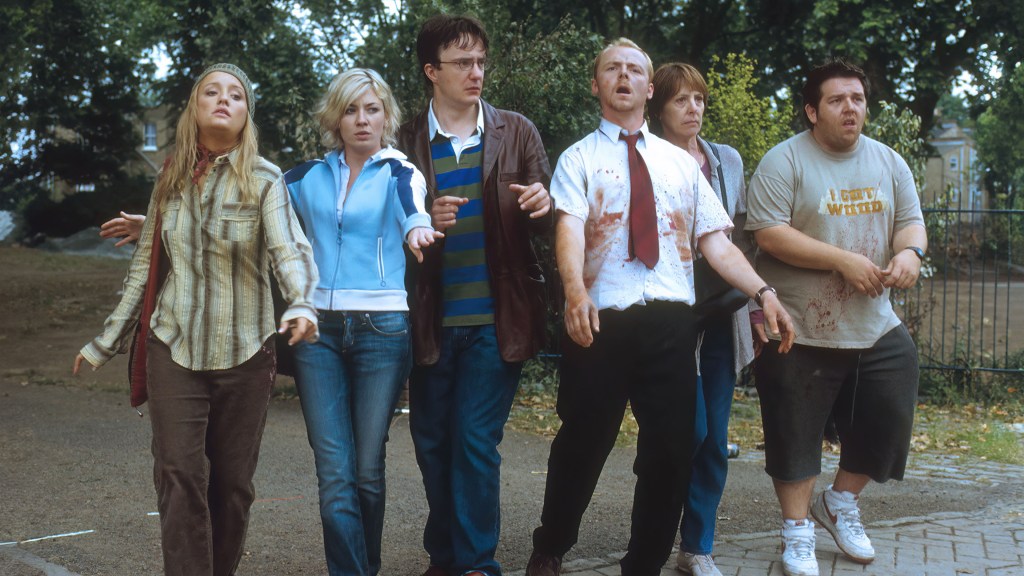
4. Shaun of the Dead (2004)
Edgar Wright’s Shaun of the Dead is a brilliant fusion of comedy and horror, affectionately dubbed a “rom-zom-com.” The film follows Shaun (Simon Pegg), a hapless everyman navigating a zombie apocalypse while attempting to win back his ex-girlfriend Liz (Kate Ashfield) and reconcile with his mother. Wright’s razor-sharp direction and Pegg’s witty screenplay, co-written with Nick Frost, breathe new life into the zombie genre, blending laughs with genuine scares and heartfelt character moments.
The film’s strength lies in its characters and their relationships. Shaun’s bromance with his slacker best friend, Ed (Nick Frost), provides endless comedic moments, but it also adds emotional weight as their dynamic shifts throughout the story. Meanwhile, the strained relationships with Liz and his stepfather (Bill Nighy) serve as a backdrop for Shaun’s reluctant journey toward maturity. These elements ensure the film is as much about personal growth as it is about survival.
Wright’s signature visual style, characterized by kinetic editing and clever foreshadowing, enhances the film’s humor and tension. From its iconic use of Queen’s “Don’t Stop Me Now” during a zombie beatdown to its biting commentary on societal apathy, Shaun of the Dead strikes a perfect balance between parody and homage. It remains a genre-defining masterpiece that showcases the versatility of horror-comedy and its ability to entertain, scare, and touch audiences in equal measure.
3. The Lighthouse (2019)
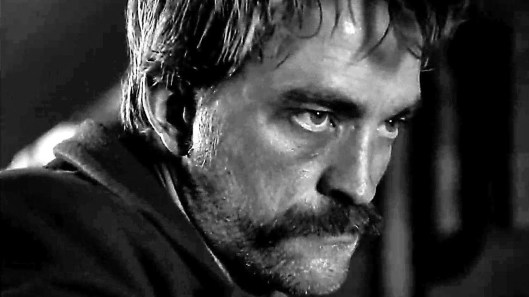
Robert Eggers’ The Lighthouse is an atmospheric descent into madness, a tale of isolation and obsession that feels both timeless and uniquely contemporary. Shot in stark black-and-white and framed in a nearly square aspect ratio, the film immerses viewers in the claustrophobic world of two lighthouse keepers, played with ferocious intensity by Willem Dafoe and Robert Pattinson. As they battle the elements, each other, and their own sanity, Eggers crafts a narrative that is as enigmatic as it is mesmerizing.
Dafoe and Pattinson deliver career-best performances, with Dafoe’s crusty, sea-faring monologues and Pattinson’s simmering desperation providing the film’s dramatic core. Their dynamic oscillates between camaraderie and hostility, creating a tension that is both deeply unsettling and darkly comedic. The film’s dialogue, rooted in 19th-century vernacular, adds to its authenticity, while its mythological undertones invite endless interpretation.
Eggers’ meticulous attention to detail extends to every aspect of the production, from the haunting sound design to the evocative use of light and shadow. The result is a film that feels like a fever dream, blending psychological horror with elements of folklore and existential dread. The Lighthouse is not for everyone, but for those willing to dive into its depths, it offers an unforgettable cinematic experience that lingers long after the final frame.
Jordan Peele’s Get Out is a groundbreaking exploration of racial tension and social horror, wrapped in the guise of a psychological thriller. The story follows Chris (Daniel Kaluuya), a young Black man visiting the family of his white girlfriend, Rose (Allison Williams). What begins as a seemingly awkward weekend soon reveals a sinister conspiracy that forces Chris to fight for his life. Peele’s razor-sharp script weaves biting satire with genuine terror, creating a film that is as thought-provoking as it is unsettling.
Daniel Kaluuya’s performance anchors the film, capturing Chris’s unease and resilience as he navigates an increasingly hostile environment. The supporting cast, particularly Allison Williams and Catherine Keener, deliver chilling performances that add layers to the narrative. Peele’s use of visual motifs, such as the sunken place, underscores the film’s exploration of systemic oppression and the erasure of Black identity.
Get Out is more than a horror film—it’s a cultural touchstone that sparked conversations about representation and racism in America. Its success cemented Peele as one of the most exciting voices in modern cinema, and its influence can be seen in the wave of socially conscious horror films that followed. By blending horror with incisive commentary, Get Out redefined what the genre could achieve, making it an essential entry in the canon of 21st-century cinema.
Tomas Alfredson’s Let the Right One In is a hauntingly beautiful tale of love, loneliness, and the monstrous within us all. Set in the snowy suburbs of 1980s Sweden, the film tells the story of Oskar (Kåre Hedebrant), a bullied boy who befriends Eli (Lina Leandersson), a mysterious girl with a dark secret. Their relationship blossoms against a backdrop of violence and despair, creating a poignant contrast between innocence and horror.
Eli’s vampiric nature adds a chilling layer to the story, but the film is less about bloodlust and more about the connection between two outcasts. Alfredson’s direction emphasizes the quiet moments—the tentative exchanges, the shared silences—that make their bond feel authentic and deeply moving. The performances of Hedebrant and Leandersson are extraordinary, capturing the vulnerability and resilience of their characters.
Cinematographer Hoyte van Hoytema’s stark visuals and Johan Söderqvist’s ethereal score create an atmosphere that is both melancholic and otherworldly. Let the Right One In transcends the vampire genre, delivering a story that is as tender as it is terrifying. It’s a masterpiece of modern horror, a film that lingers in the mind and heart long after its chilling final scene.
Closing Thoughts:
The 21st century has seen an evolution in the horror genre that defies its often-dismissed reputation as mere entertainment. From psychological dread to blood-soaked nightmares, these films represent a golden age of creativity, where directors are unafraid to challenge conventions and elevate horror to an art form. Each of the top ten entries demonstrates the genre’s versatility, pushing boundaries while exploring profound themes like grief, identity, and societal anxieties.
What makes these films so impactful is their ability to resonate on a deeply human level. Whether it’s the heartbreaking struggle for connection in Let the Right One In, the biting social commentary of Get Out, or the raw emotional unraveling in Midsommar, these movies prove that horror is not just about scares but also about what lingers beneath the surface—our fears, desires, and vulnerabilities.
As horror continues to evolve, these films serve as a testament to the genre’s enduring power and creativity. They have redefined the landscape, proving that horror is more than a niche—it’s a mirror to the human condition, capable of both terrifying and inspiring audiences. This list celebrates not just the scares but the stories, performances, and visionary filmmaking that have defined horror in the 21st century so far. And if these ten films are any indication, the future of the genre is both bright and deliciously dark.
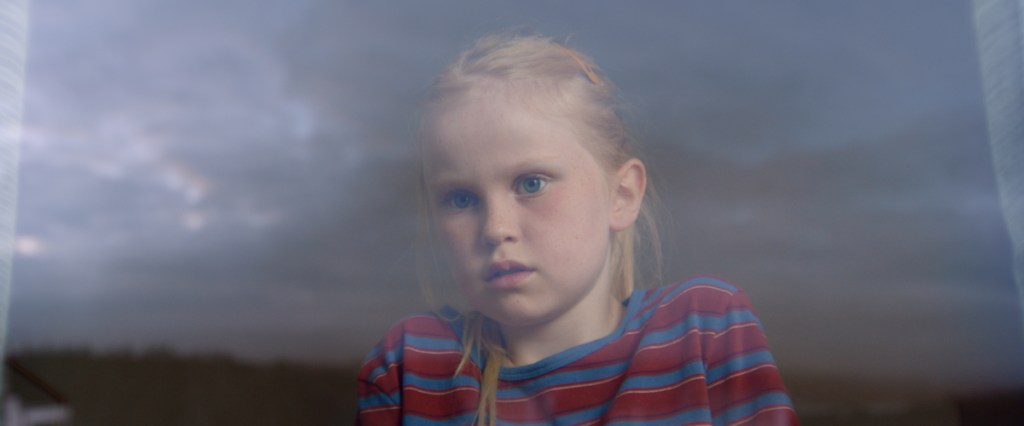
Eskil Vogt’s supernatural thriller offers a chilling exploration of innocence corrupted. Set against the backdrop of a Norwegian summer, the film follows a group of children who discover they possess strange powers. What starts as innocent fun takes a darker turn as their abilities spiral out of control. The movie skillfully combines coming-of-age elements with psychological horror, crafting a narrative that juxtaposes childhood purity with unsettling menace.
The strength of The Innocents lies in its refusal to spoon-feed answers, forcing viewers to grapple with the moral complexities of its characters. The young cast delivers astonishingly mature performances, lending an eerie authenticity to the unfolding chaos. This is a film that dares to ask: what happens when innocence and power collide? The answer is both haunting and devastating.
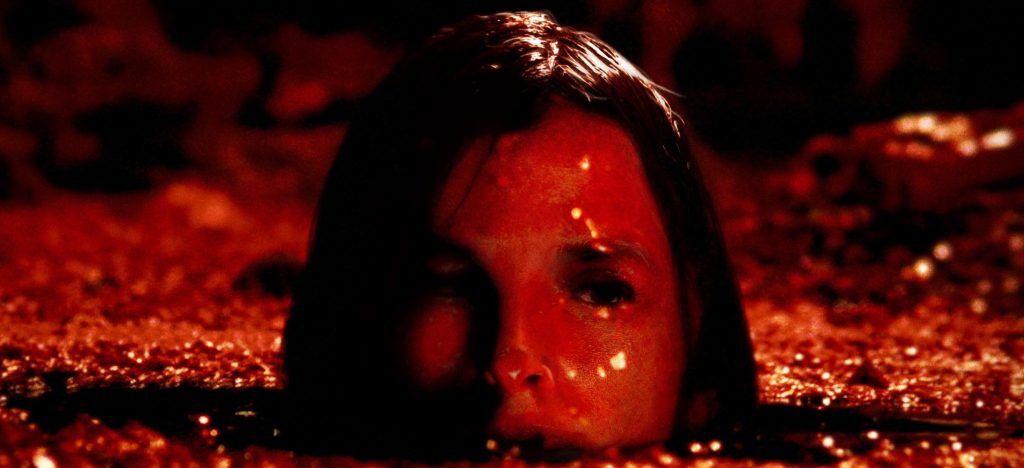
19. The Descent (2005)
Neil Marshall’s The Descent is a triumph of claustrophobic horror, plunging viewers into the depths of primal fear. Following a group of adventurous women on a spelunking trip, the film takes a nightmarish turn when they become trapped in a labyrinth of caves inhabited by grotesque, bloodthirsty creatures. Marshall’s direction excels at creating unbearable tension, exploiting both the physical confines of the cave and the emotional fractures within the group.
With its all-female cast delivering powerhouse performances, The Descent is as much a story of survival against external monsters as it is about confronting inner demons. Brutal, relentless, and impeccably paced, the film redefined creature features for the modern era, proving that the real horrors lie not just in what lurks in the dark but also in the bonds we think we can trust.
18. Mandy (2018)
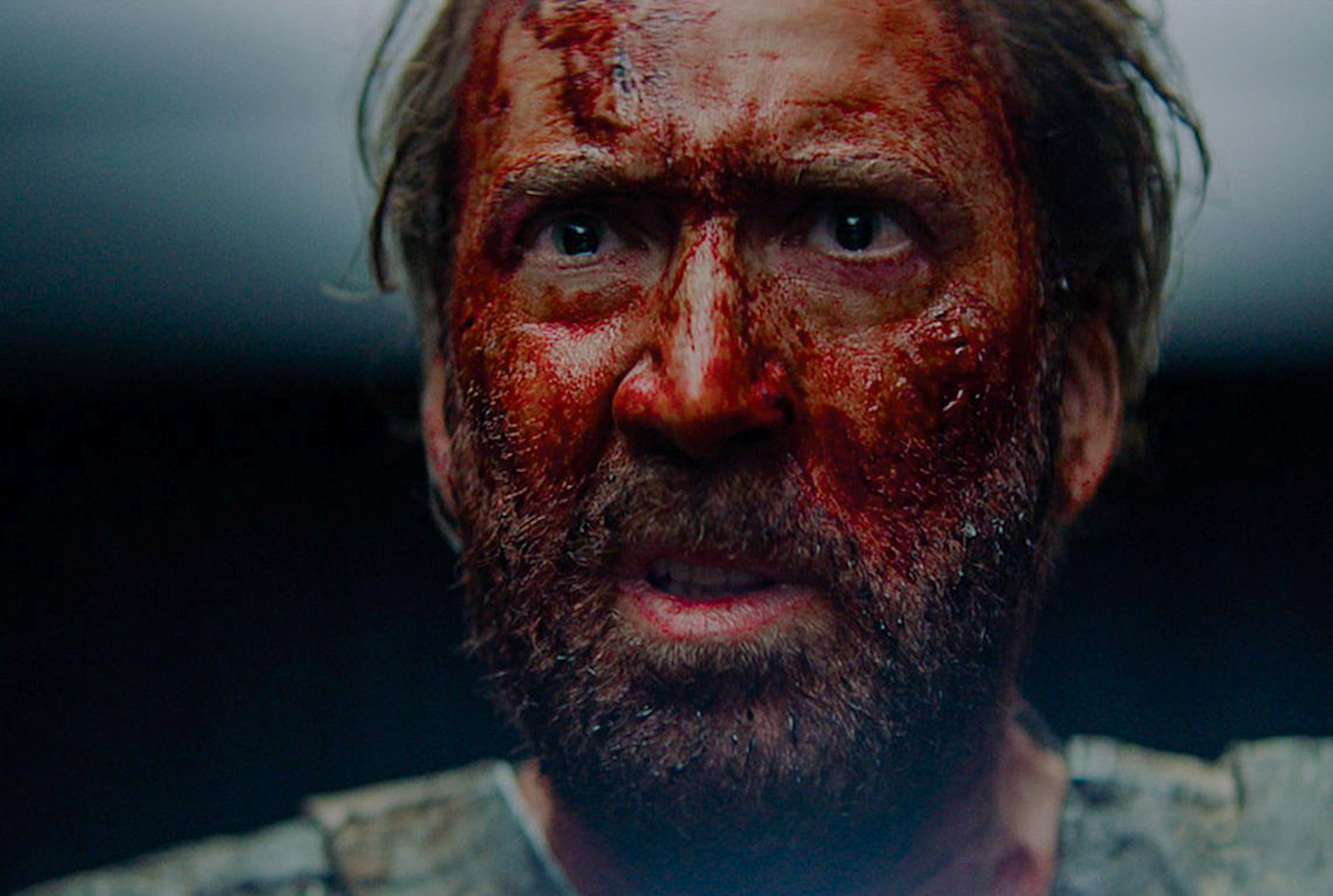
Panos Cosmatos delivers a kaleidoscopic descent into madness with Mandy, a visceral revenge tale drenched in neon-soaked visuals. Nicolas Cage stars as Red, a man whose tranquil life is shattered when his lover Mandy is abducted and murdered by a deranged cult. Fueled by grief and rage, Red embarks on a blood-soaked quest for vengeance, wielding a handcrafted axe and the unrelenting power of Cage’s most unhinged performance.
Mandy is more than just a revenge thriller; it’s an audiovisual assault on the senses. The hypnotic cinematography and surrealist score by the late Jóhann Jóhannsson create an experience as intoxicating as it is horrifying. This is a film that revels in its eccentricity and dares to push the boundaries of genre filmmaking, standing as a love letter to fans of the bizarre and the brutal.
Produced by Guillermo del Toro and directed by J.A. Bayona, The Orphanage is a masterclass in atmospheric horror. The story follows Laura, a woman who returns to the orphanage where she grew up, with plans to reopen it as a home for disabled children. When her son mysteriously disappears, Laura is drawn into a chilling mystery involving the spirits of the orphanage’s tragic past.
Bayona crafts an emotional narrative that blends supernatural terror with poignant human drama. The film’s gothic setting, combined with an unnerving score and carefully orchestrated scares, makes for an experience that lingers long after the credits roll. The Orphanage is a haunting reminder that the ghosts of our past are often more terrifying than anything imagined.
16. Climax (2018)
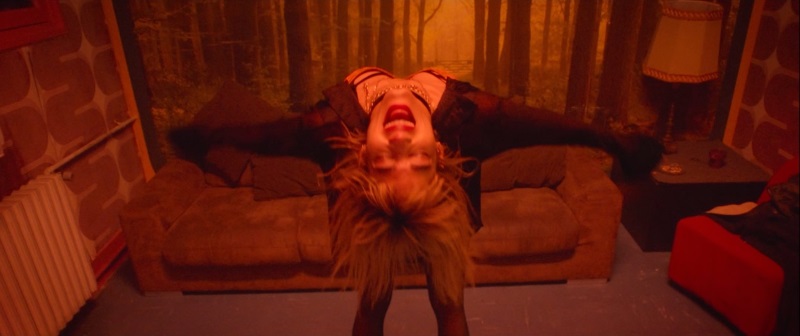
Gaspar Noé’s Climax is a nightmarish, intoxicating descent into chaos. The film opens with a mesmerising dance sequence, showcasing the raw talent of its ensemble cast, including Sofia Boutella. As the night unfolds, the celebratory atmosphere devolves into madness when the group discovers their sangria has been laced with LSD.
Noé’s trademark style is on full display, with long takes, dizzying camera work, and pulsating music creating an immersive and disorienting experience. Climax is a brutal exploration of human nature under duress, pushing its characters—and the audience—to the brink. While not for the faint-hearted, this experimental horror piece is a visceral triumph for those who can handle its intensity.
15. The Devil’s Backbone (2001)
Guillermo del Toro’s The Devil’s Backbone is a ghost story that transcends its supernatural trappings to explore the scars of war and the resilience of the human spirit. Set in a remote orphanage during the Spanish Civil War, the film centers on young Carlos, who uncovers the mysteries surrounding a ghostly presence haunting the grounds.
Del Toro weaves a tale rich in symbolism and emotional depth, using the ghost as a metaphor for unresolved grief and trauma. The film’s haunting visuals and poignant storytelling showcase the director’s ability to blend beauty with horror. The Devil’s Backbone is a cinematic gem that lingers in the memory, reminding us that the most powerful ghosts are often the ones we carry within.
14. The Substance (2024)
Coralie Fargeat’s sophomore feature The Substance is an unrelenting plunge into psychological and body horror. Starring Demi Moore in a career-redefining performance, the film unfolds as a chilling exploration of obsession, transformation, and societal ideals pushed to grotesque extremes. Fargeat, who previously wowed audiences with Revenge (2017), crafts a narrative that blurs the line between beauty and terror.
What sets The Substance apart is its audacious visual style and haunting thematic depth. Fargeat melds elegance with grotesquery, resulting in a cinematic experience that is as alluring as it is unsettling. While its bold approach may alienate some, for those willing to embrace its nightmarish vision, The Substance is nothing short of a masterpiece—a film that lingers in the psyche and challenges perceptions of cinematic horror.
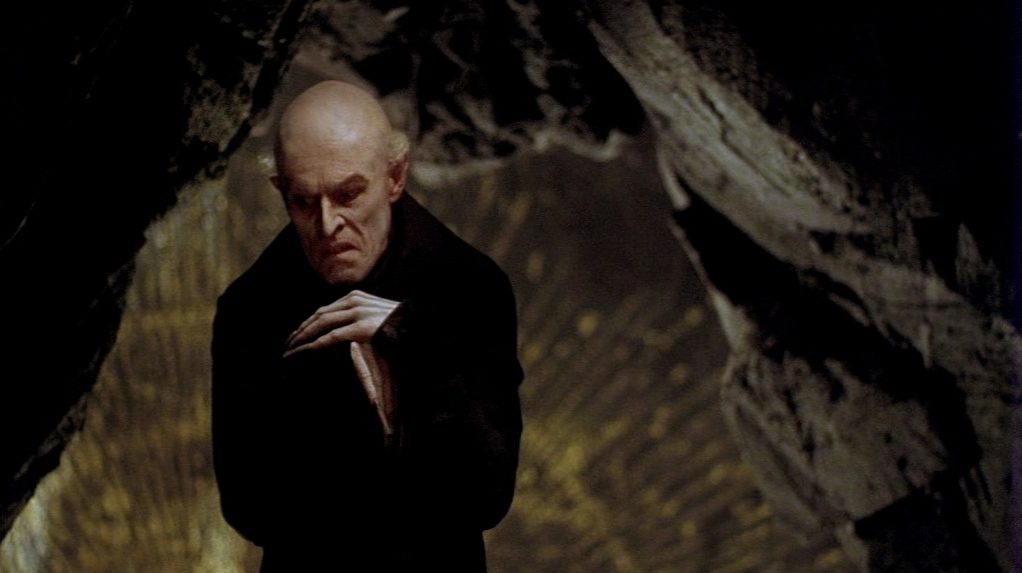
E. Elias Merhige’s Shadow of the Vampire is a darkly comedic and deeply unsettling reimagining of the making of F.W. Murnau’s Nosferatu (1922). John Malkovich stars as Murnau, an obsessive director determined to create the ultimate horror film, while Willem Dafoe delivers a mesmerising, Oscar-nominated performance as Max Schreck, who may be more vampire than actor.
This metafictional tale delves into the sacrifices made for art, blurring the lines between reality and fiction. The film’s eerie atmosphere and biting commentary on filmmaking make it a standout entry in 21st-century horror. Dafoe’s Schreck is both terrifying and tragic, embodying a creature caught between his monstrous nature and the absurdity of the human world. A must-watch for fans of horror and cinema history alike.
12. Don’t Breathe (2016)
Fede Alvarez’s Don’t Breathe flips the home invasion subgenre on its head, pitting a trio of young thieves against a blind man (played with terrifying intensity by Stephen Lang) in his fortified home. What begins as a simple heist spirals into a claustrophobic nightmare as the blind man’s lethal skills and dark secrets come to light.
Alvarez masterfully ratchets up the tension, using silence and sound design to keep viewers on edge. The film’s moral complexities add an additional layer of unease, challenging audiences to question who they should root for. With a sequel that continues to explore its characters’ fates, Don’t Breathe solidified Alvarez as a filmmaker to watch and left horror fans eagerly anticipating his next move.
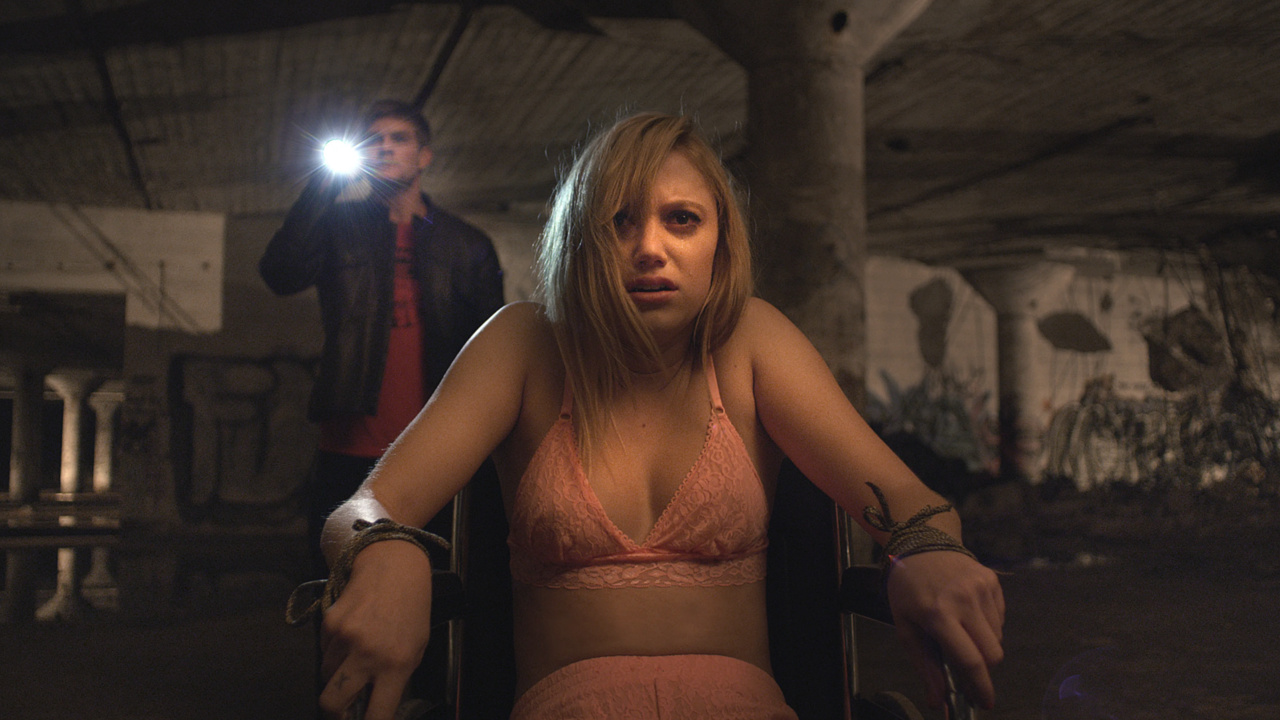
David Robert Mitchell’s It Follows is a modern horror classic that reinvents the supernatural curse trope with haunting originality. The story centers on Jay (Maika Monroe), who becomes the target of a relentless, shape-shifting entity after a sexual encounter. The entity follows her at a slow but unstoppable pace, forcing her to constantly stay on the move to survive.
Mitchell’s minimalist approach and retro aesthetic create a timeless, dreamlike quality, amplified by Disasterpeace’s eerie synth score. The film’s central metaphor, examining the lingering consequences of intimacy and vulnerability, resonates deeply without being overly didactic. With its inventive premise, masterful pacing, and striking cinematography, It Follows is a chilling exploration of paranoia and the inevitability of mortality.








 Surgeons of Horror