In Heretic, theological debate takes centre stage, crafting a dense and dialogue-heavy narrative that explores themes of faith, gender, and control with a sharp eye. This cerebral approach eschews traditional horror or thriller beats for something far more introspective, building an almost claustrophobic sense of intellectual combat. While this bold stylistic choice is likely to alienate some viewers, it succeeds in setting the film apart as an ambitious and thought-provoking piece.
Hugh Grant delivers a strong performance, skillfully embodying a man both charming and unsettling in his convictions. However, at times, his characteristic mannerisms seep into the portrayal, unintentionally breaking the fourth wall and pulling the viewer out of the moment. It’s a flaw that mars an otherwise compelling performance, yet one that never completely derails the film.
Sophie Thatcher, in contrast, fully immerses herself in her role, bringing nuance and emotional weight to her character. Her scenes resonate deeply, anchoring the more abstract elements of the narrative with raw, relatable humanity. Meanwhile, Chloe East provides a spirited performance but finds herself hindered by a script that occasionally sacrifices her character’s integrity for plot convenience. Despite this, she still manages to shine in key moments, displaying the kind of talent that could thrive under better material.
The Prognosis:
While Heretic is far from perfect, its willingness to tackle complex issues through layered dialogue and thematic depth makes it a rewarding watch for those willing to engage with its intricacies. It’s a film that dares to challenge the audience, even if it stumbles along the way.
Double Blind offers a surprisingly good time for a film rooted in such a simple premise. The high-concept hook—”fall asleep, you die”—injects immediate tension into its tale of survival, but the execution struggles to maintain that initial promise. Director Ian Hunt-Duffy crafts a claustrophobic atmosphere within the confines of the medical facility, effectively trapping both the characters and the audience in an ever-worsening nightmare.
The ensemble cast, led by Millie Brady as the reluctant leader Claire, does their best to elevate the material. Brady delivers a strong performance, showcasing her ability to carry a film despite an often predictable script. Pollyanna McIntosh and Akshay Kumar lend some gravitas to the proceedings, but their talents are underutilised in roles that rarely rise above stock character archetypes. Abby Fitz and Brenock O’Connor add energy to their respective roles but are similarly boxed in by the film’s limited character development.
As the narrative unfolds, the film leans heavily on paranoia and infighting, a well-trodden path for ensemble survival stories. While some moments of tension hit their mark, the lack of depth in character motivations and relationships keeps the drama from fully resonating. The script’s attempt to introduce twists and moral dilemmas feels undercooked, and the pacing suffers as the story meanders between predictable deaths and a finale that lacks impact.
However, Hunt-Duffy deserves credit for making the most of the low budget. The film’s stark visual style and tight editing emphasise the characters’ mounting exhaustion and fear, creating a palpable sense of unease. Despite its flaws, Double Blind is not without its charms. It’s a modest thriller that entertains in bursts but fails to leave a lasting impression.
For fans of high-stakes survival horror, Double Blind offers a passable experience, but its lack of originality and thin characterisation keep it from standing out in an already crowded genre.
Mike Nichols’ Wolf offers a refreshingly mature and layered take on the werewolf mythos, eschewing the usual gore-laden spectacle for a story steeped in psychological tension, power dynamics, and human frailty. Released in 1994, this film remains a unique entry in the genre, owing much to its stellar cast and Nichols’ seasoned direction.
Jack Nicholson commands the screen as Will Randall, a middle-aged book editor whose life takes a supernatural turn after a wolf bite. Nicholson’s performance brims with subtle menace, capturing Will’s transformation with restraint and depth. It’s a testament to his range that he can imbue the character with both primal ferocity and wry charm, making this a werewolf we root for as much as we fear.
Michelle Pfeiffer is magnetic as Laura Alden, bringing a sharp wit and vulnerability to her role as the love interest caught in the storm of Will’s transformation. Her chemistry with Nicholson elevates the film, adding a touch of sensuality to the story. James Spader delivers a delightfully slimy performance as Stewart Swinton, Will’s duplicitous protégé whose ambition sets him on a collision course with his boss. Christopher Plummer’s turn as the calculating Raymond Alden rounds out the cast, his gravitas lending weight to the corporate intrigue that simmers beneath the surface.
Nichols approaches the age-old tale of lycanthropy with a refined touch, framing the werewolf curse as an allegory for midlife crises and primal urges buried beneath layers of societal decorum. The film’s central themes of power, betrayal, and rediscovery are enhanced by its corporate setting, where the hunt for dominance plays out not in forests but in boardrooms.
The cinematography by Giuseppe Rotunno is striking, particularly the way he uses shadow and light to emphasise Will’s growing connection to the animal within. Ennio Morricone’s score complements the mood perfectly, adding an eerie elegance to the proceedings.
However, Wolf is not without its shortcomings. The pacing falters at times, and the climactic showdown, while entertaining, leans into genre tropes that feel at odds with the film’s otherwise restrained tone. Additionally, the film’s blend of horror and drama doesn’t always coalesce seamlessly, leaving some moments feeling disjointed.
Despite these flaws, Wolf remains a compelling and underappreciated gem. It’s a film that dares to take a sophisticated approach to a well-trodden myth, exploring the beast within with intelligence and style. For fans of Nicholson, Pfeiffer, or anyone seeking a thoughtful twist on werewolf lore, Wolf still has plenty of bite.
In Theatre of Death (1967), the world of the stage becomes a sinister arena where art and life collide, with the ever-reliable Christopher Lee taking centre stage. Directed by Samuel Gallu, this British horror-thriller delves into the macabre possibilities of theatrical performance, questioning where the boundary lies between scripted terror and real-life horror. While not one of Lee’s most celebrated features, it nonetheless showcases his enduring gravitas as a cornerstone of the horror genre.
The film follows a series of grisly murders in Paris that seem to be connected to the Theatre of Death, a dark and experimental troupe led by the imperious Philippe Darvas (Christopher Lee). As the no-nonsense director, Darvas is both feared and revered, commanding absolute loyalty from his performers. Yet when suspicions arise that he might be more than just a manipulative taskmaster, the line between performance and reality begins to blur, drawing the audience into a spiraling mystery.
As usual, Christopher Lee elevates the material with his magnetic presence. His portrayal of Darvas is sharp and domineering, filled with the sort of brooding intensity that makes him both menacing and captivating. Lee’s ability to imbue even the simplest lines with menace gives the film its strongest moments, ensuring that Darvas remains a figure of fascination—even when the plot begins to falter.
The film’s concept is intriguing, leaning heavily into the theatrical setting as a means of exploring horror. The imagery of actors rehearsing scenes of death and torture within the confines of the stage serves as a clever metaphor for the duality of performance and authenticity. Yet, despite its ambitious premise, Theatre of Death struggles to fully capitalise on its potential.
Samuel Gallu’s direction is serviceable but lacks the flair needed to make the film truly memorable. The pacing feels uneven, and while the murder mystery element offers some intrigue, it never reaches the level of nail-biting suspense the story demands. Similarly, the supporting characters, while adequately acted, fail to leave much of an impression, overshadowed by Lee’s towering performance.
That said, the film does have its strengths. The atmospheric use of the theatre itself is a standout feature, with its shadowy corridors and moody lighting adding an air of Gothic unease. The murders are suitably macabre, even if they don’t push the boundaries of what the genre had to offer in the late 1960s.
The Prognosis:
Theatre of Death is not the strongest entry in Christopher Lee’s illustrious career, but it’s an enjoyable curiosity for fans of his work and the era’s horror films. Its exploration of the theatrical world as a backdrop for terror adds a unique flavor, even if the execution doesn’t quite match the ambition. With Lee’s commanding performance at its heart, the film is worth a watch—just don’t expect it to leave a lasting impression.
Blumhouse Productions made its name with innovative horror films that struck a chord with audiences, often redefining the genre through clever storytelling and sharp commentary. Unfortunately, Afraid is a painful reminder of how far they’ve drifted from their golden years. Adding to the disappointment is the involvement of Chris Weitz, whose early career suggested he was destined for much greater things than this hollow misfire.
Weitz, once celebrated for his deft handling of comedies like American Pie and heartfelt adaptations like About a Boy, and even the ambitious yet divisive The Golden Compass, seems to have lost his way entirely. His association with Afraid begs the question: what happened? The film bears none of the charm, depth, or even technical polish of his earlier work. Instead, it’s a lifeless slog that fails to inspire fear, intrigue, or any emotional response beyond exasperation.
The premise—centered on the growing unease around artificial intelligence—has potential but is squandered on cheap thrills and half-baked ideas. Rather than offering a meaningful exploration of our AI-driven anxieties, Afraid merely skims the surface. Its portrayal of a bleak, AI-dominated future feels both uninspired and needlessly nihilistic. The film provides no real solutions, no glimmers of hope, and, frankly, no compelling reason for its existence.
Blumhouse’s hallmark has always been its ability to make the most of modest budgets, yet Afraid looks and feels like a bargain-bin effort. The production design lacks creativity, the dialogue is wooden, and the pacing is agonisingly slow. In a world where AI-themed horror can spark fascinating debates, this film opts for cheap scares and empty platitudes, leaving viewers frustrated and disengaged.
If the goal was to provoke thought or generate terror, Afraid misses on both counts. It’s a film that feels as lifeless as the machines it warns against, offering nothing to its audience and even less to the horror genre.
The Prognosis:
Blumhouse once showed promise as a bastion of modern horror, but with Afraid, they seem to be running on fumes. Combined with Weitz’s fall from grace, this film is a tragic testament to squandered potential. Hope may not exist in the world of Afraid, and after watching it, you’ll be hard-pressed to find any for its creators, either.
Berserk! (1967) is a campy murder-mystery-slash-horror hybrid that stands as a curious artifact from the later career of Joan Crawford. Known for her commanding performances and status as a titan of Hollywood’s golden age, Crawford’s presence elevates what might have otherwise been a forgettable schlockfest into something undeniably watchable. While it’s not a masterpiece, Berserk! offers enough intrigue and melodrama to keep audiences entertained, even if its thrills are more tame than terrifying.
Set in the colourful yet sinister world of a traveling circus, the film wastes no time diving into its macabre premise. A series of gruesome murders rocks the troupe, leaving circus manager Monica Rivers (Crawford) to navigate the chaos while safeguarding her business—and her secrets. Crawford, in her early sixties at the time, commands the screen with her trademark mix of icy authority and simmering vulnerability. Her Monica is as ruthless as she is enigmatic, and Crawford’s sheer charisma ensures she remains the centre of attention in every scene.
That’s not to say the rest of the cast doesn’t try. Ty Hardin brings a certain swagger as the hunky new high-wire act, and Diana Dors oozes campy charm as a jealous rival performer. Yet, their characters often feel like mere pawns in a game that Crawford is orchestrating. Her ability to dominate the narrative, even in a low-budget thriller like this, is a testament to her enduring star power.
The film itself is a mixed bag. Director Jim O’Connolly crafts an entertaining but uneven narrative, often veering into melodramatic territory. The murder sequences, though strikingly staged for their time, lack the visceral edge to fully capitalise on the horror elements. Similarly, the “whodunit” aspect doesn’t quite deliver the nail-biting suspense it promises, culminating in a finale that feels more absurd than shocking.
However, Berserk! does succeed in delivering a gaudy, vibrant aesthetic that captures the circus milieu. From the bright costumes to the dramatic performances under the big top, the film revels in its setting, creating an atmosphere that is as unsettling as it is ostentatious. It’s a shame the plot can’t fully match the energy of its lead and setting, often succumbing to formulaic beats.
The Prognosis:
Berserk! is not a great film, but it’s an oddly fascinating one. Its appeal lies less in its plot and more in the chance to witness Joan Crawford embracing the genre with gusto, proving she could still mesmerise audiences even in her later years. For fans of campy horror and classic Hollywood, it’s worth a watch—if only to see the legendary Crawford working her magic under the circus tent.
Shudder Original Series Series Premiere Date: December 13, 2024
As The Creep Tapes bows out with its final episode, Mom (and Albert) delivers a potent blend of psychological unease and familial dysfunction. Taking the story back to Josef’s roots, this episode ventures into the unsettling realm of the family home, peeling back layers of his psyche while injecting a fresh dose of tension with the titular Albert—his mother’s new lover.
The shift in setting immediately distinguishes this episode. The familiar, impersonal backdrops of previous entries give way to the suffocating intimacy of a childhood home. It’s a place that should offer comfort but instead brims with latent tension. Josef’s arrival feels less like a homecoming and more like an invasion, with every exchanged glance and clipped remark between him and his mother steeped in unspoken history.
Enter Albert, a seemingly mild-mannered addition to the household, whose presence tips the power dynamics into dangerous territory. Played with an unsettling mix of charm and obliviousness, Albert becomes a lightning rod for Josef’s simmering rage and jealousy. Their interactions veer between awkward civility and veiled hostility, and as the cracks in Josef’s mask widen, it becomes clear that Albert is more than just an unwelcome guest in Josef’s eyes—he’s a symbol of everything Josef feels he’s lost.
The direction here is particularly sharp, leaning into uncomfortable silences and tight framing that captures the oppressive weight of these relationships. The episode’s tension builds methodically, leading to a climactic moment that is equal parts shocking and darkly comedic—a trademark of the series. The “titillating” conclusion, while provocative, feels earned in the context of the episode’s exploration of power, control, and Josef’s fractured psyche.
What makes Mom (and Albert) so effective is its ability to subvert expectations. Where previous episodes leaned heavily into Josef’s control over others, this installment strips him of his dominance, leaving him exposed and vulnerable. It’s a bold move for a finale, challenging the audience to reconsider their understanding of Josef while providing an unsettling endnote to his arc.
Final Thoughts: Mom (and Albert) is a fittingly twisted send-off for The Creep Tapes, doubling down on the series’ psychological and emotional complexity. By juxtaposing Josef’s past with his present and introducing a disruptive force in Albert, the episode underscores the fragility of Josef’s carefully constructed persona. As the series concludes, it leaves us with a lingering sense of dread—and a morbid curiosity about what lies ahead for Josef.
Saul Muerte
The Creep TapesSeries are currently streaming Exclusively on Shudder and AMC+
When Friday the 13th: The Final Chapter slashed its way into theaters in 1984, it was marketed as the definitive conclusion to Jason Voorhees’ reign of terror. Of course, hindsight reveals this “final” chapter was merely the midpoint of a sprawling franchise. Yet, even after 40 years, this fourth installment remains a fan favourite, celebrated for its heightened intensity, memorable characters, and pivotal role in shaping the series’ future.
Tommy Jarvis: A Hero is Born
A key reason The Final Chapter resonates so deeply with fans is the introduction of Tommy Jarvis, played by a young Corey Feldman. Tommy, a precocious horror enthusiast with a knack for special effects makeup, is a rare protagonist who feels as intriguing as Jason himself. Feldman brings an authentic mix of vulnerability and resourcefulness to the role, making Tommy an instantly iconic character.
Tommy’s climactic confrontation with Jason—a battle of wits and willpower—is one of the franchise’s most intense moments. His shocking decision to shave his head and impersonate a younger version of Jason to disorient the killer was both unsettling and ingenious, adding a psychological edge rarely seen in slasher films of the era. This pivotal moment not only cemented Tommy as a standout character but also set the stage for his return in later entries, making him a central figure in the saga.
The Turning Point
By the time The Final Chapter arrived, the Friday the 13th formula was well established: a group of teenagers ventures to Crystal Lake, where they meet gruesome ends at Jason’s hands. However, this installment elevated the franchise in several key ways.
Director Joseph Zito (The Prowler) brought a more polished aesthetic to the film, combining tense, atmospheric build-ups with visceral kill sequences. Tom Savini, returning to provide the special effects after his groundbreaking work on the original film, delivered some of the franchise’s most memorable gore. From Jason’s harpoon impalement to his shocking demise via machete to the face, the kills were as creative as they were brutal, solidifying Jason as an unstoppable force of nature.
The film also marked a tonal shift, balancing the campy thrills of earlier installments with a darker, more serious approach. This wasn’t just another Jason romp—it felt like the franchise was reckoning with its own legacy. The inclusion of Tommy Jarvis and his family introduced a level of emotional investment often absent from slasher films, giving audiences someone to root for beyond mere survival.
Jason’s (Temporary) Swan Song
Perhaps most notably, The Final Chapter marked the (temporary) end of Jason Voorhees as fans knew him. The film’s bold decision to actually kill off Jason in a conclusive and gruesome manner was a major gamble. For many fans, this death felt definitive, a fitting end to a character who had become synonymous with the genre. Of course, Jason would rise again, but this film gave him a sense of finality that added weight to his demise.
Fan Favorite Legacy
Decades later, The Final Chapter continues to stand out as one of the franchise’s most beloved entries. Its blend of suspense, gore, and character-driven storytelling has made it a benchmark for slasher sequels. For many fans, this installment represents the franchise at its peak—a perfect storm of horror elements that capture everything audiences love about Friday the 13th.
Final Thoughts
Friday the 13th: The Final Chapter may not have been the end of Jason Voorhees, but it was undeniably a turning point for the franchise. With the introduction of Tommy Jarvis, the escalation of gore and tension, and a climactic showdown that still leaves audiences breathless, this installment remains a testament to why Friday the 13th endures as a cornerstone of horror. Forty years later, it’s clear that The Final Chapter is anything but the end—it’s the moment Jason and his machete became immortal.
What’s your favourite memory or moment from this fan-favorite slasher? Let’s celebrate four decades of terror at Crystal Lake!
Few films manage to capture the sheer cosmic dread and creeping insanity of H.P. Lovecraft’s writing, but John Carpenter’s In the Mouth of Madness not only achieves this, it arguably transcends it. As the third entry in Carpenter’s “Apocalypse Trilogy”—following The Thing (1982) and Prince of Darkness (1987)—this 1994 film stands tall as one of the finest examples of Lovecraftian horror on screen. For many, it’s also regarded as Carpenter’s last truly great film, a testament to his mastery of mood, pacing, and his ability to weave terror into every frame.
A Spiral Into Madness
Sam Neill delivers a career-defining performance as John Trent, an insurance investigator hired to locate the missing horror author Sutter Cane (Jürgen Prochnow). What begins as a seemingly straightforward investigation swiftly devolves into a kaleidoscopic nightmare, as Trent journeys to the ominous town of Hobb’s End—a fictional place that exists only in Cane’s novels, or so he believes.
Neill’s portrayal of Trent is pitch-perfect. He oscillates between skepticism, defiance, and pure, unhinged terror with ease. His descent into madness is as gripping as it is harrowing, with Carpenter using him as a surrogate for the audience, dragging us deeper into the abyss of Cane’s twisted reality.
Lovecraft Brought to Life
The film is an unapologetic love letter to Lovecraft. Themes of forbidden knowledge, crumbling sanity, and eldritch horrors permeate every corner of the story. The monstrous, otherworldly creatures lurking in the shadows and the unrelenting sense of dread feel ripped straight from Lovecraft’s pages. Yet, In the Mouth of Madness also stands as a uniquely Carpenter creation, blending the author’s cosmic nihilism with the director’s penchant for kinetic storytelling and sharp social commentary.
Books Within Films Within Madness
The layers of meta-textual storytelling are dizzying. Sutter Cane’s novels don’t just terrify; they infect reality itself, reshaping the world into his grotesque vision. Carpenter masterfully blurs the line between fiction and reality, leaving audiences questioning whether Trent’s unraveling is the result of supernatural forces or his own fragile psyche. The meta-commentary on the power of storytelling—and its ability to reshape perception—is hauntingly prescient in a world increasingly shaped by media narratives.
A Visual Nightmare
Carpenter’s direction is both methodical and chaotic, amplifying the film’s escalating insanity. The eerie small-town setting of Hobb’s End is a masterpiece of unsettling design, with its shifting geography and uncanny atmosphere. Cinematographer Gary B. Kibbe’s use of shadows, distorted perspectives, and surreal imagery keeps the audience on edge, while the practical effects, including the grotesque creatures, are a horrifying delight.
A Horror Swan Song
For Carpenter, In the Mouth of Madness represents a culmination of his lifelong exploration of apocalyptic dread. While he would go on to direct more films, none would achieve the same level of craftsmanship, ambition, or raw terror. It’s a film that demands repeat viewings, with new layers of meaning and horror revealed each time.
Final Thoughts
In the Mouth of Madness is an unrelenting descent into the heart of madness—a film where reality, fiction, and insanity bleed together in a cacophony of terror. It’s Carpenter’s boldest and most thematically rich work, a fitting capstone to his reign as one of horror’s greatest auteurs. Sam Neill’s towering performance, combined with the film’s Lovecraftian sensibilities and Carpenter’s confident direction, solidifies it as a masterpiece of cosmic horror.
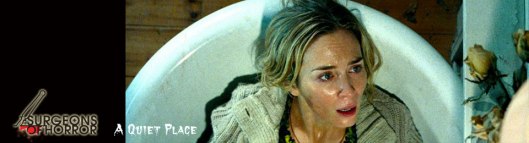
John Krasinski’s A Quiet Place is a revelation in modern horror, a film that uses sound—or the lack thereof—to deliver some of the most nail-biting tension in recent memory. The story unfolds in a post-apocalyptic world where monstrous creatures hunt by sound, forcing a family to live in near-total silence. The narrative is deeply personal, focusing on a family’s struggle to survive and protect each other while navigating grief and hope in a world that has fallen apart. Krasinski’s direction transforms silence from a survival mechanism into a harrowing storytelling tool, forcing viewers to hang on every sound.
Emily Blunt’s performance is a standout, particularly in a sequence involving childbirth that showcases both her character’s and the film’s ability to generate relentless suspense. The familial relationships elevate A Quiet Place beyond a standard creature feature, grounding the horror in universal emotions of love and loss. Krasinski’s portrayal of a father doing everything he can to protect his children resonates deeply, adding layers to the film’s already compelling story.
What makes A Quiet Place truly remarkable is its ability to engage audiences on a primal level. It demands their attention and silence, pulling them into its carefully constructed world. The film is a triumph of minimalist horror, proving that tension doesn’t require elaborate plots or excessive dialogue—just a clever concept executed with precision. Krasinski’s transformation from a comedic actor to a horror auteur is inspiring, leaving us curious about what other surprises he might have up his sleeve.
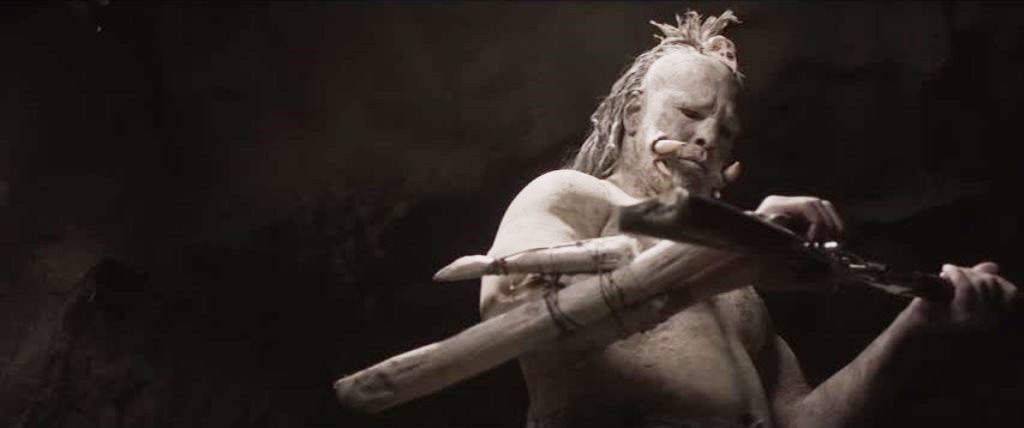
S. Craig Zahler’s Bone Tomahawk defies easy categorization, blending the Western and horror genres into a film that is as thought-provoking as it is harrowing. The story follows a small-town sheriff (Kurt Russell) leading a rescue mission into hostile territory after a group of townsfolk is abducted by a tribe of cave-dwelling cannibals. Zahler’s deliberate pacing gives the film a meditative quality, allowing audiences to bond with its richly drawn characters before plunging them into an abyss of terror.
The cast is exceptional, with Kurt Russell delivering a commanding performance as a grizzled lawman, and Richard Jenkins offering a poignant turn as his loyal but aging deputy. Patrick Wilson and Matthew Fox round out the group with compelling portrayals of men driven by duty and desperation. The film’s restrained first half lulls viewers into a sense of security, emphasizing camaraderie and moral dilemmas, which makes its shocking third act all the more jarring.
When Bone Tomahawk shifts into full horror mode, it does so unapologetically, with some of the most gruesome sequences in modern cinema. The brutality isn’t gratuitous but serves to underscore the savage reality of the world Zahler has created. The film challenges audiences to grapple with themes of survival, morality, and the limits of humanity in the face of inhuman threats. It’s a unique entry in the horror canon, proving that genre hybrids can be as unsettling as they are innovative.
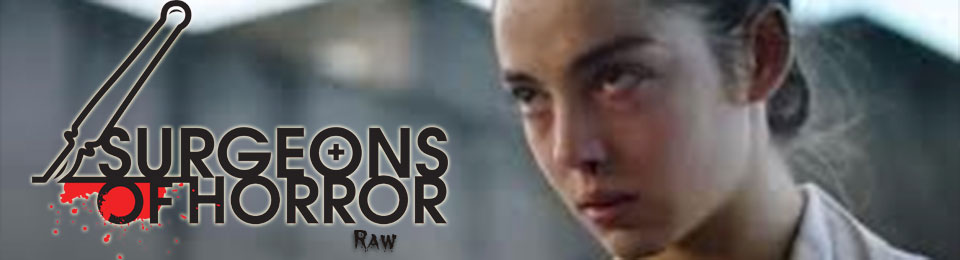
8. Raw (2016)
Julia Ducournau’s Raw is a visceral exploration of identity, desire, and transformation, wrapped in the guise of body horror. The film follows Justine (Garance Marillier), a vegetarian veterinary student who develops an insatiable craving for flesh after a hazing ritual. What begins as a subtle coming-of-age story evolves into a grotesque yet beautiful meditation on the complexities of human nature and familial bonds. Ducournau’s direction is fearless, blending shocking imagery with a deeply empathetic narrative.
The relationship between Justine and her older sister, Alexia (Ella Rumpf), is central to the film’s emotional core. Their sibling rivalry, complicated by their shared dark secret, mirrors the duality of love and destruction that defines Raw. Ducournau uses their bond to explore themes of inheritance and transformation, both literal and metaphorical. The film’s stark visuals and pulsating soundtrack amplify its intensity, immersing the audience in Justine’s unsettling journey of self-discovery.
Beyond its shock value, Raw is a deeply introspective film that challenges viewers to confront their own perceptions of normalcy and taboo. It’s a story about growing up, breaking free, and embracing the parts of oneself that society deems unacceptable. Ducournau’s masterful storytelling and Marillier’s haunting performance make Raw an unforgettable cinematic experience—a horror film that transcends its genre to deliver something profoundly human.
Bong Joon-ho’s The Host is more than a monster movie—it’s a masterful blend of horror, satire, and family drama that redefines the creature-feature genre. The story begins with an environmental disaster caused by human negligence, leading to the birth of a monstrous creature that terrorizes the Han River. The film focuses on the dysfunctional Park family as they band together to rescue their youngest member, who has been abducted by the creature. Bong uses this central narrative to weave in commentary on government incompetence, societal apathy, and environmental responsibility.
The titular creature is a marvel of design, grotesque yet oddly graceful, and its appearances are both thrilling and terrifying. However, what truly sets The Host apart is its focus on the human element. The Park family, led by the bumbling but lovable Gang-du (Song Kang-ho), is a far cry from the typical heroic protagonists of monster movies. Their flaws and resilience make them relatable, anchoring the film’s fantastical elements in a deeply emotional reality.
Bong’s ability to balance tonal shifts—from horror to humor to tragedy—is nothing short of remarkable. The Host’s mix of heart-pounding action and poignant family drama ensures it resonates on multiple levels. It’s a film that entertains while provoking thought, solidifying Bong Joon-ho’s reputation as a filmmaker who defies conventions and elevates every genre he touches.
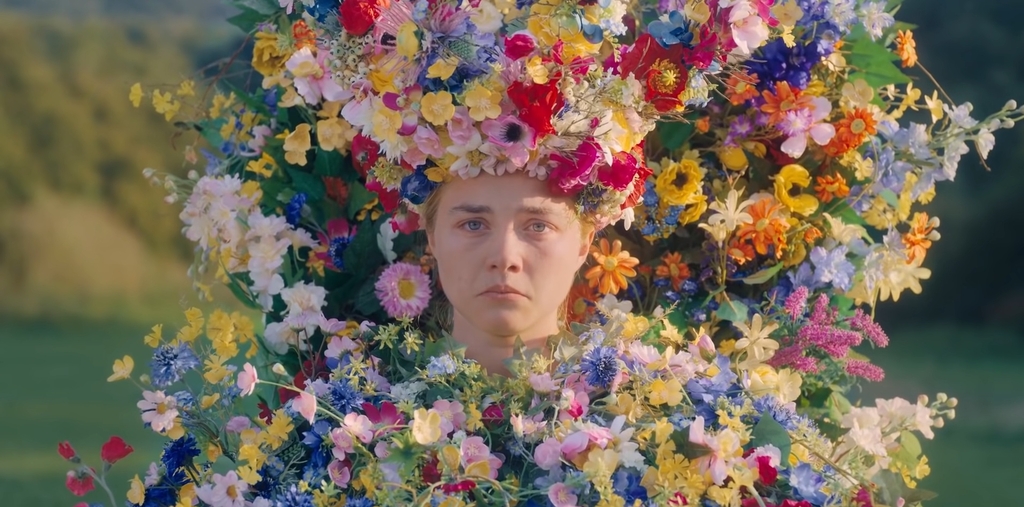
6. Midsommar (2019)
Ari Aster’s Midsommar is a visually stunning and psychologically disturbing exploration of grief, relationships, and cultural alienation. The film follows Dani (Florence Pugh), a young woman reeling from a devastating personal loss, as she accompanies her distant boyfriend Christian (Jack Reynor) and his friends on a trip to a secluded Swedish commune. What begins as a seemingly idyllic cultural retreat quickly devolves into a harrowing descent into ritualistic horror. Aster masterfully juxtaposes the radiant beauty of the setting with the dark undercurrents of the story, creating a uniquely unsettling experience.
Florence Pugh delivers a career-defining performance as Dani, capturing her emotional fragility and gradual transformation with remarkable nuance. Her journey from victimhood to empowerment, albeit through disturbing means, is both tragic and cathartic. The film’s dissection of toxic relationships adds depth to its narrative, with Dani and Christian’s crumbling partnership serving as a metaphor for the broader themes of connection and isolation.
Midsommar stands out for its unorthodox approach to horror, eschewing darkness and jump scares in favor of daylight terror and slow-building dread. The intricate production design, folk-inspired rituals, and meticulous pacing immerse viewers in the eerie world of the Hårga. Aster’s second feature cements his status as a modern horror auteur, proving that terror doesn’t always lurk in the shadows—it can also bloom in the blinding light of midsummer.
5. Train to Busan (2016)
Train to Busan reinvigorates the zombie genre with its heart-pounding action and deeply emotional storytelling. Directed by Yeon Sang-ho, the film unfolds on a high-speed train from Seoul to Busan, where passengers must fight for survival as a zombie outbreak spreads rapidly through South Korea. While the premise may seem familiar, the execution is anything but, blending relentless tension with heartfelt moments that elevate it above standard fare.
At its core, Train to Busan is a story about humanity, focusing on Seok-woo (Gong Yoo), a workaholic father traveling with his estranged daughter, Su-an (Kim Su-an). Their relationship serves as the emotional anchor, and their evolving bond amid the chaos is profoundly moving. The film also introduces a memorable ensemble of characters, from a selfless father-to-be (Ma Dong-seok) to a pair of elderly sisters whose loyalty transcends the apocalypse. Each adds depth and texture to the story, making the stakes feel personal.
Yeon Sang-ho’s direction ensures that the film is both a thrilling spectacle and a poignant exploration of sacrifice, heroism, and societal flaws. The confined setting of the train amplifies the tension, while the expertly choreographed action sequences keep audiences on edge. Train to Busan isn’t just one of the best zombie films of the 21st century—it’s a testament to the power of genre cinema to evoke fear, tears, and triumph all at once.
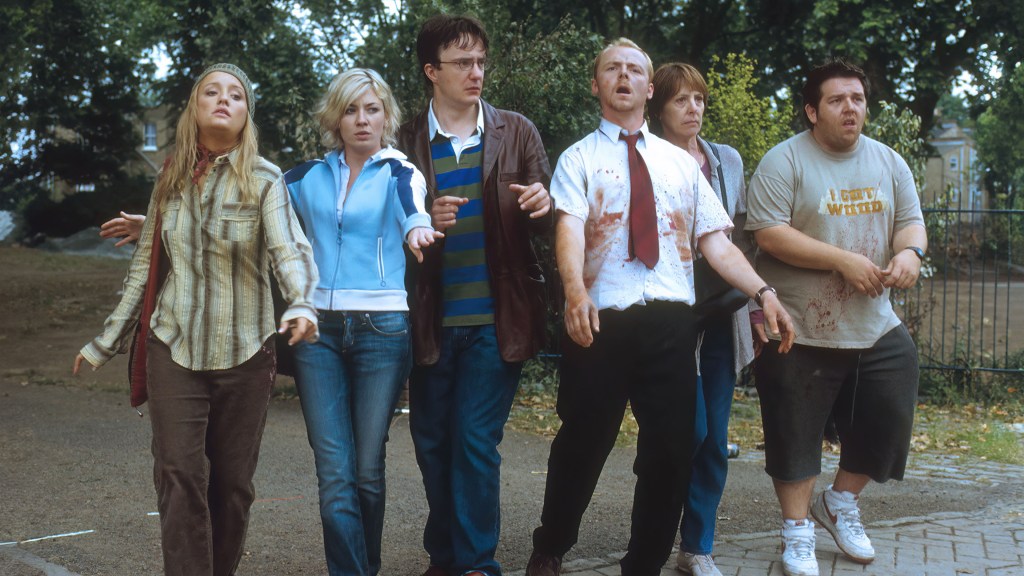
4. Shaun of the Dead (2004)
Edgar Wright’s Shaun of the Dead is a brilliant fusion of comedy and horror, affectionately dubbed a “rom-zom-com.” The film follows Shaun (Simon Pegg), a hapless everyman navigating a zombie apocalypse while attempting to win back his ex-girlfriend Liz (Kate Ashfield) and reconcile with his mother. Wright’s razor-sharp direction and Pegg’s witty screenplay, co-written with Nick Frost, breathe new life into the zombie genre, blending laughs with genuine scares and heartfelt character moments.
The film’s strength lies in its characters and their relationships. Shaun’s bromance with his slacker best friend, Ed (Nick Frost), provides endless comedic moments, but it also adds emotional weight as their dynamic shifts throughout the story. Meanwhile, the strained relationships with Liz and his stepfather (Bill Nighy) serve as a backdrop for Shaun’s reluctant journey toward maturity. These elements ensure the film is as much about personal growth as it is about survival.
Wright’s signature visual style, characterized by kinetic editing and clever foreshadowing, enhances the film’s humor and tension. From its iconic use of Queen’s “Don’t Stop Me Now” during a zombie beatdown to its biting commentary on societal apathy, Shaun of the Dead strikes a perfect balance between parody and homage. It remains a genre-defining masterpiece that showcases the versatility of horror-comedy and its ability to entertain, scare, and touch audiences in equal measure.
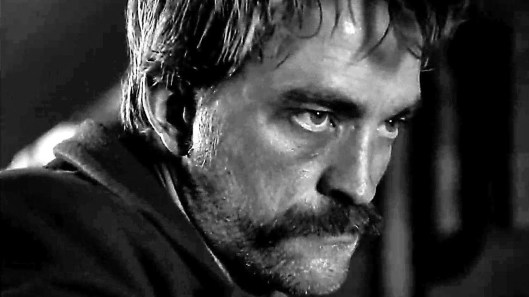
3. The Lighthouse (2019)
Robert Eggers’ The Lighthouse is an atmospheric descent into madness, a tale of isolation and obsession that feels both timeless and uniquely contemporary. Shot in stark black-and-white and framed in a nearly square aspect ratio, the film immerses viewers in the claustrophobic world of two lighthouse keepers, played with ferocious intensity by Willem Dafoe and Robert Pattinson. As they battle the elements, each other, and their own sanity, Eggers crafts a narrative that is as enigmatic as it is mesmerizing.
Dafoe and Pattinson deliver career-best performances, with Dafoe’s crusty, sea-faring monologues and Pattinson’s simmering desperation providing the film’s dramatic core. Their dynamic oscillates between camaraderie and hostility, creating a tension that is both deeply unsettling and darkly comedic. The film’s dialogue, rooted in 19th-century vernacular, adds to its authenticity, while its mythological undertones invite endless interpretation.
Eggers’ meticulous attention to detail extends to every aspect of the production, from the haunting sound design to the evocative use of light and shadow. The result is a film that feels like a fever dream, blending psychological horror with elements of folklore and existential dread. The Lighthouse is not for everyone, but for those willing to dive into its depths, it offers an unforgettable cinematic experience that lingers long after the final frame.
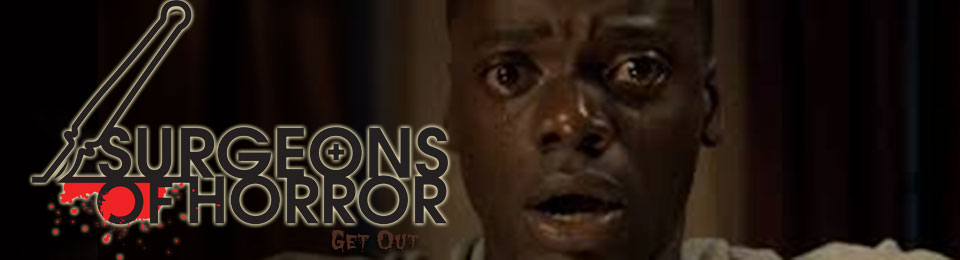
Jordan Peele’s Get Out is a groundbreaking exploration of racial tension and social horror, wrapped in the guise of a psychological thriller. The story follows Chris (Daniel Kaluuya), a young Black man visiting the family of his white girlfriend, Rose (Allison Williams). What begins as a seemingly awkward weekend soon reveals a sinister conspiracy that forces Chris to fight for his life. Peele’s razor-sharp script weaves biting satire with genuine terror, creating a film that is as thought-provoking as it is unsettling.
Daniel Kaluuya’s performance anchors the film, capturing Chris’s unease and resilience as he navigates an increasingly hostile environment. The supporting cast, particularly Allison Williams and Catherine Keener, deliver chilling performances that add layers to the narrative. Peele’s use of visual motifs, such as the sunken place, underscores the film’s exploration of systemic oppression and the erasure of Black identity.
Get Out is more than a horror film—it’s a cultural touchstone that sparked conversations about representation and racism in America. Its success cemented Peele as one of the most exciting voices in modern cinema, and its influence can be seen in the wave of socially conscious horror films that followed. By blending horror with incisive commentary, Get Out redefined what the genre could achieve, making it an essential entry in the canon of 21st-century cinema.
Tomas Alfredson’s Let the Right One In is a hauntingly beautiful tale of love, loneliness, and the monstrous within us all. Set in the snowy suburbs of 1980s Sweden, the film tells the story of Oskar (Kåre Hedebrant), a bullied boy who befriends Eli (Lina Leandersson), a mysterious girl with a dark secret. Their relationship blossoms against a backdrop of violence and despair, creating a poignant contrast between innocence and horror.
Eli’s vampiric nature adds a chilling layer to the story, but the film is less about bloodlust and more about the connection between two outcasts. Alfredson’s direction emphasizes the quiet moments—the tentative exchanges, the shared silences—that make their bond feel authentic and deeply moving. The performances of Hedebrant and Leandersson are extraordinary, capturing the vulnerability and resilience of their characters.
Cinematographer Hoyte van Hoytema’s stark visuals and Johan Söderqvist’s ethereal score create an atmosphere that is both melancholic and otherworldly. Let the Right One In transcends the vampire genre, delivering a story that is as tender as it is terrifying. It’s a masterpiece of modern horror, a film that lingers in the mind and heart long after its chilling final scene.
Closing Thoughts:
The 21st century has seen an evolution in the horror genre that defies its often-dismissed reputation as mere entertainment. From psychological dread to blood-soaked nightmares, these films represent a golden age of creativity, where directors are unafraid to challenge conventions and elevate horror to an art form. Each of the top ten entries demonstrates the genre’s versatility, pushing boundaries while exploring profound themes like grief, identity, and societal anxieties.
What makes these films so impactful is their ability to resonate on a deeply human level. Whether it’s the heartbreaking struggle for connection in Let the Right One In, the biting social commentary of Get Out, or the raw emotional unraveling in Midsommar, these movies prove that horror is not just about scares but also about what lingers beneath the surface—our fears, desires, and vulnerabilities.
As horror continues to evolve, these films serve as a testament to the genre’s enduring power and creativity. They have redefined the landscape, proving that horror is more than a niche—it’s a mirror to the human condition, capable of both terrifying and inspiring audiences. This list celebrates not just the scares but the stories, performances, and visionary filmmaking that have defined horror in the 21st century so far. And if these ten films are any indication, the future of the genre is both bright and deliciously dark.



 Surgeons of Horror