• About
  • podcasts
  • Shop

Surgeons of Horror

~ Dissecting horror films

Surgeons of Horror

Author Archives: surgeons of horror

A Haunting Symphony of Shadows: Robert Eggers’ Nosferatu

05 Sunday Jan 2025

Posted by surgeons of horror in Movie review

≈ 1 Comment

Tags

aaron taylor-johnson, Bill Skarsgård, emma corrin, horror, lily rose depp, nicholas hoult, Nosferatu, ralph ineson, robert eggers, simon mcburney, Willem Defoe, willem-dafoe

Robert Eggers’ long-anticipated Nosferatu proves to be another striking entry in the director’s growing repertoire. While it may not reach the towering heights of his earlier works like The Lighthouse or The Witch, Eggers’ fourth feature-length film is a visually intoxicating journey that honours its 1922 namesake while breathing new, sinister life into the legend.

From the moment the first frame flickers on screen, it’s evident that Eggers holds the original Nosferatu close to his heart. The film is awash with nods to F.W. Murnau’s silent classic, both in its reverence for German Expressionism and its stark, almost otherworldly aesthetic. Shadows and light clash in every frame, creating a chiaroscuro effect that feels like a love letter to the era of silent cinema. The jagged, angular sets—almost living entities in their starkness—slice through the film, their ominous presence as much a character as any in the story.

The performances elevate Nosferatu beyond mere homage. Willem Dafoe, no stranger to transforming himself for a role, brings a haunted gravitas to his character, Prof. Albin Eberhart Von Franz, while Lily-Rose Depp infuses her performance as Ellen Hutter with both fragility and strength, commanding the screen with grace. Bill Skarsgård, stepping into the titular role, once again demonstrates his ability to embody grotesque creatures with a chilling ease. His portrayal of the vampiric Count Orlok is unsettling and mesmerising, a fusion of menace and melancholy that lingers with you as you leave the cinema.

Sound design plays a pivotal role in Eggers’ vision. Breath—both its presence and absence—becomes a motif that underscores the film’s themes. The rasping, laboured exhalations of plague-stricken Londoners weave into the score, amplifying the suffocating dread that permeates the story. This auditory detail enriches the narrative, turning something as mundane as breathing into a symbol of survival and decay.

However, the film is not without its flaws. The storyline, while serviceable, lacks the depth and complexity of Eggers’ previous outings. This thinness in the plot occasionally exposes the runtime, making certain stretches feel elongated. Yet, this simplicity could be seen as a strength, allowing Eggers to delve into the essence of the tale rather than overburden it with unnecessary intricacies.

The Prognosis:

Nosferatu is a beautifully crafted piece of cinema, a masterclass in visual storytelling that immerses viewers in its eerie, dreamlike world. Though it may not soar as high as Eggers’ earlier works, it is undeniably a film made with passion and precision. For lovers of the original and newcomers alike, it offers a rich, sensory experience that solidifies Robert Eggers’ status as one of modern cinema’s most distinctive voices.

  • Saul Muerte

The Witching Hour: Rediscovering Ingmar Bergman’s Hour of the Wolf

05 Sunday Jan 2025

Posted by surgeons of horror in retrospective

≈ Leave a comment

Tags

1960s horror, 1960s retrospective, folk horror, folklore, folklore horror, hour of the wolf, ingmar bergman, liv ullman, Max Von Sidow, sven nykvist

Ingmar Bergman’s Hour of the Wolf (1968) is a haunting exploration of the human psyche, wrapped in the shroud of surrealist horror. Often overshadowed by his magnum opus, Persona (1966), this film still stands as a remarkable achievement in Bergman’s illustrious career. Infused with themes of isolation, grief, sexuality, and fractured relationships, Hour of the Wolf delves into the fragile boundaries between reality and nightmare, offering a chilling portrait of psychological unraveling.

The film centres on Johan Borg (Max von Sydow), an artist tormented by inner demons, and his wife Alma (Liv Ullmann), who bears witness to his gradual descent into madness. Set on a remote island, their isolation becomes a breeding ground for paranoia and supernatural dread. Through Johan’s journal entries, we are introduced to a cast of grotesque figures—possibly products of his imagination—whose interactions blur the lines between memory, hallucination, and folklore.

Bergman’s use of folklore-inspired horror is particularly striking. The title refers to the time just before dawn, when the most deaths and births occur, evoking an atmosphere of heightened vulnerability. Subtle allusions to vampirism and lycanthropy further deepen the film’s surreal mystique, positioning it as a psychological horror piece with universal resonance.

Visually, Hour of the Wolf is a masterclass in unsettling imagery. Sven Nykvist’s stark black-and-white cinematography amplifies the film’s oppressive mood, while Bergman’s use of dreamlike sequences and fragmented storytelling creates an otherworldly atmosphere. One standout moment is Johan’s vivid recollection of an aristocratic dinner party, where grotesque characters mock and torment him. The sequence is both absurd and terrifying, encapsulating the film’s unique blend of existential dread and surrealism.

The film’s exploration of Johan and Alma’s relationship is equally compelling. Liv Ullmann delivers a powerful performance as Alma, whose love for Johan is both her strength and her curse. Her quiet resilience contrasts with Johan’s increasing detachment, highlighting the emotional toll of living with someone consumed by inner turmoil.

At its core, Hour of the Wolf is a meditation on the destructive power of creativity and obsession. Johan’s art becomes a metaphor for his deteriorating mental state, raising questions about the price of artistic genius. The film’s unsettling climax, where Johan confronts his demons in a surreal and chaotic sequence, serves as a harrowing depiction of psychological collapse.

Bergman’s exploration of grief and repressed desires adds another layer of complexity. The spectral figures haunting Johan can be interpreted as manifestations of his guilt and unfulfilled longings, making the horror deeply personal and introspective.

The Prognosis:

While not as universally lauded as Persona, Hour of the Wolf remains a standout in Bergman’s filmography for its bold fusion of psychological drama and horror. Its surreal style, rich symbolism, and unflinching examination of the human condition make it a compelling and thought-provoking experience. Hour of the Wolf is a mesmerising journey into the darkness of the soul.

  • Saul Muerte

Fall Break Frenzy: Revisiting the Bloody Mayhem of The Mutilator

04 Saturday Jan 2025

Posted by surgeons of horror in retrospective

≈ Leave a comment

Tags

1980s slasher, buddy cooper, michael minard, slasher, slasher film, slasher films, slasher horror, the mutilator

In the crowded slasher landscape of the 1980s, The Mutilator (1985) carved out its place as a lesser-known but memorable entry. Written and directed by Buddy Cooper, this indie horror flick owes much of its cult status to its inventive kills and gruesome effects. Despite a screenplay that stumbles through clichés and awkward dialogue, the film’s sheer commitment to delivering blood-soaked carnage keeps it afloat.

The plot of The Mutilator treads well-worn territory. A group of teenagers decides to spend their fall break cleaning up a beach house, only to become prey for a vengeful, deranged father with a penchant for creative murder. The setup borrows heavily from the Friday the 13th playbook—a secluded setting, a mysterious killer, and an ensemble cast of soon-to-be victims—but lacks the tension and character depth of its inspiration. What The Mutilator offers instead is a straightforward march toward carnage, eschewing narrative complexity for shock value.

Where the screenplay falters, the practical effects shine. The kills in The Mutilator are among the most brutal and imaginative of the era, featuring pitchfork impalements, decapitations, and the infamous fishing gaff scene that remains a talking point among horror aficionados. The commitment to practical effects lends the film a visceral quality that helps offset its narrative shortcomings.

Cooper’s direction may lack finesse, but he shows a clear understanding of what his audience craves. The emphasis on elaborate death sequences makes the film’s flaws more forgivable, as each gruesome payoff keeps the energy alive.

The cast, comprised largely of unknowns, delivers serviceable performances that range from passable to wooden. Dialogue often feels stilted, and character development is minimal, leaving the audience with little investment in the protagonists’ fates. However, the actors’ enthusiasm for the material shines through, adding a layer of charm to the otherwise clunky script.

On the production side, The Mutilator wears its low budget on its sleeve, with modest sets and uneven cinematography. Yet, these limitations contribute to the film’s scrappy, grindhouse appeal. The synth-heavy score by Michael Minard enhances the atmosphere, offering a nostalgic glimpse into the aesthetics of 1980s horror.

The Prognosis:

While The Mutilator doesn’t reinvent the slasher genre, it delivers exactly what its title promises: unapologetically gory entertainment. The film’s shortcomings in writing and acting are mitigated by its standout effects and unrelenting dedication to visceral thrills. For fans of low-budget 1980s slashers, The Mutilator is a must-see curiosity—a flawed yet endearing homage to the era’s excesses.

The Mutilator thrives on its gory spectacle, carving out a small but bloody niche in the annals of horror history.

  • Saul Muerte

1960s Retrospective: The Blood Beast Terror (1968)

04 Saturday Jan 2025

Posted by surgeons of horror in retrospective

≈ Leave a comment

Tags

1960s horror, 1960s retrospective, peter cushing, robert flemyng, wanda vantham

In the golden age of Hammer Horror-inspired cinema, The Blood Beast Terror (1968) dared to stand out with its blend of detective mystery and creature feature antics. Unfortunately, this boldness didn’t translate into cinematic success, resulting in a film that’s more curiosity than classic. Despite its flaws, the movie is buoyed by a stellar central performance from Peter Cushing and a capable supporting cast including Robert Flemyng and Wanda Ventham.

The film’s plot reads like a fever dream of 1960s pulp horror: a series of grisly murders plagues the countryside, each victim drained of blood. Enter Inspector Quennell (Cushing), a sharp-witted detective determined to solve the mystery. The trail leads him to Dr. Mallinger (Flemyng), an entomologist whose secret experiments have birthed a horrifying creature—a human-moth hybrid with a deadly thirst. Mallinger’s enigmatic daughter, Clare (Ventham), further complicates matters as Quennell unravels the twisted truth.

Peter Cushing’s performance as Inspector Quennell is the film’s greatest asset. His trademark gravitas and effortless charm breathe life into the otherwise pedestrian script. Whether interrogating suspects or confronting unspeakable horrors, Cushing elevates every scene with his nuanced delivery and commanding presence. His performance alone makes The Blood Beast Terror worth a watch for fans of vintage horror.

Robert Flemyng provides a suitably sinister turn as Dr. Mallinger, blending arrogance and desperation in his portrayal of a man consumed by hubris. Wanda Ventham, as Clare, delivers an enigmatic performance that hints at the character’s duality, though the script’s limitations leave her with little room to shine. Ventham’s ethereal beauty and restrained menace make her a memorable part of the film, even as the narrative fails to fully explore her potential.

The concept of a giant killer moth might seem ludicrous, but it’s handled with surprising seriousness. The creature effects, while dated, possess a certain charm and showcase the ingenuity of the era’s low-budget filmmaking. The transformation sequences and final confrontation are standout moments, embodying the warped gold that makes this film intriguing despite its shortcomings.

The Prognosis:

The Blood Beast Terror is a peculiar entry in the annals of 1960s horror. While it struggles under the weight of a thin script and an outlandish premise, the performances—particularly Cushing’s—and the audacity of its concept make it a fascinating watch for genre enthusiasts. That said, the film ultimately lacks the polish and cohesion needed to ascend to the ranks of its contemporaries.

The Blood Beast Terror is best appreciated as a quirky relic of its time, a testament to the creativity and ambition of mid-century horror cinema.

  • Saul Muerte

50th Anniversary Retrospective: The Bedevilled (1975)

01 Wednesday Jan 2025

Posted by surgeons of horror in retrospective

≈ Leave a comment

Tags

reiko ike

Released in 1975, The Bedevilled remains a fascinating but flawed example of supernatural horror, blending themes of corruption, revenge, and the paranormal within a taut 90-minute runtime. Directed with atmospheric flair, the film offers plenty of intrigue but ultimately falls short of its full potential.

Set in a small, isolated town, the story unfolds after the mysterious death of the influential Lin family’s only son. Found naked and dead in the quarters of Cheng Niang, a vinbutik hostess, his demise sparks a chain of accusations. The grieving father, Old Lin, accuses Chai-Tseng Chu, Cheng Niang’s husband, of murder. Despite Tseng’s insistence on his innocence, Cheng Niang’s sudden disappearance casts doubt on his claims. When Magistrate Tang, pressured and bribed by Old Lin, condemns Tseng to death, it sets the stage for a chilling supernatural turn. Cheng Niang’s eventual return exposes not only her grief but also an unsettling truth, as ghostly apparitions begin haunting Judge Tang.

Reiko Ike, a Japanese cinema icon of the era, is sadly underutilised in The Bedevilled. Best known for her commanding presence in exploitation films, Ike’s role as Cheng Niang offers glimpses of her talent but fails to fully capitalise on her charisma. While she delivers a poignant performance in her limited screen time, the script’s focus on the convoluted male-driven narrative sidelines her character’s potential depth. It’s a missed opportunity that could have elevated the film from competent to compelling.

One of the film’s most memorable moments is the infamous severed head sequence. The chillingly practical effects, paired with an eerie sense of timing, make this scene a standout in an otherwise uneven story. The sequence’s visceral impact and macabre creativity hint at the film’s untapped potential to push boundaries and fully embrace its horror elements.

Equally effective are the ghostly hauntings of Judge Tang, whose descent into madness and guilt is depicted with growing dread. The spectral encounters are staged with a keen sense of atmosphere, enhanced by the haunting score and shadow-drenched cinematography. These moments elevate the film, even as the narrative struggles to maintain coherence.

The Prognosis:

While The Bedevilled has its moments of brilliance, its uneven execution prevents it from achieving greatness. The sidelining of Reiko Ike’s character and a reliance on predictable plot twists dilute the impact of its otherwise intriguing premise. However, its standout moments—particularly the severed head sequence and ghostly apparitions—offer glimpses of what could have been a cult classic.

The Bedevilled remains a curiosity worth revisiting for fans of 1970s supernatural horror. It’s a film that tantalises with promise but ultimately leaves viewers haunted by what might have been.

  • Saul Muerte

A Shadow Over Cinema: The History of Count Orlok

31 Tuesday Dec 2024

Posted by surgeons of horror in movie article

≈ Leave a comment

Tags

count orlok, FW Murnau, klaus kinski, Max Shreck, Nosferatu, robert eggers, spongebob squarepants, Werner Herzog

Few figures in horror cinema are as enduring or enigmatic as Count Orlok. From his haunting debut in F.W. Murnau’s 1922 silent masterpiece Nosferatu: A Symphony of Horror to his modern resurgence in pop culture, Orlok has remained a symbol of terror and the uncanny. With Robert Eggers’ highly anticipated remake of Nosferatu set for release, it’s the perfect time to delve into the fascinating history of this iconic vampire and the cinematic legacy he has cast over a century.

1922: Birth of a Horror Icon

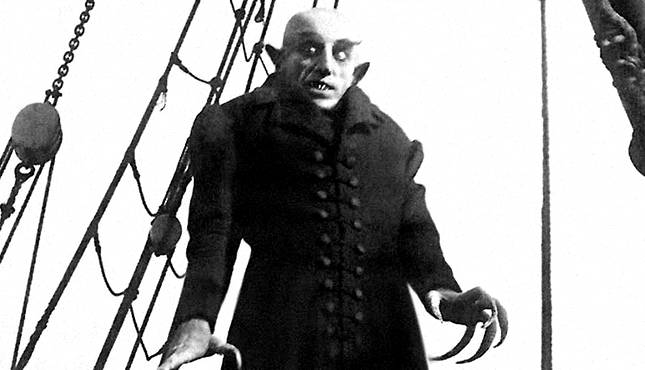
Count Orlok first emerged from the shadows in Nosferatu, portrayed with eerie brilliance by German actor Max Schreck. An unauthorized adaptation of Bram Stoker’s Dracula, Murnau’s film altered key elements to avoid legal repercussions—giving us Orlok in place of Dracula, a rat-like, ghoulish creature whose appearance was as unsettling as his supernatural presence.

Unlike the suave and charismatic vampires popularised in later decades, Orlok was grotesque and animalistic. His skeletal frame, elongated fingers, and bat-like visage made him an embodiment of pestilence and death, a fitting image in post-World War I Germany as the nation grappled with the horrors of war and the 1918 influenza pandemic. The film’s Expressionist cinematography only heightened the surreal terror of Orlok’s presence, cementing him as a cultural touchstone.

The Legal Battle and Cultural Resurrection

The original Nosferatu faced near destruction due to a lawsuit from Stoker’s estate, which ordered all copies of the film to be destroyed. Thankfully, several prints survived, allowing the film to gain legendary status over time. Orlok’s distinct appearance and the chilling atmosphere of the film have inspired generations of filmmakers, ensuring his place in horror history.

The 1979 Reinvention: Herzog’s Homage

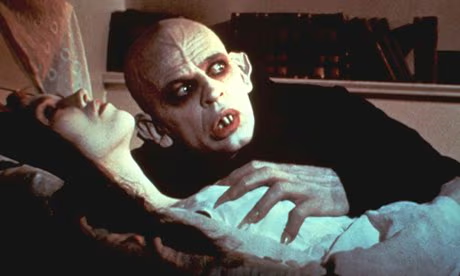
Werner Herzog’s Nosferatu the Vampyre (1979) reimagined Orlok for a new era. Starring Klaus Kinski as the Count, the film retained much of Murnau’s visual language while adding a layer of tragic melancholy to the character. Kinski’s Orlok was both monstrous and pitiable, a being cursed with immortality and insatiable hunger. This reinterpretation deepened the character’s complexity, offering a stark contrast to the more romanticised vampires of contemporary cinema.

Herzog’s film not only paid homage to Murnau but also underscored Orlok’s continued relevance as a symbol of existential dread and human vulnerability. It demonstrated that the Count’s haunting visage and the themes he embodies could transcend eras and cultural contexts.

Orlok in Popular Culture

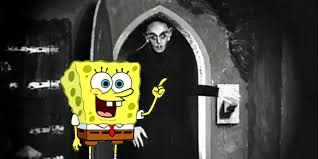
Beyond the silver screen, Count Orlok has seeped into various facets of pop culture. From parodies in animated shows like SpongeBob SquarePants to his influence on vampire lore in literature and games, Orlok’s shadow looms large. His monstrous form serves as a counterpoint to the seductive vampires popularized by the likes of Bela Lugosi and Anne Rice’s The Vampire Chronicles, offering a reminder of the genre’s more primal and terrifying origins.

The Eggers Era: A New Dawn

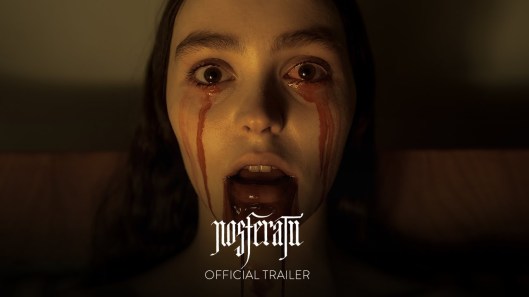
Now, with Robert Eggers at the helm of a new Nosferatu, the Count is poised to captivate audiences once again. Known for his meticulous attention to historical detail and atmospheric storytelling (The Witch, The Lighthouse), Eggers is uniquely equipped to breathe new life into Orlok’s tale. His vision promises to explore not only the horror but also the enduring mythos surrounding the vampire legend, ensuring that Orlok remains as vital and terrifying as ever.

Count Orlok’s journey from the shadows of silent cinema to modern reinterpretations is a testament to his enduring power as a symbol of fear and fascination. As Eggers’ Nosferatu approaches, we are reminded of the timeless allure of the monstrous and the uncanny. Orlok’s story is not merely a relic of the past but a living, evolving legend—one that continues to cast its eerie shadow over the world of horror.

  • Saul Muerte

Razorback: The Beast That Brought Ozploitation to the World’s Stage

30 Monday Dec 2024

Posted by surgeons of horror in Australian Horror, retrospective

≈ Leave a comment

Tags

arkie whiteley, bill kerr, chris haywood, david argue, dean semler, everett de roche, gregory harrison, judy morris, ozploitation, Razorback, russell mulcahy

Few films have captured the rugged and unrelenting harshness of the Australian outback quite like Razorback. Directed by Russell Mulcahy, who would later achieve global acclaim with Highlander (1986), this cult classic has earned its place as a quintessential entry in the annals of Ozploitation cinema. Dubbed Jaws on Trotters, Razorback marries a grim tale of survival with stylised visuals that transcend its modest budget, resulting in a film as gritty as it is striking.

The Premise: A Savage Land

Written by Everett de Roche, known for his contributions to Australian genre cinema (Patrick, Roadgames), Razorback follows the story of Carl Winters (Gregory Harrison), an American searching for his missing wife, Beth (Judy Morris), a journalist who vanished while investigating the slaughter of kangaroos for pet food. What Carl finds instead is a world of violence, corruption, and an almost mythical wild boar with an insatiable appetite for destruction.

Set against the backdrop of the desolate Australian outback, the titular beast becomes more than just a creature feature antagonist. It’s a symbol of nature’s unyielding and untamed force—one that will stop at nothing to reclaim its domain from those who exploit it.

Russell Mulcahy’s Vision: Style Meets Substance

Mulcahy’s background in music videos is unmistakable in Razorback. The film is imbued with a hyper-stylised aesthetic, from its surreal lighting to its dynamic camera angles. The outback’s arid landscape is rendered with dreamlike intensity, transforming the desolation into a visual spectacle that’s as captivating as it is foreboding.

Despite its budgetary constraints, Razorback doesn’t skimp on its creature effects. The titular boar, while limited in mobility, is presented with enough shadow and menace to make its appearances genuinely terrifying. This approach aligns perfectly with Mulcahy’s talent for maximising atmosphere over explicit gore.

The Legacy of Ozploitation

Razorback stands as one of the great examples of Ozploitation cinema, a movement characterised by its low-budget, high-impact approach to filmmaking. Everett de Roche’s script deftly weaves a tale of ecological horror with sharp commentary on the brutal realities of rural industry, making it more than just a creature feature.

The film’s legacy also lies in its unapologetic edge. There’s a rawness to the violence and a nihilism to its narrative that’s distinctly Australian, echoing the harshness of the land itself. While its contemporaries in Hollywood might shy away from such bleakness, Razorback embraces it, delivering a visceral experience that’s as unique as it is unrelenting.

A Cult Classic with Bite

Though it may not have found widespread acclaim upon its initial release, Razorback has since gained a devoted following. For fans of creature features, it offers a refreshing departure from the typical fare, blending horror and thriller elements with an unmistakable Australian flair. For cinephiles, it’s a fascinating look at the early work of a director who would go on to helm iconic films like Highlander.

Razorback is more than just Jaws on Trotters; it’s a bold, visually arresting exploration of man versus nature, a testament to the ingenuity of Australian filmmakers, and a reminder that sometimes, the scariest monsters are the ones lurking in the shadows of our own backyards. As the sun sets on this retrospective, one thing is clear: Razorback still packs a ferocious punch, even decades later.

  • Saul Muerte

13 Fresh Kills for 2025: Horror Films to Watch Out For

29 Sunday Dec 2024

Posted by surgeons of horror in Uncategorized

≈ Leave a comment

2025 is shaping up to be a landmark year for horror enthusiasts, with a slate of highly anticipated films from iconic franchises and new terrifying tales. Here’s a countdown of 13 spine-chilling releases that promise to haunt your year:


1. Nosferatu (1 January)

Kicking off the year is Robert Eggers’ highly awaited reinterpretation of Nosferatu. With a modern twist on the silent-era classic, this Universal-backed production aims to resurrect the haunting tale of the vampiric Count Orlok with a gothic, atmospheric flair.

2. Companion (9 January)

From Universal comes Companion, a mysterious sci-fi horror promising to blend extraterrestrial terror with psychological unease. Little has been revealed about the plot, but early buzz suggests an unsettling exploration of alien influence.

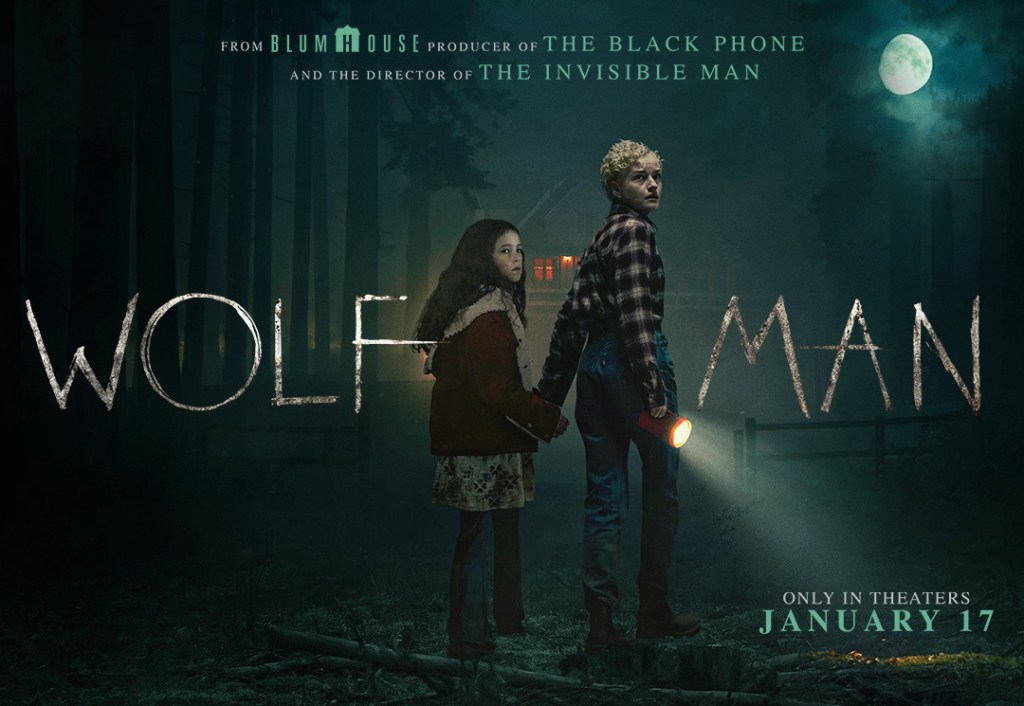
3. Wolf Man (16 January)

Universal continues to revive its classic monsters with Wolf Man. This iteration promises to sink its claws into modern audiences, delivering visceral thrills and a poignant tale of transformation and terror.

4. The Woman in the Yard (27 March)

A collaboration between Universal and Blumhouse, The Woman in the Yard is a psychological horror that delves into suburban paranoia. This chilling tale is rumoured to intertwine domestic drama with supernatural elements.

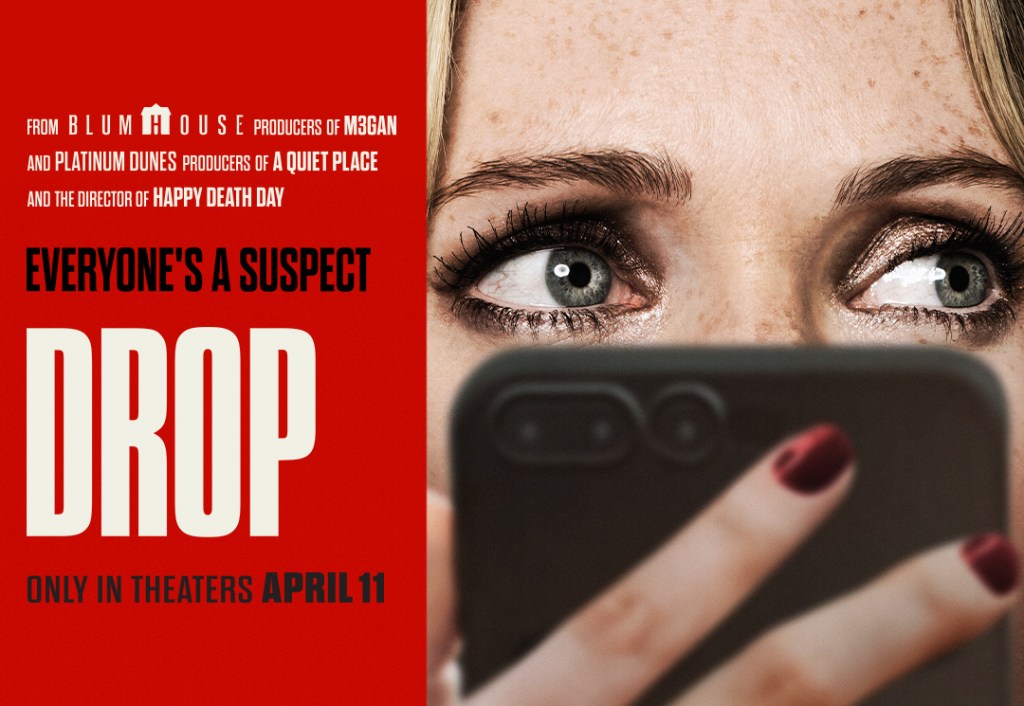
5. Drop (17 April)

Scheduled for a spring release, Drop directed by Christopher Landon promises to be an innovative entry in Universal’s horror catalogue. With its cryptic title, this film is expected to deliver a fresh perspective on psychological terror.

6. Until Dawn (24 April)

Sony’s adaptation of the acclaimed video game Until Dawn hits the big screen. Packed with thrills, choices, and consequences, this interactive-style horror is set to keep viewers on the edge of their seats.

7. 28 Years Later (19 June)

Danny Boyle returns to the post-apocalyptic landscape with 28 Years Later, the long-awaited continuation of the 28 Days/Weeks Later saga. Expect tension, gore, and poignant commentary as the virus wreaks havoc once again.

8. M3gan 2.0 (26 June)

Universal’s AI doll is back for more tech-infused terror. M3gan 2.0 promises to up the ante with a smarter, deadlier version of everyone’s favorite cybernetic companion.

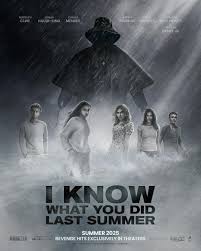
9. I Know What You Did Last Summer (17 July)

Sony’s reboot of this iconic slasher is ready to reignite the franchise with a fresh take on the classic story of secrets and revenge. Will it live up to the chilling suspense of the original?

10. Insidious (28 August)

Blumhouse and Sony team up for a new entry in the Insidious series. Though details are sparse, fans can expect the usual mix of eerie atmosphere and spine-tingling frights.

11. Conjuring Finale (4 September)

The Warrens return one last time for The Conjuring Finale. With Universal behind it, this film promises to bring the beloved series to a terrifying, emotional conclusion.

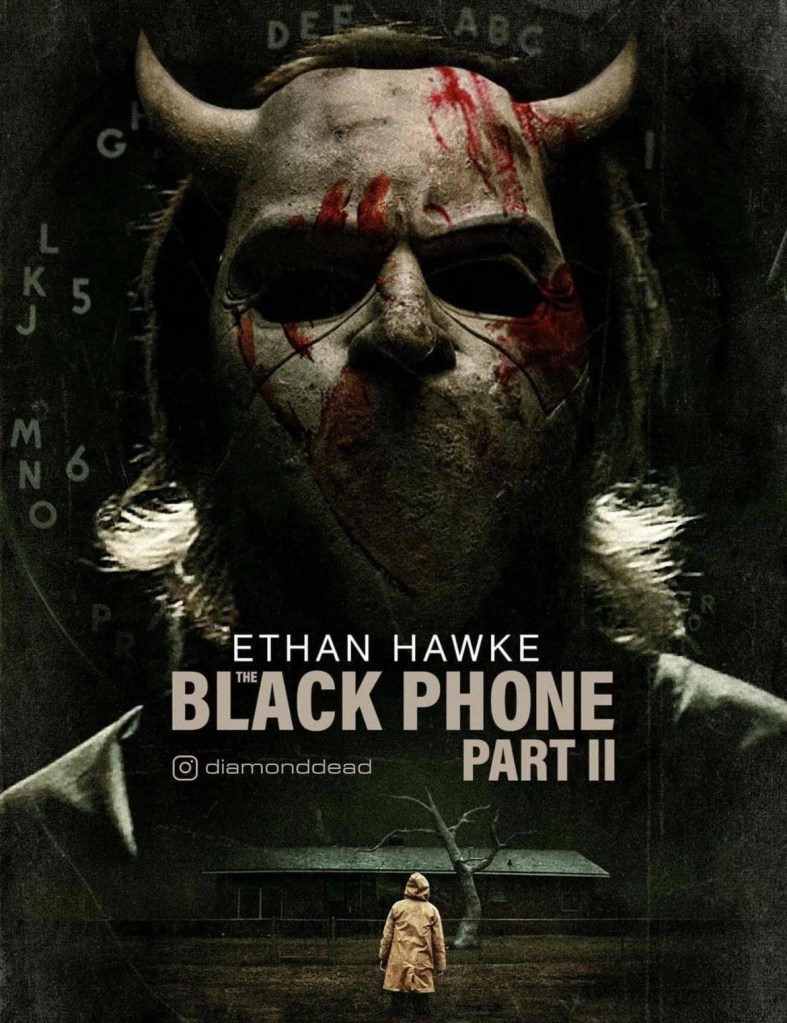
12. The Black Phone 2 (16 October)

Ethan Hawke’s chilling performance in The Black Phone left audiences clamoring for more. The sequel, coming this Halloween season, is set to explore new dark corners of this disturbing universe.

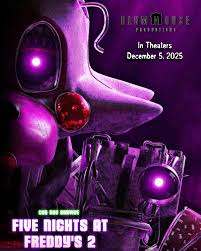
13. Five Nights at Freddy’s 2 (4 December)

Wrapping up the year is Universal’s Five Nights at Freddy’s 2. After the success of the first film, this sequel dives deeper into the horrors of the animatronic terrors that captivated gamers worldwide.


From gothic classics to high-tech terrors, 2025’s horror lineup promises a diverse mix of scares for fans of all kinds. Which of these films are you most excited to see? Let us know in the comments!

  • Saul Muerte

Spider Baby (1967): A Twisted Tale That Crawls Just Short of Greatness

29 Sunday Dec 2024

Posted by surgeons of horror in retrospective

≈ Leave a comment

Tags

1960s horror, 1960s retrospective, beverly washburn, jack hill, jill banner, Lon Chaney Jr, sid haig

Jack Hill’s Spider Baby is a strange, grotesque, and undeniably ambitious horror-comedy that teeters between campy fun and genuinely disturbing imagery. Dubbed “the maddest story ever told,” the film centres on the Merrye family, whose hereditary condition causes them to regress mentally as they age, resulting in murderous, childlike behaviour.

Lon Chaney Jr., in one of his final roles, anchors the film as the loyal caretaker Bruno. Chaney’s performance is surprisingly heartfelt, lending a sense of tragedy to the Merrye family’s twisted plight. His rendition of the haunting theme song only adds to the film’s offbeat charm.

The standout performances come from Jill Banner and Beverly Washburn as the deranged Merrye sisters, whose blend of innocence and malice creates an unsettling dynamic. Sid Haig also makes a memorable appearance as the simple-minded but dangerous Ralph.

While the premise is intriguing and the black humour is effective in places, Spider Baby struggles to maintain its tone. The low budget is evident in the uneven production quality, and the narrative often feels disjointed. Hill’s direction shows flashes of brilliance, but the film ultimately feels more like an experiment than a fully realised work.

Despite its shortcomings, Spider Baby has developed a cult following for its unique vision and daring approach. It’s a flawed but fascinating oddity, worth a watch for fans of offbeat horror looking for something different.

  • Saul Muerte

In Memorium: Olivia Hussey (1951–2024)

28 Saturday Dec 2024

Posted by surgeons of horror in In Memorium

≈ 5 Comments

Tags

black christmas, film, horror, movies, olivia hussey, reviews

The world of cinema has lost one of its most unforgettable stars with the passing of Olivia Hussey. Known for her captivating performances and ethereal presence, Hussey’s career spanned decades, but it was her work in the horror genre that cemented her place in cinematic history. Her portrayal of strong, complex characters across a variety of films has left an indelible mark on both the industry and audiences alike.

Hussey’s notable role in Black Christmas (1974), directed by Bob Clark, remains one of the defining contributions to the horror genre. As Jess Bradford, a college student who becomes the target of a terrifying phone stalker during Christmas break, Hussey delivered a performance of quiet strength and vulnerability. Black Christmas would go on to become a cult classic, influencing generations of slasher films that followed, with Hussey’s chilling turn as one of its earliest heroines still resonating with fans.

Her talents transcended the genre, yet it was her return to horror that brought more unforgettable moments. In Psycho IV: The Beginning (1990), she portrayed Norma Bates, a character that brought fresh depth to the story of Norman Bates, brilliantly counterbalancing the legacy of the original Psycho films. Hussey’s portrayal imbued the role with nuance, adding a layer of sympathy to a tragic and infamous character.

In addition to these films, Hussey’s role in Turkey Shoot (1982) stands out as another testament to her versatility. This action-packed horror film saw her in a more physical, confrontational role, showcasing her ability to navigate both suspenseful terror and high-stakes action with grace and poise.

Hussey also made a memorable contribution to IT: The Mini-Series (1990), where she portrayed Audra Denbrough, the wife of Billy Denbrough (played by Richard Thomas). In this role, Hussey brought a grounded, emotional presence to the adaptation of Stephen King’s beloved novel, adding depth to the narrative and anchoring the emotional stakes of the story, particularly in her scenes alongside Thomas.

While her career spanned a wide variety of genres and roles, it was her contributions to horror that continue to influence and inspire. Olivia Hussey’s legacy in the world of film will not soon be forgotten. Her ability to convey fear, resilience, and vulnerability on screen has left an enduring impression on both her fans and the filmmakers who followed in her wake.

We remember Olivia Hussey not only for the characters she brought to life but for the profound impact she had on shaping the genre and the hearts of all who were fortunate enough to witness her performances.

Rest in peace, Olivia Hussey. You will be greatly missed.

  • Saul Muerte
← Older posts
Newer posts →

Subscribe

  • Entries (RSS)
  • Comments (RSS)

Archives

  • April 2026
  • March 2026
  • February 2026
  • January 2026
  • December 2025
  • November 2025
  • October 2025
  • September 2025
  • August 2025
  • July 2025
  • June 2025
  • May 2025
  • April 2025
  • March 2025
  • February 2025
  • January 2025
  • December 2024
  • November 2024
  • October 2024
  • September 2024
  • August 2024
  • July 2024
  • June 2024
  • May 2024
  • April 2024
  • March 2024
  • February 2024
  • January 2024
  • November 2023
  • October 2023
  • September 2023
  • August 2023
  • July 2023
  • June 2023
  • May 2023
  • April 2023
  • March 2023
  • February 2023
  • January 2023
  • November 2022
  • October 2022
  • September 2022
  • August 2022
  • July 2022
  • June 2022
  • April 2022
  • March 2022
  • February 2022
  • January 2022
  • December 2021
  • November 2021
  • October 2021
  • September 2021
  • August 2021
  • July 2021
  • June 2021
  • May 2021
  • April 2021
  • March 2021
  • February 2021
  • January 2021
  • December 2020
  • November 2020
  • October 2020
  • September 2020
  • August 2020
  • July 2020
  • June 2020
  • May 2020
  • April 2020
  • March 2020
  • February 2020
  • January 2020
  • December 2019
  • November 2019
  • October 2019
  • September 2019
  • July 2019
  • June 2019
  • May 2019
  • April 2019
  • March 2019
  • February 2019
  • January 2019
  • December 2018
  • November 2018
  • October 2018
  • September 2018
  • August 2018
  • July 2018
  • June 2018
  • May 2018
  • April 2018
  • March 2018
  • February 2018
  • January 2018
  • December 2017
  • November 2017
  • October 2017
  • September 2017
  • August 2017
  • July 2017
  • June 2017
  • May 2017
  • April 2017
  • March 2017
  • February 2017
  • January 2017
  • December 2016
  • November 2016
  • October 2016
  • September 2016
  • August 2016
  • July 2016
  • June 2016
  • May 2016

Categories

  • A Night of Horror Film Festival
  • Alien franchise
  • Alliance Francaise French Film Festival
  • Australian Horror
  • Best Movies and Shows
  • Competition
  • dark nights film fest
  • episode review
  • Flashback Fridays
  • Friday the 13th Franchise
  • Full Moon Sessions
  • Halloween franchise
  • In Memorium
  • Interview
  • japanese film festival
  • John Carpenter
  • killer pigs
  • midwest weirdfest
  • MidWest WierdFest
  • MonsterFest
  • movie article
  • movie of the week
  • Movie review
  • New Trailer
  • News article
  • podcast episode
  • podcast review
  • press release
  • retrospective
  • Rialto Distribution
  • Ring Franchise
  • series review
  • Spanish horror
  • sydney film festival
  • Sydney Underground Film Festival
  • The Blair Witch Franchise
  • the conjuring franchise
  • The Exorcist
  • The Howling franchise
  • Top 10 list
  • Top 12 List
  • top 13 films
  • Trash Night Tuesdays on Tubi
  • umbrella entertainment
  • Uncategorized
  • Universal Horror
  • Wes Craven
  • wes craven's the scream years

Meta

  • Create account
  • Log in

Blog at WordPress.com.

  • Subscribe Subscribed
    • Surgeons of Horror
    • Join 218 other subscribers
    • Already have a WordPress.com account? Log in now.
    • Surgeons of Horror
    • Subscribe Subscribed
    • Sign up
    • Log in
    • Report this content
    • View site in Reader
    • Manage subscriptions
    • Collapse this bar
 

Loading Comments...