Tags
aida folch, fernando trueba, film, horror, juan pablo urrego, matt dillon, movies, reviews, thriller
Fernando Trueba’s sun-drenched thriller is a lethargic drift through secrets, sensuality, and squandered potential.
The Mediterranean sun may dazzle, the waves may glitter, and the cast may smoulder with generically attractive tension—but none of it can save The Island from becoming one of the more soporific cinematic experiences. Fernando Trueba, a director with an esteemed filmography, trades narrative vitality for languid ambiance in this inert psychological drama that unfolds like a long, humid sigh.
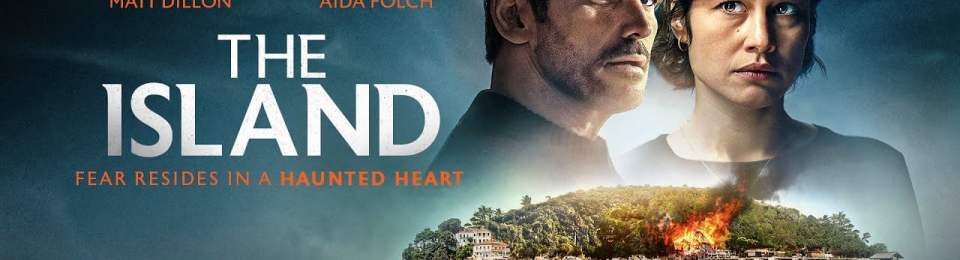
Set against the postcard backdrop of a Greek island, the film introduces us to Alex, a new waitress at a boutique seaside restaurant. With a femme-fatale allure and an air of mystery, she quickly captures the attention of Enrico, the chef, but is drawn instead to Max, the elusive American manager hiding something in his brooding stares and clenched silences. What follows is less a thrilling triangle than a series of glances, sighs, and ultimately, a glacial unraveling of a secret that arrives with the narrative urgency of a missed ferry.
Trueba clearly intends a slow-burn approach, but what results is barely a flicker. The plot trudges along with the weight of its own self-importance, mistaking inertia for introspection. The sexual tension, which should crackle, barely hums. Conversations are riddled with cryptic hints and evasive stares, yet the payoffs are few and far between. When revelations do come, they feel both undercooked and unearned—mere embers that fail to ignite.
Visually, The Island is polished, occasionally picturesque. The camera lingers lovingly on the sea and stone, the half-lit interiors, the salt-flecked skin of its cast. But the atmosphere, no matter how finely curated, cannot compensate for narrative void. You keep waiting for the film to snap into focus, to finally tap into its thriller DNA. Instead, it drifts—first into lethargy, then into complete emotional disengagement.
The performances are competent, but the characters remain archetypes rather than people. Alex is sultry but shallowly drawn; Max, the American enigma, is more mannequin than man; and poor Enrico spends most of the runtime in a state of aimless suspicion. The film attempts to explore obsession, betrayal, and the burdens of past sins, but only gestures vaguely toward each before retreating back into the blue haze.
The Prognosis:
The Island wants to be a sun-bleached neo-noir, a slow meditation on desire and consequence, but what we’re left with is a whisper of a film—beautifully composed, but hollow and soporific. Sometimes, secrets are better left buried. In this case, the film’s own narrative might have been.
- Movie Review by Saul Muerte
 Surgeons of Horror