Tags
film, horror, madhav sharma, michael maloney, Movie review, movies, reviews, shani grewal, suzanna hamilton
Despite bold intentions and strong performances, this slow-burning psychological thriller is too meandering to leave a lasting bite.
Ride the Snake, the latest effort from British filmmaker Shani Grewal, attempts to crawl into the feverish subconscious of grief, guilt, and revenge, but ends up shedding more skin than substance. With an ambitious palette of references, the film isn’t lacking in aesthetic aspirations. Unfortunately, it’s precisely this reverence for genre greats that weighs the narrative down, muddying what could have been a searing, timely story of loss and reckoning.
At its core, the premise is loaded with potential. Harper (Suzanna Hamilton) and her daughter abduct the drunk driver responsible for the death of Harper’s husband, believing they’ve seized justice on their own terms. What follows is not the revenge thriller one might expect, but a slow, deliberate psychological descent. The pacing dares to crawl, not sprint. And while restraint can be a virtue, here it flirts too closely with inertia.
Hamilton, best known for her haunting turn in 1984, delivers a performance of quiet intensity. Her portrayal of Harper teeters between vulnerability and steel resolve. Michael Maloney also anchors the film with a weary charisma that keeps certain scenes afloat, particularly when the tension begins to sag. Madhav Sharma, too, brings subtle gravity to his supporting role, though he is underutilised.
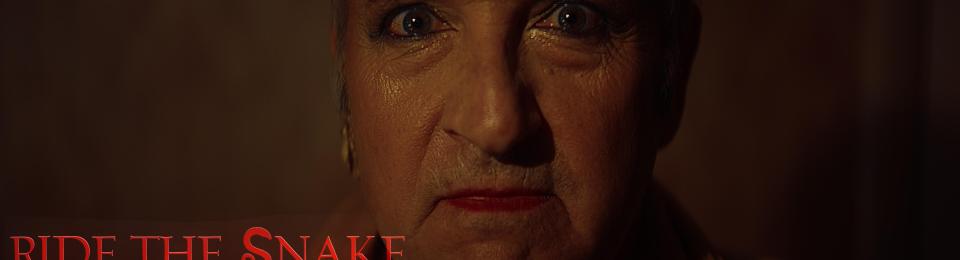
Where Ride the Snake does strike a chord is in its atmospheric tension. The visuals are brooding and textured, soaked in bleak palettes and long, oppressive silences. Grewal and his cinematographer seem deeply attuned to visual storytelling—but perhaps too much so. At times, the atmosphere feels like an end in itself rather than a complement to the story. There are echoes of genre classics everywhere, but they never quite congeal into something distinct or urgent. It’s a film that gestures toward menace without ever fully embracing it.
Yet, beneath the uneven pacing and the sometimes self-conscious aesthetic, there’s something commendable. Grewal’s comment about the difficulties of casting British/Asians in non-stereotypical roles speaks to a real and persistent issue in UK cinema. In that regard, Ride the Snake is a step forward—not because it tokenises its characters of colour, but because it simply allows them to exist in complex, human roles. The film’s universality lies in its grief, in its moral murk, and in the desperation that grief can provoke.
The Prognosis:
For all its noble intentions and atmospheric flourishes, Ride the Snake ends up coiling in on itself. It never quite delivers the psychological punch it promises. The suspense simmers but rarely boils. The horror stays at arm’s length, more suggested than felt. In the end, it’s a film that mourns deeply but moves too slowly—and struggles to find its own voice amid the echoes of cinematic ghosts.
- Movie Review by Saul Muerte
Ride The Snake is currently streaming on Amazon Prime.
 Surgeons of Horror