Few figures in horror cinema are as enduring or enigmatic as Count Orlok. From his haunting debut in F.W. Murnau’s 1922 silent masterpiece Nosferatu: A Symphony of Horror to his modern resurgence in pop culture, Orlok has remained a symbol of terror and the uncanny. With Robert Eggers’ highly anticipated remake of Nosferatu set for release, it’s the perfect time to delve into the fascinating history of this iconic vampire and the cinematic legacy he has cast over a century.
1922: Birth of a Horror Icon
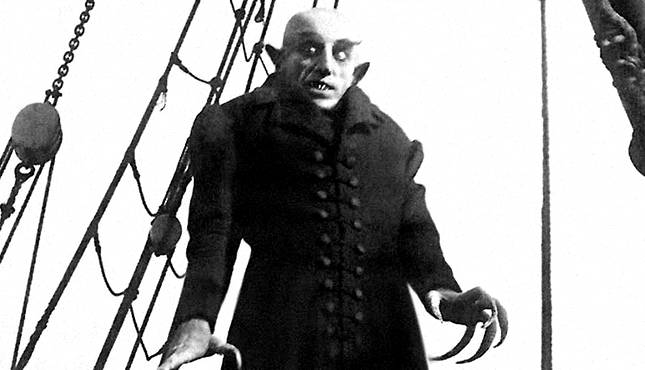
Count Orlok first emerged from the shadows in Nosferatu, portrayed with eerie brilliance by German actor Max Schreck. An unauthorized adaptation of Bram Stoker’s Dracula, Murnau’s film altered key elements to avoid legal repercussions—giving us Orlok in place of Dracula, a rat-like, ghoulish creature whose appearance was as unsettling as his supernatural presence.
Unlike the suave and charismatic vampires popularised in later decades, Orlok was grotesque and animalistic. His skeletal frame, elongated fingers, and bat-like visage made him an embodiment of pestilence and death, a fitting image in post-World War I Germany as the nation grappled with the horrors of war and the 1918 influenza pandemic. The film’s Expressionist cinematography only heightened the surreal terror of Orlok’s presence, cementing him as a cultural touchstone.
The Legal Battle and Cultural Resurrection
The original Nosferatu faced near destruction due to a lawsuit from Stoker’s estate, which ordered all copies of the film to be destroyed. Thankfully, several prints survived, allowing the film to gain legendary status over time. Orlok’s distinct appearance and the chilling atmosphere of the film have inspired generations of filmmakers, ensuring his place in horror history.
The 1979 Reinvention: Herzog’s Homage
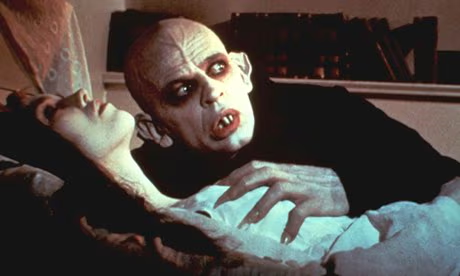
Werner Herzog’s Nosferatu the Vampyre (1979) reimagined Orlok for a new era. Starring Klaus Kinski as the Count, the film retained much of Murnau’s visual language while adding a layer of tragic melancholy to the character. Kinski’s Orlok was both monstrous and pitiable, a being cursed with immortality and insatiable hunger. This reinterpretation deepened the character’s complexity, offering a stark contrast to the more romanticised vampires of contemporary cinema.
Herzog’s film not only paid homage to Murnau but also underscored Orlok’s continued relevance as a symbol of existential dread and human vulnerability. It demonstrated that the Count’s haunting visage and the themes he embodies could transcend eras and cultural contexts.
Orlok in Popular Culture
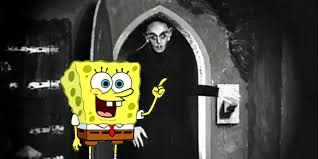
Beyond the silver screen, Count Orlok has seeped into various facets of pop culture. From parodies in animated shows like SpongeBob SquarePants to his influence on vampire lore in literature and games, Orlok’s shadow looms large. His monstrous form serves as a counterpoint to the seductive vampires popularized by the likes of Bela Lugosi and Anne Rice’s The Vampire Chronicles, offering a reminder of the genre’s more primal and terrifying origins.
The Eggers Era: A New Dawn
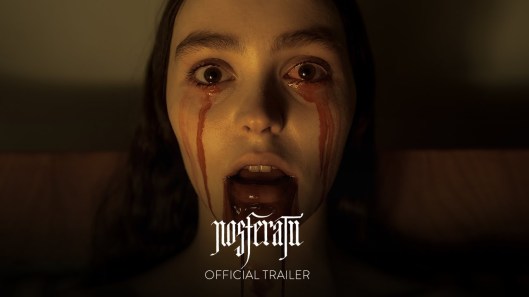
Now, with Robert Eggers at the helm of a new Nosferatu, the Count is poised to captivate audiences once again. Known for his meticulous attention to historical detail and atmospheric storytelling (The Witch, The Lighthouse), Eggers is uniquely equipped to breathe new life into Orlok’s tale. His vision promises to explore not only the horror but also the enduring mythos surrounding the vampire legend, ensuring that Orlok remains as vital and terrifying as ever.
Count Orlok’s journey from the shadows of silent cinema to modern reinterpretations is a testament to his enduring power as a symbol of fear and fascination. As Eggers’ Nosferatu approaches, we are reminded of the timeless allure of the monstrous and the uncanny. Orlok’s story is not merely a relic of the past but a living, evolving legend—one that continues to cast its eerie shadow over the world of horror.
Few films have captured the rugged and unrelenting harshness of the Australian outback quite like Razorback. Directed by Russell Mulcahy, who would later achieve global acclaim with Highlander (1986), this cult classic has earned its place as a quintessential entry in the annals of Ozploitation cinema. Dubbed Jaws on Trotters, Razorback marries a grim tale of survival with stylised visuals that transcend its modest budget, resulting in a film as gritty as it is striking.
The Premise: A Savage Land
Written by Everett de Roche, known for his contributions to Australian genre cinema (Patrick, Roadgames), Razorback follows the story of Carl Winters (Gregory Harrison), an American searching for his missing wife, Beth (Judy Morris), a journalist who vanished while investigating the slaughter of kangaroos for pet food. What Carl finds instead is a world of violence, corruption, and an almost mythical wild boar with an insatiable appetite for destruction.
Set against the backdrop of the desolate Australian outback, the titular beast becomes more than just a creature feature antagonist. It’s a symbol of nature’s unyielding and untamed force—one that will stop at nothing to reclaim its domain from those who exploit it.
Russell Mulcahy’s Vision: Style Meets Substance
Mulcahy’s background in music videos is unmistakable in Razorback. The film is imbued with a hyper-stylised aesthetic, from its surreal lighting to its dynamic camera angles. The outback’s arid landscape is rendered with dreamlike intensity, transforming the desolation into a visual spectacle that’s as captivating as it is foreboding.
Despite its budgetary constraints, Razorback doesn’t skimp on its creature effects. The titular boar, while limited in mobility, is presented with enough shadow and menace to make its appearances genuinely terrifying. This approach aligns perfectly with Mulcahy’s talent for maximising atmosphere over explicit gore.
The Legacy of Ozploitation
Razorback stands as one of the great examples of Ozploitation cinema, a movement characterised by its low-budget, high-impact approach to filmmaking. Everett de Roche’s script deftly weaves a tale of ecological horror with sharp commentary on the brutal realities of rural industry, making it more than just a creature feature.
The film’s legacy also lies in its unapologetic edge. There’s a rawness to the violence and a nihilism to its narrative that’s distinctly Australian, echoing the harshness of the land itself. While its contemporaries in Hollywood might shy away from such bleakness, Razorback embraces it, delivering a visceral experience that’s as unique as it is unrelenting.
A Cult Classic with Bite
Though it may not have found widespread acclaim upon its initial release, Razorback has since gained a devoted following. For fans of creature features, it offers a refreshing departure from the typical fare, blending horror and thriller elements with an unmistakable Australian flair. For cinephiles, it’s a fascinating look at the early work of a director who would go on to helm iconic films like Highlander.
Razorback is more than just Jaws on Trotters; it’s a bold, visually arresting exploration of man versus nature, a testament to the ingenuity of Australian filmmakers, and a reminder that sometimes, the scariest monsters are the ones lurking in the shadows of our own backyards. As the sun sets on this retrospective, one thing is clear: Razorback still packs a ferocious punch, even decades later.
2025 is shaping up to be a landmark year for horror enthusiasts, with a slate of highly anticipated films from iconic franchises and new terrifying tales. Here’s a countdown of 13 spine-chilling releases that promise to haunt your year:
1. Nosferatu (1 January)
Kicking off the year is Robert Eggers’ highly awaited reinterpretation of Nosferatu. With a modern twist on the silent-era classic, this Universal-backed production aims to resurrect the haunting tale of the vampiric Count Orlok with a gothic, atmospheric flair.
2. Companion (9 January)
From Universal comes Companion, a mysterious sci-fi horror promising to blend extraterrestrial terror with psychological unease. Little has been revealed about the plot, but early buzz suggests an unsettling exploration of alien influence.
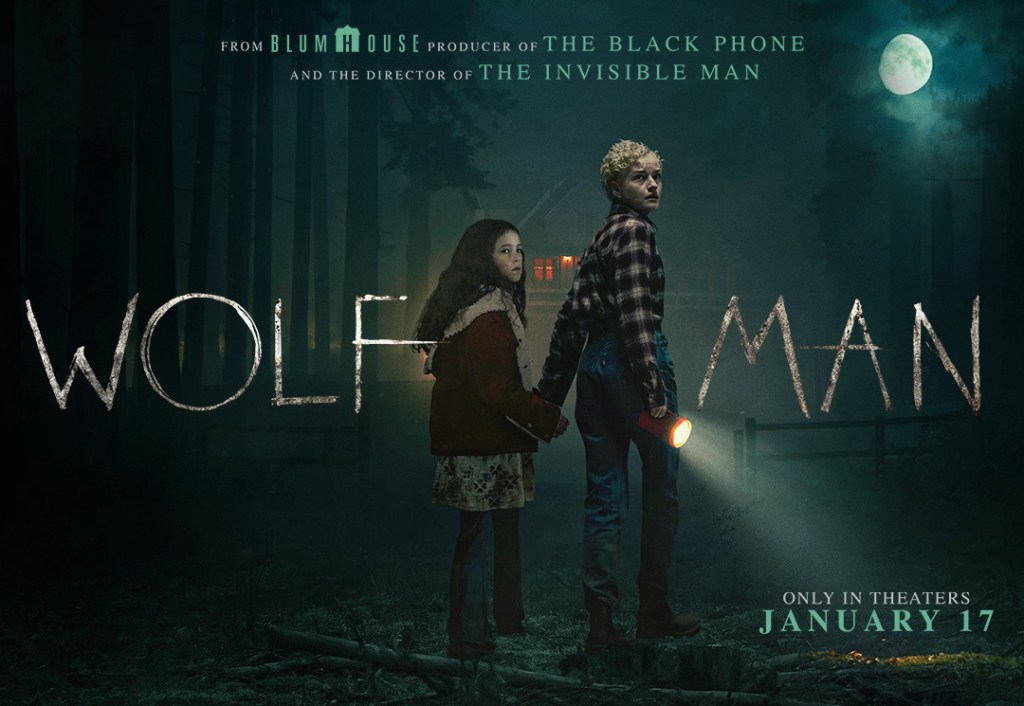
3. Wolf Man (16 January)
Universal continues to revive its classic monsters with Wolf Man. This iteration promises to sink its claws into modern audiences, delivering visceral thrills and a poignant tale of transformation and terror.
4. The Woman in the Yard (27 March)
A collaboration between Universal and Blumhouse, The Woman in the Yard is a psychological horror that delves into suburban paranoia. This chilling tale is rumoured to intertwine domestic drama with supernatural elements.
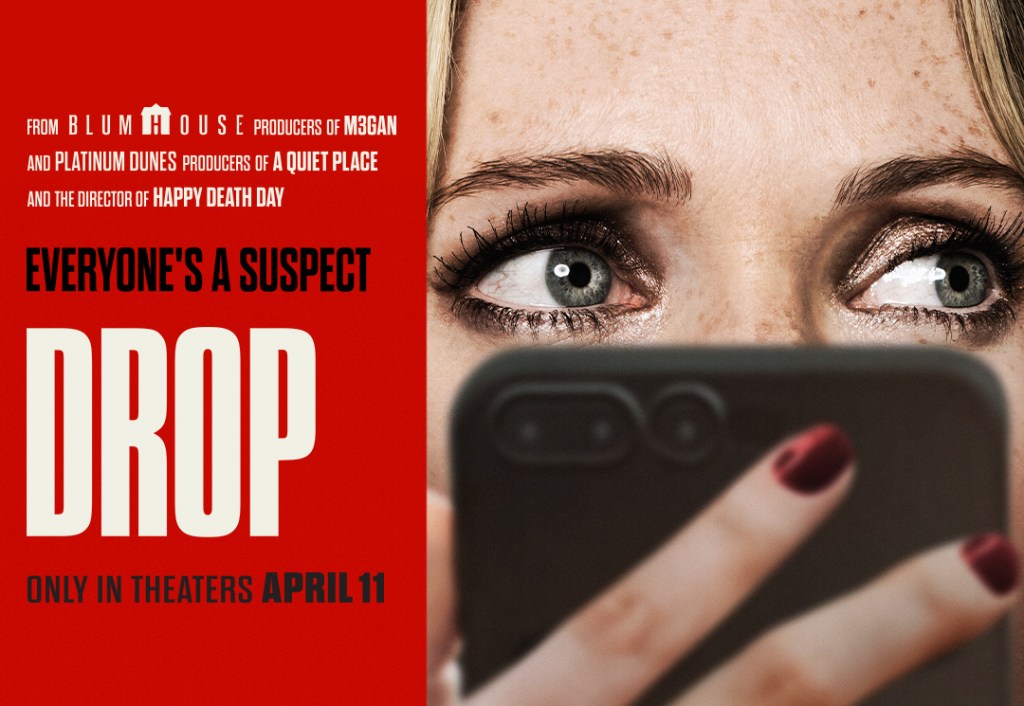
5. Drop (17 April)
Scheduled for a spring release, Drop directed by Christopher Landon promises to be an innovative entry in Universal’s horror catalogue. With its cryptic title, this film is expected to deliver a fresh perspective on psychological terror.
6. Until Dawn (24 April)
Sony’s adaptation of the acclaimed video game Until Dawn hits the big screen. Packed with thrills, choices, and consequences, this interactive-style horror is set to keep viewers on the edge of their seats.
7. 28 Years Later (19 June)
Danny Boyle returns to the post-apocalyptic landscape with 28 Years Later, the long-awaited continuation of the 28 Days/Weeks Later saga. Expect tension, gore, and poignant commentary as the virus wreaks havoc once again.
8. M3gan 2.0 (26 June)
Universal’s AI doll is back for more tech-infused terror. M3gan 2.0 promises to up the ante with a smarter, deadlier version of everyone’s favorite cybernetic companion.
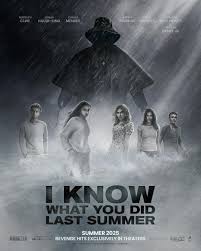
9. I Know What You Did Last Summer (17 July)
Sony’s reboot of this iconic slasher is ready to reignite the franchise with a fresh take on the classic story of secrets and revenge. Will it live up to the chilling suspense of the original?
10. Insidious (28 August)
Blumhouse and Sony team up for a new entry in the Insidious series. Though details are sparse, fans can expect the usual mix of eerie atmosphere and spine-tingling frights.
11. Conjuring Finale (4 September)
The Warrens return one last time for The Conjuring Finale. With Universal behind it, this film promises to bring the beloved series to a terrifying, emotional conclusion.
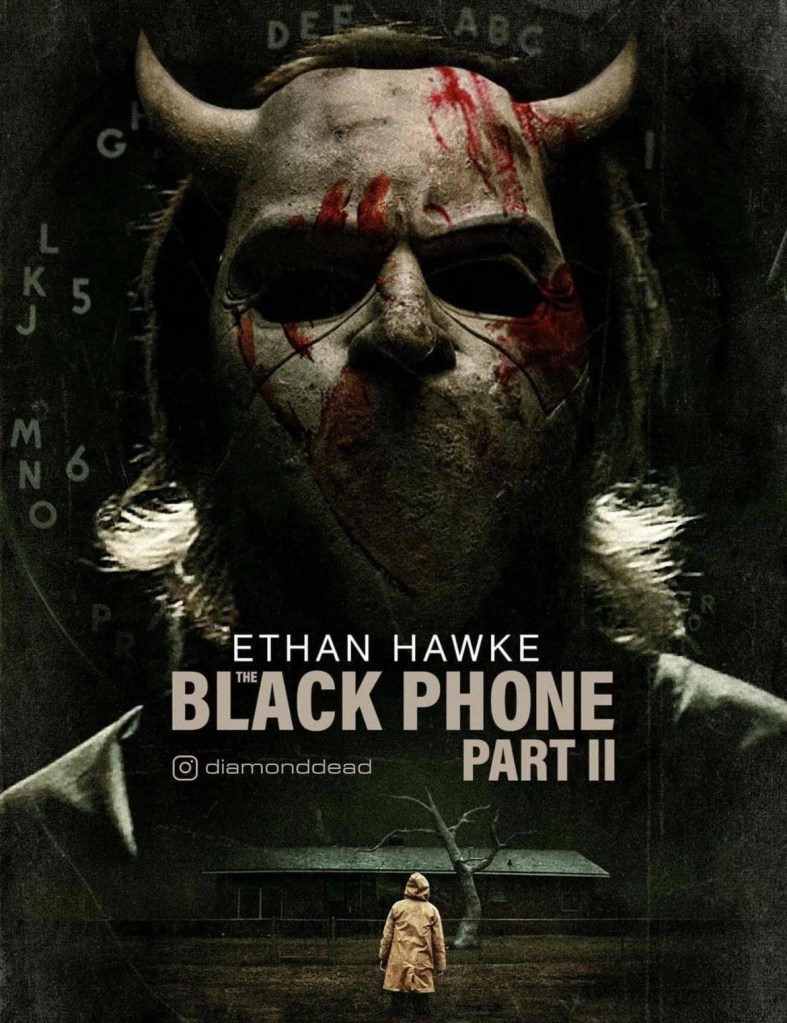
12. The Black Phone 2 (16 October)
Ethan Hawke’s chilling performance in The Black Phone left audiences clamoring for more. The sequel, coming this Halloween season, is set to explore new dark corners of this disturbing universe.
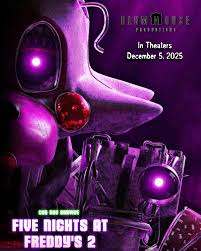
13. Five Nights at Freddy’s 2 (4 December)
Wrapping up the year is Universal’s Five Nights at Freddy’s 2. After the success of the first film, this sequel dives deeper into the horrors of the animatronic terrors that captivated gamers worldwide.
From gothic classics to high-tech terrors, 2025’s horror lineup promises a diverse mix of scares for fans of all kinds. Which of these films are you most excited to see? Let us know in the comments!
Jack Hill’s Spider Baby is a strange, grotesque, and undeniably ambitious horror-comedy that teeters between campy fun and genuinely disturbing imagery. Dubbed “the maddest story ever told,” the film centres on the Merrye family, whose hereditary condition causes them to regress mentally as they age, resulting in murderous, childlike behaviour.
Lon Chaney Jr., in one of his final roles, anchors the film as the loyal caretaker Bruno. Chaney’s performance is surprisingly heartfelt, lending a sense of tragedy to the Merrye family’s twisted plight. His rendition of the haunting theme song only adds to the film’s offbeat charm.
The standout performances come from Jill Banner and Beverly Washburn as the deranged Merrye sisters, whose blend of innocence and malice creates an unsettling dynamic. Sid Haig also makes a memorable appearance as the simple-minded but dangerous Ralph.
While the premise is intriguing and the black humour is effective in places, Spider Baby struggles to maintain its tone. The low budget is evident in the uneven production quality, and the narrative often feels disjointed. Hill’s direction shows flashes of brilliance, but the film ultimately feels more like an experiment than a fully realised work.
Despite its shortcomings, Spider Baby has developed a cult following for its unique vision and daring approach. It’s a flawed but fascinating oddity, worth a watch for fans of offbeat horror looking for something different.
The world of cinema has lost one of its most unforgettable stars with the passing of Olivia Hussey. Known for her captivating performances and ethereal presence, Hussey’s career spanned decades, but it was her work in the horror genre that cemented her place in cinematic history. Her portrayal of strong, complex characters across a variety of films has left an indelible mark on both the industry and audiences alike.
Hussey’s notable role in Black Christmas (1974), directed by Bob Clark, remains one of the defining contributions to the horror genre. As Jess Bradford, a college student who becomes the target of a terrifying phone stalker during Christmas break, Hussey delivered a performance of quiet strength and vulnerability. Black Christmas would go on to become a cult classic, influencing generations of slasher films that followed, with Hussey’s chilling turn as one of its earliest heroines still resonating with fans.
Her talents transcended the genre, yet it was her return to horror that brought more unforgettable moments. In Psycho IV: The Beginning (1990), she portrayed Norma Bates, a character that brought fresh depth to the story of Norman Bates, brilliantly counterbalancing the legacy of the original Psycho films. Hussey’s portrayal imbued the role with nuance, adding a layer of sympathy to a tragic and infamous character.
In addition to these films, Hussey’s role in Turkey Shoot (1982) stands out as another testament to her versatility. This action-packed horror film saw her in a more physical, confrontational role, showcasing her ability to navigate both suspenseful terror and high-stakes action with grace and poise.
Hussey also made a memorable contribution to IT: The Mini-Series (1990), where she portrayed Audra Denbrough, the wife of Billy Denbrough (played by Richard Thomas). In this role, Hussey brought a grounded, emotional presence to the adaptation of Stephen King’s beloved novel, adding depth to the narrative and anchoring the emotional stakes of the story, particularly in her scenes alongside Thomas.
While her career spanned a wide variety of genres and roles, it was her contributions to horror that continue to influence and inspire. Olivia Hussey’s legacy in the world of film will not soon be forgotten. Her ability to convey fear, resilience, and vulnerability on screen has left an enduring impression on both her fans and the filmmakers who followed in her wake.
We remember Olivia Hussey not only for the characters she brought to life but for the profound impact she had on shaping the genre and the hearts of all who were fortunate enough to witness her performances.
Rest in peace, Olivia Hussey. You will be greatly missed.
Konstantin Ershov and Georgi Kropachyov’s Viy is a haunting adaptation of Nikolai Gogol’s supernatural tale, capturing the eerie beauty of Russian folklore with a visual style that lingers long after the film ends. As the first Soviet-era horror film, Viy is both groundbreaking and deeply atmospheric, offering a rare glimpse into a world where religion, superstition, and the supernatural collide.
The story follows Khoma, a young seminary student tasked with praying over the body of a deceased young woman in a remote village. As the nights wear on, Khoma is forced to confront a series of terrifying, otherworldly encounters, culminating in a spectacular showdown with the demonic titular entity.
The film’s special effects, while dated, are undeniably inventive, creating an unsettling and surreal atmosphere that heightens the horror. The climactic scene in the church, where creatures of the night come alive, is a masterclass in tension and creativity, blending practical effects with an otherworldly aesthetic.
Leonid Kuravlyov’s performance as Khoma is compelling, capturing both the character’s arrogance and his growing terror. The narrative’s moral undertones and folkloric roots add depth to the film, making it a fascinating cultural artifact as well as an effective piece of horror cinema.
Viy is not without its flaws—some pacing issues and uneven performances detract slightly—but its vivid imagery and folkloric charm make it an unforgettable experience. For fans of folk horror and international cinema, it’s a must-see.
As the horror genre continues to thrive and evolve, 2024 has proven to be another stellar year for filmmakers unafraid to push boundaries and explore the darkest corners of storytelling. From chilling Australian productions to international features that redefine fear, this year’s Golden Scalpel Awards honours the creative minds and talents behind the most unforgettable moments in horror.
Below, we present the nominees for the 2024 Golden Scalpel Awards.
Best Australian Film
This year has been remarkable for Australian horror, with films that showcase a diverse range of styles and themes. The nominees are:
The Moogai A haunting exploration of Indigenous folklore, The Moogai weaves a terrifying tale of grief and supernatural menace.
You’ll Never Find Me A tense and claustrophobic thriller that keeps audiences guessing until the final frame.
Late Night With the Devil A brilliant mix of retro charm and supernatural horror set against the backdrop of a live television broadcast.
Sting A creature feature that combines dark humour and inventive scares with a uniquely Australian twist.
Carnage For Christmas A blood-soaked holiday horror that delivers outrageous thrills and gory festive fun.
Best Australian Director
Celebrating the visionaries behind this year’s standout Australian films, the nominees are:
Jon Bell (The Moogai) Bell crafts a chilling narrative steeped in cultural significance and atmospheric dread.
Indiana Bell and Josiah Allen (You’ll Never Find Me) This directorial duo masterfully builds tension in an isolated and eerie setting.
Colin and Cameron Cairnes (Late Night With the Devil) The Cairnes brothers expertly blend dark humour with spine-chilling suspense.
Kiah Roache-Turner (Sting) Roache-Turner’s energetic direction brings vibrant life to this creature-driven horror.
Alice Maio Mackay (Carnage For Christmas) Mackay’s bold vision transforms holiday cheer into a macabre spectacle.
Best Australian Actor
This category celebrates the standout performances from Australian male leads:
Meyne Wyatt (The Moogai) Wyatt delivers a deeply emotional and commanding performance as a father haunted by loss.
Brendan Rock (You’ll Never Find Me) Rock’s nuanced portrayal anchors the film’s blend of realism and the supernatural.
Ryan Corr (Sting) Corr’s charisma and range shine in this thrilling and darkly humourous role.
Best Australian Actress
Recognising the women who delivered unforgettable performances, the nominees are:
Shari Sebbens (The Moogai) Sebbens brings a heartbreaking authenticity to her portrayal of a mother on the edge.
Jordan Cowan (You’ll Never Find Me) Cowan’s intense performance captures the fear and determination of her character.
Laura Gordon (Late Night With the Devil) Gordon’s subtle and layered performance elevates the tension throughout the film.
Ayla Browne (Sting) Browne’s standout role as a young protagonist navigating chaos showcases immense talent.
Penelope Mitchell (Sting) Mitchell’s captivating presence brings depth and charm to her character.
Best Australian Cinematographer
Australian horror’s visual language shone brightly this year, thanks to these talents:
Sean Ryan (The Moogai) Ryan’s evocative cinematography immerses viewers in a world of beauty and terror.
Maxx Corkindale (You’ll Never Find Me) Corkindale captures the claustrophobic tension with masterful use of light and shadow.
Matthew Temple (Late Night With the Devil) Temple’s retro-inspired visuals perfectly complement the film’s unsettling tone.
Brad Shield (Sting) Shield’s dynamic camerawork heightens the thrills and kinetic energy of the film.
Best Film
On the global stage, horror has delivered some truly exceptional films in 2024. The nominees are:
Longlegs A haunting and visually striking tale that lingers long after the credits roll.
The Substance A deeply unsettling exploration of identity and transformation.
Late Night With the Devil A standout mix of horror and nostalgia, set in a unique and terrifying setting.
Vermines A clever and grotesque creature feature that subverts expectations.
Cuckoo A surreal and disorienting experience that blurs the line between dream and nightmare.
Best Director
Recognising those who shaped the year’s most impactful horror films, the nominees are:
Osgood Perkins (Longlegs) Perkins brings a haunting and poetic sensibility to his storytelling.
Coralie Fargeat (The Substance) Fargeat’s bold vision delivers a film that is as provocative as it is terrifying.
Sébastien Vaniček (Vermines) Vaniček’s inventive direction transforms a bizarre concept into a gripping horror experience.
Tillman Singer (Cuckoo) Singer’s surreal and meticulous style creates an otherworldly atmosphere.
Damian McCarthy (Late Night With the Devil) McCarthy expertly balances suspense, humour, and supernatural horror.
Best Actor
Honouring the most chilling and compelling performances by male leads:
Nicolas Cage (Longlegs) Cage delivers a magnetic and unsettling performance that captivates throughout.
David Dastmalchian (Late Night With The Devil) Dastmalchian’s haunting portrayal adds emotional weight to this dark tale.
Brendan Rock (You’ll Never Find Me) Rock’s layered performance adds depth to this chilling narrative.
Joseph Quinn (A Quiet Place: Day One) Quinn’s intense and enigmatic turn is both haunting and memorable.
James McAvoy (Speak No Evil) McAvoy’s commanding presence elevates the tension in this psychological sequel.
Best Actress
This category highlights powerful performances by female leads:
Demi Moore (The Substance) Moore’s fearless portrayal brings gravitas to this unsettling tale.
Maika Monroe (Longlegs) Monroe’s haunting performance cements her status as a modern horror icon.
Hunter Schafer (Cuckoo) Schafer’s enigmatic and chilling turn lingers long after the film ends.
Naomi Scott (Smile 2) Scott’s emotionally charged performance drives the terror home.
Willa Fitzgerald (Strange Darling) Fitzgerald’s gripping portrayal captures both vulnerability and strength.
Best Cinematographer
Exceptional visuals have always been integral to horror, and this year’s nominees are:
Colm Hogan (Oddity) Hogan’s innovative camerawork creates a world that feels both intimate and alien.
Paul Faltz (Cuckoo) Faltz’s striking visuals perfectly complement the film’s surreal tone.
Andres Arochi (Longlegs) Arochi’s use of shadow and composition enhances the film’s eerie atmosphere.
Maxx Corkindale (You’ll Never Find Me) Corkindale’s cinematography heightens the film’s suspense and isolation.
Erik K Yue (I Saw The TV Glow) Yue’s bold and experimental style delivers a visually unforgettable experience.
Closing Thoughts
The horror films of 2024 have demonstrated that the genre is more vibrant and diverse than ever, delivering stories that are as haunting as they are innovative. Whether it’s through the lens of rising talent in Australian cinema or the international auteurs crafting new nightmares, this year’s nominees have set a high bar for the future.
As we celebrate these achievements, it’s clear that horror continues to be a powerful medium for storytelling, one that captivates audiences and leaves a lasting impact. Here’s to another year of fear and creativity – and may the best scares win!
Roman Polanski’s The Fearless Vampire Killers is a peculiar beast, blending gothic horror and slapstick comedy into a vampire spoof that is as visually enchanting as it is narratively uneven. It’s a film that delights in poking fun at the vampire mythos, with Polanski both behind the camera and in front of it as the bumbling Alfred, assistant to Jack MacGowran’s delightfully eccentric Professor Abronsius.
The story follows the duo as they stumble into a Transylvanian village under the shadow of Count von Krolock’s castle, only to face more trouble than they bargained for. The film’s humour is often subtle, relying on awkward encounters and physical comedy, though some jokes fall flat or drag longer than necessary.
What The Fearless Vampire Killers lacks in consistent laughs, it makes up for in its lush visuals. Cinematographer Douglas Slocombe creates a wintry gothic wonderland, with the production design perfectly capturing the decaying opulence of von Krolock’s castle. The masquerade ball scene, in particular, is a strikingly macabre highlight.
While Polanski’s direction and Sharon Tate’s charming turn as Sarah elevate the material, the film struggles to balance its comedic and horror elements, leaving it feeling slightly disjointed. Despite this, it remains an enjoyable curiosity, worth a watch for its unique take on vampire lore and its visual flair.
This year brought an eclectic mix of horror films, from genre-defining arthouse gems to unapologetically entertaining popcorn flicks. The best of 2024 showcased how diverse the horror landscape has become, delivering films that lingered in our minds, rattled our nerves, and sometimes even tugged at our heartstrings. Here’s our definitive list of the top 13 killer horror films of the year.
13. Abigail
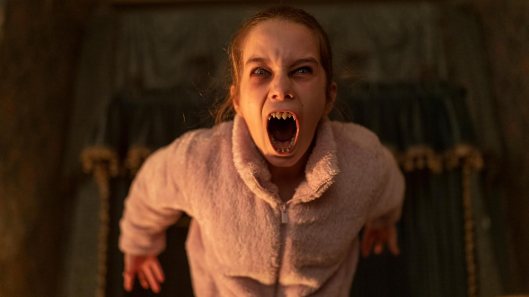
Abigail is the kind of horror film that knows its audience and delivers on every front. Packed with jump scares, cheeky humor, and copious amounts of gore, this polished production embraces its B-movie soul with infectious energy. While it doesn’t aim to reinvent the genre, it revels in its clichés, using them to create a fast-paced and undeniably fun experience. By the time the credits roll, the leads are drenched in blood-red corn syrup, and the audience is left grinning.
However, the film’s reliance on formula prevents it from being anything more than a fun ride. It’s pure popcorn horror—perfect for a group watch but unlikely to leave a lasting impression. Abigail may lack substance, but sometimes all you want is a thrill ride that doesn’t take itself too seriously.
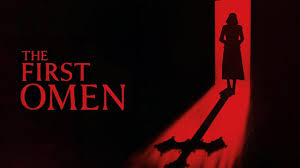
As a prequel to a beloved horror classic, The First Omen had a lot to live up to. The film starts strong, with an ominous atmosphere and compelling visuals that echo the sinister world of the original. Its exploration of the early origins of evil offers a fascinating premise, teasing the potential for a rich narrative. However, as the story unfolds, it becomes clear that the film lacks the single-minded vision of a true auteur.
Despite its flaws, The First Omen still has its moments of intrigue and terror, hinting at interesting possibilities for future installments. Could an anti-anti-Christ concept breathe new life into the franchise? Time will tell, but for now, this entry serves as a solid, if underwhelming, addition to the Omen universe.
A technical marvel and a psychological gut-punch, MadS is a Shudder-exclusive horror film that plays out as a one-shot nightmare. The film’s unrelenting tension and chilling performances keep viewers on edge from start to finish. The unique, continuous shot format enhances its claustrophobic atmosphere, drawing the audience into its disorienting narrative.
What sets MadS apart is its ability to blur the lines between reality and madness. As the story unfolds, viewers are forced to question what’s real and what’s imagined, making for an unsettling experience that lingers long after the film ends. MadS is a haunting reminder of how fragile our perception of reality can be, cementing its place as one of the year’s standout psychological horrors.
Sayara is a brutal, unflinching revenge thriller that doesn’t pull any punches. From its opening moments, the film plunges viewers into a world of fire and blood, leaving no room for mercy or reprieve. The story’s protagonist is relentless in their quest for vengeance, and the film’s visceral approach to storytelling ensures that every moment hits with full force.
What makes Sayara truly memorable is its unyielding commitment to its themes of justice and retribution. This is not a film for the faint of heart, but for those willing to endure its intensity, it offers a deeply cathartic experience. Sayara doesn’t just demand your attention—it seizes it and doesn’t let go.
Blending psychological horror with supernatural intrigue, Oddity is a slow-burn masterpiece that rewards patient viewers. The film follows a grieving protagonist as they unravel a dark, otherworldly mystery, leading to a chilling conclusion that defies easy explanation. Director John McCarthy’s skillful storytelling ensures that every moment feels deliberate, creating an atmosphere of unease that permeates the entire film.
What truly elevates Oddity is its ability to balance ambiguity with narrative depth. The film leaves just enough unanswered questions to keep viewers guessing, while still delivering a satisfying emotional payoff. For fans of psychological thrillers with a supernatural twist, Oddity is a must-watch.
Stop-motion animation has always carried a certain eerie charm, and Stopmotion uses this medium to stunning effect. The film’s haunting visuals and mesmerizing performances create a world that feels both fantastical and terrifying. Its psychological narrative delves into themes of identity, control, and the fine line between creation and destruction, resulting in a story that’s as thought-provoking as it is unsettling.
While its unconventional approach may not appeal to everyone, Stopmotion is a testament to the power of cinema to push boundaries. It’s a film that lingers in the mind, challenging viewers to confront their own fears and insecurities.
Tilman Singer’s Cuckoo is a visually arresting and narratively bold horror film that defies genre conventions. With its surreal imagery and haunting score, the film creates a dreamlike atmosphere that’s impossible to shake. Singer’s ability to craft a story that feels both grounded and otherworldly makes Cuckoo a standout in a crowded field.
What sets Cuckoo apart is its emotional depth. Beneath its unsettling surface lies a poignant exploration of grief, identity, and the human condition. It’s a film that demands to be seen, offering a cinematic experience that’s as beautiful as it is terrifying.
Director Michael Mohan steps confidently into the horror genre with Immaculate, a film that boldly mixes thought-provoking storytelling with shocking, visceral moments. Based on Andrew Lobel’s screenplay, the film tells a tale in three distinct acts, each building tension and deepening the narrative. The first act’s slow pacing might frustrate some viewers, but it ultimately serves to enhance the payoff, setting the stage for an explosive second act.
What truly sets Immaculate apart is its gripping third act, where the restrained storytelling gives way to a climactic crescendo of chaos. Sweeney’s portrayal of Cecilia shines, particularly as she navigates the oppressive, patriarchal control of a convent, bringing complexity and strength to her character. Mohan’s directorial debut in the genre establishes him as a filmmaker to watch, offering a visually stunning and narratively compelling experience
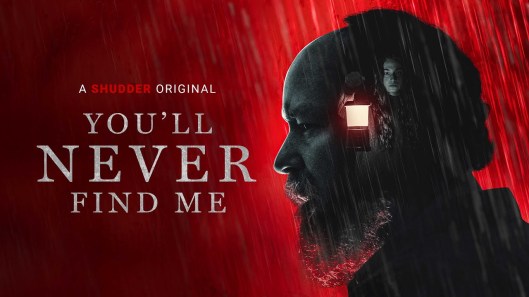
Quietly slipping into cinemas with minimal fanfare, You’ll Never Find Me proves that great horror doesn’t require a massive budget or extensive promotion. Set in a single location, the film creates a claustrophobic atmosphere that keeps viewers on edge. Directors Indiana Bell and Josiah Allen craft a tightly woven narrative, slowly unraveling its mysteries with expert precision.
The film’s brilliance lies in its simplicity. With just two main characters, portrayed with depth and nuance by Rock and Cowan, the story becomes a study in tension and trust. Cinematographer Maxx Corkindale adds another layer of artistry, using light and shadow to enhance the film’s eerie atmosphere. You’ll Never Find Me is a testament to what can be achieved with limited resources and unlimited creativity.
In his directorial debut, Sébastien Vanicek has delivered a creature feature that reinvigorates the genre. Infested taps into primal fears with its jaw-dropping depiction of a spider contagion, weaving a web of terror that’s both thrilling and deeply unsettling. The film’s tension builds masterfully, with every scene ratcheting up the stakes for its beleaguered characters.
What makes Infested stand out is its ability to balance horror with sheer entertainment. This is a film that embraces its absurd premise while delivering genuinely terrifying moments. Vanicek proves he has a knack for crafting memorable scares, making Infested one of the most talked-about horror films of the year and a contender for genre favorite.
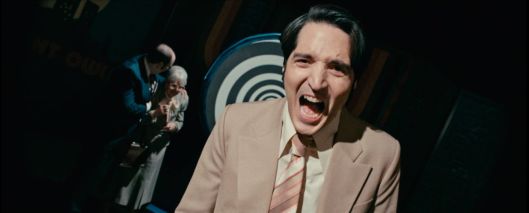
David Dastmalchian takes center stage in Late Night With The Devil, a film that cleverly blends retro nostalgia with modern horror sensibilities. Set during a live broadcast of a talk show, the film builds its tension in real time, pulling viewers into its chilling narrative. The Cairnes Brothers expertly use the confined setting to their advantage, creating an atmosphere of mounting dread that culminates in a shocking finale.
Though not without its flaws, Late Night With The Devil is a refreshing take on the horror genre, proving that innovation and nostalgia can coexist. The film’s originality and execution make it a standout, cementing the Cairnes Brothers as rising stars in modern horror.
Oz Perkins’ Longlegs is a masterclass in slow-burn horror, drawing viewers in with its meticulous craftsmanship and haunting visual style. While the middle act falters slightly, the film’s gripping narrative and stunning performances more than compensate. Perkins’ direction is deliberate, allowing the tension to simmer before delivering a gut-wrenching climax that leaves audiences reeling.
The film’s titular creature is as unsettling as it is memorable, and Perkins uses it to explore themes of isolation and obsession. Longlegs may not be for everyone, but for those who appreciate atmospheric horror, it’s a near-perfect example of the genre’s potential to unsettle and provoke.
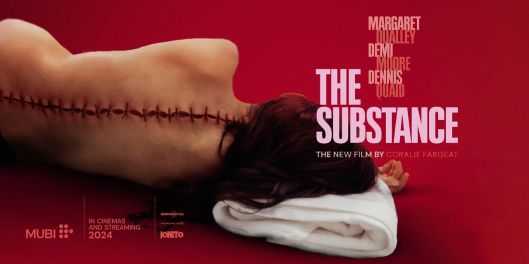
No horror film in 2024 matched the audacity and impact of Coralie Fargeat’s The Substance. From its opening frame, the film immerses viewers in a nightmarish world that’s as beautiful as it is grotesque. Demi Moore delivers a career-defining performance, embodying a character that’s both vulnerable and terrifying. The film’s striking visuals and daring narrative choices make it a bold statement in modern horror.
What sets The Substance apart is its refusal to compromise. Fargeat’s vision is unflinching, challenging audiences to confront their deepest fears and darkest desires. This is not a film for the faint of heart, but for those willing to take the plunge, it offers an experience that’s as unforgettable as it is unsettling. The Substance is a masterpiece of horror cinema and a fitting choice for the top spot on this year’s list.
2024 may not have redefined the genre, but it proved that horror continues to innovate and captivate. Whether you’re into popcorn thrills, arthouse elegance, or gut-wrenching tension, these films prove that fear is as versatile as it is universal. What were your favorite horror flicks of the year?
1974’s Abby stands as a fascinating relic of the era when blaxploitation and supernatural horror collided. Directed by William Girdler, the film boldly reimagines the well-trodden possession narrative, placing it within an African-American cultural framework and tying it to Yoruba mythology. Though often overshadowed by its legal battles with The Exorcist, Abby has carved a niche as a cult classic with its unique voice, energetic performances, and genre-blurring audacity.
A Tale of Chaos and Possession
The story begins with Dr. Garrett Williams (William Marshall), a theologian and archaeologist, discovering a mysterious puzzle box in Nigeria tied to Eshu, a Yoruba orisha of chaos. Unwittingly unleashing the spirit, it travels across the globe to Kentucky, where it takes possession of Abby Williams (Carol Speed), the wife of his son, Reverend Emmett Williams (Terry Carter). Abby’s life spirals into chaos as she becomes increasingly erratic, seductive, and violent under the spirit’s influence.
While Abby borrows heavily from The Exorcist, it differentiates itself by replacing Christian demonology with African mythology. This cultural shift adds depth to the narrative, even if the film doesn’t delve too deeply into Yoruba traditions. Girdler and co-writer Gordon Cornell Layne’s approach leaves some ambiguity, particularly about the spirit’s true nature and motivations. However, this vagueness fuels discussions among fans and scholars alike, lending the film a curious mystique.
A Triumph of Energy Over Execution
Carol Speed delivers a performance that is both committed and chaotic, fully embracing Abby’s physical and emotional transformation. Her portrayal of a woman wrestling with possession is electrifying, even as the low-budget effects occasionally undercut the film’s intended horror. William Marshall, best known as Blacula, lends gravitas to the production, imbuing Dr. Williams with an authoritative presence. His effort to bring authenticity to the Yoruba elements of the story is commendable, even if the script doesn’t always support his aspirations.
Director William Girdler crafts a lively if uneven film, blending exploitation tropes with supernatural themes. The film’s tonal shifts—from horror to campy melodrama—make it hard to take seriously, but they also add to its charm. Girdler’s choice to frame the possession around a sex spirit adds a layer of taboo that gives Abby a distinct flavor within the genre, even as it teeters on the edge of absurdity.
Controversy and Legacy
Despite grossing $4 million in its first month, Abby was famously pulled from theaters after Warner Bros. accused it of being a rip-off of The Exorcist. While Girdler admitted to riding the coattails of the 1973 blockbuster, Abby offers enough originality to stand apart. Its use of Yoruba mythology and the blaxploitation framework make it a unique cultural artifact of 1970s cinema.
The film’s success, albeit brief, demonstrated the viability of horror films targeting Black audiences, even as legal and cultural challenges constrained its distribution. Its scarcity for decades only amplified its cult status, with fans seeking out bootleg copies to experience its idiosyncratic blend of horror and blaxploitation.
Viewed through the lens of history, Abby is a film of contradictions—both derivative and inventive, serious and campy, empowering and exploitative. While it falls short of greatness due to uneven execution and limited budget, its cultural significance and unrestrained energy make it an essential watch for genre enthusiasts.
Fifty years later, Abby remains a curious, imperfect gem, a testament to the creative possibilities that arise when horror meets blaxploitation. It’s a whirlwind of chaos, much like Eshu himself, leaving a lasting impression even amidst its flaws.




 Surgeons of Horror