Tags
1960s horror, 1960s retrospective, cyril frankel, hammer films, Hammer Horror, joan fontaine, witch, witchcraft, witches
Concluding the 1966 lineup of Hammer Films is The Witches, a chilling tale that delves into the dark world of witchcraft, psychological manipulation, and the fragility of sanity. Directed by Cyril Frankel, this film marks a significant entry in Hammer’s catalogue, blending supernatural horror with psychological depth in a way that resonates with audiences long after its release.
Plot Overview
The Witches follows the story of a schoolteacher, Gwen Mayfield (played by Joan Fontaine), who relocates to a small village in Africa after a traumatic experience involving a cult of witches. As she attempts to start anew, Gwen finds herself embroiled in a web of supernatural intrigue and local superstitions. The villagers harbour a dark secret related to a coven of witches who wield powerful magic, and Gwen’s growing sense of paranoia leads her to question her sanity as she confronts the terrifying realities of witchcraft.
Themes of Fear and Isolation
The film effectively explores themes of fear, isolation, and the struggle for identity in the face of overwhelming circumstances. Gwen’s journey is marked by her attempts to break free from her traumatic past while grappling with the suffocating grip of the village’s secrets. The psychological tension builds as she becomes increasingly paranoid, blurring the lines between reality and illusion.
Visual Style and Atmosphere
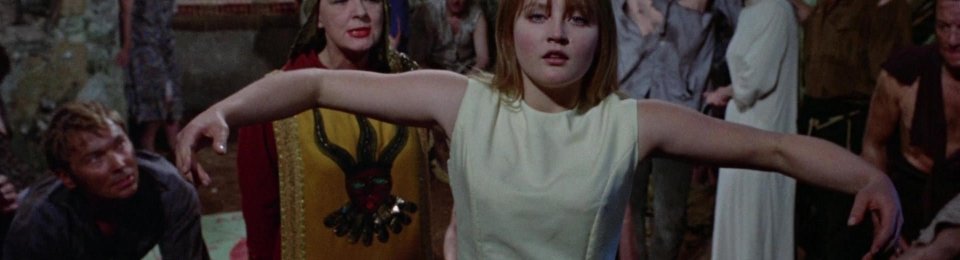
Frankel’s direction enhances the film’s eerie atmosphere, using striking visuals and meticulous cinematography to evoke a sense of dread. The contrast between the serene landscape and the sinister undercurrents of witchcraft creates a disquieting backdrop that heightens the tension. The film’s haunting score complements the visual style, underscoring Gwen’s descent into fear and madness.
Character Development and Performances
Joan Fontaine delivers a captivating performance as Gwen, effectively capturing her character’s emotional turmoil and gradual unraveling. The supporting cast, including the enigmatic Edith Evans as the village matriarch, adds depth to the narrative, enriching the exploration of witchcraft and its psychological implications. The dynamic between the characters intensifies the suspense, drawing viewers into their chilling world.
A Compelling Conclusion to Hammer’s Legacy
While The Witches may not have garnered the same level of recognition as some of Hammer’s flagship titles, it serves as a fitting conclusion to the studio’s prolific year in 1966. Its blend of psychological horror and supernatural elements reflects Hammer’s commitment to pushing the boundaries of the genre, demonstrating their ability to craft thought-provoking narratives that resonate with audiences.
As part of the “1966: The Year Hammer Owned Horror” series, The Witches exemplifies the studio’s evolution and experimentation within the horror genre. Its exploration of fear, isolation, and the consequences of trauma marks a significant turning point for Hammer Films, solidifying its place in cinematic history.
- Saul Muerte
 Surgeons of Horror
Pingback: 1966: The Year Hammer Owned Horror | Surgeons of Horror
Think you are right about this, not the most celebrated Hammer, but Fontaine and a Kneale script make this better than most.
LikeLike