Top 13 Killer Horror Films of 2024

Tags

, , , , , , , , , , , , , , , , , , , , , , , , , , , , , ,

This year brought an eclectic mix of horror films, from genre-defining arthouse gems to unapologetically entertaining popcorn flicks. The best of 2024 showcased how diverse the horror landscape has become, delivering films that lingered in our minds, rattled our nerves, and sometimes even tugged at our heartstrings. Here’s our definitive list of the top 13 killer horror films of the year.

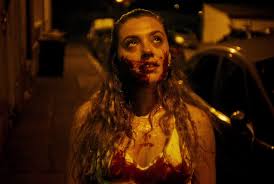
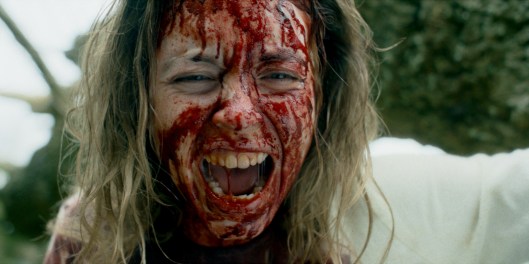
Abigail is the kind of horror film that knows its audience and delivers on every front. Packed with jump scares, cheeky humor, and copious amounts of gore, this polished production embraces its B-movie soul with infectious energy. While it doesn’t aim to reinvent the genre, it revels in its clichés, using them to create a fast-paced and undeniably fun experience. By the time the credits roll, the leads are drenched in blood-red corn syrup, and the audience is left grinning.

However, the film’s reliance on formula prevents it from being anything more than a fun ride. It’s pure popcorn horror—perfect for a group watch but unlikely to leave a lasting impression. Abigail may lack substance, but sometimes all you want is a thrill ride that doesn’t take itself too seriously.

Movie Review: Abigail (2024)


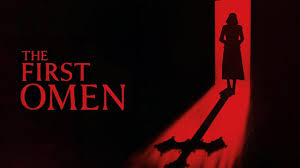
As a prequel to a beloved horror classic, The First Omen had a lot to live up to. The film starts strong, with an ominous atmosphere and compelling visuals that echo the sinister world of the original. Its exploration of the early origins of evil offers a fascinating premise, teasing the potential for a rich narrative. However, as the story unfolds, it becomes clear that the film lacks the single-minded vision of a true auteur.

Despite its flaws, The First Omen still has its moments of intrigue and terror, hinting at interesting possibilities for future installments. Could an anti-anti-Christ concept breathe new life into the franchise? Time will tell, but for now, this entry serves as a solid, if underwhelming, addition to the Omen universe.

Movie Review: The First Omen (2024)


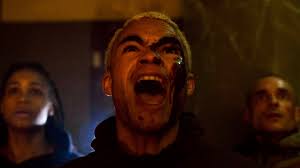
A technical marvel and a psychological gut-punch, MadS is a Shudder-exclusive horror film that plays out as a one-shot nightmare. The film’s unrelenting tension and chilling performances keep viewers on edge from start to finish. The unique, continuous shot format enhances its claustrophobic atmosphere, drawing the audience into its disorienting narrative.

What sets MadS apart is its ability to blur the lines between reality and madness. As the story unfolds, viewers are forced to question what’s real and what’s imagined, making for an unsettling experience that lingers long after the film ends. MadS is a haunting reminder of how fragile our perception of reality can be, cementing its place as one of the year’s standout psychological horrors.

MadS – A Mesmerizing, One-Shot Descent into Chaos


Sayara is a brutal, unflinching revenge thriller that doesn’t pull any punches. From its opening moments, the film plunges viewers into a world of fire and blood, leaving no room for mercy or reprieve. The story’s protagonist is relentless in their quest for vengeance, and the film’s visceral approach to storytelling ensures that every moment hits with full force.

What makes Sayara truly memorable is its unyielding commitment to its themes of justice and retribution. This is not a film for the faint of heart, but for those willing to endure its intensity, it offers a deeply cathartic experience. Sayara doesn’t just demand your attention—it seizes it and doesn’t let go.

Sayara (2024) – A Savage, Viscera-Drenched Odyssey of Vengeance and Retribution


Blending psychological horror with supernatural intrigue, Oddity is a slow-burn masterpiece that rewards patient viewers. The film follows a grieving protagonist as they unravel a dark, otherworldly mystery, leading to a chilling conclusion that defies easy explanation. Director John McCarthy’s skillful storytelling ensures that every moment feels deliberate, creating an atmosphere of unease that permeates the entire film.

What truly elevates Oddity is its ability to balance ambiguity with narrative depth. The film leaves just enough unanswered questions to keep viewers guessing, while still delivering a satisfying emotional payoff. For fans of psychological thrillers with a supernatural twist, Oddity is a must-watch.

Oddity (2024) – A Haunting Puzzle of Revenge and the Supernatural


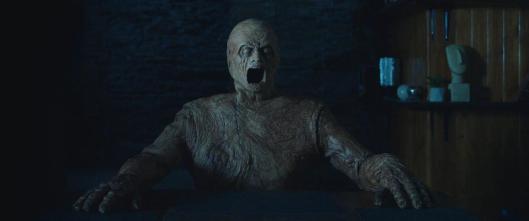
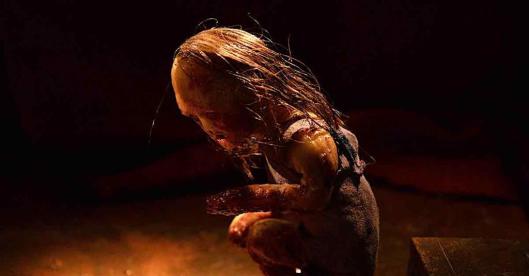
Stop-motion animation has always carried a certain eerie charm, and Stopmotion uses this medium to stunning effect. The film’s haunting visuals and mesmerizing performances create a world that feels both fantastical and terrifying. Its psychological narrative delves into themes of identity, control, and the fine line between creation and destruction, resulting in a story that’s as thought-provoking as it is unsettling.

While its unconventional approach may not appeal to everyone, Stopmotion is a testament to the power of cinema to push boundaries. It’s a film that lingers in the mind, challenging viewers to confront their own fears and insecurities.

Stopmotion”: A Haunting Journey into Grief and Imagination


Tilman Singer’s Cuckoo is a visually arresting and narratively bold horror film that defies genre conventions. With its surreal imagery and haunting score, the film creates a dreamlike atmosphere that’s impossible to shake. Singer’s ability to craft a story that feels both grounded and otherworldly makes Cuckoo a standout in a crowded field.

What sets Cuckoo apart is its emotional depth. Beneath its unsettling surface lies a poignant exploration of grief, identity, and the human condition. It’s a film that demands to be seen, offering a cinematic experience that’s as beautiful as it is terrifying.

Cuckoo Soars: A Haunting Symphony of Mystery and Masterful Storytelling


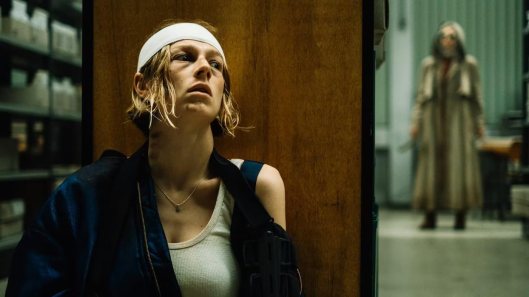
Director Michael Mohan steps confidently into the horror genre with Immaculate, a film that boldly mixes thought-provoking storytelling with shocking, visceral moments. Based on Andrew Lobel’s screenplay, the film tells a tale in three distinct acts, each building tension and deepening the narrative. The first act’s slow pacing might frustrate some viewers, but it ultimately serves to enhance the payoff, setting the stage for an explosive second act.

What truly sets Immaculate apart is its gripping third act, where the restrained storytelling gives way to a climactic crescendo of chaos. Sweeney’s portrayal of Cecilia shines, particularly as she navigates the oppressive, patriarchal control of a convent, bringing complexity and strength to her character. Mohan’s directorial debut in the genre establishes him as a filmmaker to watch, offering a visually stunning and narratively compelling experience

Movie Review: Immaculate (2024)


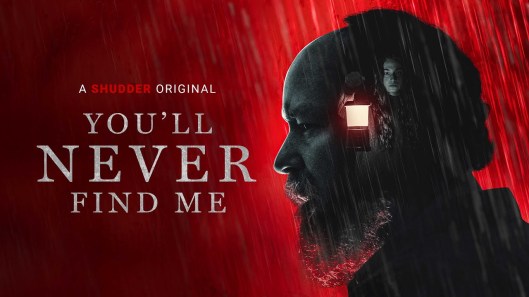
Quietly slipping into cinemas with minimal fanfare, You’ll Never Find Me proves that great horror doesn’t require a massive budget or extensive promotion. Set in a single location, the film creates a claustrophobic atmosphere that keeps viewers on edge. Directors Indiana Bell and Josiah Allen craft a tightly woven narrative, slowly unraveling its mysteries with expert precision.

The film’s brilliance lies in its simplicity. With just two main characters, portrayed with depth and nuance by Rock and Cowan, the story becomes a study in tension and trust. Cinematographer Maxx Corkindale adds another layer of artistry, using light and shadow to enhance the film’s eerie atmosphere. You’ll Never Find Me is a testament to what can be achieved with limited resources and unlimited creativity.

Movie Review: You’ll Never Find Me (2024)


In his directorial debut, Sébastien Vanicek has delivered a creature feature that reinvigorates the genre. Infested taps into primal fears with its jaw-dropping depiction of a spider contagion, weaving a web of terror that’s both thrilling and deeply unsettling. The film’s tension builds masterfully, with every scene ratcheting up the stakes for its beleaguered characters.

What makes Infested stand out is its ability to balance horror with sheer entertainment. This is a film that embraces its absurd premise while delivering genuinely terrifying moments. Vanicek proves he has a knack for crafting memorable scares, making Infested one of the most talked-about horror films of the year and a contender for genre favorite.

Movie Review: Infested (2024)


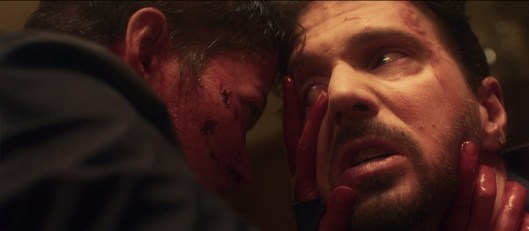
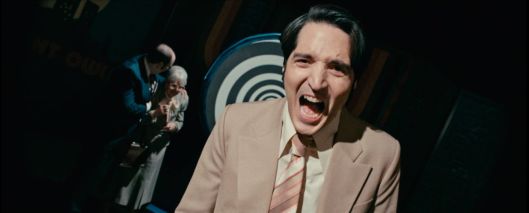
David Dastmalchian takes center stage in Late Night With The Devil, a film that cleverly blends retro nostalgia with modern horror sensibilities. Set during a live broadcast of a talk show, the film builds its tension in real time, pulling viewers into its chilling narrative. The Cairnes Brothers expertly use the confined setting to their advantage, creating an atmosphere of mounting dread that culminates in a shocking finale.

Though not without its flaws, Late Night With The Devil is a refreshing take on the horror genre, proving that innovation and nostalgia can coexist. The film’s originality and execution make it a standout, cementing the Cairnes Brothers as rising stars in modern horror.

Movie Review: Late Night With The Devil (2024)


Oz Perkins’ Longlegs is a masterclass in slow-burn horror, drawing viewers in with its meticulous craftsmanship and haunting visual style. While the middle act falters slightly, the film’s gripping narrative and stunning performances more than compensate. Perkins’ direction is deliberate, allowing the tension to simmer before delivering a gut-wrenching climax that leaves audiences reeling.

The film’s titular creature is as unsettling as it is memorable, and Perkins uses it to explore themes of isolation and obsession. Longlegs may not be for everyone, but for those who appreciate atmospheric horror, it’s a near-perfect example of the genre’s potential to unsettle and provoke.

Movie review: Longlegs (2024)


No horror film in 2024 matched the audacity and impact of Coralie Fargeat’s The Substance. From its opening frame, the film immerses viewers in a nightmarish world that’s as beautiful as it is grotesque. Demi Moore delivers a career-defining performance, embodying a character that’s both vulnerable and terrifying. The film’s striking visuals and daring narrative choices make it a bold statement in modern horror.

What sets The Substance apart is its refusal to compromise. Fargeat’s vision is unflinching, challenging audiences to confront their deepest fears and darkest desires. This is not a film for the faint of heart, but for those willing to take the plunge, it offers an experience that’s as unforgettable as it is unsettling. The Substance is a masterpiece of horror cinema and a fitting choice for the top spot on this year’s list.

The Substance (2024) – Coralie Fargeat’s Visceral Exploration of Beauty, Decay, and Rebirth


2024 may not have redefined the genre, but it proved that horror continues to innovate and captivate. Whether you’re into popcorn thrills, arthouse elegance, or gut-wrenching tension, these films prove that fear is as versatile as it is universal. What were your favorite horror flicks of the year?

  • Saul Muerte

Abby (1974): A Possession Film That Carves Its Own Path Through Blaxploitation Cinema

Tags

, , , ,

1974’s Abby stands as a fascinating relic of the era when blaxploitation and supernatural horror collided. Directed by William Girdler, the film boldly reimagines the well-trodden possession narrative, placing it within an African-American cultural framework and tying it to Yoruba mythology. Though often overshadowed by its legal battles with The Exorcist, Abby has carved a niche as a cult classic with its unique voice, energetic performances, and genre-blurring audacity.

A Tale of Chaos and Possession

The story begins with Dr. Garrett Williams (William Marshall), a theologian and archaeologist, discovering a mysterious puzzle box in Nigeria tied to Eshu, a Yoruba orisha of chaos. Unwittingly unleashing the spirit, it travels across the globe to Kentucky, where it takes possession of Abby Williams (Carol Speed), the wife of his son, Reverend Emmett Williams (Terry Carter). Abby’s life spirals into chaos as she becomes increasingly erratic, seductive, and violent under the spirit’s influence.

While Abby borrows heavily from The Exorcist, it differentiates itself by replacing Christian demonology with African mythology. This cultural shift adds depth to the narrative, even if the film doesn’t delve too deeply into Yoruba traditions. Girdler and co-writer Gordon Cornell Layne’s approach leaves some ambiguity, particularly about the spirit’s true nature and motivations. However, this vagueness fuels discussions among fans and scholars alike, lending the film a curious mystique.

A Triumph of Energy Over Execution

Carol Speed delivers a performance that is both committed and chaotic, fully embracing Abby’s physical and emotional transformation. Her portrayal of a woman wrestling with possession is electrifying, even as the low-budget effects occasionally undercut the film’s intended horror. William Marshall, best known as Blacula, lends gravitas to the production, imbuing Dr. Williams with an authoritative presence. His effort to bring authenticity to the Yoruba elements of the story is commendable, even if the script doesn’t always support his aspirations.

Director William Girdler crafts a lively if uneven film, blending exploitation tropes with supernatural themes. The film’s tonal shifts—from horror to campy melodrama—make it hard to take seriously, but they also add to its charm. Girdler’s choice to frame the possession around a sex spirit adds a layer of taboo that gives Abby a distinct flavor within the genre, even as it teeters on the edge of absurdity.

Controversy and Legacy

Despite grossing $4 million in its first month, Abby was famously pulled from theaters after Warner Bros. accused it of being a rip-off of The Exorcist. While Girdler admitted to riding the coattails of the 1973 blockbuster, Abby offers enough originality to stand apart. Its use of Yoruba mythology and the blaxploitation framework make it a unique cultural artifact of 1970s cinema.

The film’s success, albeit brief, demonstrated the viability of horror films targeting Black audiences, even as legal and cultural challenges constrained its distribution. Its scarcity for decades only amplified its cult status, with fans seeking out bootleg copies to experience its idiosyncratic blend of horror and blaxploitation.

Viewed through the lens of history, Abby is a film of contradictions—both derivative and inventive, serious and campy, empowering and exploitative. While it falls short of greatness due to uneven execution and limited budget, its cultural significance and unrestrained energy make it an essential watch for genre enthusiasts.

Fifty years later, Abby remains a curious, imperfect gem, a testament to the creative possibilities that arise when horror meets blaxploitation. It’s a whirlwind of chaos, much like Eshu himself, leaving a lasting impression even amidst its flaws.

  • Saul Muerte

Sting (2024): A Tangled Web of Potential, Stifled by Confinement

Tags

, , , , , , , , , , ,

Kiah Roache-Turner’s Sting teeters between promise and frustration, delivering a giant spider flick that struggles to break free of its own constraints. The premise—an apartment block under siege by a grotesque arachnid menace—should have been a thrilling descent into chaos. Instead, it becomes a mostly static affair that squanders the potential for horror on a grander scale.

The film’s claustrophobic setting, while initially effective in creating tension, ultimately becomes its Achilles’ heel. Roache-Turner’s decision to restrict the action to a single apartment block feels like an artificial barrier, limiting both narrative scope and the monstrous terror promised by its premise. The titular spider, a grotesque and visually striking creation, rarely gets the opportunity to fully unleash its horrifying potential. What could have been a citywide nightmare is confined to a smaller, less engaging canvas.

Performances from the cast are serviceable but fail to elevate the thin material. The human drama, meant to serve as a counterbalance to the creature feature chaos, feels underdeveloped, making it hard to invest in the characters’ survival. Even the moments of visceral horror and grotesque effects—which Roache-Turner has previously executed with glee in films like Wyrmwood—feel muted, as though constrained by the film’s own premise.

There are flashes of creativity, particularly in the creature design and some tightly constructed suspense sequences, but these are too few and far between. Sting is a film caught in its own web, unable to deliver the giant spider carnage fans might have hoped for. It’s a disappointment from a director who has previously shown a knack for blending horror with frenetic energy.

For arachnid horror enthusiasts, Sting may still hold some appeal, but the film’s inability to break free of its own limitations makes it feel more like a missed opportunity than a triumphant monster movie.

  • Saul Muerte

The 12 Days of Christmas Horror: A Terrifying Yuletide Countdown

Tags

, , , , , , , , , , , , , , ,

Horror fans rejoice! The holiday season isn’t just about cheerful carols and warm cocoa—it’s also a time for blood-curdling screams, sinister Santas, and festive frights. To celebrate the darker side of Christmas, here’s our countdown of 12 horrifying holiday films to make your season as chilling as it is merry.


🎄 On the First Day of Christmas, my true love gave to me: A Mogwai in a gift box!
Start your holiday horror binge with Gremlins (1984), a delightful cautionary tale about the perils of ignoring pet care instructions. Joe Dante’s classic perfectly balances humour and horror, as the adorable Gizmo spawns a mischievous army of creatures that turn Christmas into a chaotic nightmare. The snowy town backdrop and holiday decorations make it the quintessential dark Christmas treat.


🎄 On the Second Day of Christmas, my true love gave to me: Two sinister phone calls!
Black Christmas (1974) is often credited as one of the earliest slasher films, and for good reason. Its chilling premise—sorority sisters stalked by an unknown killer during the holidays—still holds up, with terrifying phone calls and a tense atmosphere. A precursor to films like Halloween, it’s a must-watch for those who like their Christmas with a side of terror.


🎄 On the Third Day of Christmas, my true love gave to me: Three masked killers!
Forget holiday cheer—Don’t Open Till Christmas (1984) delivers sleazy, grindhouse-style carnage as a masked killer targets anyone dressed as Santa Claus. Set in London, this cult favourite oozes low-budget grit and delivers some gruesome kills. It’s the perfect antidote for anyone who finds mall Santas a little too jolly.


🎄 On the Fourth Day of Christmas, my true love gave to me: Four killer Santas!
Few holiday horror films are as infamous as Silent Night, Deadly Night (1984). This controversial slasher caused outrage upon release with its tale of a traumatised young man who becomes a murderous Santa. Despite its campy premise, it delivers genuine chills and has earned its place as a cult classic that’s both terrifying and absurdly entertaining.


🎄 On the Fifth Day of Christmas, my true love gave to me: Five undead dance routines!
Anna and the Apocalypse (2017) is a genre mashup like no other—a Christmas zombie musical filled with catchy songs, heartfelt moments, and buckets of blood. It’s the kind of film that shouldn’t work, but somehow does, offering a unique spin on holiday horror that will have you singing along while reaching for the popcorn.


🎄 On the Sixth Day of Christmas, my true love gave to me: Six buckets of gore!
Terrifier 3 continues Art the Clown’s reign of terror, this time with a Christmas twist. If you’re a fan of extreme gore and unrelenting scares, this sequel delivers in spades, taking holiday horror to new, grotesque heights. It’s not for the faint of heart but will delight those who thrive on boundary-pushing frights.


🎄 On the Seventh Day of Christmas, my true love gave to me: Seven blood-stained axes!
Christmas Blood (2017) brings a Scandinavian flavor to the killer Santa trope. This Norwegian slasher follows a maniacal Santa spreading holiday carnage across snowy landscapes. With its moody atmosphere and brutal kills, it’s a grim reminder that not all Santas are bringing gifts.


🎄 On the Eighth Day of Christmas, my true love gave to me: Eight clever traps!
Better Watch Out (2016) is a home invasion thriller with a devilish twist that’s best experienced without spoilers. What starts as a typical holiday babysitting gig takes a sinister turn, with clever plotting and sharp performances that elevate it into one of the most entertaining Christmas horror films of recent years.


🎄 On the Ninth Day of Christmas, my true love gave to me: Nine rampaging reindeer!
Rare Exports: A Christmas Tale (2010) reimagines Santa as a terrifying, ancient figure unearthed from the ice. This Finnish gem mixes dark humour with genuine scares, creating a unique holiday horror that’s as magical as it is menacing. And those reindeer? Let’s just say Rudolph wouldn’t stand a chance.


🎄 On the Tenth Day of Christmas, my true love gave to me: Ten deadly robots!
Christmas Bloody Christmas (2022) answers the question: What if a robotic Santa went on a killing spree? This grindhouse-style horror revels in its absurd premise, delivering over-the-top gore, neon-soaked visuals, and a punk rock attitude that makes it a wild holiday ride.


🎄 On the Eleventh Day of Christmas, my true love gave to me: Eleven festive frights!
Krampus (2015) brings the European legend of the titular Christmas demon to life in a darkly comedic tale of family dysfunction and festive punishment. With stunning creature effects and a sly sense of humour, Michael Dougherty’s film is a modern holiday horror classic that reminds us to stay on Santa’s good side.


🎄 On the Twelfth Day of Christmas, my true love gave to me: A Ghostly Carnage for Christmas
The premise of Carnage For Christmas is deeply intriguing. True crime podcaster Lola returns to her hometown for the first time since her gender transition, only to uncover a chilling mystery: has the ghost of a historic murderer risen again? This film offers a thoughtful blend of social themes and supernatural horror, making it a perfect capstone for our list.


Celebrate the Season of Screams
From murderous Santas to zombie musicals, these 12 films prove that Christmas doesn’t have to be merry to be memorable. So dim the lights, grab some eggnog, and settle in for a holiday marathon that’s as horrifying as it is holly-jolly.

  • Saul Muerte

Street Trash (2024): A Grimy, Gory, and Visually Disturbing Return to the Cult Classic

Tags

, ,

Ryan Kruger’s Street Trash boldly picks up the grotesque mantle of the 1987 original, delivering a sequel that is equal parts homage and evolution. This grimy, grimacing venture into the underbelly of society thrusts viewers into a world of chaotic survival, vivid visuals, and unapologetic depravity.

A Grimy Glimpse of Society’s Margins

Set against a backdrop of urban decay, the film plunges into the lives of the downtrodden as they face not just societal neglect but a new wave of bodily horrors. Kruger maintains the anarchic spirit of the original while updating its themes with a sharper edge. Beneath the layers of viscera and outrageous visuals lies a commentary on the cyclical struggles of poverty, addiction, and survival—a grim reflection of a world that often ignores its most vulnerable.

The story, while secondary to the spectacle, acts as a loose framework for the carnage, following a ragtag group of outcasts contending with an insidious threat that consumes them from within. Much like its predecessor, Street Trash revels in its over-the-top nature, embracing absurdity and shock value as core tenets of its narrative.

A Grotesque Visual Feast

Kruger’s directorial flair is undeniable, with a relentless onslaught of visually arresting sequences. The practical effects are a glorious throwback to the heyday of 1980s body horror, drenched in fluorescent gore and surreal transformations. The cinematography veers between claustrophobic and chaotic, perfectly capturing the world’s filth and desperation.

However, the film’s relentless aesthetic, while impressive, often overshadows its characters and narrative depth. The grotesque imagery can feel gratuitous at times, leaving little room for the emotional resonance that might have elevated the film beyond its shock-factor roots.

A Tribute That Stumbles on Its Own Excess

As a sequel, Street Trash lovingly pays tribute to the down-and-dirty chaos of the original, amplifying its grime and gore for a modern audience. But in doing so, it occasionally loses the balance that made the 1987 cult classic memorable. While Kruger captures the anarchic spirit, the film’s pacing and tonal inconsistency detract from its overall impact, making it feel like an extended spectacle rather than a cohesive story.

The Prognosis:

For fans of the original, Street Trash (2023) is a welcome return to the absurd, oozing with nostalgia and creativity. It’s a visually disturbing treat that revels in its excesses, delivering everything you’d expect from a sequel to one of the most outrageous films of the 1980s.

Yet, its dedication to pushing the boundaries of grotesque spectacle leaves little room for nuance or emotional depth. While it’s a solid continuation of the cult classic’s legacy, it struggles to transcend its status as a niche curiosity.

Kruger’s Street Trash is messy, wild, and unapologetically outrageous—a glorious descent into cinematic filth that will delight fans of the original and shock newcomers in equal measure. It may not redefine the genre, but it certainly leaves an impression, for better or worse.

  • Saul Muerte

Street Trash will be streaming on Screambox from Dec 27th.

When Fiction Strikes Back: The Meta-Horror Madness of The Bloody Exorcism of Coffin Joe

Tags

, , ,

José Mojica Marins, the macabre mind behind the infamous Coffin Joe persona, takes an ambitious meta-narrative turn with The Bloody Exorcism of Coffin Joe. This 1974 feature is a surreal descent into madness that blurs the lines between reality and fiction, combining bizarre horror and religious allegory. While not officially part of the “Coffin Joe trilogy,” the film captures the spirit of Marins’ grotesque vision, albeit with mixed results.

A Meta-Horror Experiment
Marins portrays himself, crafting a narrative where his fictional alter ego, Coffin Joe, transcends the screen and manifests in terrifying reality. This meta approach is intriguing, allowing Marins to explore his own creation’s mythology while engaging in self-reflection. The plot, however, is a chaotic jumble of satanic rituals, black masses, and exorcisms, all set against a backdrop of low-budget effects and erratic pacing.

The film’s most striking moments occur during its feverish black mass sequence, where Coffin Joe emerges to preside over a cacophony of torture, topless dancers, and surreal imagery. These scenes are unsettling and unrestrained, evoking a visceral reaction, but they teeter on the edge of indulgence, making the experience feel more disjointed than cohesive.

Strengths and Shortcomings
Marins’ direction is unmistakably his own—raw, eccentric, and unapologetic. The use of practical effects and atmospheric lighting imbues the film with a haunting aesthetic, despite its glaring technical flaws. However, the inconsistent sound editing and awkward dialogue often break immersion, highlighting the limitations of its production.

The performances range from passable to over-the-top, with Marins commanding the screen whenever Coffin Joe is present. The supporting cast, including Ariane Arantes as Vilma and Wanda Kosmo as the witch, deliver spirited performances, though they are often overshadowed by the film’s chaotic narrative.

Themes of Faith and Fear
The juxtaposition of Christian iconography and satanic rituals provides a thematic backbone, exploring humanity’s eternal struggle between good and evil. The climax, where Marins wields a crucifix to vanquish Coffin Joe and his followers, is as absurd as it is symbolic. Yet, this resolution feels rushed, leaving the philosophical implications of the story underdeveloped.

Legacy and Impact
The Bloody Exorcism of Coffin Joe is a fascinating yet flawed entry in Marins’ oeuvre. It doesn’t reach the heights of his earlier works like At Midnight I’ll Take Your Soul but remains a testament to his audacious creativity. The meta-narrative approach was ahead of its time, paving the way for modern genre films that break the fourth wall.

For fans of Coffin Joe, this film is a must-watch for its exploration of the character’s mythology. For others, it might feel like an incoherent fever dream, held together by flashes of brilliance amidst the chaos. Regardless, Marins’ ability to provoke and unsettle ensures that The Bloody Exorcism of Coffin Joe retains its place as a curious artifact of Brazilian horror cinema.

  • Saul Muerte

Movie Review: Time Cut (2024) – A Misstep Through Time

Tags

, , , , , ,

Netflix’s Time Cut ambitiously attempts to blend time-travel mechanics with the slasher genre but ends up feeling like a weaker shadow of last year’s Totally Killer—a film that itself was only moderately successful. Directed by Hannah MacPherson and co-written with Michael Kennedy, the film stars Madison Bailey, Antonia Gentry, and Griffin Gluck in a story about familial bonds, personal redemption, and an overly complicated time loop that never quite clicks.

Set in the sleepy town of Sweetly, Minnesota, the narrative follows Lucy Field (Bailey), a young inventor who accidentally stumbles upon a time machine and travels back to 2003, just days before her sister Summer (Gentry) is murdered by the Sweetly Slasher. The setup initially teases intrigue: Lucy’s quest to save her sister from a grim fate while unraveling the mystery of a masked killer. But what could have been a thrilling fusion of Back to the Future and Scream collapses under a bloated script and inconsistent pacing.

The plot is weighed down by convoluted exposition and uninspired twists. While the reveal of the Sweetly Slasher’s identity—a future version of Quinn (Gluck), driven to madness—seeks to add emotional depth, it feels both predictable and underwhelming. Time-travel paradoxes, instead of enhancing the stakes, muddy the narrative.

On the positive side, Madison Bailey brings a commendable sincerity to Lucy, making her a relatable protagonist. Antonia Gentry, as Summer, delivers an emotionally charged performance, particularly in her scenes of reconciliation with Lucy. Their chemistry anchors the film, providing fleeting moments of genuine warmth.

The movie falters most in its inability to balance tone. The slasher elements lack tension, the sci-fi aspects are half-baked, and the humour—intended to offer levity—rarely lands. Moreover, the production design fails to convincingly evoke the early 2000s, a glaring oversight in a film that relies on its period setting.

Comparisons to Totally Killer are unavoidable, and unfortunately, Time Cut pales in every regard. Where Totally Killer leaned into its absurdity with a tongue-in-cheek charm, Time Cut takes itself too seriously, resulting in a tonal mismatch that alienates the viewer.

In the end, Time Cut is a classic case of wasted potential. While its premise and cast hint at something greater, the execution is lacklustre, leaving audiences with a film that neither entertains nor innovates. For those seeking time-travel thrills or slasher chills, it’s better to skip this cut entirely.

  • Saul Muerte

Time Cut is currently streaming on Netflix.

Mary Shelley’s Frankenstein: A Gothic Experiment That Thrives and Falters Under Its Own Ambition

Tags

, , , , , , , ,

When Mary Shelley’s Frankenstein debuted in 1994, Kenneth Branagh’s adaptation of the seminal novel seemed like a breath of fresh air for gothic cinema. Positioned as a faithful retelling of Shelley’s groundbreaking work, the film’s operatic tone, lavish production design, and reverence for its source material made it feel like an audacious attempt to elevate gothic horror into a grand cinematic spectacle. Thirty years on, however, while the film retains its place as a fascinating adaptation, time has revealed both its achievements and its missteps.

Branagh, who directed and starred as Victor Frankenstein, approached the material with a larger-than-life theatricality, pouring a seemingly unrestrained passion into the story. At the time, this intensity felt like a bold choice, giving audiences a film steeped in gothic aesthetics, from sweeping landscapes and haunting laboratories to thunderous scores and unrelenting melodrama. But in hindsight, the weight of Branagh’s vision comes across as excessive. The film’s relentless emotional intensity often teeters on overwrought, with every confrontation, revelation, and tragedy turned up to operatic levels. While this approach may have felt daring in 1994, it now feels like it undermines some of the subtler complexities of Shelley’s narrative.

Yet, there are elements of Mary Shelley’s Frankenstein that remain undeniably effective. The performances of Robert De Niro as the Creature and Helena Bonham Carter as Elizabeth elevate the film beyond its uneven execution. De Niro’s portrayal of the Creature is deeply affecting, bringing an unexpected humanity and pathos to the role. His embodiment of Shelley’s philosophical questions about creation, abandonment, and revenge remains one of the film’s most enduring strengths. Similarly, Bonham Carter imbues Elizabeth with a warmth and intelligence that makes her tragic arc all the more harrowing, particularly in the film’s climactic and macabre finale.

Visually, the film continues to impress. Its production design, helmed by Tim Harvey, crafts an immersive gothic world, from the icy Arctic wastes to the shadowy confines of Victor’s laboratory. Patrick Doyle’s score, a bombastic and emotive accompaniment, heightens the film’s gothic grandeur, even as it sometimes amplifies the melodrama.

Ultimately, Mary Shelley’s Frankenstein is a film of contradictions: innovative yet excessive, faithful yet flawed. Its ambition to stay true to the novel’s thematic depths deserves admiration, but Branagh’s unchecked directorial choices leave the narrative buckling under the weight of its own gravitas.

Thirty years later, it remains an intriguing, if imperfect, entry in gothic cinema, a reminder of both the power and perils of artistic vision. For all its faults, it is still an enjoyable film and one that warrants revisiting—if only to marvel at its audacity and revel in the brilliance of De Niro and Bonham Carter.

  • Saul Muerte

Late-Night Terror Served with a Side of Jessica Belkin’s Brilliance in Last Straw

Tags

, , ,

“A slow boil of diner terror saved by Jessica Belkin’s fierce lead performance.”

In Last Straw, director Alan C. Peterson takes a stab at rural horror, setting the stage in an eerily isolated roadside diner where chaos unfurls during one fateful night. The film serves up a premise brimming with promise but ultimately struggles to bring its ingredients together into a fully satisfying dish. What salvages the movie is Jessica Belkin’s standout performance, which adds surprising depth and urgency to an otherwise uneven thriller.

The story unfolds at Nancy’s Diner, a small-town eatery with a big attitude problem, thanks to its hard-nosed owner Nancy (Jessica Belkin). After firing her unreliable staff, Nancy decides to take on the final shift herself, unaware that she’s about to endure the longest and most dangerous night of her life. As the hours tick by, sinister forces make their presence known, and the diner becomes the site of a gruesome killing spree.

At its core, Last Straw is a survival horror flick with a claustrophobic atmosphere and a handful of brutal set pieces. The film explores themes of isolation, regret, and resilience, but its attempts to dive into deeper emotional territory often feel half-baked.

Strengths: Jessica Belkin Shines

Belkin carries the film with a steely yet vulnerable portrayal of Nancy, a woman grappling with her own mistakes while facing an escalating nightmare. Her performance is magnetic, injecting the character with a fiery determination that keeps viewers invested even when the narrative falters. Belkin’s ability to oscillate between fear, rage, and resolve anchors the film, making Nancy a compelling final girl in a genre that thrives on them.

Weaknesses: Familiarity Breeds Predictability

Unfortunately, Last Straw falters under the weight of its overly familiar tropes. From the “lone survivor in a remote location” setup to the predictably unhinged antagonist, the film rarely ventures beyond well-trodden ground. The tension is intermittently effective but often deflated by an over-reliance on jump scares and a sluggish pace that drags in the middle act.

The film’s attempts at psychological depth—manifested in Nancy’s flashbacks and inner turmoil—feel surface-level and fail to connect meaningfully with the larger narrative. Supporting characters are largely forgettable, serving more as cannon fodder than as contributors to the story.

Atmosphere and Direction

Despite its shortcomings, Peterson creates a suitably menacing atmosphere. The diner’s confined space and harsh fluorescent lighting lend a sense of suffocating dread, while the sound design amplifies every creak, shatter, and scream. These elements provide occasional sparks of genuine tension, though they’re often squandered by a meandering script.

The Prognosis:

Last Straw is far from groundbreaking, but Jessica Belkin’s commanding performance elevates it above the realm of forgettable indie horror. The film’s hook—a nightmarish scenario in a seemingly mundane diner—is strong enough to keep viewers intrigued, even if the execution leaves much to be desired.

For horror fans who don’t mind a predictable ride with a few sharp turns, Last Straw might be worth a late-night viewing. But for those seeking innovation or depth, this is one diner where the menu doesn’t quite deliver.

  • Saul Muerte

Unearthing Terrors: Revisiting Quatermass and the Pit

Tags

, , , , , ,

Quatermass and the Pit remains a shining gem in Hammer Films’ crown, a film that blends science fiction and horror with cerebral depth and visual ingenuity. Directed by Roy Ward Baker, this adaptation of Nigel Kneale’s acclaimed television serial proves that ambition and creativity can transcend budgetary limitations. It’s no surprise that this film holds a special place in the hearts of Hammer aficionados, delivering a gripping narrative, a stellar cast, and thought-provoking themes.

The story unfolds with the discovery of a mysterious, ancient object buried in the London Underground. What begins as an archeological curiosity quickly escalates into a tale of extraterrestrial origins, latent human fears, and societal unrest. At its core is Professor Bernard Quatermass, played with intellectual gravitas by Andrew Keir. Keir’s portrayal is a departure from the earlier portrayals of Quatermass, bringing a rugged charm and authoritative presence to the role that anchors the film amidst its fantastical elements.

The supporting cast is equally impressive. Barbara Shelley shines as the determined and empathetic Barbara Judd, while James Donald delivers a measured performance as Dr. Roney. The interplay between these characters adds emotional depth to the high-concept narrative, grounding its more outlandish moments in genuine human concern.

Roy Ward Baker’s direction is deft, maximising the tension and scale of the story despite the limited resources available. The film’s practical effects and set design, while dated by modern standards, still evoke a sense of awe and unease. The scenes depicting the alien memories and the climactic chaos in the streets of London are particular standouts, showcasing Baker’s ability to create atmosphere and spectacle on a shoestring budget.

Yet, the film’s greatest strength lies in its themes. Quatermass and the Pit explores the intersection of science and mythology, probing the origins of human fear and violence with a sophistication rarely seen in genre cinema. The idea that humanity’s darker impulses could be the legacy of ancient Martian colonists is as compelling as it is chilling, making this more than just a monster movie.

That said, the film isn’t without its flaws. The pacing can drag in places, and the special effects, though imaginative, may elicit more smiles than gasps for contemporary audiences. Additionally, the film’s heavy reliance on exposition can occasionally slow the momentum, as characters explain rather than experience the unfolding events.

Despite these shortcomings, Quatermass and the Pit remains a triumph of ingenuity and ambition. It’s a testament to Hammer Films’ ability to elevate genre storytelling, proving that thought-provoking ideas and strong performances can resonate long after the credits roll. For fans of intelligent, atmospheric horror, this is a must-watch, standing tall as one of Hammer’s most intriguing offerings.

  • Saul Muerte