• About
  • podcasts
  • Shop

Surgeons of Horror

~ Dissecting horror films

Surgeons of Horror

Category Archives: Uncategorized

Sixty Screams of the 60s: The Ultimate Horror Countdown Part 3

26 Saturday Jul 2025

Posted by surgeons of horror in Uncategorized

≈ Leave a comment

Stylised Madness and Monstrous Worlds

As we claw our way through the middle of the countdown, the films take on bolder styles and more abstract fears. Japanese erotica, Italian gialli, sci-fi nightmares, and gothic grandeur all make their presence known here, proving that the 1960s were just as experimental as they were eerie.

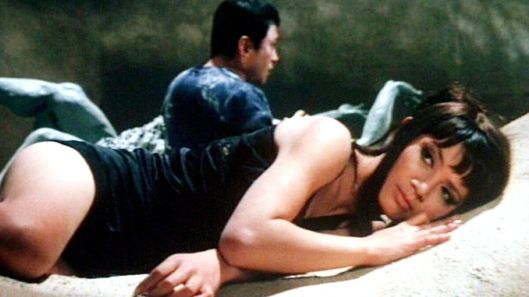
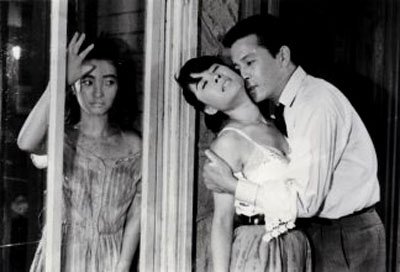
#40. Blind Beast (1969, dir. Yasuzo Masumura) ★★★½

A dark and disturbing study of obsession, art, and sensory overload. A blind sculptor kidnaps a model to create the ultimate work of tactile art in a room covered in human body parts. Erotic, surreal, and deeply unsettling—Masumura’s vision is uncompromising.

#39. Brides of Dracula (1960, dir. Terence Fisher) ★★★½

Despite the absence of Dracula himself, this Hammer gem remains a standout. Peter Cushing returns as Van Helsing, battling a suave, aristocratic vampire in a film loaded with atmosphere, stylised lighting, and gothic bravado. A masterclass in mood.

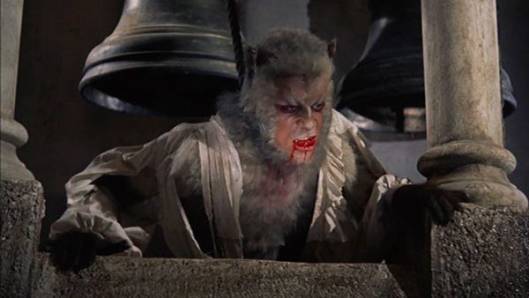
#38. The Curse of the Werewolf (1961, dir. Terence Fisher) ★★★½

Hammer’s only werewolf outing features a tragic Oliver Reed in a role bursting with animalistic energy. Beautiful production design and a uniquely Spanish setting give it flavour, even if the pacing isn’t as tight as Hammer’s best.

#37. Planet of the Vampires (1965, dir. Mario Bava) ★★★½

Sci-fi and horror converge in this visually stunning Italian thriller. Before Alien, Bava gave us cosmic terror, fog-drenched atmospheres, and mind-controlled astronauts. A template for space-bound horror, dripping in mood and style.

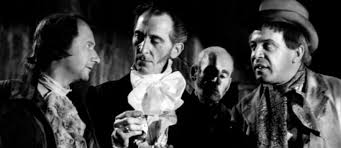
#36. The Flesh and the Fiends (1960, dir. John Gilling) ★★★½

Based on the real-life Burke and Hare murders, this British film stars Peter Cushing as Dr. Knox. With a gritty realism and moral ambiguity, it’s an early stab at true crime horror. More grounded than gory, but disturbing all the same.

#35. At Midnight I’ll Take Your Soul (1963, dir. José Mojica Marins) ★★★½

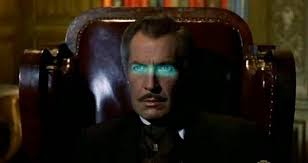
The debut of Coffin Joe, Brazil’s top-hatted, nihilistic horror icon. A mix of pulp philosophy, sadism, and folk terror, it shocked audiences and forged a new path for South American horror. A gritty, nasty little slice of cult legend.

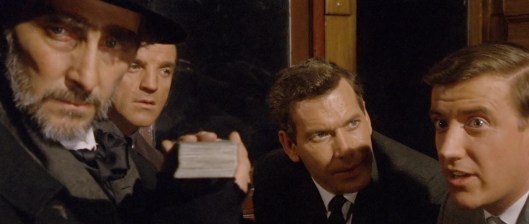
#34. Dr. Terror’s House of Horrors (1965, dir. Freddie Francis) ★★★½

The granddaddy of British horror anthologies. Peter Cushing’s tarot reader dooms five strangers aboard a train in classic portmanteau fashion. It set the blueprint for Amicus’s horror output to come. Charming, spooky, and full of cobwebbed delights.

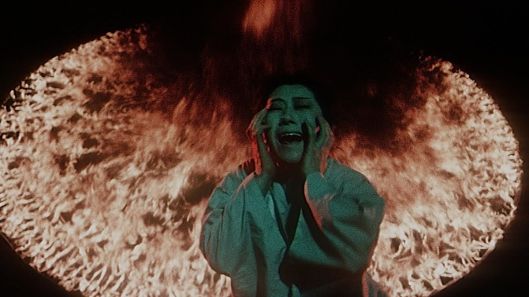
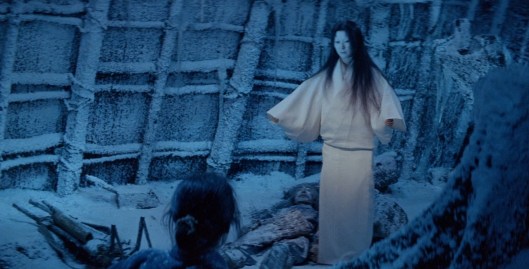
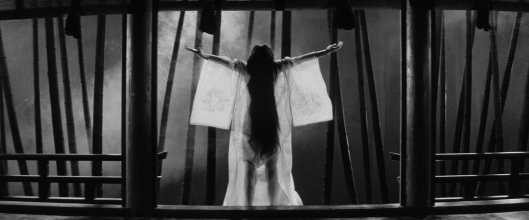
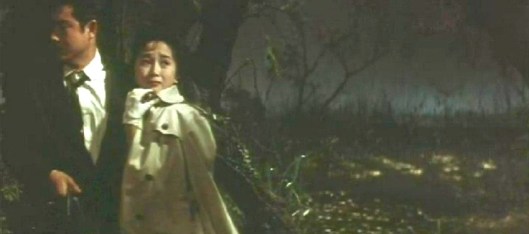
#33. Onibaba (1964, dir. Kaneto Shindō) ★★★½

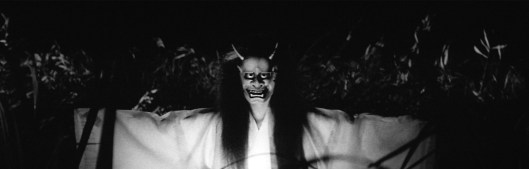
A hypnotic mix of war, eroticism, and ghostly fear set in feudal Japan. Two women lure and kill soldiers in a ravaged swamp—until one dons a demon mask with tragic consequences. Stark, sensual, and utterly haunting.

#32. The Diabolical Dr. Z (1966, dir. Jess Franco) ★★★½

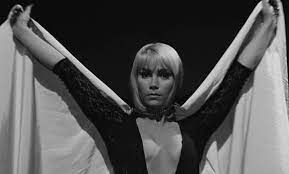
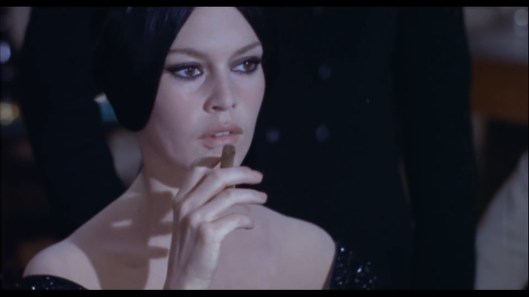
A strange, stylish revenge tale blending sci-fi, hypnosis, and pulp tropes. A female scientist uses a mind-controlled dancer to avenge her father’s death. With its cabaret horror tone, it’s one of Franco’s more coherent and visually rich outings.

#31. Black Sabbath (1963, dir. Mario Bava) ★★★½

Bava delivers three gothic tales of terror, with Boris Karloff hosting and starring. From cursed rings to vengeful spirits and vampiric folklore, this Italian anthology mixes moody lighting, eerie pacing, and operatic horror. Essential viewing.


Part 4: #30–21 – Madness, Demons, and Psychological Dread coming soon!

Sixty Screams of the ’60s: The Ultimate Horror Countdown Part 2

26 Saturday Jul 2025

Posted by surgeons of horror in retrospective, Uncategorized

≈ 1 Comment

Tags

1960s horror, 1960s retrospective

Haunted Villages, Ghost Cats, and Supernatural Schemes

With entries #50 to #41, we move deeper into international territory and find horror leaning into psychological dread, tragic spirits, and doomed villages. From Korea to Italy and Japan to the American heartland, the genre flexes new muscles as it breaks further from its gothic roots.

#50. Diary of a Madman (1963, dir. Reginald Le Borg) ★★★

Vincent Price headlines this adaptation of a lesser-known Guy de Maupassant tale. Possessed by a malevolent invisible entity, Price delivers delicious monologues while descending into madness. Though it never reaches the heights of his Poe roles, it’s an eerie morality tale worth rediscovering.

#49. The Ghost Cat of Otama Pond (1960, dir. Yoshihiro Ishikawa) ★★★

A fine example of Japan’s kaibyō eiga (ghost cat) subgenre, this film blends folktale with supernatural horror as a feline spirit exacts vengeance from beyond the grave. Eerie, painterly visuals and a chilling atmosphere elevate a haunting revenge story.

#48. Kiss of the Vampire (1963, dir. Don Sharp) ★★★

Hammer tried something a little different with this Dracula-adjacent tale, absent of Cushing and Lee but enriched with occult elements, eerie visuals, and a batty finale. Australian director Don Sharp lends a confident hand, offering a vampiric tale both eerie and off-kilter.

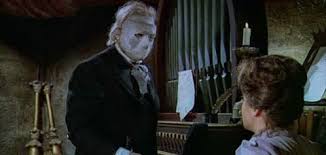
#47. The Phantom of the Opera (1962, dir. Terence Fisher) ★★★

Hammer’s take on Leroux’s classic replaces horror with pathos, casting Herbert Lom as a sympathetic Phantom. Visually impressive with strong performances, but it lacks the menace of its Universal predecessor. Still, a noteworthy variation on a familiar tragedy.

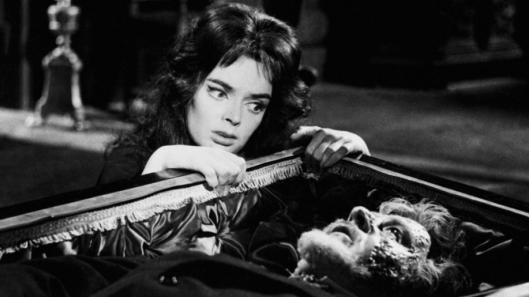
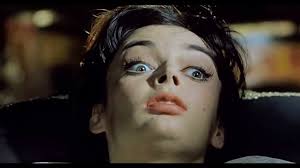
#46. The Horrible Dr. Hichcock (1962, dir. Riccardo Freda) ★★★

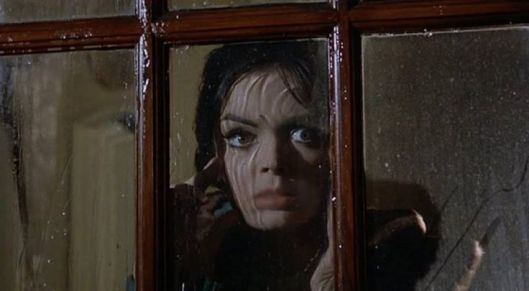
A controversial and stylish piece of Italian gothic horror featuring necrophilia, fog-drenched corridors, and morbid obsession. Barbara Steele is riveting as always, while Freda crafts an atmosphere of inescapable decay. More perverse than terrifying, but unforgettable.

#45. The Housemaid (1960, dir. Kim Ki-young) ★★★

A proto-psychological thriller from South Korea that slides from domestic drama into full-blown horror. A manipulative housemaid destabilizes a middle-class household in a tale of infidelity, class, and control. Tense, tragic, and way ahead of its time.

#44. Spirits of the Dead (1968, dirs. Vadim, Malle, Fellini) ★★★½

A lavish Poe anthology boasting segments from three European auteurs. Jane Fonda stuns in Vadim’s “Metzengerstein,” Malle brings eerie tension in “William Wilson,” but it’s Fellini’s phantasmagoric “Toby Dammit” that steals the show. A decadent, surreal trip.

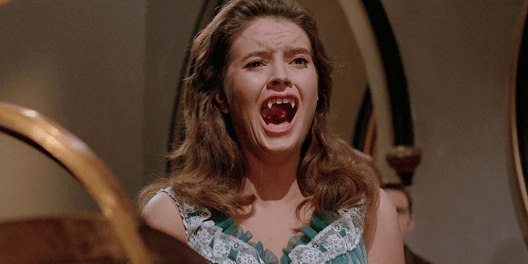
#43. Mill of the Stone Women (1960, dir. Giorgio Ferroni) ★★★½

Italy’s answer to Hammer’s gothic boom. A mysterious sculptor uses a creepy windmill and his statuesque creations to cover a darker secret. Gorgeously shot and dripping with atmosphere, it’s a Euro-horror delight that deserves more love.

#42. Night of the Eagle (1962, dir. Sidney Hayers) ★★★½

Also known as Burn, Witch, Burn!, this British occult thriller follows a rational professor who discovers his wife is secretly using magic to protect him. Smartly written with creeping suspense and a strong anti-rationalist message. Low on gore, high on tension.

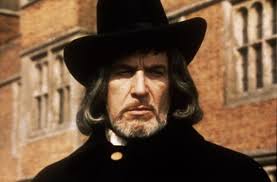
#41. The City of the Dead (1960, dir. John Llewellyn Moxey) ★★★½

An atmospheric gem often overshadowed by bigger titles. Christopher Lee lures a student into a New England town still ruled by witches. Fog, cobblestone, and stark monochrome make for a chilling morality tale steeped in black magic.

Sixty Screams of the ’60s: The Ultimate Horror Countdown

26 Saturday Jul 2025

Posted by surgeons of horror in Uncategorized

≈ Leave a comment

Part 1: #60–51 – The Cult, the Camp, and the Curious

We begin our descent into the blood-soaked heart of 1960s horror with the first ten entries in our countdown. These films may sit at the lower end of the list, but they offer vital glimpses into a decade where the genre was in transition, colliding with pulp, camp, and gothic revivalism. From transatlantic Poe adaptations to Euro oddities and genre hybrids, there’s plenty of strange flavour to taste.


#60. The Comedy of Terrors (1963, dir. Jacques Tourneur) ★★★

An all-star cast including Vincent Price, Peter Lorre, and Boris Karloff hams it up in this macabre farce about a failing undertaker who resorts to murder to boost business. While the comedy is a mixed bag, there’s a ghoulish charm and high production value that keeps it watchable. A fitting farewell for Tourneur’s horror career, though more chuckle than chill.

#59. Captain Clegg (1962, dir. Peter Graham Scott) ★★★

Hammer Horror goes high-seas with this smugglers-and-skeletons yarn starring Peter Cushing. It’s not pure horror in the traditional sense, but its ghostly marsh phantoms and gothic aesthetics earn it a place here. A rousing period piece with a horror-adjacent vibe.

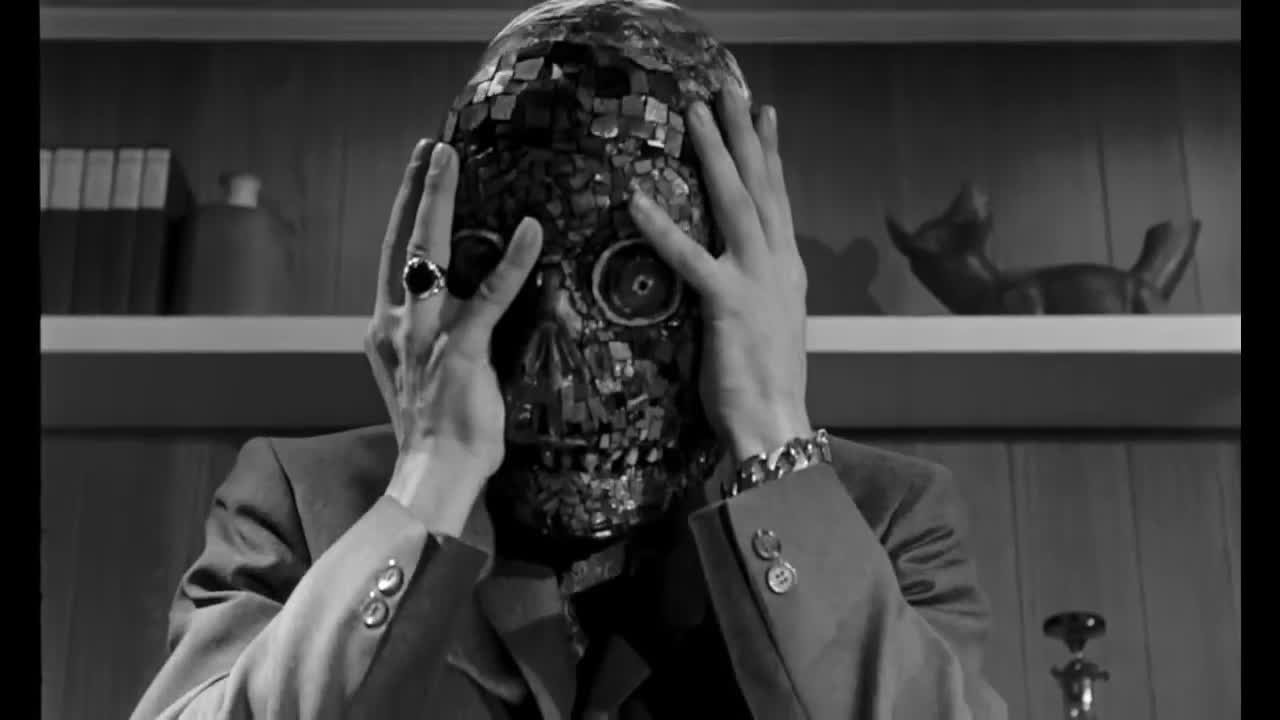
#58. The Mask (1961, dir. Julian Roffman) ★★★

Canada’s first 3D horror film makes its mark with surreal sequences that still hold a hypnotic power. A psychiatrist receives a mysterious mask that unleashes violent hallucinations. Outside the trippy dreamscapes, it drags, but the psychedelic ambition can’t be denied.

#57. The Two Faces of Dr. Jekyll (1960, dir. Terence Fisher) ★★★

Hammer flips the Hyde trope with a dashing, seductive monster and a tortured, bearded Jekyll. It’s a visually lush and bold take, though some melodramatic moments feel dated. Paul Massie’s dual performance divides audiences, but Christopher Lee provides solid menace in support.

#56. The Premature Burial (1962, dir. Roger Corman) ★★★

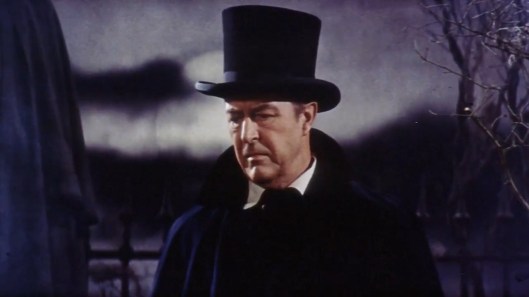
Ray Milland fills in for Price in this Poe adaptation about a man obsessed with being buried alive. Corman brings gothic flair, but this entry lacks the spark of the other AIP-Poe films. Still, Milland sells the existential dread with grim conviction.

#55. The Ghost (1963, dir. Riccardo Freda) ★★★

Barbara Steele commands the screen in this moody Italian chiller. A spiritual sequel to “The Horrible Dr. Hichcock,” it brings a fog-laced atmosphere, betrayal, and revenant revenge. Not as sharp as Bava or Margheriti, but full of grim style.

#54. The Tell-Tale Heart (1960, dir. Ernest Morris) ★★★

This British adaptation strips Poe’s tale down to its paranoid bones. Laurence Payne plays the guilt-ridden lodger unraveling under pressure. Shot with restraint and earnest intent, it lacks punch but offers a solid psychological slow burn.

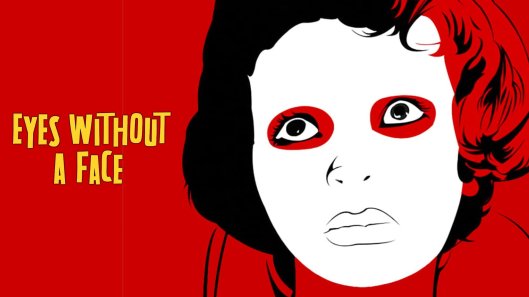
#53. The Awful Dr. Orloff (1962, dir. Jess Franco) ★★★

Jess Franco makes his mark with this eerie, low-budget homage to “Eyes Without a Face.” Mad science, silent killers, and nightclub sleaze merge into a dreamlike noir-horror hybrid. The first of many Orloffs, this one remains unsettlingly poetic.

#52. The Cabinet of Caligari (1962, dir. Roger Kay) ★★★

A loose reinterpretation of the silent classic, this psychological thriller leans into twisty mind games and Freudian horror. Though not as expressionistic as its namesake, it taps into themes of control and identity with an eerie undercurrent.

#51. House of Usher (1960, dir. Roger Corman) ★★★

The first and arguably most iconic of Corman’s Poe cycle, with Vincent Price haunting the screen as Roderick Usher. Lavish sets, vivid colours, and doom-laden dialogue make for a melodramatic treat. A blueprint for American Gothic horror of the decade.


Stay tuned for Part 2 (#50–41) as we dive deeper into the dread-soaked shadows of the 1960s—from haunted villages to feline phantoms and the rise of psychological fear in international cinema.

“Tiny Terrors, Big Laughs: Attack of the Beast Creatures Is So Bad, It Bites”

24 Thursday Jul 2025

Posted by surgeons of horror in Uncategorized

≈ Leave a comment

Some films make you question how they ever got made. Attack of the Beast Creatures is one of those films — a gloriously inept, low-budget oddity that barely scrapes together a plot but delivers just enough unintentional hilarity to justify its cult following. Lost for years in VHS obscurity, it’s the kind of movie you stumble across late at night and convince yourself was a fever dream.

After a shipwreck leaves a group of survivors stranded on a remote island, they soon discover the land is crawling with tiny, screeching, flesh-eating puppet creatures. That’s pretty much the entire plot. These rubbery monsters — who look like dollar-store tiki dolls with bad attitudes — hurl themselves at their victims in slow-motion attacks that manage to be both hysterical and strangely charming. It’s amateur hour on all fronts: shaky camera work, soap opera-level acting, and a score that sounds like someone noodling on a Casio keyboard during a power outage.

And yet, for all its incompetence, Attack of the Beast Creatures has an earnestness that’s hard to hate. There’s no irony or winking at the camera — the filmmakers genuinely thought they were making a terrifying survival horror movie. That misplaced sincerity is part of what makes it so watchable, especially for fans of bad movie nights and VHS-era junk treasures.

The Prognosis:

It’s a slog in places, with padded scenes and cardboard characters, but the sheer absurdity of being hunted by screeching, knee-high monsters keeps things oddly entertaining. It’s terrible — make no mistake — but it’s also a prime example of ’80s regional horror going for broke with no money and too much imagination. You may not survive the terror, but you’ll definitely survive with a smirk.

  • Saul Muerte
Frankie Freako (2025): Goblin Mayhem That Misses the Mark

07 Monday Jul 2025

Posted by surgeons of horror in Uncategorized

≈ Leave a comment

Tags

connor sweeney, frankie freako, matthew kennedy, steven kostanski, Walkden Entertainment, walkden publicity

From director Steven Kostanski—known for splatter-heavy cult hits like The Void and PG: Psycho Goreman—comes Frankie Freako, a horror-comedy that aims to dial up the chaos, crank the VHS fuzz, and unleash a pint-sized goblin menace into your living room. Unfortunately, while the film has all the right ingredients on paper, the end result is a noisy, uneven mess that never quite finds its footing.

The premise is pure midnight-movie bait: Conor, a tightly wound yuppie (played by Conor Sweeney), calls a late-night party hotline and accidentally summons a rock-and-roll goblin from hell—Frankie Freako, voiced with glee by Matthew Kennedy. What follows is a barrage of low-budget practical effects, manic energy, and a throwback aesthetic that tries to marry the weirdness of Ghoulies with the gross-out humour of Garbage Pail Kids.

Kostanski, whose visual creativity is rarely in question, fills the screen with rubbery monster effects, neon lighting, and practical gore. It’s clear he’s having fun, and fans of Manborg or Father’s Day will find familiar vibes here. But unlike those earlier works, Frankie Freako struggles to balance its tone. The gags are more grating than funny, the pacing stutters, and despite its short runtime, the film often feels stretched thin.

Conor Sweeney gamely leads the charge, surrounded by a cast of Kostanski regulars and internet personalities like Rich Evans and Mike Stoklasa from Red Letter Media. Their presence adds a layer of cult credibility, but the script gives them little to do beyond mugging through absurd scenarios. Kristy Wordsworth and Adam Brooks add some spark, but it’s not enough to elevate the film from feeling like an overlong YouTube skit.

The real shame is that Frankie Freako could’ve been a chaotic gem if the humour had landed more often, or if the titular goblin had been used with more narrative bite. Instead, it’s a film so desperate to be outrageous and off-the-wall that it forgets to be consistently entertaining.

The Prognosis:

For die-hard fans of Kostanski’s DIY style and ‘80s gross-out nostalgia, Frankie Freako might still have some charm. But for most, it’s a party line best left unanswered.

  • Saul Muerte
5. “You Never Saw It Coming: Jaws and the Cinema of the Unseen”

19 Thursday Jun 2025

Posted by surgeons of horror in Uncategorized

≈ 1 Comment

Cinema is a visual medium, sure—but Jaws proved that terror thrives in what you don’t see. The great irony of Spielberg’s breakout film is that it gave birth to the modern blockbuster by being almost entirely allergic to spectacle. For a movie that turned sharks into movie monsters and summer into a war zone, Jaws is visually… spare. Patient. Still.

And that’s precisely what makes it terrifying.

Forget what came later—digital sharks flailing across green screens, soaked in overlit gore and blaring musical stings. Spielberg’s Jaws stalks its prey like a documentary. The frame is wide. The pacing slow. We spend an absurd amount of time staring at empty ocean. Just water. Ripples. Rafts. Buoys. Maybe a distant swimmer. The camera drifts. And somehow, it’s unbearable.

Because what Spielberg did—and what modern horror so often forgets—is build suspense, not surprise. He knew the shark was broken, but he also knew the audience’s imagination wasn’t. So he made the sea itself the villain. The wide, blue unknown. A glassy abyss where anything could be lurking just beneath the surface—and usually is.

There’s that shot—that shot—where Brody sits on the beach, scanning the waves while tourists bob lazily through the frame. Spielberg shoots it in long lens, compressing the distance, flattening space. The people blur together. You can’t tell who’s safe. You know something’s coming, but you can’t see it. And then—boom—the scream. The thrashing. The blood. And the audience bolts upright in their seats, gasping like they were pulled under too.

This is the cinema of anticipation. It’s Hitchcock in a Hawaiian shirt, De Palma with a boat license. Spielberg understands that horror lives in the waiting. He lets dread accumulate like algae on the hull. You think about the sound. You think about the space. He gives you inches of shark, seconds of score, and it’s enough to poison your popcorn. It’s why you squirm during the pier scene—not because the monster is attacking, but because the camera just sits there, watching that broken plank slowly drift back to shore. One empty plank. One tension-sodden beat. The implications are more frightening than any splashy attack.

This technique didn’t just shape Jaws—it redefined modern horror language. You can trace its ripple effect through Alien, The Thing, The Descent, Hereditary, The Witch. All films that understand that showing less isn’t about budget—it’s about control. It’s about holding your audience in a vice grip of expectation and then delaying the release.

And yet, like all the best tricks, it’s one modern blockbusters keep forgetting. We now live in the era of sensory overload—monster movies that throw everything at you, all the time, like they’re afraid you’ll check your phone if they hold a shot longer than two seconds. But Jaws held the shot. It made you lean forward. It understood that fear isn’t a jump—it’s a crawl. A slow tide rising.

Fifty years later, it still works. Not because the shark looks real (it doesn’t). Not because the blood is convincing (it’s not). But because Spielberg knew how to manipulate empty space into anxiety. He turned the ocean into a haunted house. And once you’ve been inside, you don’t forget it.

  • Saul Muerte
3. “When the Shark Never Died: Jaws and the Birth of the Franchise Machine”

19 Thursday Jun 2025

Posted by surgeons of horror in Uncategorized

≈ 1 Comment

The shark exploded. Literally. A scuba tank to the gut and a chunk of ocean sky lit up like the Fourth of July. Boom. Done. Fade to black. But of course, it wasn’t done.

Because Jaws didn’t just launch a blockbuster—it launched a beast. Not the kind with fins and teeth, but the kind that lives in boardrooms. The kind that smells profit in blood and doesn’t care who bleeds next.

Spielberg walked away. Smart move. He knew he’d pushed his luck once and nearly drowned doing it. But the studio? They smelled money—hot, salty, mid-’70s Americana money. Jaws made $100 million faster than any film before it. And when a monster does that, you don’t bury it. You build a theme park around it. You crank out sequels. You slap its name on lunchboxes, novelisations, jigsaw puzzles, Atari cartridges, and eventually, straight-to-cable sludge.

And so the shark came back. Again and again. Jaws 2 (not terrible, just toothless), Jaws 3-D (aka the fish tank screensaver from hell), and finally Jaws: The Revenge—a film so apocalyptically stupid it made Plan 9 from Outer Space look like Citizen Kane. This was where things got unhinged. The shark follows the Brody family from Amity to the Bahamas. It growls. It explodes in slow motion. It holds grudges. Somewhere, Moby Dick is rolling his eyes.

But here’s the rub: Jaws didn’t just franchise itself—it birthed the very concept of franchise-as-strategy. Before this, sequels were an afterthought, a maybe, a footnote. After Jaws, they became the plan. The future. The business model.

Studios started greenlighting entire trilogies before cameras rolled on the first frame. Intellectual property (IP) became the new oil, mined from the bones of old ideas. If it had a logo, it had legs. Star Wars, Rocky, Halloween, Alien—all in the wake of that fin cutting through the water. And that legacy only grew more grotesque in the 2000s. Prequels, reboots, cinematic universes. Every monster has a cousin. Every killer has an origin story. Every shark gets a spinoff.

You can see the DNA of Jaws in Jurassic Park, Pirates of the Caribbean, even Marvel. Big beast. Bigger box office. Bigger merchandising rollout. Spielberg didn’t just direct Jaws—he accidentally wrote the modern studio playbook, and then tried to outrun it.

And yet… through all the corporate feeding frenzy, the original remains untouched. Untarnished. Somehow, despite the cash-ins and copycats, Jaws still feels singular. A freak accident. A masterpiece birthed from chaos, not commerce. And maybe that’s why the shark never really died—because we keep coming back, not for the sequels or the plastic toys, but for the feeling. The quiet before the scream. The thrum of danger just beneath the surface. The electricity of a movie that didn’t know what it was until it was finished—and then couldn’t be replicated.

Franchise culture may have chummed the waters, but Jaws still swims alone.

  • Saul Muerte
Fear, Fur, and Fortune: Eye of the Cat Delivers Giallo-Lite Thrills

08 Sunday Jun 2025

Posted by surgeons of horror in retrospective, Uncategorized

≈ Leave a comment

Tags

1960s horror, 1960s retrospective, david lowell, michael sarrazin

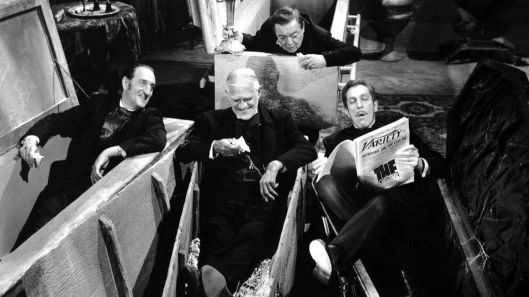
Directed by David Lowell Rich, Eye of the Cat claws its way into the tail end of the 1960s with a premise that’s part Hitchcockian suspense, part Gothic melodrama, and part giallo-lite. While it never fully embraces the stylistic excess of its European cousins, there’s just enough tension, sleaze, and visual flair to keep genre fans engaged.

The setup is deliciously pulpy: a man conspires with his lover to rob his wealthy, cat-loving aunt of her fortune. The twist? He suffers from crippling ailurophobia—a fear of cats so intense it borders on the irrational. As the couple manipulates their way into the aunt’s inner circle, it becomes clear that the real threat may not be the clowder of watchful cats, but the secrets and shifting loyalties within the human cast.

While it lacks the razor-sharp elegance of Italian gialli, the film borrows enough of the genre’s staples—suspicious motives, inheritance plots, sudden reversals—to flirt with its spirit. The San Francisco setting provides a breezy, modern contrast to the otherwise old-world paranoia. Stylish cinematography and a few well-executed suspense sequences help elevate what could have been a TV-grade thriller.

Performances are serviceable, if occasionally campy, with Michael Sarrazin giving the lead just the right balance of charm and cowardice. The cats—dozens of them—are effectively used not just as a visual motif but as avatars of retribution. Their calm menace lingers in the corners of every scene, especially as things take a turn for the sinister in the final act.

The Prognosis:

Eye of the Cat may not leave deep scratches, but it’s a fun, semi-decent slice of late-’60s paranoia with just enough bite to justify the watch. For fans of crime thrillers with a twisted core—and anyone who likes their feline horror served with a side of psychological torment—it’s worth a revisit.

  • 1960s Retrospective Review by Saul Muerte
Murder, Money, and Misfires in Daniel’s Gotta Die

14 Monday Apr 2025

Posted by surgeons of horror in Uncategorized

≈ Leave a comment

Dysfunction, greed, and a body count—what could go wrong?

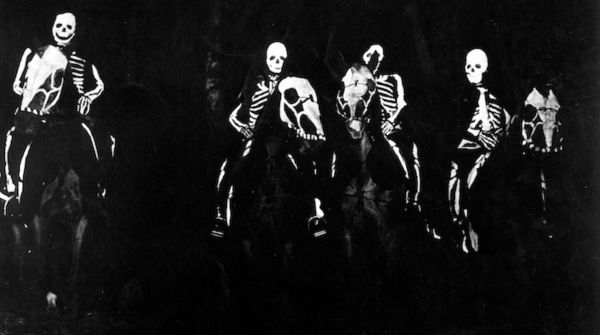
On paper, Daniel’s Gotta Die has all the ingredients for a riotous dark comedy: a wealthy family reunion set in the Cayman Islands, a fortune up for grabs, and a protagonist too pure for the backstabbing world around him. But despite a promising premise and a few moments of eccentric charm, this madcap tale of familial betrayal rarely hits the mark, stumbling more often than it soars.

Following the sudden death of the Powell family patriarch, Daniel (Joel David Moore) is named sole heir to the family fortune—on one condition. His estranged siblings must survive a bonding weekend together at the family’s lavish beach house. What Daniel envisions as a healing reunion quickly spirals into a murder-fueled farce, as his greedy relatives plot to eliminate him and claim the inheritance for themselves.

The setup is ripe for biting satire, but Jeremy Lalonde’s direction never fully leans into the chaos or emotional core the story seems to reach for. The pacing drags, the tonal shifts are jarring, and the comedic timing often feels off. Despite the colourful cast—including Mary Lynn Rajskub, Carly Chaikin, and the late Bob Saget in one of his final roles—the performances feel underutilised, lacking the punch needed to elevate the material. Even Iggy Pop’s brief appearance registers more as novelty than narrative necessity.

Joel David Moore gives Daniel an endearing naïveté, and the film’s central question—whether goodness can survive in a world poisoned by greed—has potential. But the sincerity clashes with the film’s broader, more cartoonish elements. It’s a movie at odds with itself, unsure whether it wants to be a zany murder comedy or a morality tale with heart.

The Prognosis:

Daniel’s Gotta Die may amuse some viewers with its outlandish premise and offbeat energy, but it ultimately feels like a missed opportunity. It aims for a twisted family portrait but delivers a sketch that’s only half-filled in.

  • Saul Muerte
The Amityville Horror (2005): Twenty Years Later, Still All Flash, No Chill

14 Monday Apr 2025

Posted by surgeons of horror in Uncategorized

≈ Leave a comment

Ryan Reynolds brings the rage, but this remake forgets what made the original so haunting.

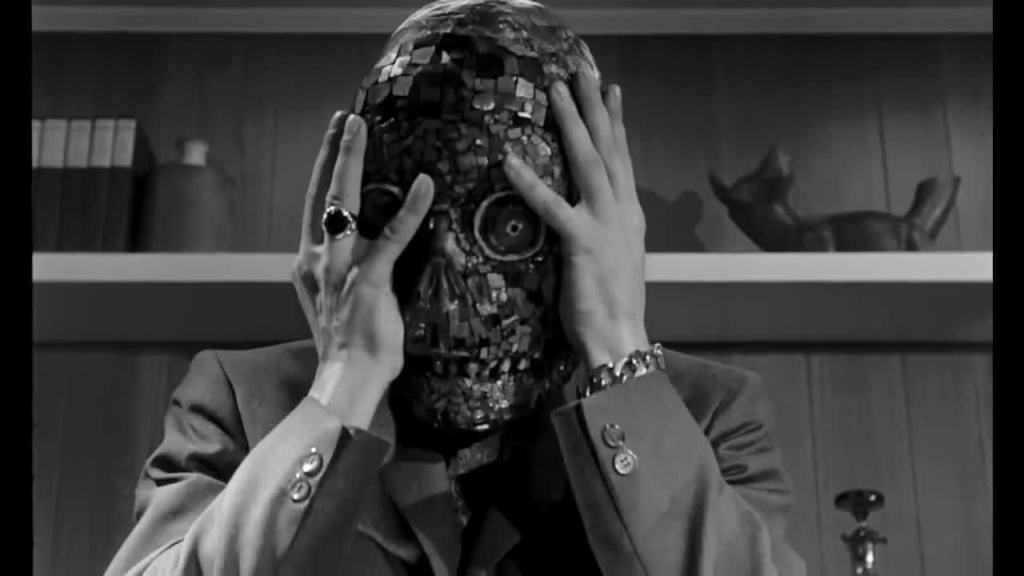
Two decades on, The Amityville Horror (2005) still stands as one of the more prominent attempts to resurrect a horror legacy that’s seen more sequels, spin-offs, and reboots than most franchises could survive. But while this glossy reimagining may boast higher production values and a memorable performance from Ryan Reynolds, it ultimately trades away the creeping dread of the 1979 original for jump scares and visual bombast.

Directed by Andrew Douglas, the remake wastes no time in dialing up the intensity, diving into its supernatural beats with an urgency that’s both jarring and oddly hollow. Gone is the patient, simmering tension of Stuart Rosenberg’s original film—where James Brolin’s slow unraveling added genuine unease. Reynolds, to his credit, gives it his all, and while he captures the transformation into the increasingly unhinged George Lutz with gusto, there’s a lack of the brooding gravitas that Brolin effortlessly embodied. He’s intense, yes, but intensity without nuance quickly becomes noise.

As for Melissa George, this reviewer will admit a soft spot—she brings an emotional steadiness to the role of Kathy Lutz, and her presence elevates scenes that might otherwise collapse under the weight of Douglas’ heavy-handed direction. But even her grounded performance can’t escape the remake’s overarching flaw: its overreliance on style over substance.

The original Amityville Horror succeeded not just because of its infamous “true story” marketing hook, but because it knew how to build atmosphere. The 2005 version, unfortunately, seems determined to blow the doors off the house from the start. Any notion of slow-burn psychological torment is bulldozed by jump scares, flickering spectres, and flash-cut haunted house theatrics.

In the years since, many have tried to return to Amityville with diminishing returns. Oddly, it was filmmakers like James Wan and Leigh Whannell—clearly inspired by this brand of haunted house horror—who came closer to the spirit of what made the original chilling. Their Conjuring universe didn’t just pay homage; it refined the formula and found a new audience hungry for the quiet dread and escalating horror the Amityville franchise once promised.

The Prognosis:

At twenty years old, The Amityville Horror (2005) remains a sleek but soulless retelling. It may still attract casual horror fans and those nostalgic for mid-2000s supernatural thrillers, but it serves mostly as a reminder that atmosphere, patience, and suggestion often haunt the mind far longer than a house full of CGI ghosts.

  • Saul Muerte
← Older posts
Newer posts →

Subscribe

  • Entries (RSS)
  • Comments (RSS)

Archives

  • December 2025
  • November 2025
  • October 2025
  • September 2025
  • August 2025
  • July 2025
  • June 2025
  • May 2025
  • April 2025
  • March 2025
  • February 2025
  • January 2025
  • December 2024
  • November 2024
  • October 2024
  • September 2024
  • August 2024
  • July 2024
  • June 2024
  • May 2024
  • April 2024
  • March 2024
  • February 2024
  • January 2024
  • November 2023
  • October 2023
  • September 2023
  • August 2023
  • July 2023
  • June 2023
  • May 2023
  • April 2023
  • March 2023
  • February 2023
  • January 2023
  • November 2022
  • October 2022
  • September 2022
  • August 2022
  • July 2022
  • June 2022
  • April 2022
  • March 2022
  • February 2022
  • January 2022
  • December 2021
  • November 2021
  • October 2021
  • September 2021
  • August 2021
  • July 2021
  • June 2021
  • May 2021
  • April 2021
  • March 2021
  • February 2021
  • January 2021
  • December 2020
  • November 2020
  • October 2020
  • September 2020
  • August 2020
  • July 2020
  • June 2020
  • May 2020
  • April 2020
  • March 2020
  • February 2020
  • January 2020
  • December 2019
  • November 2019
  • October 2019
  • September 2019
  • July 2019
  • June 2019
  • May 2019
  • April 2019
  • March 2019
  • February 2019
  • January 2019
  • December 2018
  • November 2018
  • October 2018
  • September 2018
  • August 2018
  • July 2018
  • June 2018
  • May 2018
  • April 2018
  • March 2018
  • February 2018
  • January 2018
  • December 2017
  • November 2017
  • October 2017
  • September 2017
  • August 2017
  • July 2017
  • June 2017
  • May 2017
  • April 2017
  • March 2017
  • February 2017
  • January 2017
  • December 2016
  • November 2016
  • October 2016
  • September 2016
  • August 2016
  • July 2016
  • June 2016
  • May 2016

Categories

  • A Night of Horror Film Festival
  • Alien franchise
  • Alliance Francaise French Film Festival
  • Australian Horror
  • Best Movies and Shows
  • Competition
  • dark nights film fest
  • episode review
  • Flashback Fridays
  • Friday the 13th Franchise
  • Full Moon Sessions
  • Halloween franchise
  • In Memorium
  • Interview
  • japanese film festival
  • John Carpenter
  • killer pigs
  • midwest weirdfest
  • MidWest WierdFest
  • MonsterFest
  • movie article
  • movie of the week
  • Movie review
  • New Trailer
  • News article
  • podcast episode
  • podcast review
  • press release
  • retrospective
  • Rialto Distribution
  • Ring Franchise
  • series review
  • Spanish horror
  • sydney film festival
  • Sydney Underground Film Festival
  • The Blair Witch Franchise
  • the conjuring franchise
  • The Exorcist
  • The Howling franchise
  • Top 10 list
  • Top 12 List
  • Trash Night Tuesdays on Tubi
  • umbrella entertainment
  • Uncategorized
  • Universal Horror
  • Wes Craven
  • wes craven's the scream years

Meta

  • Create account
  • Log in

Blog at WordPress.com.

  • Subscribe Subscribed
    • Surgeons of Horror
    • Join 228 other subscribers
    • Already have a WordPress.com account? Log in now.
    • Surgeons of Horror
    • Subscribe Subscribed
    • Sign up
    • Log in
    • Report this content
    • View site in Reader
    • Manage subscriptions
    • Collapse this bar
 

Loading Comments...