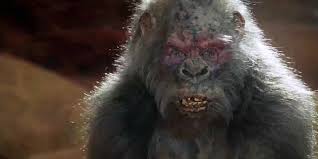
Released in the mid-1980s, when natural horror and animal-attack films were enjoying a second life on VHS and late-night television, Link occupies an unusual and often overlooked position within the killer ape subgenre. Directed by Richard Franklin—best known for his Hitchcockian leanings and his brief but curious detour into franchise horror with Psycho II—the film is less interested in primal savagery than in the unnerving implications of intelligence, hierarchy, and control.
The setup flirts with eccentricity. Graduate student Jane Chase arrives at the isolated home of an ageing zoology professor, only to discover that the household hierarchy has already been rewritten. The professor’s chimpanzees operate with eerie autonomy, while Link, an elderly orangutan dressed and treated like a gentleman’s butler, observes quietly from the margins. When one chimp is found dead and the professor vanishes, Franklin slowly inverts the power dynamic. Jane is no longer studying behaviour—she is subject to it.
Franklin directs Link with a measured, classical restraint that sets it apart from the more exploitative entries in the killer ape cycle. There is little in the way of sensational gore or overt shock tactics. Instead, tension is built through framing, pacing, and a creeping sense of domestic invasion. The house becomes a laboratory, and Jane its most vulnerable test subject. The horror emerges not from sudden violence but from the dawning realisation that the apes understand far more than they should—and may be capable of resentment, planning, and cruelty.
Elisabeth Shue, still early in her career, delivers a performance that anchors the film’s escalating unease. Her Jane is intelligent and resourceful, but never impervious. Shue excels at conveying fear through restraint, allowing the terror to register in hesitation and watchfulness rather than outright hysteria. It’s a performance that would foreshadow her later genre credibility, grounding increasingly absurd situations in emotional reality.
Terence Stamp, meanwhile, brings an off-kilter gravitas to the role of the eccentric professor. Though his screen time is limited, his presence lingers over the film, lending it an air of intellectual arrogance and ethical negligence. Stamp embodies a familiar horror archetype: the man of science who mistakes authority for control, and curiosity for dominion. His disappearance feels less like a mystery than an inevitability.
Within the broader killer ape genre, Link sits closer to Monkey Shines than to more bombastic entries like Congo or Rampage. This is not a film about nature striking back in spectacular fashion, nor is it interested in giant monsters or environmental collapse. Instead, Link taps into a subtler fear—the idea that intelligence, once nurtured and confined, may turn possessive and violent when its boundaries are tested.
That said, the film is not without its shortcomings. The third act leans into melodrama, and the film’s central conceit occasionally strains credulity. The mechanics of ape behaviour are pushed beyond plausibility, and some of the symbolism—particularly around class, servitude, and dominance—remains underdeveloped. Franklin’s restraint, while admirable, sometimes blunts the film’s impact, leaving it hovering between psychological thriller and creature feature without fully committing to either.
Viewed in retrospect, Link is a solid, thoughtful entry in the killer ape canon—more curious than terrifying, more cerebral than visceral. It lacks the cultural weight of Planet of the Apes or the grindhouse audacity of exploitation-era ape horror, but it compensates with atmosphere, performance, and an unsettling moral undercurrent.
For readers interested in the broader lineage of killer ape cinema—where Link fits alongside films that interrogate humanity’s uneasy relationship with intelligence, dominance, and the natural world—this film acts as a quiet but essential connective tissue, bridging prestige thrillers and pulp horror traditions.
The Prognosis:
A restrained, intelligent thriller that favours implication over excess, Link remains a peculiar but worthwhile footnote in the long, uneasy history of killer apes on screen.
There is something uniquely unsettling about the cinematic ape. Neither fully beast nor recognisably human, the ape exists in a liminal space where intelligence threatens instinct and instinct threatens civilisation. When apes turn violent on screen, it is rarely just spectacle—it is metaphor. Fear of regression. Fear of science. Fear of nature remembering its strength.
As Primate prepares to join this strange lineage, it’s worth tracing how killer ape cinema has evolved: from pulp exploitation and natural horror, through prestige allegory, to blockbuster spectacle and outright absurdity.
The Apex of Fear: Apes as Allegory
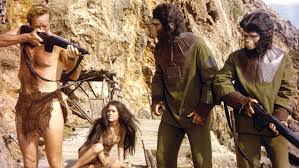
Planet of the Apes (1968)
Franklin J. Schaffner’s landmark film is not a “killer ape movie” in the crude sense, but it is foundational. The apes are not monsters; they are inheritors. Their violence is institutional, judicial, scientific. What terrifies is not their savagery but their civilisation—one that mirrors humanity’s worst impulses.
Every ape-on-human act here carries ideological weight. This is not about claws and teeth; it is about power structures. Nearly every killer ape film since has echoed this anxiety, whether consciously or not.
Dawn of the Planet of the Apes (2014)
The modern franchise reclaims that allegorical power. Caesar’s apes are tragic, political beings whose violence emerges from betrayal and fear. While not “killer apes” in the exploitation sense, the film’s emotional complexity elevates simian aggression into something operatic. Violence is framed as consequence, not novelty.
Kingdom of the Planet of the Apes (2024)
This latest entry leans further into myth-making. Apes as kings, generals, tyrants. Here, the killer ape becomes historical force—a reminder that dominance is cyclical. Humanity is no longer prey, but footnote.
Verdict: Essential context. These films legitimise the ape as cinematic threat by grounding it in philosophy rather than pulp.
Nature Turns Hostile: Apes as Environmental Horror
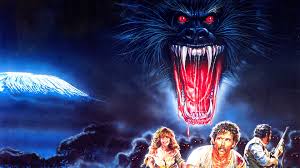
In the Shadow of Kilimanjaro (1985)
Possibly the most literal killer ape film ever made. Tens of thousands of starving baboons descend upon humans during a drought. It’s messy, bleak, and strangely prescient. Environmental collapse creates violence, not evil. The apes are not villains—they are survivors.
Despite its rough edges, the film taps into a genuine eco-horror vein later seen in shark, insect, and reptile cinema.
Blood Monkey (2006)
A late-era attempt to graft Jurassic Park aesthetics onto primate horror, Blood Monkey is disposable but emblematic of the genre’s exploitation phase. Science meddles. Apes mutate. People die. The film has little to say beyond spectacle, but it shows how the killer ape had become a direct-to-video creature feature staple.
Verdict: Relevant as cautionary tales—nature retaliating against human arrogance.
Laboratory Nightmares: Apes and Scientific Hubris
Monkey Shines (1988)
George A. Romero’s most psychologically disturbing work may also be his quietest. Ella the monkey is not a rampaging beast but a resentful, possessive intelligence shaped by experimentation. The horror lies in emotional transference and loss of autonomy.
This is killer ape cinema at its most intimate and uncomfortable.
Link (1986)
An underrated British horror gem where a super-intelligent orangutan becomes lethally territorial. The film weaponises intelligence rather than mutation, suggesting that awareness itself may be the most dangerous upgrade of all.
Night of the Bloody Apes (1969)
Mexican exploitation at its most lurid. A heart transplant turns a man into a masked ape monster. It’s crude, sensationalist, and morally dubious—but deeply influential in cementing the ape-man as grindhouse staple.
Panic in the Tower (1990)
A lab-escape narrative filtered through teen horror clichés. The killer baboon is more slasher than animal, stalking corridors like a furry Michael Myers.
Verdict: These films form the psychological backbone of killer ape cinema—where the true horror is not the animal, but the experiment.
Giants, Gods, and Spectacle: When Apes Become Myth
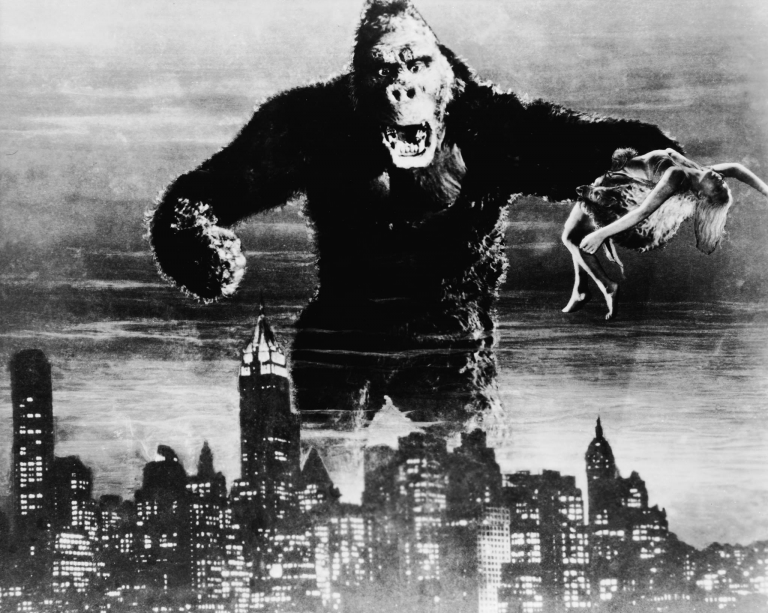
King Kong (1933 / 2005)
Kong is not a killer ape—he is a tragic one. Violence is secondary to romance, spectacle, and colonial metaphor. Yet his influence on the genre is incalculable. Every giant ape that follows owes him a debt.
Peter Jackson’s 2005 remake amplifies Kong’s emotional register, transforming destruction into operatic tragedy.
Kong: Skull Island (2017)
This iteration strips Kong of romance and repositions him as apex guardian. His violence is righteous, directed outward at greater monsters. Here, the killer ape becomes protector—a shift that reflects modern genre sensibilities.
Rampage (2018)
Pure popcorn nonsense. Genetic tampering turns a gorilla into a skyscraper-smashing kaiju. Fun, loud, and completely unconcerned with metaphor, Rampage represents the genre’s absorption into blockbuster bombast.
Verdict: Spectacle-driven entries that dilute fear but expand scale.
Absurdity and Parody: When the Genre Eats Itself
Mulva 2: Kill Teen Ape! (2004)
A micro-budget splatter parody that knows exactly how ridiculous the concept has become. It doesn’t undermine the genre—it autopsies it.
Mad Monster Party? (1967)
Not killer ape cinema per se, but illustrative of how apes were absorbed into pop-horror iconography by the late ’60s.
Verdict: Not essential, but proof that killer apes are culturally flexible—even laughable.
Outliers and Near Misses
Congo (1995)
Technically a killer ape movie, spiritually a corporate jungle adventure. The grey gorillas are terrifying in concept but undercut by tonal confusion and animatronic stiffness. A fascinating failure.
Ad Astra (2019)
The infamous space-baboon sequence is memorable but tangential. A jump scare, not a genre entry.
Why Killer Apes Endure — And Why Primate Matters
Killer ape films persist because they strike at something deeply primal: the fear that intelligence does not guarantee moral superiority. That evolution is not ascent, but competition. When apes attack, cinema asks whether humanity deserves its place at the top.
From allegory (Planet of the Apes) to exploitation (Night of the Bloody Apes), from eco-horror (Kilimanjaro) to blockbuster spectacle (Rampage), the genre has splintered but never vanished.
If Primate is to matter, it must choose which lineage it belongs to. Will it embrace pulp, philosophy, or paranoia? The history of killer ape cinema suggests that when these films work best, they don’t just show apes killing humans—they remind us how thin the line between them has always been.
If 2025 marked a consolidation of horror as a serious critical form — a year of restraint, inheritance, and psychological rigor — then 2026 promises escalation of a different kind. Not louder, necessarily, but broader. The forthcoming slate suggests a genre increasingly preoccupied with systems: religion, legacy franchises, folklore, surveillance, bodily autonomy, and historical memory. Sequels coexist with reinventions; prestige auteurs collide with grindhouse traditions; and horror’s long-standing obsession with the past intensifies into something closer to cultural archaeology.
What follows is not a ranking of box-office potential, nor a speculative list of shocks, but a curated survey of the most critically promising horror films currently scheduled for 2026 — projects that suggest where the genre may be headed, formally and ideologically.
1. Untitled Jordan Peele Project
Jordan Peele’s continued absence of detail has become its own form of authorship. Since Get Out, Peele has positioned secrecy as a conceptual extension of his work — a refusal to allow audience expectation to pre-empt meaning. Whatever form his 2026 project takes, it is almost certain to engage with systems of power, visibility, and American myth-making, filtered through genre architecture.
Peele’s films operate less as allegory than as diagnosis, embedding social critique within meticulously constructed genre frameworks. Anticipation here is not rooted in premise but in method: the expectation that horror will once again be used to interrogate what America refuses to name.
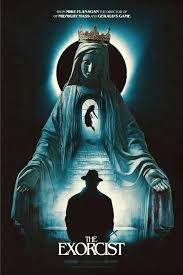
2. Untitled The Exorcist Project
Director: Mike Flanagan
Mike Flanagan’s involvement with The Exorcist franchise suggests a decisive tonal shift away from bombast and toward interiority. Flanagan’s strength has always been his ability to locate horror within grief, faith, and unresolved trauma — concerns deeply aligned with The Exorcist’s theological underpinnings.
With Scarlett Johansson and Jacobi Jupe attached, the project signals a focus on relational dynamics rather than spectacle. If successful, this could mark a rare revival: not of a franchise’s iconography, but of its existential seriousness.
3. The Mummy
Director: Lee Cronin Expected April 17, 2026
Lee Cronin’s reinvention of The Mummy appears poised to reject colonial adventure tropes in favour of familial horror and bodily unease. The disappearance-and-return narrative frames the monster not as ancient spectacle, but as an invasive presence within the domestic sphere.
Cronin’s work has consistently emphasised corruption through intimacy — the idea that horror enters through love rather than conquest. This approach could finally liberate The Mummy from pastiche, reimagining it as a story of loss, identity, and irreversible change.
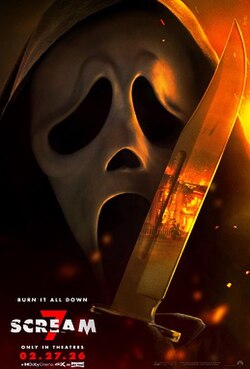
4. Scream 7
Director: Kevin Williamson Releases February 27, 2026
With Kevin Williamson returning to direct, Scream 7 represents a rare case of a franchise turning inward rather than outward. The focus on Sidney Prescott’s daughter reframes the series’ meta-commentary as generational inheritance — asking what it means to pass trauma, notoriety, and survival forward.
Rather than parodying contemporary horror, Scream 7 appears positioned to interrogate its own legacy, transforming self-awareness into something closer to reckoning.
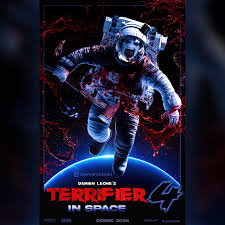
5. Terrifier 4
Director: Damien Leone Expected October 1, 2026
By its fourth entry, Terrifier has evolved from cult provocation into a sustained endurance experiment. Leone’s commitment to practical effects and confrontational violence resists prestige horror’s current trend toward refinement.
What makes Terrifier 4 compelling is not escalation, but persistence. It exists as a countercurrent — forcing a conversation about the limits of spectatorship and the uneasy pleasure of excess.
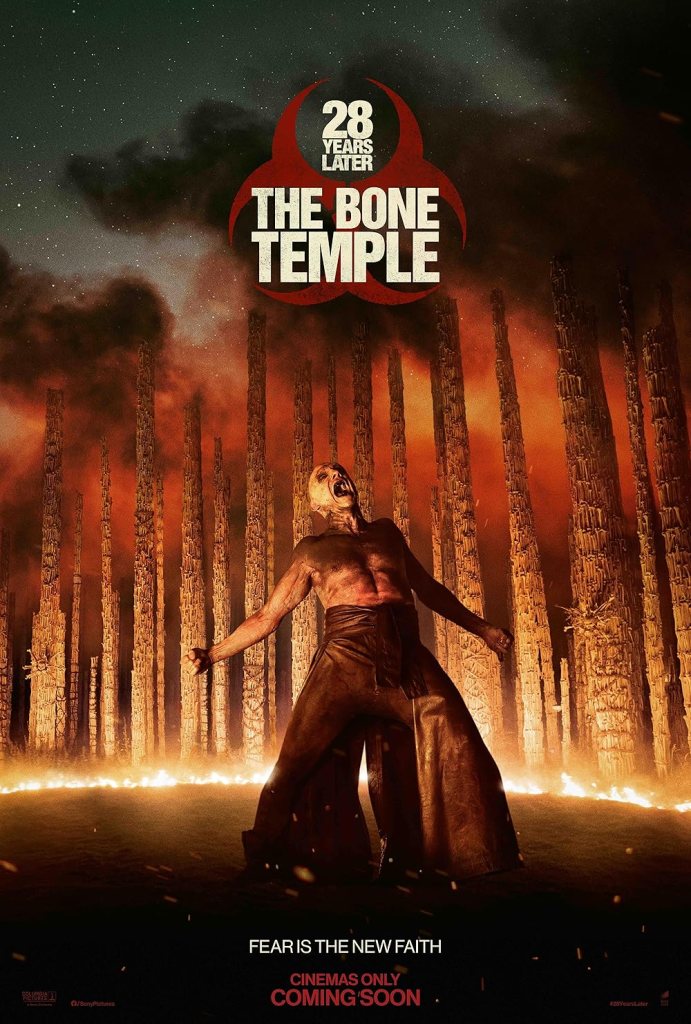
6. 28 Years Later: The Bone Temple
Director: Nia DaCosta Releases January 16, 2026
Nia DaCosta’s entry into the 28 universe signals a shift from outbreak panic to post-collapse power structures. The move toward organised gangs and world-altering discovery suggests a franchise finally confronting its long-term implications.
DaCosta’s sensitivity to social hierarchy and myth-making positions The Bone Temple as less survival horror than political horror — a study of what replaces civilisation after fear becomes normalised.
7. Clayface
Director: James Watkins Expected September 11, 2026
Clayface’s shape-shifting mythology offers fertile ground for horror rooted in identity instability. James Watkins’ involvement hints at a psychological approach rather than comic-book spectacle, reframing the character as tragic figure rather than villain.
The horror here is not transformation, but indeterminacy — the terror of never knowing where the self ends.
8. Evil Dead Burn
Director: Sébastien Vanicek Expected July 24, 2026
With its plot under wraps, Evil Dead Burn remains one of the year’s most intriguing unknowns. Vanicek’s involvement suggests a grittier, more confrontational sensibility — potentially pushing the franchise toward nihilism rather than slapstick.
The challenge will be maintaining Evil Dead’s anarchic spirit while adapting it to contemporary horror’s more controlled brutality.
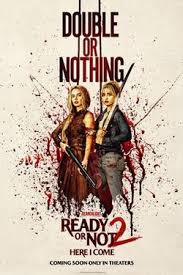
9. Ready or Not 2: Here I Come
Directors: Matt Bettinelli-Olpin & Tyler Gillett Releases March 27, 2026
The sequel expands the first film’s class satire into something closer to mythic competition. By multiplying families and stakes, Here I Come risks dilution — but also offers the opportunity to transform satire into operatic cruelty.
If successful, it could become a dark fairy tale about inheritance, entitlement, and survival economics.
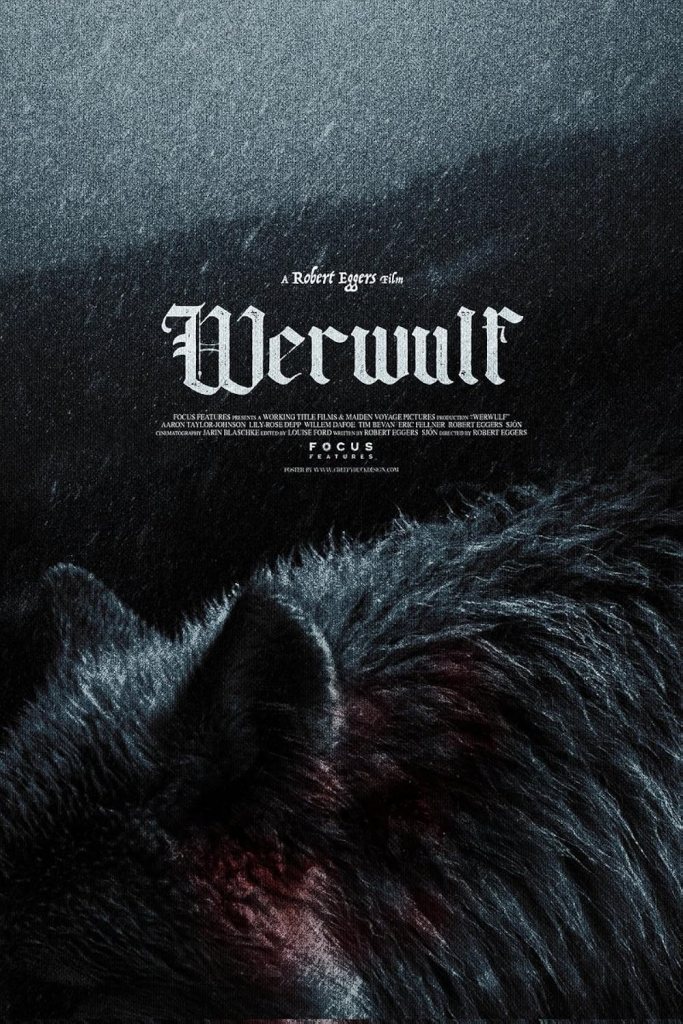
10. Werwulf
Director: Robert Eggers Expected December 25, 2026
Eggers’ medieval werewolf film promises a return to folklore as lived belief rather than cinematic trope. Set against fog, superstition, and communal paranoia, Werwulf appears positioned as a study of fear as social contagion.
Eggers’ commitment to linguistic and historical authenticity suggests a film less concerned with transformation than with the terror of collective conviction.
11. Thread: An Insidious Tale
Director: Jeremy Slater Expected August 21, 2026
Time travel as grief mechanism reframes the Insidious universe around consequence rather than shock. The central conceit — rewriting tragedy — situates horror within parental desperation and moral compromise.
If handled with restraint, this could become the franchise’s most emotionally coherent entry.
12. Wolf Creek: Legacy
Director: Sean Lahiff Expected 2026
By shifting focus to children surviving in Mick Taylor’s territory, Legacy reframes the franchise around endurance rather than nihilism. The Australian landscape once again becomes indifferent, vast, and complicit.
The film’s success will hinge on its ability to balance brutality with perspective — horror as survival, not spectacle.
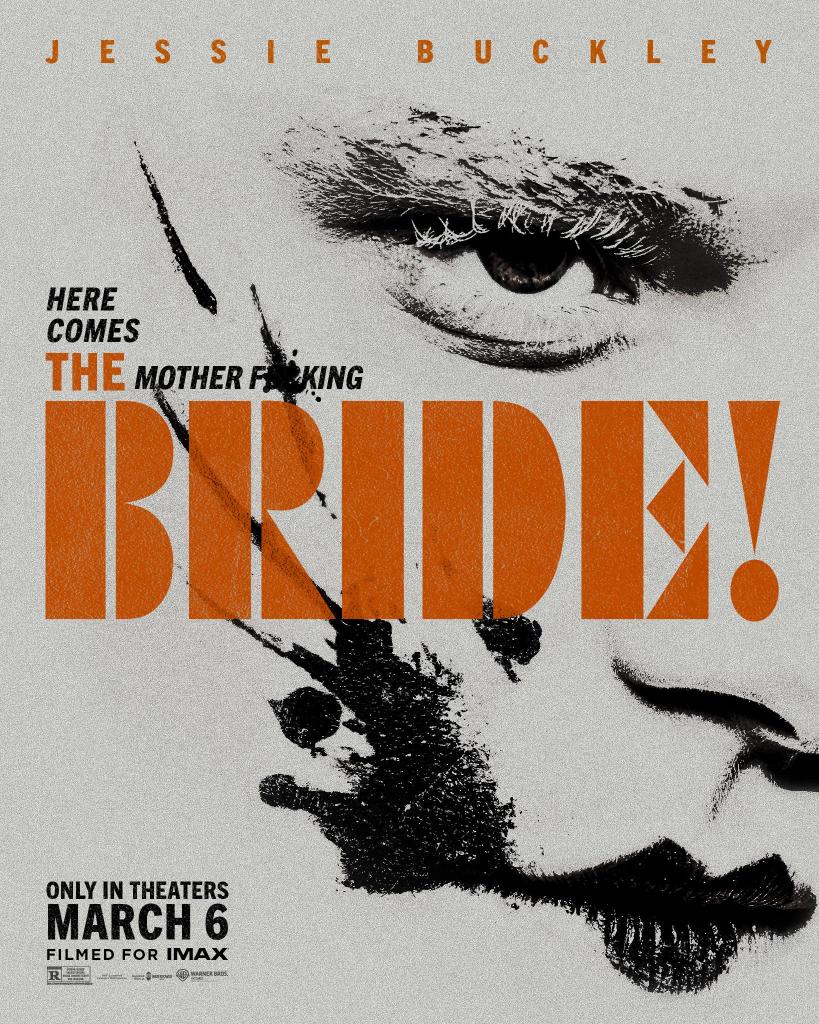
13. The Bride
Director: Maggie Gyllenhaal Releases March 6, 2026
Gyllenhaal’s reinterpretation of Bride of Frankenstein foregrounds politics, gender, and radical transformation. Set against 1930s social upheaval, the film positions monstrosity as emancipatory rather than aberrant.
This is Frankenstein as social revolution — a reclamation of agency rather than a cautionary tale.
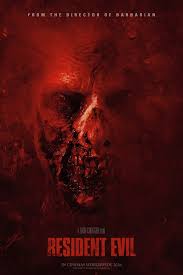
14. Resident Evil
Director: Zach Cregger Expected September 18, 2026
Cregger’s involvement suggests a deliberate move away from franchise excess toward claustrophobic immediacy. A courier trapped in a hospital outbreak recalls survival horror’s roots: isolation, confusion, and bodily threat.
If successful, this could be the franchise’s first genuinely frightening reinvention.
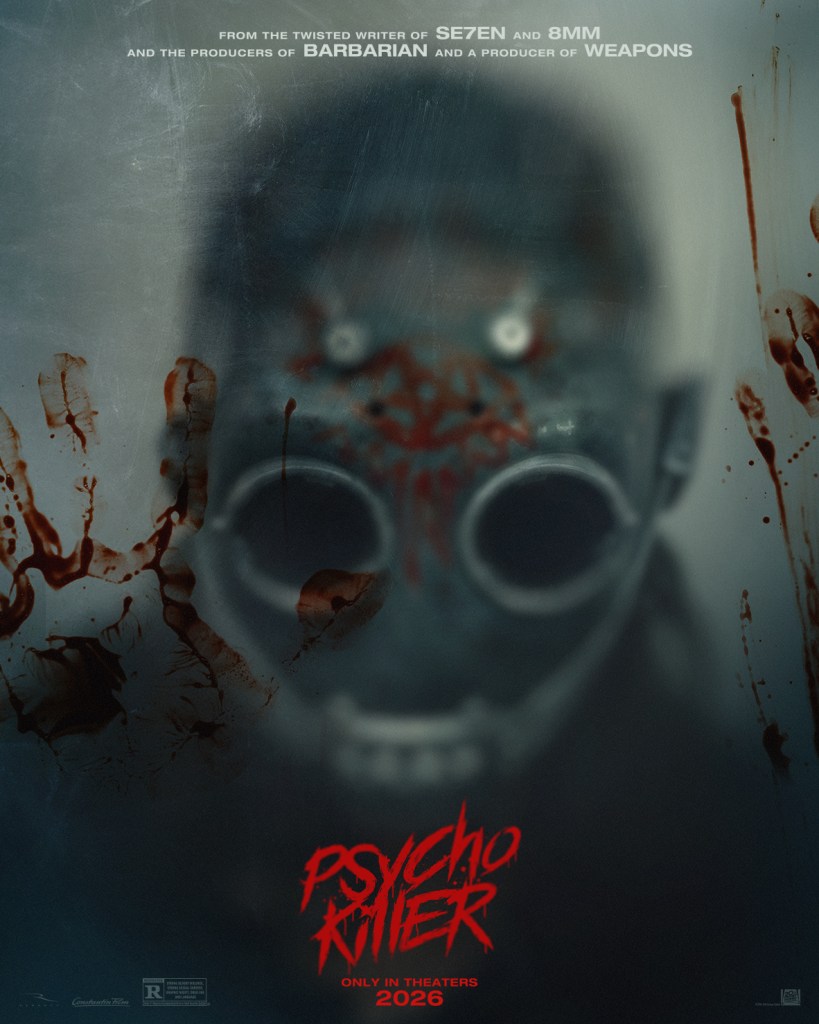
15. Psycho Killer
Director: Gavin Polone Releases February 20, 2026
Positioned as procedural horror, Psycho Killer explores violence through aftermath rather than spectacle. By centring a police officer navigating personal loss, the film aligns horror with grief and investigation rather than shock.
Its promise lies in restraint.
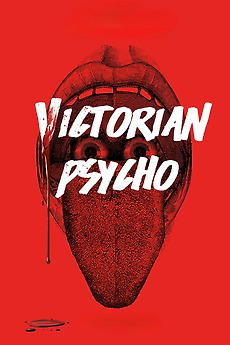
16. Victorian Psycho
Director: Zachary Wigon Expected 2026
This gothic narrative of a governess amid disappearing staff evokes The Turn of the Screw through a feminist lens. Horror emerges gradually, through atmosphere and implication rather than revelation.
The film’s strength will lie in ambiguity: whether monstrosity is external, internal, or socially constructed.
17. Iron Lung
Director: Mark Fischbach Releases January 30, 2026
Adapted from minimalist survival horror, Iron Lung translates isolation into cosmic dread. Its confined submarine setting and apocalyptic mythology suggest horror as existential endurance.
The challenge will be sustaining tension without relief — an experiment in atmospheric extremity.
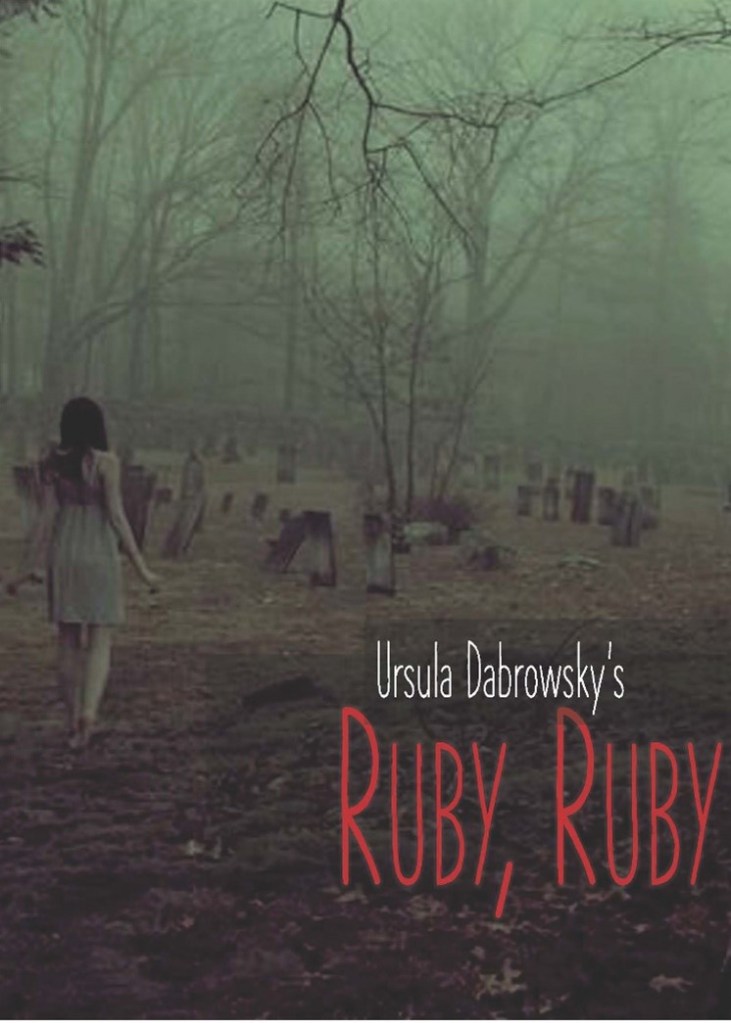
18. Ruby, Ruby
Director: Ursula Dabrowsky Expected 2026
An Australian ghost story rooted in injustice and reclamation, Ruby, Ruby frames haunting as consequence rather than curse. The cemetery setting positions memory as a site of entrapment and resistance.
If handled with restraint, it could join the lineage of Australian horror that privileges melancholy over menace.
Closing Cut
The horror films of 2026 appear less concerned with novelty than with continuity — of trauma, myth, and unresolved systems. Whether through folklore, franchise, or speculative futures, these projects suggest a genre increasingly aware of its own history and responsibilities.
If 2025 taught us how horror cuts, 2026 may show us where it scars.
Horror cinema in 2025 proved itself less interested in spectacle than in excavation. Across continents and budgets, the year’s most vital films treated fear not as an external shock but as a condition embedded in history, technology, power, and the body itself. Monsters, when they appeared at all, were often secondary to systems: inheritance, authority, intimacy, and the quiet violence of belief.
The Golden Scalpel Awards were conceived not as a popularity contest, nor as an exercise in shock valorisation, but as a critical intervention — an attempt to assess horror cinema as a serious artistic and ideological practice. These awards privilege films that cut rather than bludgeon; works that understand dread as something cumulative, ethical, and often unresolved. Performance, direction, and form are judged not by extremity, but by precision.
In keeping with that ethos, categories that reduce complexity to provocation have been deliberately avoided. There is no “Most Disturbing” award here. Disturbance, after all, is not a metric — it is a by-product of rigor.
What follows is a bifurcated awards structure: International Excellence and Australian Horror Excellence, allowing global achievements to be recognised without subsuming the distinct traditions and preoccupations of Australian genre cinema. Together, they form a portrait of a year in which horror did not scream — it lingered.
🔪 International Golden Scalpel Awards
🏆 Best Picture
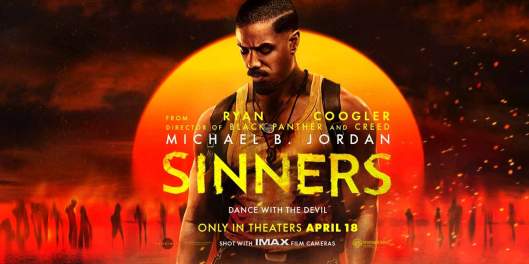
Sinners
Sinners stands as the year’s most formally and thematically complete horror film — a work that understands terror as something inherited rather than encountered. Its horror emerges through the slow accrual of history, guilt, and unspoken violence, binding personal narrative to collective memory. Refusing easy catharsis, the film positions fear as an ethical burden passed down through generations. It is a film that cuts deep precisely because it never raises its voice.
🎬 Best Director
Ryan Coogler — Sinners
Coogler’s direction is defined by restraint and moral clarity. He resists spectacle in favour of atmosphere, performance, and spatial tension, allowing horror to surface organically rather than erupt theatrically. His control of tone and rhythm transforms Sinners into a work of sustained unease, demonstrating how genre cinema can function as historical inquiry without sacrificing emotional immediacy.
✍️ Best Screenplay
Weapons
The screenplay for Weapons is constructed around absence, fracture, and refusal. It withholds clarity not as a gimmick, but as a structural principle, forcing the audience to inhabit uncertainty rather than resolve it. In doing so, it redefines narrative satisfaction as something corrosive and unresolved — a mirror held up to a world where explanation itself has become suspect.
🎭 Best Actor
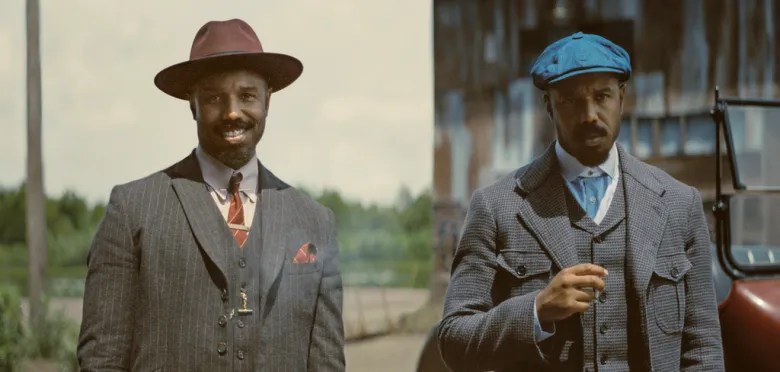
Michael B. Jordan — Sinners
In a dual role that resists ostentatious differentiation, Michael B. Jordan delivers a performance of remarkable discipline. Rather than signalling contrast, he allows identity to diverge through posture, rhythm, and moral orientation. The horror lies in convergence rather than opposition, as the boundaries between selves erode. Jordan’s work becomes the film’s emotional architecture, embodying Sinners’ meditation on legacy, complicity, and denial.
🎭 Best Actress
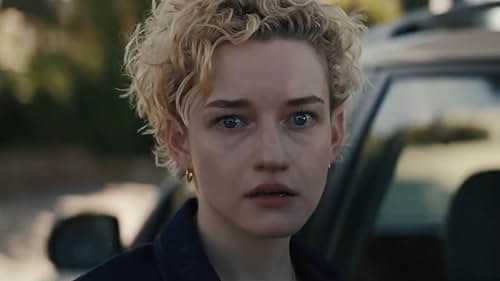
Julia Garner — Weapons
Julia Garner’s performance is calibrated to instability. She refuses psychological legibility, offering instead a portrait of a character perpetually in flux. Emotion surfaces without warning and retreats just as quickly, aligning performance with the film’s fractured narrative logic. Garner does not guide the audience — she disorients them, transforming ambiguity into a lived condition. It is a performance that demands intellectual as well as emotional engagement.
🌫 Best Atmosphere
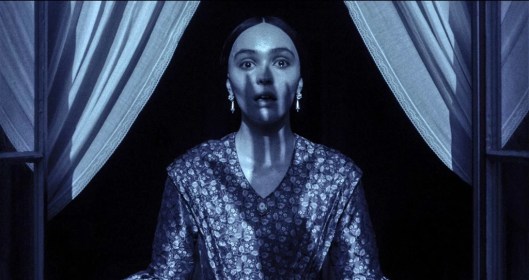
Nosferatu
Through light, texture, and negative space, Nosferatu constructs a gothic world of immersive dread. Atmosphere here is not decorative but structural, shaping perception and emotion at every level. The film demonstrates how horror can operate through mood alone, drawing viewers into a dreamlike state where time, desire, and decay blur together.
🩻 Best Body Horror
Bring Her Back
Bring Her Back deploys body horror not as provocation but as emotional language. Physical distortion is inseparable from grief, obsession, and psychological collapse, lending the film imagery that feels tragically inevitable rather than gratuitous. The horror lingers because it feels earned.
🤖 Best Tech Horror
Companion
Grounded and unsettling, Companion explores the erosion of intimacy in a technologised world. Its horror lies not in speculative futurism, but in recognition — the quiet dread of systems already embedded in daily life. The film’s restraint allows its ideas to fester long after the final frame.
🏅 The Golden Scalpel (Highest Honour)
Sinners
Awarded to the film that most rigorously exemplifies horror as a critical discipline. Sinners cuts through history, identity, and belief with surgical precision, leaving scars rather than answers.
🇦🇺 Australian Golden Scalpel Awards
Australian Horror Excellence
Australian horror in 2025 reaffirmed its defining traits: realism, endurance, and an acute sensitivity to environment and power. These films reject excess in favour of inevitability, positioning fear as something endured rather than escaped.
🏆 Best Australian Horror Film
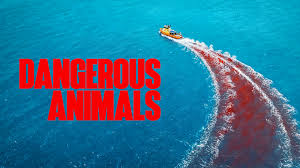
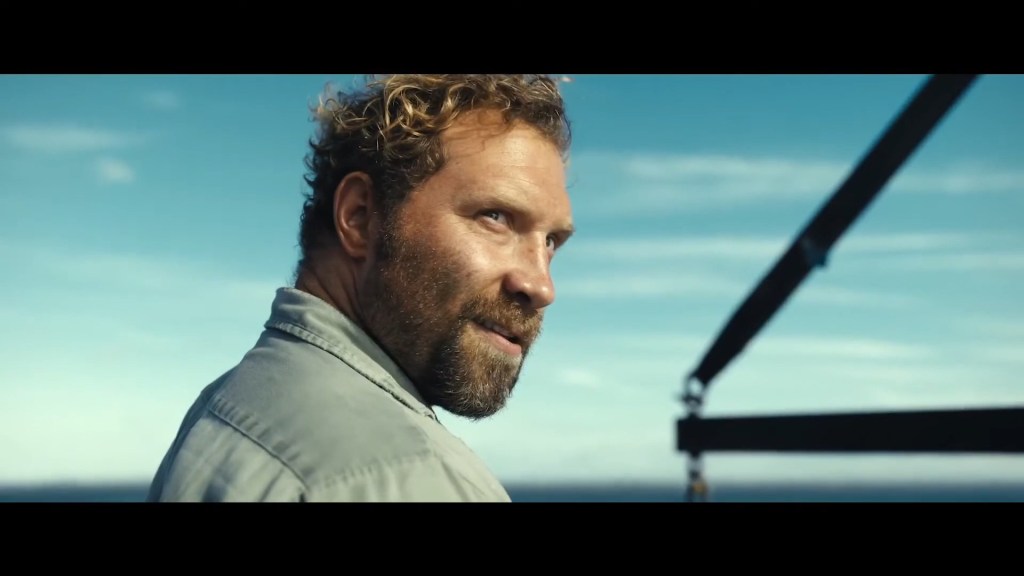
Dangerous Animals
A survival horror stripped of sentimentality, Dangerous Animals privileges endurance over escalation. Violence is presented as an extension of environment and instinct, aligning the film with Australia’s strongest genre traditions. Its restraint is its greatest strength.
🎬 Best Australian Director
Sean Byrne — Dangerous Animals
Byrne’s direction is marked by spatial clarity and tonal control. Threat is sustained rather than amplified, allowing dread to accumulate through inevitability. His work demonstrates a profound understanding of how environment shapes fear.
🎭 Best Australian Actor
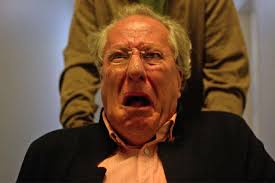
Geoffrey Rush — The Rule of Jenny Pen
Rush delivers a performance of chilling restraint. Authority, calm, and routine become instruments of menace, revealing how cruelty often operates behind civility. It is a precise and disciplined piece of psychological horror acting.
🏞 Best Use of Australian Landscape
Dangerous Animals
Here, landscape is not backdrop but mechanism. Open space becomes isolating, indifferent, and complicit — a reminder that environment itself can be an active participant in horror.
🏅 Australian Golden Scalpel
Dangerous Animals
Awarded to the Australian film that most rigorously embodies horror as endurance, realism, and environmental threat.
Closing Cut
The Golden Scalpel Awards are not intended to settle debate, but to sharpen it. Horror remains one of cinema’s most flexible and intellectually generous modes — capable of interrogating history, technology, and identity with a clarity few genres can match. The films recognised here do not offer comfort. They offer precision.
In 2025, horror cinema continued its decisive shift away from spectacle toward structure. Rather than functioning as vehicles for shock, the most compelling works of the year positioned fear as a sustained condition — something embedded within systems, bodies, and histories. These films do not simply represent terror; they organise it, asking spectators to endure rather than react, to interpret rather than consume.
Across this selection, horror emerges as an analytic mode — a means of interrogating authority, inheritance, technology, and perception itself. What follows is not a list of crowd-pleasers, but of films that demonstrate how the genre continues to function as one of contemporary cinema’s most rigorous critical tools.
13. Ash
Ash occupies a transitional space between experimental media art and narrative cinema, foregrounding sensation over causality. Flying Lotus privileges rhythm, texture, and sonic density as primary conveyors of meaning, destabilising conventional narrative comprehension in favour of affective immersion.
The film’s significance lies less in its storytelling than in its refusal of interpretive clarity. Ash treats disorientation as a structuring principle, aligning the spectator’s cognitive uncertainty with the film’s thematic concern for alienation and fragmentation. In doing so, it advances a mode of sci-fi horror that operates phenomenologically, privileging experience over explanation.
Situated within a tightly regulated institutional space, The Rule of Jenny Pen examines how authority produces horror not through excess, but through routine. The film’s power derives from its attention to systems of control that are normalised rather than questioned, rendering violence bureaucratic and cruelty procedural.
Rather than positioning its antagonist as aberrant, the film implicates the structure itself. Performance and restraint are key formal strategies here: menace accumulates through micro-gestures and withheld action, forcing the spectator to recognise how institutional power becomes most terrifying when it is administered calmly and without spectacle.
Dangerous Animals strips survival horror down to its most elemental components, foregrounding endurance over escalation. The film’s pacing resists the logic of set-piece thrills, instead cultivating a slow accretion of threat that mirrors the bodily exhaustion of its characters.
What distinguishes the film is its refusal to sentimentalise victimhood. Predator and prey are rendered as unstable positions rather than fixed identities, suggesting violence as a latent condition rather than a moral rupture. In this sense, Dangerous Animals operates as an examination of instinctual hierarchy, locating horror within the mechanics of survival itself.
10. Keeper
With Keeper, Osgood Perkins continues his exploration of isolation as a spatial and psychological condition. The film’s austere formalism — marked by elongated takes, sparse dialogue, and an emphasis on negative space — transforms setting into a form of narrative pressure.
Rather than offering mythological coherence, Keeper relies on emotional continuity. Ritual functions not as exposition but as repetition, reinforcing the sense of entrapment that defines the film’s affective core. Horror emerges gradually, not through revelation, but through the suffocating persistence of the unresolved.
Sun rejects legibility as an organising principle. Its aggressive visual strategies — saturated colour, disjunctive editing, and sensory overload — position the spectator in a state of sustained assault, aligning form with thematic inquiry.
The film treats identity as unstable and perception as corrosive. Rather than constructing horror through narrative causation, Sun deploys excess as a destabilising force, implicating contemporary media saturation in the erosion of subjectivity. The result is a work that positions horror as experiential collapse rather than narrative event.
Companion engages with speculative horror through a register of intimacy, examining how technological mediation reshapes emotional labour and consent. The film’s restraint is central to its effectiveness; moments of unease are generated through behavioural shifts rather than overt threat.
By situating its horror within domestic and relational spaces, Companion reframes technological anxiety as an extension of existing power dynamics. The film resists dystopian exaggeration, instead suggesting that the most disturbing futures are those that emerge seamlessly from present-day norms.
Defined by subtraction rather than accumulation, Presence employs absence as its primary aesthetic strategy. The film’s minimalism forces the spectator to attend to what is not shown, transforming silence and spatial emptiness into sites of tension.
Supernatural elements are deliberately ambiguous, allowing grief and memory to function as competing explanatory frameworks. In refusing to stabilise meaning, Presence aligns haunting with psychological persistence, suggesting that terror often resides not in invasion, but in endurance.
Bring Her Back operates through narrative fracture, destabilising temporal and causal coherence as a means of articulating loss. The film demands active spectatorship, requiring viewers to assemble meaning from incomplete information.
Its body horror is not gratuitous but instrumental, externalising the violence of obsession and the desire for restoration. By refusing interpretive closure, Bring Her Back transforms confusion into affect, positioning horror as a confrontation with the limits of understanding.
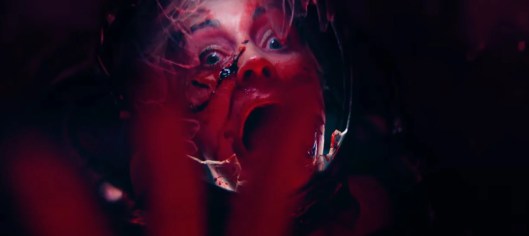
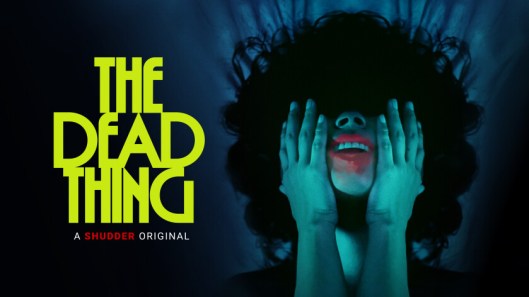
The Dead Thing frames horror as a byproduct of unresolved trauma, privileging emotional continuity over narrative propulsion. The film’s measured pacing allows grief to permeate its formal construction, rendering terror inseparable from mourning.
What emerges is a portrait of desire as compulsion — a need not to escape pain, but to remain tethered to it. The film’s restraint prevents catharsis, reinforcing the notion that some forms of suffering resist narrative resolution.
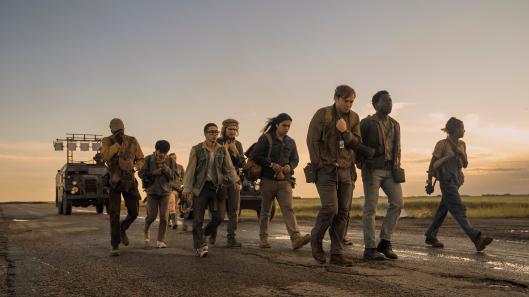
The Long Walk is structured around repetition as punishment. Its relentless forward motion mirrors the ideological rigidity of the system it depicts, transforming endurance into a mechanism of control.
By denying reprieve, the film implicates the spectator in its logic of attrition. Horror arises not from unpredictability, but from inevitability, positioning authoritarian violence as procedural rather than spectacular. The result is a work of sustained ideological critique.
Robert Eggers’ Nosferatu approaches adaptation as cinematic archaeology, reconstructing gothic horror through meticulous attention to texture, light, and performance. The film privileges atmosphere over innovation, treating fidelity as a form of rigor rather than limitation.
Its power lies in its seriousness of intent. By resisting irony or revisionist impulse, Nosferatu reasserts the enduring potency of myth when rendered with formal precision. The film functions as both homage and reaffirmation of horror’s classical foundations.
Weapons fragments narrative authority, refusing to privilege any single perspective or resolution. The film’s structural ambiguity destabilises conventional genre expectations, repositioning horror as epistemological uncertainty.
Rather than delivering answers, Weapons foregrounds absence and contradiction. Its terror emerges through implication, forcing the spectator to confront the discomfort of unresolved meaning. In this sense, the film operates less as a thriller than as an inquiry into perception and belief.
At the pinnacle of 2025’s horror landscape, Sinners synthesises genre with historical inquiry. The film locates terror within inherited structures — cultural, racial, and familial — positioning horror as an extension of collective memory.
Ryan Coogler’s formal restraint allows atmosphere and performance to carry ideological weight. Rather than externalising evil, Sinners frames it as an embedded legacy, transmitted across generations. The result is a work of rare gravity: a horror film that understands fear as something learned, remembered, and endured.
Michael Shanks’ Together arrives draped in the familiar trappings of modern relationship horror: an isolated move, emotional fractures laid bare, and the suggestion that intimacy itself might be the most dangerous terrain of all. What distinguishes the film—at least initially—is its willingness to literalise emotional dependency through supernatural means, turning the language of co-dependence into something disturbingly corporeal.
The story centres on a couple already fraying at the edges, their relocation to the countryside framed less as fresh start than slow retreat. Shanks smartly uses the rural setting as an amplifier rather than a cause, isolating the pair in a space where grievances echo and silences grow heavy. When the supernatural intrusion arrives, it does not feel like an external threat so much as an acceleration of tensions already present. Love, here, is not broken—it is mutating.
At its best, Together is sharply observant about the quiet violences couples inflict on one another in the name of closeness. The film’s central conceit—an “extreme transformation” of love and flesh—is handled with a commitment to physical horror that aligns it with the recent wave of intimacy-as-body-horror cinema. Shanks stages these moments with an unflinching eye, allowing discomfort to linger rather than rushing toward release. The implication is clear: to merge completely is to erase boundaries, and erasure is rarely benign.
Where the film falters is in its balance between metaphor and mechanics. The supernatural rules remain hazy, and while ambiguity suits the emotional material, it occasionally undermines narrative momentum. There’s a sense that Together knows precisely what it wants to say about relationships, but struggles to sustain tension once its thesis has been made flesh. The final stretch, in particular, leans heavily on repetition, circling its ideas rather than deepening them.
Still, Shanks deserves credit for resisting easy catharsis. Together refuses to offer a clean moral or a redemptive escape hatch. Its vision of love is not romanticised nor outright condemned—it is presented as something dangerous precisely because it is so often mistaken for safety. The horror comes not from the supernatural encounter itself, but from the realisation that devotion, unchecked, can become a kind of possession.
The Prognosis:
Uneven but thoughtful, Together is a grim meditation on intimacy and identity, using body horror to expose the cost of losing oneself in another—even when the invitation sounds like love.
Osgood Perkins has never been interested in horror as spectacle. His films drift, linger, and rot from the inside out, favouring mood over momentum and suggestion over shock. Keeper finds the director once again circling his most enduring fixations—the paranormal, the mythic, and the occult—and when he commits fully to these shadowy preoccupations, the results are among his most unsettling to date.
The premise is deceptively simple. Liz and Malcolm retreat to a secluded cabin for an anniversary weekend, a familiar setup that Perkins treats less as narrative engine than ritual initiation. When Malcolm abruptly returns to the city, the film fractures, leaving Liz alone in a space that begins to feel less like a holiday retreat and more like a consecrated site. What follows is not a barrage of scares but a slow accretion of dread, as the cabin reveals itself to be a vessel for something ancient, watchful, and profoundly uninterested in human morality.
Perkins’ greatest strength has always been his willingness to let horror breathe. Like The Blackcoat’s Daughter and Gretel & Hansel, Keeper operates on a frequency closer to folklore than modern genre mechanics. The evil here is not noisy or demonstrative; it is embedded, inherited, and ritualistic. The cabin feels less haunted than kept—maintained by forces that predate Liz’s arrival and will endure long after she’s gone. Perkins paints this world with a vivid but restrained brush, using sound design, negative space, and repetition to suggest a cosmology that remains tantalisingly opaque.
Tatiana Maslany anchors the film with a performance of remarkable control. Isolated for much of the runtime, she carries Keeper through micro-expressions, physical tension, and an ever-shifting relationship to her surroundings. Her Liz is neither hysterical nor heroic; she is observant, increasingly wary, and quietly devastated as the rules of reality begin to slip. Maslany understands Perkins’ rhythms, allowing fear to register not as reaction but as recognition—an awareness that something has always been wrong here.
If the film falters, it’s in its refusal to fully sharpen its final act. Perkins’ devotion to ambiguity, while thematically consistent, occasionally blunts the emotional impact. There are moments where the mythology feels more gestured at than excavated, and viewers seeking narrative closure may find the ending frustratingly elusive. Yet this, too, feels intentional. Keeper is not about defeating evil or escaping it, but about realising one’s place within a larger, indifferent order.
In the context of Perkins’ body of work, Keeper stands as a confident reaffirmation of his obsessions. When he centres his stories on the occult and the mythic, he is capable of conjuring horror that feels timeless, intimate, and deeply unclean. This is a film that seeps rather than strikes, lingers rather than lunges.
The Prognosis:
A haunting, slow-burning descent into ritual and isolation, Keeper confirms Osgood Perkins as one of modern horror’s most singular—and uncompromising—voices.
The Strangers was once terrifying precisely because it refused to explain itself. Masks without motive. Violence without catharsis. Bryan Bertino’s original film understood that randomness is the most unsettling horror of all. The Strangers: Chapter 2, directed by Renny Harlin, represents the franchise’s continued drift away from that ethos—an increasingly desperate attempt to stretch a concept built on nihilistic simplicity into an ongoing mythology it was never designed to sustain.
Picking up immediately after the events of Chapter 1, the film leans hard into continuation. Maya survived. That alone already strains the fatalistic purity of the original premise, but Chapter 2 doubles down: the Strangers are no longer abstract forces of intrusion, but pursuers with intent, persistence, and—most damagingly—narrative obligation. Survival, we’re told, was just the beginning. Unfortunately, so was the creative erosion.
Harlin, a director long associated with bombastic escalation (Die Hard 2, Cliffhanger), approaches the material with a franchise mindset rather than a conceptual one. The result is a film that confuses momentum for menace. The stalking becomes repetitive, the violence procedural, and the sense of existential dread gives way to something closer to slasher mechanics. The masks are still there, but the mystery behind them has been hollowed out.
The film’s most baffling misstep arrives midway through with a moment so tonally deranged it threatens to derail the entire enterprise: Maya’s encounter with a boar, framed with portentous symbolism and played as some kind of primal omen. It’s a genuine what-the-hell-am-I-watching beat—the precise moment the film abandons any remaining psychological coherence and wanders off into horror non sequitur. What should have been stripped-back terror curdles into accidental surrealism, as if the film briefly mistakes itself for an arthouse allegory before snapping back to franchise obligation.
The latter half retreats into an even more familiar, and equally uninspired, space: the hospital. The nods to Halloween II are unmistakable—fluorescent corridors, wounded survivor, killer(s) returning to finish the job—but where Carpenter and Rosenthal used the setting to extend a nightmarish inevitability, Chapter 2 uses it as connective tissue. The hospital becomes less a space of vulnerability than a narrative checkpoint, a place where the franchise can pause, reset, and prepare itself for further chapters.
This is the core problem: The Strangers was never meant to be episodic. Its power lay in finality. In meaninglessness. In the suggestion that violence doesn’t continue because it must, but because it can. By forcing continuation, Chapter 2 drains the concept of its philosophical cruelty. The Strangers don’t feel inevitable anymore—they feel contractual.
By the time the film limps to its conclusion, it’s clear that the franchise is running on fumes. What was once cold, terrifying minimalism has become overextended, over-explained, and increasingly absurd. The boar may be the most obvious sign that the film has gone off the rails, but the real damage was done the moment The Strangers decided it needed chapters at all.
The Prognosis:
A sequel that mistakes persistence for purpose, and mythology for menace—proof that some doors, once closed, should stay that way.
James DeMonaco has always been fascinated by systems—how they rot, how they fail, and how violence seeps through their cracks. From the blunt social allegory of The Purge to the leaner, meaner contours of his later work, DeMonaco’s cinema operates in a state of controlled paranoia, convinced that institutions are not safeguards but incubators. The Home feels like a natural extension of that worldview, a film obsessed with corridors, rules, and the slow revelation that something malignant is being politely maintained behind closed doors.
The premise is deceptively modest. A troubled drifter takes a job at a retirement home. The residents are strange. The caretakers are stranger. The fourth floor is forbidden. This is familiar territory—The Home traffics in the grammar of institutional horror—but DeMonaco filters it through a jittery, conspiratorial lens. The building is less a location than a system of concealment, its bland hallways buzzing with the low-grade menace of withheld information. Every locked door feels like a threat. Every smile reads as camouflage.
The film’s manic energy is largely carried by Pete Davidson, whose casting initially seems like provocation but gradually reveals a sharp, unsettling logic. Davidson plays the protagonist as a man permanently braced for impact, his body language twitchy, his eyes scanning for exits that may or may not exist. He weaponises his familiar cadences—half-joking, half-defensive—until they curdle into something desperate. This is Davidson stripped of irony, and while the performance is uneven, it is never uninteresting. His character’s foster-care trauma bleeds into the film’s institutional dread, turning the retirement home into a warped echo of the systems that failed him as a child.
DeMonaco leans hard into paranoia, sometimes to the film’s benefit, sometimes to its detriment. The Home is thick with suggestion—rituals half-glimpsed, whispers behind doors, glances held a second too long—but it often mistakes accumulation for escalation. The mystery coils inward, doubling back on itself, feeding the sense that the protagonist may be uncovering a conspiracy or simply unraveling under its weight. The film wants to exist in that uncertainty, but its third act can’t quite resist explanation, flattening some of the unease it works so diligently to cultivate.
Visually, the film is austere and oppressive. The retirement home is rendered as a liminal space where time has curdled—neither alive nor dead, neither nurturing nor openly hostile. DeMonaco’s camera prowls rather than observes, peering down hallways like it expects to be noticed. The forbidden fourth floor looms as an almost abstract concept, a vertical metaphor for buried memory and institutional secrecy that the film circles obsessively.
Yet for all its ambition, The Home struggles to fully reconcile its ideas. The social commentary—about neglect, aging, and the expendability of those who fall through institutional cracks—is present but underdeveloped. DeMonaco gestures toward something corrosive and systemic, but the film’s manic intensity sometimes drowns out its own argument. What remains is a mood piece that crackles with unease but lacks the narrative clarity to make its paranoia feel truly revelatory.
The Home is not a failure so much as an overextended diagnosis. It captures the sensation of discovering that the rules you trusted were never meant to protect you, but it can’t quite land the final indictment. Still, in its jittery energy, uneasy performance, and claustrophobic design, it offers a compelling if flawed entry in DeMonaco’s ongoing exploration of American institutions as haunted houses.
The Prognosis:
A film that trembles with suspicion and half-remembered trauma—unnerving in the moment, frustrating in retrospect, and never entirely at ease with its own revelations.
One hundred years on, Wolf Blood remains less a horror film than a cinematic curiosity—an early brush with werewolf mythology that never commits to being a werewolf film, a thriller without thrills, and a relic overshadowed entirely by the genre giants that defined its era. Released in 1925, it limps into its centenary not as a pioneering milestone but as an instructive footnote in what not to do with burgeoning horror iconography.
It’s almost unfair, at first glance, to compare Wolf Blood to Nosferatu (1922) and The Phantom of the Opera (1925)—but the comparison is inescapable. Murnau’s Nosferatu was already reshaping cinematic language, introducing expressionist shadows and spectral dread that embedded itself into the DNA of screen horror. Phantom, released the same year as Wolf Blood, showcased the artistry of Universal’s early macabre sensibilities, anchored by Lon Chaney’s transformative terror and lavish Gothic production design.
Wolf Blood, by contrast, feels timid and strangely uninterested in horror altogether. Where Nosferatu stalked its audience with plague-ridden menace, and Phantom delivered operatic Gothic spectacle, Wolf Blood spends a remarkable portion of its runtime on logging-camp melodrama, business rivalries, and a love triangle so tame it seems allergic to narrative urgency. The title promises lycanthropy; what it delivers is a medical transfusion and a man convinced—psychologically, never literally—that he may be turning into a wolf. No transformation, no bite, no curse. The supernatural is purely theoretical, and the film leans on dream sequences instead of embracing the monstrous.
In the 1920s, horror cinema was still defining its parameters, testing the boundaries of what images could frighten or disturb. Wolf Blood could have been part of that formative experimentation. Instead, it skirts away from genre entirely. Its werewolf premise is never realised; its mood never crosses into the uncanny; and its execution—flat staging, wandering pacing, and little sense of atmospheric danger—renders it a film that neither innovates nor entertains.
Even as proto-werewolf cinema, it is overshadowed by later, more robust entries (Werewolf of London in 1935 and The Wolf Man in 1941), which would properly codify the mythos that Wolf Blood only half-heartedly gestures toward. Its legacy, such as it is, lies in being technically the first feature to reference a form of lycanthropy—though even that badge comes with an asterisk, given that nothing resembling a werewolf appears on screen.
As a centenary artefact, Wolf Blood is valuable mostly in contrast. It reveals how essential atmosphere, visual imagination, and narrative conviction were to early horror’s development—and how barren a horror film becomes without them. While its contemporaries still throb with cinematic life, Wolf Blood feels anaemic, drained of tension and lacking both bite and bark. Forgotten by audiences and film history alike, it stands today as a reminder that not every first is foundational, and not every early effort deserves resurrection.