
Tags
bring her back, companion, dangerous animals, film, geoffrey rush, horror, julia garner, michael b jordan, movies, Nosferatu, ryan coogler, sean byrne, sinners, the rule of jenny pen, weapons
Horror as Discipline, Horror as Diagnosis
Horror cinema in 2025 proved itself less interested in spectacle than in excavation. Across continents and budgets, the year’s most vital films treated fear not as an external shock but as a condition embedded in history, technology, power, and the body itself. Monsters, when they appeared at all, were often secondary to systems: inheritance, authority, intimacy, and the quiet violence of belief.
The Golden Scalpel Awards were conceived not as a popularity contest, nor as an exercise in shock valorisation, but as a critical intervention — an attempt to assess horror cinema as a serious artistic and ideological practice. These awards privilege films that cut rather than bludgeon; works that understand dread as something cumulative, ethical, and often unresolved. Performance, direction, and form are judged not by extremity, but by precision.
In keeping with that ethos, categories that reduce complexity to provocation have been deliberately avoided. There is no “Most Disturbing” award here. Disturbance, after all, is not a metric — it is a by-product of rigor.
What follows is a bifurcated awards structure: International Excellence and Australian Horror Excellence, allowing global achievements to be recognised without subsuming the distinct traditions and preoccupations of Australian genre cinema. Together, they form a portrait of a year in which horror did not scream — it lingered.
🔪 International Golden Scalpel Awards
🏆 Best Picture
Sinners
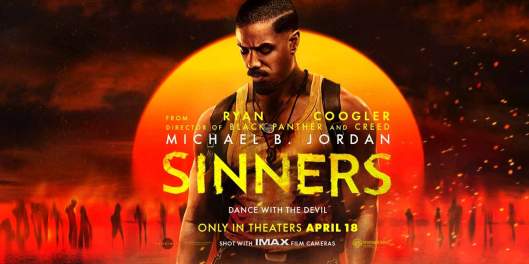
Sinners stands as the year’s most formally and thematically complete horror film — a work that understands terror as something inherited rather than encountered. Its horror emerges through the slow accrual of history, guilt, and unspoken violence, binding personal narrative to collective memory. Refusing easy catharsis, the film positions fear as an ethical burden passed down through generations. It is a film that cuts deep precisely because it never raises its voice.
🎬 Best Director
Ryan Coogler — Sinners
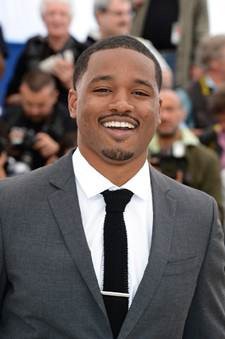
Coogler’s direction is defined by restraint and moral clarity. He resists spectacle in favour of atmosphere, performance, and spatial tension, allowing horror to surface organically rather than erupt theatrically. His control of tone and rhythm transforms Sinners into a work of sustained unease, demonstrating how genre cinema can function as historical inquiry without sacrificing emotional immediacy.
✍️ Best Screenplay
Weapons
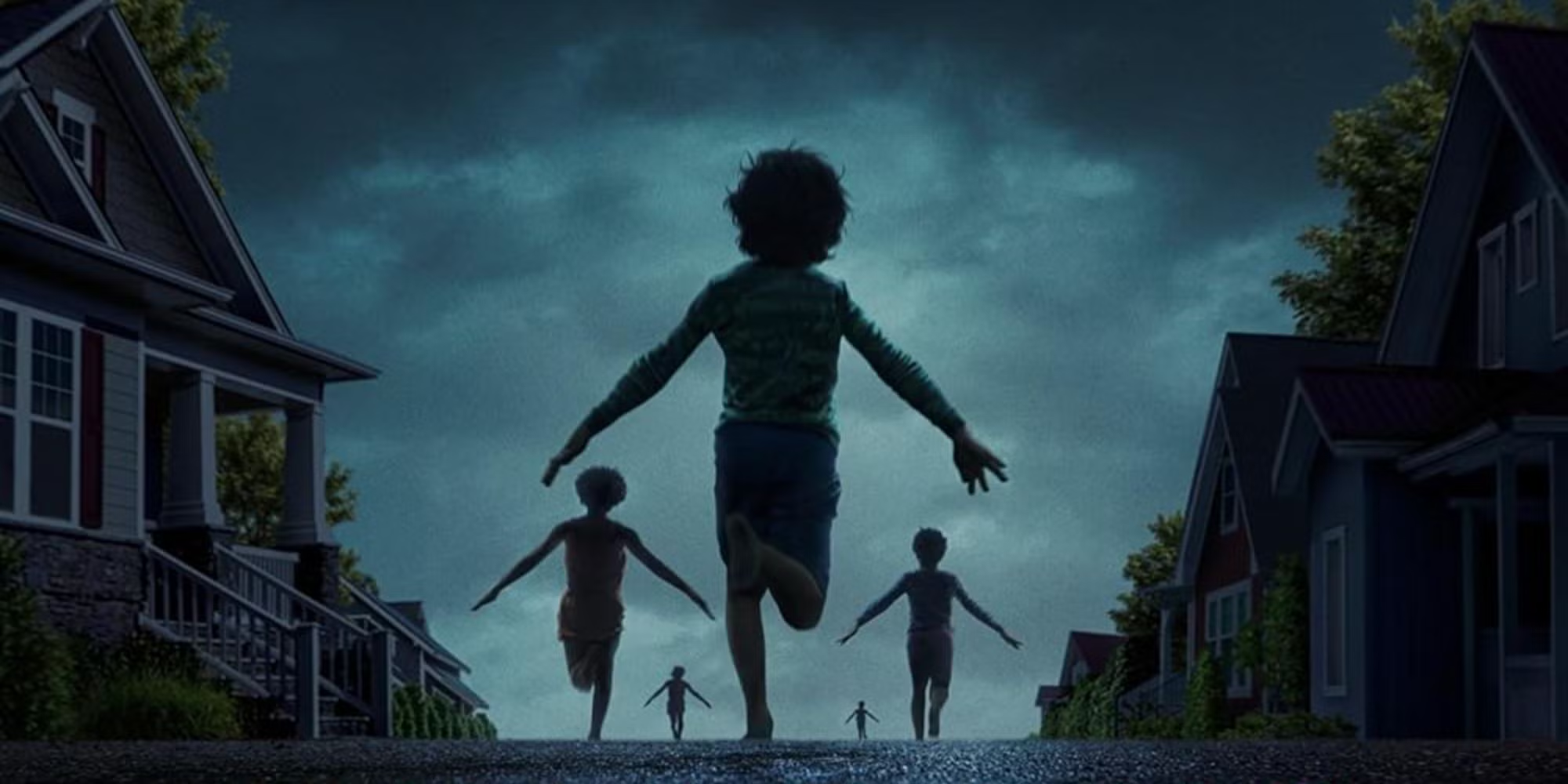
The screenplay for Weapons is constructed around absence, fracture, and refusal. It withholds clarity not as a gimmick, but as a structural principle, forcing the audience to inhabit uncertainty rather than resolve it. In doing so, it redefines narrative satisfaction as something corrosive and unresolved — a mirror held up to a world where explanation itself has become suspect.
🎭 Best Actor
Michael B. Jordan — Sinners
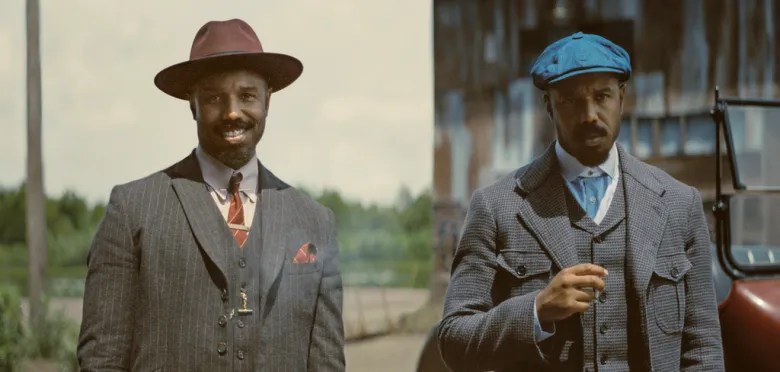
In a dual role that resists ostentatious differentiation, Michael B. Jordan delivers a performance of remarkable discipline. Rather than signalling contrast, he allows identity to diverge through posture, rhythm, and moral orientation. The horror lies in convergence rather than opposition, as the boundaries between selves erode. Jordan’s work becomes the film’s emotional architecture, embodying Sinners’ meditation on legacy, complicity, and denial.
🎭 Best Actress
Julia Garner — Weapons
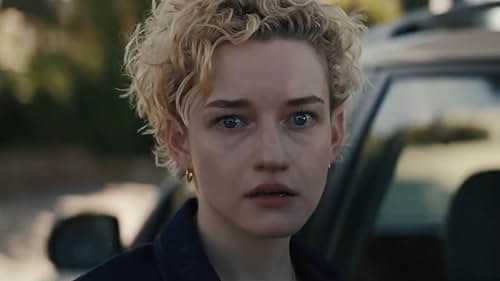
Julia Garner’s performance is calibrated to instability. She refuses psychological legibility, offering instead a portrait of a character perpetually in flux. Emotion surfaces without warning and retreats just as quickly, aligning performance with the film’s fractured narrative logic. Garner does not guide the audience — she disorients them, transforming ambiguity into a lived condition. It is a performance that demands intellectual as well as emotional engagement.
🌫 Best Atmosphere
Nosferatu
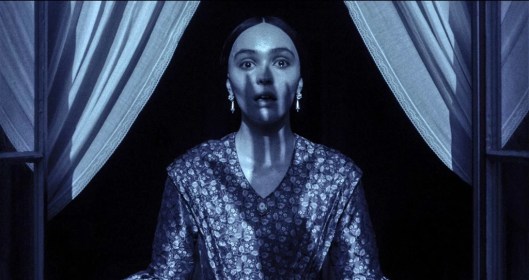
Through light, texture, and negative space, Nosferatu constructs a gothic world of immersive dread. Atmosphere here is not decorative but structural, shaping perception and emotion at every level. The film demonstrates how horror can operate through mood alone, drawing viewers into a dreamlike state where time, desire, and decay blur together.
🩻 Best Body Horror
Bring Her Back

Bring Her Back deploys body horror not as provocation but as emotional language. Physical distortion is inseparable from grief, obsession, and psychological collapse, lending the film imagery that feels tragically inevitable rather than gratuitous. The horror lingers because it feels earned.
🤖 Best Tech Horror
Companion

Grounded and unsettling, Companion explores the erosion of intimacy in a technologised world. Its horror lies not in speculative futurism, but in recognition — the quiet dread of systems already embedded in daily life. The film’s restraint allows its ideas to fester long after the final frame.
🏅 The Golden Scalpel (Highest Honour)
Sinners

Awarded to the film that most rigorously exemplifies horror as a critical discipline. Sinners cuts through history, identity, and belief with surgical precision, leaving scars rather than answers.
🇦🇺 Australian Golden Scalpel Awards
Australian Horror Excellence
Australian horror in 2025 reaffirmed its defining traits: realism, endurance, and an acute sensitivity to environment and power. These films reject excess in favour of inevitability, positioning fear as something endured rather than escaped.
🏆 Best Australian Horror Film
Dangerous Animals
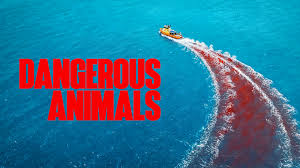
A survival horror stripped of sentimentality, Dangerous Animals privileges endurance over escalation. Violence is presented as an extension of environment and instinct, aligning the film with Australia’s strongest genre traditions. Its restraint is its greatest strength.
🎬 Best Australian Director
Sean Byrne — Dangerous Animals

Byrne’s direction is marked by spatial clarity and tonal control. Threat is sustained rather than amplified, allowing dread to accumulate through inevitability. His work demonstrates a profound understanding of how environment shapes fear.
🎭 Best Australian Actor
Geoffrey Rush — The Rule of Jenny Pen
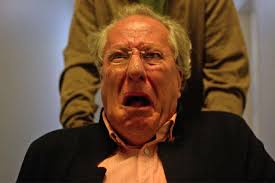
Rush delivers a performance of chilling restraint. Authority, calm, and routine become instruments of menace, revealing how cruelty often operates behind civility. It is a precise and disciplined piece of psychological horror acting.
🏞 Best Use of Australian Landscape
Dangerous Animals
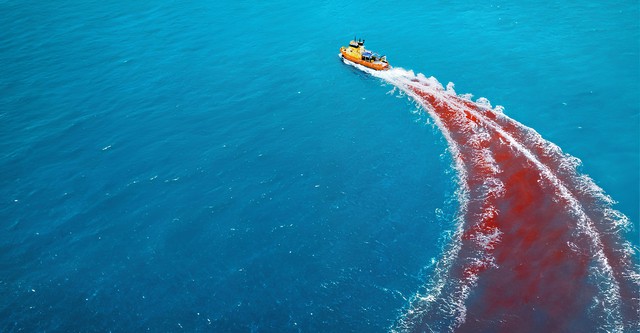
Here, landscape is not backdrop but mechanism. Open space becomes isolating, indifferent, and complicit — a reminder that environment itself can be an active participant in horror.
🏅 Australian Golden Scalpel
Dangerous Animals
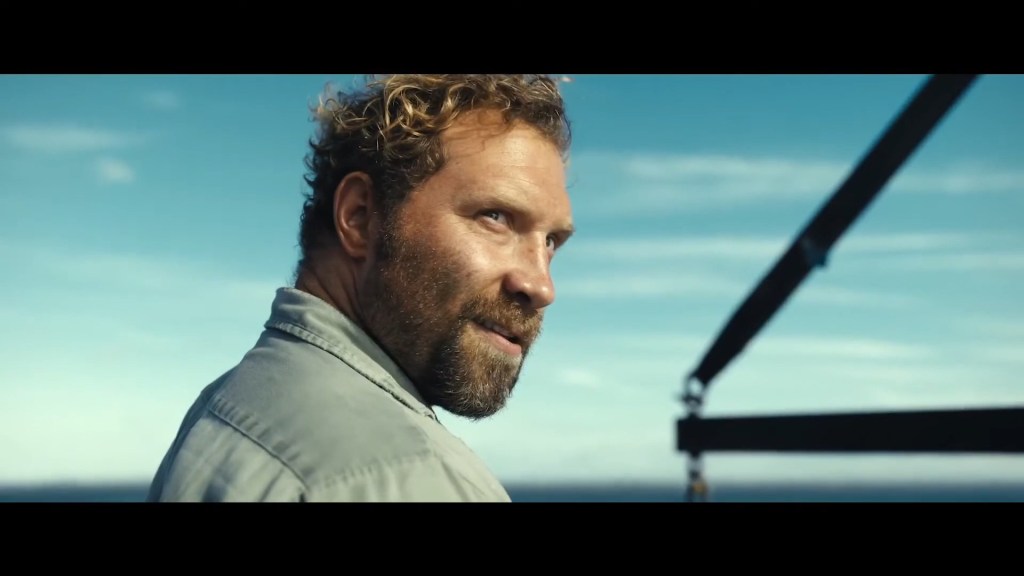
Awarded to the Australian film that most rigorously embodies horror as endurance, realism, and environmental threat.
Closing Cut
The Golden Scalpel Awards are not intended to settle debate, but to sharpen it. Horror remains one of cinema’s most flexible and intellectually generous modes — capable of interrogating history, technology, and identity with a clarity few genres can match. The films recognised here do not offer comfort. They offer precision.
And sometimes, that is far more unsettling.
- Saul Muerte
 Surgeons of Horror