Tags
freddie prinze jr, i know what you did last summer, jennifer love hewitt, michael chaves, patrick willson, the conjuring, the warrens, Vera Farmiga
As Halloween draws near, horror once again becomes a shared ritual — a season of remembrance for stories that refuse to stay dead. Surgeons of Horror continues its Halloweekend celebration by exploring two of the year’s biggest horror sequels — The Conjuring: Last Rites and I Know What You Did Last Summer (2025) — both of which resurrect familiar spirits for a new generation. Each film proves that in horror, the past is never truly buried. It lingers, waiting to be summoned.
In horror, nothing stays buried for long. The genre thrives on return — the killer who rises again, the curse that refuses to fade, the franchise that won’t go quietly into the night. As Halloween approaches, two recent releases — The Conjuring: Last Rites and I Know What You Did Last Summer (2025) — embody that familiar resurrection instinct. Both reach back into the collective unconscious of horror fandom, summoning their mythologies for one more invocation. The result? A cinematic séance with two very different spirits.
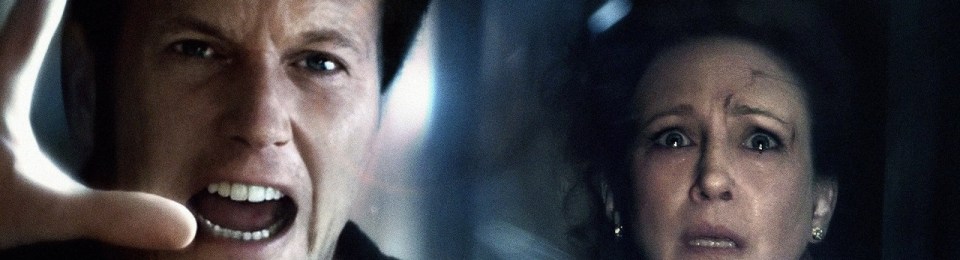
Where The Conjuring franchise has become synonymous with ecclesiastical dread and the poetics of possession, Last Rites marks its most reflective chapter yet. It is less about the shrieks in the dark than the quiet toll of faith under siege. Patrick Wilson and Vera Farmiga return with a weary grace, embodying spiritual endurance as Ed and Lorraine Warren face a final reckoning. The film’s success — the highest-grossing in the series to date — suggests that audiences still crave the sacred amid the spectral. Horror, after all, has always been the Church of the uncertain.
Director Michael Chaves, whose previous entries divided fans, appears here at his most composed. The film leans on ritual and rhythm, crafting its horror from slow encroachment rather than surprise. Where early Conjuring installments sought to make the invisible visible — the demonic literalised through spectacle — Last Rites internalises the terror. It becomes about spiritual corrosion and the limits of belief. The scares are fewer, but the unease lingers longer, like a stain that refuses absolution.
THE CONJURING: LAST RITES: BUY OR RENT NOW
If The Conjuring franchise operates as a gothic cathedral — all solemnity, candlelight, and conviction — then I Know What You Did Last Summer (2025) is its neon-lit funhouse mirror. Twenty-eight years on from the original, the slasher that once defined late-’90s cool has been reborn for a postmodern audience weaned on legacy sequels and self-awareness. The returning players — older, guiltier, carrying the weight of past sins — are now haunted less by the killer with a hook than by the cultural echo of their own youth.
The new Summer trades the slick polish of the original for something darker and more psychologically knotted. Director Jennifer Kaytin Robinson injects a contemporary anxiety into the glossy nostalgia — an unease about memory, mythmaking, and the impossibility of escape in a world where the past is always trending. It’s a film about being haunted by an earlier version of yourself, both on-screen and off. If The Conjuring: Last Rites examines faith as a haunted institution, I Know What You Did Last Summer dissects nostalgia as a haunted emotion.
I KNOW WHAT YOU DID LAST SUMMER: BUY OR RENT NOW
Taken together, the two films form an accidental dialogue about horror’s relationship with repetition. The genre has always been cyclical — the curse that returns, the scream that echoes — but in 2025, the loop feels newly self-conscious. We no longer revisit the past merely to reanimate it; we revisit to interrogate it. What does it mean that we find comfort in repetition? That audiences continue to gather for another exorcism, another confession, another reckoning with sins once buried? Perhaps the modern horror franchise is the truest ghost story of all: one where the spectre is the story itself, forever refusing release.
It’s telling that both films found such success not by reinventing their formulas but by leaning into legacy. The Conjuring: Last Rites positions itself as a summation — the solemn benediction of a franchise that once defined a new wave of studio horror. I Know What You Did Last Summer, meanwhile, taps into the ironic nostalgia economy, where a wink to the camera can coexist with genuine bloodletting. Between them lies the spectrum of modern horror’s obsessions: belief, guilt, and the inability to let go.
As studios mine familiar IPs for one more scare, it’s easy to be cynical. Yet these films remind us that the franchise model, at its best, functions like folklore — stories retold, reshaped, and reinterpreted for each generation. Every return is an exorcism, every revival a confession. And as long as we keep watching, the ghosts — cinematic or otherwise — will keep coming back.
In this year’s crowded Halloween line-up, Last Rites and I Know What You Did Last Summer stand not as nostalgic curios, but as mirrors reflecting horror’s restless soul. The genre’s truest power has never been novelty, but endurance. Horror doesn’t die — it reincarnates, forever compelled to haunt itself.
- Saul Muerte
This article is part of Surgeons of Horror’s 2025 Halloweekend coverage — a series of features and retrospectives exploring horror’s many faces, from sacred hauntings to nostalgic revivals. Stay tuned for upcoming deep dives into Weapons, The Toxic Avenger, Freakier Friday, The Evil Dead, and HIM — because Halloween isn’t just a night. It’s a ritual.
 Surgeons of Horror