Tags
Emily Perkins, john fawcett, katherine isabelle, lycanthrope, Werewolf, werewolf movie, Werewolf movies, werewolves
John Fawcett’s Ginger Snaps didn’t just scratch the surface of werewolf mythology—it tore it open with claws bared and blood pumping. Released in 2000, this Canadian cult classic has only grown more potent with age, remaining one of the most subversive and emotionally intelligent horror films of its era. On its 25th anniversary, it stands as a feral, feminist reimagining of the werewolf tale—one that howls with rage, fear, and liberation.
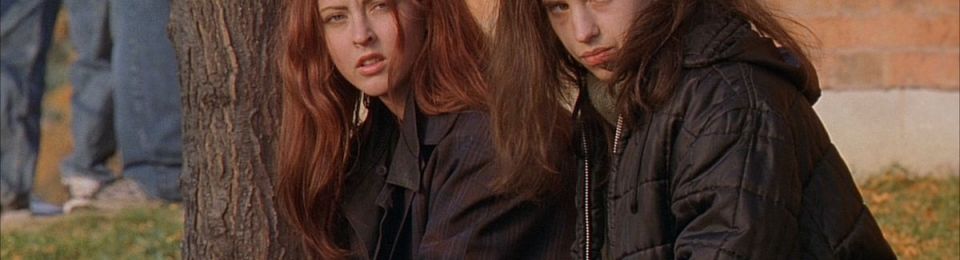
Set in the eerily sterile suburb of Bailey Downs, the film follows death-obsessed sisters Ginger and Brigitte Fitzgerald (played ferociously by Katharine Isabelle and Emily Perkins), whose bond is as intense as it is co-dependent. Their world fractures when Ginger is attacked by a lycanthropic creature the very night she gets her first period. Suddenly, the dreaded “curse” of womanhood becomes something monstrous—literally.
The brilliance of Ginger Snaps lies in how it treats this transformation not just as a horror trope, but as an allegory for puberty, burgeoning sexuality, and the loss of control over one’s body. It’s body horror with a purpose. Rather than using menstruation as a throwaway symbol, the film makes it central to the werewolf metaphor, equating monthly cycles with cycles of aggression, lust, and emotional volatility. In doing so, Ginger Snaps flips the male-dominated script of traditional lycanthropy and centres it around the female experience—raw, honest, and terrifying.
Fawcett and screenwriter Karen Walton crafted something rare: a genre film that respects the complexity of girlhood. There’s no glossing over the grotesque. Ginger’s transformation isn’t romanticised—it’s sticky, hormonal, confusing, and violent. Yet the emotional core never slips away, thanks to the powerhouse pairing of Isabelle and Perkins. Isabelle gives Ginger a defiant sexual energy laced with danger, while Perkins plays Brigitte with quiet resolve, watching her sister spiral into predatory chaos. Their dynamic anchors the film even as it spirals into full-on carnage.
What also sets Ginger Snaps apart is its refusal to give easy answers. Brigitte’s desperate attempts to “cure” Ginger—through science, through loyalty, through love—reflect the painful reality of growing apart, of watching someone you care about become a version of themselves you no longer recognise. The climax isn’t just about killing the beast—it’s about letting go.
In the decades since its release, Ginger Snaps has rightfully earned a reputation as a trailblazing entry in horror cinema. It paved the way for more female-led and body-conscious genre films like Teeth, Raw, and Jennifer’s Body. But few have matched its emotional intelligence, wicked sense of humour, or unflinching approach to the terrors of adolescence.
The Prognosis:
25 years on, Ginger Snaps is still snarling, still bleeding, and still refusing to conform. And thank God for that.
- Saul Muerte
 Surgeons of Horror