Part 1: #60–51 – The Cult, the Camp, and the Curious
We begin our descent into the blood-soaked heart of 1960s horror with the first ten entries in our countdown. These films may sit at the lower end of the list, but they offer vital glimpses into a decade where the genre was in transition, colliding with pulp, camp, and gothic revivalism. From transatlantic Poe adaptations to Euro oddities and genre hybrids, there’s plenty of strange flavour to taste.
#60. The Comedy of Terrors (1963, dir. Jacques Tourneur) ★★★
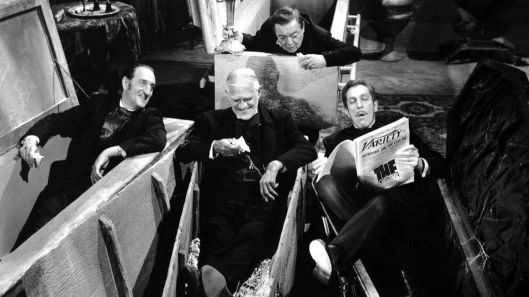
An all-star cast including Vincent Price, Peter Lorre, and Boris Karloff hams it up in this macabre farce about a failing undertaker who resorts to murder to boost business. While the comedy is a mixed bag, there’s a ghoulish charm and high production value that keeps it watchable. A fitting farewell for Tourneur’s horror career, though more chuckle than chill.
#59. Captain Clegg (1962, dir. Peter Graham Scott) ★★★
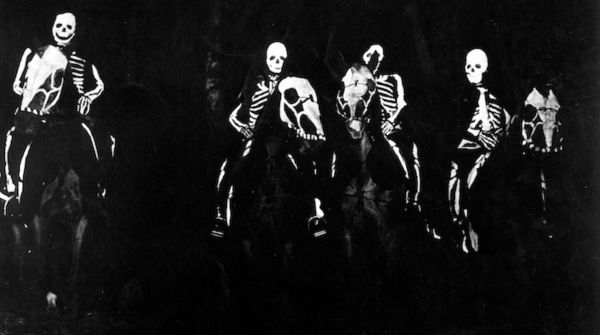
Hammer Horror goes high-seas with this smugglers-and-skeletons yarn starring Peter Cushing. It’s not pure horror in the traditional sense, but its ghostly marsh phantoms and gothic aesthetics earn it a place here. A rousing period piece with a horror-adjacent vibe.
#58. The Mask (1961, dir. Julian Roffman) ★★★
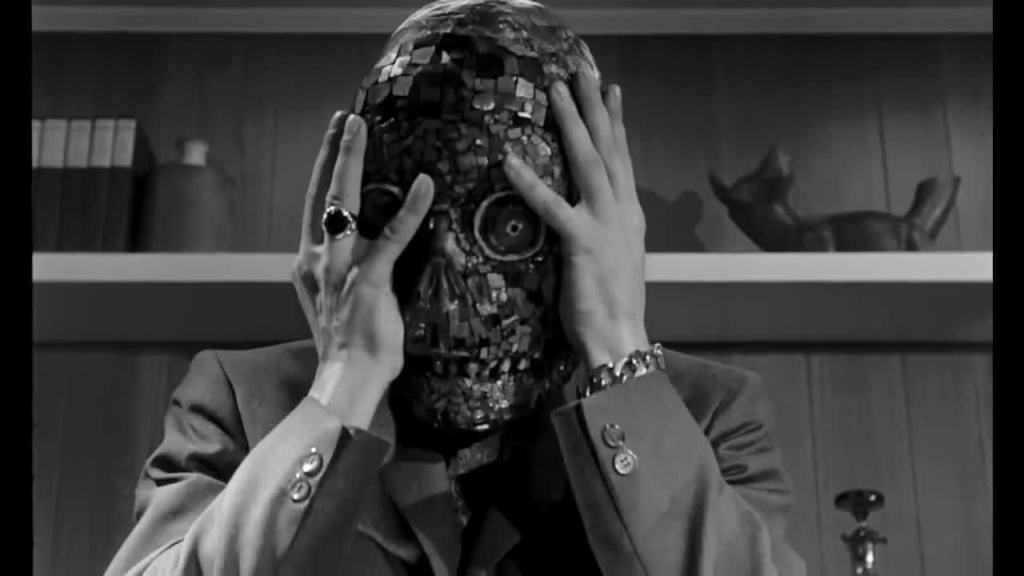
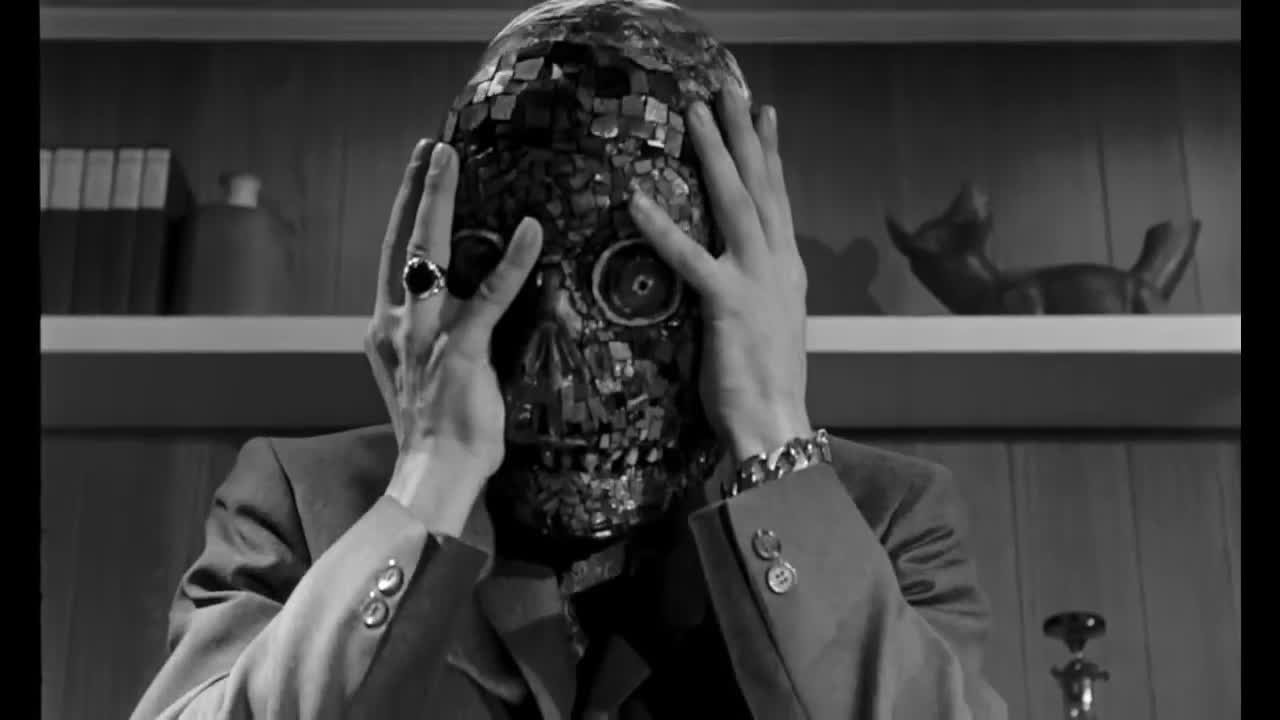
Canada’s first 3D horror film makes its mark with surreal sequences that still hold a hypnotic power. A psychiatrist receives a mysterious mask that unleashes violent hallucinations. Outside the trippy dreamscapes, it drags, but the psychedelic ambition can’t be denied.
#57. The Two Faces of Dr. Jekyll (1960, dir. Terence Fisher) ★★★
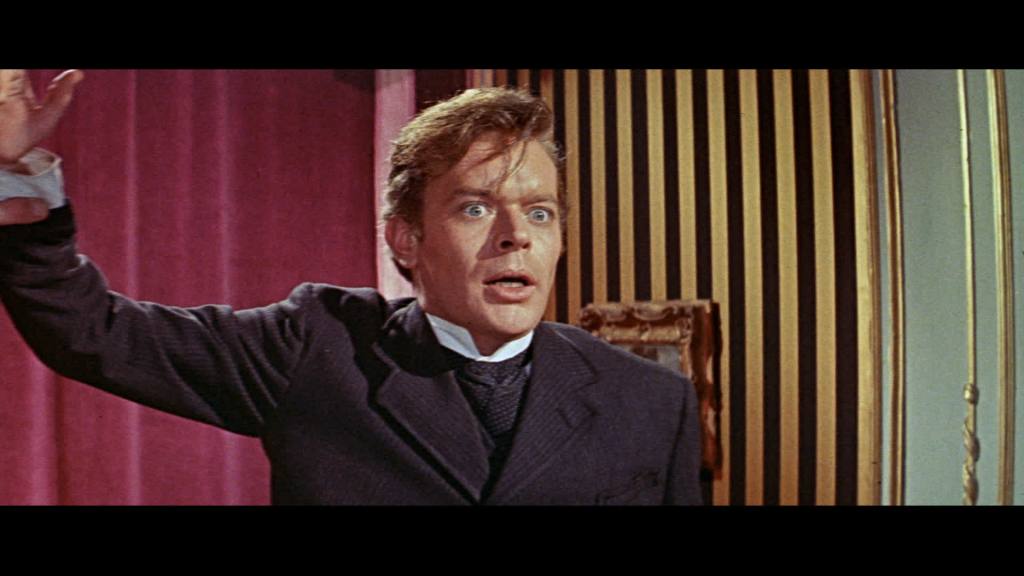
Hammer flips the Hyde trope with a dashing, seductive monster and a tortured, bearded Jekyll. It’s a visually lush and bold take, though some melodramatic moments feel dated. Paul Massie’s dual performance divides audiences, but Christopher Lee provides solid menace in support.
#56. The Premature Burial (1962, dir. Roger Corman) ★★★
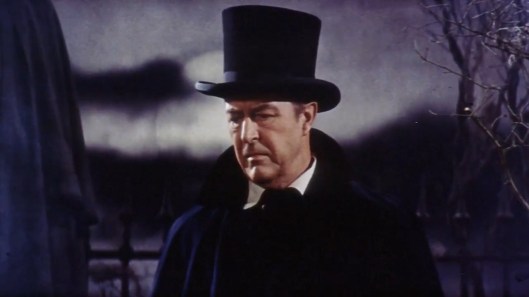
Ray Milland fills in for Price in this Poe adaptation about a man obsessed with being buried alive. Corman brings gothic flair, but this entry lacks the spark of the other AIP-Poe films. Still, Milland sells the existential dread with grim conviction.
#55. The Ghost (1963, dir. Riccardo Freda) ★★★
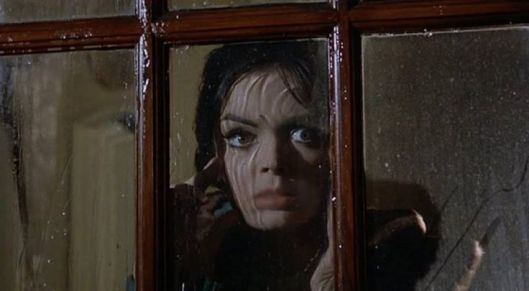
Barbara Steele commands the screen in this moody Italian chiller. A spiritual sequel to “The Horrible Dr. Hichcock,” it brings a fog-laced atmosphere, betrayal, and revenant revenge. Not as sharp as Bava or Margheriti, but full of grim style.
#54. The Tell-Tale Heart (1960, dir. Ernest Morris) ★★★

This British adaptation strips Poe’s tale down to its paranoid bones. Laurence Payne plays the guilt-ridden lodger unraveling under pressure. Shot with restraint and earnest intent, it lacks punch but offers a solid psychological slow burn.
#53. The Awful Dr. Orloff (1962, dir. Jess Franco) ★★★
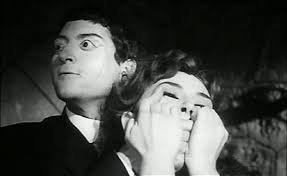
Jess Franco makes his mark with this eerie, low-budget homage to “Eyes Without a Face.” Mad science, silent killers, and nightclub sleaze merge into a dreamlike noir-horror hybrid. The first of many Orloffs, this one remains unsettlingly poetic.
#52. The Cabinet of Caligari (1962, dir. Roger Kay) ★★★
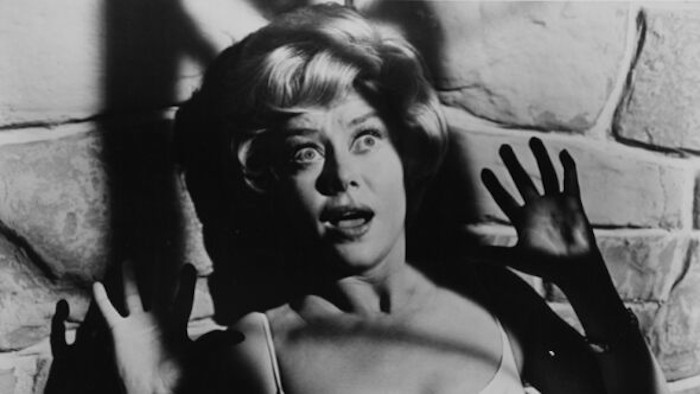
A loose reinterpretation of the silent classic, this psychological thriller leans into twisty mind games and Freudian horror. Though not as expressionistic as its namesake, it taps into themes of control and identity with an eerie undercurrent.
#51. House of Usher (1960, dir. Roger Corman) ★★★

The first and arguably most iconic of Corman’s Poe cycle, with Vincent Price haunting the screen as Roderick Usher. Lavish sets, vivid colours, and doom-laden dialogue make for a melodramatic treat. A blueprint for American Gothic horror of the decade.
Stay tuned for Part 2 (#50–41) as we dive deeper into the dread-soaked shadows of the 1960s—from haunted villages to feline phantoms and the rise of psychological fear in international cinema.
 Surgeons of Horror