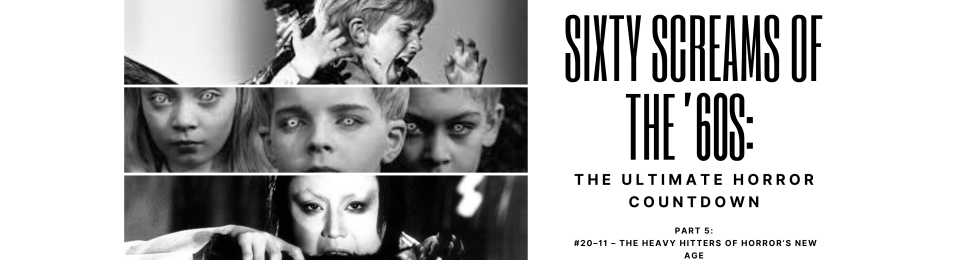
Part 5: #20–11 – The Heavy Hitters of Horror’s New Age
#20. Jigoku (1960, dir. Nobuo Nakagawa) ★★★★
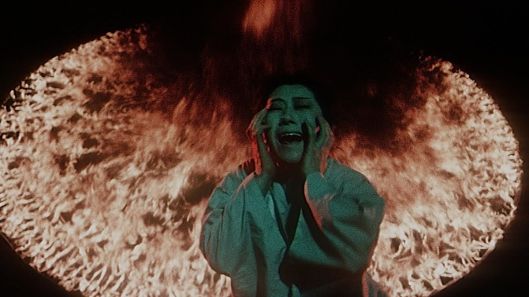
A psychedelic descent into Buddhist hell, Jigoku is unlike anything else made during the early 1960s. Nakagawa’s daring vision of the afterlife—complete with lakes of blood, boiling pits, and nightmarish retribution—remains one of cinema’s most unsettling portrayals of spiritual torment. The first half plays like a tragic morality tale, but the second erupts into avant-garde terror, with tortured souls spinning in eternal damnation.
Though initially dismissed upon release, Jigoku has gained cult status over the years, its visceral visuals and theological weight inspiring later Japanese horror auteurs. It’s more than just a horror film—it’s a surreal morality play that punishes its characters with unapologetic cruelty. Brutally beautiful and philosophically rich, it continues to unsettle audiences with its stark warning: all sins are accounted for in the end.
#19. Village of the Damned (1960, dir. Wolf Rilla) ★★★★

Quiet, chilling, and methodical, Village of the Damned is a landmark in British sci-fi horror. When the entire population of a small village blacks out for several hours, the mystery deepens as all the women wake to find themselves pregnant. The resulting children—blonde-haired, glowing-eyed telepaths—exude menace even in silence. Based on John Wyndham’s novel The Midwich Cuckoos, the film smartly balances science fiction with primal unease.
Wolf Rilla’s restraint in direction enhances the film’s creeping dread. The horror isn’t in violent spectacle, but in the cold detachment of the children and the quiet unraveling of societal norms. The concept of invasion from within—through the family unit, no less—remains a potent fear. It’s a landmark in “rational horror,” where the enemy is emotionless, inscrutable, and terrifyingly close to home.
#18. Black Sunday (1960, dir. Mario Bava) ★★★★
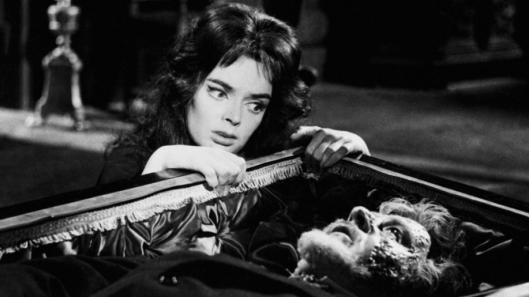
Mario Bava’s directorial debut is a baroque masterwork that ushered in a new era of Italian horror. With gothic castles, cursed bloodlines, and eerie iconography, Black Sunday made a horror icon out of Barbara Steele, who plays both the vengeful witch Asa and her innocent descendant. The film’s opening—featuring a spiked iron mask being hammered onto a face—is still shocking in its brutality.
More than its gothic trappings, it’s Bava’s visual flair that defines Black Sunday. His use of light and shadow, inventive camera work, and atmosphere over gore would shape the Italian horror genre for decades. A beautiful, bleak fairytale with a vicious edge, it’s as elegant as it is gruesome. Steele’s haunting presence, paired with Bava’s artistry, makes this a cornerstone of European horror.
#17. Eyes Without a Face (1960, dir. Georges Franju) ★★★★
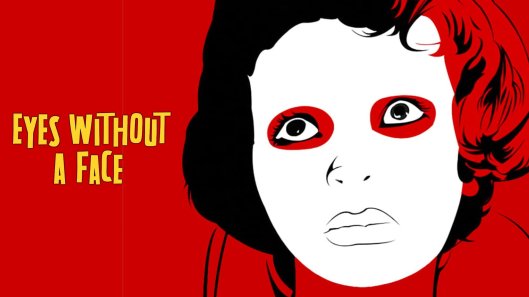
A haunting blend of poetic melancholy and surgical horror, Franju’s Eyes Without a Face tells the story of a brilliant but deranged doctor who attempts to restore his daughter’s disfigured face by abducting women and removing theirs. What could have been pure exploitation is elevated by Franju’s sensitivity and surrealism. Edith Scob’s porcelain mask remains one of cinema’s most tragic and iconic images.
The film balances horror and humanity with elegance, exploring themes of identity, obsession, and the destructive nature of love. Its infamous face-removal scene remains disturbing even today—not for gore, but for its clinical, almost reverent tone. Eyes Without a Face is a poetic nightmare, and one of the most emotionally resonant horror films of its time.
#16. The Whip and the Body (1963, dir. Mario Bava) ★★★★
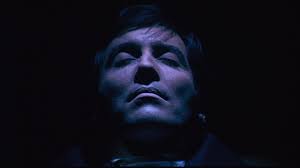
Bava returns to the countdown with this sadomasochistic gothic melodrama starring Christopher Lee as a cruel nobleman whose spirit returns to torment the castle after his death. Equal parts ghost story and psychological drama, the film plays with repression, eroticism, and punishment in ways that shocked 1960s audiences. Lee’s character is never fully seen as ghost or memory, adding to the film’s ambiguous spell.
What makes The Whip and the Body stand out is Bava’s use of colour and atmosphere—bold purples, greens, and reds dominate the shadowy castle corridors, creating an almost operatic visual language. The story may be thin, but the tone is thick with dread and desire. It’s a sensual, eerie experience where the line between love and torment becomes disturbingly blurred.
#15. The Birds (1963, dir. Alfred Hitchcock) ★★★★
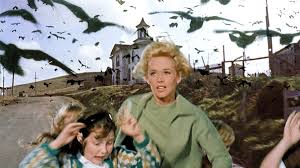
Hitchcock’s avian apocalypse might lack a musical score, but it more than makes up for it in primal tension and conceptual horror. When birds begin attacking people without warning or reason, a seaside town spirals into chaos. Tippi Hedren gives a strong performance in her debut, but it’s the escalating terror and eerie sound design that leave the deepest scars.
More ambiguous than Psycho, The Birds presents nature itself as an inexplicable force of retribution. Hitchcock carefully builds dread with long silences and sudden attacks, keeping audiences on edge. The lack of resolution or motive enhances the sense of unease. It’s one of the first eco-horrors and a masterclass in psychological tension—and remains as unpredictable as the creatures it features.
#14. Witchfinder General (1968, dir. Michael Reeves) ★★★★
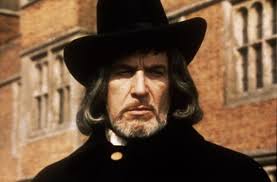
Grim, nihilistic, and shockingly violent for its time, Witchfinder General follows Vincent Price as the real-life Matthew Hopkins, a corrupt 17th-century witch hunter who exploits superstition for power. Price trades his usual theatricality for a chillingly restrained performance, and director Michael Reeves captures the cruelty of mob justice with unflinching realism.
This film marked a shift in horror toward historical savagery and moral ambiguity. There’s no supernatural force—just human evil, greed, and fear. The violence feels grounded and brutal, heightened by a sense of inevitability. Tragically, it was Reeves’ final film, but what a legacy to leave behind. Witchfinder General is a blistering indictment of hysteria, and one of Price’s most unsettling roles.
#13. Kwaidan (1964, dir. Masaki Kobayashi) ★★★★
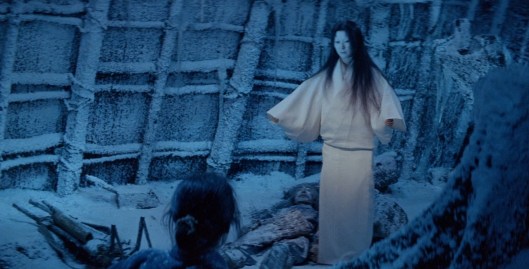
A gorgeous anthology of ghost stories drawn from Japanese folklore, Kwaidan is as much an art piece as a horror film. Each of the four tales is steeped in elegant visuals, elaborate sets, and stylised storytelling. The supernatural elements are restrained but emotionally potent—spectres that echo sorrow more than screams.
Kobayashi’s deliberate pacing and painterly composition make Kwaidan a hypnotic experience. From snow spirits to haunted manuscripts, the film meditates on death, longing, and betrayal with eerie calm. A visual triumph, it brought Japanese horror into international acclaim and remains a benchmark for atmospheric storytelling.
#12. Hour of the Wolf (1968, dir. Ingmar Bergman) ★★★★

Ingmar Bergman’s only official horror film, Hour of the Wolf is a psychological descent into madness. Max von Sydow plays a troubled artist tormented by guilt, hallucinations, and the predatory elites who may or may not be figments of his crumbling mind. Shot in stark black and white, it’s a fever dream of paranoia, repression, and artistic anguish.
Bergman uses horror tropes—creeping shadows, grotesque partygoers, and violent visions—not for thrills, but as metaphors for spiritual crisis. Hour of the Wolf is suffocatingly introspective, peeling back layers of the human psyche with razor-sharp precision. It’s disturbing not because of what’s shown, but because of what lurks in the margins—an existential nightmare dressed as art cinema.
#11. Kuroneko (1968, dir. Kaneto Shindō) ★★★★
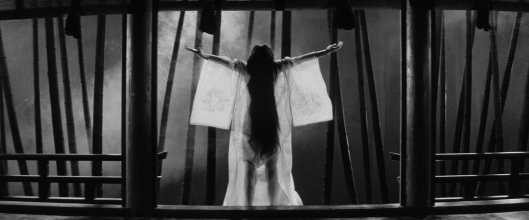
Ghostly and poetic, Kuroneko tells of two women killed by samurai, who return as cat spirits to seduce and destroy men. Set in a moonlit world of rice fields and ruined mansions, it’s an elegiac tale of vengeance and longing, steeped in noh theatre and Japanese mythology.
Shindō crafts a haunting atmosphere, where every whisper of wind or shadow on a screen feels deliberate. The film explores the cost of violence and the fragility of love in the face of betrayal. Both tender and terrifying, Kuroneko is a beautiful ghost story that transcends the genre—haunting in every sense.
The Top 10 Sixty Screams of the ’60s
- Saul Muerte
 Surgeons of Horror