Part 4: #30–21 – Madness, Demons, and Psychological Dread
#30. Frankenstein Must Be Destroyed (1969, dir. Terence Fisher) ★★★½
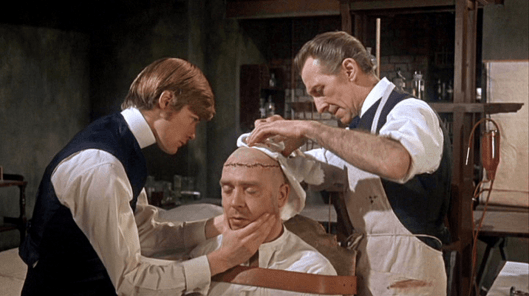
Arguably Hammer’s darkest Frankenstein entry, this time Peter Cushing’s Baron is more villain than anti-hero, orchestrating blackmail, body-snatching, and worse. Fisher brings a chilly intensity, and the film’s cold-blooded tone marks a grim evolution in the studio’s legacy. It’s intelligent, brutal, and emotionally bleak.
#29. Horrors of Malformed Men (1969, dir. Teruo Ishii) ★★★½
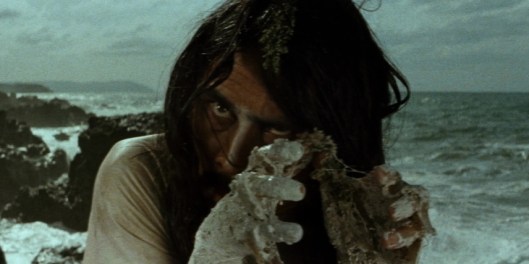
A nightmarish swirl of Edogawa Rampo adaptations and Ishii’s unique perversity, this Japanese cult classic was banned for decades. Full of surreal grotesquerie, body horror, and identity confusion, it’s a fever dream drenched in taboo. Not for the faint-hearted, but a fascinating genre provocation.
#28. Dracula: Prince of Darkness (1966, dir. Terence Fisher) ★★★½
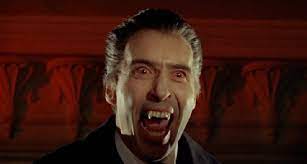
Christopher Lee returns (wordless, no less) in this elegant continuation of Hammer’s Dracula mythos. While the pacing is deliberate, the imagery is stunning, and Lee’s physical performance makes Dracula all the more monstrous. An important sequel that cemented the Count’s terrifying legacy.
#27. The Devil Rides Out (1968, dir. Terence Fisher) ★★★½
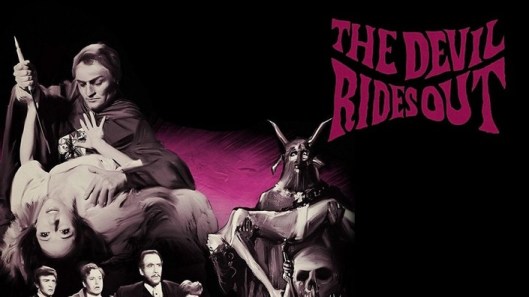
Hammer’s finest foray into Satanic horror, led by a commanding Christopher Lee performance as the heroic Duc de Richleau. Black masses, possession, and a tense battle of good vs. evil play out in bold, colourful fashion. Elevated by Richard Matheson’s script and Lee’s conviction.
#26. Viy (1967, dir. Konstantin Ershov & Georgi Kropachyov) ★★★½
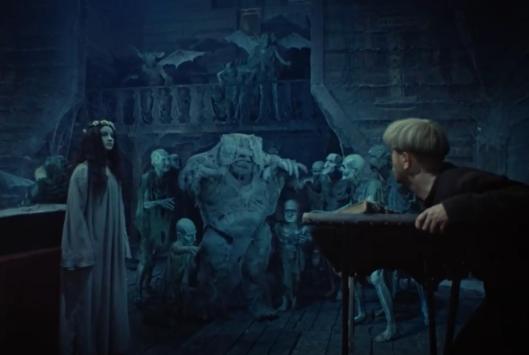
The first Soviet-era horror film, Viy is a folk tale brought to glorious life. A seminary student must spend three nights in a chapel with a witch’s corpse, leading to unforgettable supernatural chaos. Innovative effects and bizarre imagery make this a true one-of-a-kind.
#25. Goke, Body Snatcher From Hell (1968, dir. Hajime Satô) ★★★½
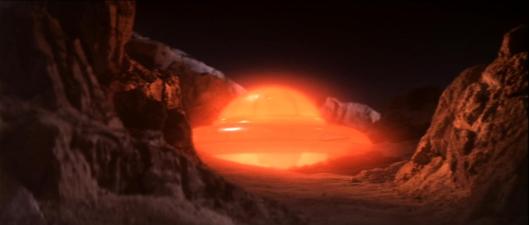
Aliens, gore, and political subtext crash-land in this wild Japanese sci-fi horror hybrid. A hijacked plane, a crashed UFO, and gooey body possession form the backbone of a sharp, cynical allegory about humanity’s self-destruction. Vivid, vicious, and wonderfully unhinged.
#24. Tales of Terror (1962, dir. Roger Corman) ★★★★
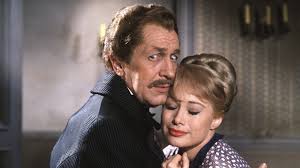
Three Poe tales, three Price performances. From the lugubrious “Morella” to the boozy brilliance of “The Black Cat,” this anthology shows Corman and Price at their most playful. Peter Lorre steals the middle segment, but the whole film is stylish, macabre fun.
#23. The Pit and the Pendulum (1961, dir. Roger Corman) ★★★★
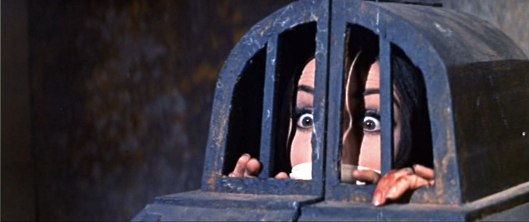
One of Corman’s finest. Vincent Price gives a tormented turn as a man unraveling in a Spanish castle haunted by murder and legacy. Lavish set design, expressionistic visuals, and a killer twist ending mark this as a highlight of the AIP-Poe cycle.
#22. Strait-Jacket (1964, dir. William Castle) ★★★★
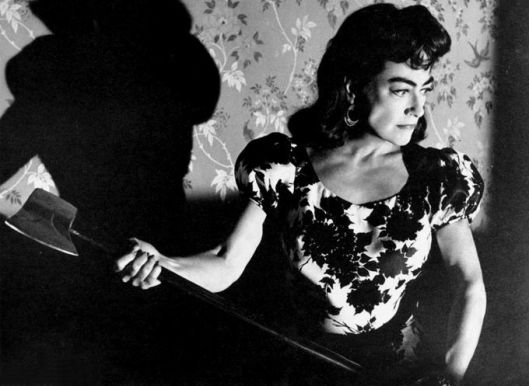
Joan Crawford wields an axe in this deliciously over-the-top slasher prototype. Playing with themes of madness, motherhood, and misdirection, Castle delivers more than gimmicks here. Crawford’s performance is both unhinged and heartbreaking—a camp classic with surprising depth.
#21. Eye of the Devil (1966, dir. J. Lee Thompson) ★★★★
A deeply strange and haunting occult thriller with an aristocratic chill. Starring Deborah Kerr, David Niven, and a hypnotic Sharon Tate, the film channels folk horror vibes before it was fashionable. Mysterious rituals and fatalism make this a forgotten gem worth resurrecting.
Part 5: #20–11 – The Heavy Hitters of Horror’s New Age coming soon.
- Saul Muerte
 Surgeons of Horror