
Haunted Villages, Ghost Cats, and Supernatural Schemes
With entries #50 to #41, we move deeper into international territory and find horror leaning into psychological dread, tragic spirits, and doomed villages. From Korea to Italy and Japan to the American heartland, the genre flexes new muscles as it breaks further from its gothic roots.
#50. Diary of a Madman (1963, dir. Reginald Le Borg) ★★★
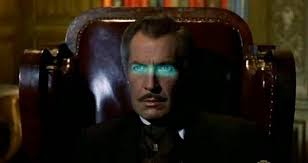
Vincent Price headlines this adaptation of a lesser-known Guy de Maupassant tale. Possessed by a malevolent invisible entity, Price delivers delicious monologues while descending into madness. Though it never reaches the heights of his Poe roles, it’s an eerie morality tale worth rediscovering.
#49. The Ghost Cat of Otama Pond (1960, dir. Yoshihiro Ishikawa) ★★★
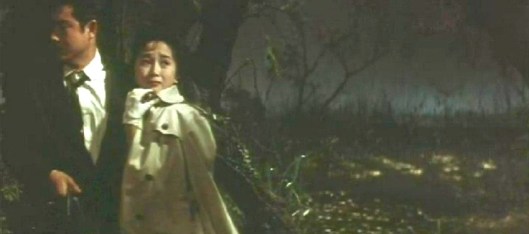
A fine example of Japan’s kaibyō eiga (ghost cat) subgenre, this film blends folktale with supernatural horror as a feline spirit exacts vengeance from beyond the grave. Eerie, painterly visuals and a chilling atmosphere elevate a haunting revenge story.
#48. Kiss of the Vampire (1963, dir. Don Sharp) ★★★
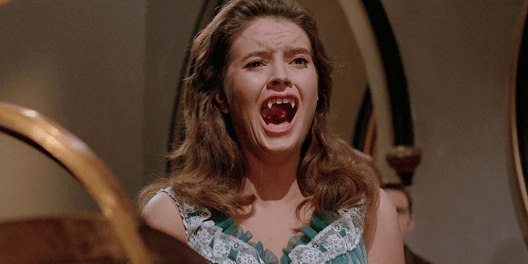
Hammer tried something a little different with this Dracula-adjacent tale, absent of Cushing and Lee but enriched with occult elements, eerie visuals, and a batty finale. Australian director Don Sharp lends a confident hand, offering a vampiric tale both eerie and off-kilter.
#47. The Phantom of the Opera (1962, dir. Terence Fisher) ★★★
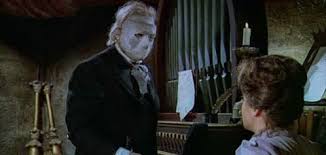
Hammer’s take on Leroux’s classic replaces horror with pathos, casting Herbert Lom as a sympathetic Phantom. Visually impressive with strong performances, but it lacks the menace of its Universal predecessor. Still, a noteworthy variation on a familiar tragedy.
#46. The Horrible Dr. Hichcock (1962, dir. Riccardo Freda) ★★★
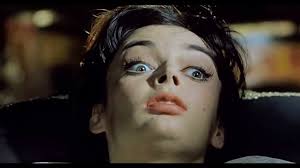
A controversial and stylish piece of Italian gothic horror featuring necrophilia, fog-drenched corridors, and morbid obsession. Barbara Steele is riveting as always, while Freda crafts an atmosphere of inescapable decay. More perverse than terrifying, but unforgettable.
#45. The Housemaid (1960, dir. Kim Ki-young) ★★★
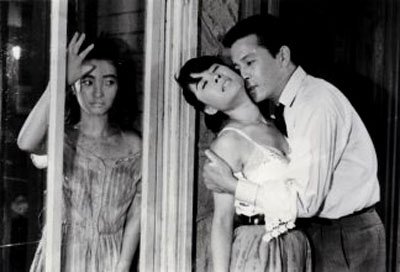
A proto-psychological thriller from South Korea that slides from domestic drama into full-blown horror. A manipulative housemaid destabilizes a middle-class household in a tale of infidelity, class, and control. Tense, tragic, and way ahead of its time.
#44. Spirits of the Dead (1968, dirs. Vadim, Malle, Fellini) ★★★½
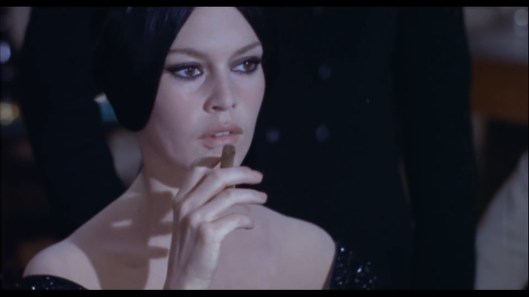
A lavish Poe anthology boasting segments from three European auteurs. Jane Fonda stuns in Vadim’s “Metzengerstein,” Malle brings eerie tension in “William Wilson,” but it’s Fellini’s phantasmagoric “Toby Dammit” that steals the show. A decadent, surreal trip.
#43. Mill of the Stone Women (1960, dir. Giorgio Ferroni) ★★★½
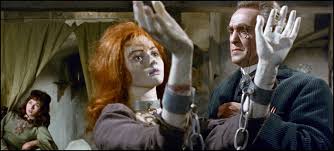
Italy’s answer to Hammer’s gothic boom. A mysterious sculptor uses a creepy windmill and his statuesque creations to cover a darker secret. Gorgeously shot and dripping with atmosphere, it’s a Euro-horror delight that deserves more love.
#42. Night of the Eagle (1962, dir. Sidney Hayers) ★★★½
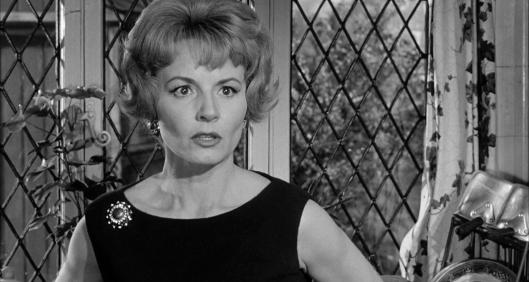
Also known as Burn, Witch, Burn!, this British occult thriller follows a rational professor who discovers his wife is secretly using magic to protect him. Smartly written with creeping suspense and a strong anti-rationalist message. Low on gore, high on tension.
#41. The City of the Dead (1960, dir. John Llewellyn Moxey) ★★★½
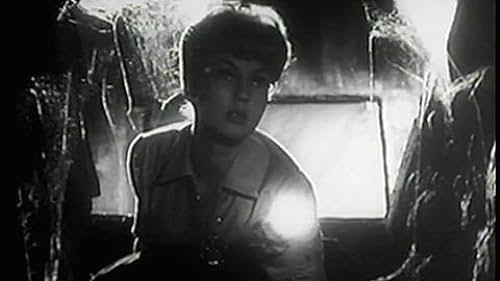
An atmospheric gem often overshadowed by bigger titles. Christopher Lee lures a student into a New England town still ruled by witches. Fog, cobblestone, and stark monochrome make for a chilling morality tale steeped in black magic.
 Surgeons of Horror
Pingback: The Phantom’s Legacy: Adapting Gaston Leroux for the Silent Screen | Surgeons of Horror