John Fawcett’s Ginger Snaps didn’t just scratch the surface of werewolf mythology—it tore it open with claws bared and blood pumping. Released in 2000, this Canadian cult classic has only grown more potent with age, remaining one of the most subversive and emotionally intelligent horror films of its era. On its 25th anniversary, it stands as a feral, feminist reimagining of the werewolf tale—one that howls with rage, fear, and liberation.
Set in the eerily sterile suburb of Bailey Downs, the film follows death-obsessed sisters Ginger and Brigitte Fitzgerald (played ferociously by Katharine Isabelle and Emily Perkins), whose bond is as intense as it is co-dependent. Their world fractures when Ginger is attacked by a lycanthropic creature the very night she gets her first period. Suddenly, the dreaded “curse” of womanhood becomes something monstrous—literally.
The brilliance of Ginger Snaps lies in how it treats this transformation not just as a horror trope, but as an allegory for puberty, burgeoning sexuality, and the loss of control over one’s body. It’s body horror with a purpose. Rather than using menstruation as a throwaway symbol, the film makes it central to the werewolf metaphor, equating monthly cycles with cycles of aggression, lust, and emotional volatility. In doing so, Ginger Snaps flips the male-dominated script of traditional lycanthropy and centres it around the female experience—raw, honest, and terrifying.
Fawcett and screenwriter Karen Walton crafted something rare: a genre film that respects the complexity of girlhood. There’s no glossing over the grotesque. Ginger’s transformation isn’t romanticised—it’s sticky, hormonal, confusing, and violent. Yet the emotional core never slips away, thanks to the powerhouse pairing of Isabelle and Perkins. Isabelle gives Ginger a defiant sexual energy laced with danger, while Perkins plays Brigitte with quiet resolve, watching her sister spiral into predatory chaos. Their dynamic anchors the film even as it spirals into full-on carnage.
What also sets Ginger Snaps apart is its refusal to give easy answers. Brigitte’s desperate attempts to “cure” Ginger—through science, through loyalty, through love—reflect the painful reality of growing apart, of watching someone you care about become a version of themselves you no longer recognise. The climax isn’t just about killing the beast—it’s about letting go.
In the decades since its release, Ginger Snaps has rightfully earned a reputation as a trailblazing entry in horror cinema. It paved the way for more female-led and body-conscious genre films like Teeth, Raw, and Jennifer’s Body. But few have matched its emotional intelligence, wicked sense of humour, or unflinching approach to the terrors of adolescence.
The Prognosis:
25 years on, Ginger Snaps is still snarling, still bleeding, and still refusing to conform. And thank God for that.
Roger Corman’s original The Wasp Woman (1959) was never a masterpiece, but it had the scrappy charm of classic B-horror: a cautionary tale about vanity, science gone wrong, and insectoid terror delivered with modest ambition and low-budget flair. In contrast, Jim Wynorski’s 1995 remake loses almost all of that charm in its attempt to modernise the story—with more gore, more sleaze, and far less soul.
The story remains essentially the same: Janice Starlin, the head of a struggling cosmetics company, turns to experimental science in a desperate bid to reclaim her youth. This time, though, queen wasp enzymes are the miracle solution—and, inevitably, the curse. The difference lies in the execution. Where the original offered a blend of camp and caution, this remake leans into exploitation and cliché, trading subtext for skin and suspense for schlock.
Jennifer Rubin, known for her work in A Nightmare on Elm Street 3: Dream Warriors, does her best with the material. Her presence adds a certain credibility to a film that otherwise doesn’t earn it. Rubin is no stranger to genre work, and she brings an edge to Janice that hints at deeper conflict—aging, ambition, power—but the script barely lets her explore it before she’s buried under prosthetics and one-liners. It’s a waste of a talented actress who once embodied one of the most memorable “final girls” of the late ’80s.
Jim Wynorski, a veteran of low-budget exploitation fare, directs with his usual blend of tongue-in-cheek irreverence and no-frills staging. But here, the tone is muddled. Is it trying to be scary? Sexy? Satirical? The result feels more like a late-night cable filler than a worthy homage or meaningful reinvention. The practical effects are forgettable, the kills are uninspired, and the transformation sequences lack the grotesque creativity that could have elevated the film’s creature-feature potential.
The Prognosis:
The Wasp Woman (1995) squanders its B-movie legacy in favour of shallow thrills and thin plotting. Jennifer Rubin deserved better. So did the wasp.
The Skeleton Key is a film that promises a lot with its premise but struggles under the weight of its own molasses-thick mood. Set against the dripping, decaying backdrop of a Louisiana bayou mansion, it’s a Southern Gothic with all the right ingredients: hoodoo folklore, a sprawling plantation with secrets behind every door, and a protagonist slowly unraveling a mystery that’s bigger than she realises. And yet, despite that, the result feels strangely flat—more a whisper than a scream.
Kate Hudson, coming off the high of Almost Famous, takes a sharp turn into serious horror territory as Caroline, a hospice nurse who takes a job caring for an elderly man in a crumbling estate just outside New Orleans. While the role may seem like a bid for dramatic reinvention, she holds her own, maintaining a grounded presence even as the film dips into increasingly supernatural waters. It’s a far cry from her usual rom-com terrain, and while the script doesn’t give her much emotional range to explore, she carries the material with competence. Peter Sarsgaard and Gena Rowlands offer solid support, though both feel like they’re keeping one eye on the script and the other on the exit.
Visually, the film does the heavy lifting. The cinematography leans hard into shadowy corridors, candlelit rituals, and waterlogged tension. Director Iain Softley succeeds in conjuring a sense of dread, but he doesn’t quite know what to do with it. The pacing is painfully slow, dragging through the second act like it’s knee-deep in swamp water. When the final twist comes—an admittedly gutsy one—it’s more of a surprise than a payoff, and by then, the viewer’s attention may have already wandered.
There’s an intriguing idea buried in The Skeleton Key—about belief as a form of power, and the lingering rot of American racial and spiritual history—but it never quite rises above its aesthetic. The film wants to be smart horror, but it lacks the narrative snap to match its atmospheric bite.
The Prognosis:
The Skeleton Key is a moody, fog-drenched thriller that starts strong but never shakes off its torpor. Hudson gives it her best, but the film gets lost in its own slow-boiled murk.
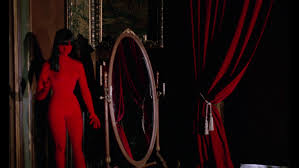
With Blood and Black Lace, Mario Bava didn’t just craft a stylish horror film—he laid the foundation for the giallo genre and, by extension, the slasher films that would dominate decades later. The plot revolves around a masked killer targeting models at a high-end fashion house, but the real star is Bava’s camera. He bathes every murder in lush colour, surreal lighting, and baroque composition.
Beyond the violence, the film is a commentary on beauty, vanity, and objectification. It’s cold, glamorous, and entirely modern in tone. Bava strips away gothic frills and dives into something sleeker, bloodier, and more psychologically perverse. Its influence echoes in Argento, De Palma, and even Carpenter. As a blueprint for modern horror aesthetics, it’s utterly essential.
Roman Polanski’s first Hollywood outing became a defining film of 1960s horror. Rosemary’s Baby is not just a satanic thriller—it’s a chilling portrayal of gaslighting, bodily autonomy, and the terror of maternity. Mia Farrow delivers a painfully vulnerable performance as Rosemary, who suspects her neighbours—and even her husband—of plotting to steal her unborn child.
The genius of Polanski’s direction lies in restraint. There are no jump scares, no overt monsters—just a creeping, invisible dread that builds as Rosemary’s reality collapses. Its depiction of conspiracy, control, and isolation remains just as terrifying in the modern age. Few horror films have captured such a profound sense of helplessness with such elegance.
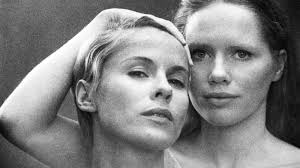
While not a traditional horror film, Persona is one of the most disturbing explorations of identity, psychology, and emotional vampirism ever committed to screen. Bergman strips narrative to the bone, presenting a surreal, hypnotic story of a nurse and her mute patient whose identities begin to merge. Liv Ullmann and Bibi Andersson give performances of staggering depth and intensity.
The film bleeds horror through its stark visuals, experimental editing, and lingering dread. Persona is like a cinematic séance—haunting, elusive, and emotionally violent. It’s no surprise that directors like Lynch, Cronenberg, and Aronofsky count it as a key influence. It’s the horror of the self, the horror of losing who you are, and it still rattles cages today.
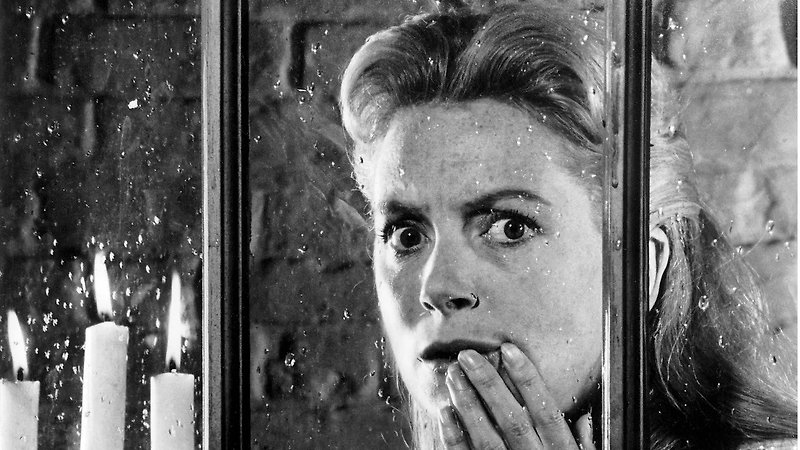
Adapted from Henry James’ The Turn of the Screw, this elegantly executed ghost story remains one of the finest supernatural horror films ever made. Deborah Kerr plays a governess convinced that two children are being haunted—or are possibly possessed. Clayton’s direction is measured, deliberate, and psychologically loaded, and Freddie Francis’s cinematography is nothing short of sublime.
What makes The Innocents so powerful is its ambiguity. Are the ghosts real, or is it all in her mind? Kerr’s unraveling sanity, paired with the children’s eerie innocence, casts a spell of psychological dread. Every frame is composed like a nightmare you’re not sure you’ve woken from. This is gothic horror at its most refined.
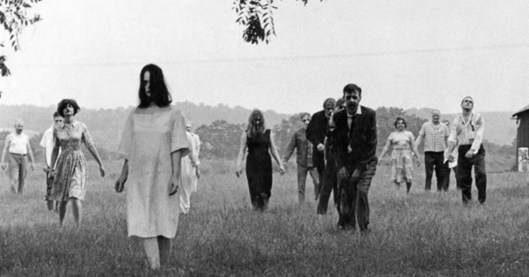
George A. Romero’s indie breakthrough redefined the horror landscape. Shot on a shoestring budget, Night of the Living Dead introduced the modern zombie and a new kind of horror—raw, political, and relentlessly bleak. A group of strangers barricade themselves in a farmhouse while the dead rise outside, but it’s the human conflict inside that proves even more devastating.
Beyond the gore and terror, Romero injected biting social commentary, particularly with the casting of Duane Jones as the pragmatic, heroic lead—a revolutionary choice in 1968. The ending remains one of the most shocking and cynical conclusions in film history. Romero didn’t just invent the zombie genre—he made horror dangerous again.
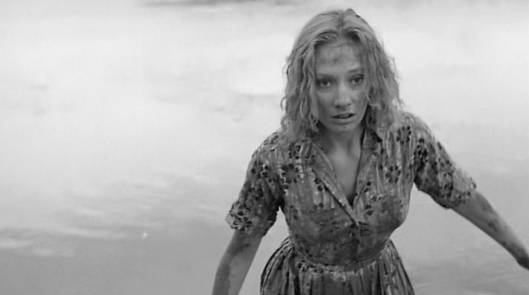
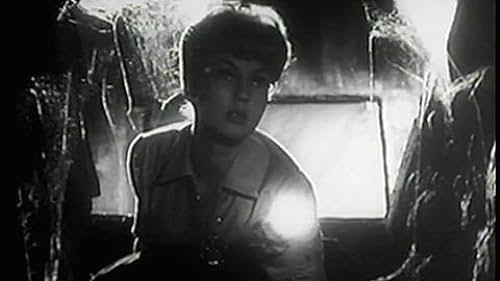
Made on a meager budget by industrial filmmaker Herk Harvey, Carnival of Souls is a haunting, otherworldly descent into liminality and isolation. Candace Hilligoss plays Mary, a church organist who survives a car crash but begins to experience eerie visions and finds herself drawn to a decaying carnival pavilion. There’s something deeply off about everything, and that’s precisely the point.
The film exudes a dreamlike dread, feeling closer to a waking nightmare than traditional narrative cinema. Its grainy aesthetic, ghostly figures, and quiet existential despair place it closer to Eraserhead than any of its contemporaries. Forgotten for years, it’s now recognised as a minimalist masterpiece—an early taste of psychological horror that resonates far beyond its time.
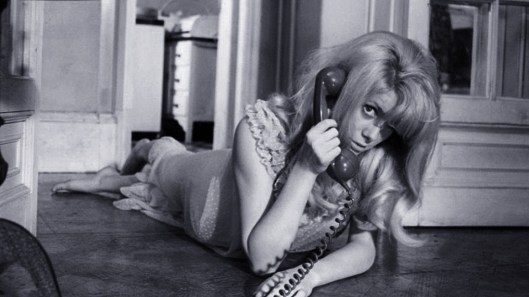
Roman Polanski’s first foray into English-language horror is a claustrophobic, harrowing portrait of mental breakdown. Catherine Deneuve plays Carol, a young woman whose aversion to men—and possibly her own sexuality—manifests in increasingly violent and surreal visions. Alone in her sister’s apartment, her mind begins to fracture, and the walls close in.
Polanski visualises psychosis with expressionistic flair: cracks in the wall pulse, hands emerge from shadows, and time slips into delirium. Repulsion is a deeply personal horror, terrifying because of how intimate it feels. It’s a study of trauma, repression, and psychological collapse, with Deneuve delivering a near-silent performance of devastating power.
“The house was born bad.” So begins The Haunting, Robert Wise’s adaptation of Shirley Jackson’s The Haunting of Hill House. A masterclass in suggestive horror, the film avoids special effects in favour of sound design, lighting, and psychological pressure. Julie Harris is unforgettable as Eleanor, a woman unmoored by grief, fear, and the lure of something malevolent within Hill House.
Wise builds tension through whispers, groans, and creeping camera movements, allowing the audience’s imagination to conjure the worst. It’s one of the finest haunted house films ever made—graceful, terrifying, and laced with subtext about repression, desire, and madness. The Haunting proves you don’t need to show horror—you just need to suggest it perfectly.
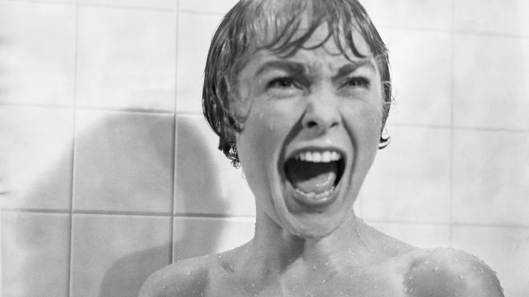
What more can be said about Psycho? With one shower scene, Hitchcock changed the face of horror forever. But the true genius of the film lies in its structure: the heroine dies halfway through, the killer hides in plain sight, and nothing is what it seems. Bernard Herrmann’s score screeches like a knife through the psyche, and Anthony Perkins redefined the horror villain with his portrayal of Norman Bates.
Psycho wasn’t just shocking—it was taboo-breaking, opening the door for horror to become a place for psychological complexity and transgression. It turned horror inward, focusing not on monsters, but on the terrors of the human mind. Its cultural impact is immeasurable, and it remains as nerve-shredding today as it was in 1960.
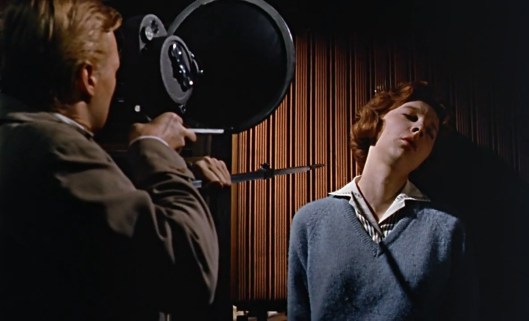
Reviled upon release, Peeping Tom all but ended Michael Powell’s career—but time has revealed it as one of the boldest, most prescient horror films ever made. Carl Boehm plays Mark, a shy cinematographer who murders women with a camera rigged to capture their dying expressions. Powell confronts the audience with the guilt of voyeurism, turning the lens back on us.
Unlike Psycho, Peeping Tom makes us complicit. It asks uncomfortable questions about pleasure, violence, and cinema itself. Ahead of its time in style, theme, and psychology, the film paved the way for meta-horror and slasher films alike. Today, it stands tall not just as a horror classic—but as a cinematic reckoning. Disturbing, elegant, and unflinching, it is the defining scream of the 1960s.
Final Reflection: Shadows That Still Stretch
The 1960s were a decade of dualities. Horror clung to its gothic past while clawing toward a future of psychological disquiet and societal reflection. From the creaky castles of Hammer Horror to the nihilistic farmhouse in Night of the Living Dead, from Bava’s colour-saturated dreams to the stark terror of Repulsion, the genre evolved—sometimes subtly, sometimes violently—into a mirror for modern anxieties.
What’s most striking about revisiting these 60 films is how many of them still resonate. The fears they tap into—madness, loss, alienation, the monstrous unknown—remain timeless. In an era defined by political turbulence, social upheaval, and cultural rebellion, horror responded with a spectrum of expression: macabre wit, international surrealism, philosophical dread, and blood-soaked revolution.
These aren’t just entries on a list. They’re signposts of a genre learning to stretch its limbs, daring to question not just what frightens us, but why. The artistry of Persona, the invention of Carnival of Souls, the moral terror of Peeping Tom—they’ve all left fingerprints on the films that followed.
So whether you’re a long-time horror fan or a curious newcomer, the ’60s are well worth mining. They’re haunted by ghosts, yes—but also by bold ideas, aesthetic daring, and transgressive spirit. The shadows cast by these films still stretch long and deep.
Here’s to sixty screams—and many more still echoing.
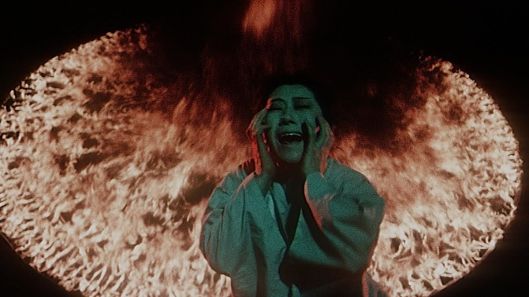
A psychedelic descent into Buddhist hell, Jigoku is unlike anything else made during the early 1960s. Nakagawa’s daring vision of the afterlife—complete with lakes of blood, boiling pits, and nightmarish retribution—remains one of cinema’s most unsettling portrayals of spiritual torment. The first half plays like a tragic morality tale, but the second erupts into avant-garde terror, with tortured souls spinning in eternal damnation.
Though initially dismissed upon release, Jigoku has gained cult status over the years, its visceral visuals and theological weight inspiring later Japanese horror auteurs. It’s more than just a horror film—it’s a surreal morality play that punishes its characters with unapologetic cruelty. Brutally beautiful and philosophically rich, it continues to unsettle audiences with its stark warning: all sins are accounted for in the end.
Quiet, chilling, and methodical, Village of the Damned is a landmark in British sci-fi horror. When the entire population of a small village blacks out for several hours, the mystery deepens as all the women wake to find themselves pregnant. The resulting children—blonde-haired, glowing-eyed telepaths—exude menace even in silence. Based on John Wyndham’s novel The Midwich Cuckoos, the film smartly balances science fiction with primal unease.
Wolf Rilla’s restraint in direction enhances the film’s creeping dread. The horror isn’t in violent spectacle, but in the cold detachment of the children and the quiet unraveling of societal norms. The concept of invasion from within—through the family unit, no less—remains a potent fear. It’s a landmark in “rational horror,” where the enemy is emotionless, inscrutable, and terrifyingly close to home.
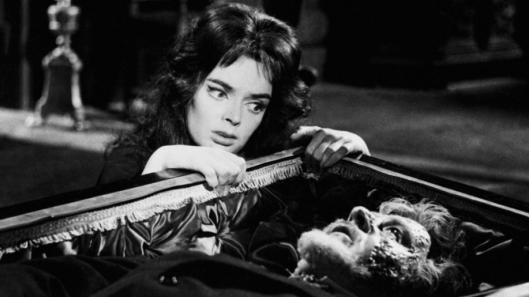
Mario Bava’s directorial debut is a baroque masterwork that ushered in a new era of Italian horror. With gothic castles, cursed bloodlines, and eerie iconography, Black Sunday made a horror icon out of Barbara Steele, who plays both the vengeful witch Asa and her innocent descendant. The film’s opening—featuring a spiked iron mask being hammered onto a face—is still shocking in its brutality.
More than its gothic trappings, it’s Bava’s visual flair that defines Black Sunday. His use of light and shadow, inventive camera work, and atmosphere over gore would shape the Italian horror genre for decades. A beautiful, bleak fairytale with a vicious edge, it’s as elegant as it is gruesome. Steele’s haunting presence, paired with Bava’s artistry, makes this a cornerstone of European horror.
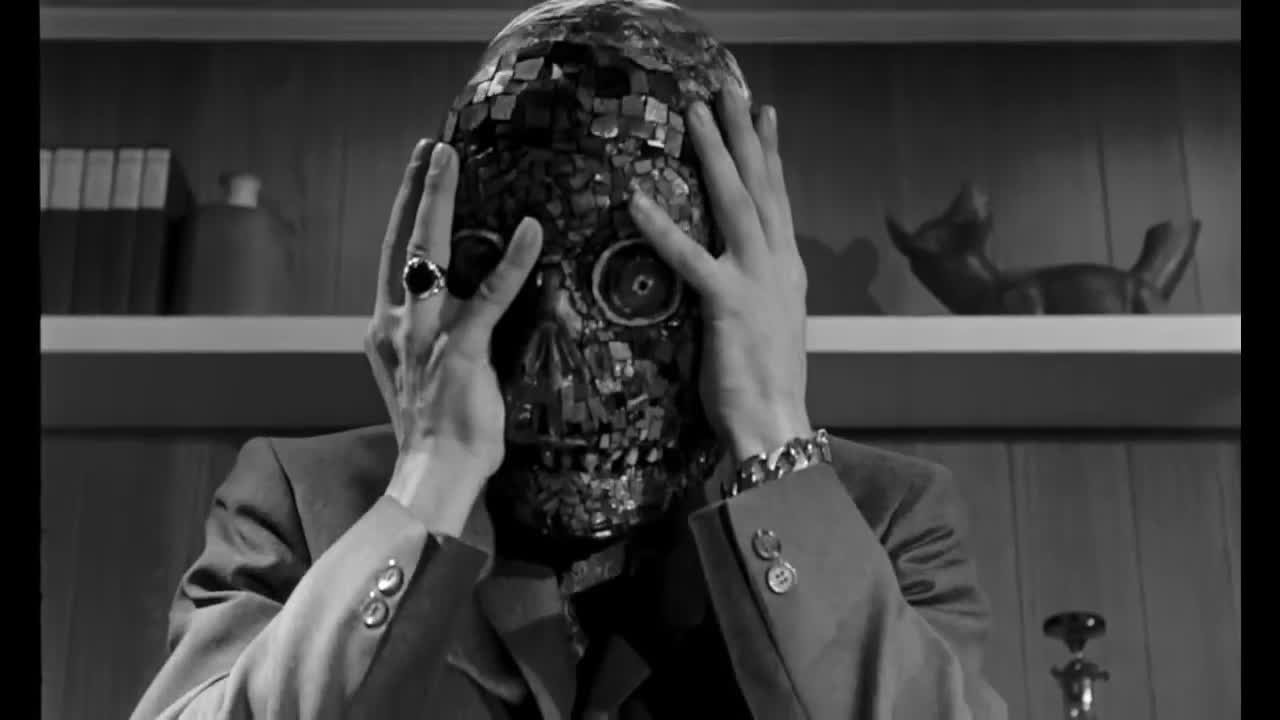
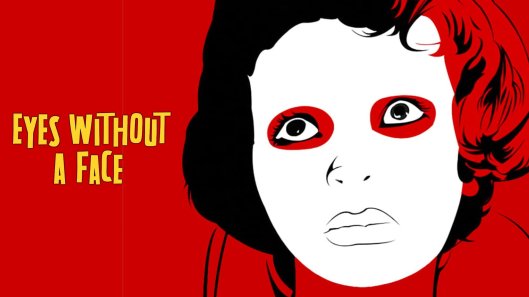
A haunting blend of poetic melancholy and surgical horror, Franju’s Eyes Without a Face tells the story of a brilliant but deranged doctor who attempts to restore his daughter’s disfigured face by abducting women and removing theirs. What could have been pure exploitation is elevated by Franju’s sensitivity and surrealism. Edith Scob’s porcelain mask remains one of cinema’s most tragic and iconic images.
The film balances horror and humanity with elegance, exploring themes of identity, obsession, and the destructive nature of love. Its infamous face-removal scene remains disturbing even today—not for gore, but for its clinical, almost reverent tone. Eyes Without a Face is a poetic nightmare, and one of the most emotionally resonant horror films of its time.
Bava returns to the countdown with this sadomasochistic gothic melodrama starring Christopher Lee as a cruel nobleman whose spirit returns to torment the castle after his death. Equal parts ghost story and psychological drama, the film plays with repression, eroticism, and punishment in ways that shocked 1960s audiences. Lee’s character is never fully seen as ghost or memory, adding to the film’s ambiguous spell.
What makes The Whip and the Body stand out is Bava’s use of colour and atmosphere—bold purples, greens, and reds dominate the shadowy castle corridors, creating an almost operatic visual language. The story may be thin, but the tone is thick with dread and desire. It’s a sensual, eerie experience where the line between love and torment becomes disturbingly blurred.
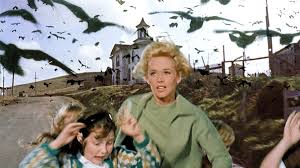
Hitchcock’s avian apocalypse might lack a musical score, but it more than makes up for it in primal tension and conceptual horror. When birds begin attacking people without warning or reason, a seaside town spirals into chaos. Tippi Hedren gives a strong performance in her debut, but it’s the escalating terror and eerie sound design that leave the deepest scars.
More ambiguous than Psycho, The Birds presents nature itself as an inexplicable force of retribution. Hitchcock carefully builds dread with long silences and sudden attacks, keeping audiences on edge. The lack of resolution or motive enhances the sense of unease. It’s one of the first eco-horrors and a masterclass in psychological tension—and remains as unpredictable as the creatures it features.
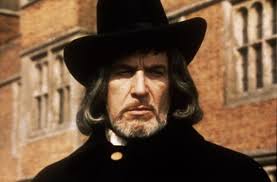
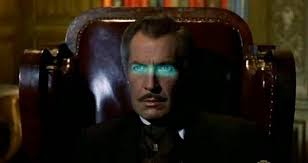
Grim, nihilistic, and shockingly violent for its time, Witchfinder General follows Vincent Price as the real-life Matthew Hopkins, a corrupt 17th-century witch hunter who exploits superstition for power. Price trades his usual theatricality for a chillingly restrained performance, and director Michael Reeves captures the cruelty of mob justice with unflinching realism.
This film marked a shift in horror toward historical savagery and moral ambiguity. There’s no supernatural force—just human evil, greed, and fear. The violence feels grounded and brutal, heightened by a sense of inevitability. Tragically, it was Reeves’ final film, but what a legacy to leave behind. Witchfinder General is a blistering indictment of hysteria, and one of Price’s most unsettling roles.
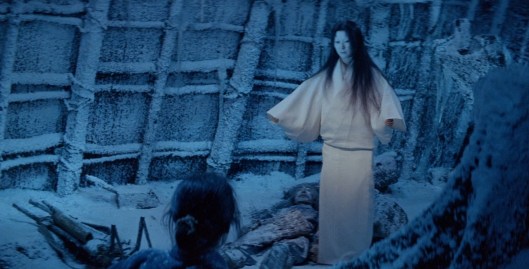
A gorgeous anthology of ghost stories drawn from Japanese folklore, Kwaidan is as much an art piece as a horror film. Each of the four tales is steeped in elegant visuals, elaborate sets, and stylised storytelling. The supernatural elements are restrained but emotionally potent—spectres that echo sorrow more than screams.
Kobayashi’s deliberate pacing and painterly composition make Kwaidan a hypnotic experience. From snow spirits to haunted manuscripts, the film meditates on death, longing, and betrayal with eerie calm. A visual triumph, it brought Japanese horror into international acclaim and remains a benchmark for atmospheric storytelling.
Ingmar Bergman’s only official horror film, Hour of the Wolf is a psychological descent into madness. Max von Sydow plays a troubled artist tormented by guilt, hallucinations, and the predatory elites who may or may not be figments of his crumbling mind. Shot in stark black and white, it’s a fever dream of paranoia, repression, and artistic anguish.
Bergman uses horror tropes—creeping shadows, grotesque partygoers, and violent visions—not for thrills, but as metaphors for spiritual crisis. Hour of the Wolf is suffocatingly introspective, peeling back layers of the human psyche with razor-sharp precision. It’s disturbing not because of what’s shown, but because of what lurks in the margins—an existential nightmare dressed as art cinema.
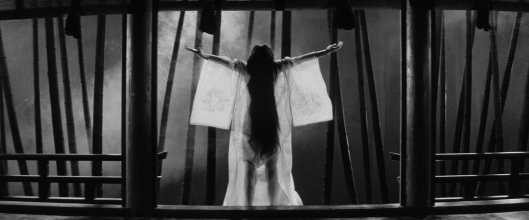
Ghostly and poetic, Kuroneko tells of two women killed by samurai, who return as cat spirits to seduce and destroy men. Set in a moonlit world of rice fields and ruined mansions, it’s an elegiac tale of vengeance and longing, steeped in noh theatre and Japanese mythology.
Shindō crafts a haunting atmosphere, where every whisper of wind or shadow on a screen feels deliberate. The film explores the cost of violence and the fragility of love in the face of betrayal. Both tender and terrifying, Kuroneko is a beautiful ghost story that transcends the genre—haunting in every sense.
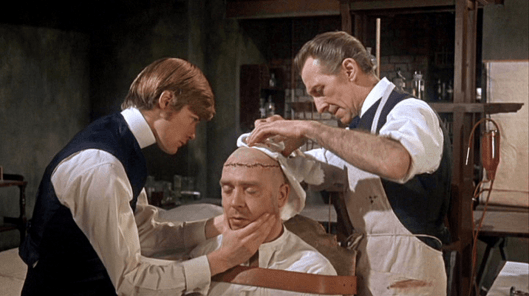
Arguably Hammer’s darkest Frankenstein entry, this time Peter Cushing’s Baron is more villain than anti-hero, orchestrating blackmail, body-snatching, and worse. Fisher brings a chilly intensity, and the film’s cold-blooded tone marks a grim evolution in the studio’s legacy. It’s intelligent, brutal, and emotionally bleak.
#29. Horrors of Malformed Men (1969, dir. Teruo Ishii) ★★★½
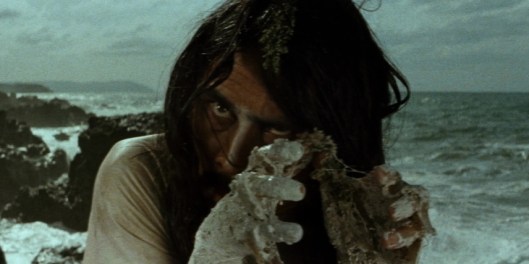
A nightmarish swirl of Edogawa Rampo adaptations and Ishii’s unique perversity, this Japanese cult classic was banned for decades. Full of surreal grotesquerie, body horror, and identity confusion, it’s a fever dream drenched in taboo. Not for the faint-hearted, but a fascinating genre provocation.
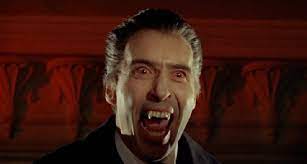
Christopher Lee returns (wordless, no less) in this elegant continuation of Hammer’s Dracula mythos. While the pacing is deliberate, the imagery is stunning, and Lee’s physical performance makes Dracula all the more monstrous. An important sequel that cemented the Count’s terrifying legacy.
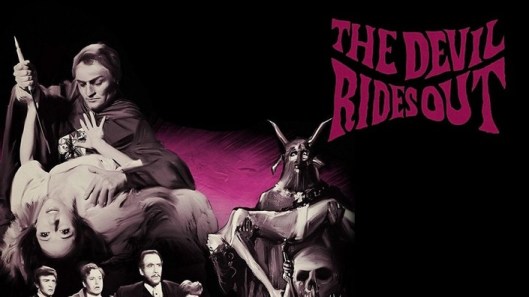
Hammer’s finest foray into Satanic horror, led by a commanding Christopher Lee performance as the heroic Duc de Richleau. Black masses, possession, and a tense battle of good vs. evil play out in bold, colourful fashion. Elevated by Richard Matheson’s script and Lee’s conviction.
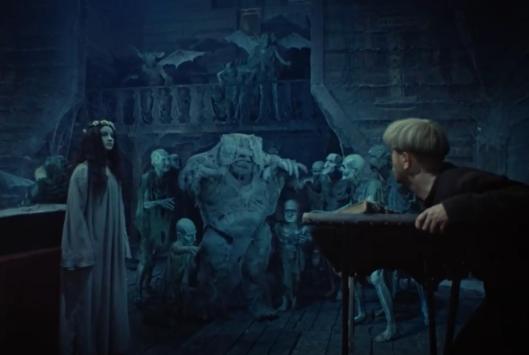
#26. Viy (1967, dir. Konstantin Ershov & Georgi Kropachyov) ★★★½
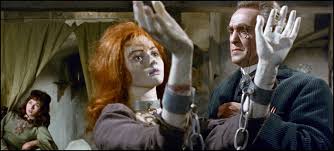
The first Soviet-era horror film, Viy is a folk tale brought to glorious life. A seminary student must spend three nights in a chapel with a witch’s corpse, leading to unforgettable supernatural chaos. Innovative effects and bizarre imagery make this a true one-of-a-kind.
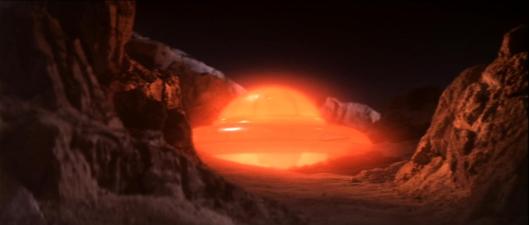
Aliens, gore, and political subtext crash-land in this wild Japanese sci-fi horror hybrid. A hijacked plane, a crashed UFO, and gooey body possession form the backbone of a sharp, cynical allegory about humanity’s self-destruction. Vivid, vicious, and wonderfully unhinged.
Three Poe tales, three Price performances. From the lugubrious “Morella” to the boozy brilliance of “The Black Cat,” this anthology shows Corman and Price at their most playful. Peter Lorre steals the middle segment, but the whole film is stylish, macabre fun.
One of Corman’s finest. Vincent Price gives a tormented turn as a man unraveling in a Spanish castle haunted by murder and legacy. Lavish set design, expressionistic visuals, and a killer twist ending mark this as a highlight of the AIP-Poe cycle.
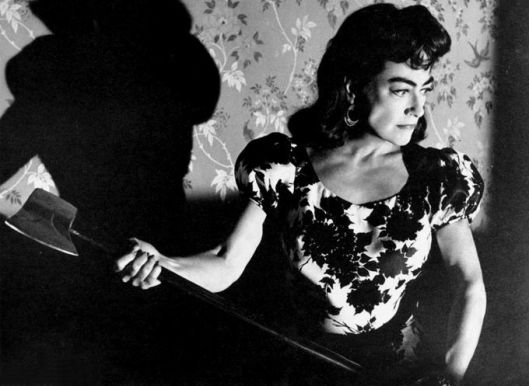
Joan Crawford wields an axe in this deliciously over-the-top slasher prototype. Playing with themes of madness, motherhood, and misdirection, Castle delivers more than gimmicks here. Crawford’s performance is both unhinged and heartbreaking—a camp classic with surprising depth.
A deeply strange and haunting occult thriller with an aristocratic chill. Starring Deborah Kerr, David Niven, and a hypnotic Sharon Tate, the film channels folk horror vibes before it was fashionable. Mysterious rituals and fatalism make this a forgotten gem worth resurrecting.
Part 5: #20–11 – The Heavy Hitters of Horror’s New Age coming soon.
As we claw our way through the middle of the countdown, the films take on bolder styles and more abstract fears. Japanese erotica, Italian gialli, sci-fi nightmares, and gothic grandeur all make their presence known here, proving that the 1960s were just as experimental as they were eerie.
#40. Blind Beast (1969, dir. Yasuzo Masumura) ★★★½
A dark and disturbing study of obsession, art, and sensory overload. A blind sculptor kidnaps a model to create the ultimate work of tactile art in a room covered in human body parts. Erotic, surreal, and deeply unsettling—Masumura’s vision is uncompromising.
Despite the absence of Dracula himself, this Hammer gem remains a standout. Peter Cushing returns as Van Helsing, battling a suave, aristocratic vampire in a film loaded with atmosphere, stylised lighting, and gothic bravado. A masterclass in mood.
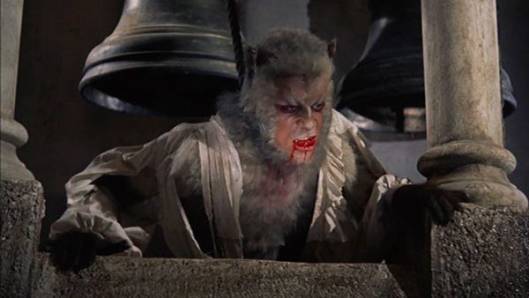
Hammer’s only werewolf outing features a tragic Oliver Reed in a role bursting with animalistic energy. Beautiful production design and a uniquely Spanish setting give it flavour, even if the pacing isn’t as tight as Hammer’s best.
Sci-fi and horror converge in this visually stunning Italian thriller. Before Alien, Bava gave us cosmic terror, fog-drenched atmospheres, and mind-controlled astronauts. A template for space-bound horror, dripping in mood and style.
Based on the real-life Burke and Hare murders, this British film stars Peter Cushing as Dr. Knox. With a gritty realism and moral ambiguity, it’s an early stab at true crime horror. More grounded than gory, but disturbing all the same.
The debut of Coffin Joe, Brazil’s top-hatted, nihilistic horror icon. A mix of pulp philosophy, sadism, and folk terror, it shocked audiences and forged a new path for South American horror. A gritty, nasty little slice of cult legend.
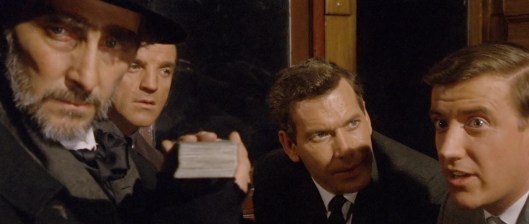
The granddaddy of British horror anthologies. Peter Cushing’s tarot reader dooms five strangers aboard a train in classic portmanteau fashion. It set the blueprint for Amicus’s horror output to come. Charming, spooky, and full of cobwebbed delights.
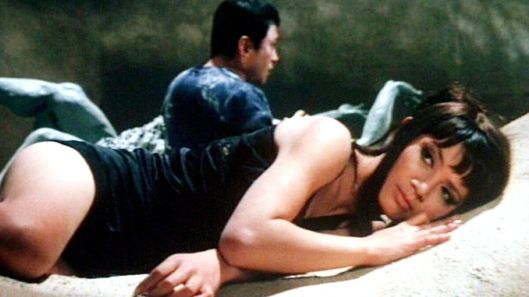
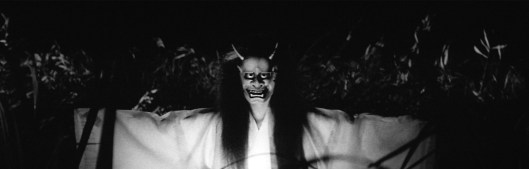
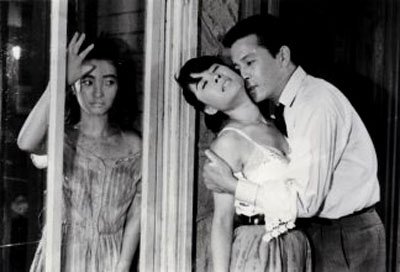
A hypnotic mix of war, eroticism, and ghostly fear set in feudal Japan. Two women lure and kill soldiers in a ravaged swamp—until one dons a demon mask with tragic consequences. Stark, sensual, and utterly haunting.
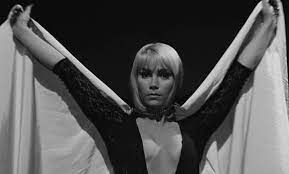
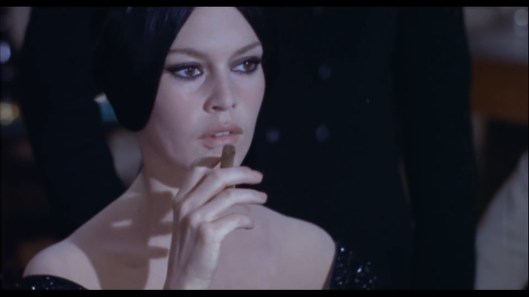
A strange, stylish revenge tale blending sci-fi, hypnosis, and pulp tropes. A female scientist uses a mind-controlled dancer to avenge her father’s death. With its cabaret horror tone, it’s one of Franco’s more coherent and visually rich outings.
Bava delivers three gothic tales of terror, with Boris Karloff hosting and starring. From cursed rings to vengeful spirits and vampiric folklore, this Italian anthology mixes moody lighting, eerie pacing, and operatic horror. Essential viewing.
Part 4: #30–21 – Madness, Demons, and Psychological Dread coming soon!
Haunted Villages, Ghost Cats, and Supernatural Schemes
With entries #50 to #41, we move deeper into international territory and find horror leaning into psychological dread, tragic spirits, and doomed villages. From Korea to Italy and Japan to the American heartland, the genre flexes new muscles as it breaks further from its gothic roots.
Vincent Price headlines this adaptation of a lesser-known Guy de Maupassant tale. Possessed by a malevolent invisible entity, Price delivers delicious monologues while descending into madness. Though it never reaches the heights of his Poe roles, it’s an eerie morality tale worth rediscovering.
A fine example of Japan’s kaibyō eiga (ghost cat) subgenre, this film blends folktale with supernatural horror as a feline spirit exacts vengeance from beyond the grave. Eerie, painterly visuals and a chilling atmosphere elevate a haunting revenge story.
Hammer tried something a little different with this Dracula-adjacent tale, absent of Cushing and Lee but enriched with occult elements, eerie visuals, and a batty finale. Australian director Don Sharp lends a confident hand, offering a vampiric tale both eerie and off-kilter.
Hammer’s take on Leroux’s classic replaces horror with pathos, casting Herbert Lom as a sympathetic Phantom. Visually impressive with strong performances, but it lacks the menace of its Universal predecessor. Still, a noteworthy variation on a familiar tragedy.
A controversial and stylish piece of Italian gothic horror featuring necrophilia, fog-drenched corridors, and morbid obsession. Barbara Steele is riveting as always, while Freda crafts an atmosphere of inescapable decay. More perverse than terrifying, but unforgettable.
A proto-psychological thriller from South Korea that slides from domestic drama into full-blown horror. A manipulative housemaid destabilizes a middle-class household in a tale of infidelity, class, and control. Tense, tragic, and way ahead of its time.
A lavish Poe anthology boasting segments from three European auteurs. Jane Fonda stuns in Vadim’s “Metzengerstein,” Malle brings eerie tension in “William Wilson,” but it’s Fellini’s phantasmagoric “Toby Dammit” that steals the show. A decadent, surreal trip.
Italy’s answer to Hammer’s gothic boom. A mysterious sculptor uses a creepy windmill and his statuesque creations to cover a darker secret. Gorgeously shot and dripping with atmosphere, it’s a Euro-horror delight that deserves more love.
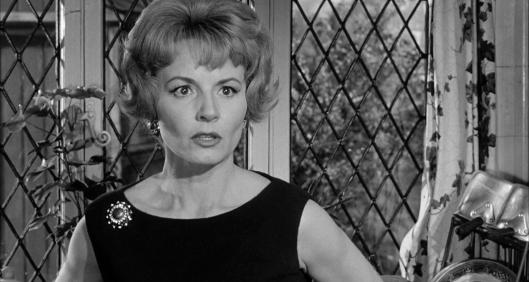
Also known as Burn, Witch, Burn!, this British occult thriller follows a rational professor who discovers his wife is secretly using magic to protect him. Smartly written with creeping suspense and a strong anti-rationalist message. Low on gore, high on tension.
An atmospheric gem often overshadowed by bigger titles. Christopher Lee lures a student into a New England town still ruled by witches. Fog, cobblestone, and stark monochrome make for a chilling morality tale steeped in black magic.
Part 1: #60–51 – The Cult, the Camp, and the Curious
We begin our descent into the blood-soaked heart of 1960s horror with the first ten entries in our countdown. These films may sit at the lower end of the list, but they offer vital glimpses into a decade where the genre was in transition, colliding with pulp, camp, and gothic revivalism. From transatlantic Poe adaptations to Euro oddities and genre hybrids, there’s plenty of strange flavour to taste.
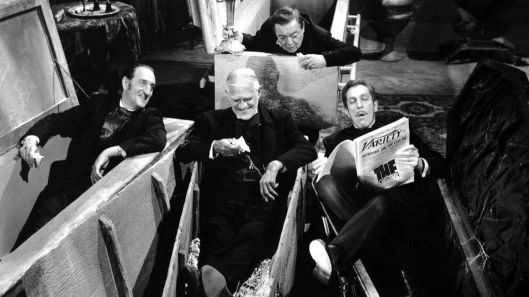
An all-star cast including Vincent Price, Peter Lorre, and Boris Karloff hams it up in this macabre farce about a failing undertaker who resorts to murder to boost business. While the comedy is a mixed bag, there’s a ghoulish charm and high production value that keeps it watchable. A fitting farewell for Tourneur’s horror career, though more chuckle than chill.
#59. Captain Clegg (1962, dir. Peter Graham Scott) ★★★
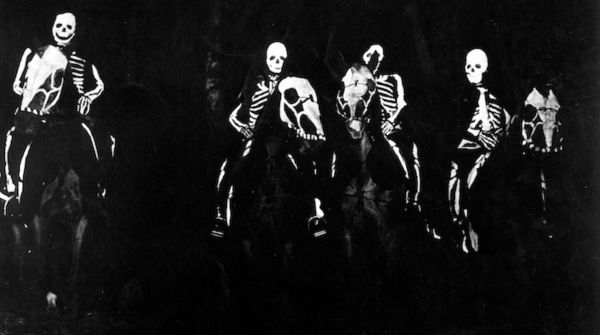
Hammer Horror goes high-seas with this smugglers-and-skeletons yarn starring Peter Cushing. It’s not pure horror in the traditional sense, but its ghostly marsh phantoms and gothic aesthetics earn it a place here. A rousing period piece with a horror-adjacent vibe.
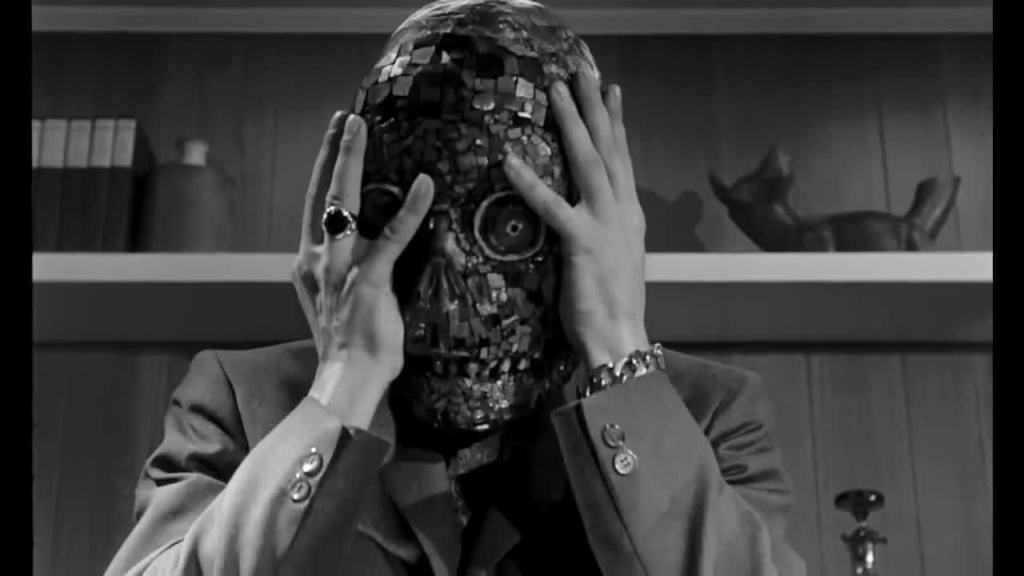
Canada’s first 3D horror film makes its mark with surreal sequences that still hold a hypnotic power. A psychiatrist receives a mysterious mask that unleashes violent hallucinations. Outside the trippy dreamscapes, it drags, but the psychedelic ambition can’t be denied.
Hammer flips the Hyde trope with a dashing, seductive monster and a tortured, bearded Jekyll. It’s a visually lush and bold take, though some melodramatic moments feel dated. Paul Massie’s dual performance divides audiences, but Christopher Lee provides solid menace in support.
Ray Milland fills in for Price in this Poe adaptation about a man obsessed with being buried alive. Corman brings gothic flair, but this entry lacks the spark of the other AIP-Poe films. Still, Milland sells the existential dread with grim conviction.
Barbara Steele commands the screen in this moody Italian chiller. A spiritual sequel to “The Horrible Dr. Hichcock,” it brings a fog-laced atmosphere, betrayal, and revenant revenge. Not as sharp as Bava or Margheriti, but full of grim style.
This British adaptation strips Poe’s tale down to its paranoid bones. Laurence Payne plays the guilt-ridden lodger unraveling under pressure. Shot with restraint and earnest intent, it lacks punch but offers a solid psychological slow burn.
Jess Franco makes his mark with this eerie, low-budget homage to “Eyes Without a Face.” Mad science, silent killers, and nightclub sleaze merge into a dreamlike noir-horror hybrid. The first of many Orloffs, this one remains unsettlingly poetic.
A loose reinterpretation of the silent classic, this psychological thriller leans into twisty mind games and Freudian horror. Though not as expressionistic as its namesake, it taps into themes of control and identity with an eerie undercurrent.
The first and arguably most iconic of Corman’s Poe cycle, with Vincent Price haunting the screen as Roderick Usher. Lavish sets, vivid colours, and doom-laden dialogue make for a melodramatic treat. A blueprint for American Gothic horror of the decade.
Stay tuned for Part 2 (#50–41) as we dive deeper into the dread-soaked shadows of the 1960s—from haunted villages to feline phantoms and the rise of psychological fear in international cinema.
“Their Pagan God has Given his Command: 7 Nights, 7 Victims, 7 Human Hearts!”
With Night of the Seagulls, Amando de Ossorio closes the chapter on his eerie Tomb of the Blind Dead series—four films that occupy a strange, fog-drenched intersection between folk horror, Gothic surrealism, and undead mythology. While not the strongest entry in the franchise, this final installment remains a worthwhile watch for fans of Ossorio’s unique atmospheric touch and the continuing saga of his most iconic creations: the Blind Dead.
The plot once again centres around the cursed Templar Knights—now firmly transformed into deathless, eyeless revenants who rise nightly to fulfill blood rituals in the service of a mysterious sea-bound deity. This time, the setting shifts to a remote seaside village, where a young doctor and his wife arrive only to be swept into a grim local tradition: seven nights of ritual human sacrifice to appease the Templars and their dark god.
Stylistically, Ossorio leans fully into mood and menace. The windswept cliffs, mournful seagulls, and dilapidated coastal dwellings ooze decay. The Blind Dead themselves, with their skeletal forms and snail-paced advance, remain chilling in concept if not always in execution. They don’t just stalk—they haunt. And yet, despite the atmosphere, the film suffers from a slow pace and underdeveloped characters. The townspeople are largely silent archetypes, and the protagonists feel more like bystanders than participants in the horror.
Compared to the raw occultism of Tombs of the Blind Dead (1972) or the surreal train setting of Horror of the Zombies (1974), Night of the Seagulls is more subdued. The violence is ritualistic, not frantic; the horror more mythic than visceral. Ossorio seems less interested in terror and more in cementing the lore behind the Templars—giving them a vaguely Lovecraftian spin with the sea god and sacrificial rites.
As a finale, it doesn’t go out with a bang—but it doesn’t betray the spirit of the series either. Ossorio’s vision remains intact: sombre, strange, and stubbornly slow-burning. For devotees of Euro-horror and Spanish cult cinema, Night of the Seagulls is a worthy, if flawed, farewell to one of horror’s most original undead legacies.
The Prognosis:
A moody, atmospheric end to the Blind Dead saga, best appreciated by those already invested in Ossorio’s unique brand of occult horror.









 Surgeons of Horror