Tags
david rintoul, freddie francis, lycanthrope, michael klinger, peter cushing, tyburn films productions, Werewolf
Freddie Francis’ Legend of the Werewolf (1975) is an atmospheric entry in the world of lycanthropic horror, offering a blend of Gothic visual style and the usual blood-soaked thrills of a werewolf tale. Set in 19th century France, it introduces us to a feral boy who, raised in a travelling circus, undergoes a chilling transformation as he grows into adulthood. His fate is sealed when a grisly murder sets off a chain of events, leading to a bloodthirsty rampage that culminates in a vicious pursuit across Paris.
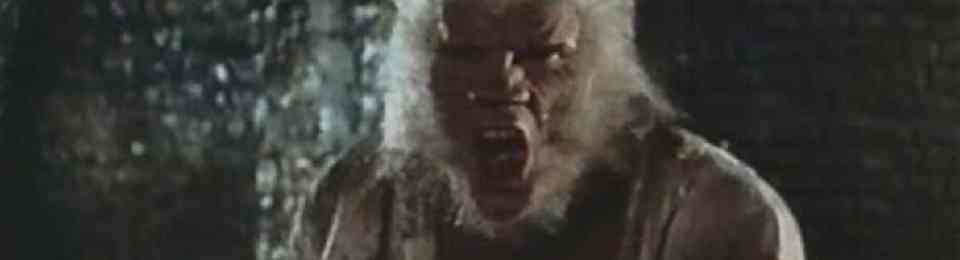
The film opens with a certain rawness, beginning with a young, mute boy found in the woods by a circus troupe. This “wolf boy,” as they call him, is put on display, his feral nature captivating the audience while unsettling anyone who sees him. As he grows older, the boy, played by the imposing David Rintoul, slowly becomes a creature of terror, tormented by his animal instincts. This descent into savagery is fascinating to watch, especially under Francis’ directorial eye, known for his command over visual horror. The atmosphere is rich, and the sets create a lovely period feel, heightened by the interplay of shadow and light that Francis has become renowned for.
What elevates the film for me—despite its shortcomings—is the presence of Peter Cushing. Cushing, as always, brings gravitas to the role of the determined police surgeon, a man who becomes the obsessive pursuer of the wolfman. Even when the story meanders or becomes predictable, Cushing’s charisma and commitment to the role inject it with life, as only he can. His role isn’t expansive, but his screen time is always a treat, especially in a genre film like this one, where his presence provides a certain sense of respectability and class.
That said, Legend of the Werewolf does have its issues. The pacing feels uneven, and while the visual elements are appealing, the narrative stumbles in parts. The transformation scenes, while not without their intrigue, lack the oomph that might have made this a standout entry in the werewolf genre. The character development is relatively shallow, and the final act, while tense, feels like it lacks the emotional resonance of some other lycanthrope stories. The script offers little depth, focusing more on the physical horror rather than the psychological torment of its characters, something that could have given the film more weight.
The romance element between the werewolf and a prostitute, which forms a significant part of the film, feels underdeveloped, making the tension between love, obsession, and violence seem somewhat contrived. This weakens the central narrative, as the werewolf’s descent into madness could have been more nuanced.
That said, there is still enjoyment to be found in Legend of the Werewolf, particularly for those who appreciate period horror and are fond of Francis’ visual flair. It’s a decent 70s horror outing that ultimately serves as a solid but not spectacular entry into the genre.
A Brief About Tyburn Films Productions Ltd.
Tyburn Films Productions Ltd. was a British film production company that specialised in low-budget horror films during the 1970s, often dealing with themes of the supernatural, the macabre, and the grotesque. While the company didn’t boast a vast library of films, the few it did produce left a significant impact on the genre, particularly in the UK.
Tyburn was founded by Michael Klinger, who had a vision of reviving classic horror with a more contemporary twist. The films produced by Tyburn were often heavily reliant on atmosphere and shock value, something that perfectly fit into the popular tastes of the 1970s, which was a golden era for horror cinema. Legend of the Werewolf is an example of Tyburn’s signature style—more mood-driven than plot-driven, with its focus on visuals and atmosphere. Tyburn’s other notable films include The Ghoul (1975) and The House That Vanished (1973), which, like Legend of the Werewolf, combined old-fashioned Gothic horror tropes with modern sensibilities. Tyburn Films was not in the business of subtlety, often leaning into lurid exploitation and grotesque imagery to make their mark.
While the company didn’t last long, and its filmography remains niche in the broader world of horror, Tyburn’s contributions to the genre continue to be appreciated by fans of vintage, atmospheric horror films.
- Saul Muerte
 Surgeons of Horror