Tags
1960s horror, 1960s retrospective, Barry Andrews, christopher lee, Dracula, hammer films, Hammer Horror
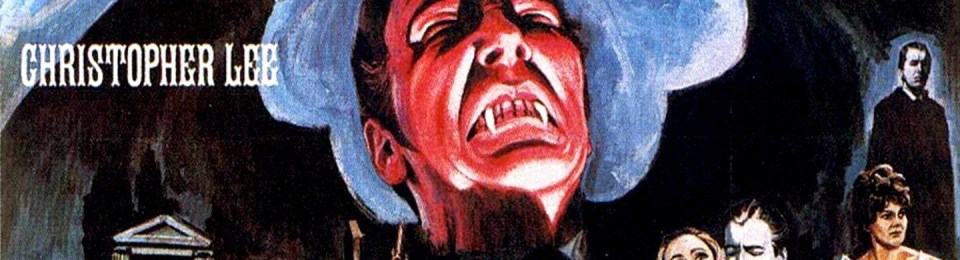
By 1968, Hammer Films had firmly established itself as the home of Gothic horror, and Dracula Has Risen from the Grave arrived as another entry in the studio’s blood-soaked saga. Directed by acclaimed cinematographer-turned-director Freddie Francis, the film saw Christopher Lee return as the Prince of Darkness in a stylish, if somewhat uneven, sequel.
At its core, Dracula Has Risen from the Grave weaves in themes of religion, revenge, and the ever-present battle between good and evil. Religion is front and centre, with the story emphasising Christianity’s role in morality, yet its presentation often borders on heavy-handed. Dracula’s revenge plot—a vendetta against a Monsignor who has attempted to bar him from his castle—feels petty, making the stakes seem less dire than in previous installments. There’s also an undercurrent of atheism versus faith, represented through the character of Paul (Barry Andrews), a young man forced to confront the supernatural despite his disbelief.
The film’s Gothic atmosphere is undeniably one of its strengths. Francis’ eye for striking visuals ensures that the production is filled with rich, saturated colours and ornate imagery, making for some truly memorable sequences. However, the narrative itself is more loosely structured than its predecessors, favouring style over substance. While some fans appreciate its looser, almost dreamlike quality, others find it lacking the tight plotting that made earlier Hammer Draculas more engaging.
As always, Christopher Lee dominates every scene he’s in, exuding menace with his piercing gaze and towering presence. Unfortunately, his Dracula is given little to do beyond the usual bloodletting and brooding stares. Still, his performance alone elevates the material.
While Dracula Has Risen from the Grave is a fun Hammer entry with B-movie charm, it doesn’t quite hold up to its predecessors in terms of narrative weight. It’s reactionary in its simplistic framing of good versus evil, yet it delivers enough Gothic atmosphere and unique set pieces to be enjoyable. Ultimately, it’s a solid but unremarkable addition to Hammer’s Dracula series.
The Prognosis:
A beautifully shot but narratively thin sequel, Dracula Has Risen from the Grave is worth watching for its Gothic aesthetic and Christopher Lee’s performance. However, its weaker plot and lack of high stakes keep it from being one of Hammer’s best.
- Saul Muerte
 Surgeons of Horror