
Tags
count orlok, FW Murnau, klaus kinski, Max Shreck, Nosferatu, robert eggers, spongebob squarepants, Werner Herzog
Few figures in horror cinema are as enduring or enigmatic as Count Orlok. From his haunting debut in F.W. Murnau’s 1922 silent masterpiece Nosferatu: A Symphony of Horror to his modern resurgence in pop culture, Orlok has remained a symbol of terror and the uncanny. With Robert Eggers’ highly anticipated remake of Nosferatu set for release, it’s the perfect time to delve into the fascinating history of this iconic vampire and the cinematic legacy he has cast over a century.
1922: Birth of a Horror Icon
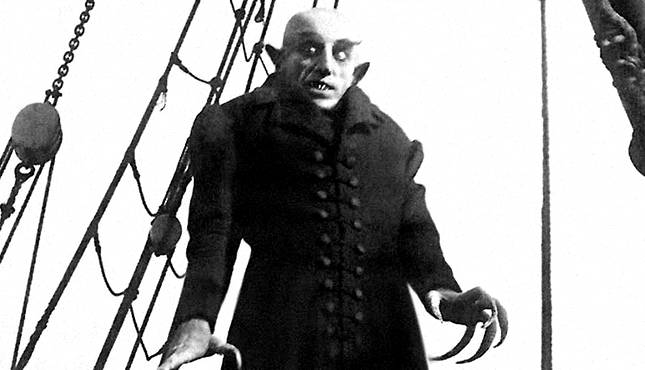
Count Orlok first emerged from the shadows in Nosferatu, portrayed with eerie brilliance by German actor Max Schreck. An unauthorized adaptation of Bram Stoker’s Dracula, Murnau’s film altered key elements to avoid legal repercussions—giving us Orlok in place of Dracula, a rat-like, ghoulish creature whose appearance was as unsettling as his supernatural presence.
Unlike the suave and charismatic vampires popularised in later decades, Orlok was grotesque and animalistic. His skeletal frame, elongated fingers, and bat-like visage made him an embodiment of pestilence and death, a fitting image in post-World War I Germany as the nation grappled with the horrors of war and the 1918 influenza pandemic. The film’s Expressionist cinematography only heightened the surreal terror of Orlok’s presence, cementing him as a cultural touchstone.
The Legal Battle and Cultural Resurrection
The original Nosferatu faced near destruction due to a lawsuit from Stoker’s estate, which ordered all copies of the film to be destroyed. Thankfully, several prints survived, allowing the film to gain legendary status over time. Orlok’s distinct appearance and the chilling atmosphere of the film have inspired generations of filmmakers, ensuring his place in horror history.
The 1979 Reinvention: Herzog’s Homage
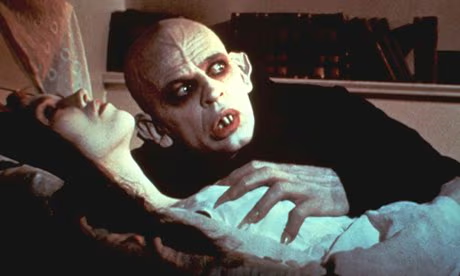
Werner Herzog’s Nosferatu the Vampyre (1979) reimagined Orlok for a new era. Starring Klaus Kinski as the Count, the film retained much of Murnau’s visual language while adding a layer of tragic melancholy to the character. Kinski’s Orlok was both monstrous and pitiable, a being cursed with immortality and insatiable hunger. This reinterpretation deepened the character’s complexity, offering a stark contrast to the more romanticised vampires of contemporary cinema.
Herzog’s film not only paid homage to Murnau but also underscored Orlok’s continued relevance as a symbol of existential dread and human vulnerability. It demonstrated that the Count’s haunting visage and the themes he embodies could transcend eras and cultural contexts.
Orlok in Popular Culture
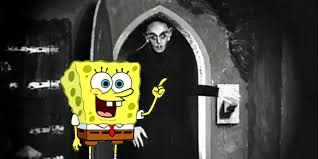
Beyond the silver screen, Count Orlok has seeped into various facets of pop culture. From parodies in animated shows like SpongeBob SquarePants to his influence on vampire lore in literature and games, Orlok’s shadow looms large. His monstrous form serves as a counterpoint to the seductive vampires popularized by the likes of Bela Lugosi and Anne Rice’s The Vampire Chronicles, offering a reminder of the genre’s more primal and terrifying origins.
The Eggers Era: A New Dawn
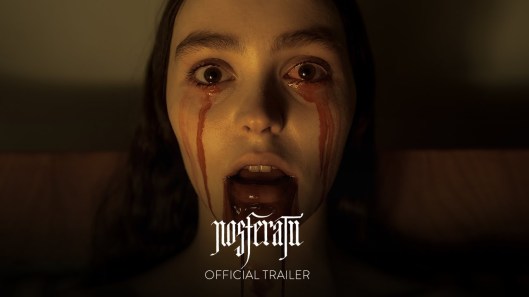
Now, with Robert Eggers at the helm of a new Nosferatu, the Count is poised to captivate audiences once again. Known for his meticulous attention to historical detail and atmospheric storytelling (The Witch, The Lighthouse), Eggers is uniquely equipped to breathe new life into Orlok’s tale. His vision promises to explore not only the horror but also the enduring mythos surrounding the vampire legend, ensuring that Orlok remains as vital and terrifying as ever.
Count Orlok’s journey from the shadows of silent cinema to modern reinterpretations is a testament to his enduring power as a symbol of fear and fascination. As Eggers’ Nosferatu approaches, we are reminded of the timeless allure of the monstrous and the uncanny. Orlok’s story is not merely a relic of the past but a living, evolving legend—one that continues to cast its eerie shadow over the world of horror.
- Saul Muerte
 Surgeons of Horror