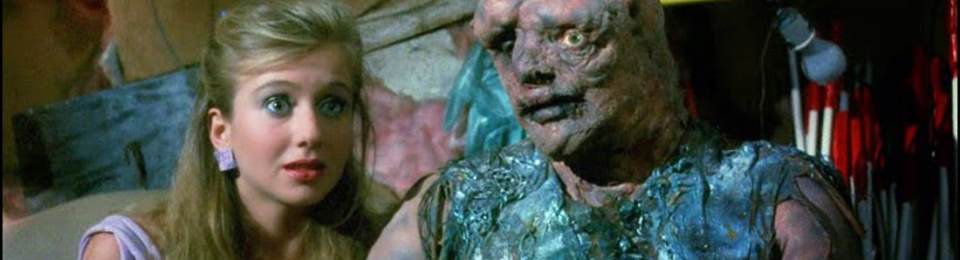
In the annals of cult cinema and alternative media, few names resonate with as much chaotic charm as Troma Entertainment. Founded by Lloyd Kaufman and Michael Herz in 1974, Troma carved a niche with its low-budget, boundary-pushing films that celebrated the absurd, the grotesque, and the unapologetically bizarre. At the heart of this madcap legacy stands Toxie—the Toxic Avenger—a mop-wielding mutant superhero who became the unlikeliest of icons. The journey from The Toxic Avenger (1984) to Toxic Crusader, a 1991 animated series, encapsulates Troma’s unique blend of irreverence, resilience, and impact on both cult and mainstream pop culture.
The Genesis of Toxie: From Outcast to Cult Hero
Toxie was born out of The Toxic Avenger, Troma’s quintessential splatter comedy. A grotesque, hilarious, and surprisingly heartfelt story about Melvin Ferd, a bullied janitor who falls into a vat of toxic waste and emerges as a disfigured yet heroic defender of Tromaville, the film epitomised Troma’s ethos. It combined slapstick humour, over-the-top violence, and biting satire on societal ills, creating a unique genre hybrid that earned a cult following.
Toxie’s appeal lay in his paradoxical nature: a hideous figure with an unwavering moral compass, he represented the underdog and the misfit, becoming a symbol of empowerment for audiences drawn to outsider narratives.
Toxic Crusader: Troma Goes Mainstream
In an improbable twist, Toxie leaped into the sanitised world of Saturday morning cartoons with Toxic Crusader. Aimed at children, the animated series toned down the original’s gruesome violence and bawdy humour while amplifying its environmentalist message. Toxie and his band of equally mutated friends fought against the villainous Dr. Killemoff and his polluting cohorts, creating an ecologically conscious narrative well ahead of its time.
While the show only ran for 13 episodes, its colorful characters, zany humour, and merchandising—including action figures, video games, and lunchboxes—cemented Toxie’s place in pop culture. The series introduced Troma’s sensibilities to a wider audience, planting seeds of appreciation for the bizarre among a new generation.
Lloyd Kaufman and the Troma Legacy
Lloyd Kaufman, Troma’s eccentric co-founder and the mastermind behind The Toxic Avenger, has been the driving force behind the studio’s enduring legacy. Known for his DIY ethic and irreverent humour, Kaufman turned Troma into a beacon for independent filmmakers. His advocacy for free expression and independence has inspired countless creatives, cementing his reputation as a counterculture icon.
Troma’s commitment to low-budget filmmaking and guerrilla marketing ensured its survival in a rapidly changing industry. Kaufman’s insistence on creative control over profit-seeking has allowed Troma to remain a unique voice in cinema, untainted by mainstream trends.
Toxie’s Impact: The Cult That Never Fades
The legacy of Toxie and The Toxic Avenger extends far beyond its initial release. It has spawned sequels, a musical adaptation, comic books, and even a forthcoming reboot directed by Macon Blair, with Peter Dinklage stepping into the titular role.
Toxie’s environmental crusades in Toxic Crusader predated the widespread eco-awareness of the 21st century, proving remarkably prescient. Meanwhile, the character’s embrace of his imperfections resonates in a media landscape increasingly focused on diversity and inclusion.
Troma’s influence, embodied by Toxie, is visible in the works of filmmakers like James Gunn, who began his career with Troma, and Quentin Tarantino, who has openly praised Kaufman’s films. Their commitment to pushing boundaries and celebrating the unconventional owes much to the trails blazed by Troma.
The Toxic Avenger and its animated offshoot, Toxic Crusader, epitomise the idiosyncratic charm of Troma Entertainment. Toxie’s evolution from an R-rated antihero to a child-friendly champion of the environment showcases the versatility of Kaufman’s vision and the enduring appeal of the bizarre.
As the reboot looms on the horizon, there’s no better time to revisit Toxie’s origins and celebrate the studio that brought him to life. Troma Pictures and Lloyd Kaufman remain unyielding in their commitment to subversive storytelling, proving that even in the face of an ever-changing cinematic landscape, the cult of Toxie—and Troma—remains gloriously toxic.
- Saul Muerte
 Surgeons of Horror