30 – 21
30. American Psycho (2000)
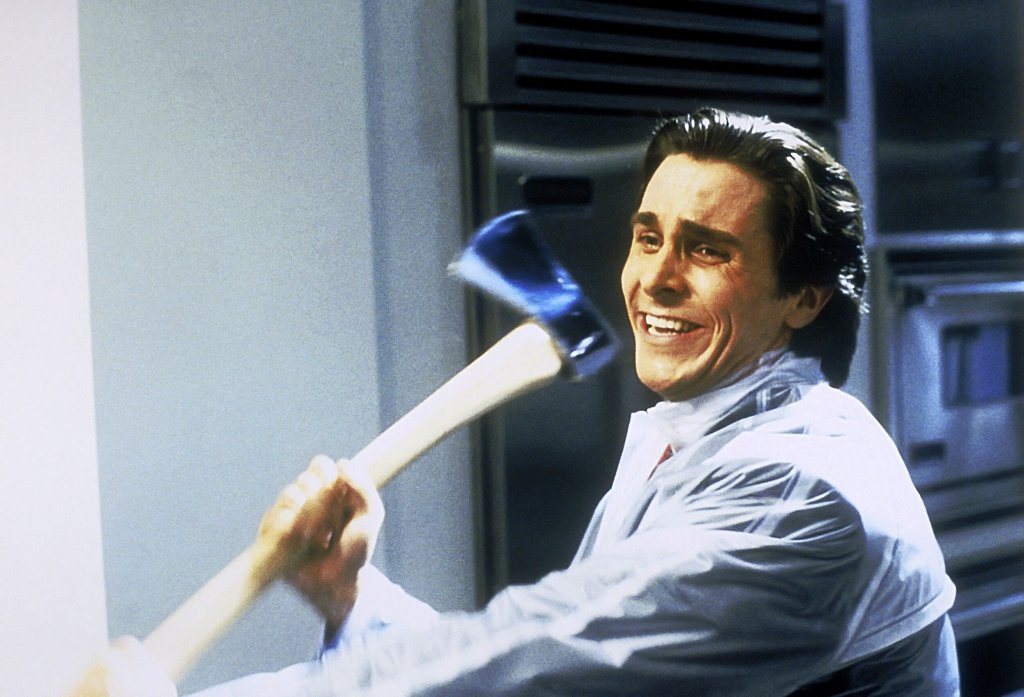
Mary Harron masterfully translates Bret Easton Ellis’s dark and divisive novel into a scathing satire of 1980s greed and narcissism. At its heart is Christian Bale’s brilliant portrayal of Patrick Bateman, a Wall Street yuppie whose polished exterior hides a deranged killer. Bale’s performance is an enthralling blend of charm and menace, capturing Bateman’s self-obsession and moral void with terrifying precision. Harron manages to retain the macabre humour of Ellis’s work, blending horror with biting social commentary on capitalism and identity.
The film’s mix of graphic violence and absurdity forces audiences to confront their own complicity in a consumer-driven society obsessed with surface-level perfection. Harron’s feminist lens sharpens the satire, turning a story of male excess into a chilling indictment of toxic masculinity. While polarising upon release, American Psycho has since solidified its place as a cult classic, thanks to its razor-sharp script and Bale’s unforgettable performance.
29. Oculus (2013)
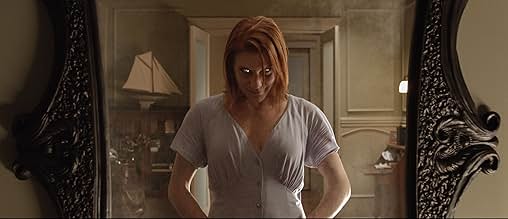
Mike Flanagan’s Oculus marked a pivotal moment in his career, establishing him as a storyteller capable of blending emotional depth with supernatural horror. This tale of a cursed mirror and the siblings determined to destroy it is steeped in tension, balancing psychological trauma with eerie, otherworldly chills. Karen Gillan and Brenton Thwaites deliver compelling performances as siblings Kaylie and Tim, their shared pain amplifying the stakes of their battle against the mirror’s sinister influence.
Flanagan crafts a seamless interplay of past and present, weaving flashbacks into the unfolding horror with remarkable finesse. The mirror itself is an effective antagonist, embodying fear without ever resorting to cheap tricks. While Oculus doesn’t reinvent the haunted object trope, it elevates it with strong performances and a thoughtful exploration of memory, guilt, and the fragility of perception. It’s a film that rewards patience, building dread incrementally before delivering a haunting climax.
28. Hush (2016)
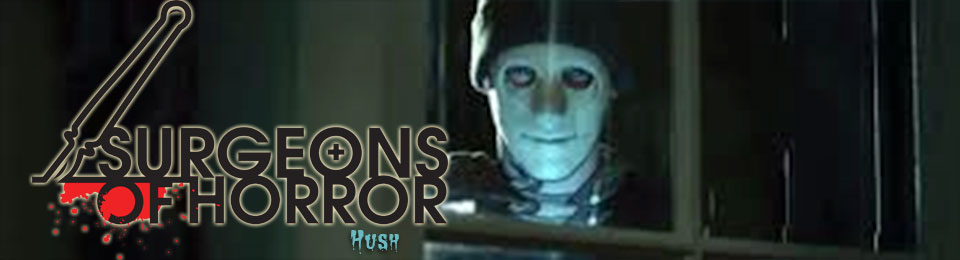
Flanagan strikes again with Hush, a minimalist home-invasion thriller that demonstrates his mastery of tension. The film revolves around Maddie (Kate Siegel), a deaf-mute writer whose isolated home becomes the target of a masked killer. Stripped of dialogue for much of its runtime, Hush relies on visual storytelling and sound design to convey its protagonist’s experience, immersing viewers in her silent struggle.
The cat-and-mouse game between Maddie and her tormentor is gripping, as each side uses intelligence and resourcefulness to outmaneuvre the other. By focusing on a single location and a small cast, Flanagan maximizes suspense while exploring themes of vulnerability and resilience. The film’s restrained approach makes its moments of violence all the more impactful, culminating in a satisfying and cathartic finale. Hush is a testament to the power of simplicity, proving that great horror doesn’t need extravagant effects to leave an impression.
27. You’re Next (2011)
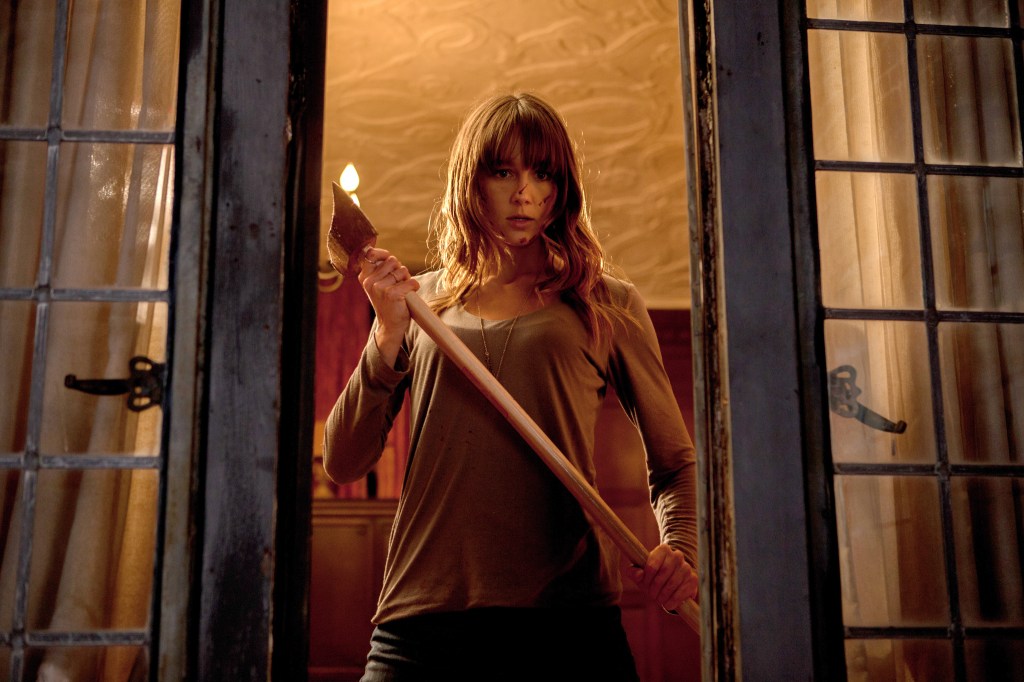
Adam Wingard and Simon Barrett’s You’re Next is a gleeful subversion of the home-invasion genre, blending brutal violence with sharp wit. When a family gathering is interrupted by a group of masked killers, the group’s petty dysfunction becomes a battleground for survival. At its center is Erin (Sharni Vinson), whose unexpected resourcefulness makes her one of modern horror’s most memorable final girls.
The film’s mix of gore and humour is a hallmark of the mumblegore movement, and Wingard’s direction keeps the tension high without sacrificing the film’s playful tone. The cast, featuring indie darlings like Barbara Crampton and AJ Bowen, is clearly having a blast, adding to the film’s chaotic energy. While it doesn’t reinvent the genre, You’re Next stands out for its clever twists and unapologetic embrace of its slasher roots.
26. Longlegs (2024)
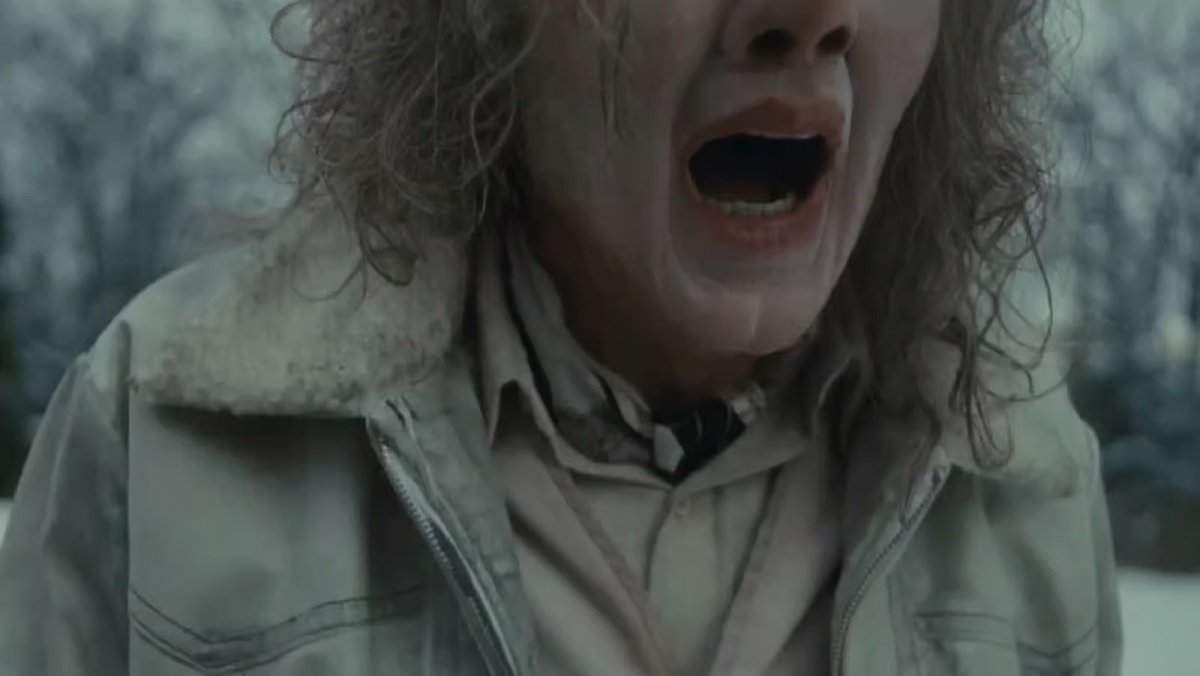
Oz Perkins’s Longlegs is a slow-burn horror that rewards patience with its unsettling atmosphere and haunting imagery. The story unfolds with meticulous precision, drawing viewers into a world where dread lingers in every shadow. Perkins’s distinct visual style—elegant yet oppressive—complements the film’s themes of isolation and unease, while its deliberate pacing gives weight to each revelation.
The performances, particularly from the lead cast, are a standout, grounding the film’s surreal elements in raw emotion. Though the middle act drags slightly, the climactic payoff is worth the wait, delivering a gut-punch that lingers long after the credits roll. Longlegs may not appeal to fans of fast-paced horror, but for those willing to invest in its atmospheric storytelling, it’s a deeply rewarding experience.
25. X (2022)
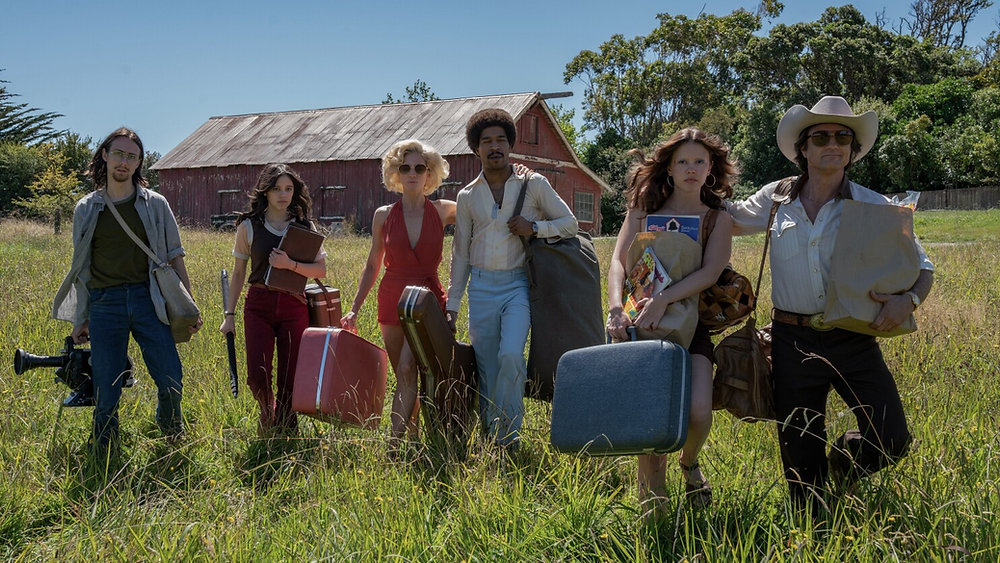
Ti West’s X is a love letter to 1970s slasher films, wrapped in a provocative exploration of aging and desire. The story follows a group of aspiring filmmakers who rent a remote farmhouse to shoot an adult movie, only to find themselves hunted by their elderly hosts. Mia Goth delivers a tour-de-force performance in a dual role, seamlessly shifting between vulnerability and menace.
West’s direction is masterful, blending humour, horror, and social commentary into a cohesive whole. The film’s slow-burn approach allows for rich character development, making the eventual carnage all the more impactful. Themes of sexuality, repression, and mortality add depth to the blood-soaked narrative, elevating X above standard genre fare. With its stunning cinematography and sharp writing, X is a bold and unforgettable entry in modern horror.
24. Barbarian (2022)
Zach Cregger’s Barbarian is a wild, unpredictable ride that defies horror conventions at every turn. What begins as a seemingly straightforward tale of a woman trapped in a house with sinister secrets quickly spirals into a darkly comedic and terrifying exploration of human nature. Georgina Campbell anchors the film with a stellar performance, supported by Justin Long’s hilarious turn as an oblivious property owner.
Cregger’s ability to balance humour and horror is remarkable, keeping viewers on edge while delivering genuine laughs. The film’s twists and tonal shifts are risky but executed with such confidence that they feel earned. Barbarian is a rollercoaster of a movie, constantly surprising and thoroughly entertaining. It’s a standout example of how fresh ideas can breathe new life into the genre.
Movie Review: Barbarian (2022)
23. Revenge (2017)

Coralie Fargeat’s Revenge reinvents the rape-revenge subgenre with style and substance, delivering a visually stunning and emotionally charged thriller. Matilda Lutz shines as Jen, a woman left for dead who turns the tables on her attackers with brutal ingenuity. The film’s vibrant cinematography and pulsating score elevate its visceral intensity, creating a sensory experience that’s as beautiful as it is harrowing.
Fargeat’s direction is unapologetically bold, infusing the film with feminist undertones that challenge the exploitative tropes of its predecessors. Revenge is not just a tale of survival but a searing commentary on power, agency, and resilience. It’s a tough watch but an essential one, proving that even the most controversial subgenres can be reimagined with intelligence and artistry.
22. When Evil Lurks (2023)
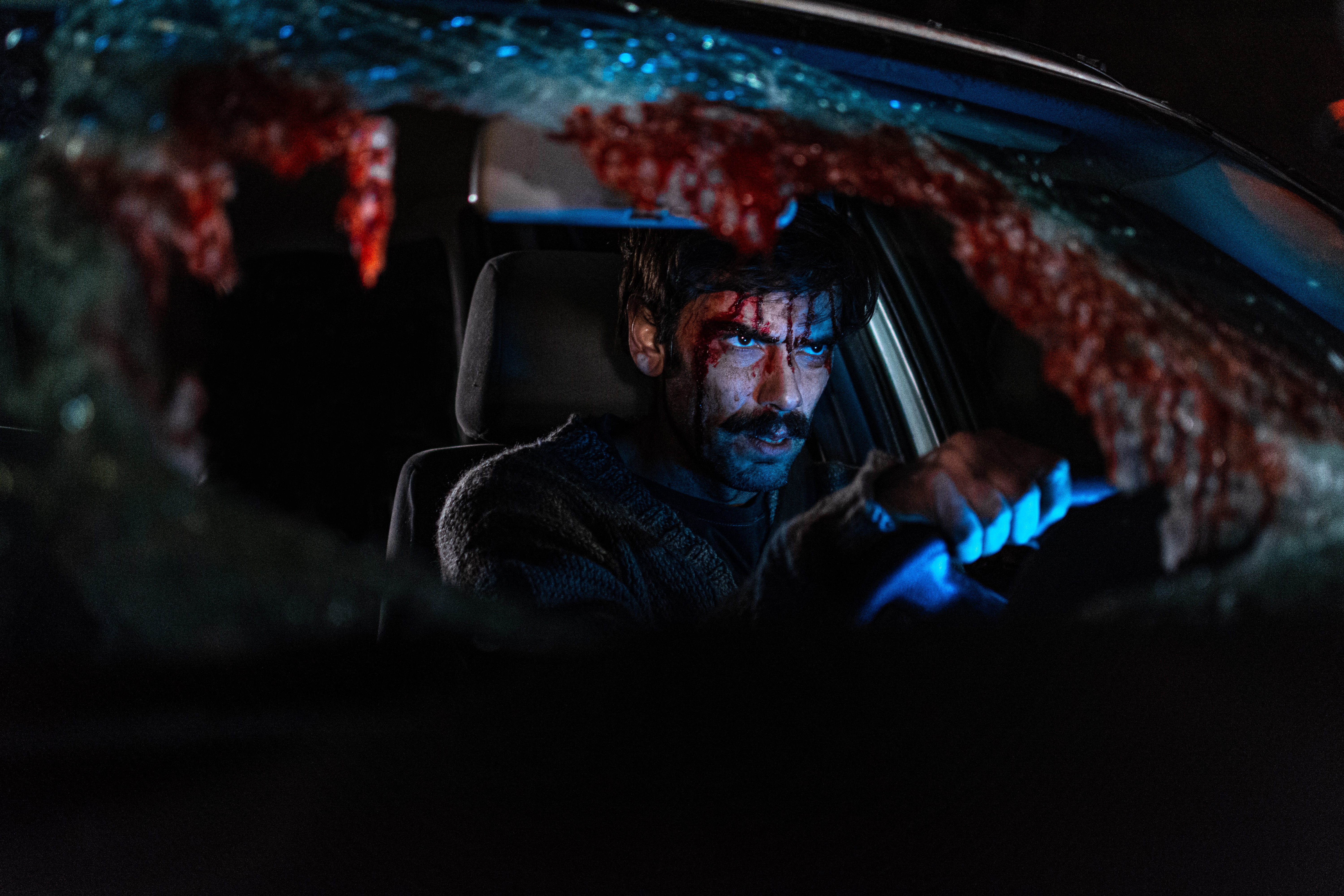
Demián Rugna’s When Evil Lurks is a grim and uncompromising exploration of humanity’s darkest fears. Set in a rural village plagued by demonic possession, the film is a relentless descent into chaos and despair. Rugna’s direction is unflinching, capturing the raw terror of a community unraveling under the weight of its own secrets.
What sets When Evil Lurks apart is its emotional depth, as characters grapple with guilt, trauma, and the fragility of their humanity. The film’s bleakness is tempered by moments of quiet introspection, creating a haunting balance between horror and heartbreak. It’s a challenging but rewarding experience, cementing Rugna as a bold and visionary filmmaker.
Movie Review: When Evil Lurks (2023)
21. Possessor (2020)
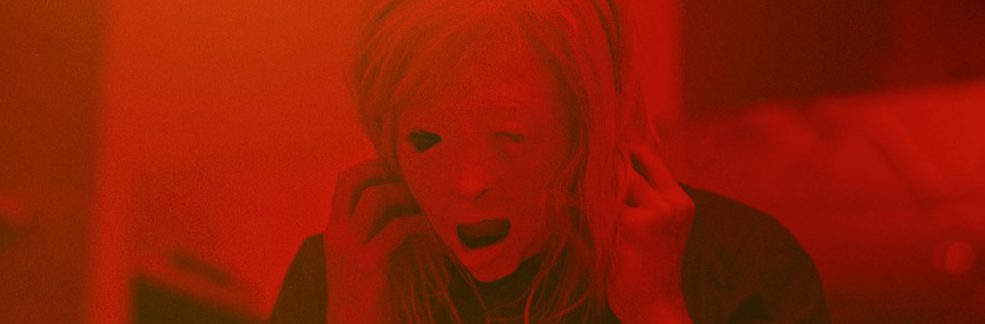
Brandon Cronenberg’s Possessor is a cerebral sci-fi horror that pushes the boundaries of identity and morality. The story follows Tasya Vos (Andrea Riseborough), an assassin who inhabits others’ bodies to carry out her hits, only to lose control in a mission gone wrong. Cronenberg’s direction is strikingly assured, blending surreal visuals with visceral violence to create a nightmarish landscape of fractured identities.
The film’s themes of technology, autonomy, and psychological decay are explored with chilling precision, making it as thought-provoking as it is disturbing. With its bold narrative and uncompromising vision, Possessor solidifies Cronenberg’s reputation as a filmmaker unafraid to challenge his audience. It’s a mind-bending journey that lingers long after the credits roll.
- Saul Muerte
 Surgeons of Horror
Pingback: Top 100 Horror Films of the 21st Century… so far | Surgeons of Horror