40 – 31
40. Us (2019)
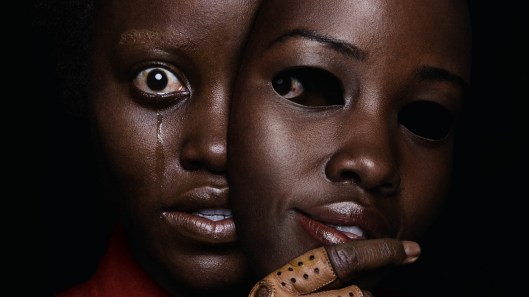
Jordan Peele’s Us followed the seismic success of his debut Get Out, presenting audiences with a more layered and surreal psychological horror. The film delves into the dichotomy of identity, with the Wilson family encountering their doppelgängers in a night of terror that explores privilege, oppression, and America’s shadow self. Peele’s craft shines through sharp writing and symbolic imagery, blending home invasion horror with socio-political commentary. Lupita Nyong’o’s tour-de-force dual performance as Adelaide and Red is mesmerising, her physicality and emotional depth anchoring the narrative’s darker, more abstract themes.
Despite its ambition, Us garnered a polarised response due to its sprawling narrative and unresolved mysteries. While it lacks the concise impact of Get Out, Peele’s boldness in tackling complex themes is commendable. The film’s eerie atmosphere and standout performances make it a fascinating, if imperfect, follow-up that continues to establish Peele as a singular voice in modern horror.
39. Tucker and Dale vs Evil (2010)
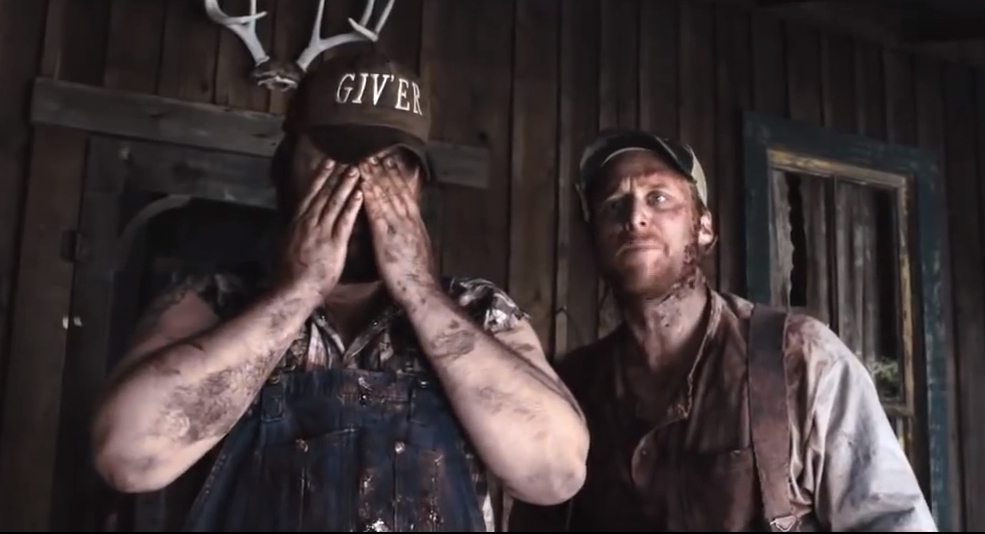
A hilarious and heartwarming spin on slasher tropes, Tucker & Dale vs. Evil turns the genre’s stereotypes on their head. Alan Tudyk and Tyler Labine star as well-meaning but hapless hillbillies mistaken for killers by a group of college students who wreak havoc on themselves in increasingly absurd ways. The film’s clever premise provides endless laughs and surprising moments of tenderness, as the titular duo tries to clear their names amidst escalating chaos.
Director Eli Craig’s sharp satire affectionately pokes fun at horror conventions while crafting a story with genuine emotional stakes. Its combination of slapstick gore and heartfelt character work sets it apart from other horror comedies. While it doesn’t delve deeply into its social commentary, Tucker & Dale vs. Evil remains a refreshingly original and thoroughly entertaining gem in the horror-comedy subgenre.
38. Pulse (2001)
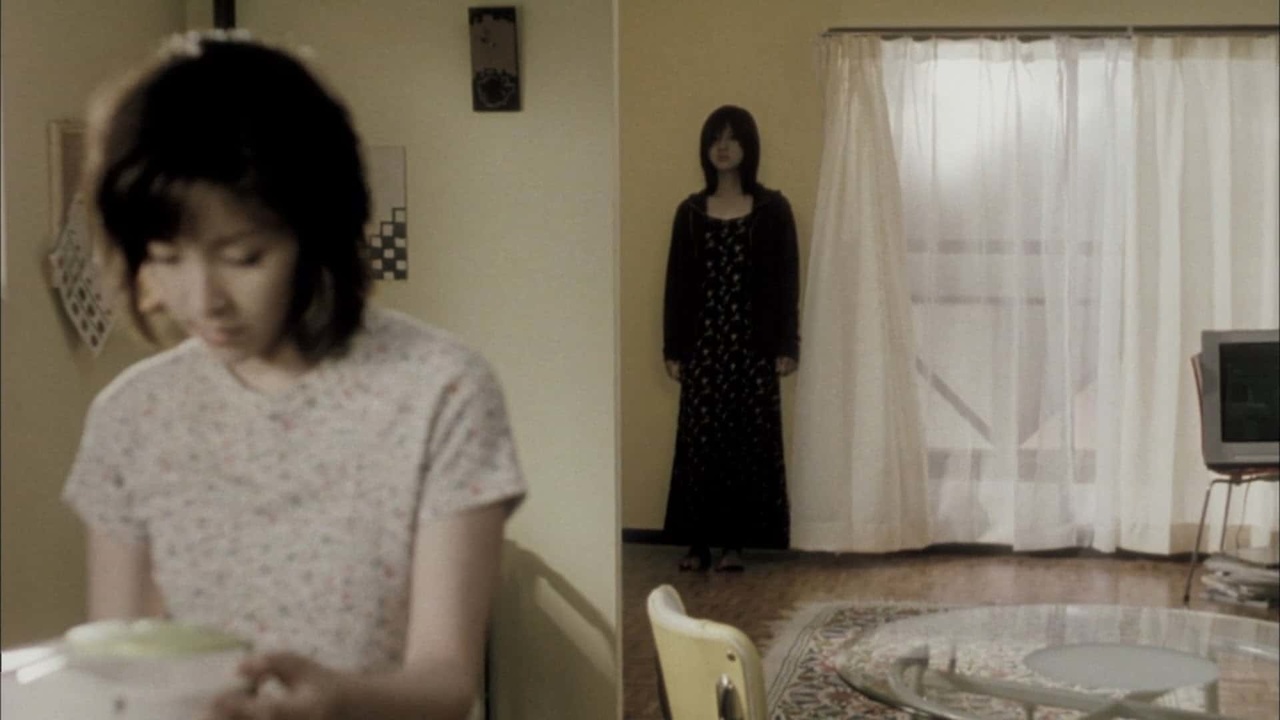
Kiyoshi Kurosawa’s Pulse (or Kairo) is a chilling meditation on loneliness and technology, offering a vision of despair in the digital age. The film follows two interconnected stories of characters facing unexplainable phenomena as ghosts invade the world through the internet. Its use of muted color palettes and sparse sound design creates an oppressive atmosphere, while its deliberate pacing amplifies the sense of unease.
Rather than relying on traditional scares, Pulse thrives on existential dread, as characters grapple with isolation and the loss of human connection. Its haunting imagery, like the ghostly figure in the hallway, lingers long after the credits roll. While its themes resonate even more deeply in today’s hyper-connected world, some viewers may find its slow-burn approach challenging. Nevertheless, it remains a landmark of J-horror and a precursor to Western remakes and imitations.
37. [REC](2007)

[REC] is a relentless, claustrophobic descent into terror that redefined the found-footage genre. The Spanish film follows a TV reporter and her cameraman as they cover a routine fire department call, only to be trapped in a quarantined apartment building overrun by a mysterious infection. Directors Jaume Balagueró and Paco Plaza masterfully build tension through the shaky, first-person perspective, making every shadow and scream feel immediate and real.
What sets [REC] apart is its unyielding pace and visceral scares, culminating in one of the most shocking and memorable final sequences in modern horror. The film’s blend of realism and supernatural elements creates a unique and horrifying experience that has inspired sequels, remakes (Quarantine), and countless imitators. Despite its minimalist setup, [REC] delivers an unforgettable ride that stands as a benchmark for the genre.
36. A Tale of Two Sisters (2003)
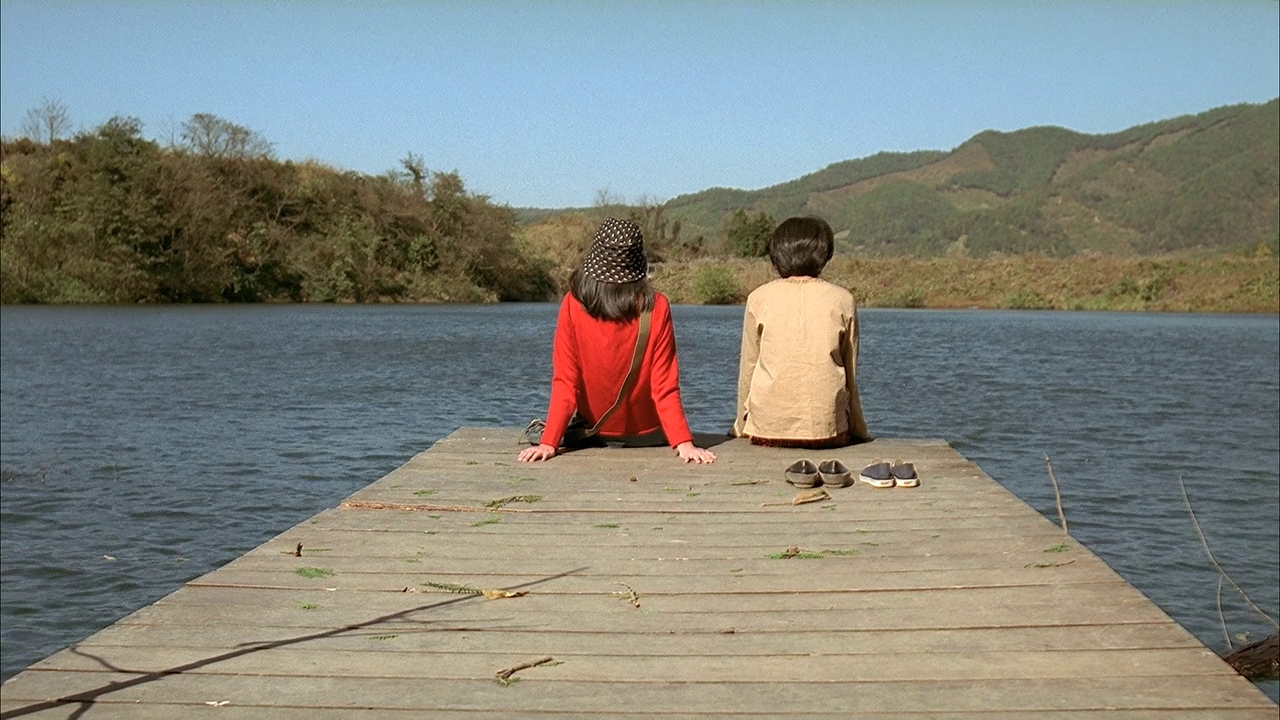
Kim Jee-woon’s A Tale of Two Sisters is a hauntingly beautiful exploration of family trauma wrapped in a chilling ghost story. Loosely based on a Korean folk tale, the film tells the story of two sisters returning home from a mental institution to face their cruel stepmother and the dark secrets of their past. Its unsettling atmosphere and intricate narrative unravel slowly, rewarding attentive viewers with a devastating emotional payoff.
Visually, the film is a feast, with its lush cinematography and meticulous production design heightening the sense of dread. Beneath its supernatural elements lies a deeply human story of grief, guilt, and mental illness. While some may find its ambiguity frustrating, A Tale of Two Sisters remains a masterwork of Korean horror that resonates on both psychological and emotional levels.
35. Pearl (2023)
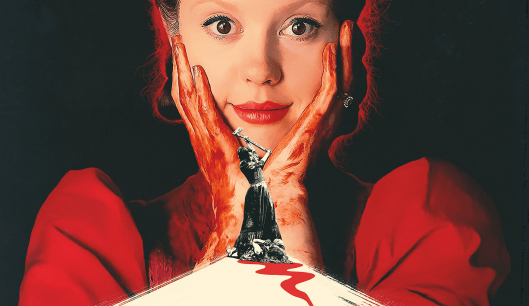
Pearl is a rare horror prequel that enriches its source material, X, while standing firmly on its own. Ti West and Mia Goth craft an origin story for Pearl, turning her into one of the most complex and tragic villains in modern horror. Set against the Technicolor aesthetic of Golden Age Hollywood, the film juxtaposes its idyllic setting with Pearl’s descent into madness. Goth’s tour-de-force performance is mesmerising, capturing Pearl’s vulnerability and violent impulses with equal intensity.
The film’s blend of psychological horror and slasher elements culminates in a bloody, unforgettable climax. Its exploration of isolation, unfulfilled dreams, and societal constraints adds emotional depth rarely seen in the genre. By focusing on Pearl’s humanity, West and Goth create a compelling, character-driven horror that lingers long after the credits roll.
34. The Others (2001)
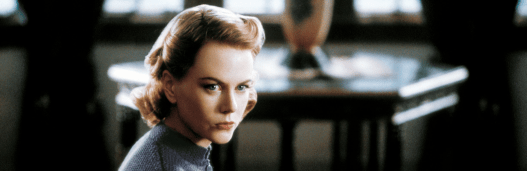
Alejandro Amenábar’s The Others is a masterclass in atmospheric horror, drawing viewers into its eerie, fog-shrouded world. Nicole Kidman delivers a captivating performance as Grace, a devout mother protecting her photosensitive children from sunlight and seemingly malevolent spirits haunting their isolated mansion. The film’s Gothic aesthetic and meticulous pacing build tension to its unforgettable twist ending, which redefines everything that came before.
Amenábar’s clever misdirection and subtle scares make The Others a film that rewards repeat viewings. Its themes of grief, denial, and maternal devotion resonate deeply, elevating it beyond a simple ghost story. Over two decades later, The Others remains a shining example of intelligent, character-driven horror that stands the test of time.
Retrospective: The Others (2001)
33. 28 Days Later (2002)
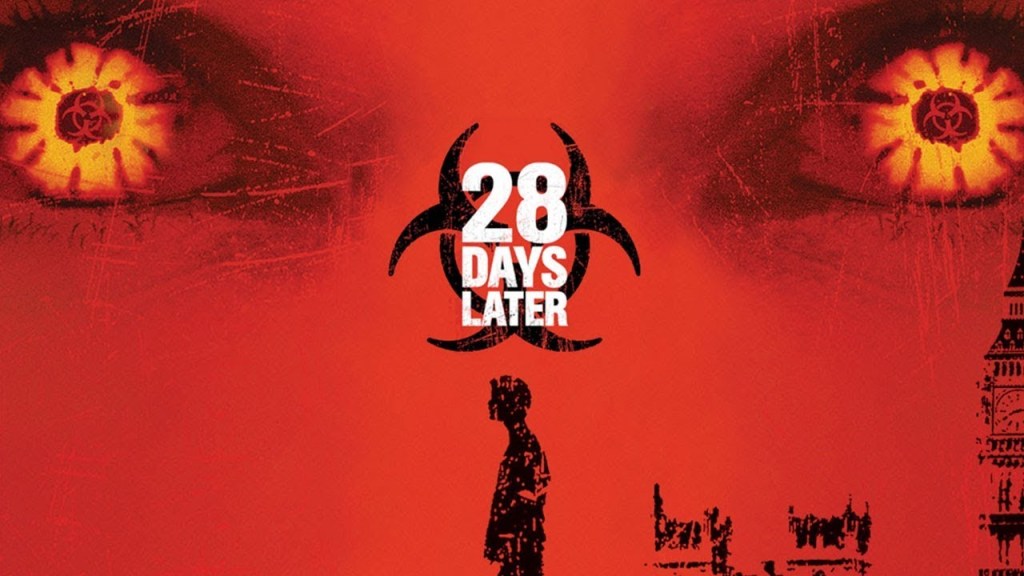
Danny Boyle’s 28 Days Later revitalised the zombie genre with its fast-moving “infected” and raw, apocalyptic energy. Opening with Cillian Murphy’s character waking in an abandoned London, the film captures the horror of a world plunged into chaos. Its visceral cinematography and intense pacing keep viewers on edge, while its exploration of human nature under duress adds depth.
The film’s blend of horror and social commentary, combined with John Murphy’s iconic score, has made it a modern classic. While its influence is undeniable, some critics have noted a lack of cohesion in its third act. Nevertheless, 28 Days Later remains a gripping and groundbreaking entry in the genre.
32. The Happiness of the Katakuris (2001)
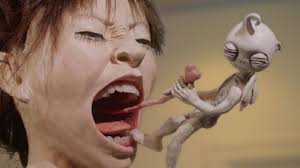
Takashi Miike’s The Happiness of the Katakuris defies categorisation, blending horror, musical, and dark comedy into an utterly unique experience. The film follows a family running a remote guesthouse, where their guests inexplicably die, leading to surreal musical numbers and claymation sequences. Miike’s fearless approach to genre-mashing creates a film that’s as hilarious as it is bizarre.
While its eccentricity may alienate some viewers, those who embrace its chaotic energy will find a story full of heart and unexpected poignancy. The Happiness of the Katakuris showcases Miike’s unmatched creativity and remains a cult favorite for its audacious vision.
31. The Witch (2015)
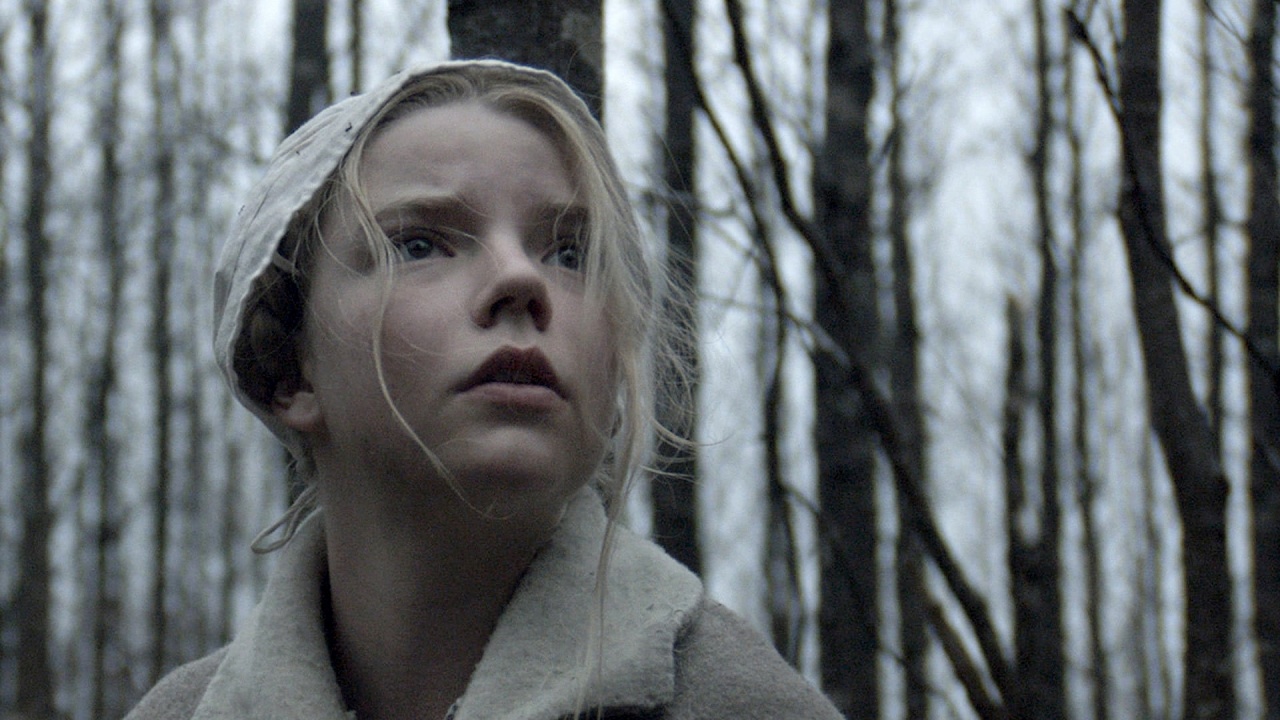
Robert Eggers’ The Witch is a meticulously crafted folk horror that immerses viewers in Puritan New England’s paranoia and superstition. Anya Taylor-Joy’s breakout performance as Thomasin anchors the film, as her family’s descent into mistrust and madness unfolds in chilling detail. The film’s historical authenticity, from its dialogue to its production design, adds to its unsettling atmosphere.
Eggers’ slow-burn approach rewards patient viewers with a harrowing and unforgettable climax. The Witch explores themes of repression, religious fanaticism, and female agency, cementing its place as a modern horror classic. Its haunting imagery and nuanced storytelling make it a standout in the genre.
- Saul Muerte
 Surgeons of Horror
Pingback: Top 100 Horror Films of the 21st Century… so far pt 6 | Surgeons of Horror
Pingback: Top 100 Horror Films of the 21st Century… so far | Surgeons of Horror