60 – 51
60. Behind the Mask: The Rise of Leslie Vernon (2006)
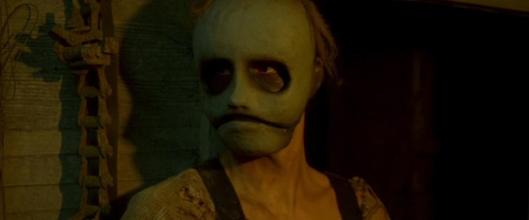
This unique meta-horror film takes a clever approach by blending humor with genuine tension, exploring the creation of a slasher villain. The first half introduces us to Leslie Vernon, a charismatic, yet sinister figure, who opens up about his future as a killer in a documentary-style format. The film builds on the tropes of iconic slasher films, offering insight into the mindset of a killer while keeping things fresh with dark humour. As the story evolves, it shifts into a more traditional horror narrative, turning the tables on the documentary filmmakers and showcasing Vernon’s disturbing plans in a way that’s both chilling and darkly comic.
The transition from humour to horror is seamless, keeping viewers on edge while never losing its sense of fun. The film’s playful deconstruction of the genre makes it a standout in the slasher subgenre. The brilliant portrayal of Leslie Vernon by Nathan Baesel anchors the film, making it a memorable and fresh take on a well-worn genre. The movie’s clever commentary on horror tropes and its ability to balance comedy with scares have earned it a loyal fanbase and solidified its place as a cult classic within the horror community. It’s a film that rewards repeated viewings, as you’ll discover new layers each time.
Retrospective: Behind The Mask: The Rise of Leslie Vernon
59. Fresh (2022)

“Fresh” is an intense, gripping film that brings new life to the psychological horror genre with its unsettling premise and dark humour. At the heart of the story is a young woman, played by Daisy Edgar-Jones, who is swept off her feet by a seemingly perfect man, only to discover his horrifying secrets. The film cleverly critiques modern dating and consumerism, all while spiraling into grotesque and absurd situations. Mimi Cave’s direction shines as she blends tension, terror, and moments of levity in a way that keeps the audience engaged, even as the narrative becomes increasingly twisted.
What stands out about “Fresh” is its ability to combine discomfort with darkly comedic moments, ensuring that its shocking premise is never overbearing. Edgar-Jones delivers an outstanding performance, capturing the vulnerability and strength of her character as she navigates the horrors she’s entangled in. The film’s commentary on body autonomy, consumption, and the dehumanizing aspects of relationships feels sharp and timely, making “Fresh” not only a horrifying experience but a thought-provoking one as well. Its success lies in its unsettling mix of visceral horror and psychological manipulation, leaving a lasting impression on viewers.
58. Dawn of the Dead (2004)
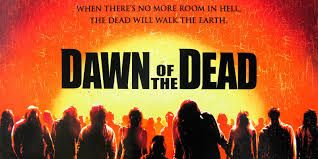
Zack Snyder’s remake of Dawn of the Dead (2004) revitalized the zombie genre for a new generation, blending sharp social commentary with action-packed horror. The film takes place in a shopping mall during a zombie outbreak, where a group of survivors must navigate the chaos outside while grappling with their own interpersonal struggles. Snyder’s high-energy direction makes every zombie attack feel urgent and terrifying, while the pacing never lags, keeping the audience on edge. The film’s sharp script gives the survivors more depth than is typical in zombie films, with each character facing different moral dilemmas.
While some purists may take issue with the fast-moving zombies, this remake’s contemporary take on the genre proved to be highly influential, introducing a new breed of undead that became synonymous with early 2000s horror. The themes of consumerism and isolation are expertly explored, making the film both a thrilling action-horror and a pointed critique of modern society. Dawn of the Dead remains one of the best horror remakes of the 2000s, offering enough horror, tension, and character depth to resonate with audiences long after the credits roll.
57. The Invisible Man (2020)
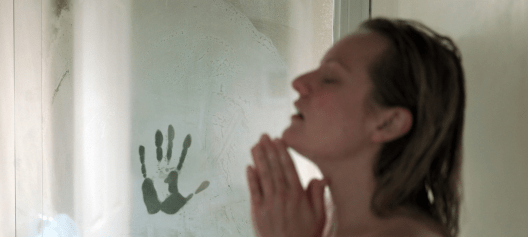
Leigh Whannell’s The Invisible Man is a masterclass in blending psychological horror with an exploration of trauma and manipulation. Elisabeth Moss delivers a powerful performance as Cecilia, a woman trapped in an abusive relationship, who begins to believe that her abusive ex-husband, presumed dead, has found a way to turn invisible and torment her. The film’s tension is driven not only by the psychological torment Cecilia endures but also by Whannell’s clever use of visual effects to make the invisible presence feel all too real. The film’s slow burn is punctuated by moments of shock and terror, heightening the sense of unease.
The ambiguity of the situation—whether Cecilia is truly being haunted or if her mind is playing tricks on her—adds an extra layer of depth to the narrative, inviting multiple interpretations. The film also critiques the systems that enable abuse, making it a timely and socially relevant horror film. The Invisible Man combines horror with an emotionally charged narrative, offering a satisfying mix of both psychological and traditional horror elements. It’s a standout film that doesn’t just rely on scares but also provides a compelling, thought-provoking story about survival and justice.
Movie Review: The Invisible Man
56. The Mist (2007)
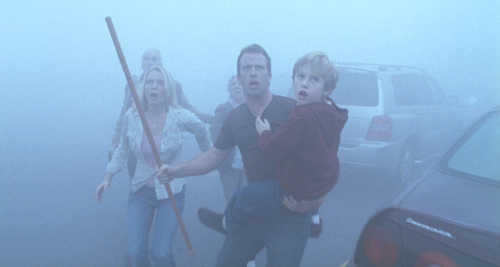
Frank Darabont’s The Mist stands out as one of the bleakest and most impactful horror films of the 21st century, largely due to its gut-wrenching ending. Based on Stephen King’s novella, the film focuses on a group of people trapped in a supermarket by a strange mist filled with monstrous creatures. As tensions rise and paranoia sets in, the group splinters into factions, with some choosing to fight for survival and others giving in to fear and superstition. The escalating horror is not just in the creatures lurking outside but in the ways fear manifests within the group, resulting in a series of devastating decisions.
While the film is filled with horrific moments of suspense, what truly sets The Mist apart is its conclusion. The ending is both shocking and deeply sorrowful, marking a rare instance where a horror film’s finale is both emotionally devastating and thematically resonant. It challenges the viewer’s expectations and lingers long after the credits roll, cementing The Mist as a standout in the horror genre. Darabont’s direction and the strong performances from the cast help elevate the film, making it a must-see for horror fans looking for more than just jump scares.
55. Fear Street: 1978 (2021)
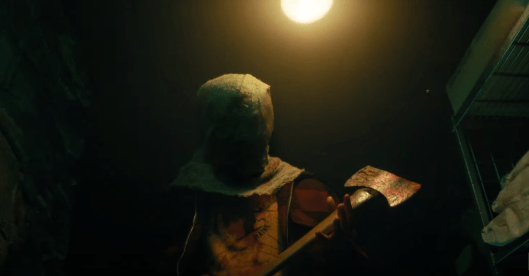
The second installment in the Fear Street trilogy, 1978 is widely regarded as the best of the three, with its throwback to classic slasher films of the 1970s. Set in a summer camp, the film introduces a new group of characters who find themselves caught in a bloodbath as they uncover the dark history of the cursed town of Shadyside. The film’s success lies in its ability to evoke nostalgia while still offering a fresh spin on familiar tropes. The camp setting brings a sense of dread, and the killer’s relentless pursuit of the victims adds to the tension.
What makes 1978 particularly effective is its deep dive into the past, fleshing out the mythology of Shadyside and setting the stage for the final film. The performances are solid across the board, with Sadie Sink standing out as one of the leads. The film expertly blends slasher horror with coming-of-age themes, giving it emotional depth beyond the kills. As a whole, Fear Street: 1978 stands as a highlight of the trilogy, effectively paying homage to 70s slashers while creating its own legacy in modern horror.
54. Oddity (2024)
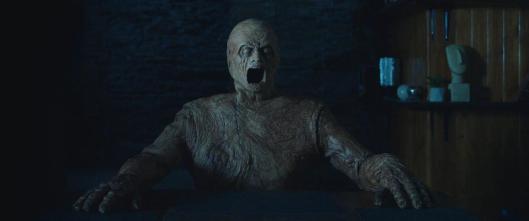
Oddity is a haunting slow-burn psychological horror film that blurs the lines between grief, madness, and the supernatural. Set in a quiet, eerie town, the film follows a grieving individual who becomes obsessed with a series of strange occurrences. The film’s pacing is deliberate, allowing tension to build gradually as the protagonist unravels the mystery surrounding their own descent into madness. While there are few jump scares, the creeping dread and unsettling atmosphere make up for it, drawing viewers into its mysterious world.
The film thrives on its ambiguity, offering a narrative that keeps viewers questioning what’s real and what’s not. The supernatural elements are subtle, adding to the sense of unease without ever fully explaining the events at hand. McCarthy’s direction is adept at creating a world where the line between the mundane and the eerie is constantly shifting. Oddity may not be a traditional horror film, but its psychological depth and atmospheric tension make it an unforgettable experience for those seeking something off the beaten path.
53. His House (2020)
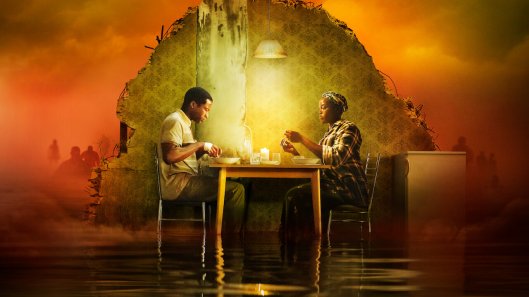
His House is a chilling, genre-defying film that combines supernatural horror with a poignant exploration of the immigrant experience. Directed by Remi Weekes, the film follows a young couple from South Sudan who, after fleeing war, struggle to adapt to life in a haunted house in England. The horrors of their new environment are not only supernatural but also psychological, as they are forced to confront the trauma and guilt of their past. The film’s emotional weight is carried by stellar performances from Wunmi Mosaku and Sope Dirisu, who bring depth and complexity to their roles.
What makes His House so effective is its ability to blend societal commentary with traditional horror. The ghosts haunting the couple are not just malevolent spirits but symbols of their past, haunting them as they try to adjust to their new life. Weekes’ direction is sharp, using horror as a lens to explore themes of displacement, survival, and guilt. His House is a standout film that challenges the conventions of horror, making it not only a scary experience but a deeply moving one as well.
Movie Review: His House (2020)
52. MadS (2024)
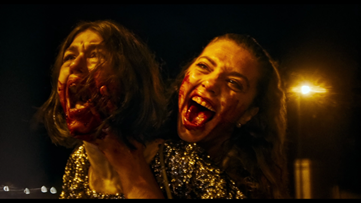
MadS is a psychological horror film that captivates with its unique one-shot structure and unsettling performances. The film follows a group of characters navigating a world where reality begins to fracture, leaving the audience questioning what is real and what is imagined. The tension in MadS is built through slow-burn moments of psychological unraveling, where the boundaries of reality begin to blur. The film uses its one-shot gimmick not only as a stylistic choice but as a way to immerse the viewer more fully in the characters’ growing sense of paranoia and dread. The eerie atmosphere, combined with the film’s slow pace, effectively heightens the sense of discomfort, keeping the audience on edge as the mystery unfolds.
The performances in MadS are integral to its success, as the characters must navigate a disorienting and increasingly bizarre world. The film’s tension is palpable, and it continuously plays with the audience’s expectations, never allowing them to settle into a sense of normalcy. While it may not rely on jump scares or traditional horror elements, MadS thrives on its unnerving atmosphere and the psychological turmoil of its characters. For fans of experimental horror with a focus on mood and psychological depth, MadS offers a unique and captivating experience that leaves a lasting impact.
MadS – A Mesmerizing, One-Shot Descent into Chaos
51. mother! (2017)
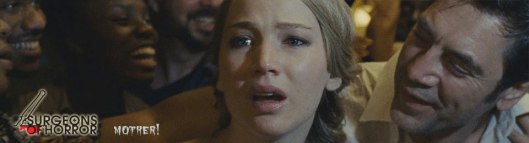
Darren Aronofsky’s mother! is an unrelenting, visceral exploration of creation, destruction, and human nature. The film follows Jennifer Lawrence’s character, Mother, whose peaceful life with her partner, played by Javier Bardem, is disrupted when a mysterious couple arrives at their remote home. What starts as a seemingly innocent visit quickly descends into chaos, with the house itself becoming a symbol of Mother Earth’s fragile existence. Aronofsky’s direction is intense, using the claustrophobic space of the house to mirror the psychological unraveling of the characters. The film’s pace and tone create a suffocating atmosphere, leaving viewers feeling increasingly uncomfortable as the story unfolds into a metaphorical and literal nightmare.
The performances, particularly Lawrence’s, are extraordinary, as she portrays a woman whose reality is constantly shifting, and whose physical and emotional torment drives the film’s tension. While mother! is often cryptic and open to interpretation, its themes of creation, sacrifice, and the destructive nature of humanity are powerfully conveyed through Aronofsky’s bold and provocative storytelling. The film’s use of allegory and symbolism, especially toward its climax, offers a striking meditation on the cost of artistic and personal ambition. While divisive, mother! is a harrowing and thought-provoking film that leaves an indelible impression on its audience.
- Saul Muerte
 Surgeons of Horror
Pingback: Top 100 Horror Films of the 21st Century… so far pt 4 | Surgeons of Horror
Pingback: Top 100 Horror Films of the 21st Century… so far | Surgeons of Horror