90 – 81
90. I See You (2019)
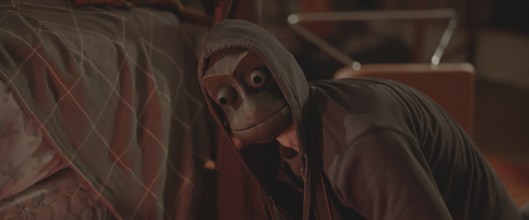
I See You dives into a labyrinthine narrative that challenges traditional storytelling with its fractured structure. While some viewers may find the tonal shifts disorienting, this boldness is precisely what makes the film intriguing. The intertwining of domestic drama and psychological horror creates a tension-filled atmosphere, heightened by the unexpected twists that unfold. As the layers of the plot peel back, the audience is taken on a journey that is both unnerving and captivating, showcasing a fear that lurks within the familiar confines of home. The film strikes a remarkable balance between suspense and emotional depth, compelling viewers to invest in the characters’ fates.
In a genre often dominated by predictable arcs, I See You stands out for its willingness to take risks. It showcases a director unafraid to embrace complexity, making for an immersive experience that lingers long after the credits roll. This film is not just about shocking reveals; it’s a testament to the darker corners of human relationships, making it a compelling watch for those willing to embrace its narrative intricacies.
89. Session 9 (2001)
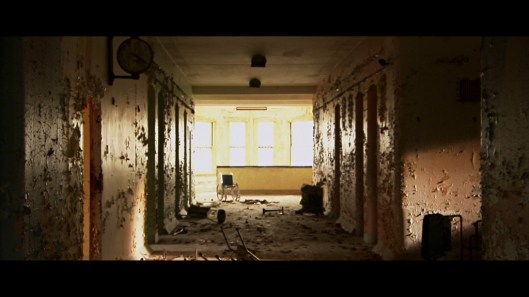
A masterclass in psychological horror, Session 9 unfolds within the confines of an abandoned mental asylum, where a group of asbestos removers confronts their own buried fears. Brad Anderson’s direction meticulously crafts an atmosphere thick with dread, allowing the decaying walls of the asylum to echo the internal struggles of its characters. The slow-burn tension builds as past traumas resurface, intertwining with the haunting history of the asylum itself. This unsettling exploration of the human psyche is underscored by an extraordinary performance from the ensemble cast, each member bringing a raw authenticity to their roles.
The film’s pacing is deliberate, inviting viewers to immerse themselves in its creeping dread. The eerie score and haunting visuals amplify the atmosphere, creating an overwhelming sense of inevitability that culminates in a chilling conclusion. Over time, Session 9 has earned a reputation as a hidden gem in horror cinema, resonating with audiences for its profound psychological depth and visceral impact.
Retrospective: Session 9 (2001)
88. Sputnik (Спутник) (2020)
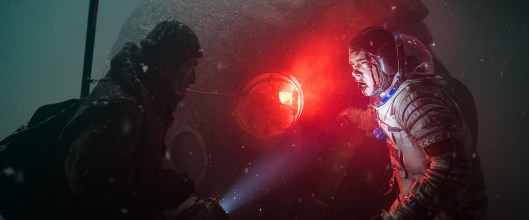
Sputnik invites viewers into a chilling exploration of humanity through the lens of sci-fi horror. Set against the backdrop of a Cold War era, the film follows a cosmonaut who returns from space carrying a parasitic alien lifeform. Director Egor Abramenko crafts a narrative that is as much about the terror of the unknown as it is a psychological study of the characters involved. As the fear of the alien entity grows, so does the unraveling of the human mind, leading to a profound commentary on isolation and existential dread.
The film’s atmospheric tension is punctuated by strong performances that delve into the psyche of fear and survival. Its haunting visuals and tightly woven narrative draw audiences into a world where humanity’s deepest instincts are laid bare. Sputnik is a testament to the power of science fiction as a vehicle for exploring the human condition, making it a must-watch for fans of thought-provoking horror.
Movie review: Sputnik (Спутник)
87. The Eye (2002)
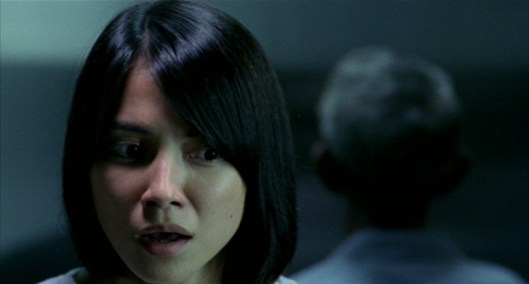
In The Eye, the boundary between reality and the supernatural is explored through the unsettling story of a young woman who, after receiving a corneal transplant, begins experiencing terrifying visions. This film is a standout example of Asian horror, weaving themes of trauma, loss, and inherited pain into a compelling narrative. The craftsmanship of The Eye lies in its ability to blend emotional depth with spine-tingling scares, as the protagonist grapples with her new reality and the haunting legacy of her donor.
The film’s cinematography effectively captures both the beauty and terror of its supernatural elements, creating an atmosphere that feels both hauntingly familiar and disturbingly otherworldly. The Eye resonates with audiences not just for its horror, but for its exploration of the human experience, making it a poignant reminder of the weight we carry from our past.
86. Terrified (2017)
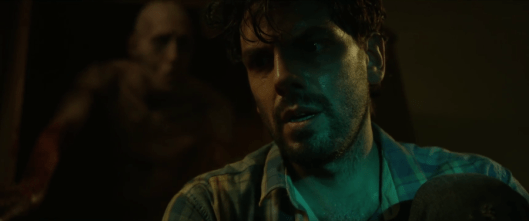
Terrified plunges viewers into an intense narrative that showcases the horrors lurking in the shadows of everyday life. Set in a small Argentinian town plagued by a series of mysterious deaths, the film captures the unsettling fear of the unknown as paranormal investigators attempt to unravel the sinister occurrences. Director Demián Rugna’s approach is visceral, employing a relentless pacing that keeps the audience on the edge of their seats.
What sets Terrified apart is its ability to build dread through subtlety, allowing moments of silence to amplify the horror that follows. With a cast that embodies a palpable sense of urgency, the film explores the fragility of sanity when confronted with the supernatural. As it unfolds, Terrified becomes an immersive experience, forcing viewers to confront their deepest fears in a way that is both terrifying and thought-provoking.
85. Halloween (2018)
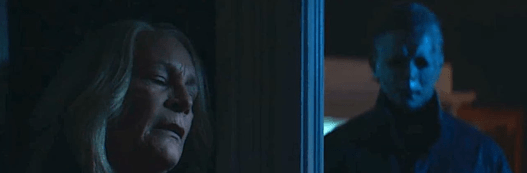
Returning to its roots, Halloween (2018) breathes new life into the legendary franchise by reintroducing Michael Myers with a fresh yet familiar perspective. David Gordon Green’s direction respects the legacy of John Carpenter’s original while incorporating contemporary themes that resonate with today’s audience. The film successfully combines nostalgia with innovation, delivering both terrifying moments and a compelling narrative that highlights the enduring impact of trauma.
With Jamie Lee Curtis reprising her iconic role as Laurie Strode, the film emphasises themes of survival and resilience against an unyielding force of evil. The blend of suspense, thrills, and character-driven storytelling culminates in a visceral cinematic experience that appeals to longtime fans and newcomers alike. Halloween (2018) is a masterclass in revitalising a classic, ensuring that Michael Myers remains a formidable presence in horror cinema.
Movie review: Halloween (2018)
84. In Fabric (2018)

In Fabric is a captivating exploration of consumerism through a surrealist lens, intertwining horror and dark comedy in an enthralling narrative. Directed by Peter Strickland, the film centres around a cursed red dress that wreaks havoc on its wearers, crafting a tale that is both whimsical and nightmarish. The film’s retro aesthetic, coupled with its meticulously crafted sound design, immerses viewers in a world where the mundane becomes terrifying.
Strickland’s unique storytelling style allows In Fabric to transcend traditional horror, using the dress as a metaphor for obsession and desire. Each character’s interaction with the dress reveals deeper truths about their lives, providing a commentary on how materialism can consume us. In Fabric is an audacious and visually striking film that leaves a lasting impression, inviting audiences to reconsider their relationship with consumer culture.
83. Scream (2022)

In Scream (2022), the legacy of the franchise is honored while simultaneously exploring new territory. The film seamlessly integrates meta-commentary with fresh horror elements, demonstrating an understanding of both the genre’s roots and its evolution. Directors Matt Bettinelli-Olpin and Tyler Gillett craft a narrative that feels relevant and engaging, appealing to both longtime fans and a new generation of horror enthusiasts.
The film’s clever references to horror tropes and its self-awareness add depth to the narrative, making it a love letter to the genre. With returning characters and new faces, Scream successfully balances nostalgia and innovation, offering thrilling twists and memorable moments. This installment revitalises the franchise, reaffirming its status as a cultural touchstone in horror.
82. Little Monsters (2019)

Little Monsters cleverly blends horror and comedy to create a delightful narrative about a zombie outbreak viewed through the eyes of a group of children. Directed by Abe Forsythe, the film showcases the journey of musician Dave as he confronts his immaturity while trying to protect a group of young students during a chaotic field trip. Lupita Nyong’o shines as the heroic teacher Miss Caroline, her performance imbued with warmth and courage that anchors the story amidst the absurdity.
The film’s charm lies in its ability to balance humour with genuine moments of tension, making the horror feel relatable rather than overwhelming. Little Monsters uses its unique premise to explore themes of growth, responsibility, and resilience, all while delivering laugh-out-loud moments. This refreshing take on the zombie genre is both heartfelt and entertaining, making it a standout film in modern horror-comedy.
81. Slither (2006)
James Gunn’s Slither is a vibrant homage to body horror that marries humour with grotesque imagery. Set in a small town overrun by parasitic aliens, the film revels in its absurdity while maintaining a sharp wit that keeps viewers engaged. The ensemble cast, including Nathan Fillion and Elizabeth Banks, delivers performances that are both comedic and grounded, adding depth to a story that thrives on its outrageous premise.
Gunn’s direction shines through in the film’s meticulous pacing and imaginative visuals, creating a unique atmosphere that oscillates between hilarity and horror. Slither embraces its genre roots while simultaneously pushing boundaries, making it a cult favorite that exemplifies the cleverness and creativity that can emerge from horror cinema.
- Saul Muerte
 Surgeons of Horror
Pingback: Top 100 Horror Films of the 21st Century… so far | Surgeons of Horror
Pingback: Top 100 Horror Films of the 21st Century… so far pt 1 | Surgeons of Horror