100 – 91
100. Apostle (2018)
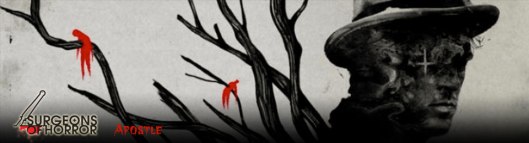
Apostle is an atmospheric horror that pulls viewers into a relentless journey through psychological and physical torment, and Gareth Evans does indeed excel at sustaining that tension throughout. With Dan Stevens embodying both vulnerability and raw intensity, the film explores themes of faith, sacrifice, and the search for redemption in ways that feel both brutal and poetic.
Apostle also reflects on humanity’s darker impulses—both in individuals and in society. The story explores how people, under the guise of devotion or tradition, can become consumed by control and violence. It’s entry to start this list sets a thematic tone for films that aren’t afraid to push boundaries and delve into human frailty and resilience.
99. Ravenous (2017)
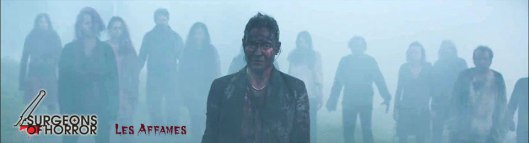
Les Affamés (Ravenous) is an exceptional take on the zombie genre, using an intimate, almost lyrical approach to tell a story of survival and humanity. Rather than relying on constant action or gore, director Robin Aubert gives the film a somber, reflective tone, focusing on the quiet moments that build genuine attachment to the characters. This makes each loss hit harder, as the horror feels deeply personal rather than just another spectacle of carnage.
Set in the vast, lonely stretches of rural Quebec, Les Affamés feels hauntingly desolate, with the barren landscapes mirroring the sense of isolation and despair within its survivors. The film’s strength lies in its ability to depict how fragile human connections become lifelines in a world overrun by monsters. It’s a testament to the idea that in horror, sometimes it’s the small, tender moments between characters that leave the deepest impact.
Movie review: Les Affames aka Ravenous
98. Prevenge (2016)
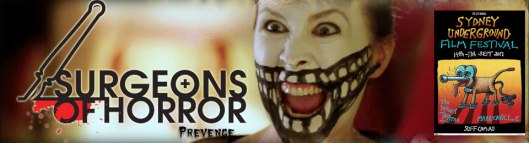
Prevenge is a uniquely audacious horror-comedy, with Alice Lowe taking a sharp and unapologetic dive into the dark, uncharted waters of maternal rage and isolation. The film’s wit is razor-sharp, blending Lowe’s sardonic humor with an exploration of grief, control, and the extremes of autonomy. Her character’s journey is both empowering and terrifying—a mother-to-be driven to murder by the whims of her unborn child. It’s bold, bloody, and wildly original.
What makes Prevenge so remarkable is not only its twisted sense of humor but also the sheer determination behind its creation. Lowe wrote, directed, and starred in the film while heavily pregnant, lending an authenticity to the story’s chaotic and unhinged emotional core. Her portrayal captures an honesty about the frustrations and fears of impending motherhood, turned up to horrific heights. The film’s message is clear: Alice Lowe is a creative force to be reckoned with, and her fierce, take-no-prisoners approach is as inspiring as it is darkly funny.
97. Cargo (2017)
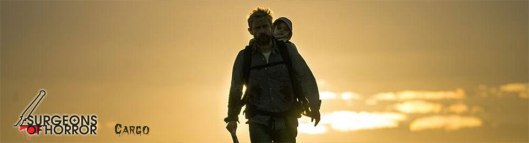
Cargo is a poignant, unexpectedly tender entry in the zombie genre, driven by both its inventive storytelling and emotional depth. Martin Freeman brings a heartbreaking vulnerability to his role as a father racing against time to protect his infant daughter from a world ravaged by the undead, all while fighting the inevitable fate of his own infection. The film’s unique premise—a father with mere hours to secure a safe future for his child—raises the stakes to an emotional high that’s rare in horror, especially in a genre that often veers toward shock over sentiment.
Set against the hauntingly beautiful, desolate landscapes of the Australian outback, Cargo finds strength in its sense of place. The setting adds both vastness and isolation, making the story feel as much about survival against nature as against zombies. But what truly sets it apart is how it reframes survival horror as a story of sacrificial love, blending tension with moments of profound humanity. Cargo takes you through the full spectrum of emotions: dread, sorrow, and finally, a bittersweet hope.
96. Caveat (2021)
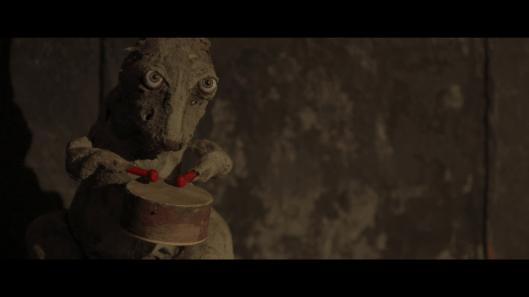
Caveat is an unsettling dive into psychological horror that embraces minimalism and atmosphere to create a creeping, dread-laden experience. Director Damian McCarthy’s debut boldly defies conventional horror tropes, offering viewers a story that is as disorienting as it is haunting. The film’s fragmented narrative and confined setting—a decaying, isolated house where a man finds himself reluctantly caring for a troubled woman—draw you in with the feeling that something deeply wrong is lurking just beneath the surface.
The performances are outstanding, especially given the claustrophobic setting and disjointed storytelling. Each character feels trapped, not just physically but psychologically, as they navigate the house’s secrets. McCarthy expertly uses sparse dialogue and eerie visuals, including that unforgettable rabbit-faced toy with its unsettling eyes, to build tension. It’s the kind of horror that thrives on ambiguity and discomfort, pulling you into a world that feels just a step removed from reality.
95. Daniel Isn’t Real (2019)
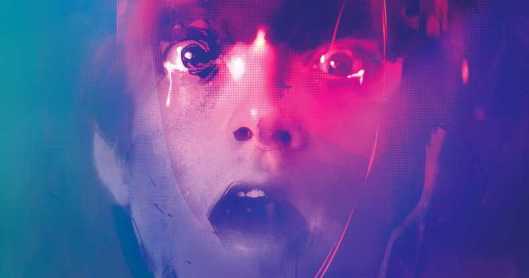
Daniel Isn’t Real weaves a captivating tale of the struggle between sanity and madness through the lens of a young man’s complex relationship with his imaginary friend. Director Adam Egypt Mortimer expertly crafts a visually striking narrative that pulls viewers into a dreamlike world where the lines between reality and imagination blur. The film’s protagonist, Luke played with a compelling vulnerability by Miles Robbins, navigates his troubled psyche, grappling with the sinister influence of Daniel (Patrick Schwarzenegger), the imaginary friend who embodies both charisma and chaos.
What makes this film particularly engaging is its exploration of mental health themes, framed within the familiar narrative of good versus evil. As Daniel’s presence grows increasingly manipulative and malevolent, viewers are forced to question the nature of identity and the lengths one will go to escape pain and loneliness. Mortimer’s direction shines in its ability to create a surreal atmosphere that immerses you in the protagonist’s mind, making each twist and turn feel both shocking and inevitable.
Movie Review: Daniel Isn’t Real
94. Hatching (2022)
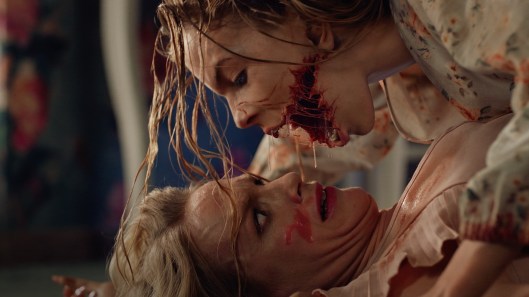
Hatching is a bold and unsettling exploration of identity and the pressures of societal expectations, cleverly wrapped in a body horror narrative. Directed by Hanna Bergholm, the film follows a young gymnast, Tinja, who discovers an unusual egg that hatches into a mysterious creature. This unexpected development serves as a physical manifestation of her repressed emotions and the overwhelming demands placed upon her by her mother and the world of competitive gymnastics.
The film delves deep into themes of self-acceptance and the struggle for autonomy, particularly for young women facing unrealistic ideals. As Tinja’s bond with the creature grows, it becomes a metaphor for her emerging identity, reflecting her desire to break free from the constraints imposed on her. The horror escalates not just through the creature’s grotesque transformations, but also in Tinja’s own metamorphosis as she grapples with her burgeoning sense of self.
Visually, Hatching is striking, with a blend of unsettling imagery and a vibrant color palette that amplifies the film’s emotional weight. It’s an unsettling fairy tale that invites viewers to reflect on the complexities of growing up and the sometimes-monstrous forms that self-discovery can take.
93. Relic (2020)
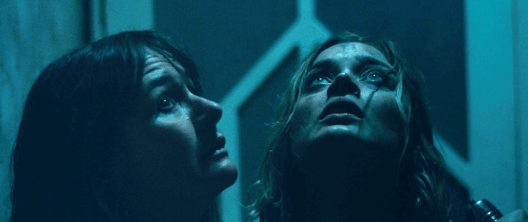
Relic is a poignant and chilling exploration of the complexities of familial love, particularly as it intersects with the devastating effects of dementia. Directed by Natalie Erika James, the film delves into the emotional landscape of three generations of women—Edna, the aging matriarch; Kay, her daughter; and Sam, her granddaughter—as they confront the horrifying realities of Edna’s deteriorating mental state. What sets Relic apart is its ability to fuse the supernatural with deeply personal drama, creating an unsettling atmosphere that resonates long after the credits roll.
The film’s horror elements serve as an allegory for the fear and helplessness that accompany watching a loved one succumb to illness. The creeping dread in Relic is not solely derived from jump scares but rather from the profound sense of loss and disconnection that dementia brings. James masterfully utilises visual storytelling to illustrate Edna’s gradual transformation, encapsulating the feeling of being trapped in a nightmare where the familiar becomes foreign and threatening.
At its core, Relic is about the bonds that endure despite the chaos of mental decline. It’s a testament to the love that persists even when communication falters and understanding fades. The performances, particularly by Robyn Nevin as Edna, are heartfelt and haunting, adding layers of emotional depth that elevate the film beyond standard horror fare.
92. Neon Demon (2016)

Nicolas Winding Refn’s The Neon Demon is a visually stunning exploration of beauty, ambition, and the dark underbelly of the fashion industry. The film follows Jesse, a young aspiring model played by Elle Fanning, as she navigates the cutthroat world of Los Angeles’ modeling scene. Refn crafts an intoxicating atmosphere filled with lush cinematography and a pulsating synth-heavy score that draws the viewer into Jesse’s surreal journey.
While some critics argue that The Neon Demon lacks a substantive narrative, its strength lies in its rich visual style and the themes it explores. The film presents a critique of the obsession with youth and beauty, showcasing the lengths to which individuals will go to maintain their status in a visually driven society. As Jesse’s beauty captivates those around her, it becomes clear that the adoration she receives masks a more sinister reality, revealing the competitive and predatory nature of the fashion world.
What makes The Neon Demon memorable is its ability to evoke strong reactions, whether through its stunning visuals, unsettling themes, or the interplay of desire and danger. The performances, particularly from Fanning, Jena Malone, and Keanu Reeves, enhance the film’s unsettling tone. This film’s dreamlike quality and exploration of vanity make it a compelling experience for those willing to embrace its unique vision.
Movie review: Neon Demon (2016)
91. Evil Dead Rise (2023)

Evil Dead Rise marks an exciting new chapter in the beloved franchise, infusing the classic horror elements with fresh energy and a modern twist. Directed by Lee Cronin, the film retains the series’ trademark blend of humour and horror, ensuring that fans of the original trilogy feel right at home while also captivating a new generation of viewers. The decision to shift the setting from the woods to an urban environment breathes new life into the narrative, allowing for a unique take on the series’ foundational themes of family, survival, and the supernatural.
The film follows a fractured family whose reunion is interrupted by the malevolent forces unleashed by the Necronomicon, leading to a relentless and blood-soaked battle for survival. Cronin’s direction is both reverent to the source material and bold in its execution, showcasing a visceral style that emphasises the sheer chaos and intensity of the horror. The inventive use of practical effects and makeup pays homage to the franchise’s roots, creating a terrifying atmosphere that evokes both nostalgia and thrill.
One of the film’s greatest strengths lies in its ability to balance terror with dark humour, maintaining the spirit of the original while pushing boundaries. The cast delivers strong performances, particularly in moments of sheer panic and desperation, showcasing the depth of their characters amid the unfolding horror. Evil Dead Rise not only elevates the franchise but also proves that there are still new stories to be told within its twisted universe.
Movie review – Evil Dead Rise (2023)
- Saul Muerte
 Surgeons of Horror
Pingback: Top 100 Horror Films of the 21st Century… so far | Surgeons of Horror