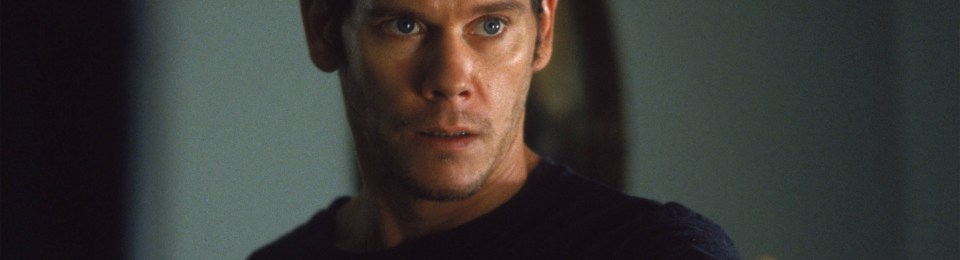
Released mere weeks after The Sixth Sense, David Koepp’s Stir of Echoes didn’t get the attention it might have otherwise garnered, overshadowed by the cultural juggernaut of Shyamalan’s film. Yet Stir of Echoes is a worthy supernatural thriller in its own right, deserving of renewed appreciation, especially for its unsettling atmosphere and committed performances by Kevin Bacon and Kathryn Erbe. Bacon’s portrayal of Tom Witzky, a blue-collar worker with newfound psychic abilities, anchors the film with emotional depth and an unflinching intensity that makes Tom’s haunting experiences feel palpable and raw. Erbe’s subtle performance as Tom’s wife, Maggie, complements this perfectly, grounding the narrative with compassion and skepticism, making her a compelling counterbalance to Tom’s unraveling.
Richard Matheson’s Influence on Horror and the Supernatural
At the core of Stir of Echoes is the source material by Richard Matheson, one of the 20th century’s most influential horror writers. Known for works that often blend psychological horror with speculative elements, Matheson’s narratives explore the ordinary disrupted by the extraordinary. Matheson’s storytelling roots run deep in science fiction and horror, most notably with I Am Legend, which redefined post-apocalyptic vampire lore, and Hell House, which took haunted house stories to terrifying new depths. His ability to weave supernatural horror into mundane suburban life, as he does in Stir of Echoes, continues to influence countless films and series that explore the terrors lurking within the familiar.
Matheson’s 1958 novel A Stir of Echoes was, in many ways, ahead of its time, diving into themes of hypnotism, mind control, and the thin veil separating reality from the supernatural. His approach in Stir of Echoes places existential dread at the forefront, turning the “suburban nightmare” into something tangible and deeply disturbing. Koepp’s adaptation modernises these elements, leaning into themes of suppressed trauma and the dark secrets that lie beneath everyday life, creating a reflective parallel to Matheson’s work that resonates with contemporary audiences.
A Closer Look at Stir of Echoes
The film’s story kicks off with Tom Witzky, whose life changes dramatically after a hypnotism session by his sister-in-law, Lisa (Illeana Douglas). What begins as a party trick unlocks a hidden part of Tom’s psyche, leaving him with disturbing visions of a young girl’s ghost and exposing him to a series of harrowing supernatural encounters. Unlike The Sixth Sense, which largely revolves around unraveling a single mystery, Stir of Echoes focuses on the psychological toll that comes from glimpsing beyond the veil, with Bacon’s visceral performance encapsulating Tom’s struggle as he becomes more and more unhinged by the visions that refuse to relent.
In addition to its nuanced approach to horror, the film builds a pervasive sense of dread through practical effects, shadows, and silence, a testament to Koepp’s restrained direction. The sound design, paired with moments of sudden dissonance, immerses viewers in Tom’s increasingly fractured mind. The sequences where Tom attempts to excavate the buried secrets—both literally and figuratively—of his neighborhood carry a claustrophobic intensity. The film feels close and personal, less focused on bombastic scares and more on disturbing, slow-building tension.
Bacon, Erbe, and the Unseen
Kevin Bacon’s role as Tom is undoubtedly one of the film’s greatest assets. His portrayal combines simmering rage, desperation, and vulnerability, making Tom’s journey toward self-destruction both tragic and captivating. As Tom dives deeper into his haunting visions, Bacon’s performance brings a rawness that makes the supernatural seem plausible, showcasing his ability to convey terror and fascination in equal measure. Kathryn Erbe’s Maggie is the calm counterpoint, her steady pragmatism holding the family together as Tom slips further away from reality. The chemistry between Bacon and Erbe creates a believability and sympathy for their family’s plight, grounding the supernatural elements in a relatable human connection.
Koepp’s Stir of Echoes ultimately deserves its place in the conversation around late ‘90s horror for its skillful blend of supernatural and psychological themes. While it may have arrived at an inopportune moment, in the shadow of a cultural phenomenon, its thematic depth and compelling performances keep it from fading into obscurity. Twenty-five years on, it’s a chilling reminder of Richard Matheson’s timeless influence and the potency of horror grounded in the most familiar places.
- Saul Muerte
 Surgeons of Horror