Tags
1960s horror, 1960s retrospective, barbara steele, Italian Cinema, italian gothic horror, italian horror
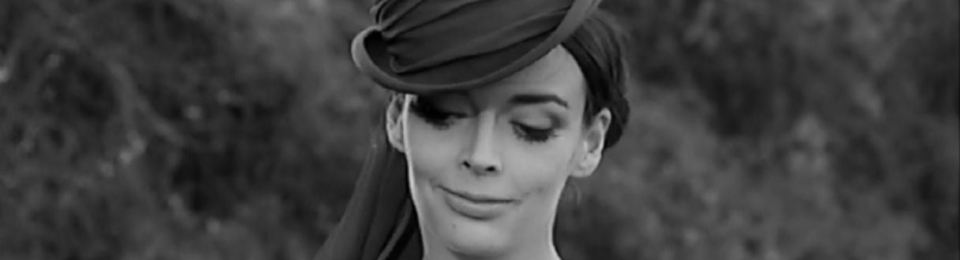
In the grand tradition of Italian horror cinema, An Angel for Satan (1966) marks one of the final films that harnessed the enigmatic presence of Barbara Steele, the British actress who became the face of Italian Gothic horror. Directed by Camillo Mastrocinque, this atmospheric piece takes its place as a late entry in the wave of eerie Italian cinema that made Steele a genre icon, but by this point, the formula that worked so well for her earlier roles begins to lose its potency.
Set in a small Italian village, An Angel for Satan tells the story of a cursed statue of a woman, believed to bring death and misfortune to those around her. Steele plays the dual roles of Harriet, a tormented woman who bears a striking resemblance to the statue, and Belinda, the mysterious figure carved in stone. The film delves into the psychological and supernatural consequences of Harriet’s strange connection to the sculpture, bringing the villagers to the brink of madness. The narrative unfolds with the traditional eerie ambiance found in Italian Gothic horror, with heavy doses of intrigue, paranoia, and unsettling sexuality.
As with most of her performances, Steele excels in evoking an eerie, almost hypnotic presence, playing the duality of her character with sophistication. Her signature intensity radiates through Harriet, who teeters on the edge of sanity, and her portrayal of the statue’s spirit, which teems with malice, is mesmerising. However, while Steele’s magnetic presence is undeniable, it can’t quite elevate the film above its derivative structure. By 1966, Italian horror had begun to lean too heavily on the tried-and-true formula of brooding castles, fog-drenched lakes, and tragic female leads. An Angel for Satan, though stylish in moments, feels like a fading echo of Steele’s earlier, more impactful films like Black Sunday (1960).
Visually, Mastrocinque does deliver the kind of atmospheric setting one would expect from Italian horror of the period, with a haunting score and meticulously crafted gothic backdrops. However, there is a sense that the creative energy that fueled Italian horror in the early 1960s was waning. The plot, while containing some interesting twists, lacks the bite and urgency needed to make it truly memorable. The pacing drags in places, and despite its supernatural elements, it feels too familiar—relying on themes and tropes that had been done with greater finesse earlier in the decade.
Barbara Steele’s star power undoubtedly shines through, but in An Angel for Satan, it’s a flicker rather than a flame. By the mid-60s, Steele had become synonymous with Italian horror, and while she continued to be cast in leading roles, the material she was given often struggled to match her talent. Her allure here, though still present, feels tethered to a genre in transition—no longer fresh, but not yet ready to fully evolve into something new, as the giallo era was just around the corner.
An Angel for Satan is a curio for fans of Italian Gothic horror and essential viewing for devotees of Barbara Steele, but it’s also a sign of the inevitable decline of the Gothic style that had made her a star. While not without its moments of eerie brilliance, the film is more of a swan song for a fading era in Italian horror—a period where Steele’s reign was still potent but undeniably starting to wane.
While An Angel for Satan is not without merit, it ultimately serves as a reminder that the Gothic Italian horror genre was ready for a change, and so, too, was its leading lady.
- Saul Muerte
 Surgeons of Horror