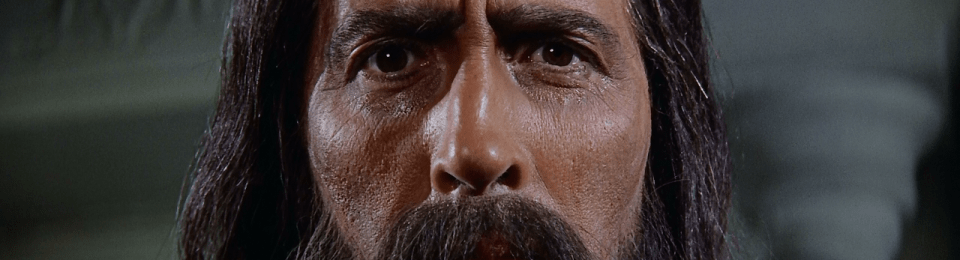
In 1966, Hammer Films continued to redefine the horror genre with Rasputin: The Mad Monk, a captivating biographical horror-drama that diverges from its earlier supernatural themes while maintaining the company’s trademark gothic flair. Directed by Don Sharp and featuring the magnetic performance of Christopher Lee in the titular role, this film presents a complex character study of one of history’s most notorious figures, Grigori Rasputin.
Plot Overview
Set in the early 20th century, Rasputin: The Mad Monk chronicles the life of the controversial mystic who ingratiated himself into the Russian royal family, wielding significant influence over Tsar Nicholas II and his wife, Alexandra. The film explores Rasputin’s ability to heal the Tsarevich Alexei, who suffers from hemophilia, leading to his growing power and the ensuing fear and paranoia among the aristocracy. However, his depravity and manipulation eventually lead to his tragic downfall.
Characterization and Performance
Christopher Lee’s portrayal of Rasputin is a tour de force, balancing the character’s charm and charisma with an underlying menace. Lee’s performance breathes life into Rasputin, allowing audiences to witness the mystic’s seductive nature as he uses his powers for personal gain. The film delves into Rasputin’s psychological complexity, presenting him as both a healer and a harbinger of doom, capturing the duality of his character with finesse.
Themes of Power and Corruption
Rasputin: The Mad Monk expertly examines themes of power, corruption, and the consequences of unchecked ambition. As Rasputin rises to prominence, the film highlights how his influence over the royal family leads to a deterioration of moral boundaries. The narrative poses thought-provoking questions about the ethical implications of wielding power and the impact of personal desires on societal structures.
Visual Aesthetics and Cinematography
While diverging from traditional horror tropes, the film retains Hammer’s distinctive visual style. The cinematography beautifully captures the opulence of the Russian court, juxtaposed against the darker, more sinister elements of Rasputin’s life. The lavish costumes and atmospheric settings enhance the film’s gothic sensibility, immersing viewers in a world of intrigue and dread.
A Significant Addition to the Hammer Canon
Rasputin: The Mad Monk is notable not only for its historical context but also for its exploration of psychological horror. By grounding its narrative in real events, the film invites audiences to contemplate the fine line between reality and madness, making it a compelling entry in Hammer’s 1966 lineup. The film’s ability to maintain a sense of dread while engaging with the complexities of its characters showcases Hammer’s versatility and willingness to evolve within the genre.
As part of the broader narrative of 1966, Rasputin: The Mad Monk represents Hammer’s ambition to expand beyond supernatural horror and delve into the intricacies of human behaviour. The film stands as a testament to the studio’s commitment to storytelling that resonates with audiences, blending horror with historical drama.
- Saul Muerte
 Surgeons of Horror
Pingback: 1966: The Year Hammer Owned Horror | Surgeons of Horror