
By 1966, Hammer Films had cemented its place as the dominant force in gothic horror, captivating audiences with its atmospheric settings, chilling villains, and signature blend of gore and mood. However, the year also marked a turning point for the company, as Hammer began to experiment with different subgenres, expanding its repertoire while still clinging to its horror roots. This was the year Hammer reminded the world it could not only scare them but could haunt them long after the credits rolled.
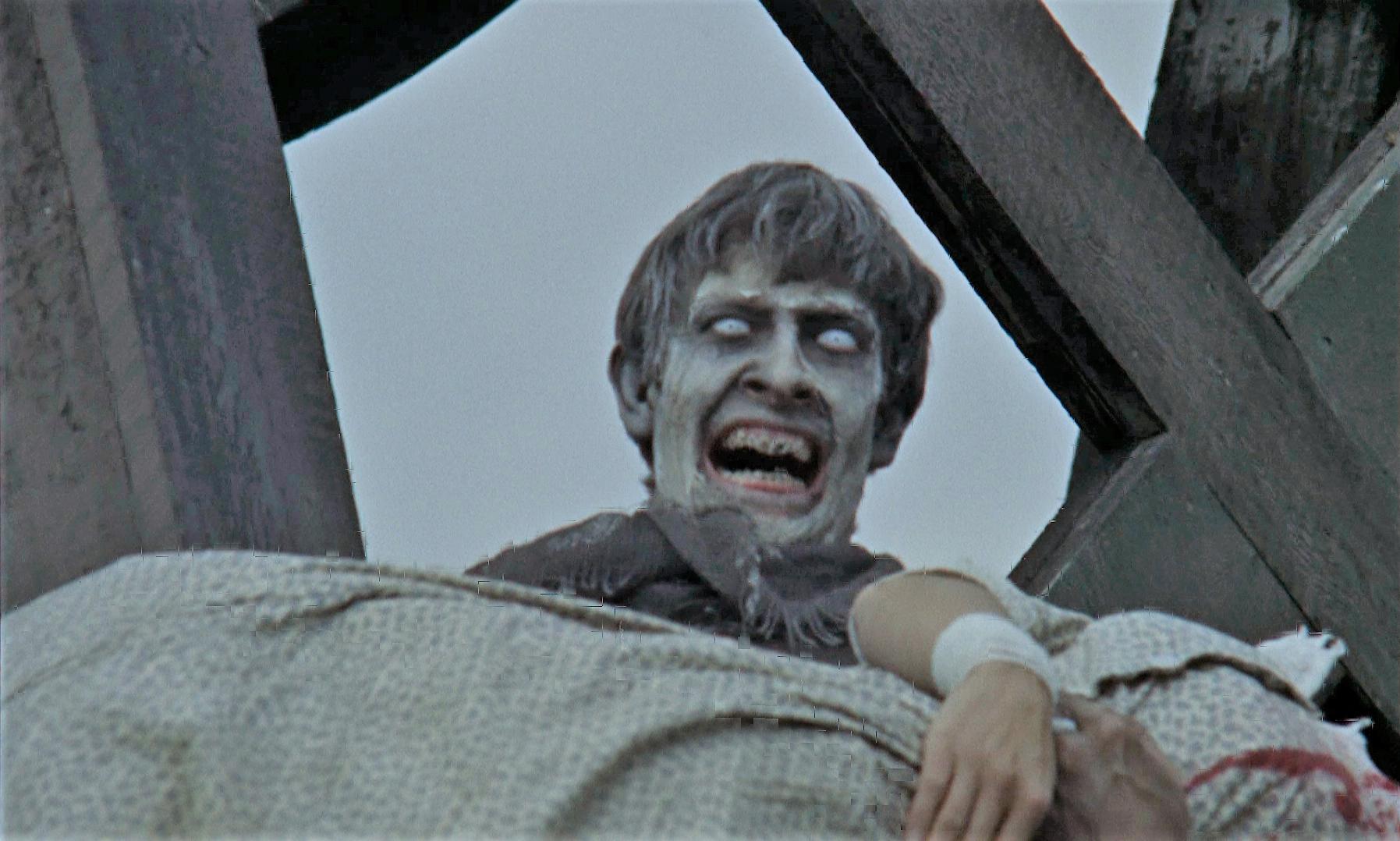
The standout among the five releases that year was Dracula: Prince of Darkness, which saw Christopher Lee return to the role that had made him synonymous with the infamous Count. Alongside it, films like The Plague of the Zombies and The Reptile ventured into new territory, testing the limits of traditional horror by mixing gothic dread with more exotic and psychological horror stories. Each film brought something fresh to Hammer’s catalog, reinforcing the studio’s status as the reigning master of fear.
In this series, we’ll revisit the five films that made 1966 Hammer’s most influential year, exploring how each one contributed to the studio’s enduring legacy. Though Hammer had found great success before, this was the year they owned horror, shaping the future of the genre in ways that continue to resonate.
 Surgeons of Horror
Pingback: Dracula: Prince of Darkness (1966): Reviving a Legend | Surgeons of Horror
Pingback: The Plague of the Zombies (1966): A Grim Tale of Class and Undead Horror | Surgeons of Horror
Pingback: Rasputin: The Mad Monk (1966): A Dance with Darkness | Surgeons of Horror
Pingback: The Reptile (1966): A Slithering Spectacle | Surgeons of Horror
Pingback: The Witches (1966): Hammer’s Haunting Finale | Surgeons of Horror