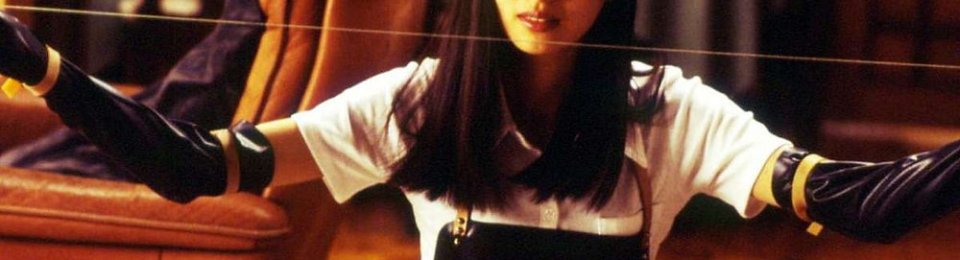
Takashi Miike’s Audition is a film that blurs the line between genres, perceptions, and expectations. Initially masquerading as a melancholic romance, it stealthily devolves into a nerve-shattering nightmare that helped cement the late 1990s surge of the J-horror movement. But more than just a horror film, Audition is a visceral exploration of feminism, misogyny, and the grotesque power dynamics between men and women.
At its core, Audition presents itself as a critique of patriarchal entitlement. The premise, in which a middle-aged widower, Aoyama, uses a fake casting call to audition women for a potential new wife, unfolds like a manifestation of male objectification. His desire to “choose” the perfect partner through deception echoes centuries of male-dominated narratives. This setup is a classic male fantasy—until it unravels into a female nightmare, and Miike deftly shifts the audience’s sympathies.
Enter Asami Yamazaki, played by Eihi Shiina, one of the most compelling antagonists in modern cinema. Asami initially appears soft-spoken, delicate, and vulnerable, but she quickly becomes the embodiment of pent-up rage against male oppression. Her transformation is as much a shock to the audience as it is to Aoyama, turning from passive prey into the embodiment of vengeance. Asami’s cruelty is chilling not because it’s unexplained, but because it feels so justifiable within the framework of the film. She avenges not only her own pain but the collective trauma of silenced women, using sadistic torture as her means of expression. Asami’s soft “Kiri, kiri, kiri” during the film’s climax is one of the most terrifying and iconic moments in cinema—a sweet whisper of brutality that echoes long after the film ends.
Audition also stands as a pivotal film in the torture-horror subgenre, long before “torture porn” was coined to describe Western films like Saw and Hostel. What separates Miike’s film is the emotional and psychological depth behind the violence. The infamous torture scene—where Aoyama is rendered immobile and subjected to unspeakable pain—is not just there for shock value. It reflects deeper themes of control, vengeance, and the fragility of human bodies and relationships. It’s a slow, methodical build-up to terror, with Miike ensuring that every second of pain is felt by both the characters and the audience.
Released at the height of the J-horror wave alongside films like Ringu and Ju-on, Audition managed to stand apart due to its hybrid nature. While Ringu and its peers focused on supernatural dread, Audition delves into the psychological horror of human relationships. The supernatural in Miike’s world is implied rather than overt—it’s in the dreamlike sequences, the uncanny disconnect between Asami’s sweet demeanor and her sadism, and the eerie stillness that pervades every frame. Miike’s use of restrained cinematography, especially in the film’s first half, lulls the viewer into a false sense of security before pulling the rug out in the third act, transforming romantic subtleties into abject terror.
The film’s feminism and misogyny walk hand in hand, both reflecting and critiquing societal norms. Asami’s vengeance, in a sense, can be seen as a rebuke to the ingrained misogyny Aoyama represents, but Miike also uses Asami’s character to question the extremities of feminist retaliation. Her actions are simultaneously righteous and monstrous, blurring the lines between victim and villain. This duality forces the viewer to grapple with their own moral compass, never offering a clean resolution or simple interpretation.
Audition is a film that lingers. Its depiction of torture, emotional manipulation, and gender politics still resonates in modern horror. Asami Yamazaki remains an unforgettable figure, not just in J-horror but in global cinema—a character as terrifying as she is tragic. Audition is a masterpiece that’s not just about horror but about the human capacity for cruelty, control, and vengeance.
Takashi Miike’s work here is a testament to the power of cinema to provoke, unsettle, and challenge. With Audition, he delivered a film that stands tall in the pantheon of horror, one that haunts the mind long after the final frame.
- Saul Muerte
 Surgeons of Horror