Tags
1960s horror, 1960s retrospective, barbara shelley, christopher lee, gorgon, gothic, gothic horror, hammer films, Hammer Horror, peter cushing, terence fisher
Hammer Films’ The Gorgon (1964) stands as a notable entry in the studio’s prolific output, featuring the legendary trio of Peter Cushing, Christopher Lee, and Barbara Shelley. Directed by Terence Fisher, this film had all the makings of a classic Hammer horror, yet it fell short of its full potential. Despite its flaws, The Gorgon remains an enjoyable feature and a must-watch for fans of the iconic British horror production company.
The story revolves around a small European village plagued by a series of mysterious deaths, all seemingly linked to the mythical gorgon Megaera. Screenwriter John Gilling crafted a compelling script that promised a rich blend of Gothic horror and mythological intrigue. However, Gilling’s satisfaction with his script was tempered by disappointment when significant portions were cut from the final version, diluting the narrative’s depth and impact.
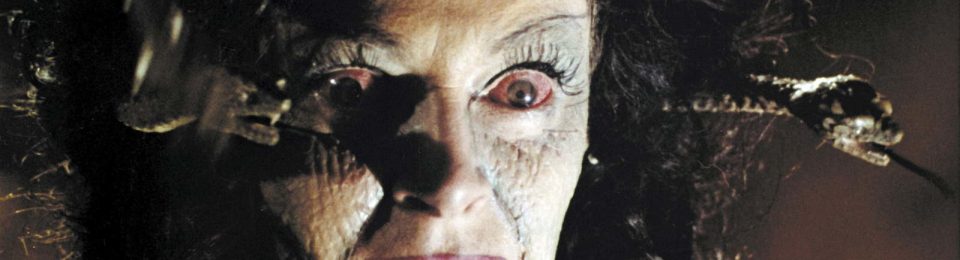
Barbara Shelley, cast in the dual role of Carla and Megaera, was particularly disheartened by the decision to reduce her involvement. Originally intended to portray both the innocent Carla and her monstrous alter ego, Shelley believed that this dual role could have elevated The Gorgon to one of the best Gothic films ever made. Unfortunately, the role of Megaera was reassigned to Prudence Hyman to prevent prematurely revealing the story’s outcome, a choice that Shelley felt undermined the film’s potential.
Under Terence Fisher’s direction, the film benefited from his seasoned expertise in crafting atmospheric horror. Fisher’s collaboration with Cushing, Lee, and Shelley promised a cinematic experience that embodied the essence of Hammer Films. Cushing and Lee, as always, delivered magnificent performances, with Cushing playing the determined Dr. Namaroff and Lee as the insightful Professor Meister. Shelley’s portrayal of Carla added a layer of vulnerability and complexity to the narrative.
Despite these strong elements, The Gorgon struggled to connect with audiences. The film’s pacing issues, coupled with the aforementioned script cuts, resulted in a disjointed story that failed to fully capitalize on its intriguing premise. Additionally, the special effects, particularly the portrayal of Megaera, did not meet the high standards set by other Hammer productions, further impacting the film’s reception.
The Prognosis:
The Gorgon is a mixed bag—a film that showcases Hammer’s strengths while also highlighting some of its weaknesses. It’s an enjoyable feature that offers glimpses of what could have been a masterpiece. For fans of Hammer Films and classic Gothic horror, it remains a worthwhile watch, if only to appreciate the performances of Cushing, Lee, and Shelley, and to ponder the film that might have been.
Rating: ★★★☆☆
 Surgeons of Horror