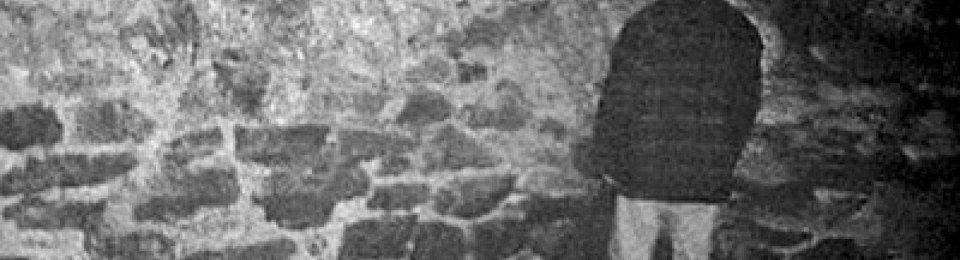
As we mark the 25th anniversary of The Blair Witch Project, it’s a fitting time to reflect on what made this film a groundbreaking piece of horror cinema. Released in 1999, Daniel Myrick and Eduardo Sánchez’s found footage phenomenon redefined the genre, not through what it showed, but through the terrifying power of what it didn’t.
The true genius of The Blair Witch Project lies in its ability to immerse audiences in an intricate web of legends and backstories, masterfully crafted to blur the lines between fiction and reality. Central to this mythos is the enigmatic figure of Elly Kedward, the Blair Witch herself, a woman accused of witchcraft and banished from Blair, Maryland, in the late 18th century. Her vengeful spirit is said to haunt the Black Hills Forest, where the film’s events unfold.
The lore extends further with tales of Eileen Treacle, a young girl who drowned in 1825, and Robin Weaver, a child who went missing in 1886, both supposedly victims of the Blair Witch. The chilling accounts of Coffin Rock, where five men were found ritualistically slaughtered, and Rustin Parr, a hermit who murdered seven children under the witch’s influence, add layers of dread and intrigue to the story. These elements, meticulously detailed in the film’s supplementary materials, create a rich tapestry that fuels the viewer’s imagination and fear.
The massacre of the Burkittsville Seven, where Parr’s victims met their gruesome end, is perhaps one of the most unsettling parts of the legend. The graphic details of their fate, revealed through interviews and historical documents within the narrative, enhance the film’s realism and horror. This backstory isn’t just background noise; it’s the foundation upon which the entire atmosphere of the film is built.
The Blair Witch Project also arrived at a pivotal moment in the evolution of the internet. The filmmakers ingeniously leveraged the burgeoning online community to propagate the mythos, creating one of the first viral marketing campaigns. Websites, message boards, and mockumentaries provided “evidence” and “testimonials” that blurred the lines between reality and fiction, convincing many that the events depicted were real. This innovative use of the internet not only amplified the film’s reach but also its psychological impact, leaving audiences questioning the boundaries of reality.
Beyond the film itself, the Blair Witch universe expanded into various media, enriching the lore and keeping the legend alive. The Blair Witch Project: A Dossier provided a deeper dive into the mythology, presenting police reports, interviews, and other documents that added to the authenticity and mystery. Comic books explored new narratives and characters, while video games allowed fans to experience the horror firsthand, navigating the eerie Black Hills Forest themselves.
The genius of The Blair Witch Project is that it understands fear’s most potent form comes from within. By constructing an elaborate backstory and creating a sense of realism through minimalism and suggestion, the film leaves much to the viewer’s imagination. This approach taps into our primal fears, making the unseen and the unknown the real stars of the movie.
As we celebrate the 25th anniversary of The Blair Witch Project, we recognize its lasting impact on the horror genre and its innovative use of storytelling and marketing. The film’s legacy is a testament to the power of suggestion and the enduring allure of folklore. It’s a reminder that sometimes, the most terrifying horrors are those we can’t see.
- Saul Muerte
 Surgeons of Horror