Tags
1960s horror, 1960s retrospective, glynis johns, robert bloch, roger kay, the cabinet of calgari
While Robert Bloch’s The Cabinet of Caligari may not have reached the same cultural zenith as his seminal work Psycho, this cinematic adaptation of the classic tale deserves recognition for its own unique merits and contributions to the horror genre.
Released in 1962, The Cabinet of Caligari sought to reimagine the timeless story of madness and manipulation originally brought to life in Robert Wiene’s 1920 silent film masterpiece. While Bloch’s interpretation may not have captured the zeitgeist in the same way as Psycho, it nevertheless offers a fascinating glimpse into the evolution of horror cinema in the early 1960s.
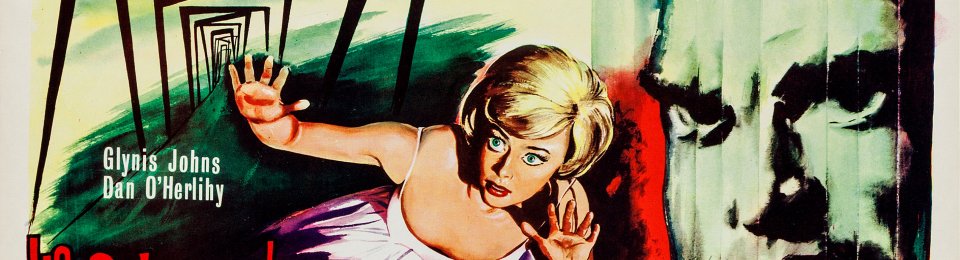
One of the most notable qualities of The Cabinet of Caligari lies in its visual style and atmosphere. Director Roger Kay, known for his keen eye for cinematography, brings the eerie world of Dr. Caligari to vivid life, with stark contrasts and expressionistic flourishes reminiscent of the silent film era. From the twisted architecture of the asylum to the haunting landscapes of the German countryside, every frame is imbued with a sense of dread and unease.
At the heart of the film is Bloch’s reimagining of the enigmatic Dr. Caligari and his mesmerizing hold over his unwitting patients. While Bloch may not have captured the same psychological depth and complexity as in Psycho, his interpretation offers a compelling exploration of the darker aspects of human nature and the blurred lines between sanity and madness.
Another noteworthy aspect of The Cabinet of Caligari is its cast, led by the incomparable Glynis Johns as the tormented Jane Lindstrom. Johns brings a palpable sense of vulnerability and fear to her role, serving as the audience’s guide through the labyrinthine corridors of Dr. Caligari’s asylum.
While The Cabinet of Caligari may not have achieved the same level of acclaim as Psycho, it nevertheless stands as a testament to the enduring power of Wiene’s original vision and the timeless appeal of the mad genius archetype. With its striking visuals, atmospheric score, and compelling performances, it remains a worthy addition to the pantheon of horror cinema, offering a fresh interpretation of a classic tale for a new generation of audiences to enjoy and appreciate.
- Saul Muerte
 Surgeons of Horror