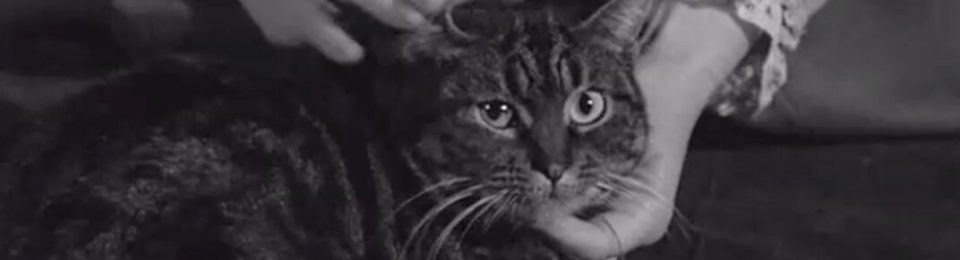
In the shadowy corners of horror cinema history lies a forgotten gem waiting to be rediscovered: “Shadow of the Cat” (1961), a haunting masterpiece from the legendary Hammer Films. While Hammer is often celebrated for its iconic Dracula and Frankenstein films, “Shadow of the Cat” lurks in the shadows, waiting for its moment to shine once more.
Directed by John Gilling, “Shadow of the Cat” is a tale of betrayal, revenge, and feline fury that unfolds with all the Gothic grandeur and chilling atmosphere that Hammer Films is known for. Set in a sprawling English estate, the film follows the sinister machinations of Tabitha, a seemingly innocent house cat who witnesses the murder of her beloved mistress. But Tabitha is no ordinary cat – she’s a creature of vengeance, hell-bent on avenging her owner’s death at the hands of her greedy relatives.
What sets “Shadow of the Cat” apart from other Hammer productions is its unique premise and its unrelenting sense of tension. While the film may lack the supernatural elements of Hammer’s more famous offerings, it more than makes up for it with its gripping storyline and eerie atmosphere. From the menacing shadows that lurk around every corner to the haunting meows of the vengeful Tabitha, “Shadow of the Cat” keeps viewers on the edge of their seats from start to finish.
Of course, no discussion of “Shadow of the Cat” would be complete without mentioning its feline star. Tabitha’s performance is nothing short of mesmerizing, with every flick of her tail and piercing stare conveying a sense of menace and malice that is truly unforgettable. It’s a testament to the skill of the filmmakers that they were able to create such a compelling character out of a simple house cat.
While “Shadow of the Cat” may have been overshadowed by Hammer’s more famous productions, it remains a hidden gem just waiting to be discovered by horror fans old and new. With its gripping storyline, atmospheric setting, and unforgettable feline protagonist, it’s a film that deserves to be remembered as one of Hammer’s finest achievements.
- Saul Muerte
 Surgeons of Horror