Tags
bernard bresslaw, brian clemens, christopher lee, dawn addams, dr jekyll, dr jekyll and mr hyde, eddie izzard, hammer films, Hammer Horror, john gore, martine beswick, michael carreras, oliver reed, paul massie, ralph bates, rl stevenson, terence fisher, the two faces of dr jekyll, the ugly duckling
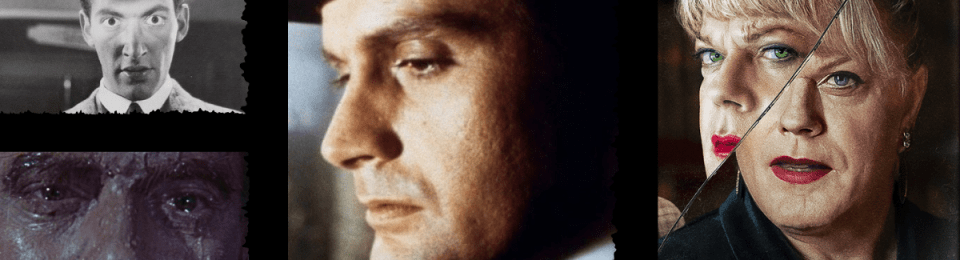
Across Hammer Films extensive canon of work there have been four adaptations of RL Stevenson’s Gothic tale, Strange Case of Dr Jekyll and Mr Hyde. Having found success in recreating Universal’s Classic Monster line with adaptations of Frankenstein and Dracula, it would seem logical to turn to another dark tale for inspiration. The mode of choice would fall under scrutiny however by casting English actor Bernard Bresslaw to lead a comic interpretation, called The Ugly Duckling, off the back of their somewhat successful comedy feature, I Only Arsked! Producer Michael Carreras had high hopes for the feature but the box office return would counter his bold prediction with a loss of $20,000.
Their second foray released less than a year later in 1960 would bring Hammer staple Christopher Lee as a supporting role and veteran director Terence Fisher at the helm. The Two Faces of Dr Jekyll would see Paul Massie take on the titular role, experimenting on himself, he turns into his alter ego, Mr. Hyde, a lothario playboy who discovers his friend, Paul (Lee) has been taking advantage of his fortune and stealing the heart of his wife, Kitty (Dawn Addams). Now hellbent on revenge and fury, Jekyll allows Hyde to fuel his energy with a plot to kill Paul.
Despite the combination of Lee and Fisher, the feature failed to ignite the paying public. Lee, who was initially disgruntled at not being offered the lead, actually turns out a decent performance, but surprisingly Fisher’s direction falls flat and fails to connect with screenwriter Cyril Wolf Mankowitz’s vision; Fisher choosing to go with old school formality and adapting the initial intention.
Eagle-eyed viewers however, would spot young up and comer, Oliver Reed as a troublemaker at the Sphynx nightclub.
The choice to alter and cut out certain choices due to time constraints ultimately led to a poor box office return, losing around $30,000. So far, Stevenson’s tale had not proved successful for Hammer and the glow of Hammer Horror was starting to lose its lustre. It would not however deter the British film company from going back to the source material with a third outing released over a decade later in 1971 and starring Hammer’s new flesh and blood leading male, Ralph Bates to take over the mantel from Peter Cushing, mainly due to him taking on the iconic role of Baron Frankenstein. The title of Brian Clemens screenplay, Doctor Jekyll and Sister Hyde was the stuff of Michael Carreras dreams, leaning heavily into the sex and image that Hammer became synonymous with in the seventies.
With model Martine Beswick as the alter ego to Bates’ Dr Jekyll, the piece was played for laughs but would heighten the terror through the guise of womanhood to hide the bloody male persona lurking beneath the feminine exterior. It’s potentially the boldest of directions taken by Hammer’s revisioning of RL Stevenson’s work, and one that was lost on the audience at the time, failing once again to connect. A shame as it holds up well today and still poses an interesting perspective.
The latest incarnation takes the concept one step further with casting Eddie Izzard as a transgender descendant of Dr Jekyll, and could easily have slipped into worrisome terrain had the creatives decided to take the story in a troublesome direction.
Movie Review: Doctor Jekyll (2024)
Thankfully though, the Hammer Films team play it straight and keep the terror to a slow burn rising of fear and dread, never fully knowing where or when evil may strike next.
It’s still early to say whether this version will leave a mark on the audience, but this new Hammer vision that has been orchestrated by new CEO, John Gore promises to lead the infamous horror production company before a modern audience whilst still keeping the tone and flavour of the films of yester-year.
- Saul Muerte
 Surgeons of Horror
Pingback: Movie Review: Doctor Jekyll | Surgeons of Horror